
The outlook for LNG is shifting, driven by cleaner energy demand and technological advancements. Explore how stakeholders adapt.
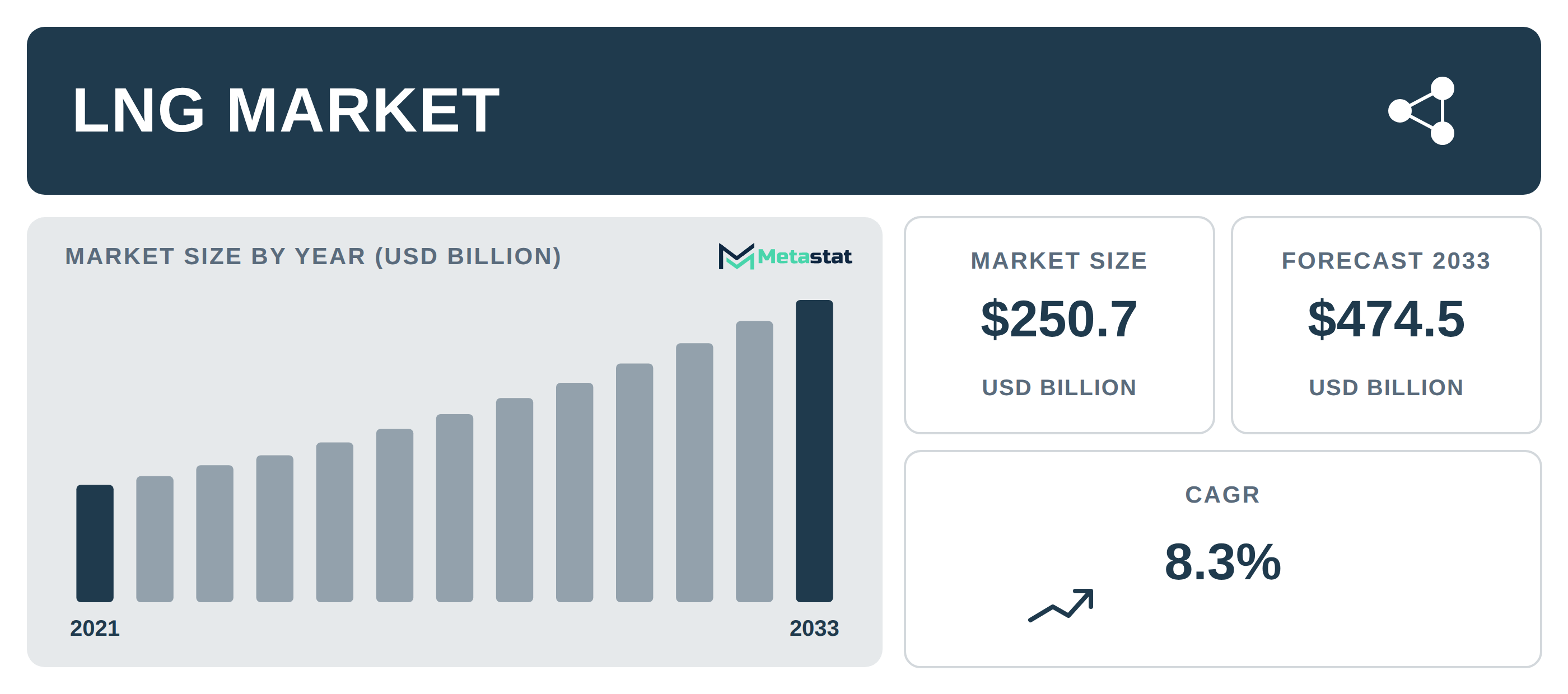
The upcoming changes in the market for LNG signify critical shifts in energy supply dynamics and investment strategies that stakeholders should closely monitor. While the global focus on cleaner energy intensifies, the implications for LNG operations stand to reshape energy infrastructures worldwide. For an in-depth analysis, refer to the LNG market size and forecast report.
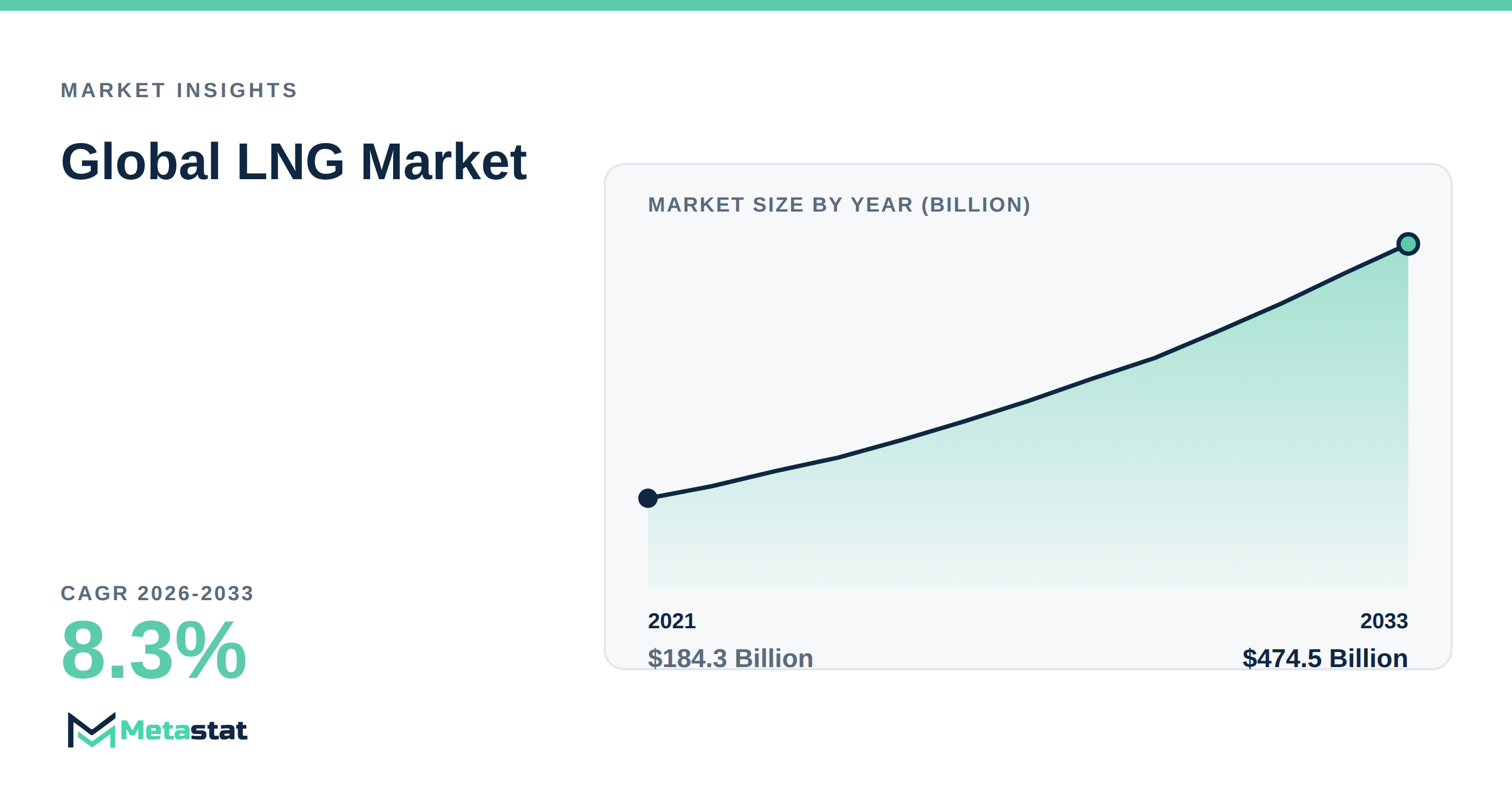
How is the demand for cleaner energy reshaping LNG investments?
A significant driver of investment in LNG facilities is the growing emphasis on cleaner energy sources. Buyers are increasingly prioritizing LNG due to its reduced carbon emissions when compared to traditional fossil fuels. This transition aligns with heightened awareness surrounding environmental sustainability and regulatory frameworks that push for decreased carbon footprints across various sectors.
Projections indicate substantial investments in liquefaction and regasification facilities, reflecting a strategic pivot towards cleaner energy solutions. With LNG projected to attract significant capital inflows, particularly in the Asia Pacific region, stakeholders should consider how these investments will reshape energy supply chains and influence procurement strategies in the coming years.
What role does technological advancement play in the LNG outlook?
Technological advancements are crucial in the evolution of LNG processing and transportation. Innovations in liquefaction techniques enhance operational efficiencies while reducing costs, which promotes more agile responses to market demands. This adaptability strengthens the competitive standing of LNG against other energy sources.
The rising interest in floating LNG terminals permits countries to establish supply chains quickly, providing a flexible alternative that could disrupt traditional infrastructure models. This shift towards adaptable energy sourcing could lead to quicker market responses and increased competition among nations seeking energy security.
How are procurement strategies evolving with changing price dynamics?
Fluctuating LNG prices prompt buyers to reconsider their procurement strategies, weighing the benefits of long-term contracts against the risks associated with spot market pricing. Companies are increasingly finding value in establishing long-term supply agreements, which deliver price stability despite volatile conditions.
Understanding how procurement costs are influenced by oil-indexed contracts and moving spot prices is vital for buyers aiming to optimize expenditures. The flexibility in pricing arrangements associated with LNG provides strategic advantages, particularly as demand patterns shift over time.
What are the implications of regulatory frameworks and geopolitical dynamics?
Regulatory frameworks and geopolitical factors significantly impact the market for LNG. As countries strive to meet emissions targets, supportive regulatory conditions are essential for the growth of LNG infrastructure. Geopolitical tensions affect supply chains, leading to uncertainties that stakeholders navigate.
Awareness of potential disruptions stemming from these dynamics remains critical for companies planning expansions and investments. Proactive strategies that account for regulatory developments and geopolitical risks will position stakeholders to maintain resilience in the LNG sector.
How should stakeholders prepare for future shifts in LNG demand?
Stakeholders in the LNG sector remains informed about demand shifts and the underlying factors driving these changes. Engaging in comprehensive market analysis will yield insights into emerging trends, enabling companies to adjust strategies and align them with evolving energy needs.
Investments in infrastructure and technology will be vital as demand for cleaner fuels rises. By aligning operations with sustainability goals and regulatory standards, stakeholders enhance their competitive positioning and support the transition to greener energy solutions.
This LNG outlook illustrates a transforming energy landscape that will require agility, strategic foresight, and collaboration among participants. As investment in liquefied natural gas expands, grasping these dynamics is fundamental to navigating the future of energy supply and consumption.
Tags
About the Authors

LEAD ANALYST
Utkarsh Khirodkar is a Lead Market Research Analyst at MetaStat Insight, specializing in market intelligence, technology sector assessments, and competitive strategy.

PRINCIPAL CONSULTANT - ENTERPRISE AI & EMERGING TECHNOLOGIES
Banking & Finance · Electronics and Semiconductor · Energy and Power · Healthcare IT · Information & Technology · Professional Services
Vijay Gunti is a Principal Consultant at MetaStat Insight, bringing over two decades of experience across enterprise digital transformation, technology strategy, and intelligent systems.

ENERGY & INFRASTRUCTURE INDUSTRY CONSULTANT
Automotive and Transportation · Electronics and Semiconductor · Energy and Power · Machinery & Equipment
Saurabh Vasant Ganvir consults for Energy & Infrastructure Industry at MetaStat Insight, specializing in renewable energy, solar EPC, and electric vehicle (EV) infrastructure markets.