
Explore six key changes reshaping the Lamination Systems market, including digital transformation, sustainability trends, and evolving regulations.
The Lamination Systems market is poised for significant evolution, driven by various dynamic factors influencing demand and operational strategies. Key segments, including hot pouch laminating machines, cold pouch laminating machines, and roll laminating machines, are adapting to changing market conditions. This article explores six critical changes shaping the Lamination Systems market and their implications for industry participants.
1. Increasing Adoption of Digital Solutions
Digital transformation is reshaping operational efficiency within the Lamination Systems market. Companies are adopting advanced technologies including automation and artificial intelligence, streamlining traditional lamination processes into efficient digital workflows. This shift improves productivity across industry segments, particularly packaging and printing, which increasingly require quick responses to consumer preferences. Businesses investing in digital capabilities gain a competitive edge and enhance their product offerings, fostering stronger customer relationships.
2. Heightened Focus on Sustainability
Growing consumer awareness of environmental impacts is driving demand for sustainable lamination solutions. Industries are progressively employing eco-friendly practices, prompting suppliers to innovate and develop products that align with sustainability objectives. This movement is especially prominent in packaging, where companies seek materials that lessen environmental footprints. Organizations prioritizing sustainable initiatives not only comply with regulatory expectations but appeal to environmentally conscious consumers, enhancing their standing within the Lamination Systems market.
3. Evolving Regulatory Compliance Standards
Shifts in regulatory frameworks significantly influence the Lamination Systems market by imposing rigorous compliance requirements. Manufacturers encounter increased operational complexities and costs while adapting to these evolving regulations. Firms allocate resources toward advanced technologies and processes to satisfy safety and environmental standards, which prolong product development timelines. Compliance challenges compel manufacturers to engage in strategic planning and invest financially to maintain competitiveness and reliability in the market.
4. Geopolitical Tensions Affect Supply Chains
Geopolitical issues, including rising trade tensions, introduce uncertainties in the Lamination Systems market. Disrupted supply chains result in increased tariffs and operational expenses for manufacturers, which impact long-term investment strategies. Fluctuations in the availability and pricing of raw materials complicate budgeting for firms, prompting them to adopt flexible sourcing strategies. Addressing these geopolitical challenges requires companies to build resilient supply chains capable of mitigating risks associated with global instability.
5. Technological Advancements Driving Innovation
The Lamination Systems market witnesses ongoing innovation fueled by advancements in technology. Firms are investing in next-generation solutions aimed at enhancing lamination processes and elevating product quality. This emphasis on research and development facilitates the emergence of sophisticated lamination machines that align with shifting consumer demands for high-quality and durable products. By embracing these innovations, companies bolster their competitive positions and expand their reach within the Lamination Systems market.
6. Economic Factors Influencing Market Growth
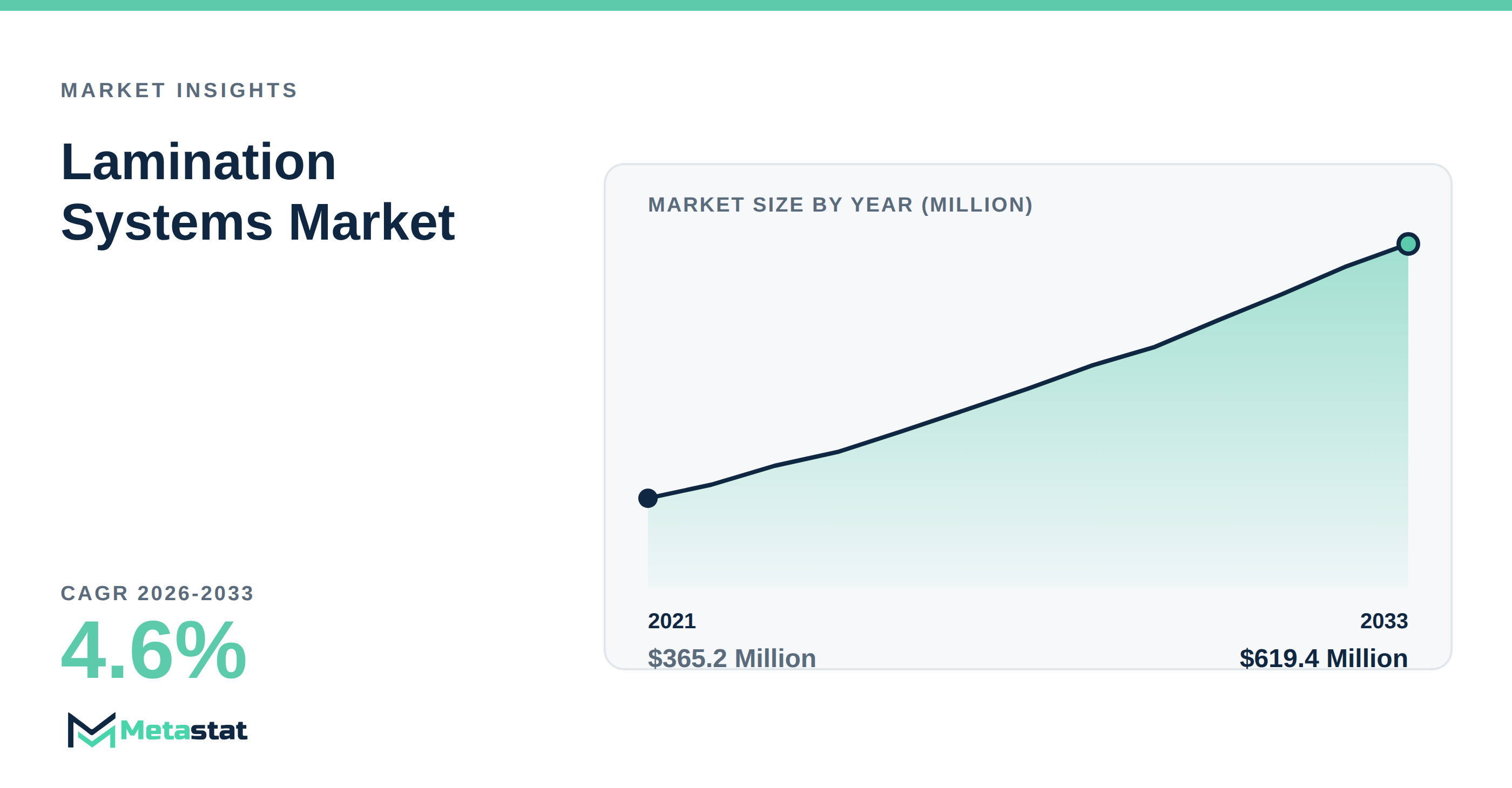
Economic developments play a critical role in shaping the Lamination Systems market. Growth in GDP combined with favorable capital investment environments boosts spending power across public and private sectors. Increased investment enhances demand for lamination systems, especially in packaging and printing. While manufacturers strive for operational efficiency through technological integration, they optimize processes and reduce costs. This trend supports the market's anticipated compound annual growth rate of 4.6% between 2026 and 2033, ultimately expanding revenue potential.
In summary, the Lamination Systems market is experiencing significant changes driven by digital advancements, sustainability trends, regulatory pressures, geopolitical challenges, technological innovation, and economic factors. Industry participants navigate these dynamics strategically to leverage emerging opportunities and maintain a competitive edge in this evolving market.
The full analysis is in Global Lamination Systems Market.
Tags
About the Authors

LEAD ANALYST
Utkarsh Khirodkar is a Lead Market Research Analyst at MetaStat Insight, specializing in market intelligence, technology sector assessments, and competitive strategy.

SENIOR RESEARCH ANALYST
Biotechnology · Food and Beverages · Medical Devices · Packaging
Snehal Pasalkar is a Research Analyst at MetaStat Insight, operating at the intersection of life sciences research, competitive strategy, and market intelligence.

INDUSTRY CONSULTANT - CHEMICALS & ADVANCED MATERIALS
Chemicals and Materials · Machinery & Equipment · Packaging
Amit Gadhekar Consultant for Chemicals and Materials at MetaStat Insight, directing sector-specific intelligence, research, and strategic consulting across global chemical and processing markets.