
Explore the key elements that influence pricing in the Electrically Conductive Foam market, and discover how buyers navigate costs effectively.
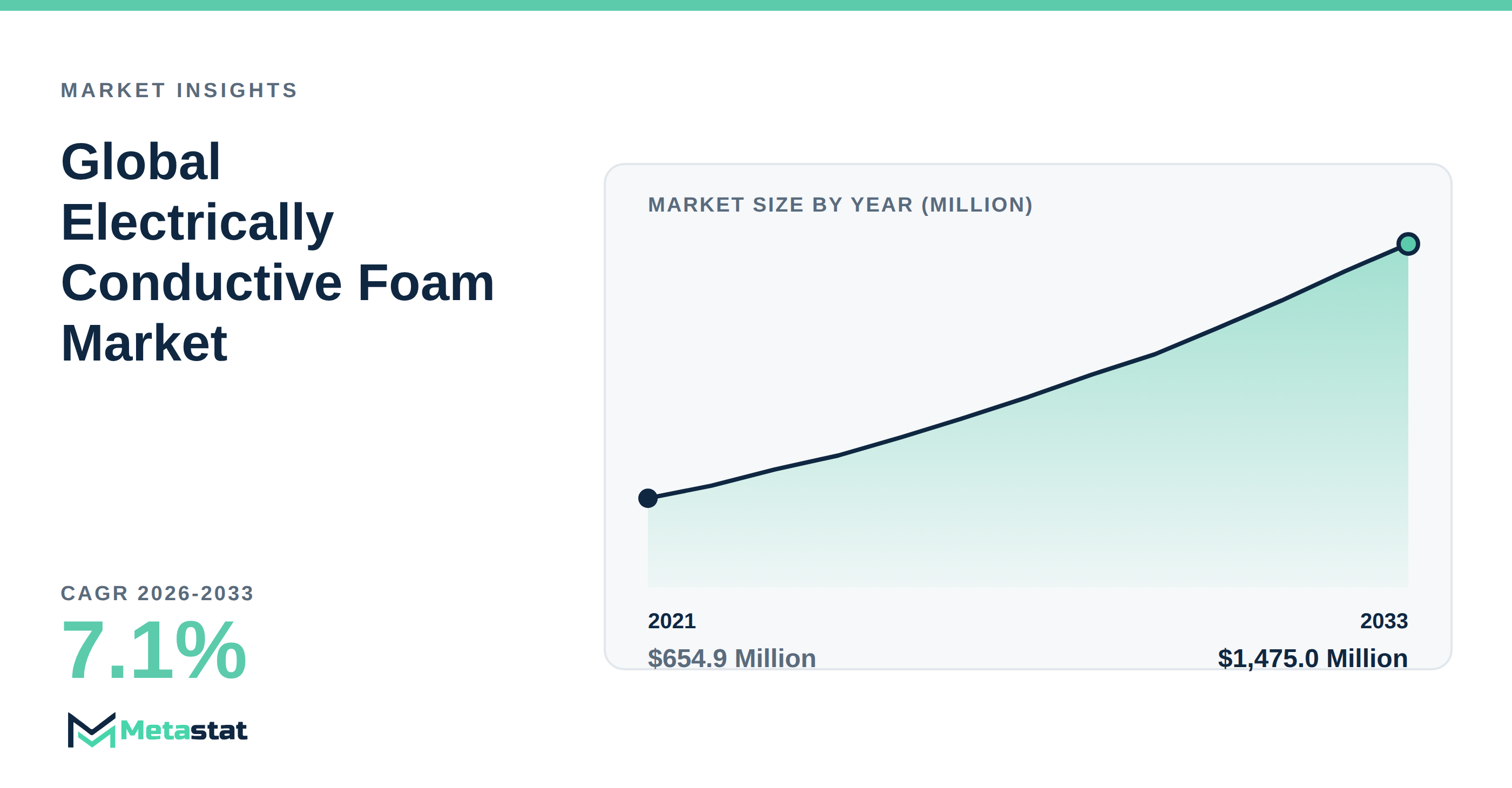
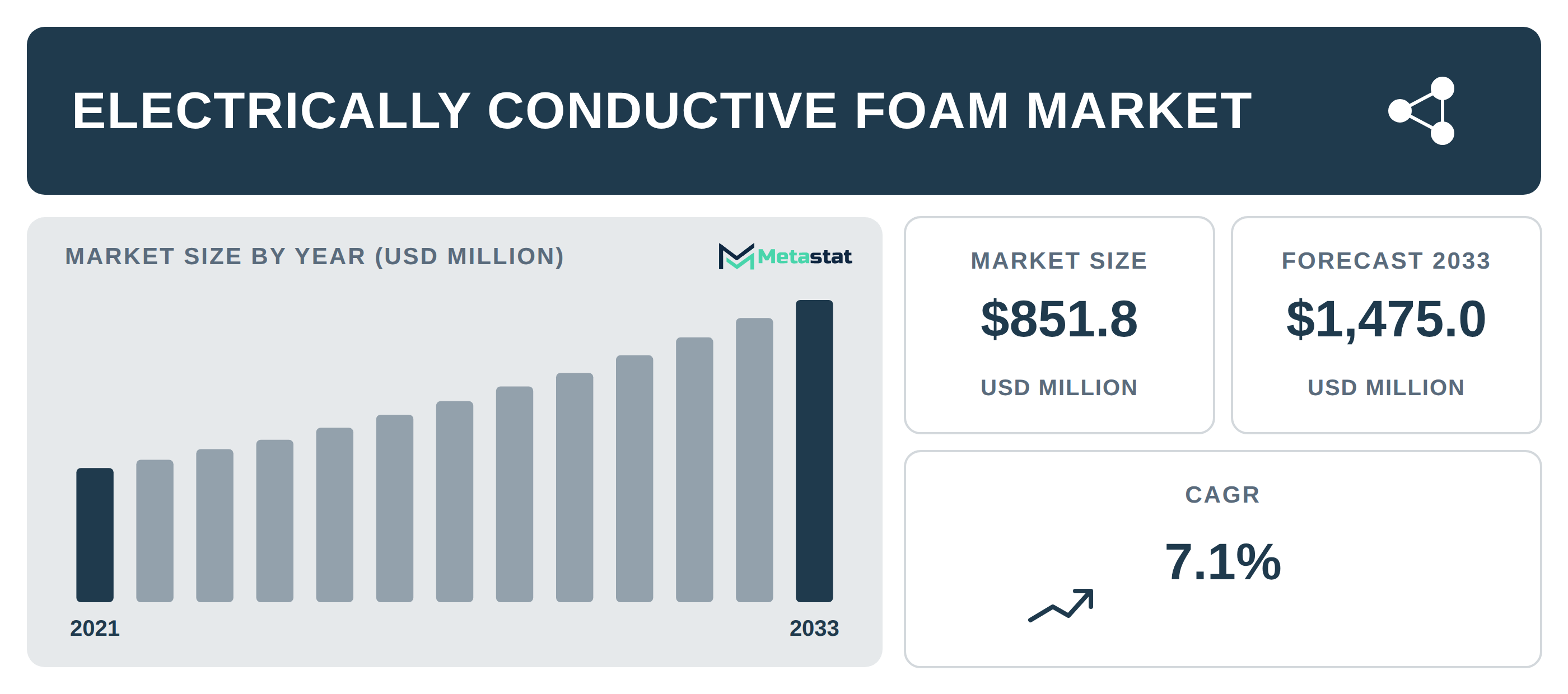
The market for Electrically Conductive Foam is impacted by various factors that shape pricing and procurement strategies. Understanding these elements equips buyers and operators to make informed decisions when sourcing materials. Below are some critical considerations that influence pricing and how buyers gain leverage over them. Electrically Conductive Foam market size and forecast report
1. Rising Material Costs Impact Pricing Strategy
Increasing raw material costs significantly influence the pricing of Electrically Conductive Foam. Manufacturers face challenges with sourcing affordable inputs, leading to higher prices for end products. This trend particularly affects budget-conscious buyers, prompting them to seek cost-effective solutions. Suppliers developing new formulations that integrate less expensive materials while maintaining performance levels gain an edge in this volatile pricing environment. By negotiating with suppliers or considering alternatives, buyers mitigate these rising costs.
2. Demand Fluctuations Across Industry Segments
Demand for Electrically Conductive Foam varies across industry sectors, impacting pricing dynamics. The consumer electronics segment shows substantial growth due to rising device adoption. This heightened demand translates into pricing power for suppliers serving this sector. Conversely, slower growth in more traditional sectors leads to price competition among suppliers. Buyers leverage these demand fluctuations by timing their purchases to align with periods of lower demand in specific segments, potentially securing better pricing.
3. Competitive Supplier Landscape Drives Pricing
The presence of multiple suppliers in the market for Electrically Conductive Foam encourages competitive pricing. Companies including 3M Company, Parker-Hannifin Corporation, and TE Connectivity plc offer various product types, influencing overall pricing strategies. Buyers benefit from this competition as suppliers strive to differentiate themselves through price, quality, and innovation. Engaging with multiple suppliers opens opportunities for better pricing and terms, enabling buyers to take advantage of the competitive environment.
4. Customization and Tailored Solutions Affect Costs
Customization in Electrically Conductive Foam impacts pricing structures. Suppliers offering tailored solutions typically command higher prices due to the specialized nature of their products. However, such customization often results in improved performance and compliance with specific industry requirements, justifying the investment. Buyers should carefully assess their needs and weigh the benefits of customized solutions against associated costs, exploring options that provide long-term value.
5. Regulatory Compliance Drives Pricing Structures
Regulatory compliance significantly influences pricing strategies in the Electrically Conductive Foam sector. The need for materials that adhere to stringent safety and performance standards leads to higher costs, which subsequently affects pricing. Suppliers incur additional expenditures related to compliance testing and certification. Buyers should inquire about the compliance status of products during procurement discussions and consider the potential costs associated with non-compliance when evaluating pricing offers.
6. Impact of Technological Advancements on Pricing
Technological advancements play an essential role in the pricing of Electrically Conductive Foam. Innovations in conductive additives and production techniques enhance the performance characteristics of foam products, enabling manufacturers to offer higher-quality solutions. However, these advancements lead to increased production costs. Buyers interested in high-performance materials should assess whether the enhanced features justify the potential price increases, thus ensuring alignment with their operational requirements.
Understanding these key factors aids buyers in navigating the complexities of pricing in the market for Electrically Conductive Foam. By leveraging insights into material costs, demand fluctuations, competitive landscapes, customization options, regulatory compliance, and technological advancements, purchasers align their procurement strategies with market realities.
Tags
About the Authors

LEAD ANALYST
Utkarsh Khirodkar is a Lead Market Research Analyst at MetaStat Insight, specializing in market intelligence, technology sector assessments, and competitive strategy.

INDUSTRY CONSULTANT - CHEMICALS & ADVANCED MATERIALS
Chemicals and Materials · Machinery & Equipment · Packaging
Amit Gadhekar Consultant for Chemicals and Materials at MetaStat Insight, directing sector-specific intelligence, research, and strategic consulting across global chemical and processing markets.