
The Automotive Plastics market is evolving rapidly. Discover the six key forces driving change and shaping the future of automotive materials.
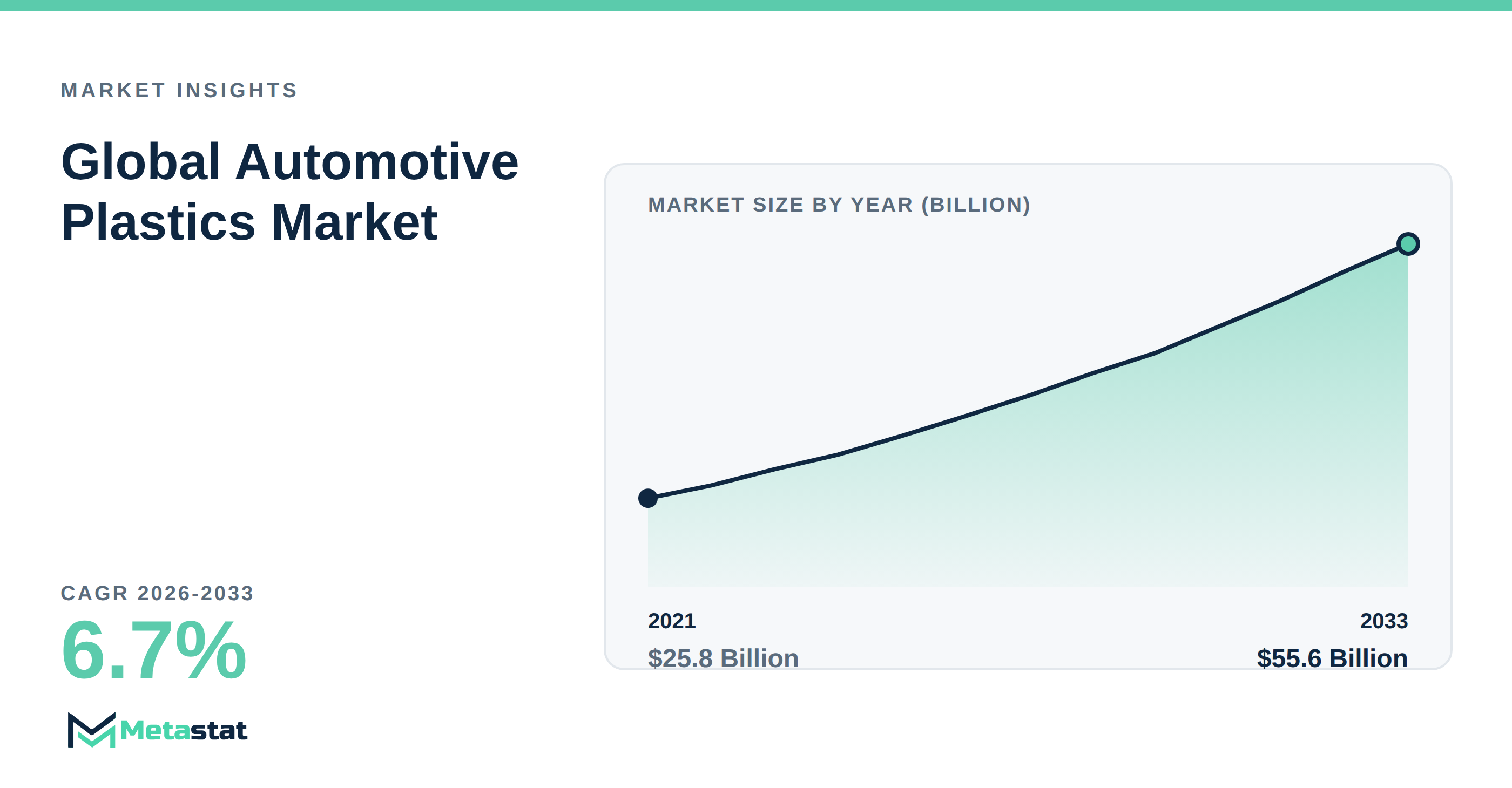
The global Automotive Plastics market is undergoing significant transformations driven by various forces. Stakeholders adapt to new demands and environmental standards, making it essential to understand these dynamics. Below are the six important forces impacting the Automotive Plastics market.
1. Lightweighting trends drive material innovation
Growing interest in reducing vehicle weight plays a major role in the Automotive Plastics market. Manufacturers focus on lightweighting to improve fuel efficiency and vehicle performance. This trend stimulates the use of innovative polymers, which support the transition to electric vehicles (EVs) and align with sustainability goals. While more passenger vehicles emphasize eco-friendly practices, the demand for advanced, high-performance plastics is anticipated to grow, affecting suppliers and manufacturers alike.
2. Regulatory compliance shapes material selection
Stringent environmental regulations create challenges within the Automotive Plastics market. Compliance with these evolving standards influences both material selection and processing methods, impacting overall manufacturing costs. Companies face pressure to utilize sustainable materials that adhere to regulatory expectations. This compliance focus affects procurement strategies, compelling manufacturers to pursue advanced solutions that not only meet performance criteria but align with environmental mandates.
3. Supply chain resilience becomes a priority
Geopolitical factors have introduced supply chain challenges that affect the Automotive Plastics market. Disruptions in the flow of raw materials, caused by trade disputes and tariff barriers, lead to increased costs and delays for manufacturers. To address these challenges, companies are investing in robust supply chain strategies to enhance stability and mitigate risks associated with material shortages. By fortifying supplier relationships and exploring alternative sourcing options, firms aim to secure a consistent supply of high-quality materials.
4. The rise of electric vehicles boosts material demand
The growing adoption of electric vehicles (EVs) significantly influences the Automotive Plastics market. EVs necessitate specialized materials that contribute to lightweight designs, effective thermal management, and battery housing solutions. This demand for innovative plastics is reshaping production norms and encouraging manufacturers to invest in research and development. The transition towards electric mobility opens opportunities for businesses to capture market share by providing tailored solutions that enhance vehicle efficiency and overall performance.
5. Advanced polymers enhance performance characteristics
Innovations in high-performance polymers are critical to the Automotive Plastics market evolution. Developments in materials including Polypropylene (PP) and Polyurethane (PU) provide improved durability and resistance to various automotive conditions. These advancements enable manufacturers to produce components that fulfill demanding performance standards while addressing consumer expectations for reliability. The market's focus on these advanced polymer technologies supports the creation of next-generation materials that meet sustainability objectives.
6. Infrastructure investments drive market growth
Investment in infrastructure significantly impacts the Automotive Plastics market. Increased public and private spending on facility upgrades allows automotive manufacturers to expand their operations, consequently boosting demand for plastic components. This growth aligns with rising urbanization and the need for efficient manufacturing processes. While investments in sustainable infrastructure continue, the market is positioned for growth, promoting technological advancements and fostering eco-friendly practices throughout the automotive sector.
These six forces reshaping the Automotive Plastics market highlight the industry's dynamic nature. Stakeholders remain alert to these changes, adapting their strategies to align better with market demands and ensure long-term growth. For more detailed insights, refer to the Global Automotive Plastics Market.
Tags
About the Authors

LEAD ANALYST
Utkarsh Khirodkar is a Lead Market Research Analyst at MetaStat Insight, specializing in market intelligence, technology sector assessments, and competitive strategy.

ENERGY & INFRASTRUCTURE INDUSTRY CONSULTANT
Automotive and Transportation · Electronics and Semiconductor · Energy and Power · Machinery & Equipment
Saurabh Vasant Ganvir consults for Energy & Infrastructure Industry at MetaStat Insight, specializing in renewable energy, solar EPC, and electric vehicle (EV) infrastructure markets.