
Explore the key factors transforming the gluten-free food market, from consumer awareness to technological advancements and e-commerce growth.
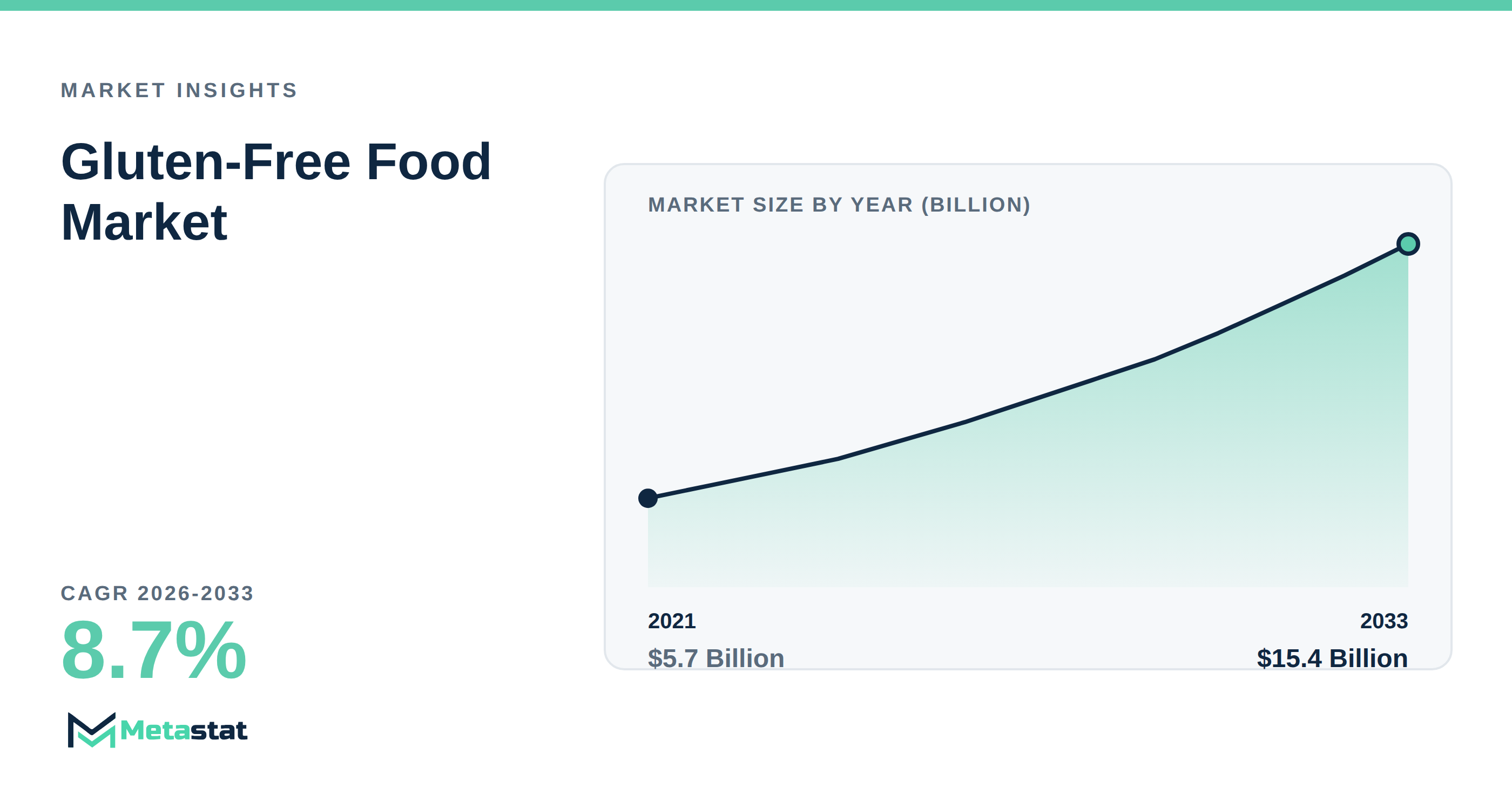
The Gluten-Free Food market is undergoing significant transformation driven by various factors that shape its growth and dynamics. Understanding these forces provides valuable insights for stakeholders aiming to navigate this evolving environment.
1. Increasing Consumer Awareness of Health
Growing health consciousness significantly influences the Gluten-Free Food market. Consumers increasingly recognize the health benefits associated with gluten-free diets, particularly concerning gluten intolerance and celiac disease. This heightened awareness prompts individuals from various demographics to adopt gluten-free diets, driving demand across multiple product segments. Brands innovate to enhance quality and taste, appealing to a broader audience that includes individuals without gluten sensitivities. Increased competition among manufacturers results in substantial investments in research and development to meet the expectations of health-conscious consumers.
2. Technological Innovations in Food Production
Technological advancements reshape the Gluten-Free Food market, enabling manufacturers to boost product quality and operational efficiency. Innovations including high-pressure processing and 3D food printing facilitate the creation of gluten-free items while preserving taste and texture. These innovations drive the influx of diverse gluten-free products into the market, meeting the rising consumer expectations for high-quality options. Companies investing in advanced technology position themselves advantageously to capture market share in a landscape where consumers prioritize both health and flavor.
3. E-Commerce Growth Driving Accessibility
The expansion of e-commerce significantly enhances the accessibility of gluten-free products. Consumers increasingly shift toward online shopping, seeking convenience and variety. The COVID-19 pandemic accelerated this trend, establishing e-commerce because a primary distribution channel for gluten-free foods. Retailers that adopt user-friendly digital platforms and effective marketing strategies improve their product visibility and reach, positively impacting sales growth. This shift allows consumers to explore and purchase gluten-free options from home, catering to the demand for convenient shopping experiences.
4. Regulatory Compliance Challenges
Regulatory compliance represents a critical factor influencing the Gluten-Free Food market. Manufacturers adhere to stringent labeling and safety standards, affecting production costs and operational efficiency. Companies encounter challenges in demonstrating compliance with evolving regulations, leading to potential delays in product availability. Macroeconomic conditions, including inflationary pressures, compound these challenges and may raise prices for gluten-free products. Thus, navigating regulatory demands while maintaining competitive pricing becomes essential for sustained market growth.
5. Urbanization and Changing Consumer Preferences
Urbanization significantly alters consumer eating habits, driving demand for convenient gluten-free products. Busy lifestyles prompt individuals to seek ready-to-eat gluten-free options. Retailers are responding by expanding product lines to cater to health-conscious urban consumers. This adaptation supports market growth and positions brands to capture a wider audience seeking nutritious and convenient gluten-free choices. While urban populations continue to grow, the demand for gluten-free foods is expected to increase, providing ample opportunities for market players.
6. Opportunities in Emerging Markets
The Gluten-Free Food market offers substantial growth potential in emerging markets, particularly in regions experiencing rising disposable incomes and urbanization. Areas including Asia Pacific exhibit increasing interest in gluten-free options, driven by changing dietary preferences and an expanding health-conscious demographic. Retailers that adapt their offerings to local tastes, supported by e-commerce developments, can effectively penetrate these markets. This geographical expansion enables companies to diversify their product portfolios and tap into new revenue streams, enhancing their market presence.
Overall, these six forces shaping the Gluten-Free Food market highlight the dynamic environment in which companies operate. By understanding these trends and aligning strategies accordingly, stakeholders successfully navigate the complexities of this market. For more detailed insights, explore the Global Gluten-Free Food Market.
Tags
About the Authors

LEAD ANALYST
Utkarsh Khirodkar is a Lead Market Research Analyst at MetaStat Insight, specializing in market intelligence, technology sector assessments, and competitive strategy.

LEAD PRINCIPAL ANALYST, PHARMA AND HEALTHCARE
Food and Beverages · Healthcare · Healthcare IT · Medical Devices
Ajay Devgire is the Lead Healthcare Analyst at MetaStat Insight, leading strategic research and market intelligence initiatives across the global healthcare domain.

SENIOR RESEARCH ANALYST
Biotechnology · Food and Beverages · Medical Devices · Packaging
Snehal Pasalkar is a Research Analyst at MetaStat Insight, operating at the intersection of life sciences research, competitive strategy, and market intelligence.