
Explore the factors that influence DC Voltage Stabilizer pricing. Learn how to optimize purchasing decisions in this evolving market.
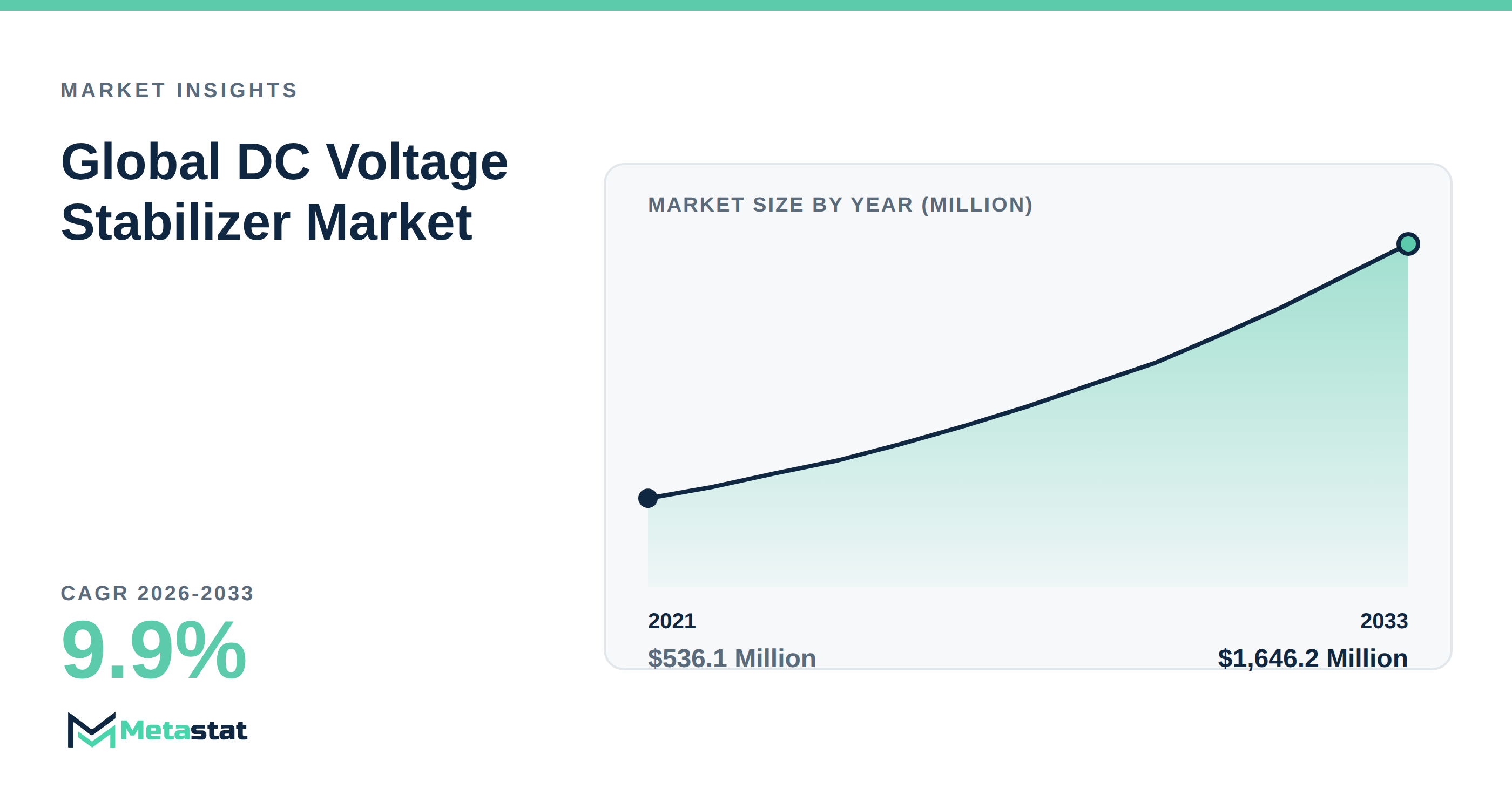
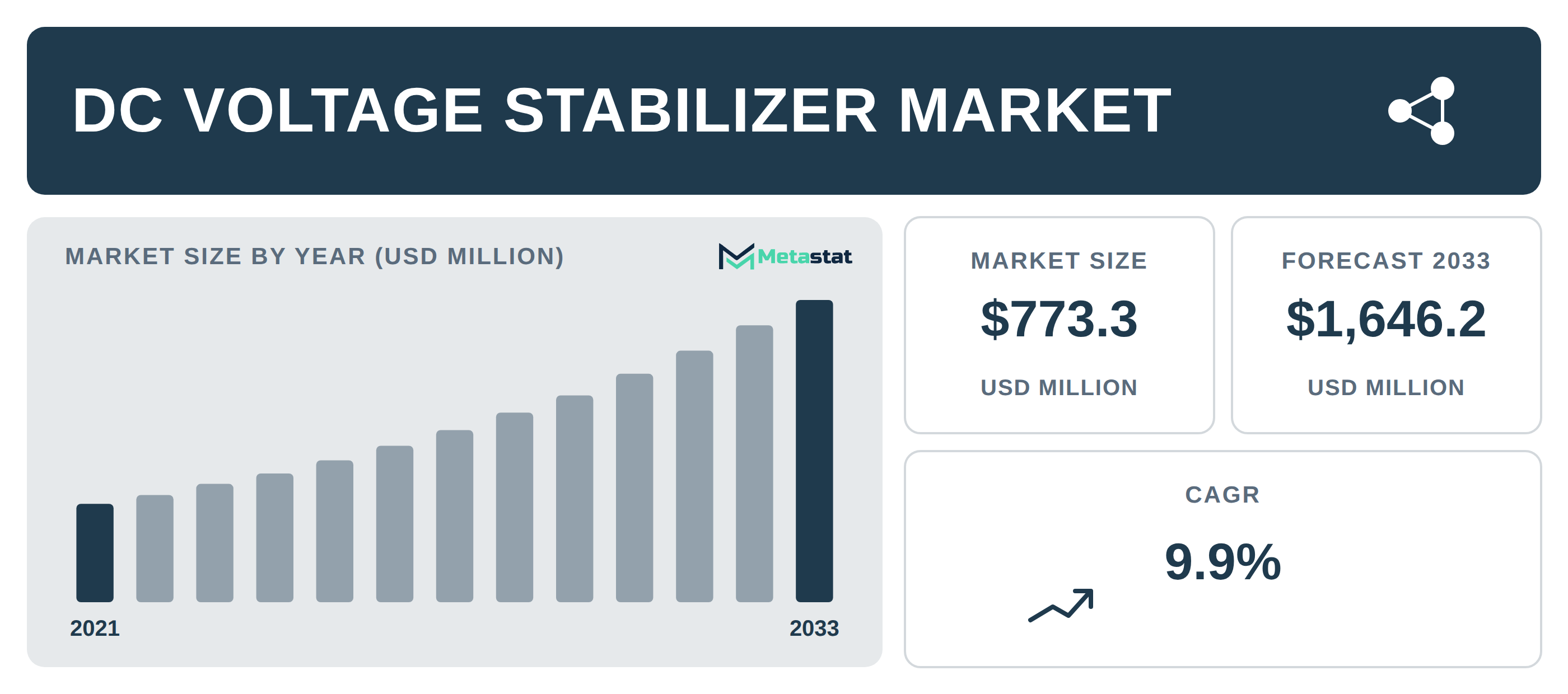
The pricing of DC Voltage Stabilizers is shaped by various factors that industry buyers should understand to optimize their purchasing decisions. From technological advancements to market dynamics, each aspect significantly affects costs. This analysis outlines essential considerations for buyers navigating the landscape of DC Voltage Stabilizer pricing, enabling more informed choices when investing in these critical devices. The full figures are in our DC Voltage Stabilizer market size and forecast report.
1. Demand for Reliable Power Supply
Growing reliance on stable power supply across industries significantly impacts DC Voltage Stabilizer pricing. Sectors including telecommunications and automotive prioritize consistent voltage regulation to protect sensitive equipment. This heightened demand encourages manufacturers to innovate, leading to price increases as new technologies emerge. Buyers who grasp the implications of this demand negotiates more effectively by emphasizing their need for reliable solutions that prevent equipment failures.
2. Technological Innovations Enhancing Performance
Advancements in technology have transformed DC Voltage Stabilizers, introducing features that enhance performance and efficiency. New innovations often come with higher price tags due to associated research and development costs. Buyers seeking the latest technology finds themselves paying a premium. However, recognizing the benefits of these advanced features - including improved voltage regulation - can justify the investment and lead to long-term savings by minimizing equipment failures.
3. Input Cost Pressures Affecting Manufacturers
Manufacturers of DC Voltage Stabilizers face significant input cost pressures due to fluctuating prices for raw materials and components. These costs play a crucial role in determining the final pricing of stabilizers. As raw material prices rise, manufacturers pass these costs onto buyers. Understanding the market dynamics surrounding raw material costs help buyers anticipate pricing fluctuations, allowing them to plan their purchases more effectively.
4. Buyer Sensitivity to Prices
Price sensitivity among buyers directly influences DC Voltage Stabilizer pricing. Industries with strict budget constraints, including telecommunications, may opt for more cost-effective solutions, which impacts overall market pricing. As buyers prioritize affordability, vendors adjust their pricing strategies, creating opportunities for negotiations. Buyers who recognize their leverage secures better deals by balancing price with their performance needs.
5. Application-Specific Requirements
Different applications necessitate varying levels of voltage stabilization, which affects pricing. For example, isolated DC Voltage Stabilizers generally cost more due to their complex design and enhanced safety features. Buyers should assess the specific requirements of their applications to determine how much they value performance against cost. This understanding facilitates informed decisions that align with operational needs while avoiding overspending.
6. Regulatory Compliance Costs
Compliance with industry regulations contributes to the cost of DC Voltage Stabilizers. Manufacturers ensure that their products meet specific safety and performance standards, which increases production costs. Buyers interested in high-quality stabilizers that comply with regulations pay a premium. However, investing in compliant equipment reduces the risks of failures and ultimately results in long-term savings that offset initial expenditures.
Understanding the factors influencing DC Voltage Stabilizer pricing enables buyers to make informed purchasing decisions. By considering demand dynamics, technological advancements, input costs, price sensitivity, application requirements, and regulatory compliance, buyers strategically navigate the market and optimize their investments in voltage stabilization solutions.
Tags
About the Authors

LEAD ANALYST
Utkarsh Khirodkar is a Lead Market Research Analyst at MetaStat Insight, specializing in market intelligence, technology sector assessments, and competitive strategy.

PRINCIPAL CONSULTANT - ENTERPRISE AI & EMERGING TECHNOLOGIES
Banking & Finance · Electronics and Semiconductor · Energy and Power · Healthcare IT · Information & Technology · Professional Services
Vijay Gunti is a Principal Consultant at MetaStat Insight, bringing over two decades of experience across enterprise digital transformation, technology strategy, and intelligent systems.

PRINCIPAL CONSULTANT - QUALITY SYSTEMS & COMPLIANCE
Electronics and Semiconductor · Machinery & Equipment · Professional Services
Omkar Phadtare is an Industry Consultant at MetaStat Insight, specializing in quality systems, regulatory compliance, and standards benchmarking to drive data-driven market intelligence and strategic industry research.

ENERGY & INFRASTRUCTURE INDUSTRY CONSULTANT
Automotive and Transportation · Electronics and Semiconductor · Energy and Power · Machinery & Equipment
Saurabh Vasant Ganvir consults for Energy & Infrastructure Industry at MetaStat Insight, specializing in renewable energy, solar EPC, and electric vehicle (EV) infrastructure markets.

LEAD CONSULTANT - COMMUNICATION, TELECOM, AND IT
Electronics and Semiconductor · Information & Technology · Machinery & Equipment · Professional Services
Ravindra Sathe Consultants for Communication, Telecom, and IT at MetaStat Insight. He leads the firm's industry research initiatives across telecommunications infrastructure, digital connectivity, enterprise networking, and emerging information technology domains.