
Discover six pivotal dynamics driving change in the Cured in Place Pipe (CIPP) Liner market, including aging infrastructure and innovation in curing technologies.
The Cured in Place Pipe (CIPP) Liner market is undergoing significant transformation, influenced by various factors that shape demand and operational strategies. Understanding these drivers is essential for stakeholders aiming to optimize their engagement with this evolving market.
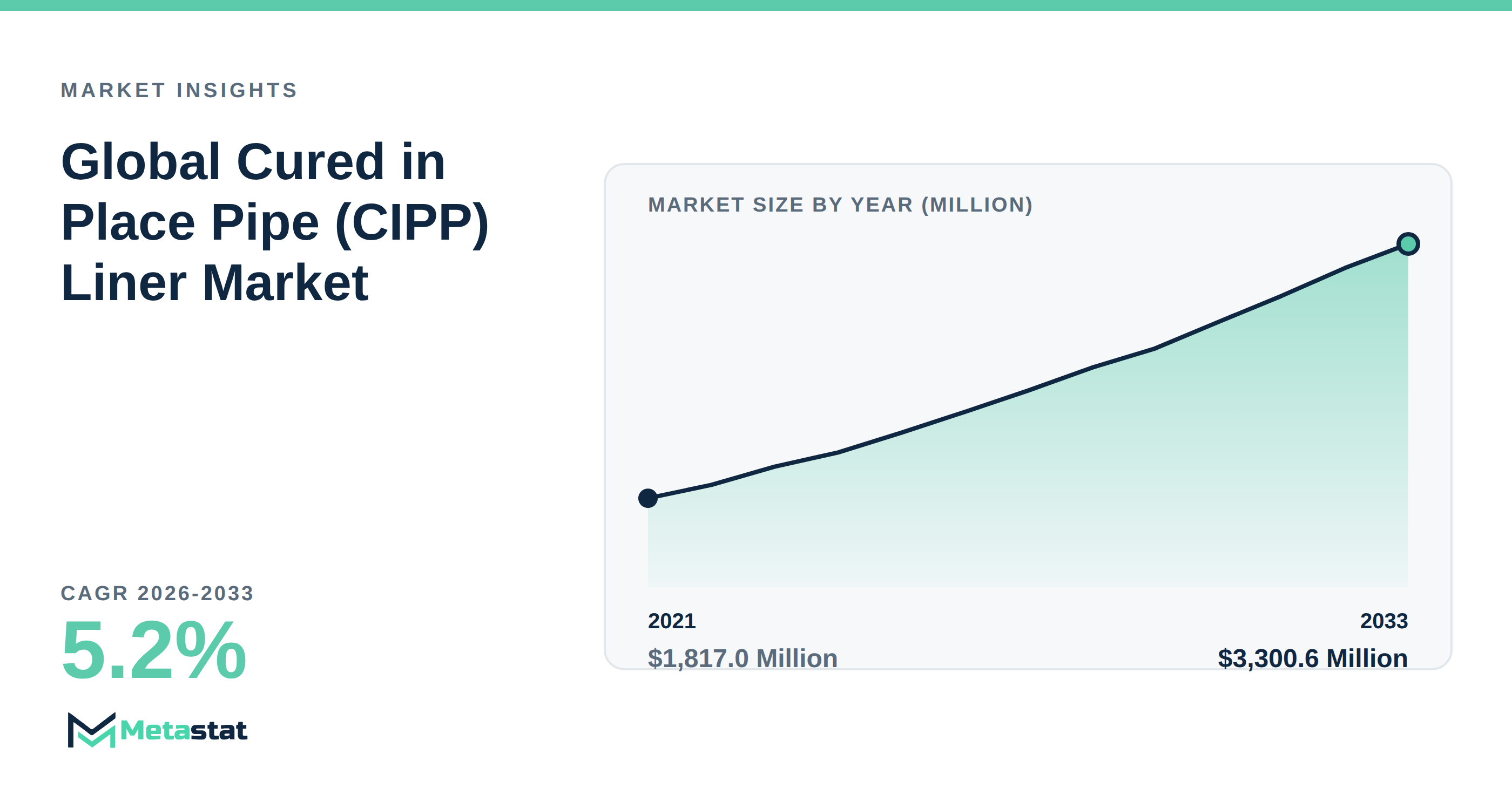
1. Aging Infrastructure Accelerates Demand for CIPP Liners
Municipalities confront the challenges of aging wastewater systems, prompting them to seek efficient and cost-effective rehabilitation methods. The restore deteriorating pipelines results in increased investments in CIPP technologies, which provide trenchless solutions that minimize disruption. These innovations cater to the demand for quick rehabilitation without major excavation, supporting city planners and utilities focused on maintaining service continuity.
2. Urbanization Fuels Infrastructure Investment
Rapid urbanization intensifies the demand for modern infrastructure solutions, particularly in wastewater and water distribution systems. While population centers expand, municipalities prioritize upgrading outdated systems, leading to increased funding for trenchless technologies like CIPP lining. This trend encourages stakeholders to enhance operational productivity while effectively managing resource constraints.
3. Innovations in Curing Technology Enhance Efficiency
Recent advancements in curing technologies, including ultraviolet (UV) curing methods, significantly improve installation efficiency for CIPP applications. These innovations reduce project timelines and costs traditionally associated with older methods. Contractors adopting these advanced solutions achieve a competitive edge, enabling them to meet the rising demand for swift and reliable pipe rehabilitation.
4. Regulatory Compliance Drives Sustainable Practices
Stringent environmental regulations surrounding waste management and VOC emissions affect the materials and processes used in CIPP liner production. Manufacturers increasingly invest in eco-friendly alternatives, including styrene-free resin systems. This shift aligns with the industry's emphasis on sustainability and enhances the market's appeal because municipalities pursue compliance with contemporary environmental standards.
5. Increased Focus on Potable Water Rehabilitation
The expansion of CIPP applications into potable water pipeline rehabilitation showcases the growing recognition of the need for innovative pipeline solutions. Utilities adopt CIPP methods to address leaks and structural failures in water mains, thereby enhancing service reliability and reducing operational costs. This trend reflects a broader shift toward comprehensive management of municipal pipeline systems.
6. Competitive Landscape Stimulates Innovation
The dynamics within the CIPP Liner market emphasize the importance of innovation in product offerings. Companies strive to differentiate themselves based on structural performance and curing speeds, leading to continuous investments in research and development. This commitment to innovation drives market growth and allows firms to adapt to the evolving demands of infrastructure maintenance.
The drivers outlined highlight critical shifts influencing the Cured in Place Pipe (CIPP) Liner market. Stakeholders navigating these developments strategically leverage opportunities and enhance their competitive position within an evolving framework. For detailed insights, refer to the Global Cured in Place Pipe (CIPP) Liner Market.
Tags
About the Authors

LEAD ANALYST
Utkarsh Khirodkar is a Lead Market Research Analyst at MetaStat Insight, specializing in market intelligence, technology sector assessments, and competitive strategy.

INDUSTRY CONSULTANT - CHEMICALS & ADVANCED MATERIALS
Chemicals and Materials · Machinery & Equipment · Packaging
Amit Gadhekar Consultant for Chemicals and Materials at MetaStat Insight, directing sector-specific intelligence, research, and strategic consulting across global chemical and processing markets.