
Explore critical elements influencing the pricing dynamics in the India Electric Two-Wheeler (E2W) market. Understand cost factors and buyer leverage as the market grows.
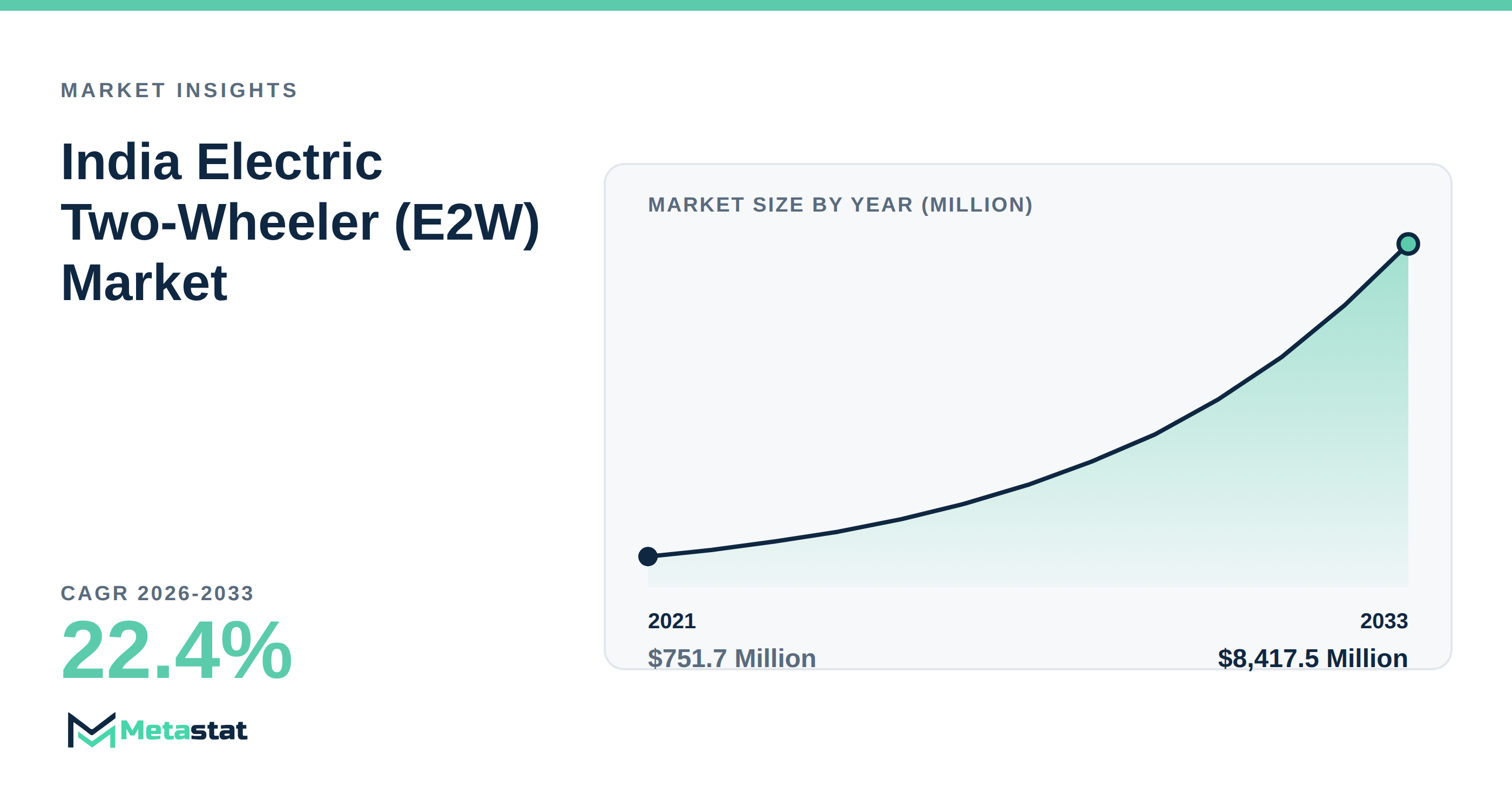
The India Electric Two-Wheeler (E2W) market is on a significant growth trajectory, spurred by rising consumer demand for sustainable transportation solutions and supportive government initiatives for electric mobility. Understanding the costs that contribute to pricing in this market allows buyers to make informed decisions and maximize their investment. This blog outlines six essential factors affecting the pricing dynamics within the India Electric Two-Wheeler market.
1. Manufacturing Costs and Component Sourcing
One of the primary drivers of electric two-wheeler pricing involves manufacturing costs, heavily influenced by the expenses associated with critical components including batteries, motors, and controllers. Manufacturers are placing emphasis on local sourcing to lower these costs and enhance the resilience of their supply chains. Collaborating with local suppliers reduces dependency on imports, thus alleviating risks linked to global supply chain disruptions. Buyers stand to benefit from this trend due to the potential for more competitive pricing and improved availability of electric two-wheelers.
2. Investment in Charging Infrastructure
The growth and development of charging infrastructure have a profound impact on the pricing of electric two-wheelers. While more charging stations become available, consumer convenience and accessibility improve, making electric vehicles a more attractive option. This expanded network addresses range anxiety, thereby supporting competitive pricing strategies. Buyers gain from both government and private sector investments in infrastructure, enhancing the viability and appeal of electric two-wheelers through increased convenience.
3. Technological Advancements Driving Cost Efficiency
Technological innovations play a substantial role in shaping the cost structures of electric two-wheelers. Efficient battery technologies and improvements in manufacturing processes contribute to lower production costs while simultaneously enhancing vehicle performance. For instance, advancements in battery technology allow for longer ranges and quicker charging times, thereby making these electric models more appealing. Buyers experience the benefits of these technological advancements, because manufacturers are likely to pass on cost reductions in the form of competitive pricing.
4. Regulatory Compliance and Financial Implications
Compliance with regulatory standards significantly affects the costs associated with electric two-wheelers. Stringent emission regulations necessitate considerable investments in technology and production adjustments, which in turn elevate operational costs for manufacturers. These increased expenses often translate into higher prices for consumers. Nevertheless, successful compliance unlocks government incentives and subsidies, which help mitigate some financial burdens. Buyers should recognize how regulatory frameworks impact pricing while exploring their options in the electric two-wheeler market.
5. Consumer Preferences Influencing Market Dynamics
Shifting consumer preferences are reshaping the pricing landscape in the India Electric Two-Wheeler market. A growing demand for sustainable transportation solutions encourages manufacturers to innovate and refine their product offerings. This competitive environment fosters price adjustments and promotional strategies, enabling buyers to benefit from better deals. Awareness of evolving consumer trends provides valuable insight into optimal purchasing times and pricing strategies, helping buyers navigate the market effectively.
6. Economic Factors Affecting Raw Material Prices
Economic considerations, including inflation and currency fluctuations, play a critical role in determining the pricing of electric two-wheelers. Changes in raw material costs, especially for essential battery components, can lead to increased manufacturing expenses, which influence retail prices. Buyers should remain informed about these economic dynamics, because they affect the overall affordability of electric two-wheelers. Strategic purchasing decisions are bolstered by a thorough understanding of market conditions and anticipated pricing shifts.
In conclusion, multiple factors converge to shape the pricing of electric two-wheelers in the India Electric Two-Wheeler (E2W) market. By grasping the implications of manufacturing costs, infrastructure investment, technological innovations, regulatory compliance, consumer preferences, and economic influences, buyers gain essential insights. This knowledge equips them to enhance their purchasing power and navigate a market poised for substantial growth.
The full analysis is in India Electric Two-Wheeler (E2W) Market.
Tags
About the Authors

LEAD ANALYST
Utkarsh Khirodkar is a Lead Market Research Analyst at MetaStat Insight, specializing in market intelligence, technology sector assessments, and competitive strategy.

ENERGY & INFRASTRUCTURE INDUSTRY CONSULTANT
Automotive and Transportation · Electronics and Semiconductor · Energy and Power · Machinery & Equipment
Saurabh Vasant Ganvir consults for Energy & Infrastructure Industry at MetaStat Insight, specializing in renewable energy, solar EPC, and electric vehicle (EV) infrastructure markets.