
Explore essential factors that impact the pricing of Mentoring Software and how organizations leverage them effectively.
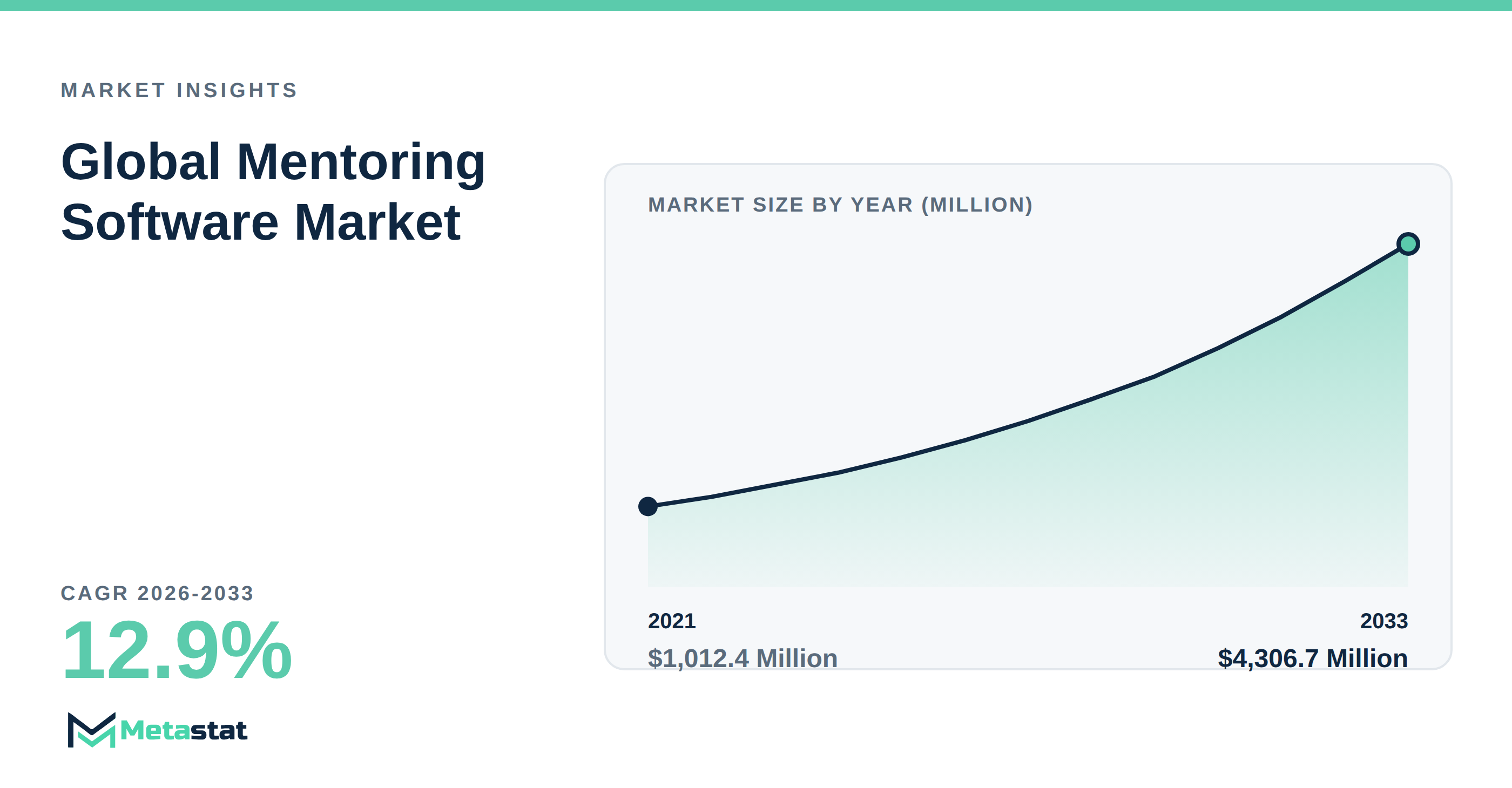
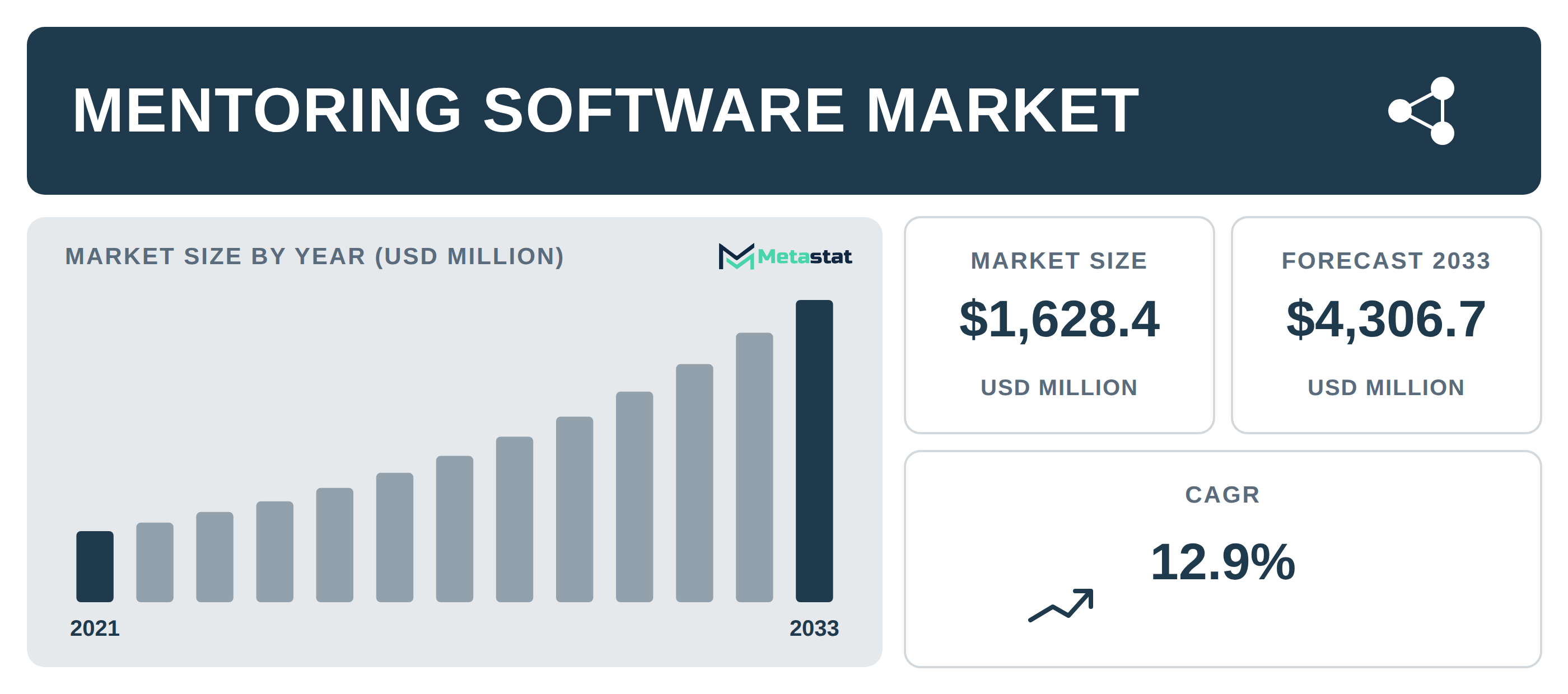
The demand for Mentoring Software is on the rise as organizations aim to develop talent and enhance employee retention. Understanding the factors that influence Mentoring Software pricing is crucial for effective budgeting and decision-making. This piece highlights the key elements that contribute to the cost of these solutions and what organizations do to mitigate expenses. The full figures are in our Mentoring Software market size and forecast report.
1. The Role of Deployment Model in Pricing
The choice between cloud-based and on-premises solutions significantly impacts pricing of Mentoring Software. Cloud-based options typically present lower costs and higher scalability, attracting a wider array of organizations. Conversely, on-premises systems incur greater initial investments and ongoing maintenance expenses. Organizations should assess their specific needs and infrastructure capabilities to choose a model that best fits their budget and operational requirements.
2. Integration Capabilities Affect Overall Costs
Integration with existing Human Resource Information Systems (HRIS) and Learning Management Systems (LMS) enhances the overall effectiveness of Mentoring Software but can contribute to higher costs. Organizations aiming for effective connectivity often encounter additional fees for premium features or customization. However, successful integration frequently leads to increased user engagement and improved program outcomes, making the upfront investment worthwhile in the long run.
3. Subscription-Based Pricing Models
Many Mentoring Software providers adopt subscription-based pricing structures, allowing organizations to distribute costs over time instead of facing a substantial one-time payment. This approach is particularly advantageous for small and mid-sized organizations seeking affordable solutions. By evaluating the anticipated outcomes of their mentoring programs against the subscription costs, organizations determine the value of their investment and ensure alignment with their strategic objectives.
4. The Impact of Software Features on Cost
Advanced functionalities including AI-driven mentor matching and explainable recommendations often come with a higher price tag. While these features enhance mentoring effectiveness, organizations evaluate their specific needs to avoid unnecessary expenditures. Investing in solutions that include features aligned with their objectives lead to better engagement and improved satisfaction among participants, offsetting the initial costs associated with these advanced capabilities.
5. Understanding Market Dynamics and Competition
The competitive environment significantly influences pricing strategies within the Mentoring Software sector. While demand increases, providers adjust their pricing models to attract clients while maintaining service quality. Organizations should remain attuned to new entrants and innovations in the industry, which presents alternative pricing options or functionalities that better cater to their needs.
6. The Importance of Measurable ROI
Organizations should prioritize the evaluation of return on investment (ROI) when selecting Mentoring Software. Quantifying the impact of mentoring initiatives on employee engagement, retention, and performance provides insights into the value derived from the investment. By analyzing how software contributes to their goals, organizations make informed decisions regarding pricing and the features that matter most to their success.
By understanding these key factors influencing Mentoring Software pricing, organizations strategically navigate their options. Evaluating deployment models, integration capabilities, subscription structures, software features, market dynamics, and measurable ROI allows companies to make informed choices that enhance their mentoring initiatives.
Tags
About the Authors

LEAD ANALYST
Utkarsh Khirodkar is a Lead Market Research Analyst at MetaStat Insight, specializing in market intelligence, technology sector assessments, and competitive strategy.

PRINCIPAL CONSULTANT - ENTERPRISE AI & EMERGING TECHNOLOGIES
Banking & Finance · Electronics and Semiconductor · Energy and Power · Healthcare IT · Information & Technology · Professional Services
Vijay Gunti is a Principal Consultant at MetaStat Insight, bringing over two decades of experience across enterprise digital transformation, technology strategy, and intelligent systems.

LEAD CONSULTANT - COMMUNICATION, TELECOM, AND IT
Electronics and Semiconductor · Information & Technology · Machinery & Equipment · Professional Services
Ravindra Sathe Consultants for Communication, Telecom, and IT at MetaStat Insight. He leads the firm's industry research initiatives across telecommunications infrastructure, digital connectivity, enterprise networking, and emerging information technology domains.