
Explore the critical factors affecting Open-Source Database Software pricing, including relational databases, vendor-managed services, and customer control.
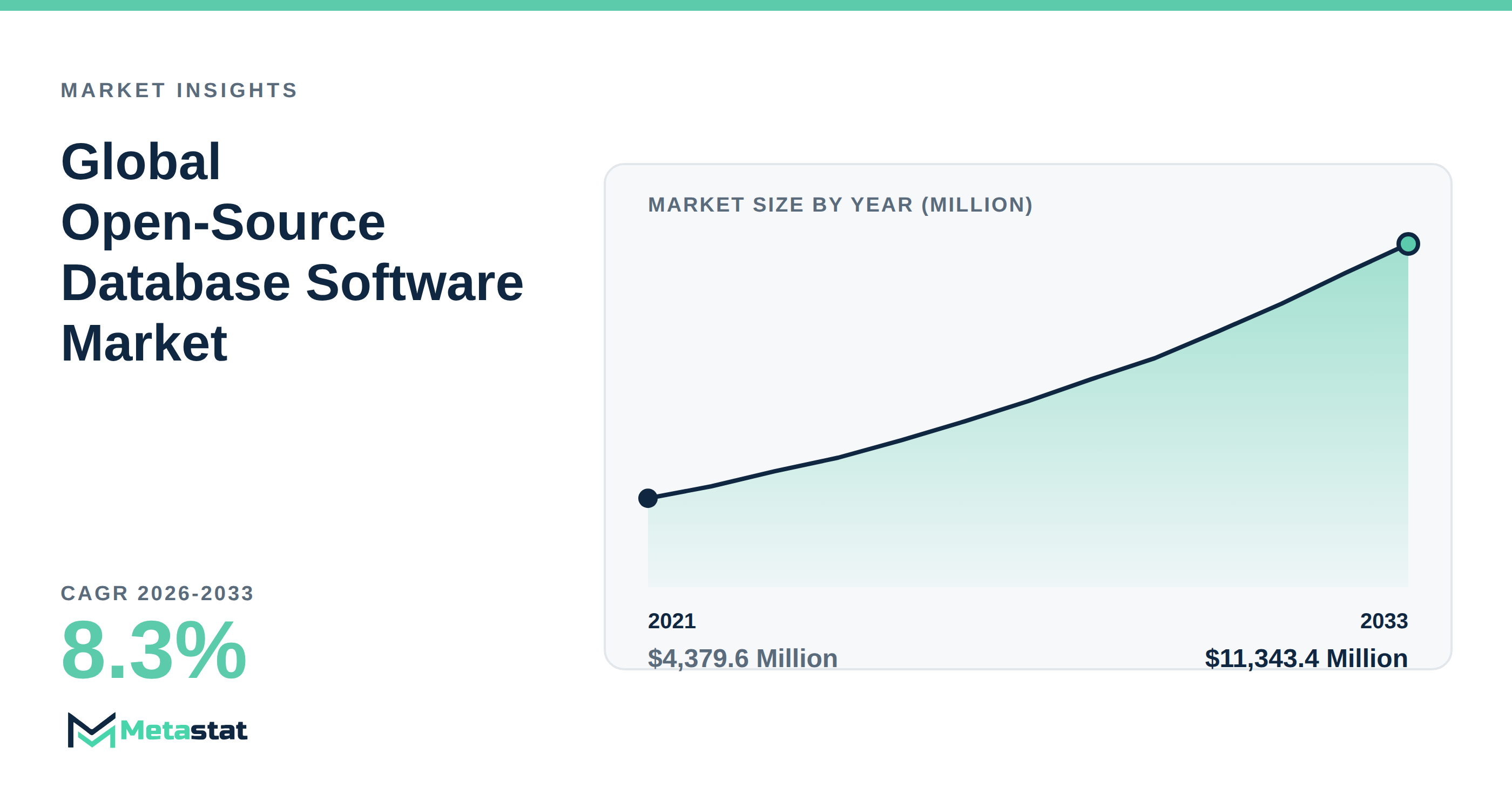
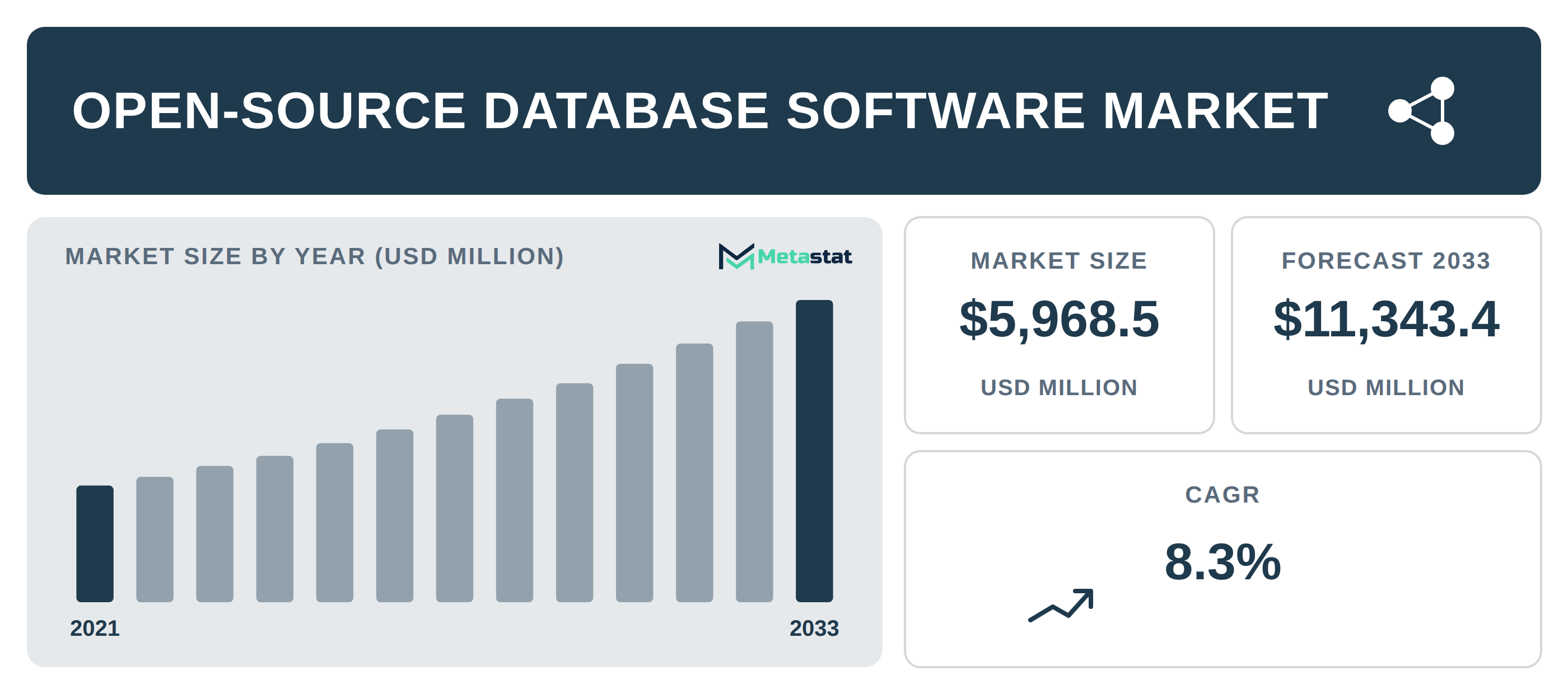
The pricing of Open-Source Database Software reflects a complex set of factors that buyers should understand. Insight into these elements allows organizations to optimize their database investments. The following points elaborate on key considerations driving costs in this dynamic sector. For a comprehensive understanding of market trends, consult the Open-Source Database Software market size and forecast report.
1. Relational Databases Command Higher Costs
Relational databases form the backbone of many data-driven organizations, enabling structured data management. These systems typically incur higher expenses due to their sophisticated capabilities, including complex querying and data integrity features. The increasing demand for relational databases, particularly within IT and financial sectors, signals a growing recognition of their value. Buyers should keep this trend in mind when evaluating database options, as investing in relational solutions significantly enhances data management capabilities, albeit at a higher cost.
2. Vendor-Managed Services Offer Flexibility
The rise of vendor-managed database services has transformed how organizations handle database management. These services alleviate the burden of in-house maintenance, allowing companies to concentrate on core operations. With organizations prioritizing scalability and reliability, vendor-managed solutions are gaining traction, leading to changes in pricing structures. Buyers often find that the flexibility offered by these services justifies the associated expenses, especially for larger enterprises requiring comprehensive support.
3. Customer-Controlled Software Subscriptions
For organizations that prefer to maintain control over their database environments, customer-managed software subscriptions serve as a practical purchasing option. These subscriptions enable customization and independent management, appealing to those seeking cost-effective solutions. However, they typically involve complexities and ongoing maintenance requirements. Understanding these costs and evaluating long-term operational needs will assist buyers in navigating the pricing landscape effectively.
4. Price Sensitivity Among Small and Medium-Sized Enterprises
Price sensitivity significantly impacts the adoption rates of Open-Source Database Software, especially among small and medium-sized enterprises (SMEs). These organizations frequently operate under tight budgets and may hesitate to invest in advanced database functionalities. As SMEs increasingly pursue economical alternatives to proprietary solutions, vendors are adjusting pricing strategies to cater to these buyers. This emphasis on affordability results in competitive pricing options, empowering SMEs to enhance their data management capabilities without incurring excessive costs.
5. Licensing Changes Affect Portability Costs
Recent adjustments in database licensing models have implications for the portability of Open-Source Database Software. Organizations encounter challenges when transitioning between different systems, as traditional licensing structures often limit the transfer of data and applications. These restrictions result in increased expenses for enterprises attempting to migrate or integrate their databases. Buyers should remain cognizant of these licensing factors, as focusing on flexibility and interoperability helps mitigate potential costs in the long run.
6. The Importance of Ongoing Support and Maintenance
Standalone support and maintenance services play a crucial role in the pricing equation of Open-Source Database Software. Effective support ensures optimal performance and minimizes downtime, which is essential for businesses that prioritize stability. Organizations consider the costs associated with ongoing assistance when selecting database solutions. Balancing initial software expenses against long-term maintenance needs will help buyers make informed decisions that align with their operational goals.
Understanding these factors influencing Open-Source Database Software pricing equips organizations with the insights necessary to make strategic purchasing decisions. By prioritizing flexibility, control, and support, buyers optimize their investments in database solutions.
Tags
About the Authors

LEAD ANALYST
Utkarsh Khirodkar is a Lead Market Research Analyst at MetaStat Insight, specializing in market intelligence, technology sector assessments, and competitive strategy.

PRINCIPAL CONSULTANT - ENTERPRISE AI & EMERGING TECHNOLOGIES
Banking & Finance · Electronics and Semiconductor · Energy and Power · Healthcare IT · Information & Technology · Professional Services
Vijay Gunti is a Principal Consultant at MetaStat Insight, bringing over two decades of experience across enterprise digital transformation, technology strategy, and intelligent systems.

LEAD CONSULTANT - COMMUNICATION, TELECOM, AND IT
Electronics and Semiconductor · Information & Technology · Machinery & Equipment · Professional Services
Ravindra Sathe Consultants for Communication, Telecom, and IT at MetaStat Insight. He leads the firm's industry research initiatives across telecommunications infrastructure, digital connectivity, enterprise networking, and emerging information technology domains.