
Explore six vital questions that buyers in the Pharmaceutical Logistics market should consider when evaluating suppliers for effective partnerships. Gain insights into compliance, technology, and sustainability.
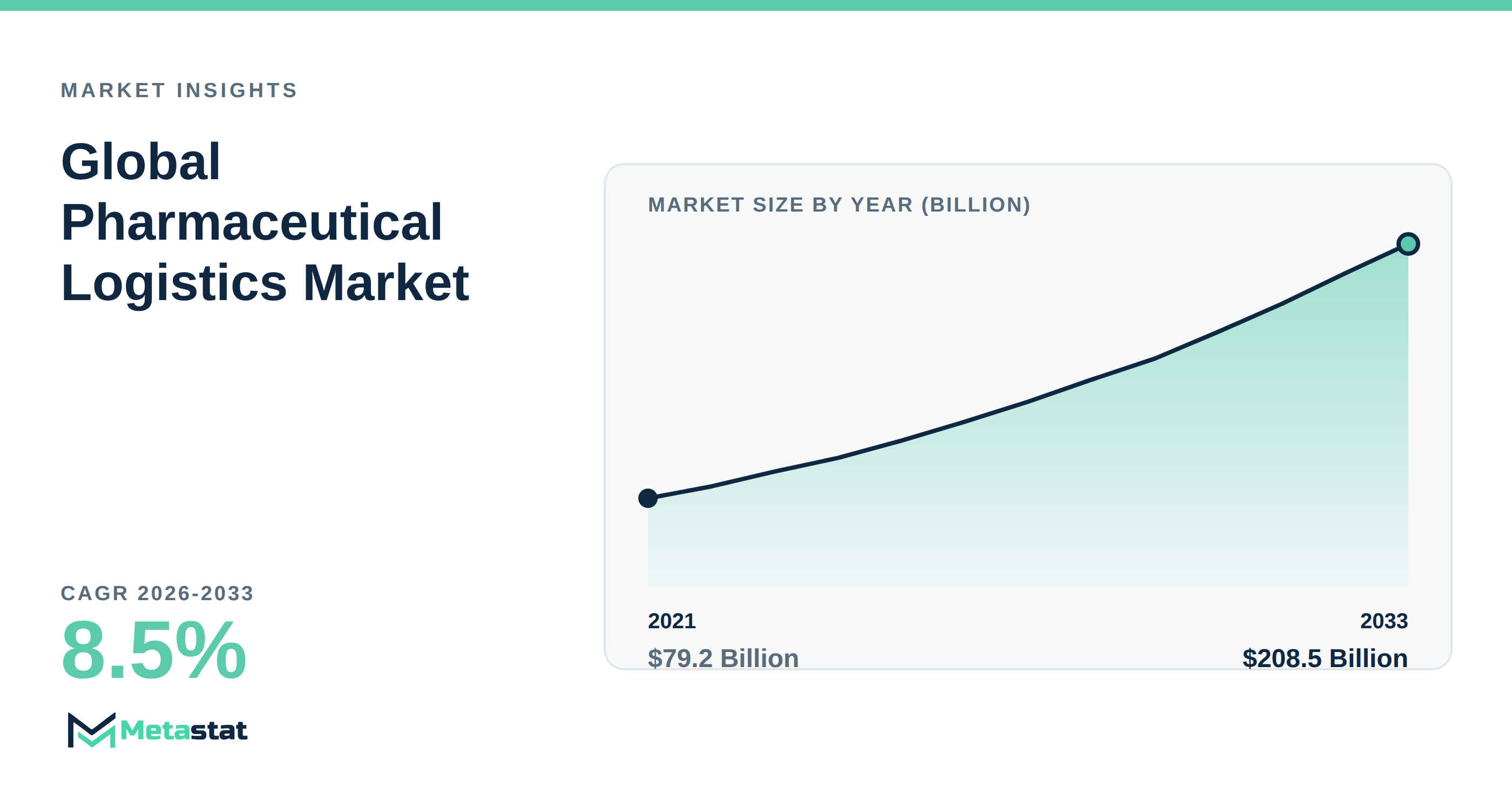
The Pharmaceutical Logistics market is experiencing remarkable growth, expected to reach USD 208.5 billion by 2033. With this evolution, stakeholders identify reliable partners, prompting key questions that guide their decision-making process. Understanding the complexities of supply chains, compliance standards, and emerging technologies is critical for making informed choices.
1. How does your organization ensure compliance with Good Distribution Practices?
Compliance with Good Distribution Practices (GDP) is essential in the Pharmaceutical Logistics market. Buyers should inquire about the specific protocols that suppliers implement to adhere to these standards. Regulatory bodies are enforcing stricter guidelines, which compels logistics providers to invest in advanced tracking and reporting systems. This investment not only mitigates risks but enhances operational efficiency, contributing to a more reliable supply chain. Suppliers who prioritize GDP compliance position themselves favorably in the market, enhancing trust among clients.
2. What capabilities do you have for cold chain logistics?
The increasing demand for temperature-sensitive products, particularly biologics and vaccines, highlights the importance of cold chain logistics. Buyers assess suppliers' capabilities to manage intricate cold chain requirements, including specialized storage and transportation solutions. The cold chain logistics segment is set to see significant expansion, growing at a compound annual growth rate (CAGR) of 10.2% owing to the need for stringent temperature controls. Those suppliers that invest in advanced technologies, including IoT and real-time monitoring systems, ensure product integrity throughout the distribution process, making them essential partners.
3. How do you leverage technology to optimize supply chain operations?
Adoption of technology plays a crucial role in enhancing efficiency within the Pharmaceutical Logistics market. Buyers should seek to understand how suppliers employ advanced technologies like automation and data analytics to optimize their operations. Continuous investment in digital transformation allows organizations to streamline processes, improve visibility, and respond to evolving consumer demands. Companies emphasizing technology integration are better equipped to provide timely and efficient logistics services, ultimately enhancing customer satisfaction and operational resilience.
4. What strategies do you employ to address regulatory pressures?
Regulatory requirements significantly influence operational costs within the Pharmaceutical Logistics market. Buyers should inquire how suppliers navigate these challenges and adapt to changing regulations. The market faces tightening regulations that necessitate compliance with stringent standards, leading to increased operational complexities. Suppliers demonstrating a proactive approach in addressing these regulatory pressures will likely maintain smoother operations and preserve profitability in a competitive environment.
5. How do you ensure real-time visibility in shipment tracking?
Achieving real-time visibility in shipment tracking has become indispensable for effective logistics management. Buyers should understand how suppliers implement tracking technologies to monitor shipment statuses. This capability enhances transparency and accountability within the logistics framework. Companies investing in robust tracking systems improve operational decision-making and customer relationships by providing timely updates on deliveries. Suppliers showcasing strong tracking capabilities will stand out to buyers seeking reliability in their logistics operations.
6. What is your approach to sustainability and reverse logistics?
With the global shift towards sustainability, buyers should examine suppliers' strategies to minimize environmental impacts. Reverse logistics is gaining momentum because companies focus on effective waste management and recycling solutions. Firms prioritizing eco-friendly practices and demonstrating adaptability to environmental regulations will find themselves well-positioned in the market. Suppliers developing effective frameworks for reverse logistics capture emerging opportunities while advancing broader sustainability objectives.
In conclusion, these critical questions address essential aspects of the Pharmaceutical Logistics market. Buyers engaging suppliers on these topics will gain comprehensive insights into capabilities, compliance, and innovation, enabling them to select partners aligned with their strategic goals. For deeper insights into this evolving landscape, explore the Global Pharmaceutical Logistics Market.
Tags
About the Authors

LEAD ANALYST
Utkarsh Khirodkar is a Lead Market Research Analyst at MetaStat Insight, specializing in market intelligence, technology sector assessments, and competitive strategy.

LEAD PRINCIPAL ANALYST, PHARMA AND HEALTHCARE
Food and Beverages · Healthcare · Healthcare IT · Medical Devices
Ajay Devgire is the Lead Healthcare Analyst at MetaStat Insight, leading strategic research and market intelligence initiatives across the global healthcare domain.