
Explore six significant trends transforming the Supervisory Control and Data Acquisition (SCADA) market, driven by automation, regulatory compliance, and technological advancements.
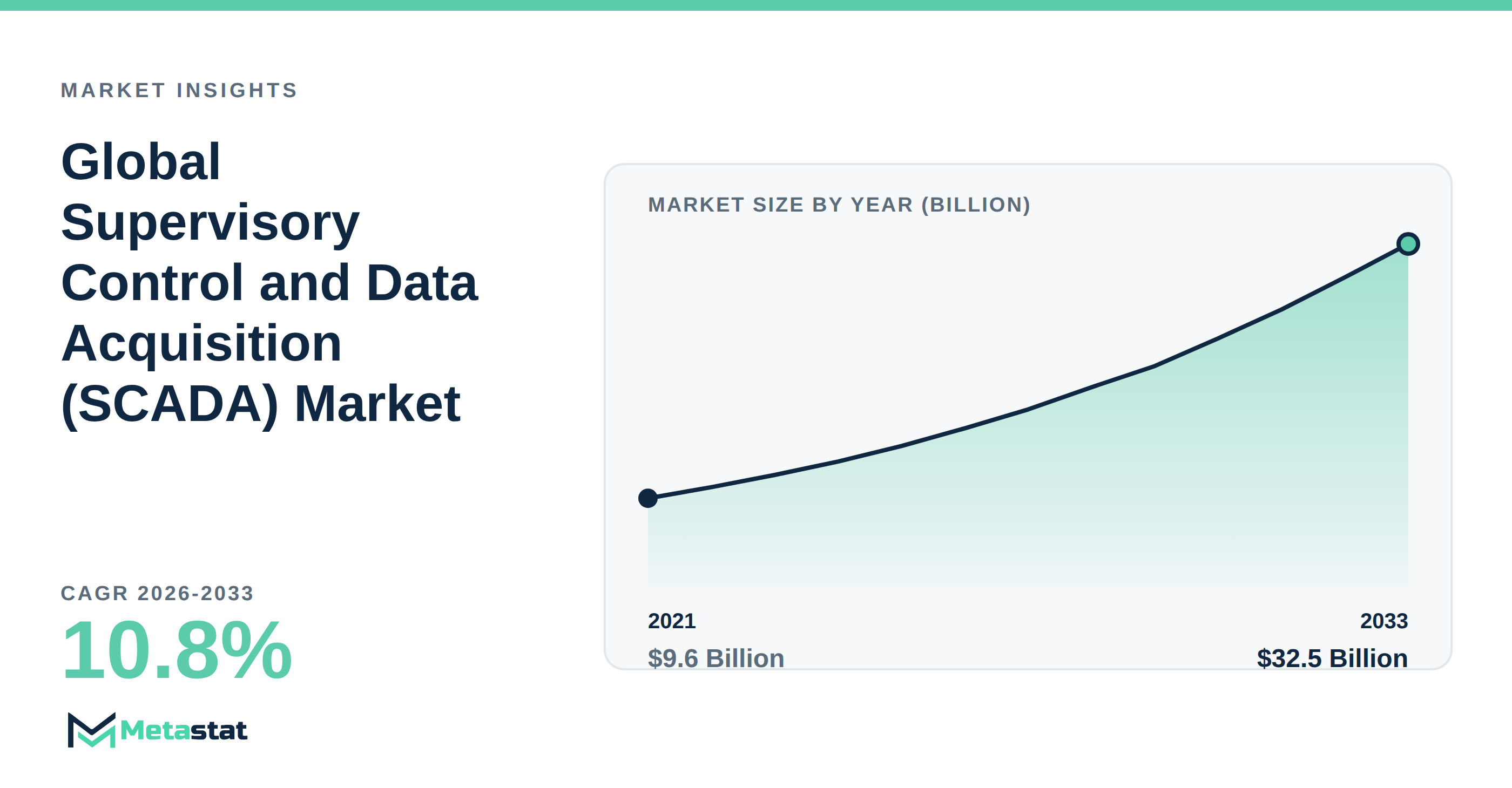
The Supervisory Control and Data Acquisition (SCADA) market is experiencing significant transformations because industries adapt to new technologies and regulatory changes. This evolving environment presents unique opportunities and challenges for buyers and operators. Below are six crucial trends shaping the SCADA market.
1. Increased Automation Driving Demand for SCADA Systems
Automation needs across various industries significantly boost the demand for SCADA systems. Key sectors including electric power, manufacturing, and oil and gas recognize the operational efficiencies that automation delivers. Enhanced data collection paired with real-time monitoring capabilities streamlines processes, ultimately reducing downtime and increasing productivity. Organizations investing in these systems gain a competitive advantage through increased operational efficiency and responsiveness to market demands.
2. Regulatory Compliance Motivating Strategic Investments
Stricter regulatory frameworks compel industries to adopt SCADA systems that enhance compliance. Sectors like oil and gas, pharmaceuticals, and utilities face mounting pressures to comply with environmental and operational standards. While regulations evolve, companies ensure their SCADA systems facilitate compliance tracking and reporting. This focus on regulatory adherence drives investment in advanced monitoring solutions, allowing firms to mitigate potential penalties while enhancing their corporate sustainability profiles.
3. The Shift Toward Energy Efficiency
Demand for energy-efficient solutions is reshaping the SCADA market, particularly among organizations prioritizing sustainability. The increasing integration of renewable energy sources drives the requirement for sophisticated monitoring and control systems to optimize energy usage. Regulatory frameworks promoting clean energy adoption support this demand, because compliance necessitates enhanced visibility into energy consumption. Organizations adopting advanced SCADA systems achieve efficiency gains while aligning their operations with broader corporate responsibility goals.
4. Digital Transformation Enhancing Operational Insights
Digital transformation initiatives significantly influence the SCADA market. The integration of technologies including artificial intelligence and IoT into SCADA systems streamlines operations and allows for real-time data analysis. Industries focus on leveraging these insights to improve decision-making capabilities and operational productivity. This trend highlights the critical role of advanced SCADA solutions in facilitating the successful transition to smart manufacturing and interconnected systems.
5. High Capital Investment Requirements because a Barrier
Despite the positive growth trajectory, high capital investment requirements present challenges for the SCADA market. Many organizations face substantial upfront costs for implementing these systems, particularly in hardware and software components. This financial burden disproportionately affects small to medium enterprises, limiting their ability to adopt advanced technologies. Addressing these investment challenges involves exploring financing options and resource allocation strategies to support SCADA system integration.
6. Technological Advancements Driving Product Evolution
Ongoing technological advancements within the SCADA market stimulate innovation and product evolution. Companies invest heavily in research and development to enhance their offerings, focusing on system integration, data analytics, and user experience. Investments in next-generation upgrades, including cloud computing and cybersecurity measures, are increasingly essential because organizations seek comprehensive solutions. This evolution improves operational efficiency and positions suppliers to meet the growing need for sophisticated SCADA systems.
These trends indicate that the SCADA market is shaped by various factors, including automation, regulatory pressures, and technological advancements. Buyers and operators navigate these developments to capitalize on emerging opportunities while effectively managing associated challenges.
The full analysis is in Global Supervisory Control and Data Acquisition (SCADA) Market.
Tags
About the Authors

LEAD ANALYST
Utkarsh Khirodkar is a Lead Market Research Analyst at MetaStat Insight, specializing in market intelligence, technology sector assessments, and competitive strategy.

PRINCIPAL CONSULTANT - ENTERPRISE AI & EMERGING TECHNOLOGIES
Banking & Finance · Electronics and Semiconductor · Energy and Power · Healthcare IT · Information & Technology · Professional Services
Vijay Gunti is a Principal Consultant at MetaStat Insight, bringing over two decades of experience across enterprise digital transformation, technology strategy, and intelligent systems.

LEAD CONSULTANT - COMMUNICATION, TELECOM, AND IT
Electronics and Semiconductor · Information & Technology · Machinery & Equipment · Professional Services
Ravindra Sathe Consultants for Communication, Telecom, and IT at MetaStat Insight. He leads the firm's industry research initiatives across telecommunications infrastructure, digital connectivity, enterprise networking, and emerging information technology domains.