
Explore key factors affecting Airborne SATCOM System pricing. Understand the dynamics to enhance your purchasing strategy.
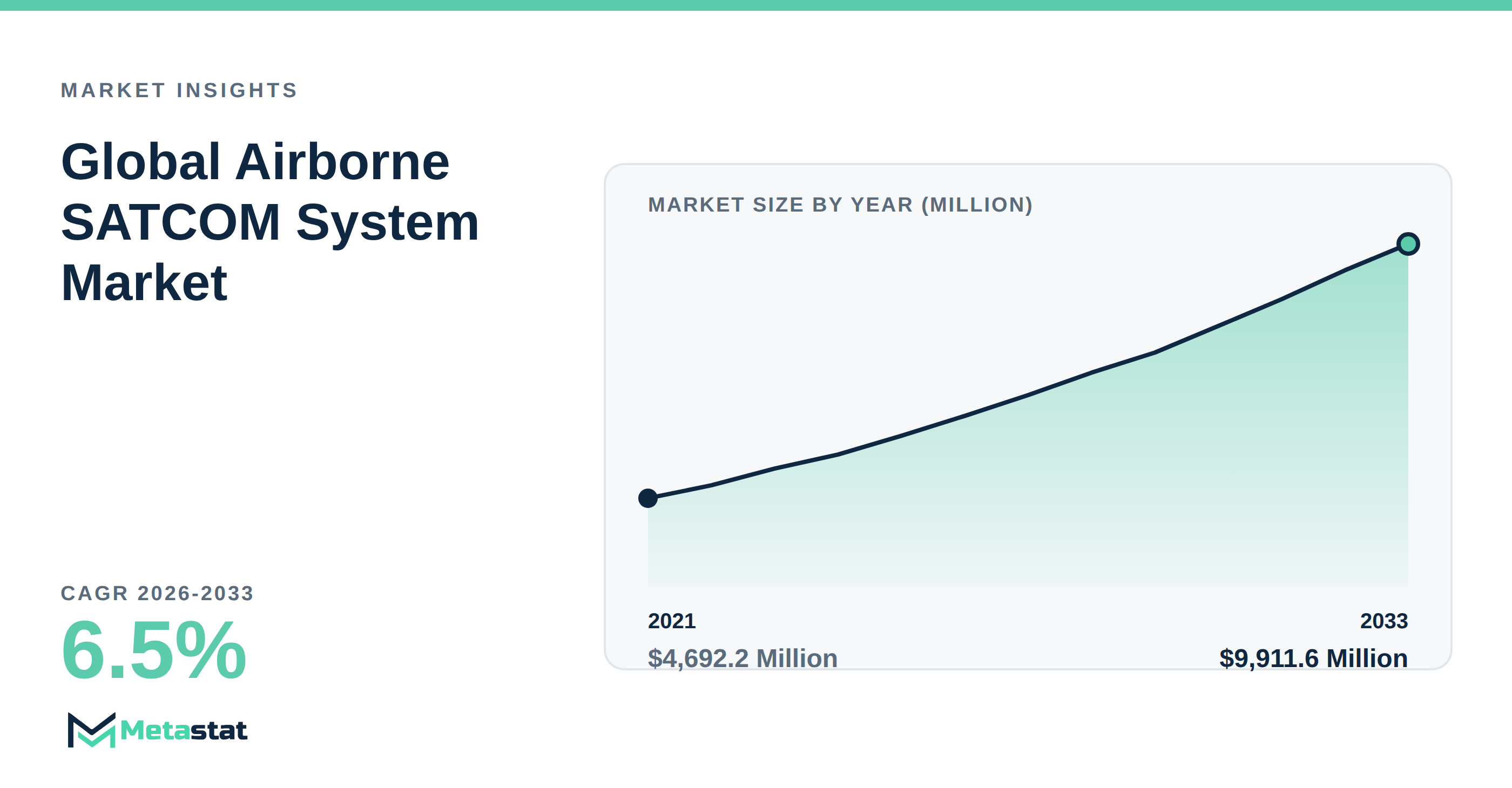
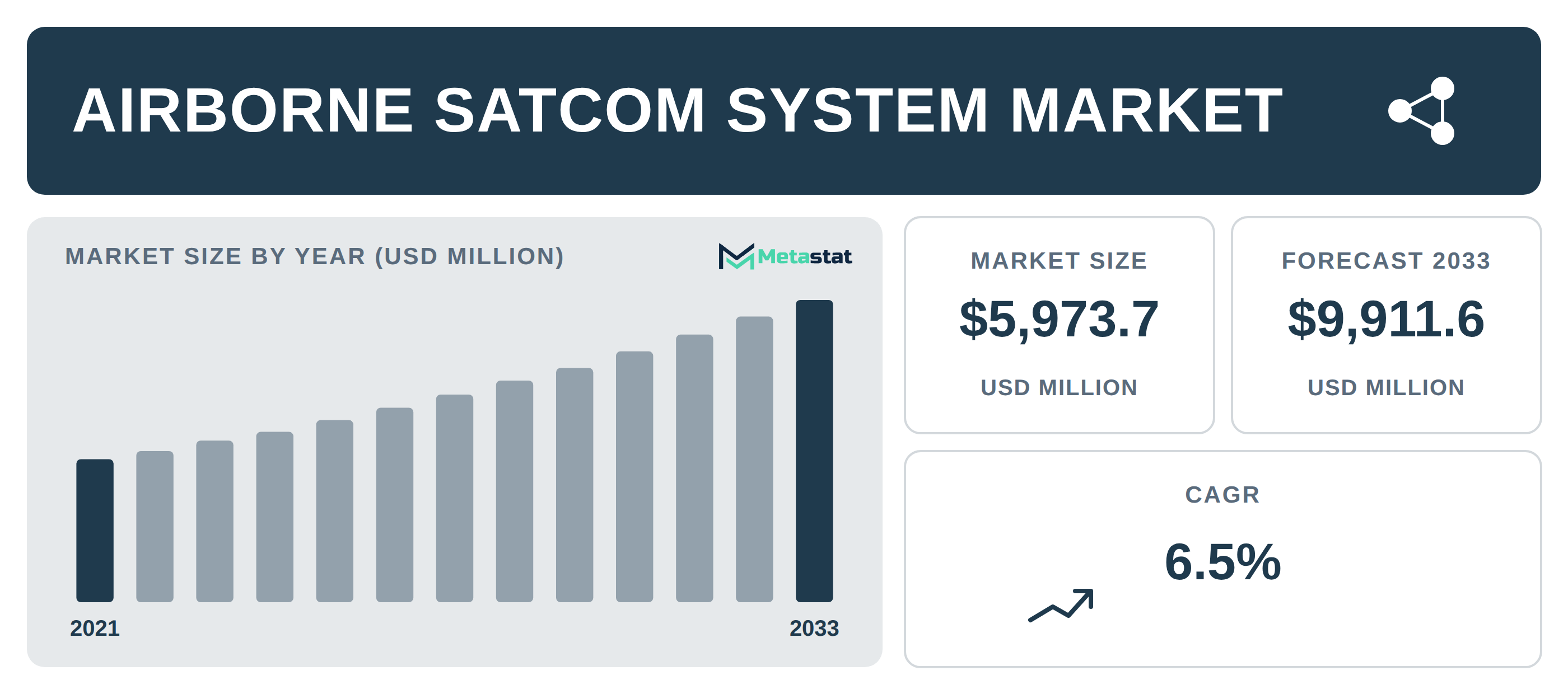
The pricing of Airborne SATCOM System solutions relies on various factors that buyers and operators should understand. Knowing these elements helps make informed decisions and can influence purchasing strategies. This overview outlines seven critical considerations that shape pricing in this market. Airborne SATCOM System market size and forecast report.
1. Increasing Demand for High-Speed Data Transmission
The aviation sector increasingly requires high-speed data transmission, particularly in military and commercial applications where timely communication is essential. Buyers should note that investing in advanced Airborne SATCOM System technologies, including Ka-Band terminals, results in improved data transmission capabilities. This demand drives prices higher, as suppliers strive to meet expectations for performance and reliability.
2. Competitive Pricing Models Impact Costs
Various pricing models are available in the Airborne SATCOM System sector, influencing overall purchasing costs. Fixed pricing contracts often appeal to organizations looking for predictable budgeting, while usage-based models provide flexibility to scale services according to operational requirements. A clear understanding of these models allows buyers to negotiate better terms that align with their fiscal strategies.
3. Technological Advancements Influence Costs
Technological progress, particularly in antenna design and integration, significantly impacts pricing structures in the market. The adoption of electronically steered antennas enhances communication capabilities across multiple satellite networks. As innovative technologies emerge, buyers face varying costs based on the sophistication of their chosen solutions. Staying informed on technological advancements helps buyers assess the value of their investments effectively.
4. Input Costs Affect Supplier Profit Margins
Rising input costs challenge suppliers, consequently affecting prices in the Airborne SATCOM System sector. Fluctuations in raw material prices directly impact suppliers' profit margins and may lead to higher costs for customers. Buyers should consider how external factors like supply chain disruptions or material price volatility influences overall system pricing.
5. Influence of Military Spending on Demand
Increasing military budgets significantly shape demand for airborne communication technologies. Defense agencies are investing heavily in modernizing their capabilities, focusing on reliable and advanced systems. This heightened demand leads to rising prices, particularly for technology tailored to military operations. Buyers should remain aware of economic trends in defense spending that could affect their purchasing decisions.
6. Strategic Partnerships and Collaborations
Companies in the Airborne SATCOM System sector often engage in strategic partnerships to enhance competitive advantages and optimize pricing structures. Collaborating with component manufacturers allows suppliers to reduce costs and improve service offerings. Buyers should evaluate the supply chains of potential vendors to understand how these partnerships influence pricing and overall service delivery.
7. Growth in Unmanned Aerial Vehicles (UAVs)
The increasing reliance on unmanned aerial vehicles (UAVs) drives demand for reliable and advanced communication systems. UAV manufacturers prioritize solutions that offer low size, weight, and power (Low-SWaP) characteristics. While this segment expands, pricing strategies will evolve to accommodate the unique needs of UAV applications, affecting the broader market for Airborne SATCOM System solutions.
Understanding these key factors that influence Airborne SATCOM System pricing equips buyers to make informed decisions and maximize the effectiveness of their communication systems. The intricate balance between demand, technology costs, and market dynamics ultimately helps operators achieve better value for their investments.
Tags
About the Author

LEAD ANALYST
Utkarsh Khirodkar is a Lead Market Research Analyst at MetaStat Insight, specializing in market intelligence, technology sector assessments, and competitive strategy.