
Explore the key factors driving pricing dynamics in the Philippines ICT market, including digital transformation, demand for IT software, and regulatory challenges.
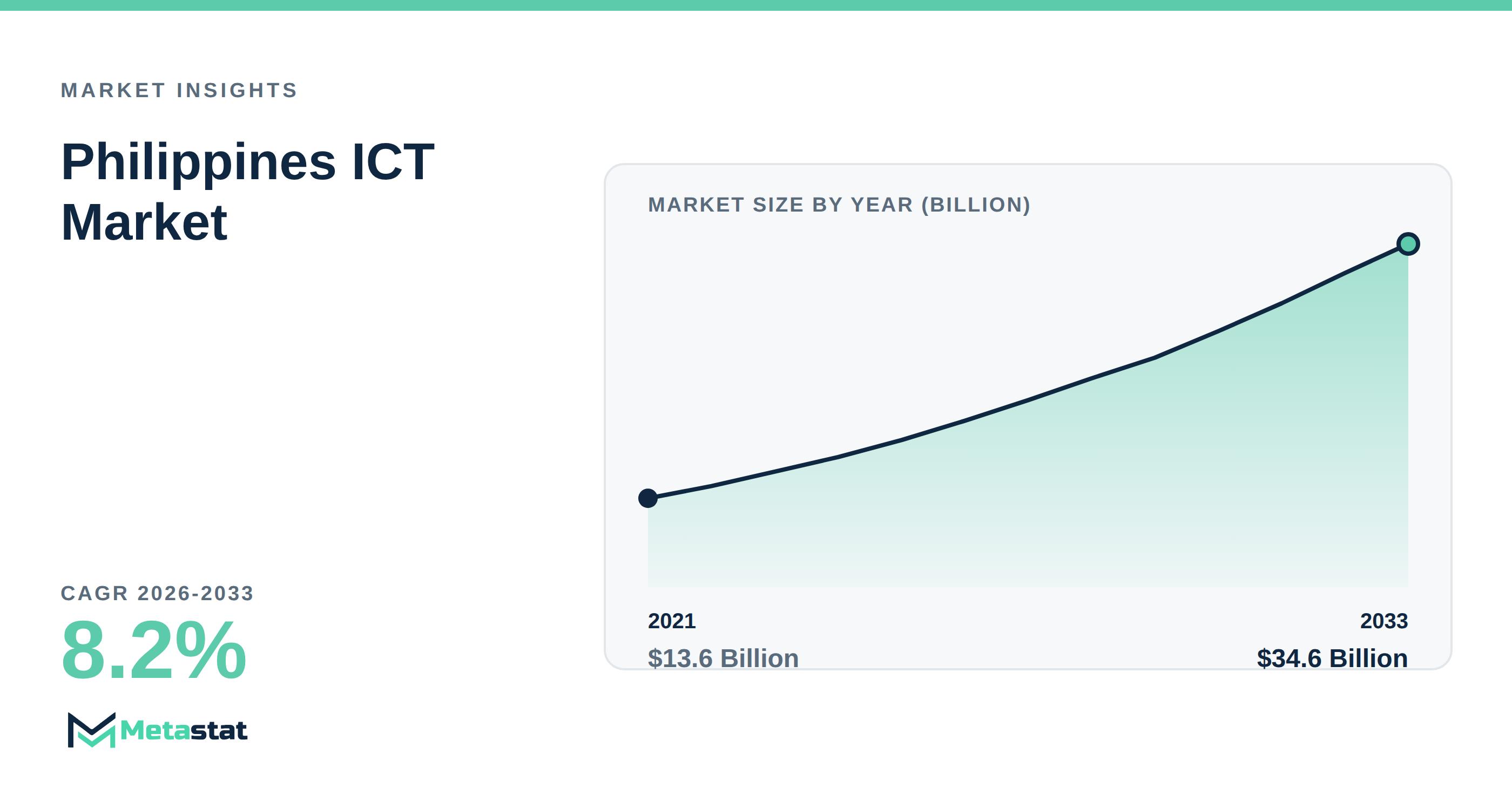
The Philippines ICT market is experiencing significant growth, driven by various factors that influence pricing structures. Buyers and operators in the market should consider these elements to navigate costs effectively and leverage opportunities.
1. Digital transformation drives cost investments
The ongoing digital transformation across multiple sectors significantly impacts pricing in the Philippines ICT market. Organizations are investing heavily in integrating advanced technologies to enhance operational efficiency and meet evolving consumer demands. This commitment to digital solutions results in an increase in overall costs for businesses, presenting opportunities for buyers to negotiate better pricing based on the value-added by these technologies. Embracing automation and artificial intelligence allows firms to improve service delivery while justifying investments, ultimately influencing purchasing decisions.
2. Increasing demand for IT software influences pricing
The IT Software segment demonstrates a strong growth trajectory, with an expected CAGR of 9.9% through 2033. This growth reflects a robust demand for advanced software solutions across various industries, particularly in the banking, financial services, and insurance (BFSI) and retail sectors. Buyers leverage this demand by seeking partnerships with software providers offering competitive pricing while ensuring compliance with regulatory standards. This competitive landscape enables buyers to negotiate favorable terms, driving innovation and improving service quality.
3. Regulatory challenges impact operational costs
Complex regulatory frameworks introduce additional costs in the Philippines ICT market. Businesses strive to comply with stringent data protection and cybersecurity regulations, and the associated compliance costs raise prices for consumers. Buyers should be aware of these challenges and consider negotiating with providers to account for the burden of compliance. Addressing these regulatory complexities in purchasing strategies help organizations manage costs more effectively.
4. The competitive environment encourages pricing flexibility
The Philippines ICT market features a variety of players, creating a competitive environment that influences pricing strategies. Companies engage in mergers and acquisitions to enhance their offerings and market presence. This competitive pressure encourages service providers to adopt more flexible pricing models, allowing buyers to explore options that suit their budget while maintaining service quality. Increased competition fosters an atmosphere where negotiating for better prices and services becomes standard practice.
5. Supply chain disruptions challenge cost predictability
Recent global supply chain disruptions have led to a rise in operational costs in the Philippines ICT market. These disruptions complicate procurement practices and create uncertainties for businesses. Buyers mitigate these risks by seeking strategic partnerships and focusing on local sourcing, which helps stabilize costs and provide more predictable pricing in a volatile environment. Adapting procurement strategies in light of these challenges ensures firms remain agile and cost-effective.
6. Growing end-user demand influences pricing strategies
Consumer preferences are evolving, with households and individual consumers expected to drive substantial growth in the ICT market, projected to reach USD 8.3 billion by 2033. This demand compels service providers to enhance their offerings, often leading to competitive pricing strategies that benefit buyers. Firms that understand shifting consumer behavior establishes better pricing and service models that cater to these new demands, thus optimizing their market positions.
7. Talent shortages affect operational costs
The Philippines ICT market faces a talent shortage, especially in technical roles, which influences operational costs significantly. Organizations that struggle to find qualified professionals incur higher wages and hiring costs, impacting overall pricing structures. Buyers should prioritize partnering with service providers that demonstrate a commitment to workforce development and training, because this contributes to more stable pricing and improved service delivery.
Understanding these factors allows buyers and operators in the Philippines ICT market to navigate costs effectively. By focusing on digital transformation investments, leveraging software demand, addressing regulatory challenges, capitalizing on competitive pricing, managing supply chain disruptions, responding to end-user demand, and addressing talent shortages, businesses position themselves for growth in this dynamic market. For a more detailed analysis, visit the Philippines ICT Market report.
Tags
About the Authors

LEAD ANALYST
Utkarsh Khirodkar is a Lead Market Research Analyst at MetaStat Insight, specializing in market intelligence, technology sector assessments, and competitive strategy.

PRINCIPAL CONSULTANT - ENTERPRISE AI & EMERGING TECHNOLOGIES
Banking & Finance · Electronics and Semiconductor · Energy and Power · Healthcare IT · Information & Technology · Professional Services
Vijay Gunti is a Principal Consultant at MetaStat Insight, bringing over two decades of experience across enterprise digital transformation, technology strategy, and intelligent systems.

LEAD CONSULTANT - COMMUNICATION, TELECOM, AND IT
Electronics and Semiconductor · Information & Technology · Machinery & Equipment · Professional Services
Ravindra Sathe Consultants for Communication, Telecom, and IT at MetaStat Insight. He leads the firm's industry research initiatives across telecommunications infrastructure, digital connectivity, enterprise networking, and emerging information technology domains.