
Explore the crucial elements affecting Carbon Fiber pricing from production costs to technological advancements.
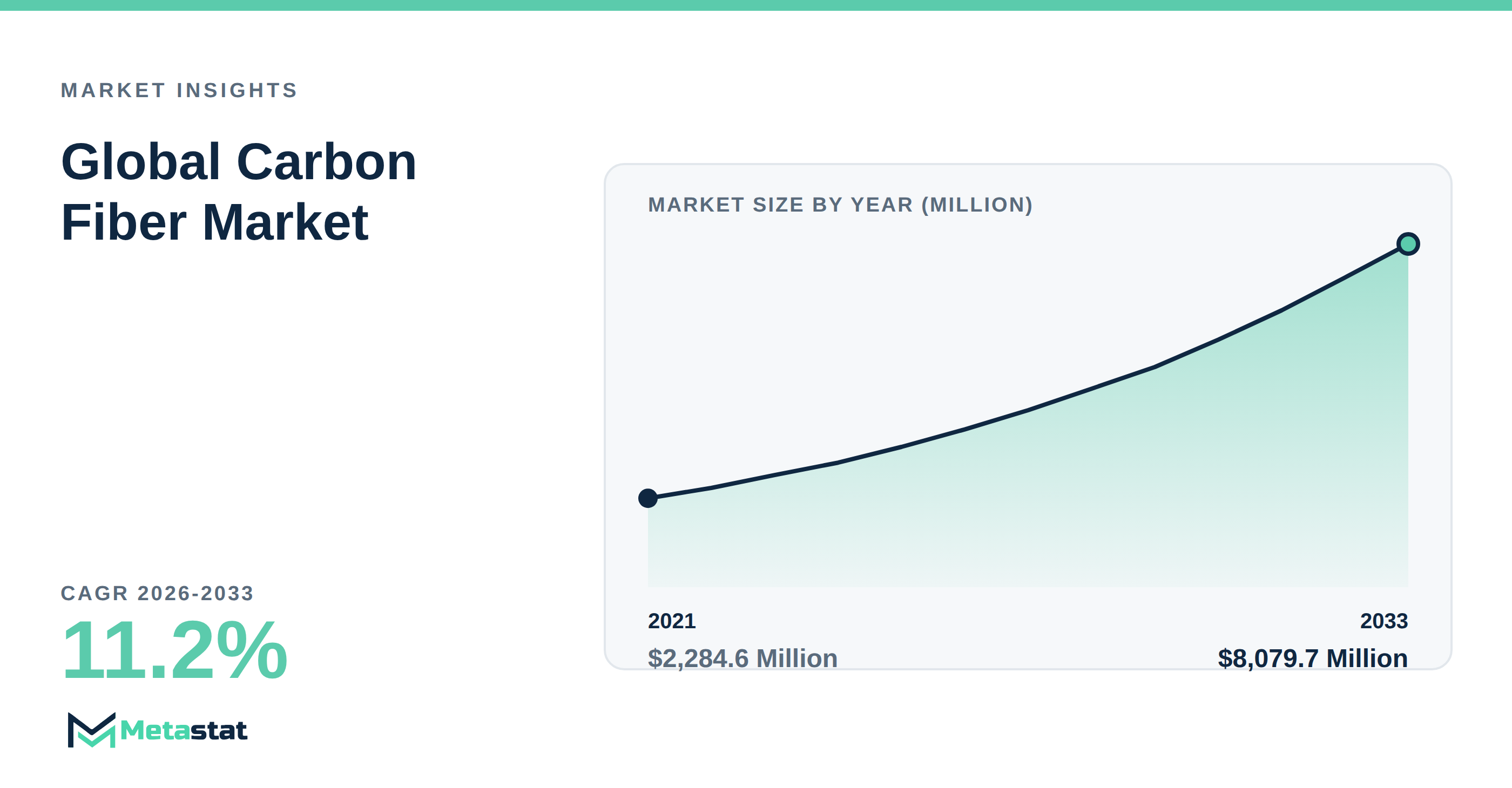
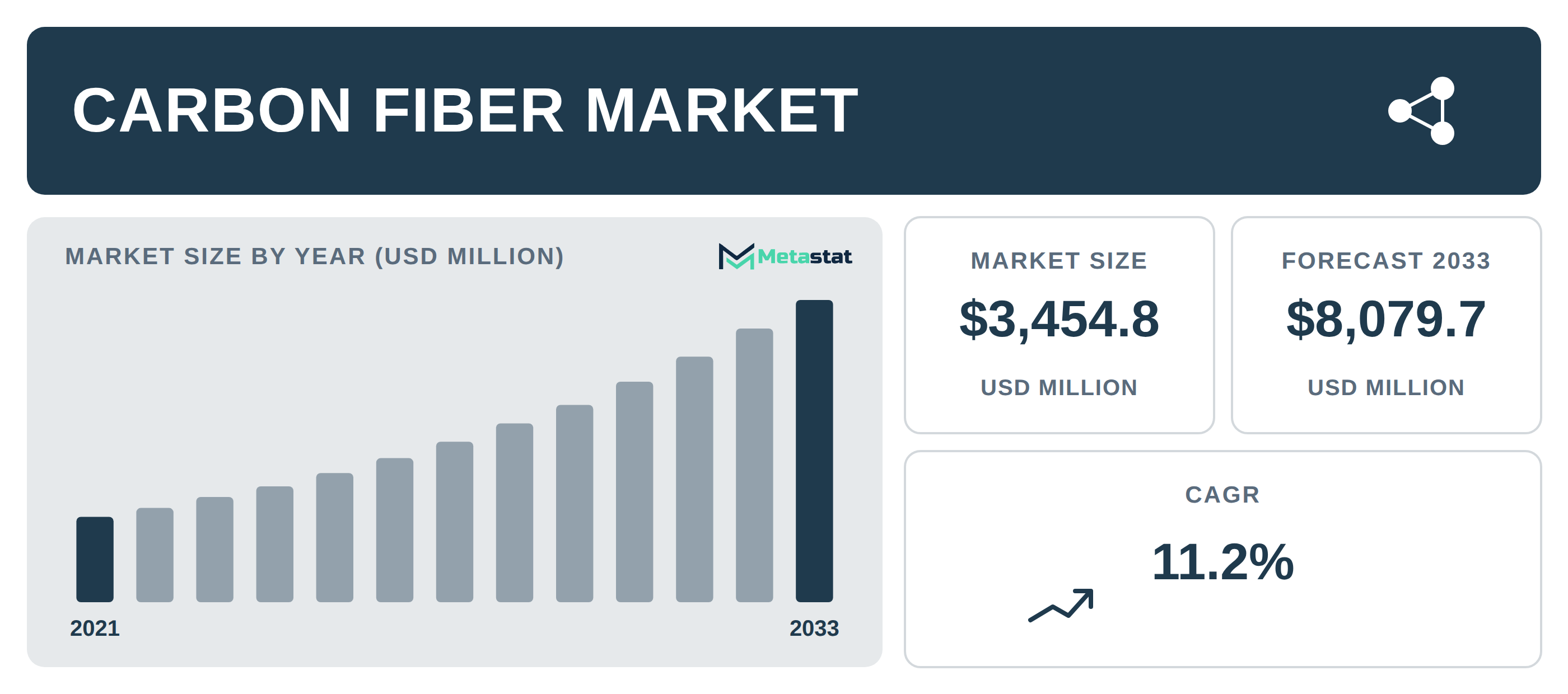
Understanding the elements driving Carbon Fiber pricing is essential for buyers and operators in the market for high-performance materials. Factors influencing costs extend beyond basic supply and demand dynamics, encompassing technological advancements, material composition, and market trends. This blog highlights key aspects that determine pricing and explains how buyers influence their procurement strategies. The full figures are in our Carbon Fiber market size and forecast report.
1. The impact of production costs on pricing
Rising production costs significantly affect Carbon Fiber pricing. Factors including increased expenses for raw materials, especially polyacrylonitrile (PAN) and resin systems, directly influence the final price of Carbon Fiber products. Suppliers face margin pressures as these input costs rise, which results in higher prices for buyers. Effective negotiation and long-term contracts with suppliers provide buyers with leverage to mitigate price increases, enhancing their overall procurement strategy.
2. Demand from leading industries drives pricing fluctuations
The demand for Carbon Fiber in industries including aerospace and automotive plays a critical role in shaping pricing trends. The aerospace sector, in particular, represents a substantial share of market value, driven by a continuous need for lightweight and high-strength materials that enhance fuel efficiency and performance. Buyers operating in these high-demand sectors experience fluctuations in prices, especially during periods of increased production or project timelines. Engaging suppliers early in the procurement process helps buyers secure more favorable pricing and stable supply.
3. Variability in fiber types influences cost
Different types of Carbon Fiber exhibit distinct pricing structures, directly impacting procurement costs. For example, virgin Carbon Fiber, with applications in demanding environments like aerospace, commands a higher price compared to recycled options. Buyers focusing on performance prioritize virgin Carbon Fiber despite its higher costs, while those seeking sustainability explore recycled alternatives. Understanding the performance attributes associated with each fiber type enables buyers to make informed decisions aligned with their budgetary constraints and application requirements.
4. Long-term contracts mitigate price volatility
In an environment characterized by price volatility, buyers adopt long-term contracts to stabilize their procurement costs for Carbon Fiber. These agreements often include fixed pricing structures or negotiated discounts for bulk purchasing, leading to enhanced operational efficiencies. By securing stable pricing through contractual commitments, buyers navigate sudden market fluctuations and align their production schedules with cost-effective procurement strategies, ultimately impacting their overall pricing structure in the supply chain.
5. Technological advancements reduce production costs
Innovations in Carbon Fiber manufacturing have the potential to lower production costs, ultimately influencing pricing. Advanced manufacturing processes, including automated fiber placement and precision weaving, improve efficiency and minimize waste, enabling suppliers to offer more competitive prices. Buyers should stay informed about suppliers that invest in new technologies, as these advancements translate into cost savings for their procurement. Partnering with forward-thinking suppliers leads to advantageous pricing structures and high-quality materials.
6. The role of competition among suppliers
The competitive landscape in the Carbon Fiber industry impacts pricing strategies. Several suppliers, including Toray Industries, Inc. and Mitsubishi Chemical Group Corporation, emphasize product performance and innovation. This competition encourages companies to optimize their operations and pricing structures, as they seek to attract and retain buyers. Buyers benefit from this competition by having access to a diverse range of suppliers and pricing options, allowing for better alignment with their specific needs.
7. Sustainability and recycled Carbon Fiber pricing
With a growing emphasis on sustainability, the role of recycled Carbon Fiber is increasingly important in pricing discussions. As environmental concerns drive demand for eco-friendly materials, recycled Carbon Fiber is becoming more popular. This shift leads to pricing structures that often differ from virgin Carbon Fiber. Buyers exploring sustainable alternatives find value in recycled Carbon Fiber while potentially benefiting from lower costs. Awareness of this trend allows buyers to make strategic choices that align with both budgetary constraints and environmental goals.
Understanding these dynamics provides valuable insight for buyers navigating the complexities of Carbon Fiber pricing. Through strategic procurement approaches, including leveraging long-term contracts and staying informed about market trends, buyers better position themselves to manage costs effectively while ensuring access to high-performance materials.
Tags
About the Authors

LEAD ANALYST
Utkarsh Khirodkar is a Lead Market Research Analyst at MetaStat Insight, specializing in market intelligence, technology sector assessments, and competitive strategy.

INDUSTRY CONSULTANT - CHEMICALS & ADVANCED MATERIALS
Chemicals and Materials · Machinery & Equipment · Packaging
Amit Gadhekar Consultant for Chemicals and Materials at MetaStat Insight, directing sector-specific intelligence, research, and strategic consulting across global chemical and processing markets.