
Ensure quality and sustainability in collagen sourcing by asking your suppliers these essential questions.
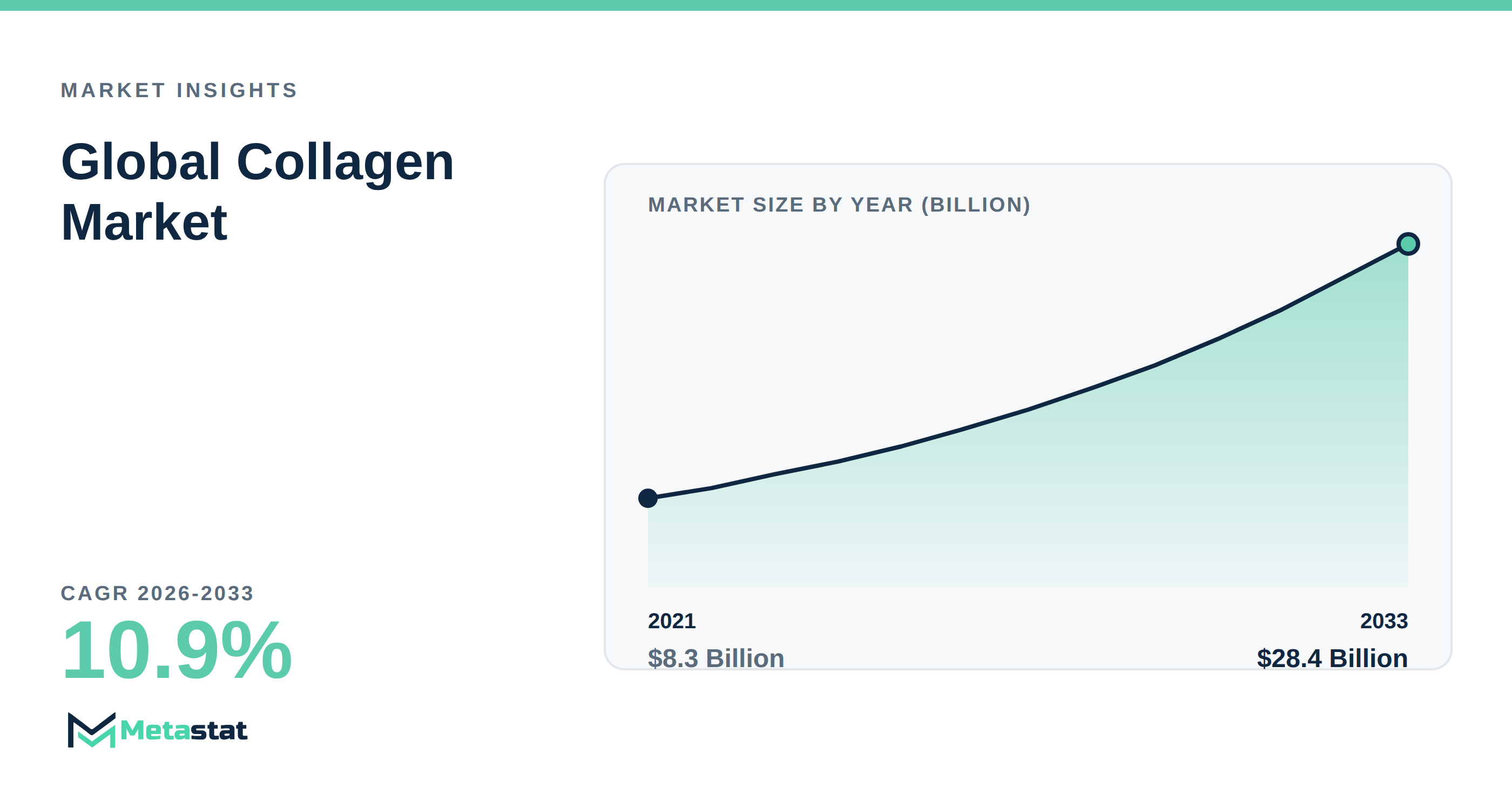
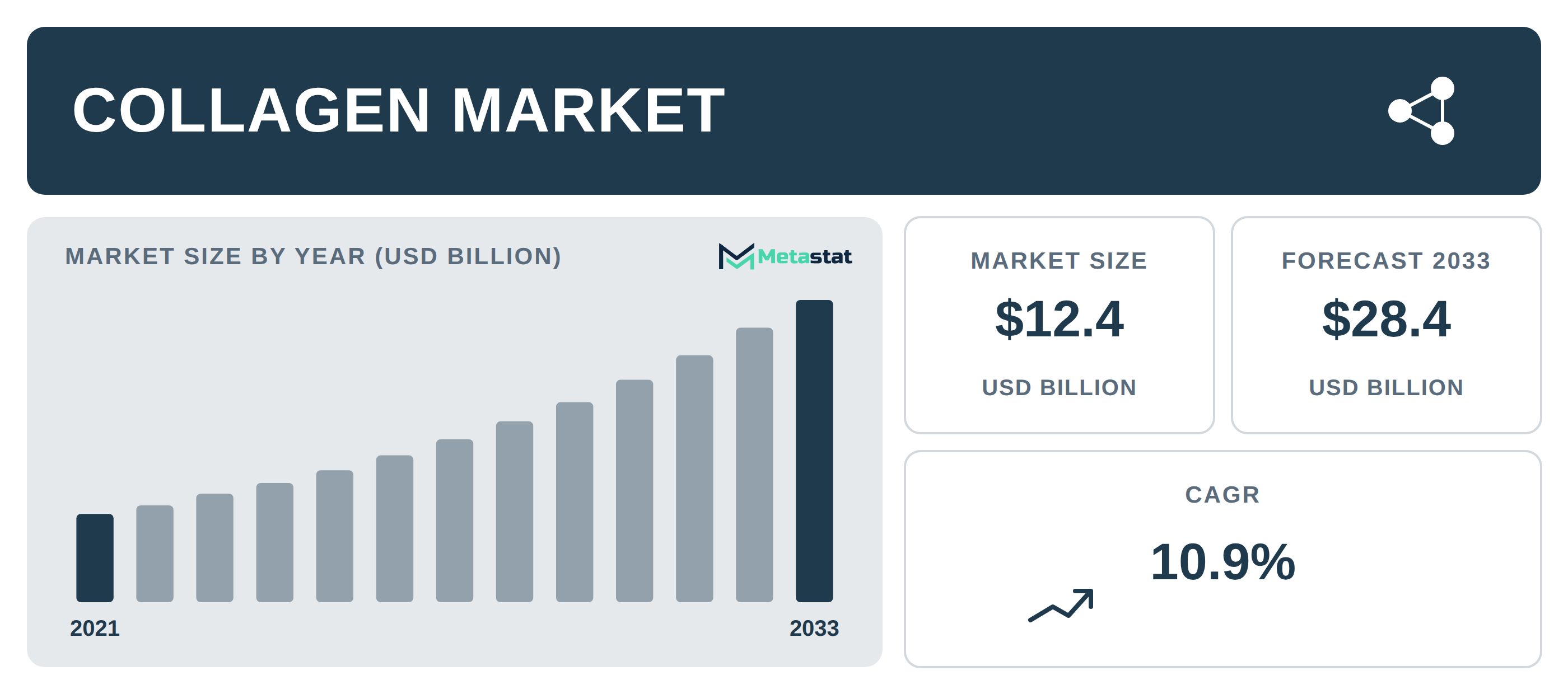
The growing awareness of health benefits related to collagen has increased demand across various industries, including dietary supplements, cosmetics, and food products. As buyers navigate the expanding landscape, identifying the right suppliers for collagen becomes crucial. This article outlines essential questions buyers should consider when selecting collagen suppliers to ensure high-quality products and compliance with industry standards. The full figures are in our Collagen market size and forecast report.
1. What sourcing methods do you use for collagen?
Understanding the methods used for sourcing collagen is vital for buyers. Suppliers should provide clarity about whether their collagen comes from bovine, porcine, marine, or poultry sources, as each type has distinct benefits and pricing structures. For instance, marine-derived collagen is expected to reach USD 7.8 billion by 2033, driven by a growing consumer preference for sustainable sourcing practices. Buyers focused on sustainability should prioritize suppliers that emphasize traceability and ethical sourcing.
2. How do you ensure product quality and safety?
Quality assurance in collagen production is essential for maintaining customer trust and compliance with regulations. Buyers should inquire about the supplier's quality control measures, including testing protocols and relevant certifications. Rising compliance costs in the collagen sector highlight the importance of thorough testing for safety and efficacy. Suppliers that invest in stringent quality checks enhance their appeal to discerning buyers seeking reliable products.
3. What innovations are you implementing in collagen formulations?
Innovation distinguishes suppliers within this competitive environment. Buyers should investigate the advancements suppliers are pursuing in collagen formulations. Hydrolyzed collagen peptides are gaining traction for their health benefits and ease of absorption, with their projected revenue climbing from approximately USD 3.9 billion in 2026 to USD 8.9 billion by 2033. Suppliers that prioritize research and development provide buyers with more effective solutions tailored to market demands.
4. Can you explain your pricing strategies and how they compare to competitors?
Pricing plays a crucial role in purchasing decisions within the collagen sector. Buyers should ask suppliers about their pricing models, especially considering the higher costs associated with marine collagen, which is often attributed to its perceived health benefits. Bovine collagen typically presents a more competitive price point, valued at USD 5.3 billion in 2026 and projected to reach USD 10.4 billion by 2033. Gaining insights into pricing strategies helps buyers evaluate their options effectively.
5. How do you address sustainability concerns in your production process?
Sustainability holds increasing significance for consumers, particularly in health and wellness segments. Suppliers should articulate their commitment to environmentally friendly practices, including responsible sourcing and production methods. The growing popularity of marine collagen reflects shifting consumer preferences for natural options, making it essential for suppliers to align their practices with the market's demand for sustainability.
6. What support do you provide for product integration and marketing?
Support services enhance the buyer-supplier relationship significantly. Buyers should inquire about the resources suppliers offer for product integration into existing lines or during new product launches. Suppliers providing marketing support, including educational materials and promotional strategies, can positively impact buyers’ success in the collagen sector. Understanding the extent of available support helps buyers maximize their investment in collagen products.
7. What are the regulatory compliance measures in place?
Ensuring compliance with regulatory standards is essential for any supplier in the collagen field. Buyers should ask about the steps taken by suppliers to adhere to quality and safety regulations, including any certifications or audits passed. Suppliers that maintain rigorous compliance measures not only protect their operations but enhance their credibility among buyers. Awareness of regulatory compliance fosters confidence and ensures that buyers receive high-quality products that meet necessary standards.
Identifying the right suppliers is a critical step for buyers in the collagen space. By asking these essential questions, buyers ensure they partner with suppliers committed to quality, innovation, and sustainability, ultimately driving success in their product offerings.
Tags
About the Authors

LEAD ANALYST
Utkarsh Khirodkar is a Lead Market Research Analyst at MetaStat Insight, specializing in market intelligence, technology sector assessments, and competitive strategy.

LEAD PRINCIPAL ANALYST, PHARMA AND HEALTHCARE
Food and Beverages · Healthcare · Healthcare IT · Medical Devices
Ajay Devgire is the Lead Healthcare Analyst at MetaStat Insight, leading strategic research and market intelligence initiatives across the global healthcare domain.