
Discover essential questions buyers ask suppliers when exploring the Industrial Metaverse market. These insights will ensure successful technology integrations.
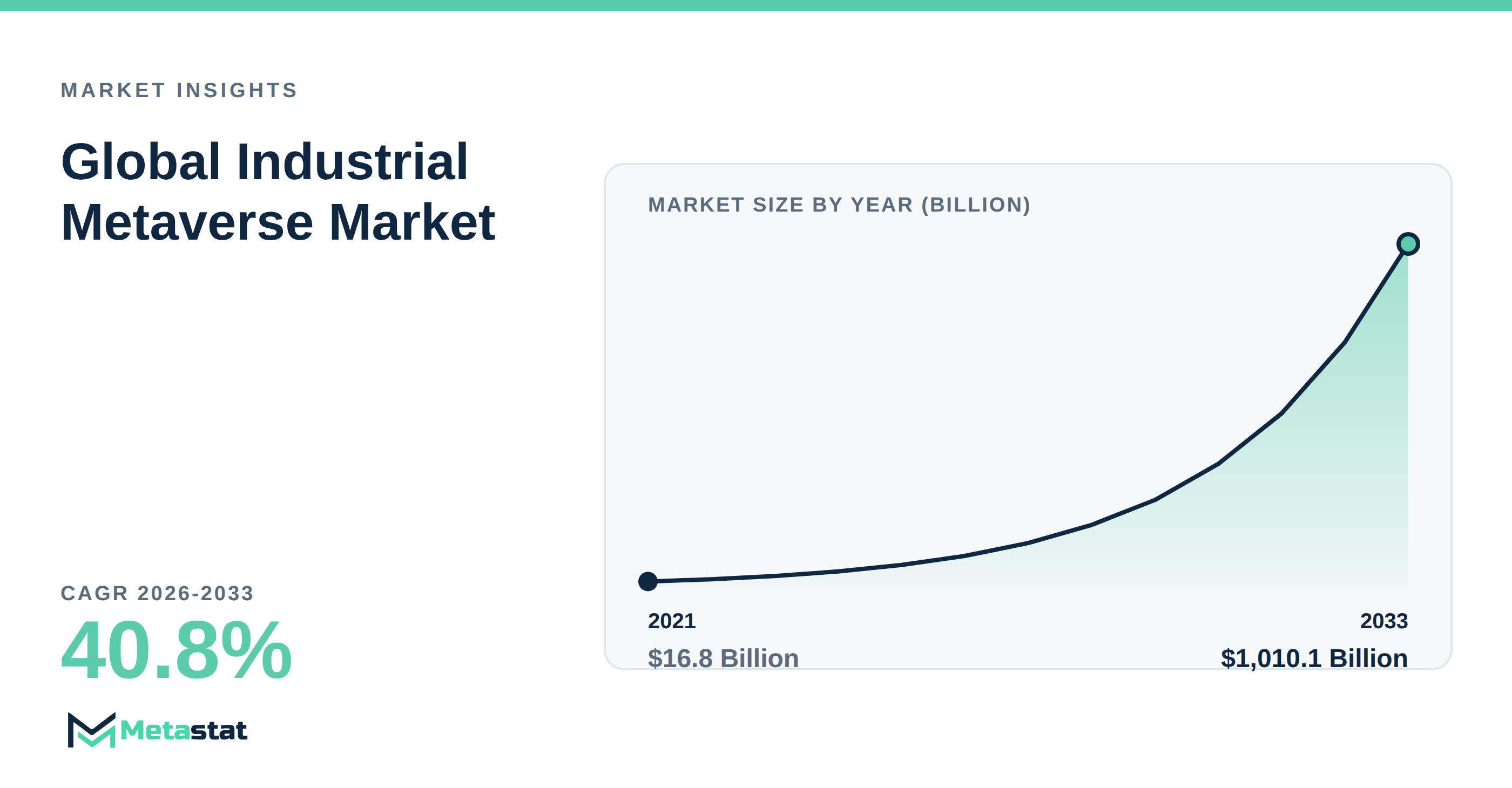
The Industrial Metaverse market is rapidly expanding, with a projected value of USD 1,010.1 billion by 2033. Buyers looking to invest in this technology engages effectively with suppliers. Are essential questions to consider to ensure a successful partnership and implementation.
1. How does your technology integrate with existing systems?
Understanding how a supplier’s technology integrates with existing systems is crucial. The Industrial Metaverse relies on strong connectivity between augmented reality, virtual reality, and physical assets. Buyers should inquire about the level of interoperability the solution offers, particularly concerning legacy systems. Effective integration minimizes disruption and supports a smoother transition, leading to enhanced operational efficiency and reduced implementation costs.
2. What support do you provide for digital twin technology?
Digital twin technology significantly enhances the Industrial Metaverse, enabling real-time simulations of physical assets. Buyers should evaluate how suppliers assist in implementing and maintaining digital twins. This includes asking about the tools provided for data collection, visualization capabilities, and ongoing support for optimizing these virtual models. A strong focus on digital twin support enhances decision-making processes and operational performance, especially in sectors like manufacturing and logistics.
3. What cybersecurity measures are in place for your solutions?
With increasing reliance on digital technologies, cybersecurity remains a top concern. Buyers should demand clarity on the cybersecurity measures suppliers employ to protect sensitive data and operations. This involves asking about compliance with industry standards, encryption protocols, and the response time for potential breaches. Ensuring robust cybersecurity practices mitigates risks associated with data breaches, which is critical for maintaining trust and operational integrity in the Industrial Metaverse.
4. How do you facilitate workforce training and onboarding?
Workforce training is essential for the successful adoption of Industrial Metaverse technologies. Buyers should ask suppliers about their training solutions, emphasizing immersive technologies including augmented and virtual reality. Understanding how these training programs enhance employee skills leads to decreased downtime and improved operational efficiency. Effective training solutions ensure personnel are well-prepared to leverage new technologies, ultimately benefiting productivity and reducing training costs.
5. Can you provide case studies or references from similar industries?
Requesting case studies or references allows potential buyers to assess a supplier’s credibility and effectiveness. Buyers should seek examples of successful implementations within their industry. Such insights reveal the supplier's capacity to deliver solutions tailored to specific challenges. Evaluating past performance and customer satisfaction helps ensure that decisions are well-informed and aligned with the organization's strategic objectives.
6. What ongoing support and updates will you offer?
Technology in the Industrial Metaverse continues to evolve. Buyers should inquire about the ongoing support and updates suppliers provide after implementation. This encompasses software updates, troubleshooting assistance, and customer service availability. Understanding how a supplier supports their product post-purchase ensures that businesses remain competitive and can adapt to the fast-evolving industrial landscape.
7. What is your strategy for future technological advancements?
Given the rapid developments in the Industrial Metaverse, understanding a supplier’s strategy for future technology enhancements is essential. Buyers should ask about plans for integrating next-generation technologies, including artificial intelligence, advanced analytics, and emerging hardware solutions. Suppliers with a clear roadmap for future innovations help ensure that buyers benefit from ongoing advancements and competitive advantages in their operations.
By asking these essential questions, buyers in the Industrial Metaverse market makes informed decisions about which suppliers will best meet their needs. This proactive approach lays the groundwork for successful implementations that drive innovation, enhance productivity, and ultimately contribute to the growth of the Industrial Metaverse.
The full analysis is in Global Industrial Metaverse Market.
Tags
About the Authors

LEAD ANALYST
Utkarsh Khirodkar is a Lead Market Research Analyst at MetaStat Insight, specializing in market intelligence, technology sector assessments, and competitive strategy.

PRINCIPAL CONSULTANT - ENTERPRISE AI & EMERGING TECHNOLOGIES
Banking & Finance · Electronics and Semiconductor · Energy and Power · Healthcare IT · Information & Technology · Professional Services
Vijay Gunti is a Principal Consultant at MetaStat Insight, bringing over two decades of experience across enterprise digital transformation, technology strategy, and intelligent systems.

LEAD CONSULTANT - COMMUNICATION, TELECOM, AND IT
Electronics and Semiconductor · Information & Technology · Machinery & Equipment · Professional Services
Ravindra Sathe Consultants for Communication, Telecom, and IT at MetaStat Insight. He leads the firm's industry research initiatives across telecommunications infrastructure, digital connectivity, enterprise networking, and emerging information technology domains.