
Explore the contrasting regional demand for Cloud Services, focusing on North America's leadership and Asia-Pacific's growth, driven by key factors and challenges.
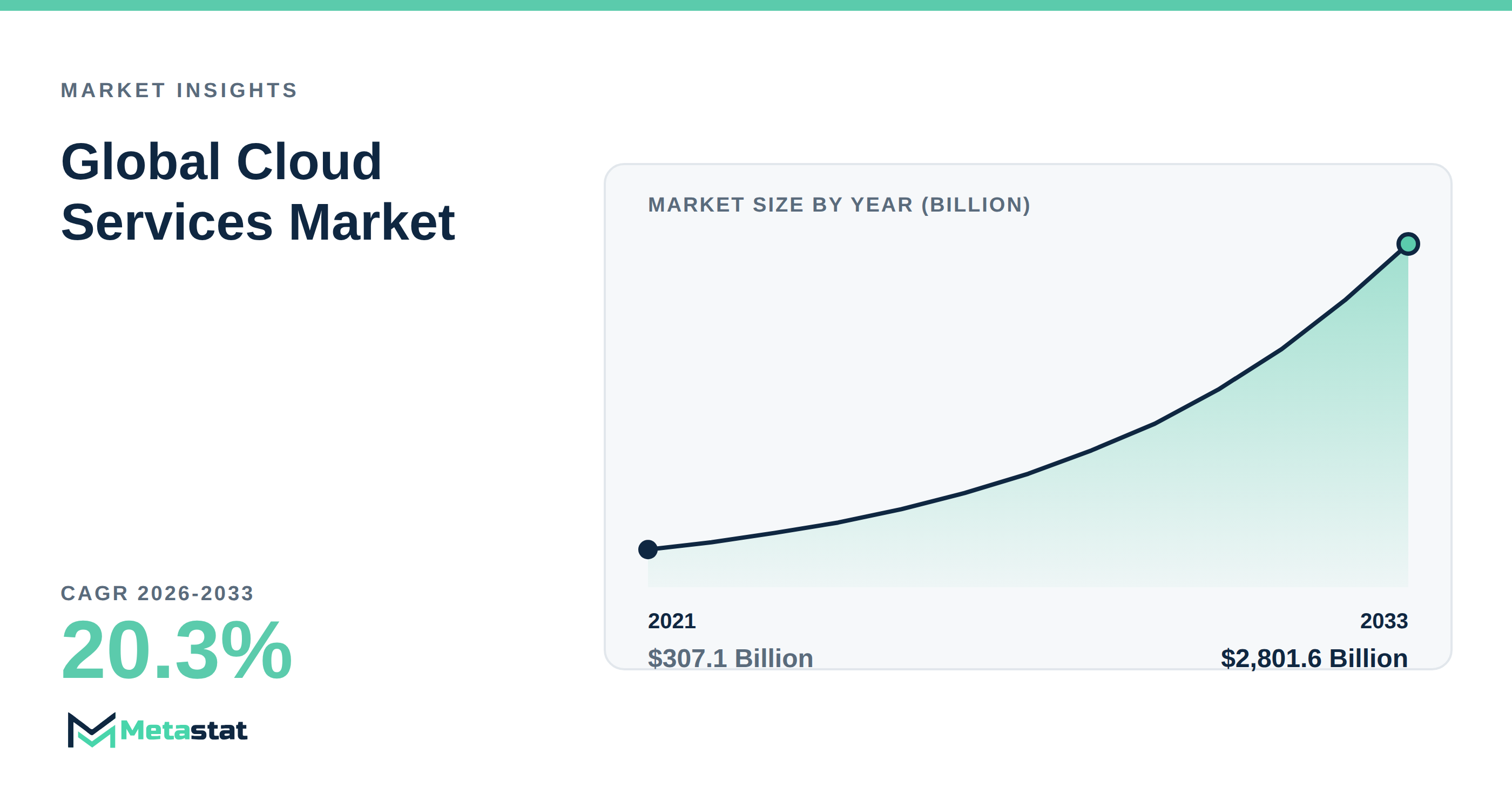
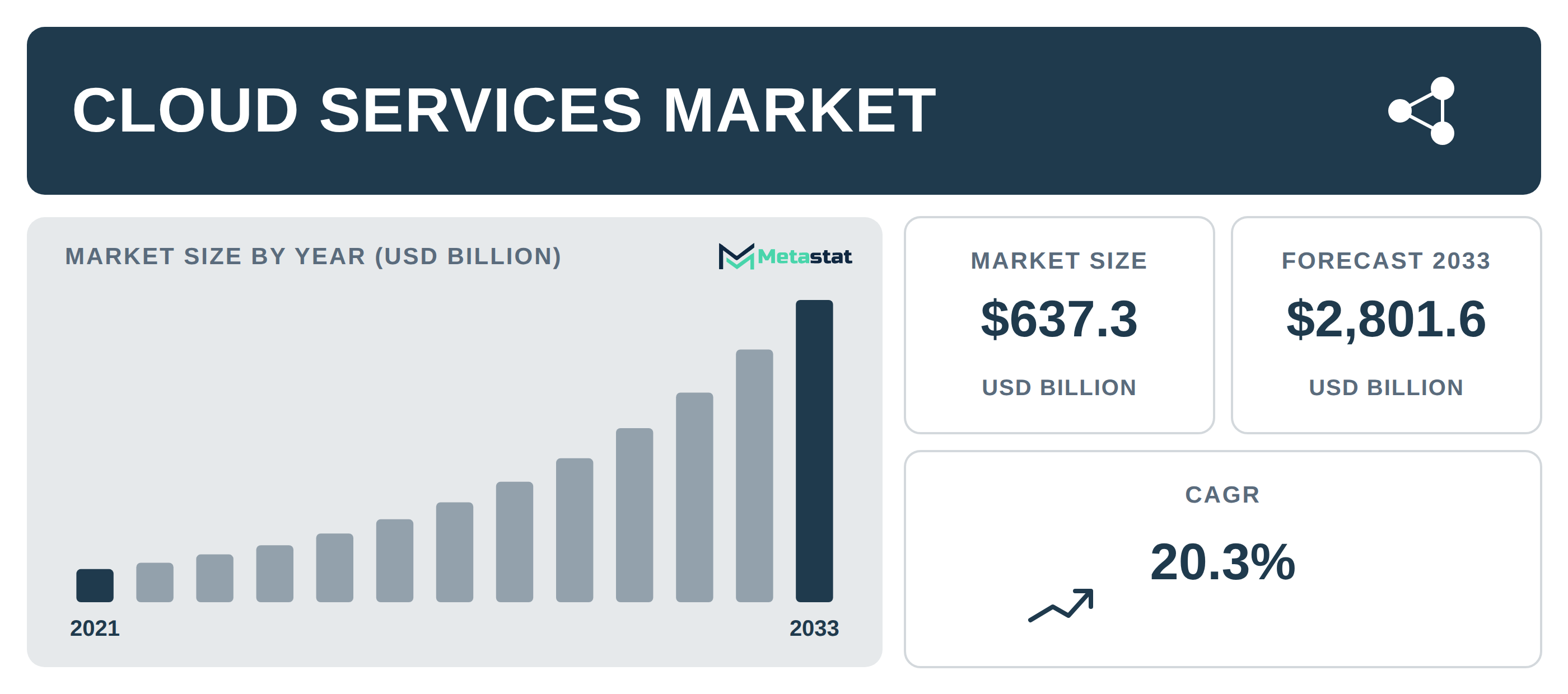
The market for Cloud Services displays significant regional differences, primarily between North America and Asia-Pacific. North America leads in demand, while Asia-Pacific is catching up rapidly. Understanding the reasons behind these variations is essential for industry stakeholders aiming to navigate this dynamic landscape effectively. The full figures are in our Cloud Services market size and forecast report.
Why is North America leading in Cloud Services demand?
North America stands out as the leader in Cloud Services adoption, supported by a strong technological infrastructure and a digitally astute market. This region accounted for a substantial portion of the overall demand in 2025, particularly driven by key sectors including banking and financial services. Organizations prioritize secure and scalable solutions to enhance operational efficiency and comply with strict regulations.
Significant digital transformation efforts in North America drive extensive investment in cloud technologies, as businesses seek to gain competitive advantages through improved data analytics and real-time insights. The current economic environment allows for considerable IT expenditures, enabling firms to streamline operations and reduce expenses.
What accounts for Asia-Pacific's growth trajectory?
The Asia-Pacific region possesses considerable potential for growth in Cloud Services, capturing a notable market share as digital transformation accelerates. Countries like China, Japan, and India serve as the main drivers of this expansion, bolstered by increased investments in IT infrastructure and a growing preference for cloud solutions. Small and medium-sized enterprises (SMEs) in this area are particularly proactive in adopting cloud technologies, taking advantage of the flexibility and affordability offered.
Government initiatives in countries like South Korea and Australia enhance this momentum, promoting cloud adoption across various sectors. These efforts are crucial for SMEs aiming to stay competitive, as they seek to boost their operational capabilities without substantial upfront investments.
What challenges do these regions face?
Despite the favorable outlook, both regions encounter distinct challenges. In North America, navigating compliance with ever-evolving regulations complicates cloud procurement, as organizations strive to meet rigorous data privacy and security requirements. This scrutiny particularly affects large enterprises, leading to slower adoption rates.
On the other hand, while Asia-Pacific maintains a strong growth trajectory, the diverse regulatory environment across countries hinder cloud adoption. Smaller enterprises often struggle with limited IT resources and expertise, which impedes their transition to cloud-based operations. These barriers slow the growth of cloud service consumption.
How do these regional dynamics shape service delivery?
The gap in demand for Cloud Services across regions influences how providers approach service delivery and customer engagement strategies. In North America, leading companies like Amazon Web Services, Inc., and Microsoft Corporation provide extensive ecosystems tailored to enterprise needs, focusing on flexibility and compliance. This competitive environment emphasizes optimizing services to meet specific operational requirements.
In Asia-Pacific, service providers are compelled to cater to a diverse customer base, often optimizing their offerings for SMEs while maintaining affordability and efficiency. The emphasis on scalable solutions enables these providers to address the needs for flexible cloud services, aligning with the economic realities smaller organizations face.
What decisions-makers learn from these trends?
Recognizing the differences in Cloud Services regional demand equips decision-makers with the insights necessary for effective strategy formulation. Organizations in North America emphasize advanced features and compliance, whereas enterprises in Asia-Pacific seek cost-effective solutions that enable scalable operations.
For service providers, understanding these regional dynamics improve competitive positioning and enhance long-term collaborations. Tailoring offerings to address the specific challenges present in each region while encouraging innovation significantlies influence growth trajectories within the Cloud Services landscape.
Navigating the distinct demand environments for Cloud Services in North America and Asia-Pacific presents both challenges and opportunities. Organizations that effectively leverage these insights in their strategic endeavors will be better poised to thrive in the evolving digital economy.
Tags
About the Authors

LEAD ANALYST
Utkarsh Khirodkar is a Lead Market Research Analyst at MetaStat Insight, specializing in market intelligence, technology sector assessments, and competitive strategy.

PRINCIPAL CONSULTANT - ENTERPRISE AI & EMERGING TECHNOLOGIES
Banking & Finance · Electronics and Semiconductor · Energy and Power · Healthcare IT · Information & Technology · Professional Services
Vijay Gunti is a Principal Consultant at MetaStat Insight, bringing over two decades of experience across enterprise digital transformation, technology strategy, and intelligent systems.

LEAD CONSULTANT - COMMUNICATION, TELECOM, AND IT
Electronics and Semiconductor · Information & Technology · Machinery & Equipment · Professional Services
Ravindra Sathe Consultants for Communication, Telecom, and IT at MetaStat Insight. He leads the firm's industry research initiatives across telecommunications infrastructure, digital connectivity, enterprise networking, and emerging information technology domains.