
Explore the transformative trends shaping the future of home fitness equipment, from technology integration to evolving consumer preferences.
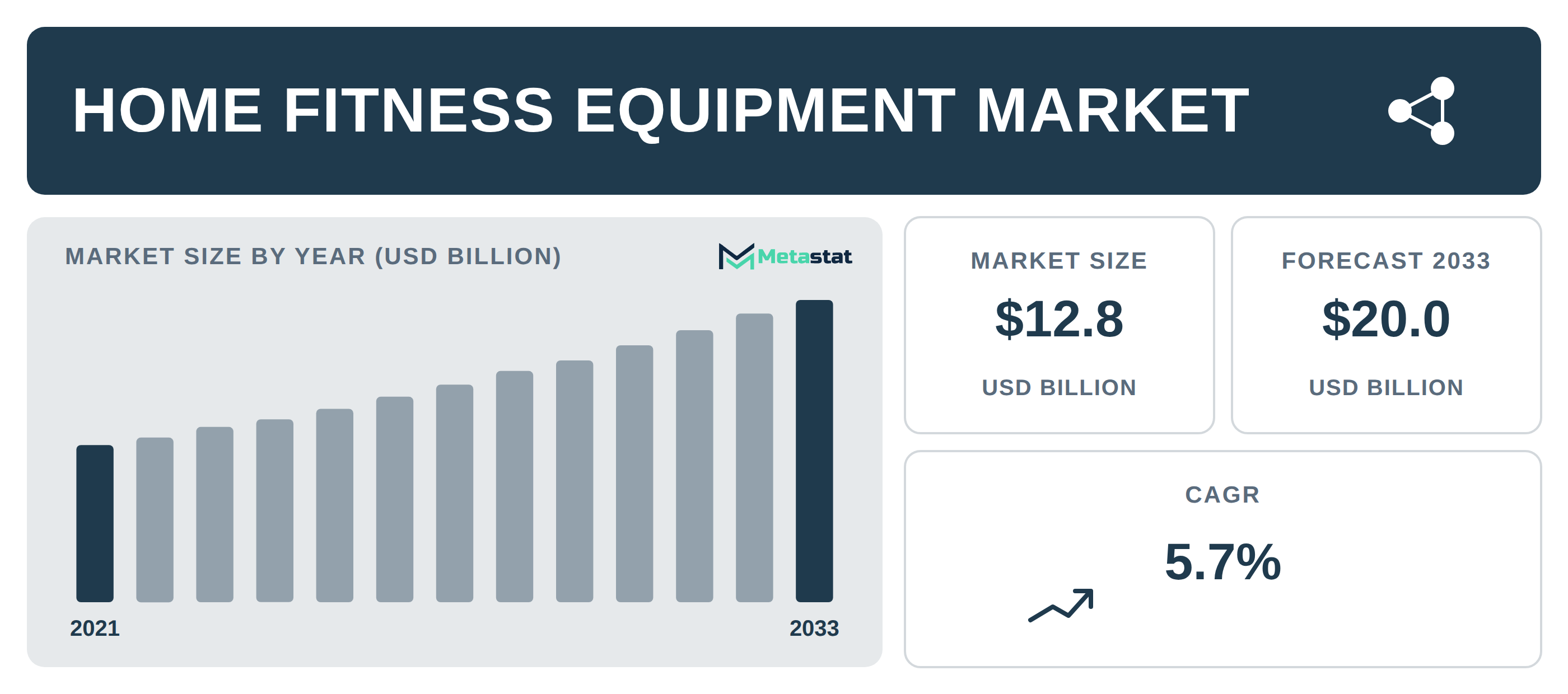
The landscape of home fitness equipment is evolving, and several factors will shape its future through 2033. Significant changes are expected, driven by advancements in technology, shifting consumer behaviors, and economic influences. Understanding these dynamics will help stakeholders navigate the market effectively. The full figures are in our Home Fitness Equipment market size and forecast report.
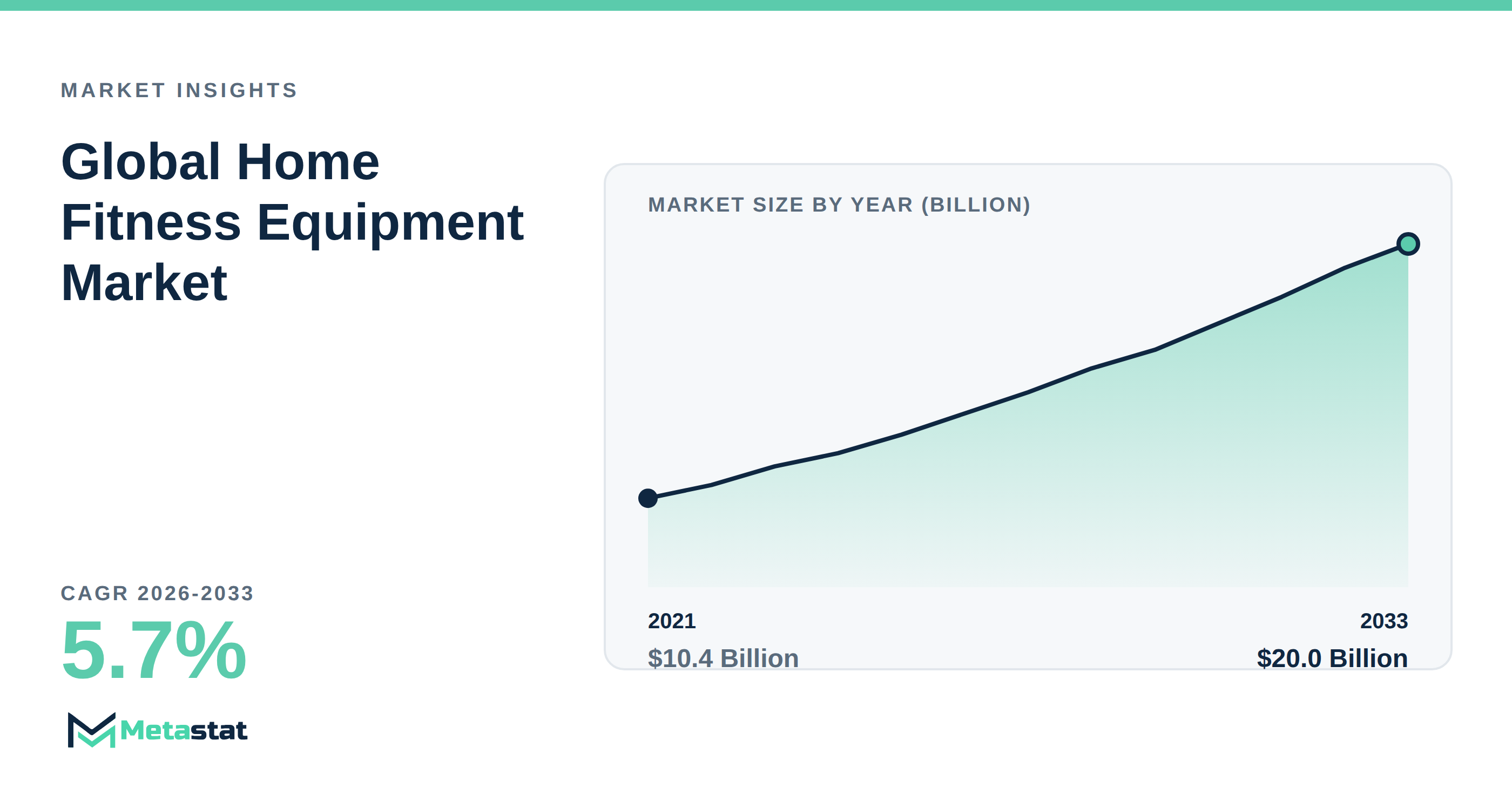
How is technology reshaping home fitness experiences?
Technology plays a central role in transforming how consumers engage with home fitness equipment. The rise of smart devices enhances user interaction, allowing real-time tracking of performance metrics and creating personalized workout experiences. Equipment featuring connectivity and integrated workout programs is increasingly popular, especially among younger consumers. This trend is illustrated by the anticipated growth in connected home fitness solutions, which include subscription-based training models and digital communities where users share experiences and motivate one another.
Investment in these technologies is crucial for companies aiming to capture substantial consumer interest. Brands that provide an interactive experience through their equipment are likely to see increased customer loyalty and retention. A direct outcome of this trend is the projected growth of direct-to-consumer online sales, which are expected to rise sharply, indicating a preference for purchasing fitness solutions online. Companies should focus on developing innovative products that leverage technology to satisfy evolving exercise needs.
What shifts in consumer preferences should be noted?
Consumer preferences are significantly shifting toward convenience and affordability when it comes to home fitness equipment. Many individuals prioritize budget-friendly options while still seeking quality and functionality. This has led to a notable rise in the popularity of compact strength systems and adjustable weights, which cater to consumers with limited space in their homes. Retailers are increasingly offering financing options, facilitating access to equipment and allowing consumers to invest in their fitness regimens without substantial upfront costs.
The growing awareness of health and wellness among consumers shapes purchasing behavior. As health trends gain prominence, more individuals seek effective ways to exercise at home. This presents opportunities for companies to tailor their marketing strategies, emphasizing affordability and the accessibility of their products. While the market evolves, understanding and adapting to these changing preferences will be vital for success.
How does pricing influence purchasing decisions?
Price sensitivity remains a critical factor affecting the adoption of home fitness equipment. Budget-conscious consumers prefer affordable options, which hinder sales of higher-priced products. This trend creates challenges for manufacturers promoting premium offerings, requiring strategic marketing approaches that highlight the value of investing in quality equipment.
While the landscape evolves, companies refine pricing strategies to cater to diverse consumer needs. Offering tiered pricing structures make premium products more enticing without alienating budget-focused buyers. Retailers enhance sales by emphasizing the long-term value of their products and the benefits they provide compared to lower-cost alternatives.
What role does the direct-to-consumer model play in future growth?
Direct-to-consumer sales strategies are gaining traction, reflecting a shift in consumer shopping behavior. Increasing confidence in online purchasing, coupled with the convenience of home delivery, contributes to this trend. Companies that successfully engage consumers through targeted online marketing and personalized shopping experiences will likely experience higher sales volumes and enhanced brand loyalty.
This sales channel is projected to experience robust growth, signifying a significant change in how consumers access home fitness solutions. As competition among retailers intensifies, brands adapt to this evolving landscape by enhancing their digital offerings and creating user-friendly online experiences for their customers.
How will the competitive landscape evolve?
The home fitness equipment sector is expected to become increasingly dynamic. Innovations in product design, technology integration, and user experience will help differentiate leading providers. Companies will stay abreast of trends and consumer preferences to maintain their position.
Established brands, including Johnson Health Tech Co., Ltd. and Peloton Interactive, Inc., set benchmarks through technological advancements and diverse product offerings. New entrants are emerging, escalating competitive intensity in the market. Companies that invest in research and development, understand consumer needs, and effectively leverage technology will position themselves favorably for future growth.
In summary, the outlook for home fitness equipment through 2033 will be characterized by technological advancements, evolving consumer preferences, and a fluid competitive environment. Stakeholders should remain vigilant and responsive to these trends to capitalize on emerging opportunities.
Tags
About the Author

LEAD ANALYST
Utkarsh Khirodkar is a Lead Market Research Analyst at MetaStat Insight, specializing in market intelligence, technology sector assessments, and competitive strategy.