
Explore the rapid growth of the online casino segment, driven by technological advancements, consumer preferences, and the challenges facing operators.
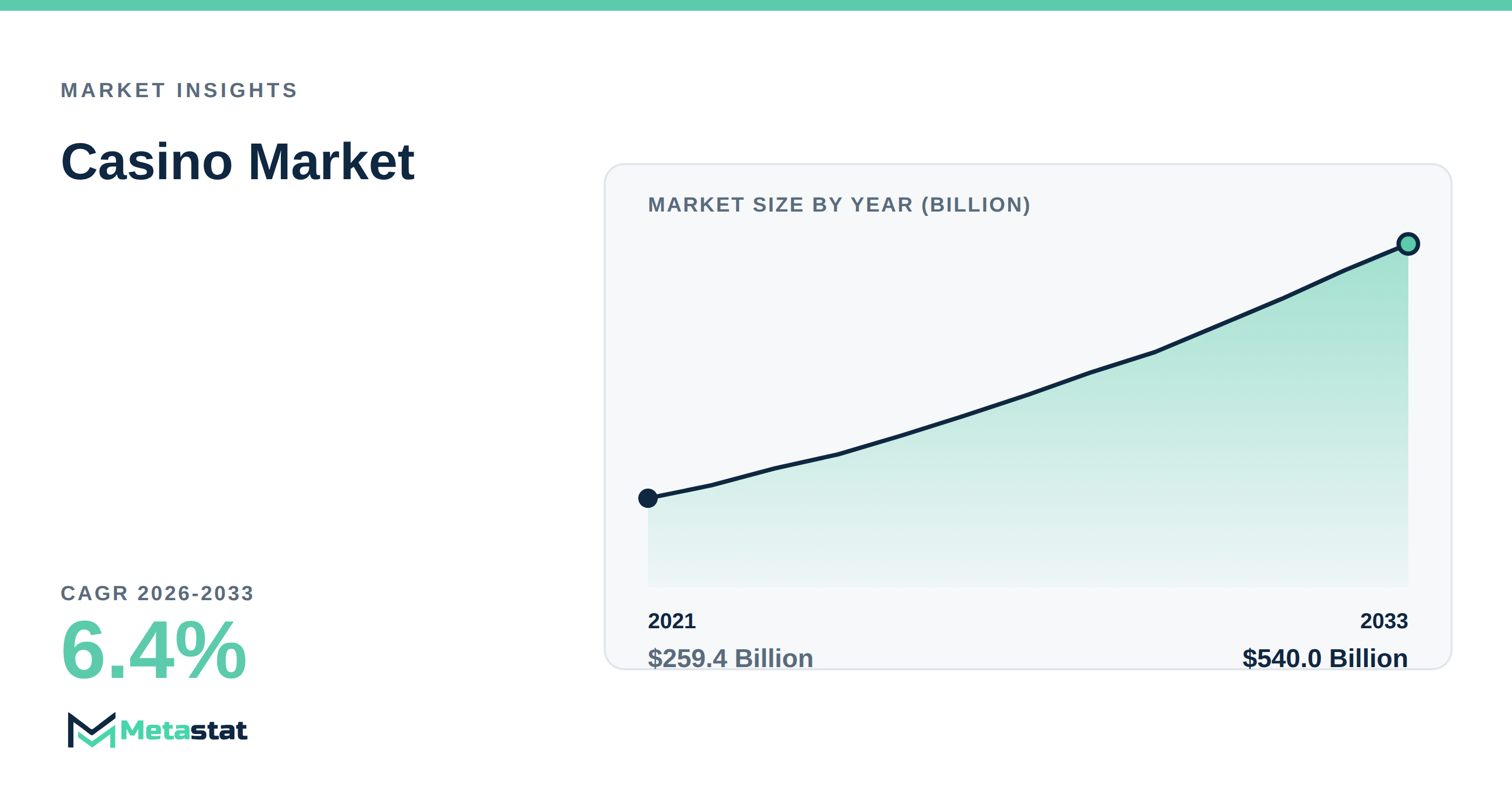
The online segment of the Casino market is experiencing significant growth, reshaping the overall environment of gaming. This segment is projected to reach a market value of USD 244.2 billion by 2033, with an anticipated compound annual growth rate of 11.3%. Understanding the drivers behind this growth is crucial for stakeholders aiming to adapt effectively to market dynamics.
Why is the online casino segment expanding so rapidly?
Shifts in consumer behavior strongly influence the acceleration of the online casino segment. A preference for digital platforms aligns with the lifestyles of younger demographics, who seek convenience and instant access to gaming experiences. This cohort is increasingly savvy with technology, positioning online gaming because a favorable alternative to traditional casino visits.
The COVID-19 pandemic significantly impacted this shift, because many consumers turned to online gaming options during lockdowns. This trend created a substantial impact, prompting a more permanent transition towards digital platforms. The ability to access games from mobile devices enhances user engagement, contributing to growth within this segment.
What is behind the technological advancements?
Investment in technology has transformed the customer experience in the online casino market. Operators are integrating advanced gaming technologies, including live dealer experiences and virtual reality, into their offerings. These innovations create immersive environments that appeal to users and encourage ongoing participation.
The competitive nature among operators fuels continuous innovation, driving companies to invest in user-friendly interfaces and personalized gaming experiences tailored to individual preferences. Such advancements enhance player satisfaction and loyalty, which are vital for maintaining a competitive advantage.
What challenges does the online segment face?
Despite the positive trajectory, the online casino segment encounters considerable challenges. Regulatory compliance presents an ongoing concern, because operators navigate various jurisdictional standards governing online gaming. Stricter regulations lead to increased operational costs, particularly affecting smaller players that lack the resources for swift adaptation.
Economic pressures, including inflation and currency fluctuations, add complexity to the landscape. Consumers' disposable income is expected to influence their spending on gaming activities, which could impact revenue potential for operators. This situation underscores the importance of strategic financial planning to accommodate changing economic conditions.
How businesseses capitalize on the shift?
To leverage the growth of the online casino segment, operators should focus on enhancing customer engagement and broadening their offerings. This strategy includes diversifying game selections to resonate with various demographics, particularly younger audiences. By incorporating social gaming elements, casinos create interactive experiences that build community and promote user retention.
Investing in marketing initiatives that showcase new features and games plays a crucial role in enhancing brand visibility in a competitive environment. Companies that prioritize technological investments while adapting to consumer preferences are likely to position themselves favorably in this evolving market.
Conclusion
The online segment's growth is reshaping the Casino market, providing significant implications for stakeholders. Understanding the driving factors behind this change, tackling the challenges faced, and adopting strategic approaches to seize emerging opportunities are essential for businesses aspiring to thrive in this dynamic environment. For a more comprehensive analysis of the Casino market, refer to the Global Casino Market report.
Tags
About the Authors

LEAD ANALYST
Utkarsh Khirodkar is a Lead Market Research Analyst at MetaStat Insight, specializing in market intelligence, technology sector assessments, and competitive strategy.

PRINCIPAL CONSULTANT - ENTERPRISE AI & EMERGING TECHNOLOGIES
Banking & Finance · Electronics and Semiconductor · Energy and Power · Healthcare IT · Information & Technology · Professional Services
Vijay Gunti is a Principal Consultant at MetaStat Insight, bringing over two decades of experience across enterprise digital transformation, technology strategy, and intelligent systems.