
Explore the dynamics shaping the UAE Automotive Spare Parts E-commerce. Discover how buyer behavior and technological advancements impact the market.
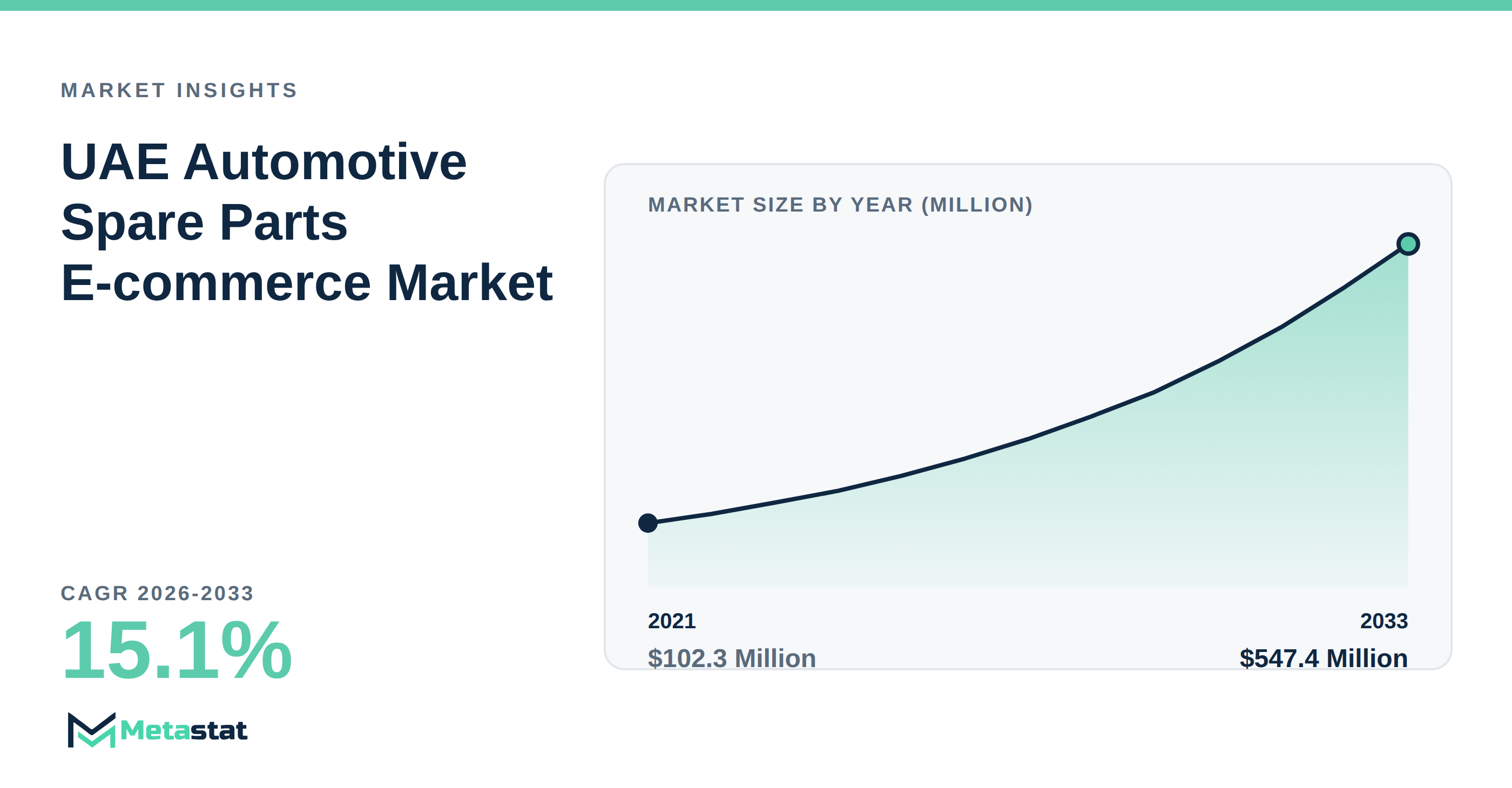
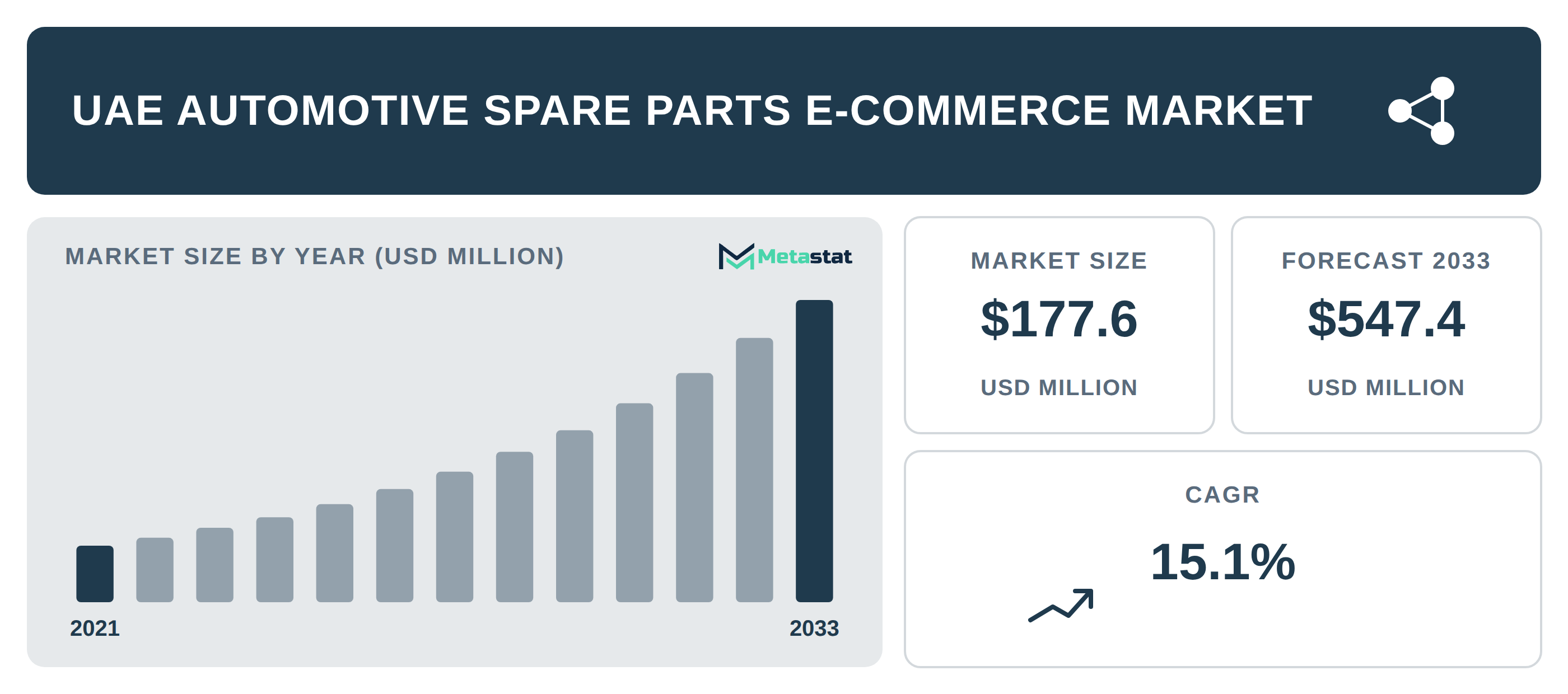
The market for UAE Automotive Spare Parts E-commerce is experiencing a transformation as misconceptions linger about buyer behavior and the influence of various segments. It is commonly assumed that individual vehicle owners drive the majority of demand for spare parts. However, a more detailed analysis shows that repair workshops and fleet operators significantly shape purchasing patterns and drive market dynamics. The full figures are in our UAE Automotive Spare Parts E-commerce market size and forecast report.
How do repair workshops influence purchasing trends?
Repair workshops are integral to the demand for automotive spare parts. While the number of vehicles on UAE roads continues to rise, these workshops feel pressure to provide prompt and dependable service. This has prompted a shift towards online purchasing, allowing them to meet operational needs more effectively. Workshops have increasingly turned to e-commerce platforms to quickly procure parts, enabling them to sustain service continuity and manage their inventory with greater efficiency.
The convenience of digital procurement grants workshops access to an extensive range of parts without geographical limitations or stock availability issues. This shift illustrates the evolution of their purchasing power, indicating that suppliers looking to succeed in the UAE Automotive Spare Parts E-commerce space should prioritize relationships with these businesses.
What drives the demand for new versus used parts?
Another critical aspect of buyer behavior relates to the demand dynamics between new and used parts. While it might seem intuitive that consumers favor new parts for their reliability, economic challenges are leading many buyers, including individuals and workshops, to consider used parts as a viable option. The appeal of cost savings associated with used components is particularly strong in the current environment, where inflation influences production costs.
Recent data suggests an increase in the value of new parts, yet the growing interest in used parts should not be overlooked. Buyers are frequently assessing their choices, often opting for used parts when the financial advantages align with their needs. Suppliers benefit by optimizing their offerings across both categories to cater to diverse buyer preferences.
How does VIN-based technology enhance shopping experiences?
Technological advancements, especially the incorporation of VIN-based search capabilities, have dramatically influenced purchasing behaviors in this sector. This technology allows buyers to enter their vehicle identification number to ensure accurate matches for parts. With precise fitment information, consumers are equipped to make informed choices, which in turn reduces the high return rates often associated with e-commerce transactions in the automotive industry.
By utilizing VIN-based technology, sellers enrich the shopping experience and build trust with their customers. This not only boosts sales opportunities but underscores the relevance of technology in modern purchasing strategies, encouraging e-commerce platforms to adopt these innovations to maintain competitiveness.
What is the future for fleet operators in e-commerce?
Fleet operators represent another essential segment frequently overlooked in discussions of market dynamics. Managing a fleet of vehicles necessitates timely access to spare parts to ensure operational efficiency. These businesses tend to place larger orders and require a distinct procurement approach compared to individual vehicle owners. The growing demand for logistical and delivery services within the UAE amplifies the role of fleet operators in the landscape of automotive spare parts.
Digital platforms that simplify the buying process for fleet operators are likely to see continued growth as these companies strive to minimize downtime and enhance operational efficiency. Suppliers will be challenged to provide tailored solutions that address the specific requirements of fleet operators, thereby further encouraging e-commerce adoption within this segment.
What steps are suppliers taking to adapt to changing consumer preferences?
To take advantage of the shifting landscape in UAE Automotive Spare Parts E-commerce, suppliers are committed to understanding the diverse needs of their clientele. Enhancing customer experiences through user-friendly platforms, competitive pricing, and a wide range of available products positions suppliers for future success. Collaborating with manufacturers to ensure authenticity and warranty coverage cultivates trust and loyalty among buyers.
The assumptions surrounding demand in the market for UAE Automotive Spare Parts E-commerce do not always reflect the intricate realities that exist. Understanding the influence of repair workshops, the varying demand for both new and used parts, and the role of technology is essential for stakeholders aiming to engage effectively with this evolving landscape. Emphasizing adaptability and responsiveness to consumer preferences, while leveraging digital solutions, will be critical for success in this competitive environment.
Tags
About the Authors

LEAD ANALYST
Utkarsh Khirodkar is a Lead Market Research Analyst at MetaStat Insight, specializing in market intelligence, technology sector assessments, and competitive strategy.

ENERGY & INFRASTRUCTURE INDUSTRY CONSULTANT
Automotive and Transportation · Electronics and Semiconductor · Energy and Power · Machinery & Equipment
Saurabh Vasant Ganvir consults for Energy & Infrastructure Industry at MetaStat Insight, specializing in renewable energy, solar EPC, and electric vehicle (EV) infrastructure markets.