
Explore the evolving landscape of Turkey's ICT sector as it transitions toward enhanced digital services, cloud adoption, and cybersecurity investments. Key trends shaping the future include the impact of 5G technology and workforce adaptation strategies.
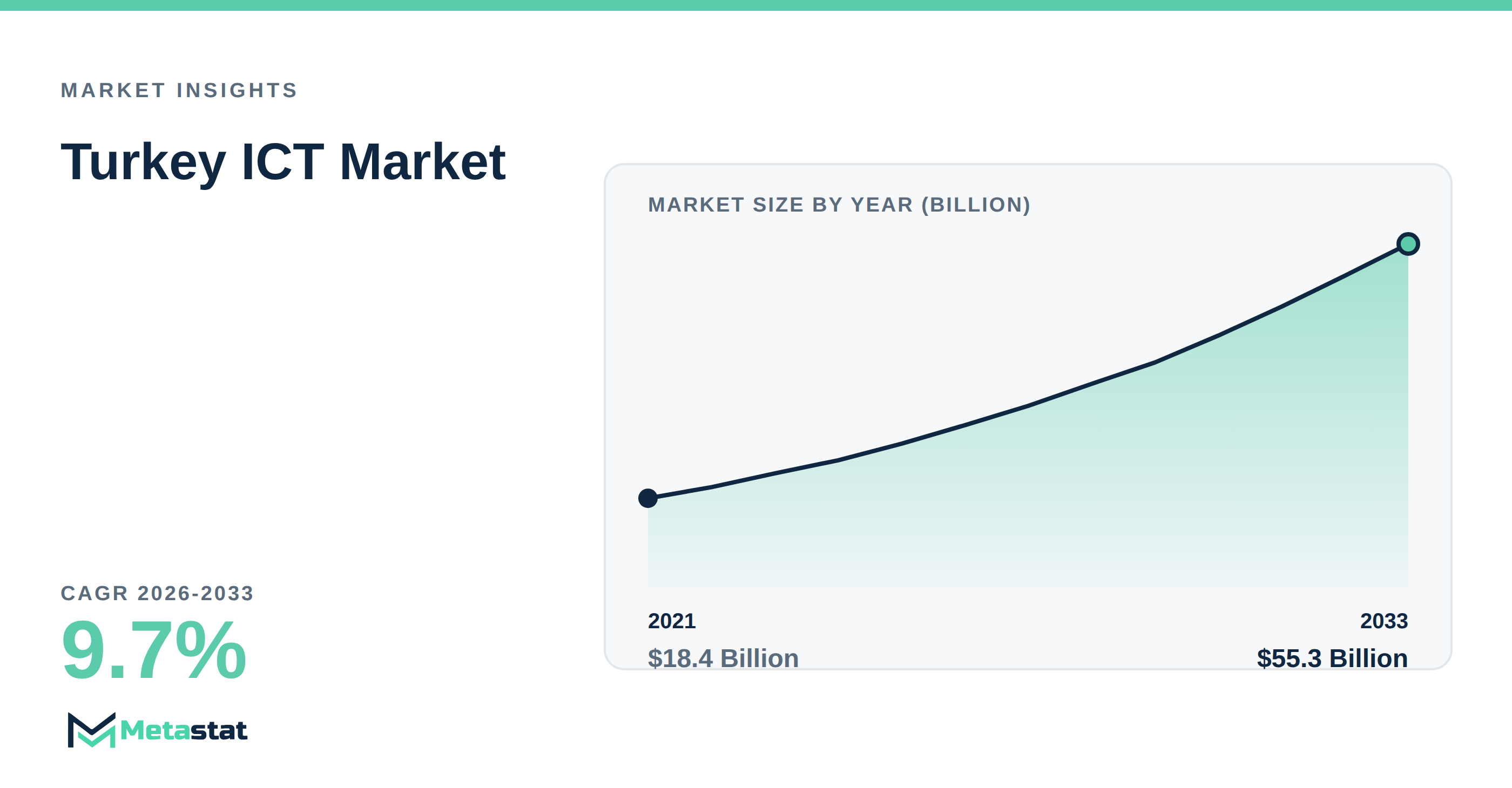
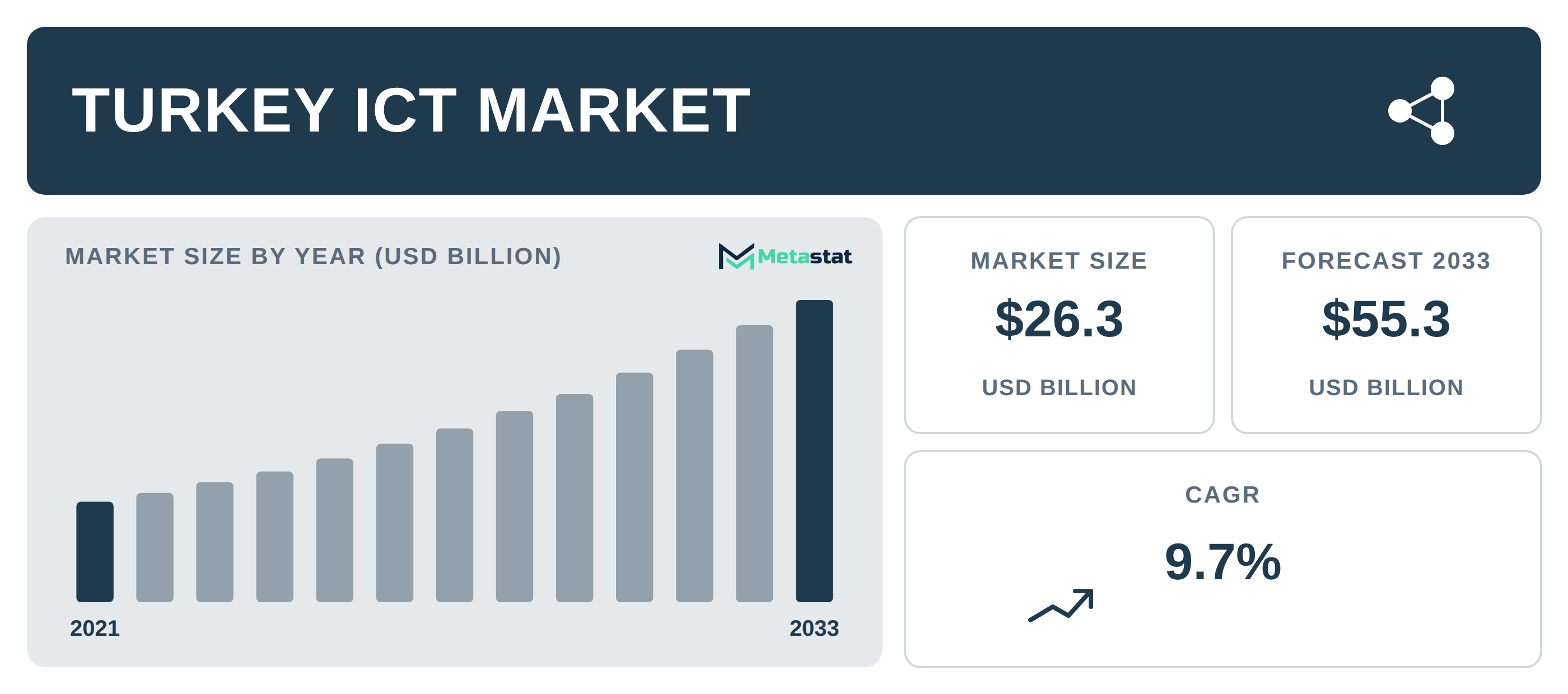
Significant shifts are on the horizon for Turkey's ICT landscape as we approach the end of the forecast period in 2033. While the market for Turkey ICT is set for substantial growth, emerging trends will reshape how businesses and consumers interact with technology. Turkey ICT market size and forecast report
What should businesses prioritize amid digital transformation?
Digital transformation is rapidly reshaping various sectors across Turkey, particularly within government and public administration. By 2033, this sector is projected to invest heavily in ICT solutions, leading to increased spending aimed at enhancing service delivery and operational efficiencies. Companies looking to thrive in this environment should focus on solutions that promote innovation and streamline their processes. Technologies supporting digital services and e-government initiatives will be critical in meeting rising consumer expectations.
How is the adoption of cloud services changing operational strategies?
The growing emphasis on cloud infrastructure and data center services signifies a major shift in how enterprises operate. Turkish companies are progressively moving towards cloud models to enhance flexibility and scalability. Revenue from these solutions is anticipated to contribute significantly to changing operational dynamics. Organizations seeking cost-effective and adaptable IT solutions should consider adopting cloud services, which align operational strategies with evolving technological requirements while minimizing financial risks through subscription-based models.
Why is cybersecurity investment critical for the future?
With the rising sophistication of cyber threats, cybersecurity spending is increasingly essential, particularly in the government sector. By 2033, expected investments will reach USD 8.7 billion, highlighting the urgent need for solid security measures. As government agencies prioritize safeguarding sensitive information and vital infrastructure, businesses bolster their defenses against potential cyberattacks. Collaborating with managed security service providers offers comprehensive protection, enhancing resilience against future threats and fostering public trust in digital services.
What impact will 5G technology have on connectivity?
The rollout of 5G technology in Turkey is set to enhance connectivity, significantly impacting various sectors including healthcare, transportation, and entertainment. Improved bandwidth and reduced latency will create new use cases and attract investments in infrastructure. Enterprises aiming to innovate will leverage 5G for advancements including smart city projects and IoT applications. Companies should focus on adapting to this technological evolution to enhance their service offerings and strengthen their competitive position.
How are rising costs affecting consumer spending on ICT?
While the demand for technology remains strong, increasing costs associated with ICT products and services pose challenges to consumer spending. Inflation and supply chain disruptions lead consumers to prioritize essential expenditures over new technology investments. As purchasing power declines, businesses adjust pricing strategies to remain appealing to cost-sensitive customers. Offering flexible payment plans or subscription models encourages technology adoption among consumers hesitant due to cost concerns.
How is the workforce adaptation shaping service delivery?
A skilled workforce is crucial for effective service delivery in the ICT sector. However, a talent shortage challenges many service providers in Turkey. Companies are increasingly investing in training initiatives and collaborating with educational institutions to develop necessary skills. Emphasizing talent development will enhance service quality and support competitive pricing strategies. Firms that focus on workforce adaptation are more likely to excel in the rapidly transforming ICT landscape.
As Turkey's ICT landscape evolves, businesses stay attuned to these trends and adjust their strategies accordingly. Emphasizing digital transformation, cloud adoption, cybersecurity, and workforce development will become essential for successfully navigating the upcoming changes.
Tags
About the Authors

LEAD ANALYST
Utkarsh Khirodkar is a Lead Market Research Analyst at MetaStat Insight, specializing in market intelligence, technology sector assessments, and competitive strategy.

PRINCIPAL CONSULTANT - ENTERPRISE AI & EMERGING TECHNOLOGIES
Banking & Finance · Electronics and Semiconductor · Energy and Power · Healthcare IT · Information & Technology · Professional Services
Vijay Gunti is a Principal Consultant at MetaStat Insight, bringing over two decades of experience across enterprise digital transformation, technology strategy, and intelligent systems.

LEAD CONSULTANT - COMMUNICATION, TELECOM, AND IT
Electronics and Semiconductor · Information & Technology · Machinery & Equipment · Professional Services
Ravindra Sathe Consultants for Communication, Telecom, and IT at MetaStat Insight. He leads the firm's industry research initiatives across telecommunications infrastructure, digital connectivity, enterprise networking, and emerging information technology domains.