
The connectors segment within the Cables and Connector market is outpacing others due to technological advancements and increased demand in various industries.
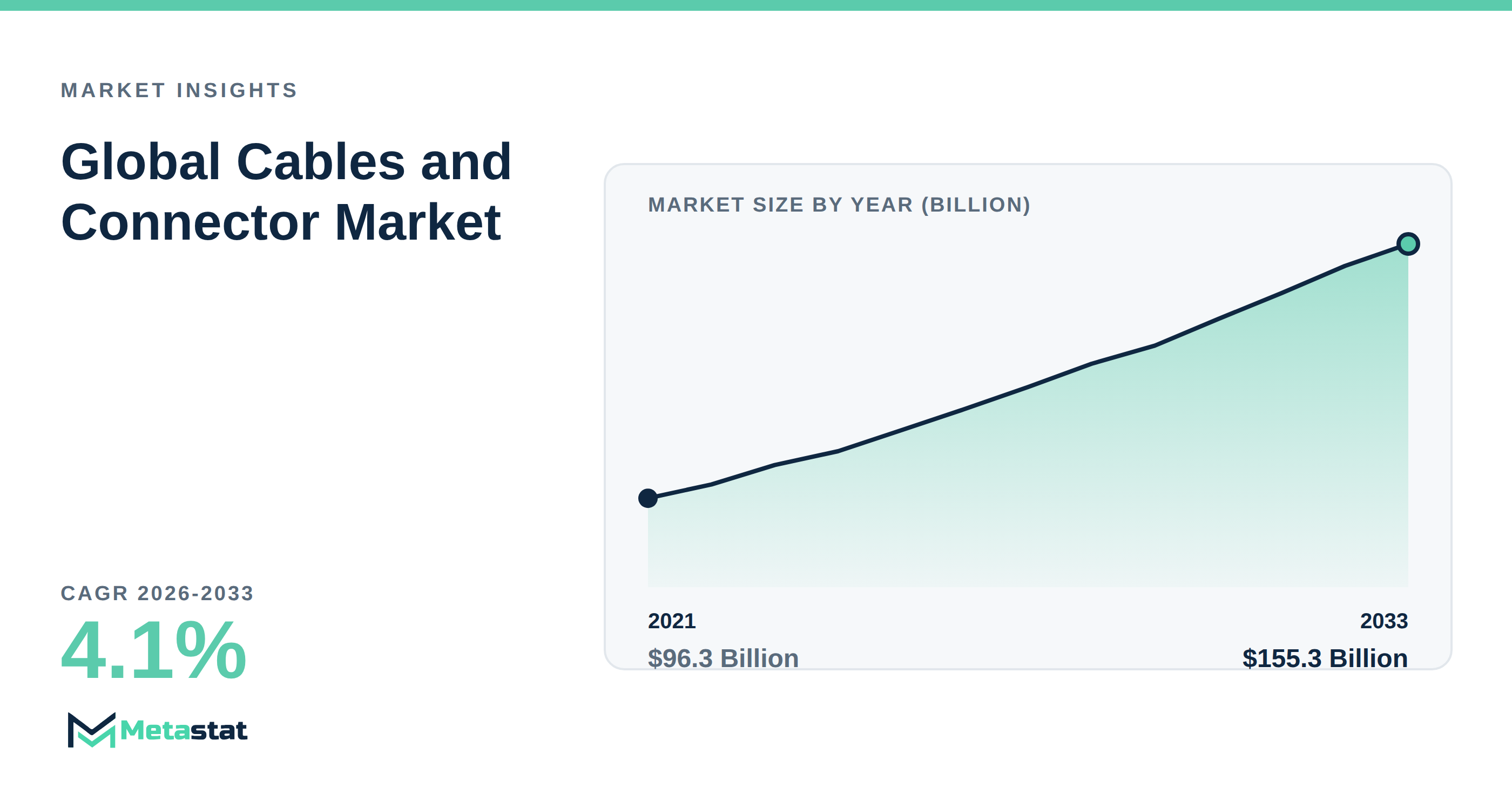
Within the expansive Cables and Connector market, the connectors segment is on track for substantial growth, with a projected value of USD 43.1 billion by 2033, achieving a compound annual growth rate (CAGR) of 4%. This position results from a combination of technological advancements and increasing demand across key industries including automotive and telecommunications.
What factors contribute to the growth of the connectors segment?
The substantial increase in the connectors segment is largely attributed to advancements in technology coupled with the rising demand for high-quality connections. The proliferation of electronic devices and the rapid expansion of the Internet of Things significantly enhance the need for reliable connectors, particularly in sectors like automotive and industrial automation. Companies are prioritizing high-performance solutions that streamline operations, influencing their purchasing decisions and paving the way for market growth.
How is technological progress driving demand?
Technological progress plays a crucial role in shaping the connectors segment. Industries are integrating automation, artificial intelligence, and advanced connectivity solutions to optimize processes and boost productivity. The increasing complexity of automotive electrical systems, driven by enhancements in safety features and the electrification of vehicles, elevates the demand for specialized connectors. This shift offers manufacturers substantial opportunities to innovate and develop products that meet contemporary requirements.
What is the impact of regulatory compliance?
Regulatory compliance significantly influences the connectors segment by establishing safety and performance standards. Manufacturers that emphasize adherence to these regulations enhance product quality and reliability, fostering consumer trust and acceptance. Compliance with international standards affects product design and helps position companies favorably against competitors. Adapting to evolving regulations allows proactive companies to gain market advantages, positively contributing to the segment's growth trajectory.
How do market conditions shape the competitive landscape?
The competitive landscape for connectors features substantial market pressures arising from fluctuating material costs and supply chain challenges. The volatility in raw material prices directly impacts production costs and profit margins for manufacturers. Companies are responding by adopting innovative production processes and exploring strategic partnerships to ensure sustainable sourcing. These approaches help mitigate cost pressures while delivering high-quality products that align with market demands.
What are the future prospects for the connectors segment?
The connectors segment is expected to sustain its expansion due to escalating automation and technological integration across various industries. Sectors like telecommunications are driving the need for next-generation connector solutions that support evolving infrastructure requirements. With a projected market value of USD 43.1 billion by 2033, organizations that invest in research and development and prioritize innovation will position themselves effectively to capitalize on emerging opportunities.
The leadership of the connectors segment within the Cables and Connector market stems from a combination of technological advancements, regulatory compliance, and proactive market strategies. For further insights into the broader Cables and Connector market, including growth trends and forecasts, visit the Global Cables and Connector Market.
Tags
About the Authors

LEAD ANALYST
Utkarsh Khirodkar is a Lead Market Research Analyst at MetaStat Insight, specializing in market intelligence, technology sector assessments, and competitive strategy.

PRINCIPAL CONSULTANT - ENTERPRISE AI & EMERGING TECHNOLOGIES
Banking & Finance · Electronics and Semiconductor · Energy and Power · Healthcare IT · Information & Technology · Professional Services
Vijay Gunti is a Principal Consultant at MetaStat Insight, bringing over two decades of experience across enterprise digital transformation, technology strategy, and intelligent systems.

PRINCIPAL CONSULTANT - QUALITY SYSTEMS & COMPLIANCE
Electronics and Semiconductor · Machinery & Equipment · Professional Services
Omkar Phadtare is an Industry Consultant at MetaStat Insight, specializing in quality systems, regulatory compliance, and standards benchmarking to drive data-driven market intelligence and strategic industry research.

ENERGY & INFRASTRUCTURE INDUSTRY CONSULTANT
Automotive and Transportation · Electronics and Semiconductor · Energy and Power · Machinery & Equipment
Saurabh Vasant Ganvir consults for Energy & Infrastructure Industry at MetaStat Insight, specializing in renewable energy, solar EPC, and electric vehicle (EV) infrastructure markets.

LEAD CONSULTANT - COMMUNICATION, TELECOM, AND IT
Electronics and Semiconductor · Information & Technology · Machinery & Equipment · Professional Services
Ravindra Sathe Consultants for Communication, Telecom, and IT at MetaStat Insight. He leads the firm's industry research initiatives across telecommunications infrastructure, digital connectivity, enterprise networking, and emerging information technology domains.