
LEAD ANALYST
Utkarsh Khirodkar is a Lead Market Research Analyst at MetaStat Insight, specializing in market intelligence, technology sector assessments, and competitive strategy.

Global Aerospace Parts Manufacturing Market Size, Share, By Product Type (Aero-Engine Components, Aerostructure Components, Aerospace Fasteners and Joining Hardware, Avionics and Electrical Components, Cabin Interior Components, Landing Gear, Wheel and Brake Components, Flight Control and Actuation Components, Fuel, Hydraulic, Pneumatic and Air-Management Components, Insulation Components, and Others), By Aircraft Type (Commercial Aviation, Military Aviation, Business and General Aviation, Helicopters and Rotorcraft, Unmanned Aerial Vehicles, Advanced Air Mobility Aircraft, and Others), By Material (Aluminum Alloys, Titanium Alloys, Nickel-Based Superalloys, Steel and Stainless Steel, Cobalt-Based Alloys, Magnesium Alloys, Carbon-Fiber and Glass-Fiber Composites, Plastics and High-Performance Polymers, Advanced Ceramics and Ceramic-Matrix Composites, and Others), By End User (OEM and Aftermarket), Industry Analysis, Growth, Trends, and Forecast, 2026-2033
Report ID
MSI-5146
Published
September, 2026
Pages
307 Pages
Format
Historical
Base year
Forecast
Forecast period
Report Details
Choose Your License
Global Aerospace Parts Manufacturing Market
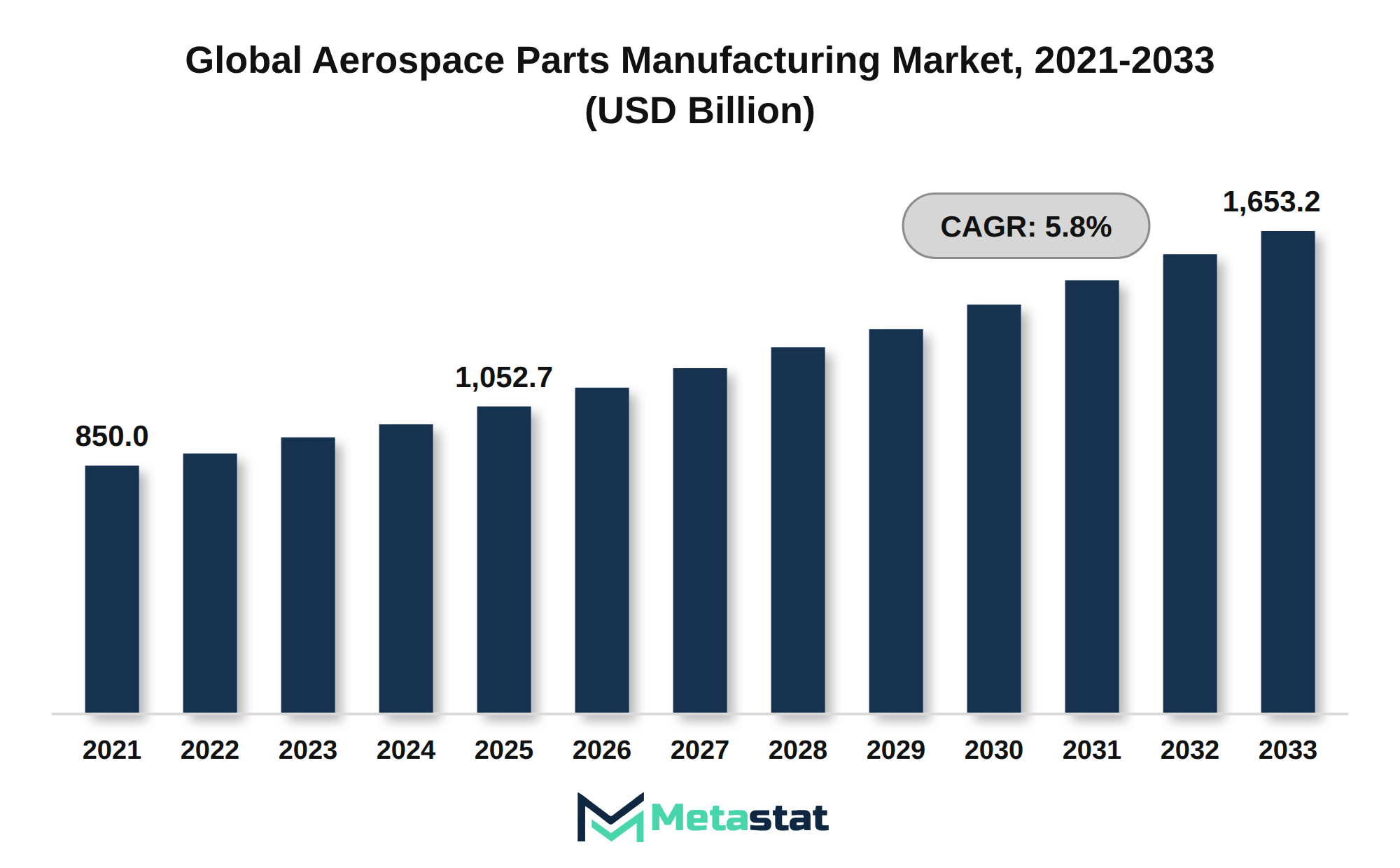
The global Aerospace Parts Manufacturing market was valued at USD 1,052.7 billion in 2025 and is projected to reach USD 1,653.2 billion by 2033, growing at a CAGR of 5.8% over the forecast period.
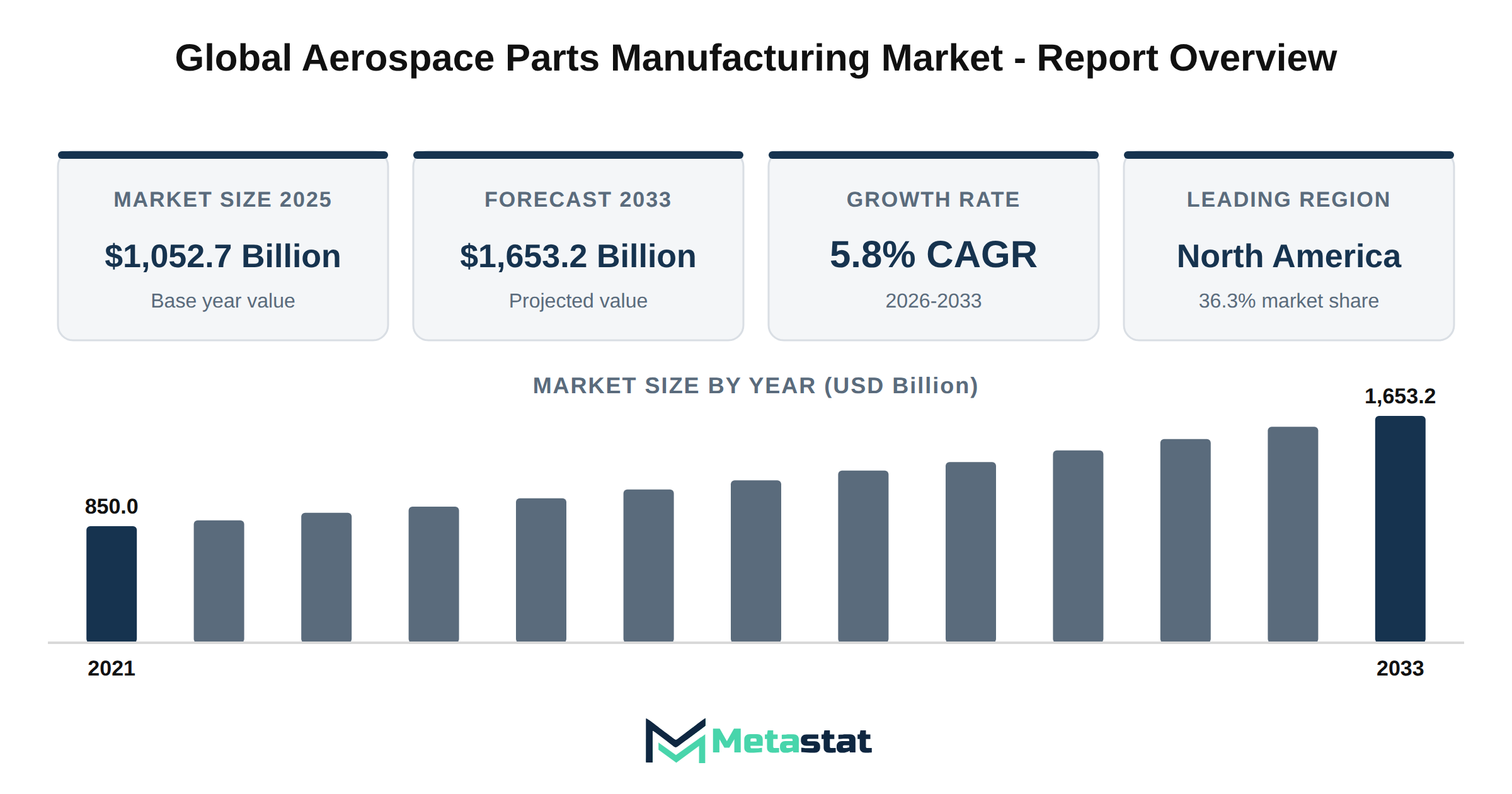
The Aerospace Parts Manufacturing market reached a value of USD 1,052.7 billion in 2025, reflecting significant growth since the market's valuation of USD 850 billion in 2021. Forecasts indicate this market is projected to achieve USD 1,653.2 billion by 2033, representing a compound annual growth rate (CAGR) of 5.8% during this period.
Robust expansion characterizes the market, driven by increasing demand for advanced aircraft and enhancements in aerospace technologies. Key factors fueling this demand include rising passenger traffic, ongoing innovations in aircraft design, and an emphasis on fuel efficiency. Significant investments in research and development, along with evolving regulatory frameworks, contribute to the growth of the Aerospace Parts Manufacturing market.
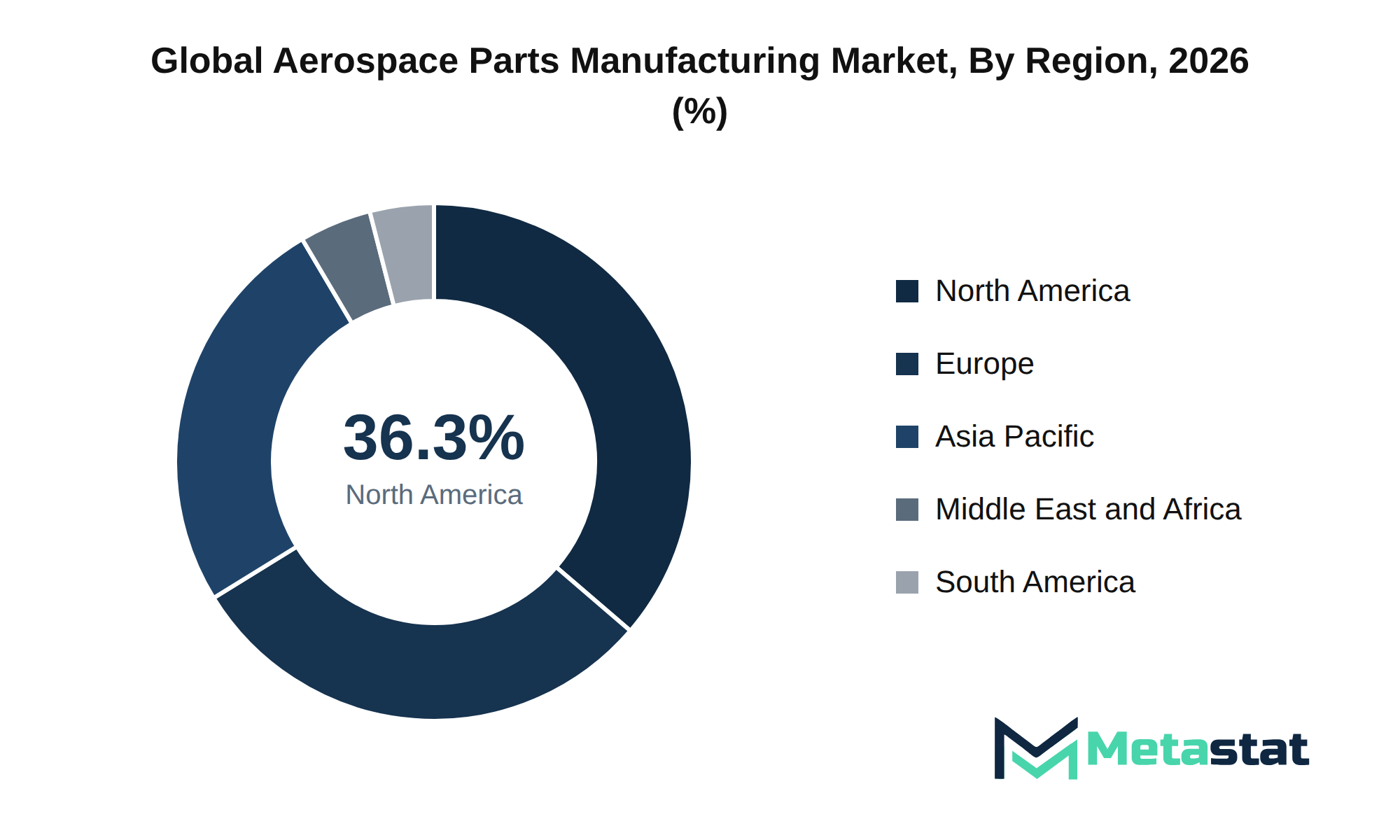
North America holds the largest share of the market at 36.3%, followed by Europe at 29.9% and Asia Pacific at 25.3%. This regional distribution reflects established aerospace industries in these regions, coupled with strategic investments aimed at enhancing manufacturing capabilities and technological advancements. A specific focus on sustainability and decarbonization efforts influences market dynamics, with manufacturers adapting to meet environmental standards and consumer expectations.
In-depth analysis of product types reveals that Aero-Engine Components and Aerostructure Components will remain key contributors to market revenue, with projected values of USD 461.7 billion and USD 454.8 billion respectively by 2033. The aftermarket segment is set for substantial growth, with expectations of reaching USD 542.3 billion by 2033, driven by increasing demand for maintenance and repair services.
Collaboration among key players including Rolls-Royce plc, General Electric Company, and Honeywell International Inc. drives innovation and competitiveness within the market. These companies focus on advanced technologies and sustainable practices to enhance operational efficiency and reduce costs. The Aerospace Parts Manufacturing market's evolution reflects a broader shift towards sustainability, incorporating circular economy principles that aim to minimize waste and maximize resource efficiency.
The Aerospace Parts Manufacturing market experiences significant changes driven by various factors. Regulatory compliance shapes industry practices. Manufacturers align production processes with evolving regulations to ensure safety, efficiency, and environmental standards. Adhering to these regulations raises operational costs and impacts the overall competitiveness of firms within the market.
Research and development trajectories have gained momentum, reflecting a focus on next-generation innovations. Companies invest in advanced materials and manufacturing techniques to improve performance and reduce costs. This emphasis on innovation supports the market’s long-term growth, with firms exploring technologies including additive manufacturing and smart materials.
Sustainable transformation remains a key objective across the industry. Efforts toward decarbonization and the adoption of circular economy dynamics reshape production methodologies. Companies prioritize environmentally friendly practices, resulting in a shift toward sustainable sourcing and waste reduction. These initiatives enhance brand reputation while addressing consumer demands for greener products.
The supply chain landscape undergoes continuous evolution, influenced by global disruptions and geopolitical challenges. Companies adapt logistics architectures to enhance resilience and efficiency. Sourcing strategies evolve to mitigate risks associated with supplier dependencies, ensuring continuity in production and delivery.
Market fragmentation persists, with numerous players operating across various segments. Mergers and acquisitions dynamics reflect strategies aimed at enhancing market share and capabilities. Companies pursue partnerships to leverage complementary strengths while addressing competitive pressures. This trend shapes the overall value chain, impacting procurement strategies and customer engagement processes.
Strategic capital allocation remains a priority for firms within the market. Investments in infrastructure development and technology upgrades support operational efficiency and product innovation. The future strategic outlook indicates sustained growth, driven by increasing demand for advanced aerospace components and services.
Corporate imperatives focus on aligning business strategies with market dynamics. High-value recommendations emphasize the importance of agility in adapting to changing consumer preferences and regulatory landscapes. Firms that prioritize innovation and sustainability position themselves favorably in the competitive Aerospace Parts Manufacturing market.
The Aerospace Parts Manufacturing market experiences growth driven by significant investment in advanced technologies and automation. Increased capital funding facilitates the adoption of artificial intelligence, automation, and software solutions, enhancing production efficiency and reducing operational costs. This technological integration provides a competitive advantage, particularly among manufacturers focused on optimizing their processes.
Demand for improved operational productivity and cost-efficiency initiatives continues to influence market dynamics. Companies investing in innovative manufacturing techniques achieve better resource management and output quality, positively impacting profitability. These firms capture a larger share of the market, while investment trends reflect a shift towards sustainable practices and digital transformation.
Increased focus on research and development strengthens the market's competitive landscape. Manufacturers prioritizing innovation build proprietary technologies and diversify their product offerings, addressing evolving consumer preferences and market demands. This trend positions the Aerospace Parts Manufacturing market for growth throughout the forecast period.
The Aerospace Parts Manufacturing market experiences accelerated growth due to advancements in technological integration, including automation and artificial intelligence (AI). Automation enhances operational efficiency, allowing manufacturers to streamline production processes while reducing labor costs. AI applications in design and manufacturing processes improve precision and speed, contributing to increased output and reduced time-to-market.
Software adoption for managing supply chains and production schedules optimizes inventory levels and minimizes waste. This increased efficiency lowers operational costs and enhances the market's ability to respond quickly to changing consumer demands. Digital transformation significantly upgrades legacy systems, enabling companies to leverage data analytics for informed decision-making and improved product quality.
Investments in technology drive competitiveness among manufacturers, positioning them favorably in the Aerospace Parts Manufacturing market. Companies adopting these innovations experience enhanced productivity, translating to improved profit margins and market share. Technological integration progresses, and the demand for advanced aerospace components is expected to sustain upward momentum, reinforcing growth prospects across the industry.
Regulatory compliance presents significant challenges for the Aerospace Parts Manufacturing market, creating barriers to entry for many suppliers. Complex regulatory environments increase the costs associated with manufacturing processes, particularly for smaller firms that lack the resources to navigate these requirements efficiently. This situation often results in delayed project timelines, impacting overall market performance.
Macroeconomic headwinds, including inflationary pressures, affect investment in new technologies and infrastructure. Rising material costs and operational expenses strain profit margins for manufacturers, limiting their ability to innovate and remain competitive. These economic factors contribute to a cautious investment climate, hindering overall growth in the market.
Supply chain disruptions, exacerbated by geopolitical instability, create uncertainties for manufacturers. The reliance on global supply chains for raw materials and components exposes firms to risks that lead to production delays and increased costs. These disruptions challenge the ability to meet delivery schedules, ultimately impacting customer satisfaction and market demand.
Increasing competition from alternative offerings poses a threat to established players in the market. The emergence of substitute technologies and materials leads to a shift in buyer preferences, compelling traditional manufacturers to adapt their offerings to remain relevant. This pressure reinforces the importance of continuous innovation and investment in research and development.
Talent shortages in skilled labor further complicate the operational landscape for the Aerospace Parts Manufacturing market. A lack of qualified workers hinders production capabilities, affecting firms' ability to meet customer demands. This shortage contributes to rising workforce overhead, limiting profitability and operational efficiency.
These intertwined factors create a complex environment that challenges the Aerospace Parts Manufacturing market. Navigating regulatory compliance, macroeconomic conditions, supply chain dynamics, and talent gaps will be essential for firms seeking to maintain competitiveness and drive future growth.
The Aerospace Parts Manufacturing market encounters challenges stemming from geopolitical fragmentation and trade deficits. These factors result in tariff friction, complicating international commerce and raising costs for manufacturers reliant on global supply chains. The instability affects several stakeholders, particularly those in regions where trade barriers have become more pronounced.
Technological disruptions present another challenge, with complex research and development integrations requiring significant investment. This complexity hinders progress for smaller firms that lack the resources to keep pace with larger competitors. Consequently, the market experiences pressures from rising input costs and price compression, which erode profit margins.
Environmental sustainability demands complicate operations. Manufacturers face increasing pressure to meet decarbonization mandates while balancing the environmental lifecycle footprints of their products. This challenge necessitates significant investments in retrofitting and compliance infrastructure, which add to operational costs and implementation bottlenecks.
Supply chain instability caused by logistics disruptions and feedstock volatility exacerbates these issues. The Aerospace Parts Manufacturing market relies on a steady flow of components, and any disruption impacts production timelines and costs, leading to a ripple effect across the industry.
Talent retention pressures and workforce skill gaps represent ongoing challenges. The need for advanced skills in automation and technological integration creates competition for skilled labor, straining resources for firms aiming to innovate and excel within the market.
Intellectual property protection deficits and cybersecurity risks present vulnerabilities. Manufacturers invest to safeguard sensitive information against potential threats, diverting resources that could support growth initiatives. These challenges collectively contribute to a complex environment within the Aerospace Parts Manufacturing market, impacting its growth trajectory and strategic planning.
The Aerospace Parts Manufacturing market experiences robust opportunities driven by emerging regional demands and infrastructure modernization. Regions including Asia Pacific and South America exhibit increasing needs for passenger and cargo aircraft, attributed to economic growth encouraging the expansion of air travel. This trend compels manufacturers to enhance production capabilities and expand operational footprints, adapting to local market requirements.
Technological disruptions significantly influence the market landscape, with investments in next-generation innovations including advanced materials and automation technologies. Digital transformation initiatives lead to improved manufacturing processes, enhancing efficiency and reducing operational costs. Manufacturers adopting these technologies position themselves competitively, ultimately driving market growth.
Sustainability imperatives shape market dynamics, because stakeholders prioritize eco-friendly practices and green transformations. Companies aligning with environmental, social, and governance (ESG) criteria will likely attract investment and access new markets, improving their competitive standing within the Aerospace Parts Manufacturing market. This focus on sustainability encourages collaboration across industries to develop and implement innovative solutions.
The evolving buying behaviors of customers, influenced by digital procurement shifts and commercial model transitions, create additional market opportunities. Buyers increasingly seek integrated solutions and customized offerings, prompting manufacturers to diversify their product lines and enhance service capabilities. These trends encourage strategic consolidation and collaboration among market players, further supporting the overall growth of the Aerospace Parts Manufacturing market.
Supply chain localization and strategic buffering enhance resilience against global disruptions, ensuring a steady flow of materials and components. Companies focusing on asset life-cycle extensions and maintenance upgrades optimize operational yields and capitalize on the growing demand for aftermarket services. This approach contributes to the long-term sustainability of the market while encouraging innovation and competitiveness.
The Global Aerospace Parts Manufacturing market is segmented based on Product Type, Aircraft Type, Material, and End User.
Aero-Engine Components segment is valued at USD 330.2 billion in 2026 and is projected to reach USD 461.7 billion by 2033, reflecting a CAGR of 4.9% during the forecast period. Demand for this segment is driven by increasing production rates of commercial aircraft and modernization of military aviation fleets. Key factors contributing to growth include advancements in technology that enhance engine efficiency and performance, alongside the ongoing shift towards more environmentally friendly propulsion systems.
Adoption of next-generation materials in aero-engine components supports weight reduction and improved fuel efficiency, aligning with regulatory standards aimed at reducing emissions. The evolving aerospace industry, influenced by rising passenger traffic and defense expenditure, creates momentum for expansion. Manufacturers focus on integrating innovative designs and technologies, leading to enhanced component reliability and operational performance.
Investment in research and development fuels product evolution, allowing suppliers to introduce advanced aero-engine components that meet exacting market demands. The increasing complexity of engine systems necessitates high precision in manufacturing, propelling demand for specialized suppliers and enhancing supply chain resilience. Overall, the dynamics of the Aerospace Parts Manufacturing market highlight significant opportunities for stakeholders engaged in producing aero-engine components.
Aerospace parts manufacturing experiences steady growth within the Aerostructure Components segment, which is estimated to reach USD 454.8 billion by 2033, at a CAGR of 5.6% during the forecast period. This growth results from increasing demand for advanced materials and lightweight structures in aircraft, driven by the need for fuel efficiency and reduced emissions. The aviation industry's shift towards sustainability influences manufacturers to adopt innovative designs and materials.
Technological maturation significantly influences segment expansion, with advancements in manufacturing processes enabling the production of more complex and efficient aerostructure components. The market benefits from significant investment in research and development, leading to next-generation upgrades that enhance performance and reliability. These factors contribute to the increasing adoption of aerostructure components in commercial and military aviation applications.
End-use dynamics reflect a growing emphasis on reducing operational costs and improving aircraft performance. Original Equipment Manufacturers (OEMs) prioritize lightweight and efficient components, aligning with regulatory compliance standards that advocate for improved environmental impact. This alignment creates a competitive landscape where manufacturers innovate to meet stringent requirements while maximizing profitability.
Raw material sourcing and supply chain resilience emerge because important considerations for market participants. The availability of high-quality materials, including aluminum and advanced composites, directly influences production capabilities and cost structures. Pricing volatility in raw materials, along with potential disruptions in logistics, poses challenges for manufacturers, necessitating strategic planning to mitigate risks.
The Aerospace Parts Manufacturing market reflects an evolving landscape driven by technological advancements, regulatory pressures, and changing consumer preferences. While the market progresses, opportunities for growth and innovation within the Aerostructure Components segment continue to expand.
The Aerospace Fasteners and Joining Hardware segment is essential in the Aerospace Parts Manufacturing market. This segment is driven by increasing demand for lightweight and high-strength materials that enhance the performance and safety of aircraft. Continuous advancements in manufacturing technologies facilitate the production of innovative fastening solutions, which are critical for various aerospace applications. The ongoing evolution of aircraft design and the push towards more efficient and reliable components support significant growth in this segment.
Technological maturation within the aerospace industry fuels interest in advanced fasteners and joining solutions. The implementation of next-generation upgrades, including smart materials and integrated fastening systems, allows manufacturers to maintain competitive advantages. End-use dynamics, particularly in commercial aviation, further contribute to the expansion of the Aerospace Fasteners and Joining Hardware segment. Increased production rates among aircraft manufacturers, driven by a resurgence in global air travel, enhance the demand for these components.
Cost structures within the aerospace sector remain a vital consideration for manufacturers. Pricing volatility of raw materials influences the operational strategies of companies engaged in this market. Supply chain resilience is important when sourcing materials, ensuring that manufacturers meet the growing demand without compromising quality. Raw material sourcing challenges, particularly for specialized alloys, push companies to seek alternative solutions while maintaining compliance with regulatory standards.
The Aerospace Fasteners and Joining Hardware segment is projected to reach USD 43 billion by 2033. This outlook reflects a strong market position and highlights the importance of strategic opportunity windows for investment and development within this segment of the Aerospace Parts Manufacturing market.
This segment is projected to grow at a CAGR of 6.9% during the forecast period, driven by increasing demand for advanced avionics systems in commercial and military aircraft. Technological maturation facilitates the integration of next-generation upgrades, enhancing aircraft performance and safety. The rising complexity of aerospace electrical systems calls for innovative solutions that improve reliability and reduce maintenance costs.
Competition among manufacturers intensifies owing to companies innovating and enhancing product offerings. Suppliers benefit from the growing trend of automation and digitization in avionics, which optimizes operations and streamlines manufacturing processes. Regulatory compliance standards and certifications for avionics components contribute to consistent demand, emphasizing reliability and safety.
Shifts in consumption patterns indicate a strong preference for lightweight, high-performance materials in avionics and electrical components. The ongoing transition towards more efficient aircraft fuels investment opportunities in this segment, further propelling growth in the aerospace parts manufacturing market. Strategic opportunity windows emerge because manufacturers seek to address evolving market needs, facilitating product evolution and expanding market reach.
Increasing demand for enhanced passenger experiences drives the development of Cabin Interior Components within the Aerospace Parts Manufacturing market. Airlines focus on improving comfort and aesthetics, leading to significant investments in innovative cabin designs and materials. This trend aligns with consumer expectations for modern and luxurious travel experiences, compelling manufacturers to advance their product offerings.
Technological advancements accelerate the evolution of cabin interior products, including seating, lighting, and in-flight entertainment systems. Upgrades to next-generation materials enhance durability and reduce weight, contributing to overall fuel efficiency. Growth in the business and general aviation sectors supports the expansion of cabin interiors, reflecting a shift toward personalized and luxurious travel experiences.
Regulatory compliance remains a critical factor in the market. Manufacturers face stringent regulations regarding safety and environmental standards, which influence design and production processes. Adherence to these regulations while maintaining cost-effectiveness presents challenges, but it ensures that products meet the necessary certifications.
Supply chain resilience is essential for the successful production of cabin interior components. Raw material sourcing strategies focus on securing high-quality materials to mitigate risks associated with volatile markets. Disruptive alternatives, including lightweight composites, present opportunities to address performance and sustainability concerns.
Strategic opportunity windows emerge due to manufacturers innovating to meet evolving consumer preferences while aligning with industry regulations. Collaboration among stakeholders within the aerospace ecosystem encourages creativity and accelerates product development cycles. Investment in research and development secures a competitive edge, enabling companies to capitalize on market trends within the Aerospace Parts Manufacturing market.
The demand for Landing Gear, Wheel and Brake Components sees strong support from the growing focus on safety and performance in aerospace design. Enhanced safety standards and stringent regulations drive manufacturers to adopt advanced materials and technologies, ensuring optimal reliability and durability in these critical components. The market expansion reflects increased aircraft production rates, particularly in the commercial aviation sector, where demand for efficient and reliable landing gear systems continues to rise.
Technological advancements play a significant role in the evolution of Landing Gear, Wheel and Brake Components. Innovations in materials, including lightweight composites and advanced alloys, enhance performance while reducing overall weight, contributing to fuel efficiency. Upgrades in braking systems, including electronic control systems, cater to the rising demand for improved aircraft performance and safety features. These developments position the market favorably for growth, driven by manufacturers seeking to meet the needs of modern aviation.
End-use dynamics significantly influence the market landscape. Original Equipment Manufacturers (OEMs) prioritize high-quality landing gear systems for new aircraft, while operators in the aftermarket focus on maintenance and replacement solutions. This bifurcation creates opportunities for specialized suppliers to cater to distinct market segments, driving competitive advantages through tailored offerings and service contracts.
Regulatory compliance and certification processes remain critical in this segment. Adherence to safety and performance standards, mandated by aviation authorities, compels manufacturers to invest in rigorous testing and certification protocols. This emphasis on compliance ensures the reliability of products while building trust among end-users. Consequently, the ongoing demand for compliant components supports the overall market, promoting sustained investment and innovation.
Supply chain resilience emerges because a vital consideration for manufacturers of Landing Gear, Wheel and Brake Components. Sourcing quality raw materials and managing logistics effectively mitigate risks associated with production delays and cost fluctuations. Strategic partnerships and diversified supplier networks enhance flexibility, enabling manufacturers to respond swiftly to market shifts and maintain competitiveness in the Aerospace Parts Manufacturing market.
Growing emphasis on precision control in aerospace systems drives demand for Flight Control and Actuation Components within the Aerospace Parts Manufacturing market. This segment supports critical functions including stability, maneuverability, and safety in aircraft operations. Advanced avionics integration and the pursuit of enhanced fuel efficiency contribute to the expansion of this segment. Manufacturers prioritize innovation to meet the increasing complexity of flight systems, leading to the adoption of next-generation technologies and materials.
Strategic investments in research and development accelerate technological maturation, enabling manufacturers to introduce more efficient and reliable components. The ongoing evolution of flight control systems necessitates upgrades to existing components, creating a competitive environment among suppliers. Regulatory compliance standards influence production processes, requiring adherence to safety and performance benchmarks, which subsequently shape market dynamics.
Cost structures reflect the high demand for specialized materials and advanced manufacturing techniques, impacting pricing strategies across the segment. Changes in consumption patterns arise from shifts toward greater automation and digitalization, driving opportunities for suppliers to innovate. While the aerospace industry adapts to emerging technologies, Flight Control and Actuation Components remain critical to maintaining operational efficiency and safety, emphasizing their importance within the overall Aerospace Parts Manufacturing market.
Growth in the Aerospace Parts Manufacturing market hinges on technological advancements in fuel, hydraulic, pneumatic, and air-management components. Continuous innovation enhances system efficiency, reliability, and performance, making these components indispensable in modern aircraft design and operation. Industry players invest in research and development to improve component durability, reduce weight, and increase overall aircraft performance.
The shift toward sustainable aviation fuels and electric propulsion systems drives demand for more efficient fuel management components. Regulatory compliance with environmental standards encourages manufacturers to develop lighter and more efficient systems, contributing to an increasing focus on reducing emissions. Airlines seek to lower operational costs and enhance fuel efficiency, resulting in robust demand for advanced fuel, hydraulic, pneumatic, and air-management components.
Market dynamics reflect a trend toward modular and integrated systems that streamline installation and maintenance processes. The evolution of smart technologies integrates data analytics and automation within these components, enabling predictive maintenance and reducing downtime. This technological maturation expands the application scope, allowing for customization based on specific aircraft types and operational requirements.
Supply chain resilience plays a crucial role, with manufacturers focusing on securing raw materials and optimizing logistics. This strategic focus minimizes risks associated with sourcing delays and price volatility. Enhanced supply chain strategies contribute to improved cost structures and margin pressures, ensuring competitiveness in the Aerospace Parts Manufacturing market.
Capital investment outlook remains positive, with companies recognizing the strategic opportunities presented by emerging markets and technological advancements. Continuous upgrades in engineering practices and material science create pathways for growth in the production of fuel, hydraulic, pneumatic, and air-management components. These developments position the segment to meet the evolving demands of the aerospace industry, reinforcing its importance within the broader market.
In the Aerospace Parts Manufacturing market, demand for insulation components stems from the critical need for thermal protection and acoustic insulation in aircraft. Technological advancements in materials science facilitate the development of lightweight, high-performance insulation solutions, enhancing fuel efficiency and passenger comfort. Adoption of these components expands alongside increasing regulatory pressure for noise reduction and energy efficiency in aviation, driving manufacturers to innovate and integrate advanced insulation materials into their designs.
Strategic opportunities arise from the evolution of insulation technologies, including the incorporation of sustainable materials that align with environmental regulations. Companies investing in research and development focus on next-gen upgrades to improve insulation performance while minimizing weight, contributing to overall aircraft efficiency. This shift in consumption dynamics reflects a broader trend where end-users prioritize sustainability alongside functionality, influencing purchasing decisions in the market.
Cost structures associated with insulation components experience volatility driven by raw material sourcing and supply chain resilience. Fluctuations in the availability of key materials, including advanced composites and foams, impact pricing strategies while presenting challenges in maintaining profit margins. Manufacturers adopting strategic partnerships for raw material supply enhance their capacity to navigate these challenges effectively, ensuring consistent quality and availability of insulation components.
Potential substitution risks involve the introduction of disruptive alternatives that challenge traditional insulation solutions. The market landscape requires constant monitoring of technological advancements, driven by emerging materials that could change insulation standards within aerospace applications. Strategic investment in innovation and adaptation to market trends positions companies favorably within the competitive environment of the Aerospace Parts Manufacturing market.
Emerging technological advancements shape the Aerospace Parts Manufacturing market, particularly within the Others (Bearings, Seals, Transparencies, Specialty Sensors, and Miscellaneous Aerospace Components) sub-segment. Increased integration of innovative materials and enhanced manufacturing techniques drives product evolution. Demand for high-performance sensors, specialized seals, and reliable bearings stems from stringent regulatory compliance and the need for operational efficiency in aerospace applications.
Significant investment in research and development accelerates the expansion of this sub-segment. The aerospace industry prioritizes lightweight materials and components that improve fuel efficiency and performance. Next-generation upgrades focus on reducing weight while maintaining structural integrity, leading to increased adoption of alternative materials and designs.
The market experiences shifts in consumption patterns driven by end-users seeking more efficient and sustainable solutions. Regulatory compliance standards and certifications influence product development and supply chain dynamics. Strategic opportunities arise from the growing focus on sustainability and environmental impact, prompting manufacturers to innovate and diversify their offerings.
Supply chain resilience plays a critical role in maintaining production efficiency. Sourcing raw materials involves navigating complex logistics and potential vulnerabilities, which affect pricing structures and profit margins. Manufacturers face pressure from rising costs and competition, emphasizing the need for efficient pricing strategies to maintain competitiveness in the Aerospace Parts Manufacturing market.
Valued at USD 701.2 billion in 2026, the Commercial Aviation segment is projected to reach USD 1,005.5 billion by 2033, at a CAGR of 5.3% during the forecast period. Several primary demand drivers contribute to growth in this segment, including rising passenger traffic and the increasing need for efficient air transport solutions. Airlines focus on enhancing operational efficiency and reducing fuel consumption, influencing the demand for advanced aerospace parts that support these objectives.
Technological maturation influences the Commercial Aviation segment's expansion. Innovative materials, including lightweight composites and advanced alloys, improve aircraft performance and fuel efficiency. Next-generation upgrades in avionics, propulsion systems, and aerodynamics result in enhanced safety and reliability, appealing to both manufacturers and operators. These advancements drive strategic investments across the aerospace supply chain, creating a competitive environment that accelerates the adoption of advanced technologies.
Consumption shifts toward sustainable aviation solutions and eco-friendly practices influence market dynamics. Regulatory compliance standards and certification requirements continue to evolve, prompting manufacturers to innovate and adapt swiftly. Cost structures highlight the importance of balancing quality and pricing, driven by margin pressures from fluctuating raw material costs and supply chain vulnerabilities. Maintaining supply chain resilience through strategic partnerships and diverse sourcing strategies remains essential for mitigating risks associated with disruptions.
Disruptive alternatives, including electric and hybrid propulsion systems, emerge due to potential changes in the aerospace sector, necessitating continuous adaptation from existing suppliers. Strategic opportunity windows arise from the need for retrofitting older aircraft with modern technologies, enhancing operational capabilities while extending asset life. The capital investment outlook remains positive, driven by the anticipated growth in the Commercial Aviation segment and the need for modernization across the aerospace parts manufacturing market.
Investment in defense technologies drives growth in the Military Aviation segment, reflecting a global commitment to enhancing national security. Increasing defense budgets and geopolitical tensions contribute to a sustained focus on military capabilities, driving demand for advanced aerospace components. Enhanced operational requirements for military aircraft lead to the adoption of next-generation technologies and upgrades, ensuring aircraft remain relevant to evolving threats. The segment is projected to reach USD 356.6 billion by 2033, reflecting a CAGR of 5.8% during the forecast period.
Developments in materials science, particularly lightweight and durable alloys, support the production of high-performance components. The Aerospace Parts Manufacturing market benefits from innovations in avionics and electrical systems, enabling military aircraft to incorporate sophisticated technologies. Growing integration of unmanned aerial vehicles (UAVs) within military operations introduces new dynamics in sourcing and manufacturing, requiring specialized parts and systems. Enhanced operational efficiency and weapon system integration contribute to a demand shift within the segment.
Continued investment in research and development creates a competitive landscape, where manufacturers aim to deliver advanced solutions for military applications. Strategic partnerships among industry players facilitate collaboration on next-generation upgrades, ensuring the market remains responsive to defense sector demands. Regulatory compliance standards play a crucial role in shaping product specifications, affecting cost structures and pricing volatility across the segment.
Overall, these factors create a favorable environment for sustained growth in the Military Aviation segment, with ongoing investments in capabilities and technologies driving advancements in the Aerospace Parts Manufacturing market.
Projected growth in the Business and General Aviation segment aligns with an increasing focus on private and business travel, enhancing the demand for advanced aerospace components. Investment in new technologies and the expansion of fleet sizes contribute to this upward trajectory. The market experiences heightened interest from both private consumers and corporate clients seeking efficient air travel solutions. Rising disposable incomes and a growing preference for on-demand travel support this segment's expansion, resulting in significant growth potential.
This segment is expected to reach USD 118.2 billion by 2033, illustrating the significance of business and general aviation within the broader aerospace parts manufacturing market. Ongoing advancements in avionics and airframe technologies drive demand for modern components, while regulatory compliance regarding safety standards influences purchasing decisions. Enhanced operational efficiency and reduced maintenance costs stand because primary benefits for end-users in this segment, allowing manufacturers to streamline production and optimize service offerings.
Growth in the Helicopters and Rotorcraft segment aligns with increased demand for versatile aerial support across various industries, including emergency services and military operations. This segment is projected to grow at a CAGR of 5.4% during the forecast period, driven by advancements in rotorcraft technology and enhanced operational capabilities.
Technological maturation shapes this segment, with innovations in materials and avionics leading to improved performance and reduced operational costs. Adoption of next-generation rotorcraft features, including advanced flight control systems and enhanced fuel efficiency, supports the expansion of the Helicopters and Rotorcraft segment within the Aerospace Parts Manufacturing market.
End-use dynamics reflect a shift towards more efficient and capable rotorcraft, which influences production strategies and supply chain resilience. Manufacturers focus on sourcing high-quality raw materials, including advanced composites and lightweight alloys, to meet regulatory compliance standards and optimize cost structures. This strategic approach mitigates risks related to supply chain vulnerabilities and pricing volatility in the market.
Investment in capital equipment and technology upgrades creates strategic opportunity windows, allowing manufacturers to enhance product offerings while addressing market demand. The evolving landscape of the Aerospace Parts Manufacturing market emphasizes innovation and adaptability in maintaining competitive advantages within the Helicopters and Rotorcraft segment.
The increasing focus on advanced technologies fuels the demand for Unmanned Aerial Vehicles (UAVs) within the Aerospace Parts Manufacturing market. This segment benefits from the integration of autonomous systems and artificial intelligence, enhancing operational efficiency and capabilities across various applications. Defense and security sectors significantly drive adoption, leveraging UAVs for surveillance, reconnaissance, and logistical support.
The commercial sector experiences expanding interest in UAVs for applications including aerial photography, agricultural monitoring, and delivery services. Regulatory bodies play a crucial role in shaping the adoption landscape, establishing compliance standards that ensure safety and efficiency in UAV operations. While these regulations evolve, manufacturers adapt their designs to meet emerging requirements.
Technological advancements contribute to continuous product evolution, with manufacturers investing in next-generation upgrades that improve performance and reduce operational costs. Materials science influences development, enabling lighter and more durable components that enhance UAV capabilities. This segment's growth aligns with broader trends in environmental sustainability, driven by companies increasingly exploring electric and hybrid propulsion systems.
Supply chain resilience becomes essential because manufacturers seek to mitigate risks associated with raw material sourcing and logistics vulnerabilities. Strategic partnerships and collaborations with technology providers strengthen market positioning and drive innovation. The Aerospace Parts Manufacturing market continues to adapt to these dynamics, creating an environment ripe for investment and development in the UAV segment.
Advancements in Urban Air Mobility (UAM) and the development of electric vertical takeoff and landing (eVTOL) aircraft drive interest in the Advanced Air Mobility Aircraft sub-segment. Rapid innovation in battery technology and autonomous systems enhances the feasibility and efficiency of these aircraft, aligning with growing urbanization trends and the demand for time-efficient transportation solutions. Government initiatives and partnerships among private entities create a supportive regulatory environment, essential for the market's evolution.
Investment in next-generation aircraft technologies supports product evolution within this sub-segment. Collaborations between aerospace manufacturers and technology companies contribute to the development of modular and adaptable designs, which address diverse operational requirements. Consumers increasingly prioritize sustainability, leading manufacturers to explore eco-friendly materials and more efficient production processes, reflecting broader industry shifts in response to climate concerns.
Regulatory compliance standards play a critical role in shaping the Advanced Air Mobility Aircraft sub-segment. The establishment of clear guidelines and certification processes enhances market confidence, encouraging stakeholders to invest in new projects. While these standards evolve, a focus on safety and environmental impact remains crucial for attracting investment and ensuring long-term viability.
In light of technological maturation, the market for Advanced Air Mobility Aircraft emerges because a promising avenue for manufacturers. Continuous improvements in avionics systems and materials science create greater operational performance and safety. Strategic opportunity windows arise for companies to leverage innovative solutions that enhance aircraft capabilities while addressing regulatory and consumer demands.
Overall, the Advanced Air Mobility Aircraft sub-segment represents an exciting frontier for the Aerospace Parts Manufacturing market, driven by technological advancements, evolving consumer preferences, and supportive regulatory frameworks. The ongoing development in this area signals a significant shift in urban transportation dynamics, expected to change mobility in the coming years.
In the Aerospace Parts Manufacturing market, the segment encompassing special-mission aircraft, experimental aircraft, and spacecraft reflects unique dynamics driven by specialized military and research applications. Demand for advanced aerospace capabilities fuels investment in this segment, where requirements often surpass those of conventional aircraft. This focus on innovation and specialized design attracts investment from government entities and private sectors alike, emphasizing the importance of advanced technology and responsive manufacturing processes.
Technological maturation influences design and production strategies. Ongoing advancements in materials science and engineering contribute to the development of lighter, stronger components that enhance performance and reduce operational costs. Strategic opportunity windows arise from partnerships between government defense agencies and commercial aerospace manufacturers, promoting collaboration and resource sharing that accelerate product evolution.
While the market evolves, regulatory compliance standards impose strict guidelines for safety and performance. Certification processes remain critical in ensuring that all components meet the necessary specifications for specialized applications. This focus on compliance presents challenges and opportunities for manufacturers, who adapt their processes to align with changing regulations while maintaining competitive pricing.
Cost structures in this sub-segment often differ significantly from those in commercial aviation due to the bespoke nature of products. High research and development expenditures associated with advanced aerospace technologies pressure margins, emphasizing the need for efficient supply chain management. Raw material sourcing presents challenges, particularly within the context of rising material costs and geopolitical factors influencing availability.
Downstream applications for special-mission and experimental aircraft frequently involve unique operational requirements, which shift consumption patterns in the market. Manufacturers addressing these needs invest in precision engineering and tailored solutions, enhancing their market position and building long-term relationships with end-users.
Overall, the segment focusing on special-mission aircraft, experimental aircraft, and spacecraft in the Aerospace Parts Manufacturing market reflects distinct characteristics influenced by technological advances, regulatory frameworks, and specific customer demands. The evolving environment presents a range of strategic opportunities for manufacturers, positioning them for growth in this specialized area of aerospace.
Valued at USD 270.8 billion in 2026, the Aluminum Alloys segment is projected to reach USD 373.1 billion by 2033, reflecting a CAGR of 4.7% during the forecast period. Key demand drivers for this segment include the rising adoption of lightweight materials in aerospace applications, contributing to improved fuel efficiency and lower emissions. The trend toward sustainability in the Aerospace Parts Manufacturing market influences manufacturers to focus on aluminum alloys due to their favorable strength-to-weight ratio. Technological maturation of aluminum processing techniques enhances performance characteristics, leading to broader utilization across various aircraft types.
Increased investments in commercial aviation support the demand for Aluminum Alloys, driven by the essential role these materials play in the production of critical components like airframes and wings. Regulatory compliance standards regarding environmental impact further encourage the adoption of aluminum alloys, aligning with industry goals for reduced carbon footprints. Strategic opportunity windows arise from advancements in recycling technologies, allowing for a more sustainable lifecycle of aluminum materials in aerospace applications.
Pricing volatility persists due to fluctuations in raw material costs and global supply chain dynamics, impacting profit margins for manufacturers. However, the resilience of aluminum alloys against substitute materials ensures a steady demand, with companies focusing on capital investments to innovate and enhance product offerings. The evolving landscape of the Aerospace Parts Manufacturing market positions the Aluminum Alloys segment for sustained growth and expansion, supported by continuous technological advancements and increasing applications across various aircraft types.
Growing demand for Titanium Alloys in the Aerospace Parts Manufacturing market stems from the material's unique properties, including high strength-to-weight ratios and excellent corrosion resistance. These attributes significantly enhance fuel efficiency and overall performance in aircraft design, particularly within the commercial aviation sector. Demand for high-performance components, including aircraft frames and engine parts, continues to drive adoption, reflecting a structural shift towards lightweight and durable materials.
Technological advancements contribute to segment expansion, enabling the development of next-generation Titanium Alloys with improved mechanical properties. This evolution supports various applications across aircraft types, particularly in military aviation, where resilience under extreme conditions is critical. The increasing complexity of aerospace systems and the demand for specialized components necessitate ongoing investment in research and development.
Regulatory compliance standards and certifications play a crucial role in shaping the market, because manufacturers seek to meet stringent safety and environmental regulations. This focus on compliance influences production processes, ensuring that Titanium Alloys meet the necessary specifications for aviation use. Pricing volatility, driven by fluctuations in raw material costs, presents margin pressures for suppliers within the segment, compelling them to adopt cost-effective production techniques.
Valued at USD 185.5 billion by 2033, at a CAGR of 6.5% during the forecast period, the Titanium Alloys segment demonstrates significant growth potential. Strategic opportunity windows arise from increasing investments in aerospace infrastructure and military modernization programs, which drive demand for advanced materials. The Aerospace Parts Manufacturing market recognizes Titanium Alloys because a key driver of innovation, reflecting the industry's commitment to efficiency and performance.
Demand for nickel-based superalloys in the Aerospace Parts Manufacturing market stems from their performance in high-temperature applications, particularly in aerospace engines and components. Increasing requirements for durability and resistance to extreme environments drive adoption among manufacturers, particularly in the commercial and military aviation sectors. Technological advancements in material science enable the development of more efficient nickel-based superalloys, enhancing performance while reducing overall weight, benefiting fuel efficiency and operational costs.
Projected growth in the segment aligns with a rise in commercial aviation, where nickel-based superalloys find extensive use in engine parts and critical structural components. The segment is expected to reach USD 104.7 billion by 2033, reflecting strong market demand driven by the ongoing focus on performance and safety in aerospace applications. Regulatory compliance standards impose strict requirements for material performance, supporting the utilization of advanced alloys in aerospace manufacturing.
Supply chain resilience impacts the availability of nickel-based superalloys. Raw material sourcing continues to affect production timelines and costs, necessitating strategic partnerships and investments in local supply chains. The Aerospace Parts Manufacturing market anticipates continued pressure on pricing volatility due to fluctuations in raw material costs and global supply dynamics. In response, manufacturers seek innovative solutions and alternative materials to mitigate risks associated with dependency on specific raw materials.
Increasing utilization of steel and stainless steel in the Aerospace Parts Manufacturing market aligns with the material's high strength-to-weight ratio and resistance to corrosion. Demand drivers include the need for durable components that withstand extreme conditions in aerospace applications. Growth opportunities arise from advancements in manufacturing technologies that enhance production efficiency and reduce costs. The segment is projected to grow at a CAGR of 4.4% during the forecast period, reflecting strong adoption by original equipment manufacturers (OEMs) and the aftermarket.
Technological maturation facilitates the development of next-generation steel and stainless steel products tailored for specific aerospace applications. The push for lightweight yet robust materials influences product evolution, resulting in components that enhance fuel efficiency and operational performance. Regulatory compliance standards necessitate high-quality materials that meet stringent safety and performance criteria, driving continual investment and innovation within the segment.
Downstream applications span various aircraft types, including commercial and military aviation, where steel and stainless steel components play critical roles in structures, engines, and systems. Expected shifts in consumption patterns toward advanced materials reflect broader industry trends toward sustainability and performance enhancement. The market's growth trajectory reflects robust capital investment in new technologies and production facilities, strengthening supply chain resilience and raw material sourcing capabilities.
Demand for cobalt-based alloys in the Aerospace Parts Manufacturing market stems from their unique properties, including high strength-to-weight ratios and excellent corrosion resistance. These alloys find significant applications in high-performance aerospace components, particularly in environments that require materials to withstand extreme temperatures and stress conditions.
The growth of this segment aligns with increasing investments in advanced aerospace technologies and the ongoing modernization of aircraft. Manufacturers focus on enhancing performance and safety, making cobalt-based alloys an attractive option for engineers designing critical components, including turbine blades and structural elements.
Adoption of cobalt-based alloys is driven by demands for lightweight yet durable materials in both commercial and military aviation applications. Regulatory compliance standards regarding safety and environmental impact influence material selection, pushing manufacturers toward advanced alloys that meet stringent requirements.
Investment in research and development for next-generation upgrades highlights the strategic opportunity for cobalt-based alloys. Continuous refinement in alloy compositions and manufacturing processes enhances performance, catering to evolving aerospace industry needs.
Market dynamics surrounding raw material sourcing and supply chain resilience impact the availability of cobalt-based alloys. Fluctuations in cobalt prices introduce margin pressures, prompting manufacturers to explore alternative materials or innovative sourcing strategies to maintain cost-effectiveness.
The segment focused on cobalt-based alloys presents a critical area of growth within the Aerospace Parts Manufacturing market, driven by technological advancements, strategic investments, and heightened performance requirements across the industry.
Growing interest in lightweight materials drives demand for magnesium alloys within the Aerospace Parts Manufacturing market. These alloys offer significant advantages, including high strength-to-weight ratios and excellent corrosion resistance, making them ideal for various aerospace applications. The shift towards fuel-efficient aircraft and advancements in manufacturing processes contribute to increasing adoption rates of magnesium alloys.
Market expansion is influenced by technological maturation in alloy processing techniques, enhancing the performance characteristics and production efficiency of magnesium alloys. Manufacturers seek to innovate and improve fuel efficiency, making the integration of magnesium alloys into aircraft structures a strategic priority.
End-use dynamics reflect a notable shift towards the incorporation of magnesium alloys in commercial aviation, driven by stringent weight reduction targets set by aerospace regulators. In response, manufacturers focus on developing next-gen upgrades that leverage the unique properties of magnesium alloys, aligning with evolving regulatory compliance standards.
Supply chain resilience remains a crucial factor, with raw material sourcing methods evolving to address potential vulnerabilities. The volatility in pricing structures for magnesium alloys demands a proactive approach from manufacturers to mitigate margin pressures associated with fluctuating costs.
Strategic opportunity windows arise due to the market adapting to disruptive alternatives, encouraging innovation in the production and application of magnesium alloys. Ongoing capital investment in research and development highlights the long-term potential of magnesium alloys within the Aerospace Parts Manufacturing market.
Strong demand for lightweight materials in various aerospace applications increases the significance of Carbon-Fiber and Glass-Fiber Composites. These composites offer high strength-to-weight ratios, which enhance fuel efficiency and performance in aircraft designs. The ongoing evolution of aerospace technology drives interest in these materials, particularly driven by manufacturers' aim to comply with stringent regulations on emissions and fuel consumption.
Investment in research and development significantly contributes to advancements in composite technologies. Innovations in production processes and material formulations allow for the creation of composites that exhibit durability and resistance to extreme conditions. These enhancements facilitate adoption among manufacturers focused on building lighter and more efficient aircraft.
Downstream applications of Carbon-Fiber and Glass-Fiber Composites extend across various segments within the Aerospace Parts Manufacturing market, influencing the production of components including airframes and interior structures. The increasing prevalence of these materials leads to shifts in consumption patterns, particularly within the commercial aviation sector. Manufacturers are progressively integrating these composites into their supply chains to reduce weight and improve operational efficiency.
Compliance with regulatory standards plays a critical role in shaping the market landscape. Aerospace manufacturers prioritize materials that meet safety and performance certifications, further reinforcing the position of Carbon-Fiber and Glass-Fiber Composites in the industry's growth trajectory. This focus ensures confidence among buyers and suppliers, enhancing market stability.
Strategic opportunities arise from the growing necessity for weight reduction and enhanced performance in aircraft. The competitive environment pushes manufacturers to innovate and expand their offerings in the composite space, creating opportunities for increased investment in these materials. These dynamics position Carbon-Fiber and Glass-Fiber Composites because vital components in the future of aerospace manufacturing.
Growing interest in lightweight and high-strength materials drives the demand for plastics and high-performance polymers within the Aerospace Parts Manufacturing market. These materials offer significant advantages in terms of weight reduction and durability, making them essential for various aerospace applications. The aerospace industry increasingly adopts these advanced materials to enhance fuel efficiency and overall performance in aircraft design.
Market expansion is fueled by technological maturation and ongoing product evolution in materials science. Innovations in polymer chemistry lead to the development of enhanced formulations that meet rigorous aerospace standards, ensuring compliance with safety and performance requirements. This transition to next-generation materials aligns with the industry's focus on optimizing aircraft performance while reducing environmental impact.
End-use dynamics reflect a shift towards greater adoption of plastics and high-performance polymers across various aircraft types, including commercial aviation and military applications. These materials effectively meet the demands of manufacturers seeking to balance performance and cost. Consumption shifts towards more sustainable solutions further indicate the increasing relevance of this material segment in the market.
Regulatory compliance standards and certifications play a crucial role in shaping the landscape of material adoption. Stringent guidelines enforce rigorous testing and quality assurance processes, ensuring that materials used in aerospace applications meet safety and performance benchmarks. This regulatory environment highlights the importance of continuous innovation and adaptation within the material supply chain.
Strategic opportunity windows for investment in plastics and high-performance polymers are evident owing to the evolution of the aerospace sector. Companies focusing on these materials capitalize on emerging trends, including lighter aircraft designs and enhanced manufacturing processes. Capital investment in research and development regarding these polymers positions firms favorably within the Aerospace Parts Manufacturing market, enabling them to respond effectively to future challenges and opportunities.
Innovation in Advanced Ceramics and Ceramic-Matrix Composites enhances performance in aerospace applications. These materials exhibit superior thermal resistance and mechanical properties, making them suitable for high-stress situations. Aerospace manufacturers increasingly seek lightweight, durable components to improve fuel efficiency and overall performance. The growing trend towards sustainability encourages the adoption of materials that reduce environmental impact while maintaining high performance.
Technological maturation of ceramic materials fuels advancements in processing techniques, leading to improved manufacturing efficiencies and cost reductions. Research and development activities focus on enhancing the properties of these composites, enabling broader applications across commercial and military aviation sectors. The industry recognizes the unique attributes of ceramics and ceramic-matrix composites, driving end-user interest and adoption.
Regulatory compliance standards impact the adoption of Advanced Ceramics and Ceramic-Matrix Composites. Meeting stringent safety and performance regulations is crucial in aerospace applications. Manufacturers prioritizing these materials achieve certification and enhance their competitive edge in the Aerospace Parts Manufacturing market. These factors contribute to an evolving market landscape characterized by innovation and strategic opportunities.
In the context of the Aerospace Parts Manufacturing market, the segment comprising Others (Copper Alloys, Thermoplastics, and Specialty Aerospace Materials) experiences distinct dynamics. Increasing adoption of advanced materials among manufacturers reflects a shift towards enhancing performance and reducing weight across aerospace applications. This trend aligns with the broader goal of improving fuel efficiency and performance metrics in various aircraft types.
Technological maturation significantly contributes to the growth of this segment, driven by innovation in materials science that introduces new possibilities for product evolution. The development of copper alloys with superior conductivity and thermal properties enhances the functionality of aerospace components, while thermoplastics offer advantages in terms of weight reduction and ease of manufacturing. Regulatory compliance standards regarding material safety and environmental impact further influence the selection of materials within this segment.
End-use dynamics illustrate a significant shift in consumption patterns, with manufacturers increasingly prioritizing lightweight and high-performance materials. This preference stems from the need for improved efficiency and performance, which drives investment in research and development of advanced material solutions. Strategic opportunity windows arise for suppliers who innovate and deliver materials that meet the evolving demands of manufacturers within the Aerospace Parts Manufacturing market.
Cost structures and pricing volatility present challenges to stakeholders in this segment. Fluctuations in raw material prices affect margins, necessitating a focus on supply chain resilience and effective sourcing strategies. Substitution risks emerge from the continuous search for innovative alternatives that meet or exceed current performance standards, compelling companies to remain agile in their material procurement strategies.
The segment's outlook remains positive due to capital investment in research and development intensifying, leading to advancements that align with industry needs. Disruptive alternatives prompt ongoing innovation, ensuring that the Others segment remains relevant in a competitive market.
Valued at USD 776.1 billion in 2026, the OEM segment is projected to reach USD 1,111 billion by 2033, at a CAGR of 5.3% during the forecast period. Demand for OEM parts in the Aerospace Parts Manufacturing market stems from an increasing focus on efficiency and performance in aircraft production. Major manufacturers prioritize the integration of innovative technologies and materials, facilitating the production of more advanced aircraft systems.
Investment in next-generation upgrades and regulatory compliance standards drives OEM adoption. Certification requirements emphasizing safety and reliability encourage manufacturers to seek high-quality components, impacting sourcing strategies for raw materials. Consumer preferences for enhanced performance and sustainability create pressure on OEMs to adapt quickly to changing market dynamics.
Cost structures and pricing volatility present challenges for OEMs. Fluctuations in raw material costs influence profitability and pricing strategies within the segment. Strategic opportunity windows exist for manufacturers focusing on advanced materials and technologies, enabling them to capture market share and enhance operational efficiencies.
The ongoing evolution of products in the Aerospace Parts Manufacturing market leads to changes in end-use dynamics. Each aircraft type, from commercial to military aviation, demands specific OEM solutions tailored to unique operational needs. Continuous investment in capacity and technological maturation positions OEMs to meet anticipated demand growth, securing their place in the competitive environment.
Aftermarket segment is estimated to reach USD 542.3 billion by 2033, at a CAGR of 6.9% during the forecast period. Demand drivers within this segment stem from the increasing focus on maintenance, repair, and overhaul (MRO) activities across the aviation sector. Airlines and operators prioritize cost-effective solutions to sustain the operational efficiency of their fleets, prompting frequent upgrades and replacements of existing components.
The growth of the aftermarket in the Aerospace Parts Manufacturing market links to the rising global air traffic, which necessitates continuous servicing of aircraft. Technological advancements in aerospace components further influence this segment, because next-generation upgrades enhance the performance and safety of older aircraft, driving additional investments in aftermarket services.
Regulatory compliance standards increasingly promote the need for high-quality parts and services in the aftermarket. Stricter safety regulations compel operators to maintain their fleets with certified components, affecting procurement strategies and increasing the importance of trustworthy suppliers. This dynamic creates opportunities for innovation in product offerings while ensuring adherence to compliance standards.
End-use dynamics reflect a shift towards more sustainable aviation practices. The demand for eco-friendly materials and components in the aftermarket significantly influences sourcing strategies. Companies that invest in sustainable solutions align with market trends, enhancing their competitive positioning and appeal to environmentally conscious stakeholders.
Strategic opportunity windows arise for manufacturers that innovate in product evolution while addressing potential risks associated with technological obsolescence. The market requires ongoing investment in R&D to maintain relevance and meet the evolving needs of the market.
Overall, the aftermarket segment within the Aerospace Parts Manufacturing market presents significant growth opportunities driven by demand for efficiency, compliance, and innovation, alongside a trend towards sustainability.
Based on geography, the Global Aerospace Parts Manufacturing market is divided into North America, Europe, Asia-Pacific, South America, Middle East, and Africa.
North America serves because a critical hub for the Aerospace Parts Manufacturing market, characterized by a robust demand for advanced aerospace components. The region's market is set to expand at a CAGR of 5.8% within the forecast period, reaching a market size (TAM) of USD 569.9 billion by the end of 2033. The presence of leading manufacturers and a well-established supply chain infrastructure contribute significantly to market growth.
The United States, Canada, and Mexico contribute substantially to regional output. High-value replacement cycles and increased domestic production capabilities support strong demand in the aerospace sector. Regional players focus on innovations in product development and improving manufacturing processes to capture the growing market share.
Key drivers include strategic entry barriers, foreign direct investment flows, and localized procurement dynamics. The competitive landscape within North America features several domestic market participants, creating an environment conducive to collusion and vendor consolidation trends. Together, these factors position North America because a frontrunner in the Aerospace Parts Manufacturing market.
The Aerospace Parts Manufacturing market in Europe is characterized by significant potential for growth driven by increasing investments in aerospace infrastructure and modernization initiatives. Countries including Germany, France, and the UK lead in aerospace innovation, creating an environment for new product development and technological advancements. A strong focus on sustainable manufacturing practices and compliance with rigorous regulatory frameworks enhances competitive positioning within the region. The market benefits from high-value replacement cycles, particularly in the military and commercial aviation sectors, where aging fleets demand upgraded components and systems. The consolidation of domestic market participants, including major companies like Rolls-Royce plc and Safran Group, enhances supply chain efficiencies and innovation capabilities. Investment in localized manufacturing capacities supports regional demand, particularly in countries like Spain and Italy, where emerging aerospace hubs attract foreign direct investment. This strategic focus on regionalization manifests in initiatives promoting nearshoring, thereby enhancing the responsiveness of the supply chain to local market needs. Geopolitical dynamics shape trade corridors and influence procurement strategies within Europe. The market observes varying compliance demands across different nations, necessitating adaptability among suppliers. Shaped by this regulatory landscape, companies positioned in the Aerospace Parts Manufacturing market benefit from enhanced market access and the ability to cater to diverse customer needs.
The Aerospace Parts Manufacturing market in Asia-Pacific demonstrates significant growth potential, underpinned by robust demand from regional manufacturers and increasing investments in the aerospace sector. Countries including China and India drive this trend, focusing on expanding domestic production capabilities and reducing reliance on imports.
Infrastructure modernization initiatives across the region enhance manufacturing efficiencies, contributing to overall market growth. Southeast Asia exhibits emerging market characteristics, with localized manufacturing densities attracting foreign direct investment. Australia and South Korea have established themselves because key players in the aerospace supply chain, providing high-quality components and services.
Segment expansion driven by advancements in technology and innovation creates competitive advantages among domestic players. The Aerospace Parts Manufacturing market benefits from high-value replacement cycles, particularly in commercial aviation, where older aircraft require modernized parts to improve efficiency and performance. Local compliance mandates and regulatory frameworks present both challenges and opportunities for market entrants seeking to navigate the complex environment.
Geopolitical factors influence supply chain dynamics, prompting manufacturers to explore nearshoring initiatives to mitigate risks associated with global disruptions. These factors shape regional competitive landscapes, with domestic leaders emerging in specific segments of the market.
The growing emphasis on localized procurement dynamics directly impacts the buying behaviors of businesses within the Aerospace Parts Manufacturing market. Cultural nuances play a critical role in shaping purchasing decisions, necessitating targeted strategies for suppliers aiming to penetrate this diverse market effectively.
The Aerospace Parts Manufacturing market in South America anticipates steady growth, driven by a rising demand for both commercial and military aircraft. Brazil and Argentina emerge because key players in the aerospace sector, supported by increasing investments in local manufacturing and modernization of existing facilities. This region benefits from a growing emphasis on self-sufficiency, with initiatives aimed at developing a robust supplier ecosystem to reduce dependency on imports.
The market experiences significant contributions from government-backed aerospace projects, which stimulate local production capacities and enhance industry competitiveness. The shift towards advanced materials and technologies positions South America because a developing market for aerospace parts, attracting foreign direct investment. Growing collaborations between domestic manufacturers and international players further strengthen the region's position in the global aerospace supply chain.
Challenges including geopolitical fragmentation and fluctuating economic conditions persist, impacting market dynamics. Nevertheless, the commitment to infrastructure development and regulatory improvements supports the Aerospace Parts Manufacturing market's growth trajectory. With a market share of 4.00% by 2025, South America stands poised for incremental advancements in aerospace parts production and innovation.
The Aerospace Parts Manufacturing market in the Middle East and Africa experiences a unique set of dynamics. Countries including Saudi Arabia, UAE, and South Africa drive growth through increasing investments in modernization and infrastructure. A focus on localized manufacturing and nearshoring initiatives strengthens regional supply chains, enabling higher demand for aerospace components.
Emerging market front-runners, particularly in Saudi Arabia and the UAE, leverage foreign direct investment flows to enhance production capabilities. Strategic entry barriers remain critical, with local compliance mandates influencing procurement dynamics. While the region continues to invest in aerospace technology, regional players expand operations to meet growing demands for both OEM and aftermarket segments.
High-value replacement cycles characterize the market, where aging aircraft require updated components. Incremental growth vectors, including advancements in materials and technology, further support the aerospace sector's expansion. The Aerospace Parts Manufacturing market benefits from a diverse array of players, with competitive landscapes encouraging collaboration and innovation among domestic market participants.
The Aerospace Parts Manufacturing market experiences a dynamic competitive environment characterized by aggressive strategies, mergers, acquisitions, and strategic consolidations among key players. Companies including Rolls-Royce plc, Safran Group, and General Electric Company actively pursue partnerships and joint ventures to enhance their technological capabilities and expand their market reach.
Pricing architectures and commercial models play crucial roles in shaping competitive strategies. Major firms, including Honeywell International Inc. and Collins Aerospace, leverage proprietary technologies to differentiate their products in the market. This product differentiation strategy allows these companies to retain customer loyalty and enhance brand equity, which is crucial for navigating the competitive environment.
Research and development pipelines remain a focal point for many players in the Aerospace Parts Manufacturing market. Investments in R&D by companies including Airbus and The Boeing Company support the development of advanced materials and technologies, strengthening their market positions. Strategic alliances further facilitate innovation and the integration of new solutions within the value chain, enhancing overall efficiency and competitiveness.
The threat of new entrants persists, driven by ongoing technological advancements and startup disruptions in the aerospace sector. Established firms, including Lockheed Martin Corporation and Northrop Grumman, maintain barriers to entry through extensive patent portfolios and strong intellectual property positions. This technological defensibility and focus on customer retention strategies reinforce their standing in the market.
Future competitive outlooks indicate continued growth in the Aerospace Parts Manufacturing market, with firms looking to capitalize on emerging trends and technologies. Defensive imperatives include adapting to changing market dynamics and maintaining procurement leverage to optimize supply chains. Companies including Mitsubishi Heavy Industries Ltd. and Triumph Group are expected to focus on strategic growth vectors that align with evolving customer demands and technological advancements.
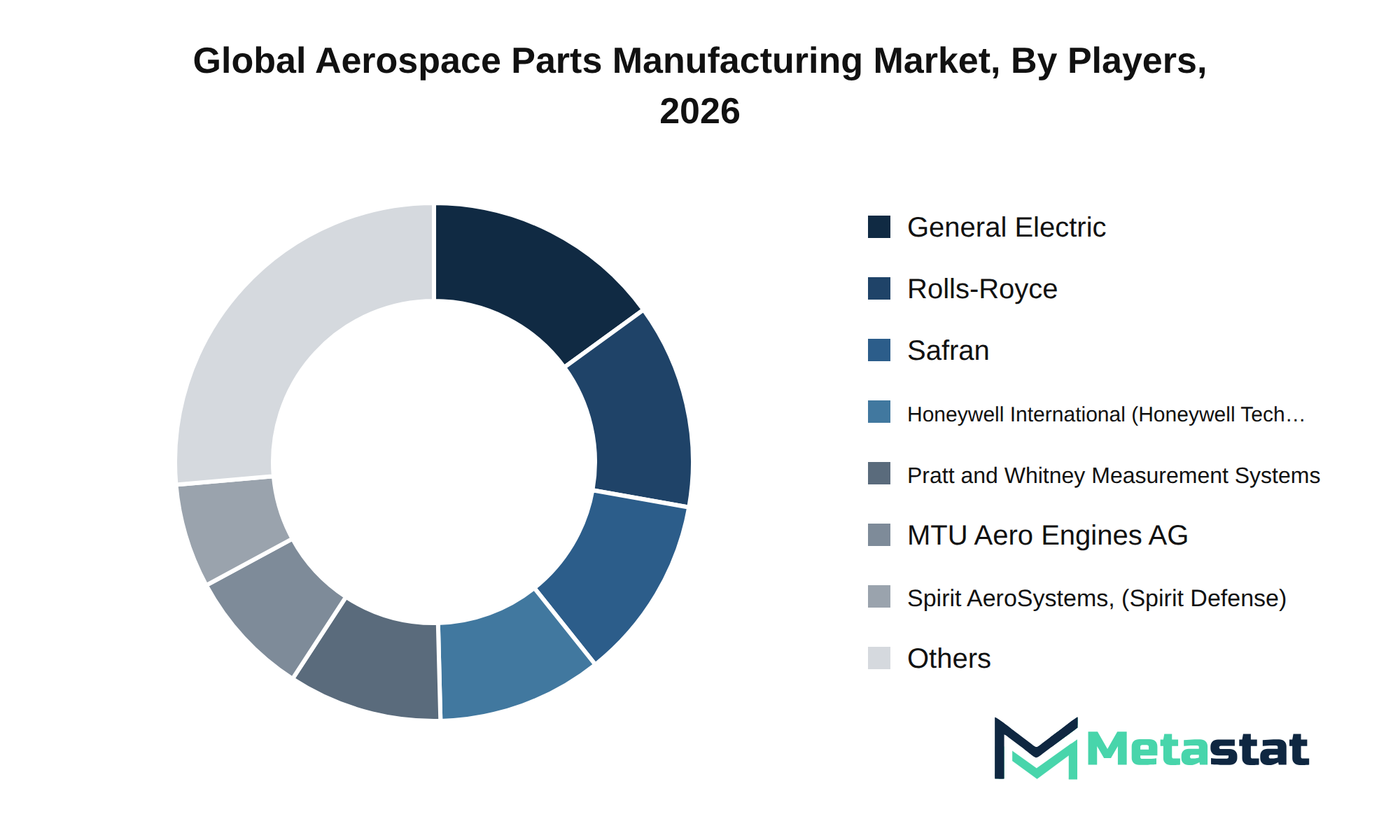
Market size is forecast to rise from USD 1,052.7 billion in 2025 to over USD 1,653.2 billion by 2033. This growth reflects a Compound Annual Growth Rate (CAGR) of 5.8%. A robust economic environment, characterized by increased demand in the aerospace sector, fuels this expansion. Key drivers include advancements in aerospace technology and an intensified focus on fuel efficiency. The Aerospace Parts Manufacturing market benefits from a steady influx of investment in research and development, aiming to enhance existing product lines and explore innovative solutions.
In a bullish scenario, accelerated adoption of next-generation technologies and streamlined regulatory processes drive faster growth, translating into heightened demands for aerospace components. Conversely, a bearish outlook exists where geopolitical tensions and supply chain disruptions challenge production timelines and impact market equilibrium. Firms in the Aerospace Parts Manufacturing market prioritize strategic capital allocation and focus on emerging opportunities in underserved segments to sustain competitive advantages. Investment in infrastructure and commitment to capital expenditures will support continued growth and adaptability within the evolving market.
Regulatory evolution plays a critical role in shaping market dynamics, with imminent compliance milestones setting the pace for innovation and operational adjustments. Companies that align their strategies with regulatory timelines benefit from improved positioning in the market. The next few years will show substantial shifts in trade corridors and global supply chains, influencing procurement strategies across the aerospace industry. Addressing unmet enterprise needs through targeted solutions creates high-growth pockets, allowing players to capitalize on emerging white-space opportunities.
The report strategically identifies and profiles the key market players and analyses their core competencies in each sub-segment of the Aerospace Parts Manufacturing market.
Report Attributes | Details |
Study Period | 2021-2033 |
Base Year | 2025 |
Estimated Year | 2026 |
Forecast Period | 2026-2033 |
Historical Period | 2021-2025 |
Growth Rate | CAGR 5.8% from 2026 to 2033 |
Revenue Unit | USD billion |
Segmentation | By Product Type, Aircraft Type, Material, End User, and Region |
By Region | North America (By Product Type, Aircraft Type, Material, End User, and Country)
|
Europe (By Product Type, Aircraft Type, Material, End User, and Country)
| |
Asia Pacific (By Product Type, Aircraft Type, Material, End User, and Country)
| |
South America (By Product Type, Aircraft Type, Material, End User, and Country)
| |
Middle East and Africa (By Product Type, Aircraft Type, Material, End User, and Country)
|
Find answers to common questions about this report
The Aerospace Parts Manufacturing market size was valued at USD 1,052.7 billion in 2025.
The Aerospace Parts Manufacturing market is projected to grow at a CAGR of 5.8% during the forecast period from 2026 to 2033.
The North America Aerospace Parts Manufacturing market size is estimated to reach USD 569.9 billion by 2033.
The Commercial Aviation segment leads the Aerospace Parts Manufacturing market, with a projected value of USD 1,005.5 billion in 2033. This segment's growth reflects a compound annual growth rate of 5.3% from 2026 to 2033.
Key drivers for the Aerospace Parts Manufacturing market include significant investments in advanced technologies and automation, enhancing production efficiency and reducing operational costs. The integration of artificial intelligence and software solutions provides competitive advantages for manufacturers, while a growing focus on research and development supports innovation and addresses evolving consumer preferences.
North America holds the dominant share of the Aerospace Parts Manufacturing market, with a projected value of USD 569.9 billion in 2033, representing 36.3 percent of the total market.
Regulatory compliance creates significant challenges for the Aerospace Parts Manufacturing market, increasing manufacturing costs and delaying project timelines. Macroeconomic headwinds, including inflation and rising material costs, further strain profit margins, while supply chain disruptions and talent shortages complicate operations. These factors collectively hinder growth and competitiveness in the market.
Significant investment in advanced technologies and automation enhances production efficiency and reduces operational costs, favoring product adoption in the Aerospace Parts Manufacturing market. Companies that prioritize innovation and integrate artificial intelligence and software solutions achieve better resource management and output quality, leading to improved profitability and market share.
The Aerospace Parts Manufacturing market is estimated to reach a valuation of USD 1,653.2 billion by 2033.
Key players in the Aerospace Parts Manufacturing market include Rolls-Royce plc, Safran Group, General Electric Company, Honeywell International Inc. (Honeywell Technologies), Collins Aerospace (RTX Corporation), The Boeing Company, Lockheed Martin Corporation, and Northrop Grumman.
The analysts below cover Aerospace and Defense research at Metastat Insights.
LEAD ANALYST
Utkarsh Khirodkar is a Lead Market Research Analyst at MetaStat Insight, specializing in market intelligence, technology sector assessments, and competitive strategy.
Evaluating sovereign cloud deployments for core banking platforms demands a clear view of data residency regulations and migration exit strategies. MetaStat Insight delivered an exhaustive review of regional latency tolerances, mainframe decommission milestones, and third-party vendor concentration risk. The regulatory compliance mapping across European and Asian financial jurisdictions gave our team a dependable baseline for multi-cloud infrastructure discussions.
Replacing petrochemical surfactants with bio-based alternatives requires realistic timelines on industrial precision fermentation scaling. The market research broke down commercialization timelines, feedstock sugar price sensitivities, and regional cosmetic ingredient regulatory approvals in Europe and East Asia. That supplier readiness mapping gave our formulations team reliable context when comparing renewable chemical sourcing roadmaps.
Tracking ceramic matrix composite adoption in high-bypass aero engines requires strict attention to material qualification cycles and FAA airworthiness testing milestones. The MetaStat Insight team provided a detailed timeline of silicon carbide fiber manufacturing capacity and commercial foundry lead times. Having clear visibility into upstream thermal barrier coating supply helped us stress-test our long-term component procurement strategy.
Explore related market intelligence reports worth reading alongside this one.