
LEAD ANALYST
Utkarsh Khirodkar is a Lead Market Research Analyst at MetaStat Insight, specializing in market intelligence, technology sector assessments, and competitive strategy.

Canada Plastics Recycling Market Size, Share, By Resin Type (Polyethylene Terephthalate (PET), High-Density Polyethylene (HDPE), Low-Density and Linear Low-Density Polyethylene (LDPE/LLDPE), Polypropylene (PP), Polystyrene and Expanded Polystyrene (PS/EPS), Polyvinyl Chloride (PVC), Engineering Thermoplastics (ABS, PC, PA, PBT), Others (EVA, PLA and Other Niche Thermoplastics)), By Recycling Technology (Mechanical Recycling, Dissolution and Purification Recycling, Solvolysis and Chemical Depolymerization, Thermal Cracking and Pyrolysis, Microwave-Assisted Molecular Recycling, Gasification, Others (Enzymatic, Biological and Emerging Recycling Processes)), By Source (Packaging Waste, Industrial and Manufacturing Scrap, Automotive and Transportation Plastics, Construction and Demolition Plastics, Agricultural Plastics, Electrical and Electronic Waste Plastics, Textile and Polyester Waste, Institutional and Healthcare Plastics, Others (Marine, Fishing-Gear and Mixed Non-Packaging Plastic Waste)), By End-Use Industry (Packaging, Building and Construction, Automotive and Transportation, Consumer and Household Products, Electrical and Electronics, Textiles and Apparel, Agriculture, Industrial and Infrastructure Products, Others (Furniture, Leisure Products and Toys)), Industry Analysis, Growth, Trends, and Forecast, 2026-2033
Report ID
MSI-5068
Published
August, 2026
Pages
267 Pages
Format
Historical
Base year
Forecast
Forecast period
Report Details
Choose Your License
Canada Plastics Recycling Market
The Canada Plastics Recycling market was valued at USD 5,442.6 million in 2025 and is projected to reach USD 12,101.4 million by 2033, growing at a CAGR of 10.5% over the forecast period.
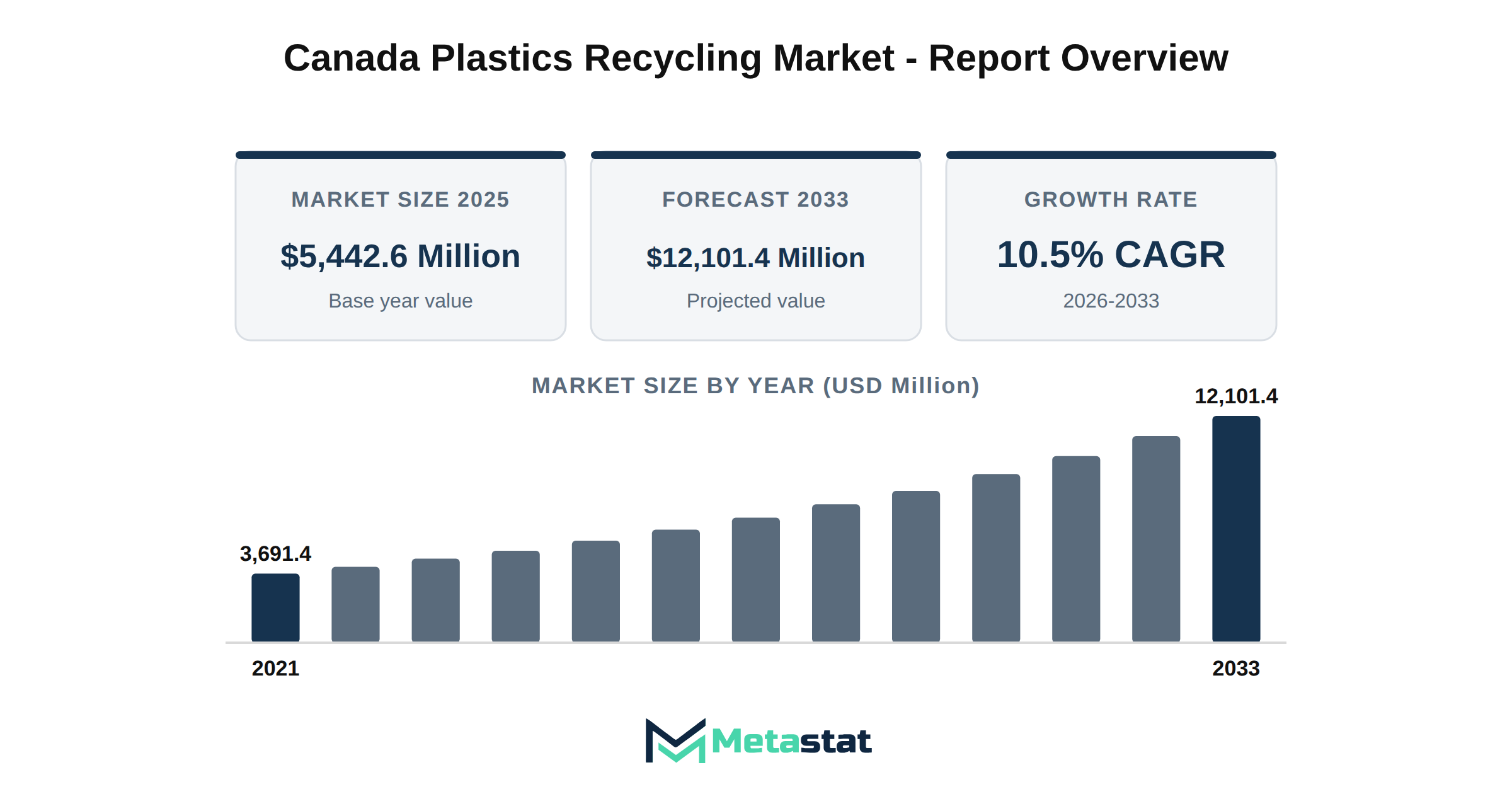
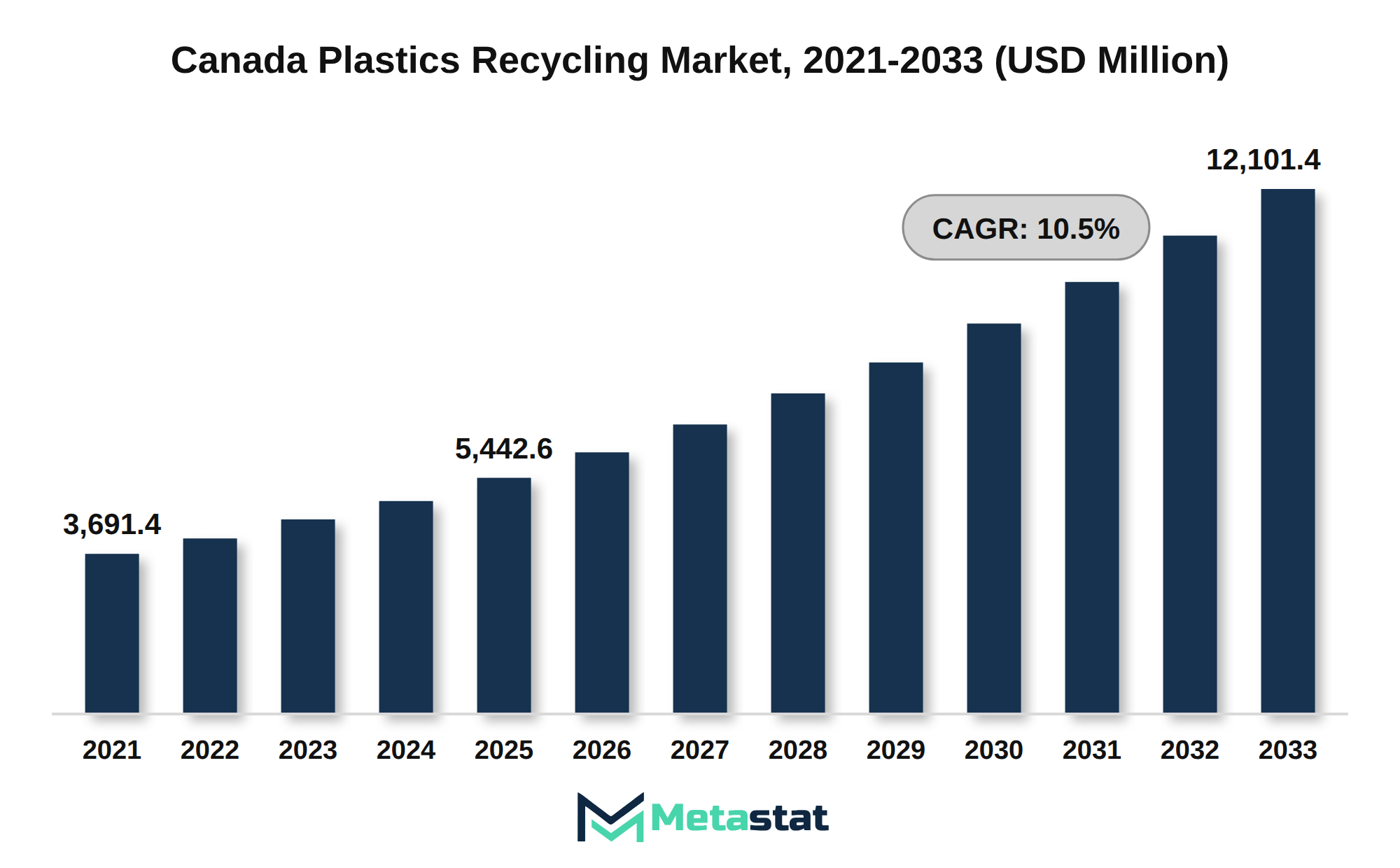
The Canada Plastics Recycling market reached a value of USD 5,442.6 million in 2025, reflecting an increase from USD 3,691.4 million in 2021. This growth trajectory is expected to continue, with a projected market value of USD 12,101.4 million by 2033, demonstrating a compound annual growth rate (CAGR) of 10.5% during the forecast period.
Several factors drive this expansion, including rising demand for recycled materials driven by sustainability initiatives and regulatory pressures. The increasing focus on circular economy principles encourages investment in advanced recycling technologies and infrastructure, enhancing recovery rates for difficult-to-recycle materials. Ongoing research and development efforts aim at next-generation innovations and sustainable transformations within the recycling ecosystem.
The demand for recycled materials is anticipated to strengthen, influenced by changing consumer preferences and corporate commitments to sustainability. This trend encourages companies to establish closed-loop initiatives, further integrating recycled content into their products. Capital allocation toward infrastructure investments supports the expansion of recycling capacity, enabling the sector to meet evolving material recovery targets.
Regulatory compliance remains a critical component of the market landscape, with various frameworks influencing operational practices. Geopolitical risks impact supply chain dynamics and logistics architecture, necessitating adaptive strategies among market players. Inflationary pressures and currency volatility pose challenges, affecting the overall cost structure within the market.
The expansion of recycling capacity represents a significant trend within the Canada Plastics Recycling market. Investments in new facilities and technologies aim to address increasing demand for recycled materials. Stakeholders identify the need for enhanced infrastructure to manage rising volumes of recyclable plastics effectively.
Advanced technology scale-up and commercialization play critical roles in enhancing recycling efficiency and effectiveness. Innovations in recycling technologies, including mechanical recycling and chemical processes, enable the recovery of materials previously deemed difficult to recycle. These advancements position the market for improved performance and higher recycling rates.
Efforts in difficult-to-recycle stream recovery highlight the commitment to maximizing resource recovery and minimizing waste. Developing methods to recycle complex plastics, including multi-layered packaging, continues to drive research and development efforts. The success of these initiatives contributes to a more circular economy, where materials remain in use for longer periods.
Circular economy initiatives emphasize the importance of closed-loop systems in plastics recycling. Companies increasingly adopt strategies that integrate recycled materials back into their production processes, reducing reliance on virgin materials. This shift aligns with growing consumer demand for sustainable products and responsible sourcing practices.
Demand for recycled materials is expected to rise significantly, driven by both regulatory pressures and market preferences. Companies across various sectors seek to incorporate recycled content into their products within broader sustainability commitments. The Canada Plastics Recycling market stands to benefit from these evolving consumer and corporate expectations.
Regulatory compliance and adherence to standards shape the operational landscape for market participants. Stricter regulations surrounding plastic waste and recycling practices urge companies to enhance their recycling capabilities. Navigating these regulatory frameworks demands attention to detail and strategic foresight to mitigate risks and capitalize on emerging opportunities.
Geopolitical risks and disruptions in global supply chains impact the sourcing and availability of recycled materials. Market players face challenges in securing consistent supplies of feedstock while managing fluctuating prices and logistical hurdles. These dynamics create both challenges and opportunities for innovation and adaptation within the market.
Research and development trajectories indicate a strong focus on next-generation innovations in recycling technologies. Companies invest in solutions that enhance the efficiency of material recovery and reduce environmental impacts. This commitment to sustainable transformation supports the overall evolution of the Canada Plastics Recycling market.
Decarbonization efforts align with the increasing emphasis on sustainability across industries. The adoption of recycled materials contributes to reduced carbon footprints and supports broader climate goals. Stakeholders recognize the need for ongoing investment in sustainable practices to meet consumer expectations and regulatory requirements.
The supply chain landscape reflects the complexities of sourcing recycled materials and meeting demand. Companies navigate a fragmented market with varying capabilities and access to resources. Strategic partnerships and collaborations are essential for optimizing procurement and ensuring a consistent supply of high-quality recycled materials.
Future strategic outlooks for the market indicate a focus on capital allocation toward innovative recycling technologies and infrastructure improvements. Investment in these areas will be crucial for enhancing recycling rates and meeting the growing demand for sustainable materials. Companies that prioritize these initiatives will likely strengthen their competitive positions in the market.
Corporate imperatives increasingly emphasize sustainability and responsible practices, driven by key differentiators. Organizations that prioritize recycling and sustainability initiatives enhance their brand reputation and customer loyalty. High-value recommendations for market participants include investing in advanced technologies, forging strategic partnerships, and adapting to evolving regulatory landscapes.
The increasing emphasis on sustainability initiatives strongly influences the Canada Plastics Recycling market. Governments and corporations place significant focus on reducing carbon footprints, leading to heightened interest in closed-loop recycling systems. This move aligns with a broader global shift towards circular economy principles, which prioritize the reuse of materials to minimize waste and resource consumption. Stakeholders across industries recognize that enhanced recycling practices fulfill regulatory requirements while presenting opportunities for operational efficiency and cost savings.
Investment in advanced recycling technologies supports this transition. Companies increasingly adopt mechanical, chemical, and innovative recycling methods to convert waste into high-quality raw materials. The adoption of these technologies results in improved recycling rates, enabling manufacturers to incorporate recycled content in their products. This trend appeals to businesses aiming to meet consumer demand for sustainable products, reinforcing their competitive position in the market.
The collaboration between public and private sectors enhances recycling infrastructure, expanding access to recycling facilities. Enhanced access encourages businesses to participate in recycling programs, creating a more robust supply chain for recycled materials. Overall, this environment of heightened regulatory expectations and technological advancement is projected to drive growth within the Canada Plastics Recycling market.
Consumer awareness regarding environmental sustainability significantly impacts the Canada Plastics Recycling market. This awareness drives consumers to prefer recycled products, pushing manufacturers to invest in sustainable practices and recycling technologies. Companies are adapting their product lines to meet the rising demand for eco-friendly alternatives, thereby expanding their market share.
Shifts in consumer behavior reflect a growing trend towards sustainability, compelling brands to enhance their circular economy initiatives. This trend is pronounced among younger demographics who prioritize ethical consumption. Consequently, businesses embracing these values experience increased customer loyalty and higher sales, contributing positively to their financial performance. The emphasis on sustainability translates into a strong growth trajectory for the market.
The correlation between consumer preferences and corporate responsibility creates a competitive landscape where companies prioritizing sustainability gain a strategic advantage. Organizations that effectively communicate their sustainability efforts capture consumer attention and establish stronger brand identities. This dynamic creates an environment ripe for investment in recycling capabilities and technologies, further supporting the development and expansion of the Canada Plastics Recycling market.
The Canada Plastics Recycling market faces significant challenges attributed to stringent regulatory compliance requirements. Regulatory frameworks necessitate substantial investments in technology upgrades and operational changes, straining resources for many businesses. These compliance hurdles lead to delays in project timelines, affecting market growth and investment potential. Compliance requirements frequently mandate higher standards for waste management and recycling processes, deterring smaller players from participating in the market.
High capital investment requirements further complicate the landscape. The need for advanced recycling technology and infrastructure demands extensive financial commitment, creating barriers for entry. This situation intensifies competition among established players, who find it easier to meet these financial obligations while smaller companies struggle to keep pace. The resulting market fragmentation hinders consolidated efforts to improve recycling rates and technologies across the sector.
Inflationary pressures impact operational costs, compelling many businesses to increase product pricing. Higher costs for raw materials and labor affect profitability, leading to reduced investment in innovation and expansion. While operational expenses rise, operational efficiency becomes critical, forcing businesses to adapt quickly to changes in market conditions.
Supply chain disruptions affect the market’s dynamics. Global events and geopolitical instability have led to increased uncertainty in securing raw materials and recycling inputs. This unpredictability compromises the ability of companies to meet market demand, leading to potential customer dissatisfaction and lost revenue opportunities.
Consequently, these factors collectively contribute to a challenging environment for the Canada Plastics Recycling market, affecting growth prospects and long-term sustainability efforts in the industry.
The Canada Plastics Recycling market encounters significant challenges stemming from geopolitical fragmentation, which contributes to supply chain instability. Trade deficits and tariff friction complicate material sourcing, leading to increased costs for manufacturers. This situation generates a ripple effect across various industries, resulting in heightened pricing pressure and margin constraints for recyclers.
Technological disruptions add complexity to recycling processes, affecting operational efficiencies. Companies in the market face hurdles in integrating advanced recycling technologies due to interoperability friction, which hampers effective collaboration between systems and processes. Volatility in feedstock and components creates unpredictability in supply availability, further straining market dynamics.
Logistics disruptions linked to geopolitical issues exacerbate challenges in securing consistent materials for recycling operations. Such instability creates a risk of project delays and impacts overall productivity within the market. The necessity for resilient supply chains increases, requiring strategic planning to mitigate the impact of external factors on operational continuity.
Compounding these challenges, tightening regional regulatory standards impose compliance overhead, leading to increased costs for businesses striving to meet evolving legal liabilities. This environment necessitates investment in compliance systems and risk management strategies, diverting resources from core business operations.
The combination of market saturation and changing downstream demands complicates recovery efforts for recyclers. This dynamic environment requires companies to adapt, focusing on innovation and efficiency to maintain competitiveness within the Canada Plastics Recycling market. Addressing these challenges proves crucial for achieving sustainable growth and meeting evolving expectations of consumers and regulators alike.
The Canada Plastics Recycling market experiences significant opportunities through the integration of advanced technologies that enhance recycling efficacy. Innovations in mechanical recycling and chemical processes contribute to improved recovery rates of various polymers, which aligns with increasing demands for sustainable practices across industries. The adoption of dissolution and purification recycling technologies facilitates higher quality recyclates and extends the life cycle of products, reinforcing the economic viability of recycling operations.
Digital transformation optimizes recycling operations and enhances supply chain efficiencies. Digital procurement shifts enable organizations to streamline sourcing and reduce costs, directly impacting profitability. Strategic consolidation and cross-industry mergers lead to expanded capabilities and resource sharing, ultimately driving innovation in recycling practices.
The demand for eco-friendly products drives significant growth in niche applications within the Canada Plastics Recycling market. Industries including packaging, automotive, and construction prioritize recycled materials, creating a favorable environment for manufacturers to integrate sustainable practices into their product offerings. This transition meets consumer expectations and aligns with broader environmental, social, and governance (ESG) objectives.
Geographical expansion of recycling facilities further enhances market potential. New investments in infrastructure and localized supply chains facilitate increased access to recycling services, addressing the growing volume of waste generated. This strategic positioning enables stakeholders to respond swiftly to market trends and regional demands, driving further adoption of recycling initiatives.
The Canada Plastics Recycling market is segmented based on Resin Type, Recycling Technology, Source, and End-Use Industry.
Valued at USD 1,832.1 million in 2026, the Polyethylene Terephthalate (PET) segment is projected to reach USD 3,811.9 million by 2033, exhibiting a CAGR of 11% during the forecast period. Increased consumer demand for sustainable packaging drives the adoption of PET recycling. Numerous industries, particularly packaging, significantly influence this trend due to heightened regulatory frameworks promoting circular economy practices.
Technological advancements in recycling methods enhance the efficiency of PET processing, enabling more effective recovery of materials. Innovations in mechanical recycling and dissolution techniques allow for improved quality of recycled PET, attracting interest from manufacturers. This evolution supports downstream applications in various sectors, including consumer products and textiles.
Regulatory compliance plays an important role in shaping market dynamics. Governments implement stricter guidelines on plastic waste management, compelling businesses to seek effective recycling solutions. This regulatory landscape encourages investment in PET recycling infrastructure and technology, ultimately driving growth within the Canada Plastics Recycling market.
Cost structures related to PET recycling reflect the evolving landscape. Fluctuating raw material prices and operational expenses compel companies to implement strategies that optimize margins while ensuring compliance with environmental standards. The focus on enhancing supply chain resilience and sourcing sustainable materials positions firms favorably within the market.
Strategic opportunity windows exist for businesses engaging in PET recycling. Shifts in consumer preferences towards eco-friendly products enable companies that enhance their recycling capabilities to capture a larger market share. Growth in the segment aligns with broader trends emphasizing sustainability and environmental responsibility in the Canada Plastics Recycling market.
High-Density Polyethylene (HDPE) segment is estimated to reach USD 2,940.6 million by 2033, at a CAGR of 10.6% during the forecast period. Demand for HDPE in the Canada Plastics Recycling market arises from its extensive use in packaging applications, driven by the need for lightweight and durable materials. Environmental regulations promoting plastic recycling play a critical role in driving adoption, encouraging companies to integrate HDPE recycling into their operations.
Technological advancements in recycling processes enhance the efficiency and effectiveness of HDPE recovery, supporting segment expansion. Innovations including mechanical recycling and dissolution techniques improve yield rates and reduce contamination, ensuring a higher quality of recycled material. The push for sustainable practices in various industries further accelerates the transition towards recycled HDPE products, reshaping consumer preferences and driving market growth.
End-use dynamics reflect a growing inclination towards environmentally friendly packaging solutions, with HDPE being a preferred choice for manufacturers in the packaging sector. This trend aligns with consumption shifts favoring recycled content, highlighting the importance of compliance with regulatory standards. The market's response to these developments positions HDPE recycling because a strategic opportunity for firms aiming to enhance their sustainability profiles while maintaining economic viability.
Growth in the Low-Density & Linear Low-Density Polyethylene (LDPE/LLDPE) segment is driven by increasing demand in various end-use industries, particularly packaging. The shift towards sustainable packaging solutions pushes manufacturers to seek recycled materials, enhancing the segment's relevance in the Canada Plastics Recycling market. Innovations in recycling technologies further support the segment's development, enabling higher recovery rates and improved material quality.
The segment is projected to reach USD 1,851.5 million by 2033, reflecting a robust compound annual growth rate (CAGR) that highlights the anticipated shift towards recycled content. Regulatory compliance and evolving consumer preferences shape the policy landscape, encouraging manufacturers to invest in advancements that align with sustainability goals. Rising eco-conscious practices create an environment favorable for expanded adoption of LDPE and LLDPE recycling.
Competition within the market drives continuous technological maturation. Companies are exploring next-generation upgrades, focusing on enhancing the efficiency of recycling processes. Industry players adapt to these advancements, revealing the potential for product evolution, which drives further interest and investment in recycled LDPE and LLDPE materials.
Expansion in the Polypropylene (PP) segment results from increasing demand in various industries, particularly in packaging and automotive applications. This segment is projected to grow at a CAGR of 11.3% during the forecast period, indicating robust adoption and investment in recycling technologies. The rising focus on sustainable practices drives manufacturers to explore recycled polypropylene to meet environmental standards and consumer preferences.
Technological advancements play a crucial role in enhancing the efficiency of polypropylene recycling. Innovations in mechanical recycling, dissolution, and purification techniques contribute to improved yield and product quality. Increased efficiency in recycling processes supports cost reduction, allowing businesses to maintain competitive pricing while expanding their market reach.
Downstream application dynamics shape the demand for recycled polypropylene. Industries focused on packaging and consumer products increasingly adopt recycled materials to comply with regulations and enhance their sustainability profiles. This shift in consumption patterns emphasizes the importance of establishing reliable and resilient supply chains for recycled materials.
Regulatory compliance standards significantly influence the market landscape. Governments implement stricter regulations on plastic waste management, propelling companies towards sustainable practices and materials. These policies create a favorable environment for the growth of recycled polypropylene, enabling the market to align with broader sustainability goals.
Amid these developments, market players strategically position themselves to capitalize on growth opportunities. Investments in infrastructure and technology aimed at enhancing recycling capabilities result in improved margins and operational efficiencies. The Canada Plastics Recycling market reflects a dynamic environment where continuous evolution and adaptation are essential for success.
Increasing attention toward recycling practices drives demand for Polystyrene & Expanded Polystyrene (PS/EPS) within the Canada Plastics Recycling market. The growing focus on environmental sustainability pushes manufacturers to seek effective recycling solutions for PS/EPS, which is prevalent in a variety of products, including packaging materials and consumer goods. The evolving regulatory landscape emphasizes compliance with stringent recycling standards, compelling companies to invest in improved recycling technologies.
Technological advancements in recycling methods enhance the efficiency of PS/EPS processing. Innovations in mechanical recycling and emerging technologies support the recovery of high-quality materials, enabling greater adoption across various industries. Next-generation upgrades in recycling facilities streamline production processes, leading to cost savings and improved margins for recyclers.
Shifts in consumer preferences toward sustainable products influence the demand for recycled PS/EPS in end-use applications, including packaging and construction materials. Partnerships between manufacturers and recyclers play a vital role in developing products that meet the growing expectations for sustainability. The market for PS/EPS stands to benefit from strategic opportunities that align with rising demand for eco-friendly solutions.
While the Canada Plastics Recycling market continues to evolve, investments in research and development will play a crucial role in the advancement of PS/EPS recycling technologies. Enhanced recycling capabilities will facilitate greater material recovery, contributing to a more circular economy. Overall, the market outlook remains positive, driven by increased awareness and regulatory initiatives aimed at promoting sustainability in plastics recycling.
Demand for Polyvinyl Chloride (PVC) within the Canada Plastics Recycling market stems from various applications across multiple industries. Its widespread use in construction, medical devices, and packaging drives significant recycling efforts. Regulatory compliance regarding environmental impacts intensifies focus on sustainable practices, prompting manufacturers and consumers to seek recycled PVC solutions.
Adoption of technologies for recycling PVC has progressed, supported by advancements in mechanical and chemical recycling methods. Innovation in processing techniques enhances the quality and performance of recycled materials, appealing to manufacturers aiming to meet consumer demand for sustainable options. Increased focus on reducing carbon footprints drives a shift towards using recycled PVC in various end-use applications, reinforcing the segment's growth trajectory.
Shifts in consumption patterns indicate a growing preference for environmentally friendly products, further stimulating demand for recycled PVC. Market players actively explore strategic opportunities for capturing value within this segment. Investment in recycling infrastructure and capabilities is essential for suppliers aiming to enhance their operational resilience and address rising regulatory pressures.
The evolving nature of the Canada Plastics Recycling market emphasizes the importance of PVC recycling. Demand drivers, technological advancements, and regulatory dynamics contribute to a framework for continued growth and innovation in this segment.
Demand for Engineering Thermoplastics (ABS, PC, PA, PBT) stands driven by their widespread applications across various industries, including automotive, electronics, and consumer goods. These materials exhibit advantageous properties including high impact resistance, thermal stability, and lightweight characteristics, leading to their increasing adoption in sectors that prioritize performance and durability.
Market expansion stems from advancements in recycling technologies that enhance the recovery and reuse of these materials. Innovations in mechanical recycling and solvent-based methods have improved efficiency and sustainability, aligning with regulatory compliance standards and consumer preferences for environmentally friendly products.
End-use dynamics play a significant role, with manufacturers focusing on the integration of recycled engineering thermoplastics in new products. This shift not only addresses sustainability goals but helps reduce raw material costs, impacting overall pricing strategies within the market. Strategic opportunity windows present themselves for companies investing in research and development to create next-generation materials that meet evolving consumer and regulatory demands.
Regulatory pressures surrounding plastic waste management encourage companies to enhance their recycling practices, further driving investment in the engineering thermoplastics segment. The push towards sustainable materials creates a competitive landscape where innovation is a key differentiator.
The Canada Plastics Recycling market experiences a robust trajectory, influenced by technological advancements, evolving regulatory frameworks, and shifting consumer preferences toward sustainable practices. The segment's growth reflects ongoing efforts to integrate recycled materials into mainstream production, aligning with broader environmental objectives.
Demand for niche thermoplastics, including EVA and PLA, reflects ongoing shifts in environmental priorities and advancements in material technology. The Canada Plastics Recycling market benefits from increased interest in sustainable materials, driving a surge in innovation and product evolution within this sub-segment. Manufacturers focus on developing alternatives that reduce dependency on traditional plastics, aligning their offerings with regulatory compliance standards and consumer preferences for eco-friendly options.
Segment expansion catalysts involve technological maturation and next-gen upgrades that enhance recyclability and processing efficiency. Innovations in recycling technologies contribute to the effective recovery of these niche thermoplastics, facilitating their integration into various applications. Downstream applications span diverse industries, including packaging and consumer products, where sustainable attributes strongly appeal to environmentally conscious consumers.
End-use dynamics highlight a growing demand for products made from recycled materials, leading to enhanced consumption shifts. The market's response to these trends involves strategic opportunity windows for investments in recycling infrastructure and innovation. Companies leverage these dynamics to position themselves competitively while addressing margin pressures and pricing volatility specific to niche thermoplastics.
Supply chain resilience remains a focal point owing to firms navigating raw material sourcing challenges, emphasizing the importance of sustainable practices. Substitution risks and disruptive alternatives present ongoing considerations, compelling stakeholders to remain agile. The evolving regulatory landscape shapes investment outlooks, creating a climate where niche thermoplastics play a crucial role in the future of the Canada Plastics Recycling market.
Valued at USD 4,944 million in 2026, the Mechanical Recycling segment is projected to reach USD 8,773.5 million by 2033, achieving a CAGR of 8.5% during the forecast period. This growth is driven by increasing regulatory pressures aimed at reducing plastic waste, enhancing the appeal of mechanical recycling technologies. Adoption of these technologies occurs across various industries, particularly in packaging and consumer goods, where sustainability targets become more stringent.
Technological maturation of mechanical recycling processes continues to enhance efficiency and output quality, supporting a broader acceptance within the Canada Plastics Recycling market. Innovations in sorting and processing technologies facilitate the recovery of high-quality recycled materials, which directly meets rising consumer demand for sustainable products. This trend encourages companies to invest in upgrading their recycling facilities, strengthening their competitive position.
Market dynamics indicate a shift in consumption patterns, with end-users increasingly prioritizing recycled content in product development. This transition highlights the significance of mechanical recycling because a vital contributor to circular economy initiatives. The growing emphasis on eco-friendly practices among businesses leads to greater investments in mechanical recycling capacities, aligning with global sustainability goals.
The regulatory landscape continuously evolves, with new compliance standards reinforcing the importance of recycling technologies. Organizations that align with these standards gain a competitive advantage, effectively responding to consumer and regulatory demands. While the market progresses, mechanical recycling is anticipated to play a critical role in fulfilling recycling targets and minimizing environmental impact.
Overall, the Mechanical Recycling segment's expansion indicates a robust outlook, driven by increasing demand for sustainable practices, technological advancements, and supportive regulatory frameworks within the Canada Plastics Recycling market.
Dissolution & Purification Recycling segment is estimated to reach USD 580.9 million by 2033, at a CAGR of 16.4% during the forecast period. The demand for this recycling method derives from the increasing need for efficiency in recycling processes and higher quality outputs. Industries using recycled plastics, particularly in packaging and consumer goods, drive this demand, encouraging investment in advanced technologies that enhance material recovery rates.
Technological maturation in the sector supports the segment’s growth, with innovations in dissolution methods and purification technologies leading to improved recycling efficacy. These advancements allow materials to be processed into high-quality recyclables, appealing to manufacturers focused on sustainability and compliance with environmental regulations.
Regulatory compliance standards increasingly emphasize the importance of using recycled materials, driving industries to adopt more sustainable practices. The growing consumer preference for eco-friendly products further aligns with these regulations, compelling manufacturers to integrate dissolution and purification processes into their operations.
Cost structures in the segment are influenced by the need for sophisticated technology investments, which result in initial capital expenditure but ultimately lead to lower operational costs through increased efficiency. Pricing volatility in raw materials is another factor, driven by the demand for high-quality recycled plastics that fluctuates with market trends, adding pressure on margins.
Strategic opportunity windows arise because companies seek to enhance supply chain resilience by incorporating recycled plastics, leading to a more sustainable and circular economy. The Canada Plastics Recycling market reflects a growing recognition of these opportunities, presenting a favorable outlook for the dissolution and purification recycling segment.
Exploration of the Solvolysis & Chemical Depolymerization segment in the Canada Plastics Recycling market shows a significant upward trajectory. This segment is expected to reach USD 847.1 million by 2033, driven by advancements in recycling technologies that enhance efficiency and output. Technological maturation plays a critical role, owing to innovations in chemical processes that facilitate the breakdown of plastics into reusable materials, aligning with increasing regulatory compliance standards focused on sustainability.
Adoption of this recycling technology occurs across various industries, including packaging and automotive, reflecting a shift toward environmentally responsible practices. The market experiences robust expansion catalysts due to heightened consumer awareness regarding plastic waste and the environmental impact of traditional disposal methods. Companies actively investing in next-gen upgrades to improve the efficiency of Solvolysis & Chemical Depolymerization processes further strengthen market demand.
Cost structures within this segment continuously evolve, responding to fluctuations in raw material sourcing and overall market dynamics. Pricing volatility related to crude oil and natural gas impacts the cost of inputs, influencing margins for companies involved in this technology. The strategic opportunity window for investment remains strong, driven by firms seeking to adapt to shifting consumption patterns that favor recycled materials over virgin plastics, thereby supporting a sustainable future for the Canada Plastics Recycling market.
Strong market dynamics for Thermal Cracking & Pyrolysis stem from the increasing emphasis on sustainable waste management solutions. Evolving regulatory frameworks push industries to adopt advanced recycling technologies. This segment is projected to grow at a CAGR of 17.2% during the forecast period, reflecting heightened investment in innovative recycling processes.
Technological advancements play a vital role in enhancing the efficiency and effectiveness of thermal cracking and pyrolysis methods. The transition to next-generation recycling technologies allows for the conversion of plastic waste into valuable feedstocks, thereby reducing landfill dependency. Companies within the Canada Plastics Recycling market recognize the importance of integrating these technologies to meet environmental goals and consumer demands.
Downstream applications exhibit significant interest in products derived from thermal cracking and pyrolysis. The ability to produce high-quality outputs attracts various sectors, including automotive, construction, and consumer goods. Shifting consumer preferences toward sustainable products drive demand for recycled materials, creating significant growth opportunities in the market.
Cost structures within this segment reflect ongoing fluctuations in raw material prices and operational expenses. However, the long-term benefits of recycling feedstocks contribute to improved margins, supporting profitability for enterprises investing in these technologies. The evolving policy landscape reinforces the push toward sustainable practices, ensuring that the segment remains strategically significant within the broader Canada Plastics Recycling market.
Innovative approaches like Microwave-Assisted Molecular Recycling contribute to the Canada Plastics Recycling market by enhancing the efficiency of plastic waste processing. This technique employs microwave energy to break down plastics into their molecular components, promoting resource recovery and supporting sustainability efforts. Increasing regulatory pressure for improved recycling solutions drives interest in such advanced technologies, which process a wider range of plastic types compared to traditional methods.
Market participants increasingly recognize the significance of adopting Microwave-Assisted Molecular Recycling to enhance their operational capabilities. This technology offers potential cost savings through reduced energy consumption and aligns with evolving environmental standards. Companies seek to meet stringent recycling goals, leading to increased investment in this technology, reflecting a commitment to sustainable practices.
End-use industries benefit from the advancements in Microwave-Assisted Molecular Recycling, driven by the replace virgin plastics with recycled materials. This shift in consumption patterns drives demand for processed materials, influencing the overall dynamics of the market. The growing emphasis on circular economy principles reinforces the urgency for technological innovations that effectively address plastic waste challenges.
Technological advancements in gasification offer a promising avenue for the Canada Plastics Recycling market, especially in addressing complex waste streams that traditional recycling methods struggle to process. This technology converts plastic waste into synthesis gas, enabling the recovery of valuable energy and raw materials. The integration of gasification aligns with growing regulatory compliance standards focused on minimizing landfill contributions and enhancing recycling rates.
Demand for gasification derives from a need for efficient waste management solutions with escalating plastic waste generation. Adoption of this technology is facilitated by increasing awareness of sustainability among consumers and industries alike. This shift reflects broader consumption trends where environmental considerations shape purchasing decisions and corporate strategies.
Investment in gasification technology is spurred by the emergence of next-generation upgrades that enhance efficiency and yield. The rising costs associated with traditional recycling methods further increase interest in this innovative approach. Enhanced economic viability and the potential for scalability position gasification because an important technology in the evolving market of plastics recycling.
Downstream applications of gasification encompass various end-use industries, including energy production and chemical manufacturing. While the market matures, strategic opportunities arise for stakeholders looking to capitalize on this technology. The relationship between regulatory policies and technological maturation underlines the importance of gasification within the broader context of the Canada Plastics Recycling market.
Innovations in recycling technologies, particularly in enzymatic and biological processes, play a significant role in addressing plastic waste. These emerging methods enhance the efficiency of recycling operations while reducing environmental impacts. Adoption of such technologies aligns with regulatory compliance standards prioritizing sustainable practices. Companies pursuing these methods benefit from improved margins resulting from lower operational costs and increased recovery rates of valuable materials.
Market dynamics indicate a transition toward next-generation upgrades, emphasizing advancements in enzymatic recycling processes. Regulatory frameworks increasingly support these technologies, highlighting their environmental benefits and effectiveness in breaking down complex plastics. This shift promotes strategic investment opportunities within the market, driving growth and encouraging research into further innovations.
End-use dynamics reflect growing awareness among consumers and industries regarding sustainable practices. Industries actively seeking eco-friendly solutions drive demand for alternatives to traditional recycling methods. This trend results in heightened interest in enzymatic, biological, and other emerging recycling processes within the Canada Plastics Recycling market.
Strong growth in the Packaging Waste segment stems from increasing environmental awareness and regulatory pressures driving recycling efforts. Valued at USD 3,111.1 million in 2026, the segment is projected to reach USD 6,050.7 million by 2033, at a CAGR of 10% during the forecast period. Rising consumer demand for sustainable packaging options contributes to this expansion. The shift toward circular economy practices enhances the viability of recycling initiatives, influencing manufacturers across various sectors.
Further adoption of advanced recycling technologies and innovations supports improvements in processing efficiency, enhancing the overall value proposition for businesses involved in the Canada Plastics Recycling market. Engagement with policy frameworks promoting recycling practices ensures alignment with regulatory standards, reinforcing industry commitment to sustainability. The ongoing evolution of consumer preferences toward eco-friendly products strengthens demand for recycled materials, creating substantial opportunities within the market.
Demand for Industrial & Manufacturing Scrap within the Canada Plastics Recycling market is driven by an increased focus on sustainability and responsible waste management practices. Manufacturers adopt innovative recycling technologies to reduce material costs and improve environmental compliance. The growing emphasis on circular economy principles promotes higher recovery rates of scrap materials, enhancing overall market dynamics.
While industries prioritize reducing their carbon footprint, the need for recycled materials intensifies. Legislative frameworks aimed at minimizing plastic waste significantly influence manufacturers to incorporate recycled content into their production processes. This regulatory landscape creates an environment conducive to market growth, with the segment projected to reach USD 1,936.2 million by 2033, at a CAGR of 9.7% during the forecast period.
Technological advancements in recycling processes contribute to increased efficiency and lower operational costs. Enhanced sorting and processing technologies significantly improve the quality of recycled materials, making them more attractive for manufacturers. These innovations create strategic opportunity windows for companies in the market seeking to capitalize on growing demand.
The market for Industrial & Manufacturing Scrap reflects a shift toward increased resource efficiency in various end-use industries, including packaging and construction. These sectors require higher volumes of recycled materials, further driving demand. The expansion of this segment within the Canada Plastics Recycling market highlights the significant impact of industrial practices on sustainable material sourcing.
Growing environmental awareness drives significant changes in the automotive industry. Regulatory compliance standards increasingly emphasize sustainability, compelling manufacturers to seek efficient recycling options for automotive plastics. This development aligns with rising demand for sustainable practices, propelling the segment toward growth.
Market growth in the Automotive & Transportation Plastics segment is projected to reach USD 943.9 million by 2033. This expansion reflects the broader context of the Canada Plastics Recycling market, where improved material recovery processes and technological maturation enhance the recycling landscape. Next-gen upgrades in recycling technologies contribute to greater efficiencies, leading to increased adoption rates.
Cost structures related to raw material sourcing and production influence competitive dynamics in this segment. Market participants focus on enhancing supply chain resilience while navigating pricing volatility and margin pressures. Innovations in recycling methods reduce overall processing costs, positioning companies to respond to evolving consumer preferences and regulatory demands.
Downstream applications of recycled automotive plastics include manufacturing components for electric vehicles and lightweight structures, driving consumption shifts within the market. Collaborative efforts among industry stakeholders promote awareness and facilitate the transition toward more sustainable automotive solutions. Strategic opportunity windows arise for companies investing in research and development to leverage new material technologies and recycling processes.
Projected growth for the Construction & Demolition Plastics segment stands at a CAGR of 11.4% during the forecast period. This growth reflects increasing regulatory compliance standards and heightened awareness of sustainability within the construction industry. Construction firms prioritize recycling efforts to manage waste and comply with stringent environmental regulations. The surge in infrastructure projects contributes to higher volumes of plastic waste generated from construction and demolition activities, creating robust demand for recycling solutions.
Technological maturation in recycling processes enhances the efficiency and effectiveness of recycling operations. Innovations in mechanical recycling technologies facilitate the conversion of construction plastics back into usable materials, thereby reducing landfill dependency. The market demonstrates growing interest in next-generation upgrades, including advanced sorting and processing technologies, which further optimize recycling capabilities.
End-use dynamics play a significant role in shaping the market landscape. Increased adoption of recycled plastics in new construction projects demonstrates ongoing shifts in consumption preferences among builders and contractors. The construction industry actively seeks sustainable materials, driving demand for recycled products derived from construction and demolition plastics. This trend aligns with broader market objectives to promote circular economy practices within the Canada Plastics Recycling market.
The expansion of the Construction & Demolition Plastics segment is fueled by various factors, including regulatory compliance, technological advancements, and evolving end-use applications. The market remains well-positioned to capitalize on these trends, supporting further investments and innovations in recycling technologies.
Interest in recycling agricultural plastics has intensified within the Canada Plastics Recycling market, driven by the need for sustainable practices in the agricultural sector. Increasing environmental regulations and consumer demand for eco-friendly products contribute significantly to this trend. Farmers and agricultural suppliers seek effective solutions to manage plastic waste, enhancing adoption rates of recycling technologies. The segment has seen a rise in innovative recycling methods, aligning with advancements in mechanical and chemical recycling technologies.
Technological maturation supports the expansion of agricultural plastics recycling, with developments in material recovery and processing techniques. Growing cooperation between agricultural stakeholders and recycling companies creates an ecosystem that prioritizes sustainability. This collaboration enhances the ability to recycle materials, which aligns with regulatory compliance standards, pushing for more stringent waste management practices. Economic pressures encourage farmers to explore cost-effective recycling solutions, increasing market participation.
Downstream applications of recycled agricultural plastics further enhance the market's appeal, creating opportunities for new products and materials. Innovation in product evolution, focusing on biodegradable and recyclable materials, positions agricultural plastics recycling because a vital component in the broader context of environmental stewardship. The combination of these factors contributes to the projected growth and resilience of the agricultural plastics recycling segment within the overall Canada Plastics Recycling market.
Increasing demand for Electrical & Electronic Waste Plastics reflects the growing focus on sustainability and environmental responsibility within the Canada Plastics Recycling market. This segment represents a significant portion of plastic waste and faces challenges related to the complex nature of electronic products, which often contain a variety of materials. Regulatory compliance standards shape recycling practices, pushing companies to adopt advanced technologies and processes for effective waste management, resulting in increased operational costs.
Technological maturation influences the efficiency and effectiveness of recycling methods for electrical and electronic waste. Innovations in separation technologies and recovery processes ensure higher material recovery rates, enhancing market prospects. Companies investing in next-generation upgrades and product evolution drive segment expansion, aligning with the increasing emphasis on circular economy principles, which strengthens long-term demand.
Downstream applications of recycled electrical and electronic plastics span multiple industries, including consumer electronics and automotive. While consumption shifts towards sustainable practices, the value of recycled materials becomes more pronounced, creating strategic opportunity windows for companies within this market. Supply chain resilience is critical, particularly in raw material sourcing and logistics vulnerabilities, impacting overall cost structures and margins, which limit adoption among price-sensitive buyers.
Disruptive alternatives, including bioplastics and innovative recycling technologies, present challenges and opportunities. Companies exploring these avenues address substitution risks while adapting to changing consumer preferences. The capital investment outlook remains positive, with increased funding directed towards sustainable recycling initiatives that align with broader environmental goals, reinforcing the segment's position in the market.
Increased environmental sustainability focuses attention on recycling textile and polyester waste within the Canada Plastics Recycling market. This segment experiences growing demand driven by heightened consumer awareness and regulatory initiatives aimed at reducing textile waste in landfills. The shift in consumption patterns, particularly in the fashion industry, calls for innovative recycling solutions that transform discarded textiles into reusable materials.
Technological advancements in recycling processes enhance the viability of textile and polyester waste. Innovations in mechanical recycling and chemical processes facilitate the recovery of valuable raw materials from waste textiles. These advancements support scalability and efficiency, enabling companies to meet rising demand for sustainable materials across various end-use industries.
Regulatory compliance standards play a significant role in shaping the dynamics of this segment. Stricter regulations surrounding waste management and recycling encourage industries to adopt responsible practices. The evolving policy landscape reinforces the need for effective recycling solutions, driving investment and innovation in textile and polyester waste management.
Downstream applications of recycled textiles extend to multiple sectors, including automotive, construction, and consumer products. This diversification opens strategic opportunity windows, enabling companies to explore new markets and enhance competitive positioning. Increased capital investment in recycling technologies supports segment growth, aligning with broader trends in the Canada Plastics Recycling market.
Growing interest in recycling Institutional & Healthcare Plastics has emerged due to rising environmental concerns and regulatory pressures. Healthcare facilities and institutions increasingly adopt sustainable practices, driving demand for effective recycling solutions. Enhanced awareness regarding plastic waste and its impact on the environment encourages organizations to prioritize recycling initiatives, strengthening long-term demand.
Technological maturation within the Canada Plastics Recycling market significantly influences the recycling of this sub-segment. Advanced processes aimed at enhancing material recovery and quality, including mechanical recycling, contribute to improved sustainability. Innovations in recycling technologies directly impact the effectiveness of recycling operations, enabling higher recovery rates and better-quality outputs, which supports expanding commercial adoption.
The regulatory landscape plays a critical role in shaping the dynamics of Institutional & Healthcare Plastics recycling. Stricter compliance standards regarding waste management and recycling are increasingly enforced, compelling organizations to align with sustainable practices. These regulations drive the adoption of recycling technologies, creating a favorable environment for growth in the market and increasing investment across the value chain.
Cost structures within this sub-segment involve various aspects, including processing expenses and logistics. Fluctuations in raw material prices influence the economic viability of recycling operations, impacting profitability. Managing these costs effectively remains a challenge; however, organizations that invest in efficient technologies improve their margin pressures, reinforcing the segment's position.
Strategic opportunity windows arise due to the increasing emphasis on sustainability initiatives across various sectors. Organizations focusing on reducing their carbon footprint seek partnerships with recycling firms specializing in Institutional & Healthcare Plastics. Such collaborations enhance resource recovery, adding value to both manufacturers and recyclers within the market, which is expected to strengthen overall market dynamics.
In the Canada Plastics Recycling market, the sub-segment addressing Others (Marine, Fishing-Gear and Mixed Non-Packaging Plastic Waste) experiences unique dynamics influenced by several factors. Rising environmental concerns regarding marine pollution drive the demand for effective recycling solutions tailored to marine waste. Stringent regulatory frameworks and initiatives aimed at reducing oceanic plastic waste further enhance market engagement.
Adoption of innovative recycling technologies, including mechanical processes and advanced purification methods, enhances the recovery rates of these specialized materials. Stakeholders invest in next-gen upgrades that ensure compliance with evolving regulations, thereby supporting sustainable practices across the industry.
End-use dynamics lean towards applications in sectors including construction and automotive, where recycled materials find utility. Manufacturers in the Canada Plastics Recycling market increasingly seek to incorporate recycled inputs, contributing to the circular economy and reducing reliance on virgin materials.
Strategic opportunity windows emerge because companies navigate the complexities of sourcing and processing mixed non-packaging plastics. With rising consumer awareness and increased demand for sustainable products, players in the market are positioned to leverage these trends for growth.
Valued at USD 3,111.1 million in 2026, the Packaging segment is projected to reach USD 6,050.7 million by 2033, exhibiting a CAGR of 10% during the forecast period. Increased consumer demand for sustainable and eco-friendly packaging solutions drives expansion within this segment. Brands focusing on sustainable practices improve their market presence by incorporating recycled materials into packaging offerings.
The evolving regulatory landscape emphasizes compliance with environmental standards, promoting industry adaptation. Stricter regulations and consumer preferences for sustainable products increase the importance of recycling in the packaging supply chain. Companies investing in advanced recycling technologies position themselves strategically within the Canada Plastics Recycling market, catering to growing demand for recycled packaging solutions.
Technological advancements play a significant role in enhancing recycling capabilities, supporting higher efficiency and product quality. Innovations in mechanical recycling processes and improvements in sorting technologies contribute to increased recovery rates, thus benefiting the market. Continuous investments in research and development facilitate the evolution of next-generation recycling techniques, positioning firms for future growth.
Changes in consumer behavior toward sustainable alternatives influence the types of materials used in packaging. Increased preference for recyclable materials, including Polyethylene Terephthalate (PET) and High-Density Polyethylene (HDPE), promotes market growth. The Packaging segment serves because a focal point for innovations, offering opportunities for companies to enhance their product offerings.
The Packaging segment within the Canada Plastics Recycling market demonstrates a growth trajectory driven by sustainability trends, regulatory pressures, and technological advancements. This dynamic environment creates favorable conditions for stakeholders to capitalize on the demand for recycled materials and innovative packaging solutions.
Growth in the Building & Construction segment of the Canada Plastics Recycling market is driven by heightened demand for sustainable building materials and increased regulations promoting eco-friendly construction practices. The construction industry increasingly adopts recycled plastics to meet environmental goals, leading to significant changes in sourcing materials.
The Building & Construction segment is estimated to reach USD 1,936.2 million by 2033, at a CAGR of 9.7% during the forecast period. The need for durable, lightweight, and cost-effective materials supports the transition to recycled plastics, enhancing performance while reducing overall environmental impact.
Regulatory compliance plays a crucial role in shaping the dynamics of the market. Stricter standards for waste management and recycling incentivize companies to incorporate recycled plastics in their projects. This regulatory landscape influences material selection and drives innovation in recycling processes tailored for construction applications.
Technological advancements contribute to the maturation of recycling methods, improving the quality and consistency of recycled materials. Enhanced mechanical recycling techniques, alongside innovations in purification processes, increase the viability of recycled plastics in construction, making them an attractive option for builders and developers.
Strategic investment in recycling infrastructure enhances supply chain resilience, enabling quicker access to recycled materials for construction. The shift towards circular economy principles encourages collaboration between manufacturers, recyclers, and construction firms, promoting a more sustainable approach to building.
While sustainability becomes a core consideration in construction, the market's focus on recycled plastics is expected to grow. This rising trend facilitates a shift in consumption patterns, with stakeholders prioritizing environmentally responsible materials that align with broader sustainability initiatives. The outlook for the Building & Construction segment remains positive, reflecting a broader commitment to sustainability within the Canada Plastics Recycling market.
Growing emphasis on sustainability in the automotive sector drives demand for recycled materials. Enhanced public awareness regarding environmental issues influences manufacturers to seek eco-friendly solutions, contributing to the growth of the Canada Plastics Recycling market. The segment is projected to reach USD 943.9 million by 2033.
Technological maturation in recycling processes, including mechanical recycling and advanced technologies, supports the conversion of end-of-life automotive plastics into reusable materials. This process reduces the carbon footprint and mitigates raw material costs, enhancing profit margins for manufacturers. Investment in next-generation upgrades further drives this segment's expansion, attracting capital influx into innovative recycling solutions.
Regulatory compliance standards and government policies focusing on reducing landfill waste increase the recycling of automotive plastics. Stringent regulations concerning plastic waste management lead to increased adoption of recycling practices. The market responds to these mandates by implementing efficient recycling technologies, which streamline processes and improve overall efficiency.
Shifts in consumption patterns towards sustainable products result in higher demand for recycled plastics in automotive applications. Manufacturers capitalize on this trend, integrating recycled materials into their production lines. Such practices align with market expectations and enhance brand reputation, establishing long-term consumer loyalty.
Increased emphasis on sustainability drives significant growth within the Consumer & Household Products segment of the Canada Plastics Recycling market, projected to grow at a CAGR of 11.4% during the forecast period. Rising consumer demand for eco-friendly products encourages manufacturers to adopt recycled materials, enhancing their market appeal. This transition aligns with stringent regulatory compliance standards focusing on reducing plastic waste, prompting companies to invest in recycling technologies and processes. Strengthening environmental awareness among consumers supports manufacturers prioritizing sustainable practices, which results in expanded market share.
From a consumption perspective, an increasing number of households are shifting towards products made from recycled plastics, resulting in greater acceptance of recycled materials across various applications. This shift not only improves brand loyalty but supports environmental initiatives aimed at reducing landfill waste and promoting circular economy principles. Rising costs of virgin plastics fuel a shift towards recycled alternatives, further driving demand within the segment.
Investment in technological maturation and next-gen upgrades enhances the efficiency and effectiveness of recycling processes, leading to higher-quality recycled materials suitable for consumer goods. Industry players are exploring innovative recycling methods to improve yield and reduce costs, supporting margin pressures in a competitive environment. The Consumer & Household Products segment significantly contributes to the growth trajectory of the Canada Plastics Recycling market, driven by evolving consumer preferences and regulatory landscapes.
Increasing emphasis on sustainability within the electrical and electronics sector drives demand for recycled materials. This shift aligns with heightened regulatory compliance standards that promote responsible material sourcing and waste management practices. Companies within the sector face mounting pressure to adhere to environmentally friendly practices, influencing their sourcing strategies. Adoption of recycled materials reflects a growing commitment to reducing carbon footprints and enhancing overall sustainability, strengthening long-term demand in the Canada Plastics Recycling market.
Technological maturation in recycling processes enhances the viability of recycled plastics in the electrical and electronics industry. Innovations in recycling technologies, including mechanical recycling and advanced purification techniques, improve recovery rates and material quality. The evolution of these technologies contributes to a more efficient supply chain, enabling companies to incorporate recycled inputs more effectively. The ongoing development of next-generation products emphasizes the use of recycled materials, aligning with consumers' increasing preference for sustainable options and reinforcing market growth.
Consumption shifts towards eco-friendly products further increase the demand for recycled plastics in this segment. End-use dynamics highlight a transition where consumers prefer products that contain recycled content, impacting brand perception and loyalty. Regulatory frameworks and certifications related to sustainability reinforce this trend, encouraging manufacturers to pursue recycled materials actively. Consequently, operators in the Canada Plastics Recycling market targeting the electrical and electronics sub-segment benefit from these evolving consumption patterns, expanding the addressable base.
Strategic opportunity windows arise from the growing market for recycled materials in the electrical and electronics sector. While companies seek to enhance sustainability and meet regulatory demands, investments in recycling infrastructure and technology become increasingly attractive. This focus on capital investment aligns with broader trends in the Canada Plastics Recycling market, positioning companies for growth within the electrical and electronics segment. Continuous advancements in recycling capabilities and a proactive approach to compliance position the sub-segment for significant expansion, increasing investment across the value chain.
Growing emphasis on sustainability in the fashion industry drives interest in the recycling of textiles and apparel. Recycling practices support the reduction of waste generated by discarded clothing and fabric, aligning with broader environmental goals. Increasing consumer demand for eco-friendly options influences brands to adopt recycled materials in their products, enhancing market appeal.
Technological advancements in recycling techniques contribute to improved efficiency and effectiveness in processing textile waste. Innovations including chemical recycling methods facilitate the breakdown of complex fabrics, enabling the recovery of valuable fibers. This evolution in technology creates opportunities for manufacturers to incorporate recycled materials into new textile products, enhancing their product offerings.
Regulatory compliance standards push the industry toward sustainable practices, with policies encouraging the reduction of textile waste. Governments and organizations promote initiatives that require brands to adopt circular economy principles, driving a shift in consumption patterns. This trend presents strategic opportunities for stakeholders in the Canada Plastics Recycling market to invest in sustainable solutions.
Consumer awareness surrounding environmental impacts influences purchasing decisions, leading to shifts in demand dynamics. Brands that effectively communicate their sustainability efforts gain competitive advantages, attracting environmentally conscious consumers. Such shifts in consumption behavior reinforce the importance of recycling initiatives in the textiles and apparel segment, emphasizing the need for ongoing commitment to sustainability.
Increased efforts toward sustainability in agriculture contribute to a growing focus on recycling plastics related to agricultural activities. This shift aligns with the need for sustainable agricultural practices, aiming to minimize environmental impact while maximizing resource efficiency. The adoption of recycled plastics in agriculture enhances operational efficiency by providing cost-effective alternatives to virgin materials, addressing rising raw material costs.
The market experiences an expansion in applications for recycled plastics, driven by innovations in agricultural practices. Technologies including biodegradable films and containers promote the use of recycled materials in crop production and storage, reflecting a shift towards more sustainable methods. Regulatory compliance regarding waste management and environmental standards further emphasizes the importance of recycling initiatives within the agricultural sector.
Cost structures in the agriculture segment indicate a growing acceptance of recycled materials, influenced by pricing volatility in virgin plastic markets. Increased availability of recycled plastics reduces dependency on traditional sources, enhancing supply chain resilience. This dynamic creates opportunities for investment and development of new recycling technologies specific to agricultural applications, allowing stakeholders to capitalize on market trends.
Strategic opportunity windows emerge owing to agricultural practices evolving, with a focus on sustainable resource management. The push for environmentally friendly solutions in farming creates demand for advanced recycling technologies, facilitating growth within the Canada Plastics Recycling market. Emphasizing sustainability strengthens the competitive position of companies engaged in recycling agricultural plastics, ultimately contributing to the sector's expansion.
Strong emphasis on sustainability within construction and infrastructure projects reinforces the importance of recycling plastics for this segment. Increasing adoption of recycled materials in building and infrastructure applications stems from growing regulatory compliance standards and consumer demand for environmentally friendly products. This shift aligns with broader trends in the Canada Plastics Recycling market, which emphasizes sustainability.
The ongoing evolution of product development in the construction sector influences market dynamics for Industrial & Infrastructure Products. Innovations in material science support the integration of recycled plastics, enhancing performance characteristics of construction materials. Addressing consumption shifts towards sustainable practices becomes crucial owing to stakeholders prioritizing reducing carbon footprints.
The regulatory landscape surrounding waste management and plastic use significantly impacts adoption rates of recycled materials. Compliance with environmental regulations strongly motivates construction firms to incorporate recycled content in their products. While the market evolves, strategic opportunity windows appear for companies that invest in next-generation recycling technologies, aiming to meet increasing demands for sustainable materials in construction and infrastructure.
Consumer preferences for sustainable products increasingly influence the Others segment, which encompasses furniture, leisure products, and toys. This trend aligns with heightened environmental awareness and growing regulatory pressures aimed at reducing plastic waste. Manufacturers are exploring innovative designs incorporating recycled materials, promoting circular economy principles. Evolving consumer expectations drive brands to enhance their sustainability profiles, resulting in increased investment in recycling technologies.
Technological advancements in recycling processes facilitate the transformation of waste plastics into high-quality materials suitable for diverse applications. Enhanced product development efforts focus on creating durable and appealing items that satisfy eco-conscious consumers. This segment reflects broader shifts in the Canada Plastics Recycling market, demonstrating a commitment to sustainability and responsible sourcing practices.
Regulatory compliance standards play a crucial role in shaping the landscape for manufacturers operating in this segment. Stricter policies pertaining to material usage and product lifecycle encourage businesses to adopt innovative recycling practices. The Canada Plastics Recycling market anticipates a significant increase in collaboration among stakeholders, including manufacturers, recyclers, and policymakers, to streamline processes and optimize supply chains.
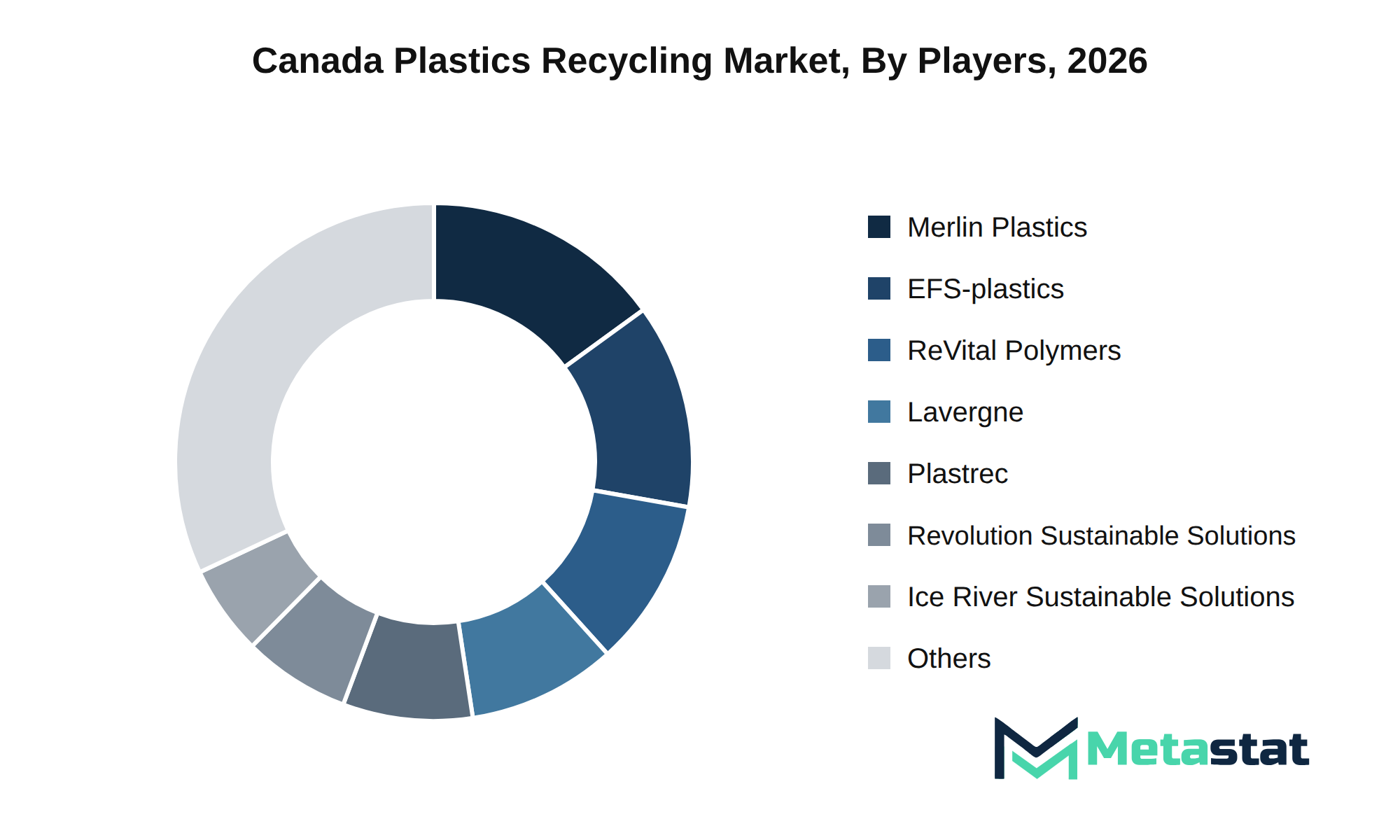
The Canada Plastics Recycling market features a dynamic competitive environment characterized by established players and emerging companies focusing on innovation and sustainability. Key participants including Merlin Plastics, ReVital Polymers Inc, and Loop Industries, Inc engage in strategic consolidation to enhance market positioning and expand operational capacity.
Companies in the market pursue strategic alliances and joint ventures to leverage resources and reduce operational costs. Partnerships among firms including Revolution Sustainable Solutions, LLC and Ecofib provide access to proprietary technologies and innovative recycling methods.
Product differentiation remains a significant focus, with players investing in research and development pipelines to develop advanced recycling technologies. Firms like GreenMantra Technologies Ltd and Pyrowave Inc are recognized for proprietary processes that enhance material recovery rates and product quality.
The competitive outlook in the Canada Plastics Recycling market reflects ongoing trends in value chain integration and supply chain dominance. Established companies have developed strong brand equity and customer retention strategies, creating challenges for new entrants seeking to gain a foothold in the market. New entrants face considerable obstacles due to the established presence of these companies.
Future growth vectors include expanding recycling capacity and enhancing processing efficiencies through technological advancements. The market's evolution will likely depend on successfully addressing barriers to entry while creating a collaborative ecosystem that supports innovation and sustainable practices.
Market size is forecast to rise from USD 5,442.6 million in 2025 to over USD 12,101.4 million by 2033. The base case for the Canada Plastics Recycling market indicates steady growth at a 10.5% CAGR, driven by increasing regulatory pressures and heightened awareness around sustainability. Key factors contributing to this growth include advancements in recycling technologies, evolving consumer preferences toward eco-friendly products, and the maturation of core industries reliant on recycled plastics.
The bull case anticipates accelerated growth stemming from substantial investments in next-generation technologies and infrastructure enhancements, leading to improved recycling efficiency and capacity. In contrast, the bear case presents challenges stemming from economic downturns, potential supply chain disruptions, and fluctuating demand in downstream sectors, which hinder growth momentum.
Overall, the Canada Plastics Recycling market reflects a complex set of macroeconomic factors and structural shifts, necessitating strategic capital allocation and compliance with evolving regulatory frameworks. Identifying emerging white-space opportunities and unmet enterprise needs will serve because critical drivers for future growth, ensuring the market adapts to changing consumption patterns and enhances its competitive positioning.
The report strategically identifies and profiles the key market players and analyses their core competencies in each sub-segment of the Plastics Recycling market.
Report Attributes | Details |
Study Period | 2021-2033 |
Base Year | 2025 |
Estimated Year | 2026 |
Forecast Period | 2026-2033 |
Historical Period | 2021-2025 |
Growth Rate | CAGR 10.5% from 2026 to 2033 |
Revenue Unit | USD million |
Segmentation | By Resin Type, Recycling Technology, Source, End-Use Industry, and Region |
Find answers to common questions about this report
The Plastics Recycling market size in Canada was valued at USD 5,442.6 million in 2025.
The Plastics Recycling market is projected to grow at a CAGR of 10.5% during the forecast period from 2026 to 2033.
The leading segment in the Canada Plastics Recycling market is Polyethylene Terephthalate (PET), with a projected value of USD 3,811.9 million by 2033. This segment surpasses others based on its significant market share and growth potential.
Key drivers for the Canada Plastics Recycling market include the increasing emphasis on sustainability initiatives and heightened consumer awareness regarding environmental sustainability. These factors drive companies to adopt advanced recycling technologies and enhance their product lines to meet the growing demand for eco-friendly alternatives, thereby supporting market growth.
Significant challenges restraining the Canada Plastics Recycling market growth include stringent regulatory compliance requirements, high capital investment needs for advanced recycling technologies, and inflationary pressures impacting operational costs. These factors create barriers for smaller players, leading to market fragmentation and hindering overall recycling rate improvements. Supply chain disruptions further complicate the landscape, affecting growth prospects.
Increasing consumer awareness regarding environmental sustainability drives product adoption in the Canada Plastics Recycling market. Consumers prefer recycled products, prompting manufacturers to invest in sustainable practices and recycling technologies. This shift enhances customer loyalty and supports financial performance, reinforcing the competitive position of businesses that prioritize sustainability.
The Plastics Recycling market is estimated to reach a valuation of USD 12,101.4 million by 2033.
Key players in the Canada Plastics Recycling Market include Merlin Plastics, EFS-plastics Inc, ReVital Polymers Inc, Lavergne, Inc, Plastrec Inc, and Loop Industries, Inc.
The Canada Plastics Recycling market is projected to grow at a compound annual growth rate (CAGR) of 10.5% from 2026 to 2033.
The Dissolution & Purification Recycling segment is expected to grow at a CAGR of 16.4%, indicating significant advancements in this recycling technology.
The analysts below cover Chemicals and Materials research at Metastat Insights.
LEAD ANALYST
Utkarsh Khirodkar is a Lead Market Research Analyst at MetaStat Insight, specializing in market intelligence, technology sector assessments, and competitive strategy.

INDUSTRY CONSULTANT - CHEMICALS & ADVANCED MATERIALS
Chemicals and Materials · Machinery & Equipment · Packaging
Amit Gadhekar Consultant for Chemicals and Materials at MetaStat Insight, directing sector-specific intelligence, research, and strategic consulting across global chemical and processing markets.
Evaluating sensor fusion reliability across harsh operating environments can be tricky without field-validated data. The study on agricultural autonomous guidance systems clearly separated stereo vision setups from automotive-grade solid-state LiDAR. We appreciated the regional infrastructure analysis, specifically around RTK network density across North America and South America. During our follow-up consultation, the MetaStat Insight team walked through tier-two perception software partnerships, giving our engineering leads a practical basis for vendor shortlisting.
Analyzing the transition from natural gas to green hydrogen in iron ore reduction requires realistic infrastructure timelines. Meta stat insight supplied a detailed regional assessment of DRI plant conversion costs and scrap metal availability in North America and Western Europe. Their report carefully examined pellet quality specs and electrical grid access constraints without making oversimplified market assumptions. The research material served as a practical reference during internal technology roadmap discussions.
Integrating zero-trust access controls across legacy electronic health record systems involves complex compliance overhead. Team produced an analysis that clearly separated identity governance and administration tools from privileged access management platforms. Their evaluation of HIPAA and GDPR compliance features across cloud native solutions gave our architecture group clear baseline criteria. The custom data request regarding biometric authentication adoption in hospital networks was returned promptly with clear documentation.
Explore related market intelligence reports worth reading alongside this one.