
LEAD ANALYST
Utkarsh Khirodkar is a Lead Market Research Analyst at MetaStat Insight, specializing in market intelligence, technology sector assessments, and competitive strategy.

Europe Residential and Light Commercial Split Air Conditioning Systems Market Size, Share, By Configuration (Mono-Split Systems and Multi-Split Systems), By Indoor Unit Type (Wall-Mounted Units, Ceiling Cassette Units, Concealed Ducted Units, Floor-Standing / Console Units, Ceiling-Suspended / Floor-Ceiling Units), By End Use (Residential, Offices, Retail Stores, Hospitality & Foodservice, Small Healthcare Facilities & Clinics, Education & Small Institutional Buildings), By Region (Turkey, Spain, Italy, France, Germany, United Kingdom & Ireland, Benelux, Nordic Countries, Rest of Europe), Industry Analysis, Growth, Trends, and Forecast, 2026-2033
Report ID
MSI-4957
Published
August, 2026
Pages
305 Pages
Format
Historical
Base year
Forecast
Forecast period
Report Details
Choose Your License
Europe Residential and Light Commercial Split Air Conditioning Systems Market
The Europe Residential and Light Commercial Split Air Conditioning Systems market was valued at USD 4,008 million in 2025 and is projected to reach USD 5,361.7 million by 2033, growing at a CAGR of 3.7% over the forecast period.
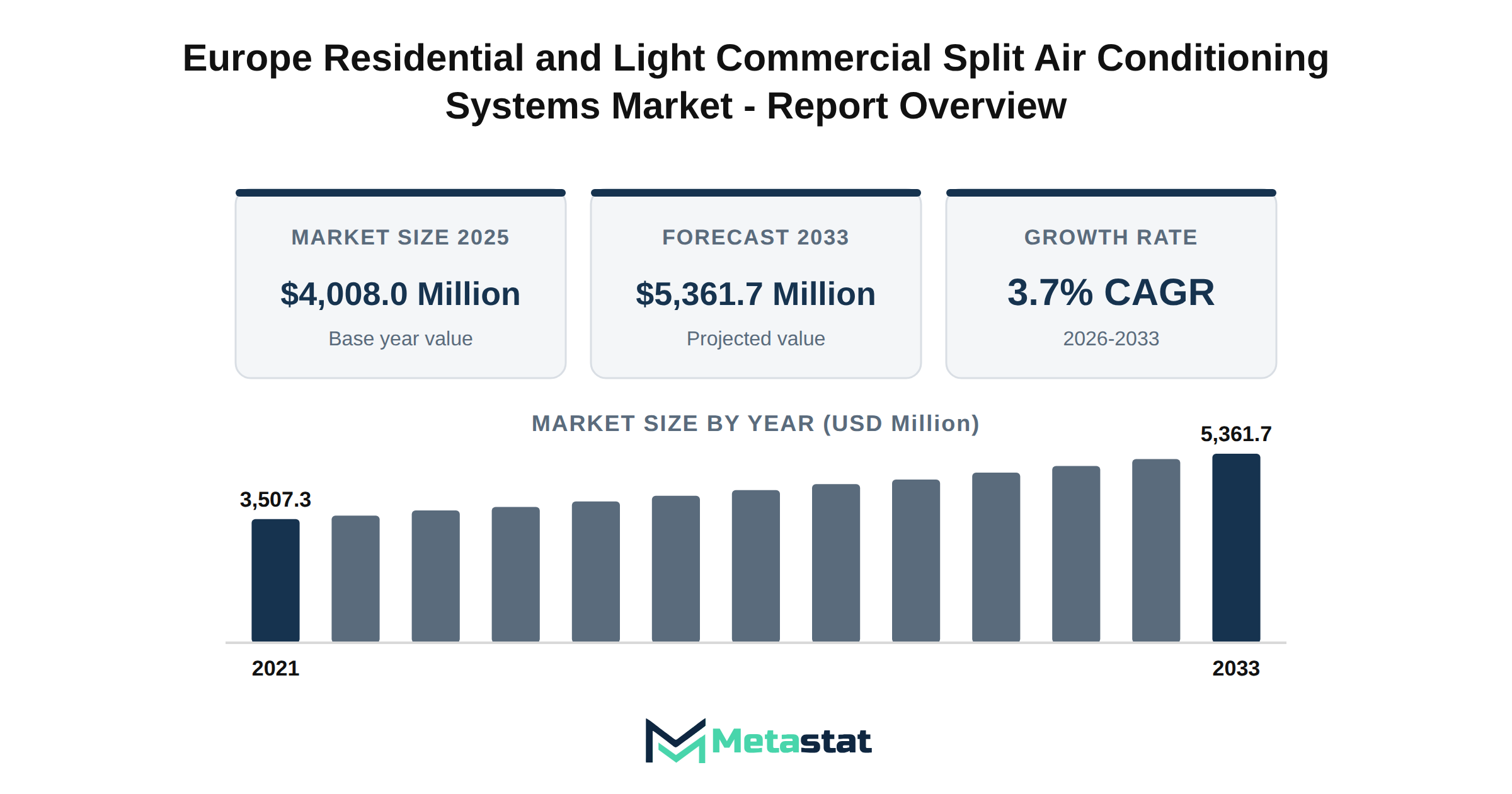
The Europe Residential and Light Commercial Split Air Conditioning Systems market reached a value of USD 4,008 million in 2025 and is projected to grow to USD 5,361.7 million by 2033, reflecting a compound annual growth rate (CAGR) of 3.7%. This market growth aligns with rising demand driven by increasing temperatures and heat-wave occurrences, prompting consumers and businesses to invest in cooling solutions.
Building insulation and retrofit demand contribute significantly to the market's expansion. While energy efficiency becomes a priority, improved insulation supports the effectiveness of split air conditioning systems, enhancing overall operational performance. This trend impacts various sectors, including residential, hospitality, and small healthcare facilities, where efficient cooling solutions are essential.
Price benchmarking within the entry-to-mid price band indicates competitive positioning among major players. The market comprises diverse configurations, including mono-split and multi-split systems, each appealing to distinct consumer preferences and budget ranges. The mono-split systems segment holds a substantial market share, while multi-split systems are gaining traction due to their flexibility and efficiency.
Heating-mode and cold-climate performance characteristics of these systems influence purchasing decisions, especially in regions experiencing fluctuating temperatures. Northern European markets prioritize energy-efficient solutions, leading to increased adoption of advanced technologies that support both heating and cooling functionalities.
Environmental considerations drive the transition to low-global warming potential (GWP) refrigerants and adherence to F-gas regulations. While regulatory compliance becomes imperative, manufacturers invest in research and development to innovate sustainable products that align with decarbonization efforts. This shift towards eco-friendly solutions enhances the market's appeal among environmentally conscious consumers and businesses.
Heat-wave-driven cooling demand significantly influences the Europe Residential and Light Commercial Split Air Conditioning Systems market. Increased temperatures during summer months prompt higher consumption of air conditioning units, particularly in regions experiencing extreme weather conditions. The need for efficient cooling solutions in residential and light commercial sectors drives growth, owing to consumers prioritizing comfort and energy efficiency.
Building insulation and retrofit demand effects play a crucial role in shaping market dynamics. Enhanced insulation standards and retrofitting existing buildings contribute to improved energy efficiency. This trend drives the demand for air conditioning systems that integrate seamlessly with modern energy-efficient building designs, supporting sustainable practices across the industry.
Entry-to-mid price-band benchmarking shows varying consumer preferences across different regions. Consumers in Northern European countries gravitate towards high-quality products with advanced features, while Southern European regions display a tendency towards cost-effective solutions. This pricing strategy affects market positioning and influences competition among key players.
Heating-mode and cold-climate performance remain critical for the market, particularly in regions where winter temperatures drop significantly. Products that deliver efficient heating and cooling capabilities attract attention from consumers in these markets. Manufacturers focusing on dual-function models benefit from expanding their customer base during both summer and winter seasons.
Northern European market entry prioritization highlights the importance of adapting products to meet local demands. Companies aiming to penetrate this market invest in R&D and innovation to develop solutions tailored to specific climatic conditions and consumer preferences. This strategic focus enhances market competitiveness and creates growth opportunities.
Low-GWP refrigerant and F-Gas transition compliance signify an essential aspect of regulatory frameworks influencing the market. Stricter regulations regarding greenhouse gas emissions drive manufacturers to adopt environmentally friendly refrigerants. Compliance with these standards shapes product development and aligns with growing consumer awareness of sustainability.
Disruption arising from geopolitical risk frameworks impacts the supply chain landscape within the Europe Residential and Light Commercial Split Air Conditioning Systems market. Companies navigate challenges related to sourcing materials and logistics architecture, influencing operational costs and delivery timelines. Strategic partnerships and diversified supply chains enhance resilience against global disruptions.
Market fragmentation characterizes the Europe Residential and Light Commercial Split Air Conditioning Systems market, with numerous players competing for market share. M&A dynamics among established and emerging companies reshape the competitive landscape, reflecting firms seeking to expand their product offerings and geographic reach. This consolidation trend stimulates innovation and enhances the value chain.
Capital allocation towards infrastructure investments reflects the industry's commitment to sustainable transformation. Companies prioritize investments in advanced manufacturing technologies and energy-efficient solutions, driving decarbonization efforts. These initiatives align with consumer expectations for sustainable products and contribute to the circular economy dynamics within the market.
Macroeconomic headwinds pose challenges, including inflationary pressures and currency volatility, affecting operational strategies for market players. These factors influence pricing decisions and impact consumer purchasing power. Companies that successfully manage these challenges position themselves favorably in an increasingly competitive environment.
Future strategic outlook for the Europe Residential and Light Commercial Split Air Conditioning Systems market emphasizes innovation and adaptation. Corporate imperatives involve embracing new technologies and expanding product portfolios to meet evolving consumer needs. High-value recommendations include investing in R&D and enhancing customer engagement to drive long-term growth.
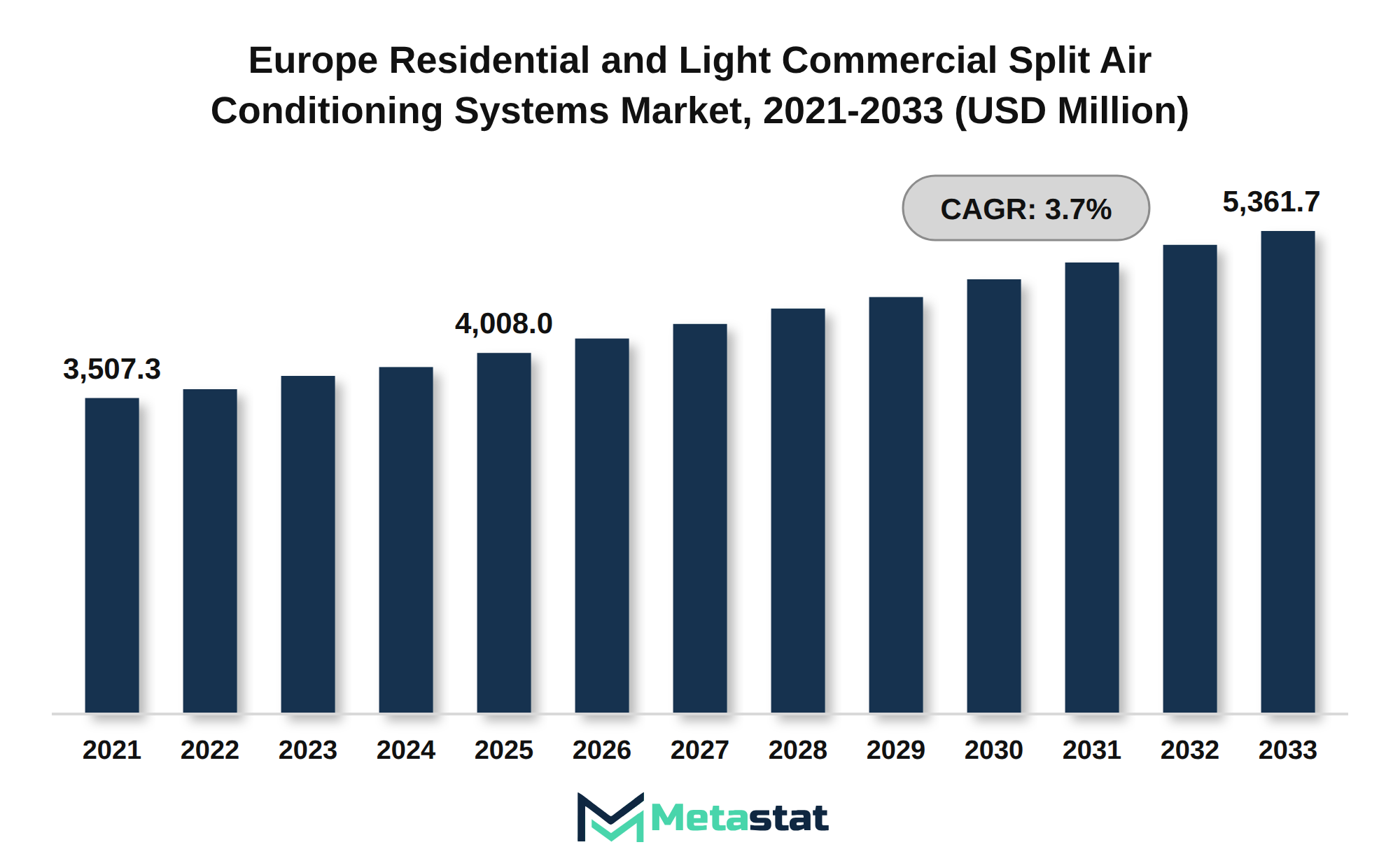
Fluctuations in the capital investment environment significantly impact the Europe Residential and Light Commercial Split Air Conditioning Systems market. Higher GDP growth rates contribute to increased spending by consumers and businesses, leading to heightened demand for air conditioning systems. Favorable interest rates encourage investments in both residential and commercial sectors, enabling stakeholders to allocate resources towards upgrading existing systems or acquiring new installations.
The trend of rising venture funding, particularly in technology-driven solutions, enhances the market landscape through innovative product offerings. Companies focus on digital transformation and technological integration to meet evolving consumer expectations. While firms adopt automation and AI technologies, operational efficiencies increase, driving profitability. This trend supports the expansion of the market, driven by stakeholders investing in modernizing their air conditioning solutions to align with these advancements.
Public-private spending power influences infrastructure development, enabling enhanced capacity for residential and light commercial sectors. Investment in asset modernization supports energy-efficient systems, aligning with sustainability goals and regulatory compliance. The overall capital investment environment thus creates a conducive atmosphere for growth within the Europe Residential and Light Commercial Split Air Conditioning Systems market.
Rapid technological integration significantly influences the Europe Residential and Light Commercial Split Air Conditioning Systems market. Advances in automation and artificial intelligence enhance system efficiency and performance, creating substantial value for manufacturers and end-users. Adoption of software solutions for monitoring and controlling air conditioning systems improves operational precision, resulting in reduced energy consumption and lower operating costs.
The market benefits from digital transformation initiatives that streamline processes and optimize resource management. Growing emphasis on digitizing legacy systems enables companies to leverage data analytics and IoT technologies, facilitating predictive maintenance and proactive decision-making. This shift enhances customer satisfaction and builds loyalty among consumers who prioritize energy-efficient and user-friendly solutions.
Increased focus on operational productivity drives manufacturers to invest in innovative technologies, enabling the development of advanced systems that meet evolving consumer demands. Integration of smart technologies and user-friendly interfaces promotes greater user engagement, providing a competitive edge within the market.
Investment in research and development to create next-generation products enhances market offerings. This commitment to innovation aligns with shifting demographic patterns and changing consumer behaviors prioritizing sustainability and energy efficiency. While the market continues to evolve, technological integration represents a critical mechanism for achieving long-term growth and sustaining competitive advantage.
Regulatory constraints pose significant challenges for the Europe Residential and Light Commercial Split Air Conditioning Systems market. Compliance with stringent environmental standards requires manufacturers to invest in advanced technologies and processes, which raises production costs. These costs often result in higher prices for consumers, potentially reducing demand. Legal mandates surrounding energy efficiency and emissions inhibit entry for smaller players, leading to market consolidation and reduced competition.
Macroeconomic headwinds, including inflationary pressures, impact consumer purchasing power, further complicating market dynamics. Rising costs of raw materials and components contribute to ongoing price increases, negatively affecting sales growth. Supply chain disruptions, intensified by geopolitical instability, complicate logistics and delivery timelines, causing further inefficiencies in the market. These factors hinder the ability of manufacturers to meet customer expectations efficiently.
Infrastructure gaps in certain regions create additional barriers to market penetration, particularly in countries with insufficient support for modern HVAC systems. The presence of skilled labor deficiencies exacerbates these challenges, because businesses struggle to find qualified technicians for installation and maintenance. These workforce issues delay project timelines, limiting overall market growth.
In addition to these constraints, market fragmentation hinders the establishment of coherent standards and practices across different regions. This fragmentation leads to varying levels of acceptance for new technologies and systems, complicating the overall market. Overall, these regulatory constraints and operational challenges significantly limit the growth potential of the Europe Residential and Light Commercial Split Air Conditioning Systems market.
Geopolitical fragmentation introduces significant challenges within the Europe Residential and Light Commercial Split Air Conditioning Systems market. This fragmentation leads to increased trade deficits and tariff friction, creating barriers for manufacturers operating across borders. Disruptions arising from geopolitical tensions result in unpredictable costs for essential components and feedstock, which directly impacts pricing and margin structures.
Technological disruptions further complicate the landscape, requiring firms to invest in complex research and development integrations. These integrations face interoperability friction, hindering efficiency and increasing time to market. Rising input costs increase pressure on profit margins, compelling companies to reassess pricing strategies in response to tighter financial conditions.
Logistics disruptions and supply chain instability add another layer of complexity, making it difficult for stakeholders to secure critical components. Compliance overhead associated with evolving regulatory standards places additional burdens on firms, necessitating investments in systems and processes to meet these requirements. The resulting implications for the market manifest through heightened operational costs and pressures on profitability.
Workforce skill gaps present a challenge in adapting to new technologies and processes, particularly in a landscape that increasingly demands automation. Talent retention pressures exacerbate this issue, leading to potential shortages of skilled labor necessary for innovation and operational excellence. These factors collectively hinder the ability to respond to changing downstream demands and market saturation, creating further obstacles for the Europe Residential and Light Commercial Split Air Conditioning Systems market.
Emerging regional demands create a vital opportunity within the Europe Residential and Light Commercial Split Air Conditioning Systems market. Infrastructure modernization initiatives create a favorable environment for the adoption of advanced air conditioning solutions, particularly in urban settings where energy efficiency is essential. Geographical expansion into underserved regions enhances market access, complemented by technological disruptions that introduce innovative products and systems.
Digital transformation reshapes purchasing behaviors, driving the adoption of digital procurement processes. This shift allows consumers to access product information and pricing more efficiently, optimizing purchasing decisions. Sustainability imperatives have gained momentum, with businesses increasingly aligning with environmental, social, and governance (ESG) standards. This alignment enhances product offerings with eco-friendly compliance expectations, reinforcing market growth potential.
Next-generation innovations in air conditioning systems address evolving consumer needs for efficient and sustainable solutions. The push for green transformations highlights the importance of energy-efficient units that lower operating costs while reducing carbon footprints. Strategic consolidation through mergers and acquisitions positions manufacturers to enhance product portfolios and market reach, providing avenues for competitive advantage.
Market diversification into niche applications, including small healthcare facilities and educational institutions, offers additional growth avenues. Asset life-cycle extensions through maintenance upgrades and retrofitting initiatives present opportunities to enhance system longevity in existing installations. This approach maximizes operational yield and supports the market's overall sustainability agenda.
The Europe Residential and Light Commercial Split Air Conditioning Systems market benefits significantly from value-chain optimization and process automation. These strategies streamline operations, reduce costs, and improve overall efficiency for manufacturers and service providers. The combination of these dynamics creates a robust environment for continued investment and growth in the air conditioning sector.
The Europe Residential and Light Commercial Split Air Conditioning Systems market is segmented based on Configuration, Indoor Unit Type, End Use, and Region.
Valued at USD 2,957.7 million in 2026, the Mono-Split Systems segment is projected to reach USD 3,592.3 million by 2033, at a CAGR of 2.8% during the forecast period. This steady growth results from heightened consumer preference for energy-efficient air conditioning solutions, driven by increasing awareness regarding sustainability and operational cost savings. Technological advancements in inverter technology and smart home integrations enhance product appeal, supporting adoption across various end-use sectors including residential units and small commercial spaces.
Significant expansion in the market occurs due to rising temperatures and changing climate patterns, which increase demand for cooling solutions. In particular, the surge in urbanization increases the need for effective air conditioning systems in densely populated areas. End-use dynamics reflect a shift towards modern, compact units that offer both functionality and aesthetic appeal, aligning with contemporary architectural designs.
Compliance with regulatory standards for energy efficiency and environmental impact enhances the competitive landscape for suppliers in the Europe Residential and Light Commercial Split Air Conditioning Systems market. With tightening regulations, manufacturers focus on developing products that meet and exceed required standards, creating a robust market environment. This focus on compliance creates opportunities for product evolution and next-gen upgrades, allowing companies to differentiate their offerings.
Cost structures remain a critical factor impacting pricing strategies within the Mono-Split Systems segment. Fluctuations in raw material costs and supply chain vulnerabilities affect overall profitability. Strategic investments in supply chain resilience and alternative sourcing options mitigate potential disruptions while addressing rising material costs. This proactive approach positions companies favorably to capitalize on emerging opportunities in the expanding market.
Growing interest in energy-efficient systems drives demand for Multi-Split Systems within the Europe Residential and Light Commercial Split Air Conditioning Systems market. The segment is estimated to reach USD 1,769.4 million by 2033, at a CAGR of 5.6% during the forecast period. Increasing emphasis on reducing energy consumption, combined with advancements in technology, enhances the appeal of these systems among consumers and commercial entities.
Technological maturation facilitates the introduction of next-generation upgrades, improving system reliability and performance. The need for enhanced indoor air quality in residential and commercial spaces fuels adoption among various end-users, including offices and retail establishments. Regulatory compliance standards focusing on energy efficiency stimulate market growth, compelling manufacturers to innovate and meet evolving consumer preferences.
Cost structures influence pricing volatility, impacting profit margins for suppliers. Competitive dynamics among key players, including Daikin Industries, Ltd., Mitsubishi Electric Corporation, and Panasonic Corporation, intensify efforts to offer value-driven solutions. Strategic opportunity windows exist for new entrants and established firms to expand their product portfolios, capitalizing on the shift towards Multi-Split Systems in the Europe Residential and Light Commercial Split Air Conditioning Systems market.
Wall-mounted units represent a significant component within the Europe Residential and Light Commercial Split Air Conditioning Systems market, driven by increasing demand for space-efficient cooling solutions in residential and light commercial applications. The preference for these units stems from their ability to blend seamlessly into various indoor environments, providing both aesthetic appeal and functionality. Growth in urbanization and smaller living spaces prompts a shift toward compact air conditioning solutions, fueling the adoption of wall-mounted units because a primary choice for consumers seeking effective climate control.
Technological advancements, including enhanced energy efficiency and smart features, support market expansion. Consumers express heightened interest in energy-efficient models, which align with broader sustainability goals and regulatory compliance standards. The push for lower energy consumption aligns with global initiatives aimed at reducing carbon footprints, encouraging manufacturers to innovate and upgrade product offerings.
Increased focus on indoor air quality and the proliferation of smart home technologies contribute to changing end-use dynamics. Wall-mounted units equipped with air purification functions and smart controls align with consumer preferences, enhancing overall comfort and convenience. Market players actively pursue strategic opportunities through product evolution, incorporating features that cater to modern consumer demands.
Cost structures face pressure from fluctuations in raw material prices and supply chain vulnerabilities. Manufacturers navigate these challenges by optimizing their sourcing strategies and exploring alternative materials. This adaptability ensures sustainable margins while maintaining competitive pricing. While consumer preferences shift towards integrated and technologically advanced solutions, players in the market position themselves strategically to capture emerging opportunities in the wall-mounted units segment.
Ceiling Cassette Units significantly influence the Europe Residential and Light Commercial Split Air Conditioning Systems market, particularly owing to their aesthetic appeal and efficient space-saving design. These units cater to various end-use applications, including retail stores, hospitality sectors, and small healthcare facilities, where maintaining a comfortable indoor climate is essential. The increasing focus on energy efficiency and environmental sustainability drives the demand for these systems, supported by their incorporation of advanced technologies that optimize energy consumption.
Technological advancements drive innovation in Ceiling Cassette Units, allowing for features including smart controls and enhanced filtration systems. These upgrades significantly improve indoor air quality and user experience. Manufacturers recognize the importance of adapting to changing consumer preferences, leading to the development of more versatile and customizable options within this sub-segment.
Regulatory compliance significantly influences market dynamics. Stricter energy efficiency standards and eco-friendly certifications compel manufacturers to innovate continuously. This regulatory environment creates a strategic opportunity for businesses to enhance their product offerings and align with sustainability goals, ensuring competitive positioning within the market.
Cost structures and pricing volatility influence market strategies. Suppliers face pressure to balance competitive pricing with the rising costs of raw materials and logistics. In response, manufacturers explore supply chain resilience strategies, focusing on local sourcing and sustainable practices to mitigate risks associated with fluctuating prices of components essential for Ceiling Cassette Units.
Lastly, the ongoing trend of urbanization and increasing space constraints in urban areas drive demand for compact and efficient air conditioning solutions. The evolving landscape of the Europe Residential and Light Commercial Split Air Conditioning Systems market highlights the importance of Ceiling Cassette Units in meeting modern cooling requirements while addressing consumer preferences for design and functionality.
Increasing preference for concealed ducted units arises from their discreet installation and effective distribution of conditioned air, making them suitable for various environments including residential and commercial spaces. High demand in upscale residential projects drives adoption, with homeowners seeking aesthetics alongside performance. Expanding applications in commercial establishments, including hotels and offices, highlight the growing versatility of these systems, supporting long-term demand in the market.
Technological advancements significantly enhance the performance and efficiency of concealed ducted units. Integration of smart technology facilitates remote control and monitoring, aligning with consumer preferences for convenience. Upgrades to variable refrigerant flow systems improve energy efficiency, appealing to environmentally conscious buyers. Manufacturers focus on evolving product features to meet emerging consumer expectations, reinforcing competitive positioning.
Regulatory compliance and energy efficiency standards shape market dynamics. Increasingly stringent regulations encourage manufacturers to innovate and develop advanced solutions that comply with energy consumption guidelines. This trend aligns with the broader objectives of reducing carbon footprints and enhancing sustainability across various sectors, influencing investment in new technologies.
Supply chain resilience remains vital for the availability and affordability of concealed ducted units. Manufacturers prioritize strategic partnerships with raw material suppliers to mitigate risks linked to sourcing and logistics. A steady supply of components supports consistent production levels and price stability, positively influencing the market outlook and enhancing operational efficiency.
Strategic opportunities arise in regions experiencing significant construction growth, particularly in urban areas where space constraints favor the adoption of concealed ducted units. Market players focusing on product diversification and enhanced customer engagement position themselves favorably within the competitive environment of the Europe Residential and Light Commercial Split Air Conditioning Systems market, expanding the addressable base.
Consumer preference for Floor-Standing / Console Units in the Europe Residential and Light Commercial Split Air Conditioning Systems market reflects a growing trend towards versatility and ease of installation. These units cater to various end-user environments, including residential spaces, offices, and retail establishments, significantly influencing their adoption rate. The ability to position these units in diverse locations without extensive ductwork appeals to users with space constraints, driving demand.
Technological advancements enhance the functionality of Floor-Standing / Console Units. Integration of smart technology allows users to control their systems remotely, improving energy efficiency and comfort. This technological maturation supports the market's overall growth by aligning with increasing consumer expectations for convenience and efficiency in air conditioning solutions.
Market dynamics include evolving regulatory compliance standards focusing on energy efficiency and environmental impact. Manufacturers adapting to these standards benefit from improved market positioning, ensuring products meet the latest certification requirements. This proactive approach addresses regulatory pressures and aligns with consumer preferences for sustainable options.
Pricing volatility influences the purchasing decisions of end users. Manufacturers managing their cost structures while maintaining competitive pricing possess a strategic advantage in capturing market share. The ongoing need for cost-effective solutions amid fluctuating raw material prices reinforces the importance of efficiency in production processes.
Shifts in consumption patterns highlight a growing preference for energy-efficient and environmentally friendly options. Consumers increasingly prioritize products that offer long-term cost savings through reduced energy consumption. This shift towards sustainable choices reshapes the competitive landscape, compelling manufacturers to innovate continually within the market.
Strategic opportunity windows emerge for stakeholders investing in next-generation upgrades and product evolution. By focusing on advanced technologies and enhanced features, companies differentiate themselves in the increasingly competitive market. The commitment to continuous improvement aligns with consumer expectations, supporting sustained growth in the Europe Residential and Light Commercial Split Air Conditioning Systems market.
Increasing application of Ceiling-Suspended / Floor-Ceiling Units in various end-use sectors, including hospitality and retail, highlights a growing trend within the Europe Residential and Light Commercial Split Air Conditioning Systems market. Demand for these units arises from efficient cooling capabilities and adaptability to diverse architectural designs, allowing for optimal space utilization. Technological advancements contribute to improved energy efficiency and enhanced user comfort, aligning with evolving consumer preferences for sustainable solutions.
Market expansion reflects significant shifts in consumer behaviors, with a rising focus on sustainability and energy efficiency. The transition towards regulatory compliance standards creates a landscape where these units gain traction, benefiting from increased consumer awareness regarding energy consumption and environmental impact. Integration of smart technologies enhances these units' operational efficiency, catering to the modern consumer's demand for convenience and control.
End-use dynamics play a crucial role in shaping market preferences, with businesses seeking reliable and aesthetically pleasing cooling solutions. The adaptability of Ceiling-Suspended / Floor-Ceiling Units in various applications positions them favorably against traditional systems. While the Europe Residential and Light Commercial Split Air Conditioning Systems market evolves, opportunities for strategic investment in innovative technologies and design enhancements emerge, further driving segment growth.
Compact Low-Wall and Specialty Indoor Units serve diverse applications within the Europe Residential and Light Commercial Split Air Conditioning Systems market. The demand for this sub-segment is driven by the need for space-saving solutions in various environments, particularly in urban settings where installation space is limited. Increased consumer awareness regarding energy efficiency influences the adoption of these units, supported by their typically improved performance and lower operating costs compared to traditional systems.
The evolution of technology enhances the capabilities of Compact Low-Wall and Specialty Indoor Units, allowing for next-generation features including smart controls and improved airflow management. Such advancements appeal to both residential users and small commercial establishments, driving segment expansion. Regulatory compliance with energy efficiency standards and certifications supports market growth, resulting from manufacturers innovating to meet evolving consumer expectations and legal requirements.
Shifts in consumption patterns, particularly towards more compact and efficient solutions, affirm the relevance of this sub-segment. Stakeholders within the market recognize strategic opportunity windows to develop and introduce new products tailored to specific customer needs. The resilience of the supply chain fortifies the availability of raw materials, ensuring consistent production and distribution while mitigating risks associated with logistics vulnerabilities. The evolving nature of consumer preferences, coupled with the push for sustainable solutions, underpins the ongoing significance of Compact Low-Wall and Specialty Indoor Units within the overall market.
Consumer focus on energy efficiency significantly impacts the demand for residential air conditioning systems within the Europe Residential and Light Commercial Split Air Conditioning Systems market. Increased awareness of environmental sustainability drives homeowners to invest in systems that lower energy consumption while providing effective cooling solutions. This shift reflects broader societal trends emphasizing energy conservation and reduced carbon footprints, strengthening long-term demand for energy-efficient systems.
Technological advancements play a significant role in enhancing product offerings for residential applications. Innovations in inverter technology and smart home integrations improve user experience through automation and energy management. These upgrades contribute to a growing preference for modern systems that offer higher efficiency and convenience, expanding the addressable base for manufacturers.
Changes in consumer behavior, influenced by climate patterns, lead to increased demand for effective cooling solutions in residential settings. Homeowners prioritize comfort and indoor air quality, prompting investments in sophisticated air conditioning systems. This trend highlights the importance of reliable performance and functionality in meeting evolving consumer expectations, reinforcing the segment's position in the market.
Regulatory compliance regarding energy efficiency standards encourages manufacturers to innovate and improve product designs. Adherence to certifications impacts system attractiveness to environmentally conscious buyers. Compliance with these regulations not only supports market growth but enhances the reputation of manufacturers who demonstrate commitment to sustainability, influencing investment decisions across the value chain.
Cost structures and pricing volatility remain significant factors influencing purchasing decisions in the residential segment. Fluctuations in raw material prices create margin pressures for manufacturers and impact the affordability of products for consumers. Strategic management of costs and pricing strategies proves essential in maintaining competitiveness within the market, limiting adoption among price-sensitive buyers.
The Europe Residential and Light Commercial Split Air Conditioning Systems market experiences strategic opportunity windows driven by shifts in consumer preferences and technological advancements. Manufacturers focusing on innovative, energy-efficient solutions position themselves favorably in an increasingly competitive environment, enhancing their market presence.
Demand for air conditioning systems in offices continues to rise, driven by the increasing emphasis on employee comfort and productivity. Businesses seek to create optimal working environments, leading to greater adoption of advanced air conditioning solutions. The ongoing trend toward flexible office spaces further supports the expansion of the Europe Residential and Light Commercial Split Air Conditioning Systems market. Such configurations often require efficient climate control systems, enhancing the appeal of multi-split and mono-split systems.
Technological advancements enhance product offerings, with energy-efficient models gaining traction in office settings. These innovations align with corporate sustainability goals, promoting greener operations. Regulatory compliance standards enforce stricter energy efficiency requirements, influencing purchasing decisions across the segment. Offices increasingly prioritize systems that not only provide comfort but align with broader environmental objectives.
Investment in next-generation upgrades fuels segment growth, driven by companies replacing outdated systems with more efficient alternatives. This trend reflects a commitment to long-term operational savings and environmental stewardship. Supply chain resilience remains critical, particularly concerning raw material sourcing and component availability, impacting overall market dynamics.
The Europe Residential and Light Commercial Split Air Conditioning Systems market benefits from shifts in consumption patterns, with businesses adapting to changing workforce needs and preferences. Strategic opportunity windows arise for suppliers who offer tailored solutions that meet the specific demands of office environments. Overall, the segment demonstrates strong potential for continued growth amid evolving market conditions.
Increasing demand for climate control solutions in retail stores highlights a growing segment within the Europe Residential and Light Commercial Split Air Conditioning Systems market. Retail environments require precise temperature regulation to enhance customer comfort and protect merchandise. Shifts in consumer behavior towards personalized shopping experiences drive retailers to invest in efficient air conditioning systems, resulting in strengthened long-term demand.
Technological advancements play a significant role in expanding this segment. Next-gen upgrades, including smart thermostats and IoT-enabled systems, contribute to energy savings and operational efficiency. Retailers benefit from these innovations through reduced energy costs and improved customer satisfaction, which enhances their competitive position in the market.
Regulatory compliance standards and certifications encourage the adoption of environmentally friendly systems, impacting cost structures and pricing strategies. Retailers adapting to these regulations enhance their brand image and meet consumer preferences for sustainability. These developments create strategic opportunity windows for manufacturers in the Europe Residential and Light Commercial Split Air Conditioning Systems market.
Demand for air conditioning in the hospitality and foodservice sector experiences significant growth, driven by an increasing focus on customer comfort and satisfaction. Establishments prioritize efficient cooling solutions to ensure a pleasant environment, particularly during peak seasons. The adoption of advanced technologies in air conditioning systems allows for enhanced energy efficiency, addressing rising operational costs and environmental concerns.
Segment expansion is driven by the growing trend of sustainable practices within the hospitality industry. Hotels and restaurants increasingly seek systems that meet energy efficiency standards while providing reliable climate control. This shift toward eco-friendly solutions aligns with broader regulatory compliance standards aimed at reducing carbon footprints, influencing investment decisions across the Europe Residential and Light Commercial Split Air Conditioning Systems market.
Product evolution plays a critical role in supporting the needs of the hospitality and foodservice segment. Manufacturers are innovating with next-generation air conditioning systems that integrate smart controls and IoT capabilities, facilitating real-time monitoring and management of energy consumption. Such advancements enhance operational efficiency and augment the overall guest experience.
Consumption shifts in the hospitality industry reflect a heightened awareness of energy costs and sustainability. Many establishments transition toward energy-efficient systems that reduce operational expenses while complying with stringent regulations. This trend reinforces the importance of selecting the right air conditioning solutions, further propelling growth within the segment.
Strategic opportunity windows emerge because businesses assess their cooling needs in light of evolving customer expectations and regulatory mandates. By investing in high-efficiency systems, operators in the hospitality and foodservice sector maintain a competitive edge while contributing to environmental sustainability goals within the Europe Residential and Light Commercial Split Air Conditioning Systems market.
Increasing focus on maintaining optimal conditions within healthcare settings drives demand for air conditioning systems in small healthcare facilities and clinics. These environments require precise temperature and humidity control to ensure patient comfort and safety. Regulatory compliance regarding air quality and temperature control enhances the urgency for efficient climate solutions, influencing operational costs and patient outcomes.
Technological advancements in air conditioning systems, including smart controls and energy-efficient models, facilitate adoption within this sub-segment. Healthcare facilities recognize the value of reducing operational costs through energy-efficient technologies, aligning with broader sustainability goals. This recognition supports growth in the Europe Residential and Light Commercial Split Air Conditioning Systems market by enhancing the appeal of these systems to facility managers.
Investment in next-generation upgrades reflects a strategic response to evolving healthcare needs. Facilities increasingly prioritize systems that provide reliable performance while minimizing energy consumption. Such investments contribute to enhanced operational efficiency and compliance with regulatory standards, benefiting patient care and improving overall service quality.
Market participants continuously innovate to meet the specific requirements of small healthcare facilities and clinics. Product evolution focuses on integrating advanced filtration systems and quieter operation, addressing concerns related to air quality and patient comfort. These enhancements align with consumption shifts favoring more sustainable and health-oriented solutions, reinforcing market demand.
Supply chain resilience remains essential for ensuring the timely availability of components necessary for these specialized systems. Manufacturers focus on securing raw material sourcing while addressing logistical vulnerabilities to mitigate disruptions. These strategies reinforce the competitive position of suppliers in the Europe Residential and Light Commercial Split Air Conditioning Systems market, supporting long-term growth.
Educational institutions and small buildings increasingly require efficient climate control solutions to enhance comfort and create conducive learning environments. Awareness of energy efficiency and environmental impact drives adoption of modern air conditioning systems. Educational facilities benefit from systems that provide consistent temperatures while minimizing energy consumption, supporting long-term operational efficiency.
Product evolution in the Europe Residential and Light Commercial Split Air Conditioning Systems market supports the growing preferences of these end users. Advances in technology enable more compact, efficient units with smart features that contribute to effective energy management. Institutions prioritize systems that facilitate flexible usage scenarios, ensuring that occupants experience optimal comfort while managing operational costs.
Regulatory compliance standards increasingly shape purchasing decisions within the education sector. Authorities emphasize energy-efficient products, prompting institutions to select systems that align with sustainability initiatives. Consequently, manufacturers focus on developing solutions that meet these regulatory demands while ensuring performance and reliability, enhancing market competitiveness.
Shifts in consumption patterns illustrate a growing trend toward multi-functional units capable of adapting to varied environments. Educational facilities often require tailored solutions to suit diverse spaces, reinforcing the need for versatile air conditioning systems. Increased capital investment in HVAC upgrades reflects the sector's commitment to improving energy efficiency and occupant comfort, leading to enhanced operational effectiveness.
Market participants recognize strategic opportunities within this segment, driven by the demand for technologically advanced and energy-efficient products. Continuous innovation and competitive pricing strategies enhance market position and stimulate institutional adoption. Focus on sustainable practices and compliance with stringent regulations will further influence the competitive landscape, shaping future market dynamics.
Demand for air conditioning solutions in salons, studios, and small service premises reflects broader trends in consumer preferences for comfortable environments. Increasing awareness of the importance of maintaining optimal indoor climates drives adoption among business owners who seek to enhance customer experience and employee productivity. The market benefits from a growing emphasis on energy efficiency, which aligns with regulatory compliance standards aimed at reducing environmental impact.
Technological advancements contribute significantly to the evolution of products within this sub-segment. Innovations in energy-efficient designs and smart controls enhance the appeal of split air conditioning systems among end-users. Consequently, businesses increasingly view these systems because essential tools for operational efficiency and customer satisfaction. Regulatory frameworks supporting eco-friendly technologies stimulate growth, prompting investment in modern systems.
Shifts in consumption patterns, particularly post-pandemic, influence the demand for air conditioning systems in small service premises. Increased foot traffic in salons and studios necessitates effective climate control solutions to ensure a comfortable atmosphere for patrons. The market exhibits resilience amid economic fluctuations, with strategic investment opportunities arising from evolving consumer demands and preferences.
The Europe Residential and Light Commercial Split Air Conditioning Systems market experiences dynamic changes driven by these factors. Businesses in this sub-segment continuously assess their operational requirements, adapting to technological advancements and market trends to remain competitive. This adaptability highlights the importance of understanding the specific needs of small service premises in shaping the future of air conditioning solutions.
Growing urbanization in Turkey significantly contributes to the demand for residential and light commercial split air conditioning systems. This trend is driven by increasing population density in urban areas, resulting in heightened requirements for efficient cooling solutions in homes and businesses. Climate change intensifies the necessity for effective temperature management, encouraging investments in modern air conditioning technologies.
Technological advancements play an instrumental role in shaping the market. Innovations in energy-efficient systems lead to lower operational costs, appealing to both residential users and commercial establishments aiming for sustainability. The integration of smart technologies enhances user experience, allowing for remote monitoring and control of indoor climates.
Regulatory compliance standards regarding energy efficiency and environmental impact create a competitive environment for manufacturers. Stricter regulations motivate companies to innovate and adapt their products, ensuring they meet consumer expectations and government mandates. This transition supports market growth by aligning product offerings with current and future regulatory frameworks.
End-use dynamics demonstrate varied demand across different sectors. The hospitality sector increasingly seeks reliable cooling solutions to enhance guest experiences, while small healthcare facilities emphasize the need for temperature control to maintain patient comfort. Retail stores benefit from advanced air conditioning systems, which improve customer satisfaction and drive sales.
Consumption shifts towards more eco-friendly options reflect broader trends in consumer behavior, where buyers prioritize sustainability alongside performance. This shift presents strategic opportunities for manufacturers to introduce innovative products that cater to evolving consumer preferences.
Turkey's position within the Europe Residential and Light Commercial Split Air Conditioning Systems market highlights the potential for further growth. Continued investment in infrastructure and technology is anticipated to increase demand, enabling businesses to remain competitive while meeting the needs of a diverse customer base.
Growing urbanization in Spain influences the demand for residential and light commercial split air conditioning systems. Increased population density in urban areas results in heightened demand for efficient climate control solutions, particularly during peak summer months. The focus on energy efficiency aligns well with national sustainability goals, prompting consumers and businesses to adopt more advanced air conditioning technologies. Rising energy costs are driving the transition toward more efficient systems, enhancing operational savings for users.
Technological advancements in split air conditioning systems support the market's growth trajectory. Innovations including smart thermostats and enhanced climate management features cater to consumer preferences for user-friendly and energy-saving products. Increased adoption of digital tools for remote management aligns with contemporary lifestyles, where automation and connectivity receive emphasis. The market for next-gen upgrades continuously evolves, offering users improved functionalities and energy efficiency.
Spain's regulatory landscape increasingly emphasizes energy efficiency and environmental standards, impacting manufacturers and suppliers. Compliance with these regulations necessitates investments in advanced technologies and product development. Companies operating in the market face challenges associated with pricing volatility, which influences profit margins. Strategic investments in R&D remain essential to maintain competitiveness and meet changing consumer expectations.
End-use dynamics reflect a diverse range of applications, with residential, retail, and hospitality sectors driving significant demand for split air conditioning systems. In retail spaces, maintaining customer comfort is crucial for driving foot traffic and sales, leading to increased demand for climate control solutions. In hospitality, providing a pleasant environment enhances guest satisfaction and retention, further propelling the market.
Strategic opportunities abound in the Spain segment of the Europe Residential and Light Commercial Split Air Conditioning Systems market. Continued investment in energy-efficient technologies and innovations positions companies for growth within the evolving market landscape. Companies that effectively navigate regulatory requirements and adapt to shifting consumer preferences strengthen their market position in Spain.
Increasing interest in energy-efficient systems fuels demand for air conditioning solutions in Italy. Rising temperatures, urbanization, and increased disposable incomes contribute to higher adoption rates across various sectors. The residential sector particularly benefits from a shift toward advanced climate control technologies, enhancing comfort and maintaining energy efficiency. In commercial settings, businesses prioritize reliable air conditioning to ensure optimal environments for customers and employees.
Technological maturation of air conditioning systems has led to next-generation upgrades, allowing for improved performance and lower operational costs. Innovations in energy-efficient technologies, including inverter systems and smart controls, play a crucial role in increasing system adoption among consumers. Product evolution within the Europe Residential and Light Commercial Split Air Conditioning Systems market continuously addresses changing consumer preferences for sustainability and cost-effectiveness.
End-use dynamics indicate a growing preference for customized solutions tailored to specific applications including retail, hospitality, and education. Regulatory compliance standards and policies demanding reduced energy consumption drive the expansion of efficient air conditioning systems. Cost structures remain a significant concern, with manufacturers focusing on optimizing pricing strategies to maintain competitiveness while ensuring quality.
Supply chain resilience is essential for mitigating risks associated with raw material sourcing and logistics vulnerabilities. The industry faces substitution risks from alternative cooling solutions, necessitating continual innovation and adaptability. Strategic opportunity windows arise from the increasing demand for sustainable technologies, presenting avenues for investment and growth within the market. Capital investment in research and development is expected to enhance product offerings and strengthen market presence in Italy.
Consumer preferences in France increasingly favor energy-efficient and environmentally friendly air conditioning systems. This trend aligns with heightened awareness of climate change and the need for sustainable solutions. The energy efficiency target set by the European Union encourages manufacturers to innovate and upgrade their systems to meet these standards. Integration of smart technology into air conditioning units supports enhanced control over energy use and operational efficiency, appealing to both residential and light commercial consumers.
The growing trend of urbanization fuels demand for residential and light commercial split air conditioning systems in France. Expanding urban populations increase the need for effective climate management solutions in compact living spaces. Rising temperatures associated with climate change drive businesses and households to invest in advanced cooling technologies. The increasing integration of air conditioning systems into new construction projects and renovations highlights expansion potential within the market.
Regulatory compliance presents both challenges and opportunities for air conditioning manufacturers in France. Adherence to stringent environmental regulations enhances product credibility and aligns with consumer expectations for sustainable practices. However, compliance costs impact pricing structures, pressuring profit margins for suppliers. Strategic alignment with regulations creates competitive advantages in the market, positioning companies favorably against their peers.
Investments in research and development by several players in the Europe Residential and Light Commercial Split Air Conditioning Systems market drive technological maturation. Continuous product evolution leads to the introduction of next-generation air conditioning systems that offer improved performance, lower energy consumption, and enhanced functionality. This ongoing innovation remains crucial for attracting customers and meeting the evolving demands of the French market.
Demand for advanced air conditioning systems in Germany reflects a growing emphasis on energy efficiency and climate control. Increasing adoption of innovative technologies fuels the desire for systems providing optimized performance while minimizing energy consumption. Segment expansion in this region benefits from rising consumer awareness surrounding environmental impacts and utility costs associated with traditional systems, supporting long-term demand.
Downstream applications across residential and light commercial sectors exhibit varying dynamics that contribute to the market's growth. The hospitality and retail industries, alongside healthcare and education, prioritize climate control solutions tailored to their specific needs. Regulatory compliance standards and certifications influence purchasing decisions, driving demand for products that meet or exceed these requirements, reinforcing the segment's position.
Strategic opportunity windows emerge for manufacturers focusing on next-generation upgrades and product evolution. Competitive pressure encourages investment in research and development, promoting innovative solutions that address shifting consumer preferences and compliance challenges. The market landscape continues to evolve, characterized by product diversity and a commitment to sustainability, expanding the addressable base.
Pricing volatility and margin pressures remain significant challenges within the market. Manufacturers face rising costs of raw materials and disruptions in supply chains that impact pricing strategies. Management of these factors becomes essential for maintaining competitiveness and ensuring profitable operations in the growing Europe Residential and Light Commercial Split Air Conditioning Systems market, limiting adoption among price-sensitive buyers.
Consumer preferences in the United Kingdom & Ireland strongly influence the Europe Residential and Light Commercial Split Air Conditioning Systems market. A significant shift towards energy-efficient solutions reflects the rising awareness of environmental sustainability among consumers. Rising consumer awareness drives manufacturers to innovate and enhance product offerings, focusing on improved energy performance and reduced operational costs.
Technological advancements play a crucial role in segment expansion, with next-generation upgrades in control systems and refrigerants enhancing system efficiency. Manufacturers invest in research and development to introduce smart air conditioning solutions, integrating IoT capabilities for better user experience and energy management. Such innovations attract environmentally conscious consumers and align with regulatory compliance standards aimed at reducing carbon footprints.
Rising demand for air conditioning systems in residential applications marks a notable trend in the region. Adaptations to changing climate conditions prompt consumers to seek reliable cooling solutions for their homes. The hospitality and foodservice sectors increasingly require efficient climate control to maintain customer comfort and satisfaction, further driving demand in the market.
Pricing volatility poses challenges within the segment, influenced by fluctuations in raw material costs and supply chain dynamics. Manufacturers strategically manage costs to maintain competitive pricing while ensuring quality. Margin pressures arising from these considerations necessitate a focus on operational efficiency and cost-effective procurement strategies.
Strategic opportunity windows exist for players in the United Kingdom & Ireland, particularly in the integration of sustainable technologies and innovative product designs. Investments in energy-efficient systems create potential for capturing a more prominent market share, appealing to both residential and light commercial customers. Continued emphasis on product evolution and adaptation to end-use dynamics will shape the competitive environment of the market.
Rising temperatures and changing climate patterns create a growing necessity for efficient air conditioning solutions within the Benelux region. This demand aligns with the increasing emphasis on energy efficiency and sustainable practices across residential and light commercial sectors. Consumers prioritize products that offer lower energy consumption and enhanced performance, influencing purchasing decisions in the Europe Residential and Light Commercial Split Air Conditioning Systems market.
Advancements in technology benefit the market, with manufacturers introducing next-generation systems that integrate smart features and improved energy ratings. Such technological maturation supports wider adoption among both residential and commercial users. The evolution of product designs caters to varying consumer preferences, enabling customization for specific end uses, including retail or hospitality.
Regulatory compliance standards in the Benelux region drive manufacturers to innovate and provide eco-friendly solutions that meet stringent environmental requirements. These regulations enhance competitive dynamics, pushing companies to develop systems that align with policy goals while addressing consumer needs for sustainability.
Pricing volatility presents a challenge for industry players, influenced by fluctuations in raw material costs and supply chain pressures. Balancing cost structures while maintaining quality becomes crucial for companies aiming to retain their market positions. Strategic opportunity windows emerge for firms that effectively navigate these challenges, leading to enhanced market share and improved margins.
The market continues to expand. Investment in capital infrastructure and technology is increasingly vital. Companies that focus on resilience in their supply chains and raw material sourcing are likely to capitalize on growth opportunities. The ongoing evolution of the Europe Residential and Light Commercial Split Air Conditioning Systems market signals a promising outlook for stakeholders within this segment.
Demand for split air conditioning systems in the Nordic Countries is driven by a combination of rising temperatures and increasing consumer awareness regarding energy efficiency. The region's focus on sustainability creates a strong preference for environmentally friendly technologies, leading to heightened adoption of advanced air conditioning solutions. This trend aligns with broader regulatory compliance standards aiming to reduce carbon footprints, impacting both residential and commercial sectors.
Technological maturation in air conditioning systems supports the evolution of product offerings, with manufacturers introducing next-generation upgrades that enhance performance and reduce energy consumption. Various end-use applications in the Nordic Countries benefit from improved system efficiencies, catering to diverse needs across residential, retail, and hospitality segments. Shifts in consumption patterns towards more energy-efficient options highlight the importance of innovation in this market.
Regulatory pressure surrounding energy efficiency and environmental standards encourages investments in modern air conditioning technologies. Cost structures associated with energy use present challenges, prompting consumers to seek solutions that offer long-term savings. Pricing volatility in the raw material sector influences market dynamics, necessitating strategic approaches from suppliers and manufacturers within the Europe Residential and Light Commercial Split Air Conditioning Systems market.
Supply chain resilience remains critical amid fluctuating material costs and potential logistical vulnerabilities. The search for reliable sourcing of components continues to shape competitive strategies, driven by companies aiming to mitigate risks related to substitution and technological obsolescence. Strategic opportunity windows emerge for businesses that position themselves well within the evolving market, capitalizing on the demand for innovative and efficient air conditioning systems.
In the Rest of Europe, increasing awareness of energy-efficient air conditioning solutions drives demand for advanced systems. Customers prioritize sustainability and performance, leading to a notable shift towards environmentally friendly products. The ongoing evolution of technology enhances system efficiency, making these air conditioning solutions more attractive. Adoption rates in this region reflect a growing preference for units equipped with next-gen upgrades and smart technologies that facilitate user convenience.
End-use dynamics play a significant role in shaping the market landscape. The residential sector, comprising a large portion of demand, requires adaptable air conditioning options to address diverse climate needs. Commercial applications, including retail and office spaces, emphasize climate control for optimizing customer experiences and employee productivity.
Regulatory compliance standards concerning energy efficiency further influence purchasing decisions. Stricter regulations stimulate investments in innovative air conditioning technologies, ultimately benefiting consumers and manufacturers in the market. Strategic opportunity windows arise for suppliers focusing on compliance and certification to differentiate their product offerings.
Pricing volatility stemming from raw material sourcing impacts cost structures across the market. Suppliers navigate fluctuating costs while maintaining competitive pricing. Efficiency in supply chain resilience plays a crucial role in managing these pressures, enabling companies to sustain profitability in an evolving landscape.
Overall, the Rest of Europe segment demonstrates significant growth potential within the Europe Residential and Light Commercial Split Air Conditioning Systems market. Market participants aligning with shifting consumer preferences and regulatory frameworks are positioned to benefit from the changing dynamics in this region.
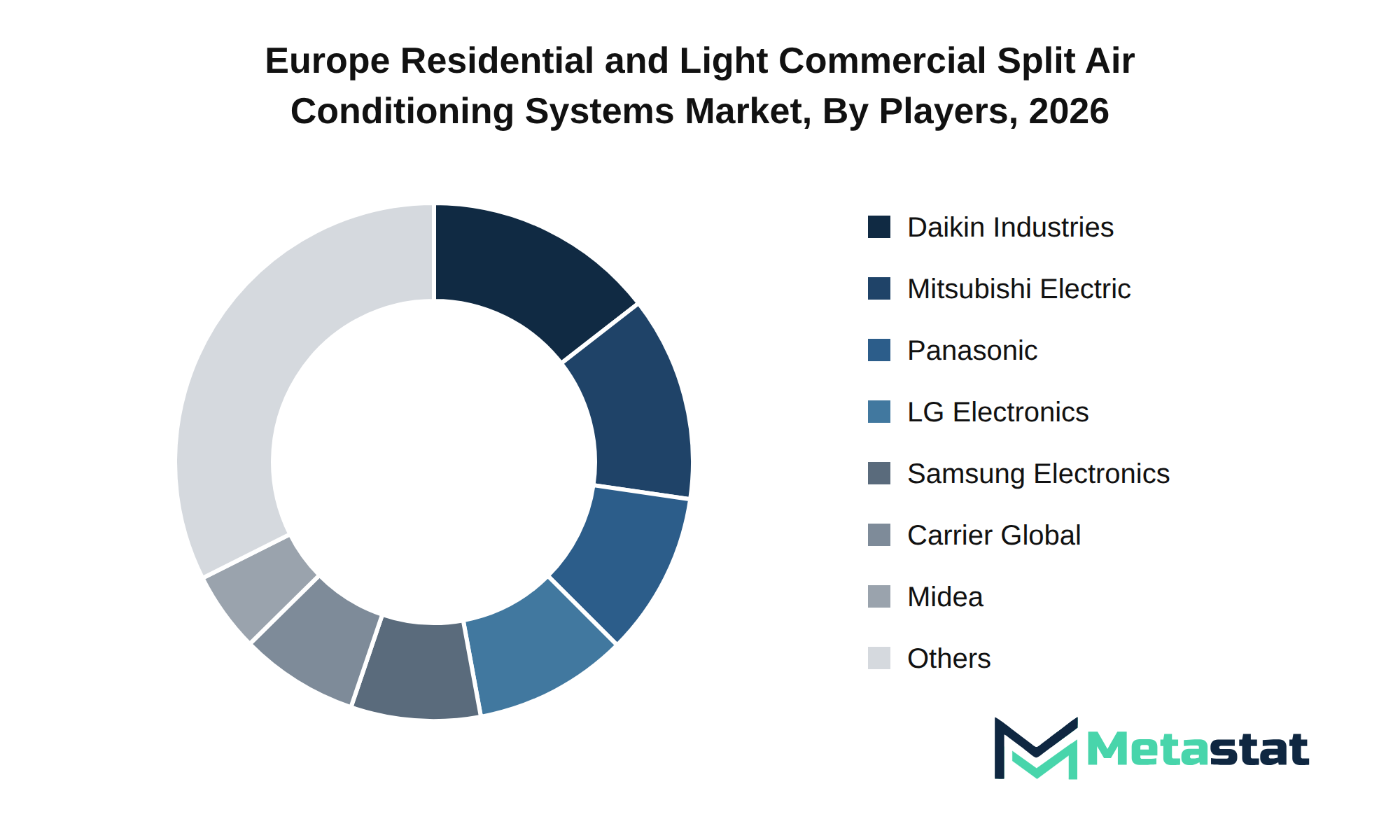
The Europe Residential and Light Commercial Split Air Conditioning Systems market features a diverse competitive environment influenced by strategic behaviors, including mergers, acquisitions, and partnerships. Companies including Daikin Industries, Ltd., Mitsubishi Electric Corporation, and Panasonic Corporation engage in product differentiation and enhance their R&D pipelines to establish proprietary technology moats. Carrier Global Corporation and LG Electronics Inc. focus on value chain integration and procurement leverage, aiming to optimize their supply chains and strengthen customer retention strategies.
Emerging players including Midea Group Co., Ltd. and Gree Global form strategic alliances and joint ventures to expand their market presence. Established brands like Robert Bosch GmbH - Bosch Home Comfort and Samsung Electronics Co., Ltd. capitalize on their brand equity dynamics to maintain competitive advantages. The competitive outlook in the market highlights the significance of intellectual property portfolios and patent landscapes, which act because barriers to entry, deterring potential new entrants and startups from disrupting the established market structure.
Market size is forecast to rise from USD 4,008 million in 2025 to over USD 5,361.7 million by 2033. The base case anticipates a growth trajectory at a 3.7% CAGR, reflecting ongoing advancements and increasing demand across Europe. In a bull scenario, accelerated technological integration and heightened regulatory support drive faster adoption, resulting in stronger market performance. Conversely, in a bear case, potential economic downturns, supply chain disruptions, or stringent compliance demands hinder growth, reflecting a more cautious market outlook.
The Europe Residential and Light Commercial Split Air Conditioning Systems market is influenced by macroeconomic trends, including fluctuations in consumer spending and investment patterns. Downstream demand shifts towards energy-efficient solutions align with global sustainability initiatives. The maturation of core industries, including residential and commercial sectors, necessitates ongoing innovation and adaptation to meet evolving customer expectations. Next-generation technologies enhance operational efficiency and product offerings, shaping future growth dynamics.
Regulatory evolution plays a critical role in shaping market conditions. Compliance milestones and policy enforcement horizons drive manufacturers to prioritize eco-friendly solutions and improve product lifecycles. Geopolitical realignments and trade corridor developments expand market opportunities, impacting regional supply chains and capital allocation strategies. These factors create emerging opportunities, catering to unmet enterprise needs and high-growth pockets within the market.
Strategic capital allocation directives and infrastructure commitments shape the competitive landscape, positioning companies to capitalize on long-term trends. Executive-level imperatives focus on defensibility roadmaps and future growth recommendations, aligning with market demands. Investment vectors prioritize sustainable practices and technological advancements. Companies within the Europe Residential and Light Commercial Split Air Conditioning Systems market navigate a complex and evolving environment effectively.
The report strategically identifies and profiles the key market players and analyses their core competencies in each sub-segment of the Residential and Light Commercial Split Air Conditioning Systems market.
Report Attributes | Details |
Study Period | 2021-2033 |
Base Year | 2025 |
Estimated Year | 2026 |
Forecast Period | 2026-2033 |
Historical Period | 2021-2025 |
Growth Rate | CAGR 3.7% from 2026 to 2033 |
Revenue Unit | USD million |
Segmentation | By Configuration, Indoor Unit Type, End Use, Region, and Region |
Find answers to common questions about this report
The Residential and Light Commercial Split Air Conditioning Systems market size in Europe was valued at USD 4,008 million in 2025.
The Residential and Light Commercial Split Air Conditioning Systems market is projected to grow at a CAGR of 3.7% during the forecast period from 2026 to 2033.
Mono-Split Systems lead the Europe Residential and Light Commercial Split Air Conditioning Systems market, with a projected value of USD 3,592.3 million by 2033. This segment shows a compound annual growth rate of 2.8% from 2026 to 2033.
Key drivers for the Europe Residential and Light Commercial Split Air Conditioning Systems market include increased consumer and business spending due to higher GDP growth rates, favorable interest rates that encourage investments, and a trend towards digital transformation and technological integration. These factors enhance operational efficiencies and support the demand for energy-efficient systems.
Regulatory constraints significantly challenge the Europe Residential and Light Commercial Split Air Conditioning Systems market. Compliance with stringent environmental standards raises production costs, leading to higher consumer prices and potentially reduced demand. macroeconomic pressures, including inflation and supply chain disruptions, further complicate market dynamics and hinder growth potential.
Rapid technological integration and increased venture funding favor product adoption in the Europe Residential and Light Commercial Split Air Conditioning Systems market. Advances in automation and artificial intelligence enhance system efficiency, while digital transformation initiatives improve operational precision and customer satisfaction. These factors drive investment in modern, energy-efficient solutions that align with evolving consumer expectations.
The Residential and Light Commercial Split Air Conditioning Systems market is estimated to reach a valuation of USD 5,361.7 million by 2033.
Key players operating in the Europe Residential and Light Commercial Split Air Conditioning Systems market include Daikin Industries, Ltd., Mitsubishi Electric Corporation, Panasonic Corporation, LG Electronics Inc., Samsung Electronics Co., Ltd., Carrier Global Corporation, and Midea Group Co., Ltd.
Turkey holds the largest share in the Europe Residential and Light Commercial Split Air Conditioning Systems market, driven by increased demand for air conditioning solutions.
The Multi-Split Systems segment is projected to grow at a CAGR of 5.6% through 2033, reflecting rising consumer preference for flexible cooling solutions.
The analysts below cover Machinery & Equipment research at Metastat Insights.
LEAD ANALYST
Utkarsh Khirodkar is a Lead Market Research Analyst at MetaStat Insight, specializing in market intelligence, technology sector assessments, and competitive strategy.

INDUSTRY CONSULTANT - CHEMICALS & ADVANCED MATERIALS
Chemicals and Materials · Machinery & Equipment · Packaging
Amit Gadhekar Consultant for Chemicals and Materials at MetaStat Insight, directing sector-specific intelligence, research, and strategic consulting across global chemical and processing markets.

PRINCIPAL CONSULTANT - QUALITY SYSTEMS & COMPLIANCE
Electronics and Semiconductor · Machinery & Equipment · Professional Services
Omkar Phadtare is an Industry Consultant at MetaStat Insight, specializing in quality systems, regulatory compliance, and standards benchmarking to drive data-driven market intelligence and strategic industry research.

ENERGY & INFRASTRUCTURE INDUSTRY CONSULTANT
Automotive and Transportation · Electronics and Semiconductor · Energy and Power · Machinery & Equipment
Saurabh Vasant Ganvir consults for Energy & Infrastructure Industry at MetaStat Insight, specializing in renewable energy, solar EPC, and electric vehicle (EV) infrastructure markets.

LEAD CONSULTANT - COMMUNICATION, TELECOM, AND IT
Electronics and Semiconductor · Information & Technology · Machinery & Equipment · Professional Services
Ravindra Sathe Consultants for Communication, Telecom, and IT at MetaStat Insight. He leads the firm's industry research initiatives across telecommunications infrastructure, digital connectivity, enterprise networking, and emerging information technology domains.
Evaluating sovereign cloud deployments for core banking platforms demands a clear view of data residency regulations and migration exit strategies. MetaStat Insight delivered an exhaustive review of regional latency tolerances, mainframe decommission milestones, and third-party vendor concentration risk. The regulatory compliance mapping across European and Asian financial jurisdictions gave our team a dependable baseline for multi-cloud infrastructure discussions.
Replacing petrochemical surfactants with bio-based alternatives requires realistic timelines on industrial precision fermentation scaling. The market research broke down commercialization timelines, feedstock sugar price sensitivities, and regional cosmetic ingredient regulatory approvals in Europe and East Asia. That supplier readiness mapping gave our formulations team reliable context when comparing renewable chemical sourcing roadmaps.
Tracking ceramic matrix composite adoption in high-bypass aero engines requires strict attention to material qualification cycles and FAA airworthiness testing milestones. The MetaStat Insight team provided a detailed timeline of silicon carbide fiber manufacturing capacity and commercial foundry lead times. Having clear visibility into upstream thermal barrier coating supply helped us stress-test our long-term component procurement strategy.
Explore related market intelligence reports worth reading alongside this one.