
Europe Waterborne Coatings Market
Europe Waterborne Coatings Market Size, Share, By Resin Chemistry (Acrylic, Polyurethane, Alkyd, Epoxy, Polyester, Vinyl, Silicone and Siloxane, Others (Fluoropolymer, Specialty Hybrid and Bio-Based Resin Systems)), By End-Use Industry (Building and Construction, Automotive, Furniture and Wood Products, Industrial Machinery and Equipment, Packaging and Containers, Rail and Commercial Transportation, Marine and Offshore, Aerospace and Defense, Consumer Goods and Appliances, Others (Road Marking, Textiles and Leather)), By Substrate (Metal, Wood and Wood-Based Materials, Concrete, Masonry and Plaster, Plastics and Composites, Paper and Paperboard, Glass and Ceramics, Textiles and Leather, Others (Rubber and Specialty Flexible Substrates)), By Country (Germany, France, United Kingdom, Italy, Spain, Poland, Netherlands, Sweden, Belgium, Rest of Europe), Industry Analysis, Growth, Trends, and Forecast, 2026-2033
MSI-4976
August 19, 2026
Updated
272 Pages
Historical
Base year
Forecast
Forecast period
Report Details
Comprehensive Market Analysis And Insights
Market Overview
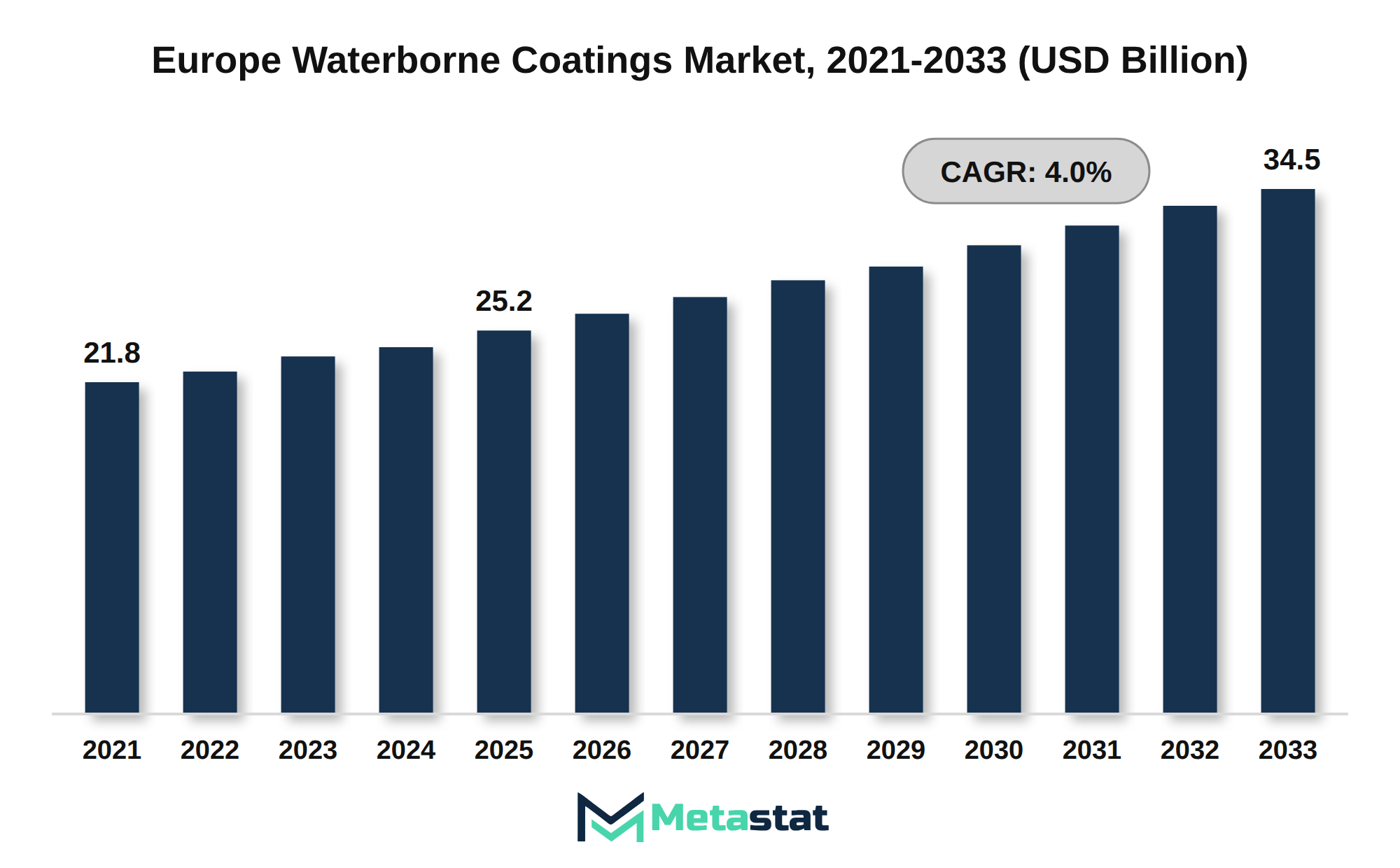
The Europe Waterborne Coatings market was valued at USD 25.2 billion in 2025 and is projected to reach USD 34.5 billion by 2033, growing at a CAGR of 4.0% over the forecast period.
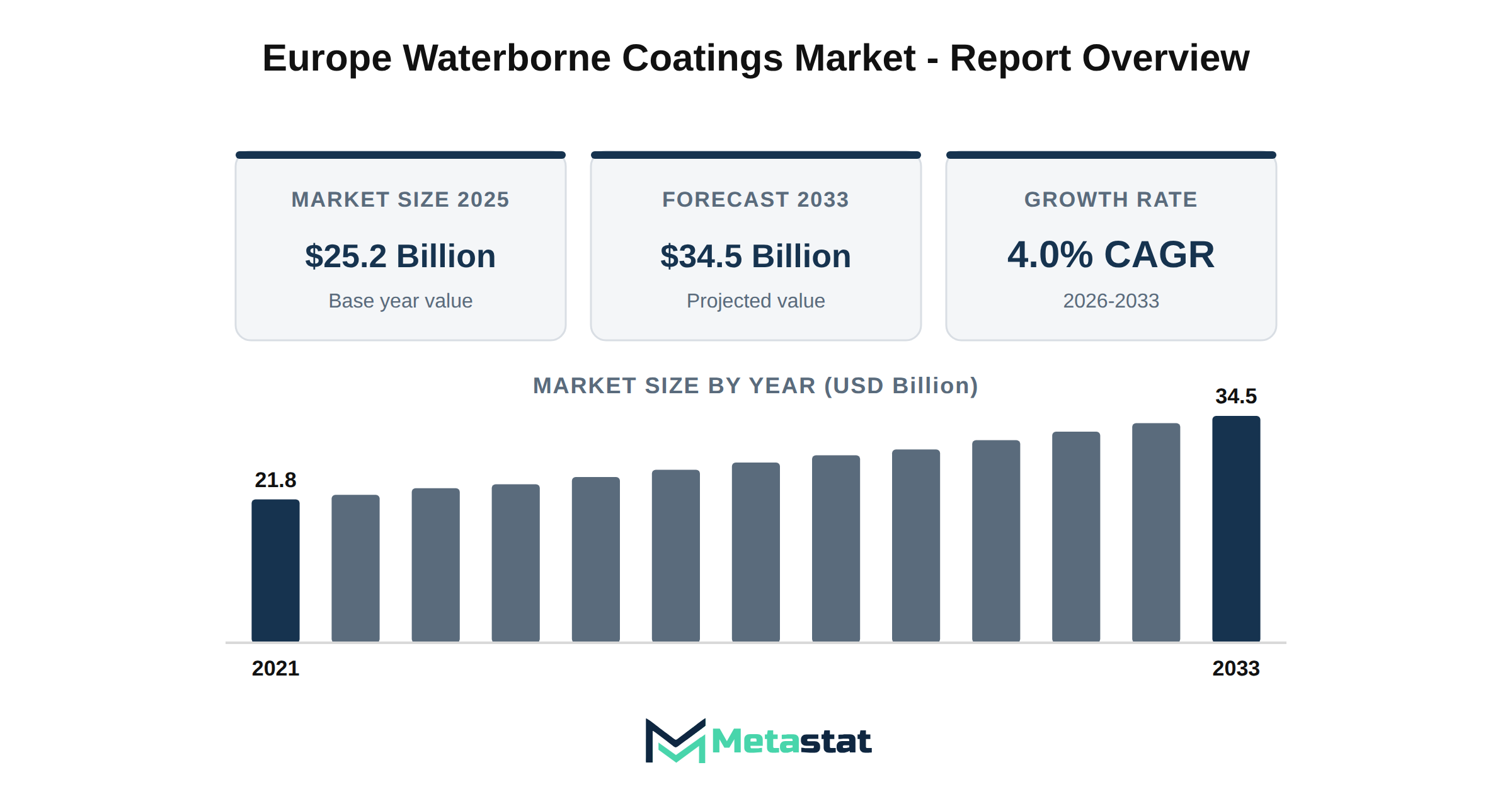
The Europe Waterborne Coatings market reached a valuation of USD 25.2 billion in 2025, showing a steady growth trajectory from USD 21.8 billion in 2021. The market is projected to expand to USD 34.5 billion by 2033, demonstrating a compound annual growth rate (CAGR) of 4%. This growth reflects increasing demand across various sectors, particularly in building and construction, automotive, and industrial applications.
In terms of market composition, acrylic coatings hold the largest share at 40%, followed by polyurethane at 18.2% and alkyd at 11.8%. The diverse applications of waterborne coatings span multiple industries, contributing to the robust performance of the market. Significant advancements in resin chemistry, including innovations in acrylic and polyurethane formulations, drive this growth, enhancing the performance characteristics of coatings used in various substrates.
Investments in R&D trajectories focus on next-generation innovations aimed at improving sustainability and performance. The incorporation of eco-friendly materials and technologies aligns with the industry's objectives of decarbonization and circular economy dynamics. These trends reflect a broader commitment within the market to reduce environmental impact while meeting rising consumer expectations for sustainable products.
Operating within a fragmented environment, the Europe Waterborne Coatings market features numerous players, including Akzo Nobel NV, PPG Industries, and The Sherwin-Williams Company. This competitive environment encourages continuous improvement and innovation, driven by companies striving to differentiate their offerings and capture greater market share. M&A dynamics further shape the market, with strategic acquisitions enhancing capabilities and expanding geographical reach.
Macroeconomic headwinds, including inflationary pressures and currency volatility, pose challenges for manufacturers. These challenges impact operational costs and pricing strategies, influencing market dynamics. Despite these challenges, ongoing infrastructure investments and capital allocation towards sustainable practices present opportunities for growth and long-term profitability in the Europe Waterborne Coatings market.
Regulatory compliance plays a critical role in shaping the Europe Waterborne Coatings market. Manufacturers face stringent environmental regulations aimed at reducing volatile organic compounds (VOCs) and enhancing product safety. Compliance with these regulations drives innovation in product formulation, ensuring that offerings align with evolving standards.
Supply chain complexities contribute significantly to market dynamics. Disruptions from geopolitical tensions, including trade restrictions, influence sourcing strategies and logistics architecture. Manufacturers adapt by diversifying suppliers and optimizing transportation networks, which impacts cost structures and delivery timelines.
Investment in research and development (R&D) trajectories accelerates advancements in next-generation coatings. This focus on innovation aligns with the demand for sustainable transformation and decarbonization initiatives. Companies invest in eco-friendly materials and processes, enhancing market competitiveness while addressing consumer preferences for environmentally responsible products.
Market fragmentation poses challenges and opportunities for players within the Europe Waterborne Coatings market. A diverse range of manufacturers, from small enterprises to multinational corporations, creates a competitive environment. This fragmentation encourages innovation but complicates procurement strategies, driven by companies seeking to differentiate their offerings.
Infrastructure investments are essential for enhancing production capabilities and meeting growing demand. Capital allocation towards modernizing facilities and expanding capacity reflects the industry's commitment to operational excellence. This focus on CapEx and OpEx realities ensures that manufacturers remain agile and responsive to market trends.
Macroeconomic headwinds, including inflationary pressures and currency volatility, affect pricing strategies within the market. Companies navigate these challenges by implementing cost-control measures and adjusting pricing models to maintain profitability while remaining competitive. Strategic pricing remains a crucial element in sustaining market share during fluctuating economic conditions.
The future strategic outlook for the Europe Waterborne Coatings market emphasizes the importance of corporate imperatives. Companies prioritize sustainability, innovation, and compliance, which will shape their long-term growth trajectories. High-value recommendations for stakeholders include building partnerships, investing in technology, and enhancing supply chain resilience to capitalize on emerging opportunities.
Market Dynamics
Macro-economic factors drive demand growth
Growing macro-economic factors contribute significantly to the expansion of the Europe Waterborne Coatings market. Increased capital investment, driven by rising GDP and favorable interest rates, enhances the financial capabilities of key industries that utilize waterborne coatings. This growth in investment supports technological advancements that enable the adoption of innovative coating solutions, reinforcing market demand.
Shifts in consumer behavior, including a focus on sustainability and environmentally friendly products, further escalate demand for waterborne coatings. Urbanization and lifestyle changes among populations influence purchasing patterns, leading to a preference for low-VOC and eco-friendly products. This evolving consumer preference positions the Europe Waterborne Coatings market for sustained growth, enhancing adoption across various sectors.
Investment in infrastructure development and asset modernization strengthens market prospects. Upgrades in facilities and network capabilities create a favorable environment for the adoption of advanced waterborne coatings in various end-use industries, including building and construction, automotive, and industrial machinery. This investment drives further growth within the sector, expanding the addressable market.
The interaction of these macro-economic factors not only improves operational efficiency but enhances competitive positioning within the market. Companies engaged in the Europe Waterborne Coatings market benefit from improved profitability and increased market access, resulting in an overall positive outlook for the industry's future growth.
Infrastructure development drives market expansion
Investment in infrastructure development significantly influences the Europe Waterborne Coatings market. Increased public and private spending enhances construction activities, which directly boosts demand for waterborne coatings. Growing urbanization trends push for modernized facilities and upgraded infrastructures, creating opportunities for coatings that cater to aesthetic and functional requirements.
Public-private partnerships frequently fund extensive projects in the building and construction sector. These initiatives contribute to rising application rates of waterborne coatings in various segments, including industrial machinery and automotive. Enhanced infrastructure ensures that the market remains robust, with demand projected to rise steadily.
The ongoing transition toward sustainable practices reinforces the importance of waterborne coatings. Investments aimed at developing more eco-friendly infrastructure create a favorable environment for the adoption of these coatings. Heightened awareness surrounding environmental issues leads to increased demand for sustainable solutions in construction and manufacturing sectors.
Overall, infrastructure development serves because a vital driver of growth within the Europe Waterborne Coatings market, leading to increased revenue opportunities and market penetration. This dynamic environment encourages innovation, resulting in advancements that align with evolving consumer preferences and regulatory standards.
Regulatory challenges limit market growth
Regulatory tightening imposes significant barriers for the Europe Waterborne Coatings market. Stringent environmental regulations lead to increased compliance costs for manufacturers, necessitating investments in new technology and processes. This compliance burden particularly affects smaller companies, which struggle with the financial requirements associated with meeting these regulations. Slower adoption rates for new products restrict overall growth.
Supply chain disruptions further complicate the market. Recent geopolitical instability has led to challenges in sourcing raw materials, increasing lead times and costs. These disruptions create uncertainty for manufacturers, hindering their ability to plan and execute production schedules efficiently. Inflationary pressures contribute to rising operational costs, impacting pricing strategies and profit margins across the sector.
Resource scarcity presents another challenge to the market. Limited availability of specific raw materials required for waterborne coatings increases competition among manufacturers, driving up costs. This scarcity leads to delays in production timelines and restricts the ability to meet customer demand. Consequently, manufacturers face difficulties in maintaining their market positions while balancing cost pressures.
The combination of these factors contributes to a fragmented market environment. Regional adoption resistors, including cultural differences and varying regulatory standards across countries, complicate market entry for new players. Overall, these regulatory challenges and external pressures create a complex environment that limits the potential growth of the Europe Waterborne Coatings market.
Geopolitical tensions challenge supply chain stability
Geopolitical fragmentation impacts the Europe Waterborne Coatings market by creating uncertainty in supply chains and trade dynamics. Trade deficits and tariff friction complicate access to essential raw materials and components, increasing costs and leading to delays in product delivery. Rising input costs contribute to pricing compression and margin pressures throughout the market.
Technological disruptions challenge businesses, requiring investments in complex research and development integrations for innovative product formulations. Companies respond to evolving consumer demands for sustainable solutions while navigating regulatory compliance overhead, which adds layers of complexity to the operational landscape. Environmental lifecycle footprints and decarbonization mandates heighten the urgency for investment in new technologies, straining resources.
Logistics disruptions and supply chain instability exacerbate existing challenges, making the timely delivery of products a significant obstacle. Workforce skill gaps and talent retention pressures impede firms from adapting quickly to market changes, particularly in an environment characterized by rapid technological advancements. These factors restrict overall growth potential in the market.
Ultimately, geopolitical tensions and their associated market ramifications influence the strategic direction of businesses in the Europe Waterborne Coatings market. Companies adapt to these challenges to maintain competitive advantages and meet evolving customer needs.
Emerging technologies drive market potential
Advancements in technology play a significant role in shaping the Europe Waterborne Coatings market. The integration of innovative materials and processes enhances product performance, leading to increased adoption across various industries. The development of high-performance acrylic and polyurethane coatings aligns with the growing demand for eco-friendly options. This shift towards sustainable solutions appeals to environmentally-conscious consumers and businesses, driving market growth.
Digital transformation reshapes how manufacturers operate and interact with buyers. E-commerce platforms and digital procurement strategies facilitate streamlined purchasing processes, increasing accessibility for end-users. This evolution in buying behavior creates a more competitive landscape, encouraging suppliers to enhance their offerings to meet changing consumer preferences.
Geographical expansion contributes to market opportunities. Emerging markets in Eastern Europe experience growing demand for waterborne coatings, driven by industrialization and infrastructure projects. This trend opens avenues for manufacturers to enhance their regional presence and develop tailored products for local needs.
Strategic consolidation within the industry enhances competitive positioning. Mergers and acquisitions allow companies to leverage complementary strengths, diversify product portfolios, and access new markets. This trend supports innovation and increases operational efficiencies, leading to improved profit margins for participants in the market.
The combination of technological advancements, changing consumer behavior, and strategic consolidation positions the Europe Waterborne Coatings market for significant growth. While companies adapt to these dynamics, the market is expected to experience sustained demand and investment, reinforcing its importance within the broader coatings sector.
Market Segmentation Analysis
The Europe Waterborne Coatings market is segmented based on Resin Chemistry, End-Use Industry, Substrate, and Country.
By Resin Chemistry, the market is further segmented into:
- Acrylic
- Polyurethane
- Alkyd
- Epoxy
- Polyester
- Vinyl
- Silicone & Siloxane
- Others (Fluoropolymer, Specialty Hybrid and Bio-Based Resin Systems)
Acrylic
Acrylic coatings feature a significant market presence within the Europe Waterborne Coatings market. Valued at USD 10.5 billion in 2026, this segment is projected to reach USD 13.6 billion by 2033, at a CAGR of 3.8% during the forecast period. Demand for acrylic coatings finds strong support in the construction and automotive sectors, where excellent adhesion, weather resistance, and superior finish quality are essential. Tightening environmental regulations drive the shift towards waterborne formulations, enhancing the appeal of acrylic coatings, which provide low VOC emissions while maintaining high-performance characteristics.
Technological advancements play a key role in product evolution, with innovations driving the development of next-generation acrylic formulations that offer improved durability and application properties. Downstream applications, particularly in residential and commercial construction, show a growing preference for sustainable and eco-friendly solutions, further supporting the segment's growth. The competitive landscape in the acrylic segment remains dynamic, with established players and emerging companies investing in research and development to enhance product offerings and meet evolving consumer demands.
Supply chain resilience is increasingly important, particularly regarding raw material sourcing for acrylic coatings. Fluctuations in raw material prices and availability impact production costs, influencing pricing strategies and margins within the market. Robust demand across various end-use industries, combined with ongoing investments in capacity expansion, positions the acrylic segment for continued growth and development in the European market for waterborne coatings.
Polyurethane
Market dynamics indicate a significant trajectory for the Polyurethane segment within the Europe Waterborne Coatings market. This segment is estimated to reach USD 6.8 billion by 2033, at a CAGR of 5.1% during the forecast period. Demand for polyurethane coatings arises from their excellent durability, versatility, and superior performance across various applications.
The construction and automotive industries heavily influence the adoption of polyurethane due to ongoing trends in sustainability and environmental compliance. Manufacturers increasingly seek coatings that minimize environmental impact while providing enhanced performance characteristics. Polyurethane's ability to offer both high performance and eco-friendly solutions positions it favorably among consumers.
Technological advancements drive product evolution, enabling the development of next-generation polyurethane formulations. Innovations enhance the performance and application of these coatings, making them suitable for a broader array of substrates. The ongoing refinement of polyurethane chemistry supports market expansion. Companies invest in research and development to meet evolving consumer expectations.
Regulatory compliance standards encourage the shift towards waterborne polyurethane coatings. Stricter VOC regulations push manufacturers to adopt more environmentally friendly solutions, further supporting the growth of this segment. Investment in compliance-driven innovations leads to increased operational efficiency and profitability for industry participants.
Cost structures associated with raw material sourcing remain a critical consideration. Fluctuations in raw material prices impact margins, necessitating strategic sourcing and procurement strategies to mitigate risks. Nevertheless, the competitive advantage gained from offering high-quality polyurethane solutions offsets these challenges, ensuring the segment's viability in a changing market.
Overall, the Polyurethane segment demonstrates growth potential within the Europe Waterborne Coatings market, driven by evolving consumer preferences, technological advancements, and regulatory shifts. The projected CAGR of 5.1% highlights the increasing relevance of this segment in addressing the demands of diverse industries.
Alkyd
Alkyd coatings are projected to reach USD 3.6 billion by 2033, driven by growing demand across various end-use industries. These coatings find widespread application in building and construction, automotive, and furniture sectors, contributing to their increasing popularity. A shift towards environmentally friendly formulations enhances adoption, owing to stakeholders prioritizing sustainable practices and compliance with regulatory standards.
Technological advancements enhance the performance characteristics of alkyd coatings, leading to significant improvements in durability, adhesion, and weather resistance. This evolution aligns with the market's focus on next-generation upgrades, ensuring that alkyd options remain competitive while evolving consumer preferences change. The segment's expansion benefits from a robust supply chain that emphasizes raw material sourcing and logistics resilience.
Pricing volatility and margin pressures have emerged because critical considerations within the market, compelling manufacturers to optimize their production processes. Competition among players escalates, highlighting the importance of innovation and product differentiation. Strategic opportunities arise because stakeholders seek to capitalize on the growing demand for high-performance coatings, reflecting the vibrancy of the Europe Waterborne Coatings market.
Epoxy
Growth in the Epoxy segment aligns with increasing demand for high-performance coatings across various applications. This demand arises from the construction and automotive industries, where durability and resistance to chemicals and environmental factors influence purchasing decisions. Epoxy coatings, known for their excellent adhesion and mechanical properties, represent a preferred choice for manufacturers focusing on quality and longevity.
Investment in advanced formulations and new epoxy technologies supports product evolution, allowing manufacturers to meet specific performance requirements. The push for sustainable solutions drives innovation in the market, contributing to the development of eco-friendly alternatives. These advancements enhance the operational efficiency of end-users while adhering to regulatory compliance standards targeting environmental impact.
The Epoxy segment is projected to grow at a CAGR of 4.9% during the forecast period. This growth reflects an increasing trend towards using waterborne solutions in various applications, driven by lower volatile organic compound emissions. The construction and automotive sectors prioritize eco-friendly products, creating opportunities for epoxy coatings that align with these sustainability goals.
Strategic opportunities arise from heightened investments in infrastructure and industrial development, driving demand for robust and efficient coatings in these sectors. The emphasis on performance and sustainability positions the Epoxy segment favorably within the Europe Waterborne Coatings market, opening avenues for expansion and technological advancement.
Polyester
Demand for Polyester in the Europe Waterborne Coatings market stems from its application in various industries, particularly in building and construction, automotive, and furniture manufacturing. The segment benefits from advancements in product formulations that enhance its performance characteristics, including durability and resistance to environmental factors.
Technological maturation in the coatings sector drives innovation, with next-generation upgrades focusing on improving polyester's functionalities. This evolution supports the growing preference for eco-friendly and high-performance coatings among end-users, aligning with sustainability goals across different industries.
End-use dynamics indicate a shift in consumption patterns, with an increasing emphasis on environmentally compliant products. Regulatory compliance standards favor the adoption of waterborne coatings, further propelling the demand for Polyester formulations that meet stringent environmental criteria.
Pricing volatility and margin pressures remain challenges within the segment. Fluctuations in raw material costs impact overall pricing strategies, compelling manufacturers to optimize their cost structures while maintaining product quality.
Strategic opportunity windows emerge owing to manufacturers seeking to enhance supply chain resilience and address potential vulnerabilities in logistics. In this context, investments in R&D for Polyester coatings are expected to yield innovative solutions that cater to evolving market demands, strengthening their position in the Europe Waterborne Coatings market.
Vinyl
Vinyl formulations within the Europe Waterborne Coatings market derive appeal from their excellent flexibility, durability, and resistance to environmental factors. Primary demand drivers include the transition towards low-VOC alternatives and sustainability, aligning with increasing regulatory pressure for eco-friendly solutions. Adoption occurs across various end-use industries, particularly in automotive and building applications, driven by the need for aesthetic finishes and protective coatings.
The expansion of the vinyl segment occurs due to technological maturation and next-generation upgrades, which enhance performance characteristics. Innovations lead to the development of specialized vinyl products with improved functionalities, including better adhesion and weather resistance. These developments cater to evolving consumer preferences. Downstream application opportunities proliferate owing to industries seeking versatile coatings that meet specific performance requirements.
Regulatory compliance standards significantly impact product development, creating a need for certifications that affirm low environmental impact. Cost structures remain a critical consideration, particularly due to fluctuations in raw material prices. These fluctuations impact pricing strategies within the segment. Supply chain resilience will be essential in addressing sourcing challenges and ensuring consistent product availability.
Strategic opportunity windows exist for players focusing on vinyl coatings, particularly those investing in research and development to drive innovation and enhance value propositions. The ongoing shift towards waterborne solutions positions the vinyl segment for considerable growth within the Europe Waterborne Coatings market. This growth hinges on effectively addressing substitution risks and disruptive alternatives that could alter market dynamics.
Silicone & Siloxane
Increasing emphasis on sustainable and eco-friendly solutions drives interest in the Silicone & Siloxane sub-segment within the Europe Waterborne Coatings market. These materials offer significant durability and weather resistance, appealing to industries that prioritize long-lasting performance. The construction and automotive sectors, in particular, recognize the value of silicone-based coatings for their protective properties and aesthetic enhancements.
Technological advancements in resin chemistry enhance the appeal of silicone and siloxane formulations, leading to improved performance characteristics including faster drying times and greater flexibility. These improvements open avenues for broadening applications across various end-use industries, including building and construction, where high-performance coatings are essential for durability and environmental resistance.
Regulatory compliance surrounding volatile organic compounds (VOCs) pushes manufacturers toward silicone and siloxane coatings due to their lower emissions, aligning with environmental standards. This shift reflects a significant consumption pattern attributed to end-users increasingly adopting greener alternatives that satisfy stringent regulations while delivering superior performance.
Potential for substitution risks exists, particularly from alternative resin systems that offer similar performance at a lower cost. However, the unique benefits of silicone and siloxane, including their water repellency and thermal stability, create a strategic opportunity for market players to educate customers on the long-term value these coatings provide compared to conventional options.
Capital investment in research and development drives innovation within this sub-segment, ensuring continuous evolution of product formulations that meet the changing demands of the market. While manufacturers refine their offerings, the Silicone & Siloxane segment stands poised for gradual growth, contributing to the overall expansion of the Europe Waterborne Coatings market.
Others (Fluoropolymer, Specialty Hybrid and Bio-Based Resin Systems)
Emerging interest in eco-friendly and sustainable products drives demand for fluoropolymer, specialty hybrid, and bio-based resin systems within the Europe Waterborne Coatings market. This segment benefits from the increasing shift towards environmentally responsible solutions across various industries. The adoption of these materials aligns with growing consumer preferences for products that minimize environmental impact.
Technological advancements facilitate product evolution, enabling manufacturers to enhance performance characteristics while adhering to sustainability standards. Innovations in formulation and processing contribute to the development of next-generation coatings that offer superior durability and versatility, attracting interest from end-users seeking high-quality applications.
Fluoropolymer and specialty hybrid systems find significant use in specialized applications, particularly in sectors including aerospace and automotive, where performance and compliance with stringent regulations play critical roles. The regulatory landscape increasingly emphasizes sustainability, compelling manufacturers to explore alternative materials and technologies.
Consumption shifts towards lightweight, high-performance coatings strongly influence automotive manufacturers and industrial sectors, which prioritize durability and efficiency. The integration of bio-based materials into formulations offers strategic opportunities for producers, enhancing their market positioning while meeting regulatory and consumer demands.
Pricing volatility remains a concern, influenced by raw material sourcing challenges and geopolitical factors. Producers adapt strategies to address margin pressures caused by fluctuating costs. Maintaining supply chain resilience is crucial in ensuring consistent availability of materials required for production.
Strategic opportunity windows arise from the ongoing transformation of consumer preferences and regulatory requirements. Increased capital investment in the development of eco-friendly coatings presents a pathway for companies to strengthen their market presence and address the evolving dynamics within the Europe Waterborne Coatings market.
By End-Use Industry, the market is further segmented into:
- Building & Construction
- Automotive
- Furniture & Wood Products
- Industrial Machinery & Equipment
- Packaging & Containers
- Rail & Commercial Transportation
- Marine & Offshore
- Aerospace & Defense
- Consumer Goods & Appliances
- Others (Road Marking, Textiles and Leather)
Building & Construction
Investments in infrastructure development within Europe drive growth in the Building & Construction segment of the Europe Waterborne Coatings market. This segment is valued at USD 9.9 billion in 2026 and is projected to reach USD 12.4 billion by 2033, at a CAGR of 3.3% during the forecast period. Increased urbanization and a rising population contribute to heightened demand for residential and commercial construction, further propelling the need for waterborne coatings that offer durability and environmental compliance.
Technological advancements in formulation and application techniques enhance the performance of waterborne coatings, making them a preferred choice in the building sector. These innovations improve properties including faster drying times and improved adhesion, catering to the diverse requirements of modern construction projects. Regulatory compliance standards favor low-VOC and eco-friendly solutions, aligning with the sustainability goals of the construction industry.
The Building & Construction segment's growth reflects a shift towards environmentally sustainable practices in construction, influencing consumption patterns. Manufacturers are expanding product lines to respond to these shifts and address changing consumer preferences. Competitive dynamics within the market intensify, prompting firms to invest in research and development, thereby driving innovation and product evolution.
Overall, the Building & Construction segment stands out because a significant contributor to the Europe Waterborne Coatings market, demonstrating growth potential driven by evolving industry trends and increased regulatory focus on sustainability.
Automotive
In the automotive sector, the demand for waterborne coatings exhibits strong potential, propelled by the industry's transition towards environmentally sustainable solutions. Stringent regulations surrounding VOC emissions encourage automotive manufacturers to adopt waterborne systems, which offer lower environmental impact compared to traditional solvent-based coatings. This shift aligns with consumer preferences for eco-friendly products, enhancing the appeal of waterborne coatings in vehicle production.
The automotive segment is estimated to reach USD 5.7 billion by 2033, at a CAGR of 5.1% during the forecast period. Technological advancements in waterborne formulations contribute to improving performance characteristics, including durability, adhesion, and resistance to weathering. These innovations increase acceptance among manufacturers and support growth within the segment.
Investment in research and development aimed at next-generation coatings continues to drive product evolution, enabling automotive applications to meet emerging performance standards. The increasing complexity of vehicle designs necessitates the integration of superior coatings that deliver aesthetic appeal alongside functional benefits. Consequently, the growth of the automotive segment within the Europe Waterborne Coatings market reflects broader trends towards sustainability and innovation.
Furniture & Wood Products
Growth in the Furniture & Wood Products sub-segment is driven by rising demand for aesthetically appealing and durable finishes in residential and commercial applications. Consumers increasingly prefer waterborne coatings due to low volatile organic compound (VOC) content, aligning with environmental sustainability trends. This shift reflects significant consumer preference for eco-friendly products, particularly in markets focused on regulatory compliance and public health.
The Furniture and Wood Products segment is projected to reach USD 3.5 billion by 2033. Market expansion is facilitated by technological innovation in coating formulations, enhancing performance attributes including durability and resistance to wear. Ongoing development of next-generation waterborne coatings with advanced features, including quick drying times and improved adhesion, reinforces competitive advantages among suppliers within the market.
Investment in the building and construction industry contributes to demand for waterborne coatings used in furniture and wood products. Growth in residential renovation projects, driven by increased disposable income and a focus on home aesthetics, supports higher consumption rates of waterborne coatings. Partnerships between coating manufacturers and furniture producers strengthen product offerings, expand market reach, and enhance value propositions.
Pricing volatility remains a concern due to fluctuations in raw material costs, impacting profit margins across the supply chain. Strategic sourcing and local production initiatives mitigate these pressures, allowing players in the market to maintain competitive pricing while improving supply chain resilience. Overall, the Furniture & Wood Products sub-segment reflects positive growth dynamics supported by consumer trends, technological advancements, and strategic collaborations.
Industrial Machinery & Equipment
Growth in the Industrial Machinery & Equipment segment aligns with increasing demand for high-performance coatings that enhance durability and operational efficiency. This segment is projected to grow at a CAGR of 4.5% during the forecast period. Factors driving adoption include rising industrial output and the need for coatings that withstand wear and tear, ensuring longevity in machinery applications. Manufacturers focus on developing next-generation products that incorporate advanced formulations, improving performance characteristics including chemical resistance and adhesion.
Investment in industrial infrastructure and machinery upgrades increases the need for these coatings, leading to higher consumption levels across various industries. Buyers in the market prioritize coatings that align with regulatory compliance, focusing on eco-friendly solutions while ensuring robust performance. The emphasis on sustainability creates strategic opportunity windows, prompting manufacturers to innovate and upgrade their product offerings to meet evolving customer needs.
Technological advancements in coating formulations contribute significantly to the segment's expansion, allowing manufacturers to achieve lower application costs and enhanced performance. While the Europe Waterborne Coatings market continues to grow, competitive pressures require suppliers to optimize their production processes, maintain supply chain resilience, and manage raw material sourcing effectively. The forecast indicates a growing segment that plays a critical role in shaping overall market dynamics.
Packaging & Containers
In the Packaging & Containers sub-segment of the Europe Waterborne Coatings market, strong demand arises from the increasing focus on sustainability and regulatory compliance. Manufacturers emphasize eco-friendly coatings to meet stringent environmental standards, driving market growth. Continued innovation in formulations enhances the performance characteristics of coatings, contributing to the evolution of products tailored for various packaging materials. This adaptation addresses the unique requirements of the food, beverage, and consumer goods industries, driving adoption and expanding market reach.
Technological maturation influences the development of next-generation waterborne coatings, with advancements leading to improved application methods and enhanced durability. Industry players invest in research and development, and the introduction of innovative solutions aligns with shifting consumer preferences toward sustainable packaging options. Market conditions highlight the importance of strategic opportunity windows for companies seeking to capture emerging trends in packaging functionality and aesthetics.
Pricing volatility affects the market landscape, with fluctuations in raw material costs impacting profit margins for manufacturers. Strategic sourcing of eco-friendly raw materials remains crucial in balancing expenses while meeting growing consumer demand for sustainable solutions. Strengthening supply chain resilience supports industry players in navigating these challenges, ensuring consistent product availability while maintaining compliance with evolving regulatory frameworks.
The Packaging & Containers sub-segment within the Europe Waterborne Coatings market presents significant growth potential. Consumer demand for sustainability, regulatory pressures, and technological advancements shape the future of this market segment, highlighting the need for continuous innovation and strategic investment in product development.
Rail & Commercial Transportation
Investment in the Rail & Commercial Transportation segment reflects a response to increasing demand for sustainable and efficient transportation solutions. Heightened focus on reducing emissions and enhancing fuel efficiency drives manufacturers to explore waterborne coatings that align with strict environmental regulations. The market benefits from advancements in coating technologies, which allow for improved durability and performance in various transportation applications.
Strategic opportunities arise from ongoing transformation in public transportation systems across Europe. Urbanization trends lead to increased investments in rail infrastructure, driving demand for high-performance coatings. Companies operating in the Europe Waterborne Coatings market position themselves to address specific needs in this segment, emphasizing product innovation and compliance with environmental standards.
Regulatory compliance standards and certifications continue to shape product offerings within the segment. Coatings that meet stringent safety and environmental regulations gain traction among manufacturers. This trend encourages manufacturers to invest in research and development, enhancing competitive advantage and ensuring alignment with market expectations.
Overall, the Rail & Commercial Transportation segment represents a vital component of the Europe Waterborne Coatings market, driven by technological advancements, regulatory compliance, and the pursuit of sustainable solutions. Continuous innovation and strategic investment are essential for growth within this market.
Marine & Offshore
Increasing focus on environmental regulations drives demand for waterborne coatings in the Marine & Offshore sector. These coatings offer enhanced safety and reduced volatile organic compounds, aligning with regulatory compliance standards. The ongoing shift towards sustainable materials influences manufacturers to invest in advanced formulations that exhibit lower environmental impact.
Technological maturation in waterborne coatings supports product evolution, enabling the industry to meet the rigorous demands of marine applications. Enhanced durability and resistance to harsh marine environments contribute to the growing adoption of waterborne solutions in this sector. Next-generation upgrades focus on improving performance, further strengthening the market position.
Downstream applications in the Marine & Offshore sector highlight a growing need for effective coating solutions. Shipbuilding and maintenance operations increasingly favor waterborne coatings due to their superior adhesion and performance characteristics. This shift in consumption patterns results in end-users seeking coatings that provide longevity and protection against corrosion.
Regulatory compliance continues to shape the Europe Waterborne Coatings market, compelling manufacturers to innovate and adapt. Certification requirements for environmentally friendly products enforce a commitment to sustainable practices. This dynamic environment creates strategic opportunity windows for companies emphasizing compliance and product quality.
Cost structures within the Marine & Offshore segment reflect competitive pressures, influencing pricing strategies across the market. Variability in raw material sourcing adds challenges, compelling producers to ensure supply chain resilience. Companies explore innovative solutions to mitigate risks associated with substitution and disruptive alternatives, securing their market position.
Aerospace & Defense
Technological advancements in the Aerospace & Defense sector drive the demand for high-performance coatings. These industries require coatings that offer superior durability, resistance to harsh environmental conditions, and compliance with stringent regulatory standards. Growth in military and commercial aerospace applications necessitates coatings that enhance surface protection while reducing weight. Innovations in resin chemistry enhance the performance characteristics of coatings, supporting their use in critical applications including aircraft and defense systems.
Regulatory compliance and certifications further influence product selection in this segment. Manufacturers prioritize coatings that meet international standards, ensuring safety and environmental protection. The transition towards more sustainable solutions impacts purchasing decisions, with a focus on eco-friendly formulations. This shift aligns with broader industry trends emphasizing sustainability and reduced environmental footprints.
Market dynamics reflect a competitive landscape where companies invest in research and development to introduce next-generation products. These advancements facilitate a strategic opportunity window for manufacturers, enabling differentiation through enhanced performance and environmental compliance. The capital investment outlook remains positive, driven by ongoing projects and modernization initiatives within the Aerospace & Defense sector.
The Europe Waterborne Coatings market benefits from these trends, attributed to the Aerospace & Defense segment representing a vital component of the overall demand. Continuous evolution in technologies and regulations creates a compelling environment for industry players to innovate and expand their product offerings.
Consumer Goods & Appliances
Growing consumer awareness regarding sustainability and eco-friendliness shapes demand dynamics in the Consumer Goods & Appliances sub-segment of the Europe Waterborne Coatings market. Manufacturers increasingly emphasize the use of low-VOC and non-toxic formulations to cater to environmentally conscious consumers. Innovations in product development, particularly in waterborne systems, enhance functionality and performance while minimizing environmental impacts.
Regulatory compliance influences market conditions. Stringent environmental policies push manufacturers toward adopting waterborne coatings, aligning production processes with sustainability goals. This shift addresses compliance requirements and positions brands favorably in a market driven by consumer preferences for responsible products.
Technological advancements facilitate the introduction of next-generation coatings that offer improved durability and aesthetic appeal. Enhanced performance characteristics, including resistance to wear and chemicals, expand the applications for waterborne coatings in consumer goods, increasing their appeal across multiple product categories.
Competition within the market drives innovation, prompting companies to explore new formulations and technologies. Strategic partnerships and collaborations between coatings manufacturers and consumer goods producers enhance product evolution, increasing overall market growth potential. This collaborative approach supports the development of coatings that meet specific consumer demands while addressing market trends.
Others (Road Marking, Textiles and Leather)
Shifting consumer preferences in sectors like road marking, textiles, and leather drive innovation in the Europe Waterborne Coatings market. Demand for environmentally friendly and safe coating solutions fuels product development across these applications. Regulatory compliance and sustainability standards motivate manufacturers to adopt waterborne technologies, enhancing product offerings.
Technological advancements in formulation and application methods enable improved performance characteristics, including durability and adhesion, which are critical in end-use industries. These enhancements facilitate adoption within various segments, including road marking for enhancing visibility and textiles for providing protective finishes.
Continued investment in research and development allows companies to create next-generation products tailored to specific market needs. This focus on product evolution supports ongoing competition and innovation within the market, ensuring offerings remain relevant and effective for modern applications.
Consumption shifts toward safer and more sustainable materials result in increased demand for waterborne coatings within textiles and leather. This trend reflects a broader recognition of environmental impacts and a commitment to reducing hazardous substances in consumer products.
Strategic opportunity windows arise from evolving regulations and changing consumer expectations, enabling market players to expand portfolios and capture new market share. Focusing on these dynamics strengthens companies' positions within the Europe Waterborne Coatings market.
By Substrate, the market is further segmented into:
- Metal
- Wood & Wood-Based Materials
- Concrete, Masonry & Plaster
- Plastics & Composites
- Paper & Paperboard
- Glass & Ceramics
- Textiles & Leather
- Others (Rubber and Specialty Flexible Substrates)
Metal
Growth in the Metal sub-segment of the Europe Waterborne Coatings market aligns with increasing demand across various industries, particularly in construction and automotive sectors. This sub-segment is valued at USD 9 billion in 2026 and is projected to reach USD 12.2 billion by 2033, at a CAGR of 4.4% during the forecast period. Key factors driving this expansion include a heightened focus on corrosion resistance and durability, essential for metal applications exposed to harsh environments. Regulatory pressure regarding volatile organic compounds (VOCs) encourages the adoption of waterborne coatings because a safer alternative.
Emerging trends highlight the shift towards environmentally friendly products, where waterborne coatings present a significant opportunity for manufacturers. The growing trend of sustainable construction practices requires coatings that comply with environmental standards while delivering high performance. Increased government initiatives supporting sustainable building practices further enhance market potential.
Technological advancements play a crucial role in product evolution, with innovations in resin chemistry leading to improved performance characteristics. Enhanced adhesion, faster drying times, and superior finish quality position waterborne coatings favorably within the competitive landscape. This evolution attracts investments from manufacturers aiming to upgrade their product offerings and capture market share.
Consumption shifts driven by consumer preferences for sustainable solutions influence the dynamics of the market. Manufacturers are responding to these preferences by expanding their ranges of eco-friendly products, which are increasingly demanded by end-users seeking to minimize environmental impact. Regulatory compliance and certifications for low VOC content further drive the evolution of these products, ensuring alignment with market demands.
Raw material sourcing and supply chain resilience present challenges and opportunities for the Metal segment. Fluctuations in raw material prices affect production costs, prompting manufacturers to seek alternative sourcing strategies and optimize their supply chains. Strategic investments in supply chain stability mitigate these pressures, enabling companies to maintain competitive pricing while meeting growing demand in the Europe Waterborne Coatings market.
Wood & Wood-Based Materials
Growth in the Wood & Wood-Based Materials segment reflects ongoing advancements in residential and commercial construction practices, alongside increasing investments in sustainable building materials. Enhanced durability and performance characteristics of waterborne coatings attract manufacturers looking to meet rising consumer demand for quality finishes. Regulatory frameworks supporting eco-friendly products further enhance market appeal, significantly impacting manufacturers focused on compliance with environmental standards.
The Wood & Wood-Based Materials segment is estimated to reach USD 7.4 billion by 2033, at a CAGR of 3.2% during the forecast period. Innovations in coating formulations contribute to improved adhesion and scratch resistance, which are crucial for applications in furniture and cabinetry. This segment benefits from broader trends within the Europe Waterborne Coatings market, where sustainability initiatives remain a focal point for both consumers and manufacturers.
Emerging technologies in coating application, including advanced spray methods and automated systems, streamline production processes and improve efficiency. Adoption of next-generation waterborne coatings provides additional benefits, including reduced volatile organic compound emissions, aligning with stricter regulations across various European countries. Future growth in the market hinges on continuous research, development, and consumer education regarding the advantages of these advanced coatings.
Concrete, Masonry & Plaster
Investment in infrastructure and construction projects significantly enhances demand for waterborne coatings in the Concrete, Masonry & Plaster sub-segment. This segment is projected to reach USD 6.6 billion by 2033, reflecting a steady growth trajectory influenced by regulatory compliance and increasing sustainability requirements. The market's evolution aligns with a growing emphasis on environmentally friendly materials, compelling manufacturers to adapt their offerings. While urbanization progresses, the need for durable and efficient solutions strengthens, driving further expansion in the Concrete, Masonry & Plaster segment.
Technological advancements contribute to improving product performance, increasing adoption among various industries. Enhanced formulations in waterborne coatings offer better adhesion, flexibility, and durability for use on concrete and masonry substrates. Evolving end-use dynamics, particularly in the construction sector, create lucrative opportunities for manufacturers to penetrate new markets. The combination of these factors positions the Concrete, Masonry & Plaster sub-segment because a critical component of the overall Europe Waterborne Coatings market.
Plastics & Composites
Growth in the Plastics & Composites sub-segment aligns with increasing demand for lightweight and durable materials across diverse industries. The rising preference for sustainable solutions contributes to the adoption of eco-friendly waterborne coatings. Innovations in formulation technology enhance product performance, meeting the specific requirements of applications in automotive, construction, and consumer goods. The market experiences a notable shift toward advanced coatings that offer improved adhesion and resistance properties, driven by the need for enhanced durability and aesthetic appeal in end-use products.
Regulatory compliance standards further influence market dynamics, compelling manufacturers to adopt formulations that minimize environmental impact while maintaining quality. Pricing volatility in raw materials poses challenges, affecting profit margins within this segment. Strategic investments in research and development support advancements in coating technologies, addressing the evolving needs of end-users seeking performance-driven solutions. The Plastics & Composites segment is projected to grow at a CAGR of 5.2% during the forecast period, reflecting its significance in the overall Europe Waterborne Coatings market.
Paper & Paperboard
Growth in the Paper & Paperboard sub-segment aligns with increasing demand for sustainable packaging solutions. Environmental concerns regarding plastic pollution drive manufacturers towards eco-friendly coatings. The need for lightweight and durable materials in packaging applications further enhances the adoption of waterborne coatings. Regulatory compliance standards regarding VOC emissions contribute to the shift towards waterborne options, supporting growth in this sector.
Technological maturation within the coatings industry leads to innovations that improve performance characteristics including adhesion, durability, and drying times. These advancements attract investments, increasing competition among suppliers. Downstream applications in consumer goods and industrial packaging create a steady demand for high-quality waterborne coatings, enhancing the overall dynamics of the Europe Waterborne Coatings market. Increased consumption of paper products in various industries drives further growth, reinforcing the segment's position.
Glass & Ceramics
Demand for waterborne coatings in the Glass & Ceramics sub-segment reflects an increasing trend toward sustainable practices and stringent environmental regulations. Manufacturers prioritize eco-friendly solutions, leading to a preference for waterborne coatings due to their lower volatile organic compound emissions. This shift aligns with broader consumption patterns in the Europe Waterborne Coatings market, where industries seek to enhance product lifecycle sustainability.
Innovations in coating formulations enhance performance characteristics, making waterborne solutions more appealing for glass and ceramic applications. Improved adhesion, durability, and aesthetic finishes drive adoption across various end-use industries, particularly in decorative and functional applications. Regulatory compliance regarding safety and environmental impact influences product selection in this sub-segment.
Market dynamics indicate a steady evolution in technologies relevant to glass and ceramics, pushing manufacturers to invest in next-generation coating solutions. Enhanced performance attributes and sustainable formulations position the market for growth opportunities, particularly among environmentally conscious consumers and businesses.
Investment in research and development remains crucial for players seeking to capitalize on emerging trends. Companies focus on innovation to meet evolving consumer demands and regulatory standards, ensuring competitiveness in the rapidly changing environment of the Europe Waterborne Coatings market.
Textiles & Leather
Growing interest in sustainable practices influences demand for waterborne coatings in the Textiles & Leather sub-segment. Manufacturers increasingly prioritize eco-friendly materials, aligning with global trends toward environmental responsibility. This shift encourages innovation in product formulations, enhancing performance characteristics and application versatility. The market experiences a surge in product evolution, driven by advancements in technology and changing consumer preferences for high-quality, environmentally safe coatings.
End-use dynamics reflect increasing applications in fashion, upholstery, and automotive interiors, where aesthetic appeal and durability are vital. Brands committed to sustainability seek out compliant coatings that meet stringent regulatory standards, enhancing their market competitiveness. Strategic opportunity windows arise for manufacturers focusing on next-generation upgrades, particularly in developing advanced formulations that offer superior adhesion and resistance to wear.
Pricing volatility remains a concern, impacting margins across the supply chain. Raw material sourcing challenges, compounded by geopolitical factors, create pressures on production costs, influencing pricing strategies in the market. Substitution risks emerge because manufacturers explore alternatives to traditional solvents, pushing innovation in waterborne formulations. Overall, the Textiles & Leather sub-segment within the Europe Waterborne Coatings market reflects a market environment shaped by consumer demand, regulatory compliance, and the pursuit of sustainable solutions.
Others (Rubber and Specialty Flexible Substrates)
Investment in the Others (Rubber and Specialty Flexible Substrates) sub-segment reflects the evolving dynamics within the Europe Waterborne Coatings market. Increasing demand for flexible, durable, and sustainable materials drives growth in this segment. Industries including automotive, construction, and consumer goods apply these substrates, leading to enhanced product offerings and strengthening long-term demand.
Regulatory compliance around environmental standards influences the formulation and application of coatings for these substrates. Manufacturers focus on innovations that improve adhesion and flexibility, aligning with trends toward lightweight and high-performance applications. The development of next-generation waterborne coatings provides opportunities for expanding market reach and meeting specific customer needs, reinforcing the segment's position.
Cost structures, including raw material sourcing and production efficiencies, significantly affect profitability within the segment. Fluctuations in raw material prices necessitate strategic adjustments to maintain competitive pricing while ensuring quality. Enhanced supply chain resilience and logistics optimization play vital roles in managing risks associated with sourcing and distribution, increasing compliance costs for participants.
Disruptive alternatives, including solvent-based coatings, pose challenges in market penetration and growth. Waterborne coatings for rubber and specialty flexible substrates present strategic opportunity windows for investment and product evolution. The increasing adoption of environmentally friendly formulations aligns with emerging consumer preferences, supporting long-term growth in the sector.
By Country, the market is further segmented into:
- Germany
- France
- United Kingdom
- Italy
- Spain
- Poland
- Netherlands
- Sweden
- Belgium
- Rest of Europe
Germany
Germany's waterborne coatings segment is valued at USD 5.7 billion in 2026 and is projected to reach USD 7.2 billion by 2033, at a CAGR of 3.4% during the forecast period. Growth in this segment aligns with increased adoption in the building and construction industry, driven by stringent environmental regulations and a push for sustainable materials. The focus on eco-friendly alternatives in coatings supports demand for waterborne options, particularly in applications requiring lower volatile organic compounds.
Several key players operate in the competitive landscape, actively working to enhance product offerings and expand market presence. Strategic investments in product development and technology upgrades shape the segment's trajectory. An emphasis on compliance with evolving regulatory standards influences product formulations and application methods, ensuring alignment with market needs.
End-use dynamics within the Germany segment reflect a shift towards advanced coatings that deliver enhanced durability and performance, particularly in architectural and automotive applications. Consumer preferences increasingly favor coatings with superior aesthetic qualities and environmental benefits, fueling growth in the Europe Waterborne Coatings market. This shift necessitates ongoing innovation in product formulations to meet the evolving requirements of various industries.
France
France represents a significant contributor to the Europe Waterborne Coatings market, with the segment estimated to reach USD 4.7 billion by 2033, at a CAGR of 3.5% during the forecast period. Growth in the construction industry, driven by extensive infrastructure projects and residential developments, supports demand for waterborne coatings. Regulatory compliance regarding environmental standards influences manufacturers to adopt eco-friendly solutions, enhancing the market's attractiveness.
Increasing consumer demands for sustainable products stimulate innovations in waterborne coating technologies. These advancements improve application properties, durability, and performance, encouraging adoption across various end-use sectors, including automotive and furniture. Aligning product offerings with evolving market needs positions companies strategically to capture greater market share.
Competitive pressures within the market compel manufacturers to optimize operations and control costs. Enhancing supply chain resilience and sourcing raw materials efficiently enables businesses to address pricing volatility and margin pressures. While the market evolves, investment in next-generation upgrades and product evolution becomes crucial for sustained growth and competitiveness in the region.
United Kingdom
Increasing investment in construction and renovation projects drives demand for waterborne coatings in the United Kingdom. The focus on sustainability and eco-friendly solutions within the construction industry supports adoption among builders and contractors. Regulatory compliance around low volatile organic compound emissions enhances the attractiveness of waterborne coatings, aligning with evolving standards in the market.
The United Kingdom segment is projected to reach USD 3.8 billion by 2033. Growth in this segment reflects a broader trend across the Europe Waterborne Coatings market towards products that meet environmental standards while providing high performance. End-use industries including automotive and furniture contribute to demand, illustrating the versatility of waterborne coatings across various applications.
Technological maturation in coating formulations enhances the efficacy of waterborne solutions, leading to improved performance characteristics. This evolution ensures that waterborne coatings remain competitive against traditional solvent-based options. Increased consumer awareness regarding the benefits of waterborne coatings reinforces market growth, providing opportunities for manufacturers to expand their offerings and reach new customers.
Italy
Investment in the Italy segment of the Europe Waterborne Coatings market aligns with the country’s robust construction and automotive sectors. This growth correlates with rising demand for environmentally friendly materials, driven by stricter regulations and increasing consumer awareness regarding sustainability. The segment is projected to grow at a CAGR of 3.4% during the forecast period, reflecting ongoing evolution and adaptation of manufacturers toward innovative solutions that meet both performance and ecological standards.
While the building and construction industry expands, demand for high-quality coatings increases, particularly in residential and commercial projects. This trend drives growth of waterborne coatings, which are favored for lower volatile organic compound emissions compared to solvent-based alternatives. The automotive sector's focus on reducing environmental impact influences adoption of waterborne coatings, which provide effective solutions for vehicle finishes.
The segment benefits from advancements in resin technology, allowing for development of high-performance coatings that enhance durability and aesthetic appeal. Focused research and development efforts within the market have led to product innovations that address specific needs in various applications, including furniture and industrial machinery. This innovation cycle drives competitive dynamics, positioning Italy because a significant player in the overall Europe Waterborne Coatings market.
Italy's regulatory landscape supports growth of waterborne coatings through stringent compliance standards that favor eco-friendly products. This legislative framework encourages manufacturers to invest in waterborne technologies, further enhancing the segment’s market presence. While the market evolves, opportunities arise for companies to expand product offerings and strengthen positions through strategic partnerships and capital investments.
Spain
Strength in the Spain sub-segment of the Europe Waterborne Coatings market derives from ongoing growth in the construction industry. Demand for environmentally friendly coating solutions aligns with a shift towards sustainable building practices, placing waterborne coatings in a favorable position. Regulatory compliance standards promoting low VOC emissions and environmentally safe products serve because catalysts for increased adoption. The country’s focus on infrastructure renovation and urban development projects further drives growth, creating significant opportunities for manufacturers.
Spanish manufacturers focus on innovation and product evolution, leading to the development of next-generation waterborne coatings that meet specific end-use requirements. Increased consumption of waterborne coatings in automotive and industrial applications reflects evolving end-use dynamics, encouraging firms to enhance product offerings. Strategic opportunities arise from technological maturation, allowing companies to invest in advanced coating formulations and expand their market presence.
Raw material sourcing remains critical, with suppliers emphasizing sustainability and the use of renewable resources. Firms prioritize supply chain resilience to mitigate potential disruptions. Such efforts contribute to stability in pricing structures, ensuring that manufacturers maintain favorable margins. Overall, these factors position the Spain sub-segment for robust performance within the broader Europe Waterborne Coatings market.
Poland
Poland's participation in the Europe Waterborne Coatings market demonstrates potential driven by several factors. The construction industry in Poland exhibits consistent growth, resulting in increased demand for waterborne coatings, particularly in residential and commercial projects. A growing emphasis on sustainability and environmental regulations fuels the shift toward water-based products, aligning with European Union directives aimed at reducing volatile organic compound emissions.
The market experiences significant technological advancements, with innovations in resin chemistry enhancing product performance and application versatility. Rising consumer preferences for eco-friendly solutions encourage manufacturers to adopt waterborne coatings that comply with stringent regulatory standards. Fluctuating operational costs related to raw materials and logistics influence market dynamics, while price stability within the market remains a focus for producers, facilitating competitive positioning.
In terms of strategic opportunities, investment in modernizing production facilities and expanding distribution networks enhances market accessibility. The increasing sophistication of end-user industries, particularly automotive and furniture, drives the demand for high-quality waterborne coatings tailored to specific applications. The market's response to these dynamics reflects a broader trend toward innovation and adaptation, ensuring alignment with evolving consumption patterns within Poland.
Netherlands
Demand for waterborne coatings in the Netherlands aligns with increasing environmental regulations and sustainability goals set by governmental bodies. The focus on eco-friendly products drives manufacturers and end-users to seek waterborne alternatives, which offer lower volatile organic compound emissions compared to solvent-based coatings. The building and construction sector represents a significant end-use industry, relying on waterborne coatings for both aesthetic and functional applications. Ongoing expansion and modernization efforts in this sector further increase the demand for efficient and environmentally compliant coatings.
Technological advancements in resin formulations enhance the performance of waterborne coatings, allowing for improved adhesion, durability, and weatherability. Innovations in product development support a shift towards next-generation coatings that meet higher performance standards. While the market evolves, stakeholders emphasize continuous improvement of product offerings, reflecting changing consumer preferences and regulatory requirements. This trend creates opportunities for manufacturers to differentiate their products through enhanced features, contributing to market dynamics.
Investments in R&D facilitate the development of specialized coatings suitable for diverse substrates and applications, addressing the varied needs of end-users. The increasing complexity of projects in construction and industrial applications encourages collaboration between suppliers and customers to develop tailored solutions. This collaboration builds long-term partnerships, reinforcing the stability and growth potential of the market. Strategic opportunity windows arise from shifts in consumer preferences towards sustainable solutions, driving the need for innovation and adaptability among manufacturers.
Cost structures remain a vital consideration in the Netherlands market, influenced by raw material prices and manufacturing processes. Fluctuations in raw material availability and pricing volatility impact profit margins for manufacturers. Nevertheless, companies investing in efficient production methods and supply chain resilience are better positioned to navigate these challenges. Regulatory compliance standards play a critical role in shaping market dynamics, compelling manufacturers to align their products with evolving environmental policies.
Sweden
Sweden's involvement in the Europe Waterborne Coatings market reflects a commitment to innovative applications across various industries. Demand drivers include stringent environmental regulations that promote sustainable products. This trend aligns with the broader adoption of eco-friendly materials, impacting sectors including construction and automotive, where waterborne coatings provide effective solutions. Strengthening demand for these coatings results from increased regulatory focus on sustainability.
Technological advancements contribute significantly to the market's growth. Enhanced formulation processes result in improved performance characteristics, appealing to manufacturers focused on quality and efficiency. End-use dynamics highlight a shift towards durable and low-VOC options, catering to consumer preferences for healthier environments. This shift is expected to support increased adoption of waterborne coatings across various applications.
Regulatory compliance standards intensify pressure on suppliers to innovate and adapt to evolving guidelines. The market landscape requires continuous investment in research and development to stay competitive, creating opportunities for next-gen upgrades and product evolution. Strategic opportunity windows emerge for companies that prioritize sustainable solutions, positioning themselves favorably within the market. This focus on innovation is anticipated to enhance competitive positioning among market participants.
Consumption shifts towards waterborne coatings in construction applications demonstrate a growing recognition of their benefits. Increased focus on aesthetics and durability in building projects drives demand, with coatings that enhance both visual appeal and longevity. This shift supports the overall expansion of the Europe Waterborne Coatings market, reinforcing long-term growth prospects.
Belgium
Belgium represents an emerging market within the Europe Waterborne Coatings market, driven by an increasing focus on environmental sustainability and regulatory compliance. Demand arises from various sectors, particularly construction and automotive, where waterborne coatings serve because a preferred choice owing to their lower volatile organic compound emissions and eco-friendly attributes.
Technological advancements play a crucial role in the evolution of product offerings in this segment. Innovations in resin chemistry enhance performance characteristics, enabling coatings to meet the rigorous demands of end-users. The shift towards high-performance, environmentally friendly coatings drives consumption in Belgium, supporting market expansion and attracting investment.
Regulatory compliance influences market dynamics, compelling manufacturers to adapt formulations that align with stringent environmental standards. This regulatory framework affects cost structures and pricing strategies, impacting profit margins for producers. Strategic opportunities exist for businesses willing to innovate and invest in next-generation products.
Overall, the segment reflects resilience in its supply chain, with raw material sourcing evolving to meet changing consumer preferences. The continued emphasis on sustainable practices ensures that Belgium remains a vital component of the broader Europe Waterborne Coatings market.
Rest of Europe
Emerging trends within the Rest of Europe segment highlight a growing interest in sustainable solutions, significantly influencing demand for waterborne coatings. The ongoing shift towards eco-friendly products aligns with heightened regulatory standards focused on reducing volatile organic compounds (VOCs). This growing interest impacts various end-use industries, including building and construction, automotive, and furniture and wood products, where companies seek environmentally friendly alternatives to traditional coatings.
Technological advancements in resin chemistry, particularly in acrylic and polyurethane formulations, facilitate the development of high-performance coatings that meet evolving consumer preferences. Enhanced durability, lower environmental impact, and improved application characteristics contribute to the segment's positive outlook. The market exhibits strong adaptation to shifts in consumer preferences towards waterborne coatings, driven by their lower environmental impact compared to solvent-based alternatives.
Strategic investments in research and development enable growth in the market by promoting innovation in product offerings. Companies in the Rest of Europe segment prioritize the integration of next-generation technologies to enhance performance characteristics, which in turn strengthens their competitive position. The segment's resilience is supported by a robust supply chain, ensuring access to critical raw materials amid global economic fluctuations.
Competitive dynamics in the market underline the importance of strategic partnerships and collaborations among industry players. These initiatives enable knowledge sharing and resource pooling, allowing companies to navigate challenges related to pricing volatility and margin pressures effectively. Continued focus on environmentally compliant products remains a key factor driving investment decisions across the region.
Competitive Landscape and Strategic Insights
Competitive dynamics and strategic positioning
The Europe Waterborne Coatings market experiences significant activity through mergers, acquisitions, and strategic alliances. Companies engage in consolidating their positions to enhance market reach and develop innovative products. For example, various players invest in research and development to differentiate their offerings and create proprietary technology moats. This focus on innovation results in a competitive edge, driven by firms striving to enhance product performance and sustainability.
Key players, including Akzo Nobel NV, PPG Industries, and The Sherwin-Williams Company, leverage customer retention strategies to build brand equity and strengthen their market presence. These companies adopt various commercial models and pricing architectures to respond to shifting consumer demands and market trends. The competitive landscape reflects a blend of established brands and emerging players, each navigating barriers to entry and adapting to the evolving marketplace.
Future outlook and strategic growth vectors
The future of the Europe Waterborne Coatings market involves navigating threats from new entrants and startup disruptors. Established companies, like Axalta Coating Systems and Hempel A/S, focus on enhancing their supply chain dominance and procurement leverage to maintain their competitive positions. While the demand for eco-friendly products rises, firms adopt sustainable practices that align with regulatory requirements and consumer preferences.
Strategic growth vectors include expanding into emerging markets and developing new applications for waterborne coatings across various industries including automotive and construction. By establishing cross-industry partnerships and enhancing technological defensibility, key players position themselves for sustained growth in a competitive environment.
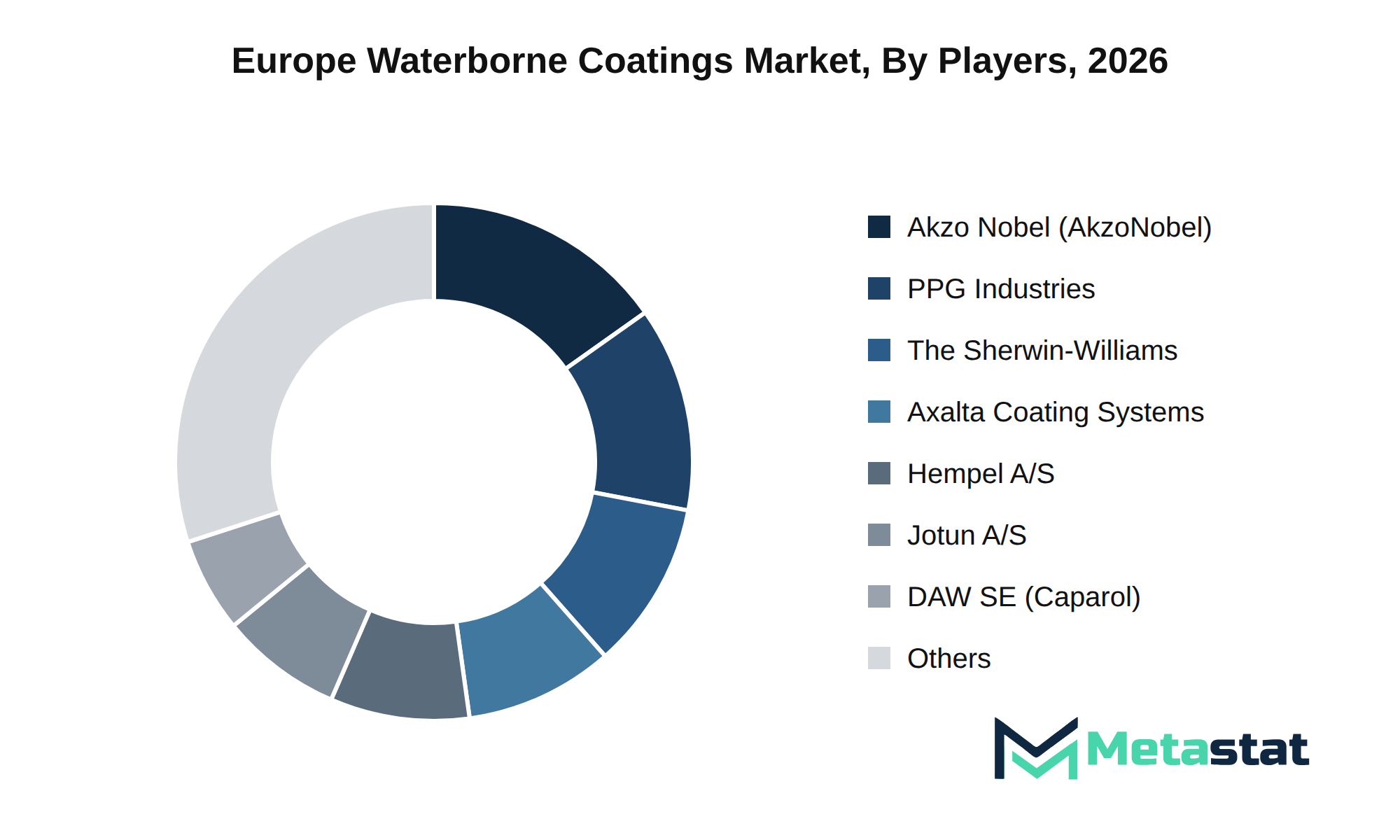
Forecast and Future Outlook
Market size is forecast to rise from USD 25.2 billion in 2025 to over USD 34.5 billion by 2033. The base case anticipates a growth trajectory at a 4.0% CAGR, reflecting a steady increase in demand across various end-use industries, particularly in building and construction, automotive, and industrial machinery sectors. The bull case envisions an accelerated growth scenario driven by rapid advancements in next-generation technology integration, enhancing product performance and expanding application areas.
Conversely, the bear case accounts for potential obstacles including regulatory challenges, geopolitical tensions, and economic fluctuations that hinder growth. Structural shifts in consumption patterns and evolving downstream demand dynamics influence the market landscape. Increased focus on sustainability and compliance with environmental regulations presents challenges and opportunities for manufacturers.
The Europe Waterborne Coatings market remains poised for investment in research and development, focusing on commercialization timelines that align with market needs. Strategic capital allocation and infrastructure commitments signal a robust outlook, capitalizing on emerging white-space opportunities. Companies adapt to evolving trade corridors and regional supply chain shifts to maintain competitiveness and address unmet enterprise needs.
Europe Waterborne Coatings Market Key Segments
By Resin Chemistry:
- Acrylic
- Polyurethane
- Alkyd
- Epoxy
- Polyester
- Vinyl
- Silicone & Siloxane
- Others (Fluoropolymer, Specialty Hybrid and Bio-Based Resin Systems)
By End-Use Industry:
- Building & Construction
- Automotive
- Furniture & Wood Products
- Industrial Machinery & Equipment
- Packaging & Containers
- Rail & Commercial Transportation
- Marine & Offshore
- Aerospace & Defense
- Consumer Goods & Appliances
- Others (Road Marking, Textiles and Leather)
By Substrate:
- Metal
- Wood & Wood-Based Materials
- Concrete, Masonry & Plaster
- Plastics & Composites
- Paper & Paperboard
- Glass & Ceramics
- Textiles & Leather
- Others (Rubber and Specialty Flexible Substrates)
By Country:
- Germany
- France
- United Kingdom
- Italy
- Spain
- Poland
- Netherlands
- Sweden
- Belgium
- Rest of Europe
Key Europe Waterborne Coatings Industry Players
- Akzo Nobel NV (AkzoNobel)
- PPG Industries, Inc
- The Sherwin-Williams Company
- Axalta Coating Systems
- Surventis
- Hempel A/S
- Jotun A/S
- KANSAI HELIOS
- DAW SE (Caparol)
- Teknos Group Oy
- Beckers Group
- Mankiewicz
- Flügger group A/S
- IVM Group
- ADLER
- Remmers GmbH
- MIPA SE
- Lechler SpA
- San Marco Group
- Cromology
- Emil Frei GmbH & Co KG (FreiLacke)
- Brillux GmbH & Co KG
- Mäder Group
- Renner Italia SpA
- Sirca SpA
Report Coverage
The report strategically identifies and profiles the key market players and analyses their core competencies in each sub-segment of the Waterborne Coatings market.
Report Attributes | Details |
Study Period | 2021-2033 |
Base Year | 2025 |
Estimated Year | 2026 |
Forecast Period | 2026-2033 |
Historical Period | 2021-2025 |
Growth Rate | CAGR 4.0% from 2026 to 2033 |
Revenue Unit | USD billion |
Segmentation | By Resin Chemistry, End-Use Industry, Substrate, Country, and Region |
What Report Provides
- Company Market Share, Revenue and Ranking for the Europe Waterborne Coatings Market
- Key Company Market Leaders in the Europe Waterborne Coatings Industry
- Full In-Depth Analysis of the Parent Industry
- Industry Statistics and Important Changes in Market Dynamics
- Segmentation Details of the Europe Waterborne Coatings Market
- Historical, Ongoing and Projected Market Analysis
- Assessment of Niche Industry Developments and Emerging Segments
- Key Strategic Recommendations and Competitive Benchmarking
Frequently Asked Questions
Find answers to common questions about this report
The Waterborne Coatings market size in Europe was valued at USD 25.2 billion in 2025.
The Waterborne Coatings market is projected to grow at a CAGR of 4.0% during the forecast period from 2026 to 2033.
The Acrylic segment leads the Europe Waterborne Coatings market, with a share of 40% in 2025. This dominance reflects its significant application across various industries compared to other resin chemistries.
Growing macro-economic factors significantly contribute to the expansion of the Europe Waterborne Coatings market. Increased capital investment, driven by rising GDP and favorable interest rates, enhances financial capabilities, while shifts in consumer behavior toward sustainability escalate demand for eco-friendly products. Investment in infrastructure development further strengthens market prospects and boosts application rates across various end-use industries.
Regulatory tightening imposes significant barriers for the Europe Waterborne Coatings market, leading to increased compliance costs that affect smaller companies. Supply chain disruptions driven by geopolitical instability create uncertainty and hinder production efficiency. Resource scarcity raises competition for raw materials, driving up costs and delaying production timelines.
Growing macro-economic factors, including increased capital investment and a focus on sustainability, significantly favor product adoption in the Europe Waterborne Coatings market. Urbanization trends and infrastructure development create opportunities for advanced coating solutions that meet aesthetic and functional requirements, enhancing overall market prospects.
The Waterborne Coatings market is estimated to reach a valuation of USD 34.5 billion by 2033.
Key players in the Europe Waterborne Coatings market include Akzo Nobel NV (AkzoNobel), PPG Industries, Inc, The Sherwin-Williams Company, Axalta Coating Systems, Hempel A/S, and Jotun A/S.
Acrylic coatings are expected to reach USD 13.6 billion by 2033, demonstrating a compound annual growth rate of 3.8%.
Germany holds a substantial share, with a projected market size of USD 7.2 billion by 2033.
Choose Your License
Europe Waterborne Coatings Market
Related Reports
Explore related market intelligence reports worth reading alongside this one.