
Global Bulk Milk Coolers (BMC) Market
Global Bulk Milk Coolers (BMC) Market Size, Share, By Capacity (Up to 500 Litres, 501-1,000 Litres, 1,001-3,000 Litres, 3,001-5,000 Litres, 5,001-10,000 Litres, 10,001-20,000 Litres and Above 20,000 Litres), By Tank Design (Open-Type Cooling Tanks, Closed-Type Horizontal Cooling Tanks, Closed-Type Vertical Cooling Tanks and Silos), By End-Use Facility (On-Farm Bulk Cooling Facilities, Milk Collection and Aggregation Centres, Standalone Milk Chilling Centres and Dairy Processing Plants), Industry Analysis, Growth, Trends, and Forecast, 2026-2033
MSI-4847
August 4, 2026
Updated
290 Pages
Historical
Base year
Forecast
Forecast period
Report Details
Comprehensive Market Analysis And Insights
Market Overview
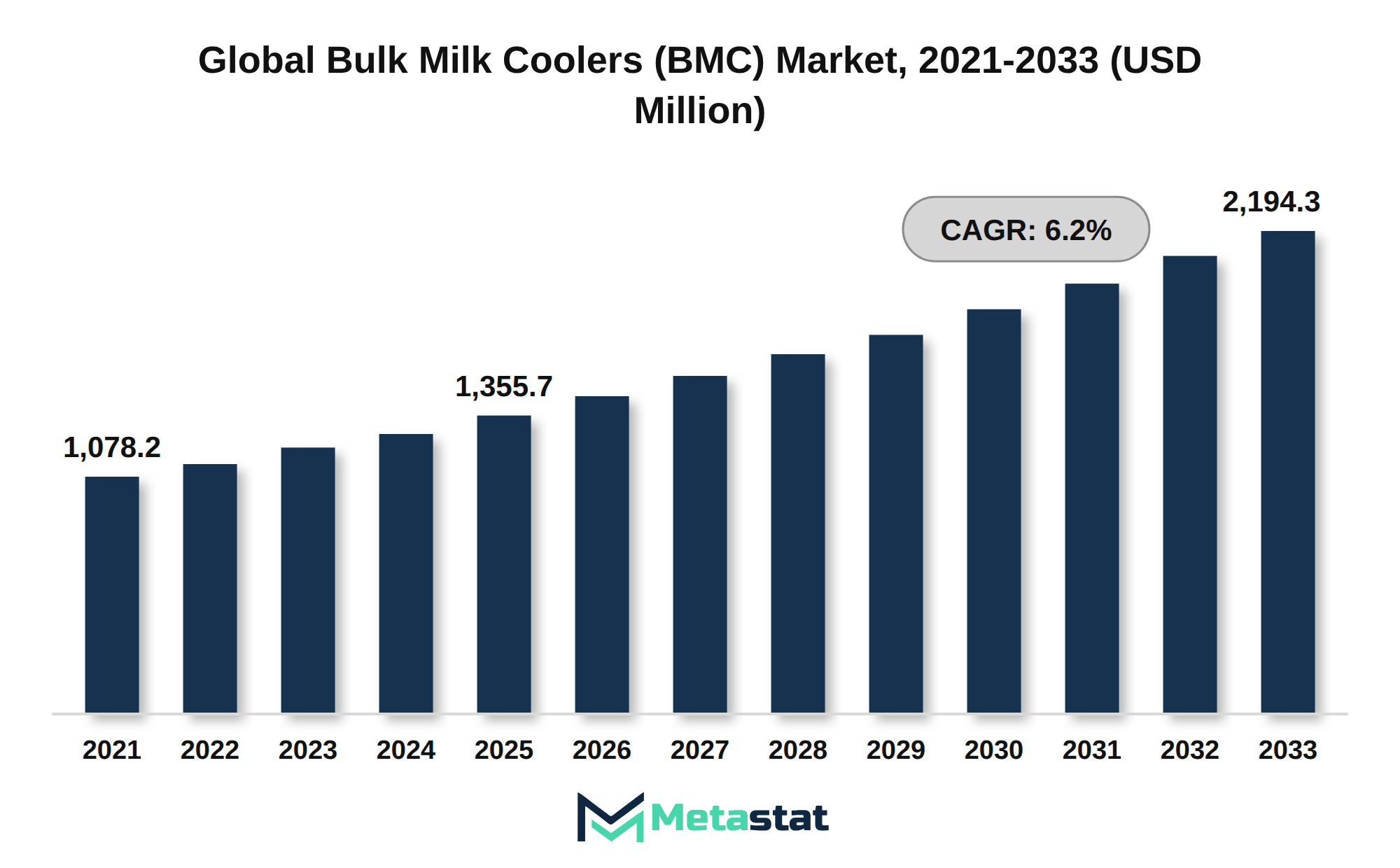
The global Bulk Milk Coolers (BMC) market was valued at USD 1,355.7 million in 2025 and is projected to reach USD 2,194.3 million by 2033, growing at a CAGR of 6.2% over the forecast period.
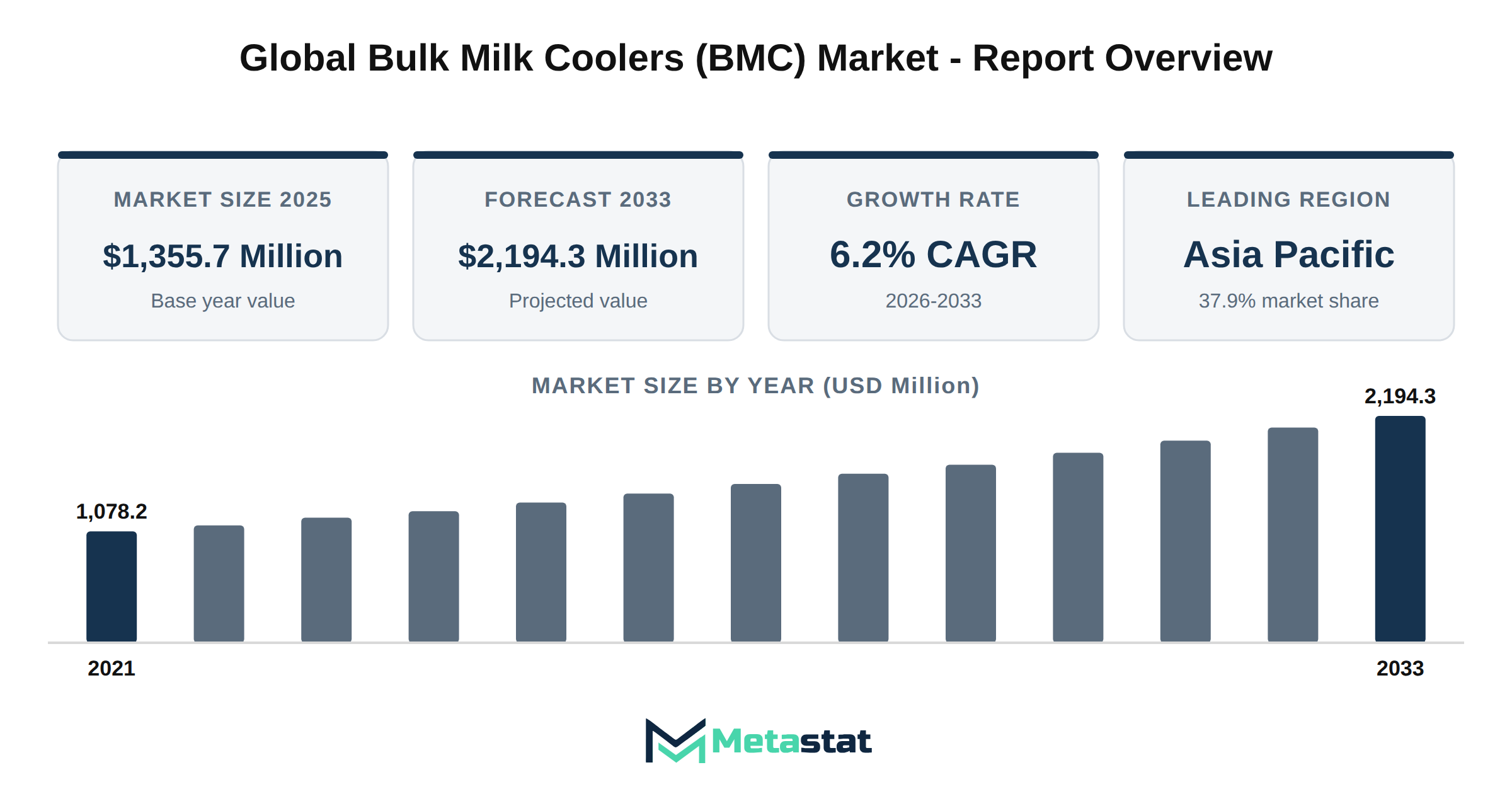
The Bulk Milk Coolers (BMC) market exhibits significant growth potential, driven by increasing dairy production and the need for efficient milk storage solutions. The market value reached USD 1,355.7 million in 2025, with projections indicating a rise to USD 2,194.3 million by 2033, representing a compound annual growth rate (CAGR) of 6.2%. This upward trajectory is fueled by evolving consumer preferences for high-quality dairy products, prompting dairy producers to invest in advanced cooling technologies.
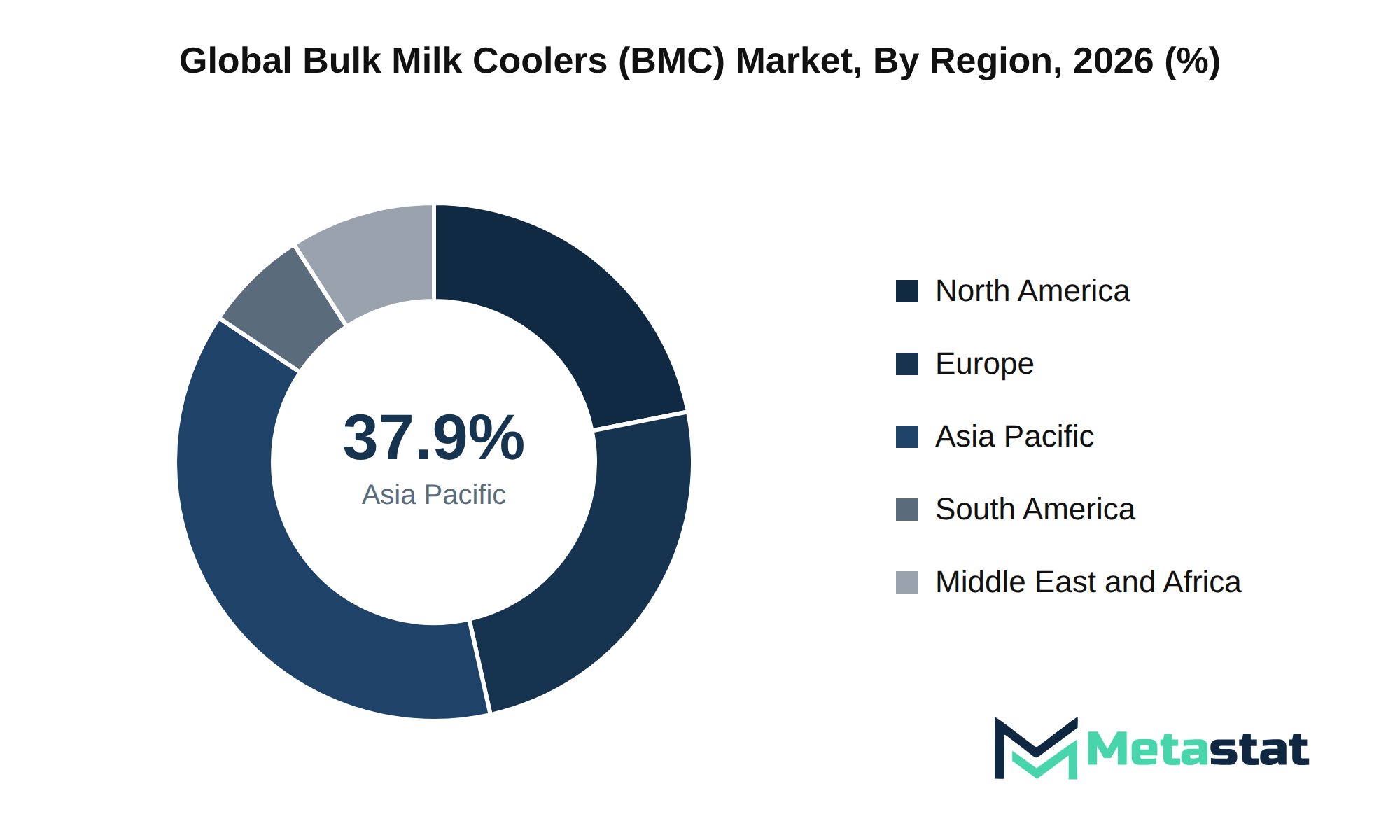
Market dynamics show a strong regional presence, with the Asia Pacific region accounting for the largest share at 37.9%. North America and Europe follow closely, with respective shares of 21.9% and 24.6%. Increasing demand in these regions stems from expanding dairy processing facilities and heightened focus on maintaining milk quality during transportation. Investments in infrastructure enhance the capacity and efficiency of milk cooling systems, supporting overall market growth.
In terms of capacity segments, the market includes categories ranging from up to 500 litres to above 20,000 litres. The segment for 1,001-3,000 litres is expected to experience substantial growth, driven by rising demand from dairy processing plants. Innovations in tank design, including closed-type horizontal cooling tanks, contribute to the market's evolution, offering improved efficiency and performance.
Corporate players including GEA Group Aktiengesellschaft and DeLaval International AB operate in the market, leveraging advanced technologies and strategic partnerships. Their focus on sustainability aligns with the ongoing transformation towards eco-friendly practices within the dairy industry. The emphasis on decarbonization and circular economy dynamics influences procurement strategies and customer journey dynamics, shaping the future direction of the Bulk Milk Coolers (BMC) market.
Regulatory compliance and standards play a crucial role in shaping the Bulk Milk Coolers (BMC) market. Stringent regulations surrounding food safety and quality necessitate advanced cooling solutions, compelling manufacturers to innovate. This dynamic influences buyers, particularly dairy processors, who ensure compliance with local and international standards, affecting their operational costs and market positioning.
Geopolitical risk frameworks contribute to market volatility, impacting supply chains and sourcing strategies. Fluctuations in trade policies and tariffs have prompted manufacturers to reassess their supply chain landscape, optimizing logistics architecture to mitigate risks. This environment creates both challenges and opportunities for suppliers, influencing their operational expenditures owing to their adaptation to changing regulatory landscapes.
Research and development trajectories highlight a significant investment in next-generation innovations. The market experiences a surge in technological advancements, focusing on energy-efficient cooling solutions and smart technologies. These innovations attract investment from various stakeholders, enhancing product offerings and improving operational efficiency across the supply chain.
Sustainable transformation becomes a focal point for industry players, aligning with global decarbonization initiatives and circular economy dynamics. Manufacturers increasingly prioritize environmentally friendly practices, leading to a shift in procurement strategies. This transformation not only addresses consumer demand for sustainability but positions companies favorably in light of growing environmental regulations.
Market fragmentation presents both challenges and opportunities for stakeholders. Diverse players, ranging from established manufacturers to emerging entrants, create a competitive landscape. Strategic mergers and acquisitions (M&A) dynamics shape the market, enabling companies to expand their portfolios and enhance market share through collaboration.
Value chain analysis provides critical insights into procurement and customer journey dynamics. Understanding consumer needs and preferences drives product development, influencing capital allocation decisions across the industry. This focus on customer-centric strategies enhances brand loyalty and supports long-term growth.
Macroeconomic headwinds, including inflationary pressures and currency volatility, impact operational costs and pricing strategies within the market. Companies navigate these challenges, ensuring competitive pricing while maintaining profitability. Strategic infrastructure investments and CapEx/OpEx realities will determine the future trajectory of the market.
The future strategic outlook for the Bulk Milk Coolers (BMC) market emphasizes the importance of adaptability and innovation. Corporate imperatives dictate a proactive approach to emerging trends and consumer demands, driving growth and investment across the sector. High-value recommendations for stakeholders include enhancing technological capabilities and promoting collaboration to remain competitive in this evolving environment.
Market Dynamics
Macro-economic factors drive investments in BMC market
Growth in the Bulk Milk Coolers (BMC) market is closely linked to macro-economic factors, specifically GDP growth and capital investment environments. Increased disposable incomes and consumer spending power contribute to a robust dairy sector, enhancing demand for efficient milk cooling solutions. Investors focus on areas with favorable economic conditions, leading to increased venture funding and public-private partnerships, which support the development of advanced cooling technologies.
Technological integration significantly shapes market dynamics. The adoption of automation and artificial intelligence within the dairy industry enhances operational efficiency, thereby driving demand for Bulk Milk Coolers (BMC). Businesses that invest in modern cooling systems experience improved productivity and reduced operational costs, which directly influences competitive positioning in the market.
Shifting demographic patterns and changing consumer behaviors further impact the market. Urbanization and lifestyle changes lead to increased demand for high-quality dairy products. This trend drives producers to optimize supply chains and invest in reliable cooling technologies, ensuring product integrity and freshness. Consequently, this results in growth opportunities for market players across various regions.
Infrastructure development and asset modernization significantly influence the Bulk Milk Coolers market. Upgrading existing facilities and capabilities enhances production efficiency and supports the transition to advanced cooling solutions. Regions investing in modern infrastructure experience a surge in demand for innovative cooling systems, leading to sustained market growth.
Overall, these macro-economic factors create a conducive environment for the expansion of the Bulk Milk Coolers market, promoting technological advancements and driving investments across the dairy sector.
Digital transformation drives BMC market expansion
The adoption of digital technologies significantly influences the Bulk Milk Coolers (BMC) market. Increased automation and the implementation of artificial intelligence (AI) lead to enhanced operational efficiency and improved accuracy in milk cooling processes. These technological advancements streamline operations, reduce waste, and optimize energy consumption, providing cost advantages to dairy producers. The shift towards digitizing legacy processes allows for better data management and analytics, enhancing decision-making capabilities and overall productivity.
Consumer expectations shift towards transparency and sustainability, prompting dairy producers to invest in modern cooling technologies that align with these preferences. The integration of advanced software solutions enables real-time monitoring and control of cooling systems, ensuring quality and safety standards are met consistently. This focus on advanced technology supports operational productivity and meets evolving consumer demands, positioning the market for substantial growth.
Investment in digital transformation initiatives reflects a broader trend towards modernization within the dairy industry. By adopting these innovations, stakeholders in the Bulk Milk Coolers (BMC) market address current challenges while enhancing their competitive edge. Overall, the commitment to technological integration and digital transformation serves because a crucial growth driver, facilitating improved efficiencies and increased market penetration through 2033.
Regulatory and economic challenges impact BMC adoption
The Bulk Milk Coolers (BMC) market faces significant restraints stemming from regulatory and economic challenges. Stricter regulations regarding environmental standards and safety protocols create compliance hurdles for manufacturers and end-users, thereby increasing costs. Firms operating in the market absorb various costs associated with meeting these regulations, impacting profitability and investment decisions.
Inflationary pressures contribute to high operational costs across the supply chain, creating additional barriers to market entry. Producers experience escalating prices for raw materials and components, affecting their ability to maintain competitive pricing. This situation impacts growth opportunities, resulting from potential buyers delaying purchases or seeking alternatives.
Technological obsolescence restricts market expansion. Companies that fail to invest in new technologies risk losing their competitive edge, which diminishes their market position. This trend influences equipment providers and dairy operators, necessitating ongoing investment in upgrades and innovations.
Market fragmentation presents another challenge. A diverse set of players, ranging from large manufacturers to small local firms, complicates pricing strategies and market dynamics. This fragmentation deters investment from larger players seeking stable returns. The Bulk Milk Coolers (BMC) market, therefore, faces obstacles in achieving a unified approach to growth and innovation.
Supply chain disruptions, driven by geopolitical instability and resource scarcity, complicate the situation. These disruptions impact the availability of necessary components, leading to delays in production and delivery. Buyers experience longer lead times, preventing quick responses to market demands.
Cultural barriers and regional adoption resistors play a role in the market's dynamics. Differences in consumer preferences and operational practices across regions slow adoption rates, particularly in areas where traditional methods remain prevalent. The combination of these restraints creates a complex environment for stakeholders within the Bulk Milk Coolers (BMC) market, affecting overall growth trajectories.
Geopolitical fragmentation creates market volatility
The Bulk Milk Coolers (BMC) market faces challenges from geopolitical fragmentation and resulting trade deficits. These conditions disrupt supply chains and increase tariff friction, leading to higher operational costs for manufacturers and suppliers. Such disruptions particularly influence companies relying on global sourcing for components and materials, affecting pricing strategies and market competitiveness.
Technological disruptions further complicate the landscape, necessitating complex research and development integrations. Companies in the market struggle with interoperability friction when attempting to align legacy systems with modern technology solutions. This misalignment causes delays in product innovation and hampers timely market entry, impacting revenue generation.
Rising input costs, influenced by feedstock volatility and inflationary pressures, exert additional strain on profit margins. Suppliers grapple with maintaining cost structures while meeting evolving consumer demands for sustainability and efficiency. The Bulk Milk Coolers (BMC) market addresses these challenges to enhance competitiveness and ensure long-term growth.
Compliance overhead, arising from tightening global regulatory standards, presents further obstacles. Companies incur additional expenses to meet these standards, diverting resources from strategic initiatives. This situation creates a challenging environment for investment and innovation, limiting the market's ability to adapt to changing consumer preferences.
Finally, workforce skill gaps and talent retention pressures pose significant risks. The demand for skilled labor in the market remains high. Companies struggle to attract and retain qualified personnel. This challenge leads to operational inefficiencies and restricts the market's capacity to respond to future demands effectively.
Emerging regional demands drive market opportunity
Growth in the Bulk Milk Coolers (BMC) market is closely tied to emerging regional demands that arise from increased milk production and consumption. Countries in the Asia Pacific region, particularly China and India, experience heightened demand for efficient cooling solutions due to surging dairy industry activities. The rising population and changing dietary preferences in these nations contribute to this trend, creating opportunities for suppliers to expand their reach.
Infrastructure modernization serves because another catalyst for market growth. Many regions invest in upgrading their dairy facilities to meet new standards. This investment leads to enhanced efficiency and product quality, increasing the demand for advanced bulk milk coolers that integrate innovative technologies.
Geographical expansion is important in the BMC market. Suppliers targeting underserved markets in developing regions capitalize on growing dairy sectors. This expansion facilitates new revenue streams and enhances market share, particularly in South America and parts of Africa, where dairy consumption patterns shift towards more processed products.
Technological disruptions influence the market by promoting digital transformation and next-generation innovations. Advanced cooling technologies and automation reduce operational costs and improve energy efficiency, attracting dairy processors focused on sustainability. The market benefits from these innovations, driving interest and investment in modern bulk milk cooling solutions.
Sustainability imperatives drive eco-friendly transformations within the dairy industry. Producers align with environmental, social, and governance (ESG) criteria, prompting a shift to greener cooling technologies. This alignment enhances brand reputation and meets increasing consumer expectations for sustainable practices.
Market diversification presents opportunities through niche applications and product integration. The evolution of consumer preferences drives demand for specialized cooling systems tailored to different dairy segments. Cross-industry mergers and acquisitions further consolidate expertise and resources, enhancing competitiveness in the market.
The BMC market responds to evolving buying behaviors and shifts towards digital procurement. Increased reliance on online platforms streamlines purchasing processes, allowing suppliers to reach a broader customer base efficiently. This transition supports market growth by expanding access to innovative cooling solutions.
Market Segmentation Analysis
The Global Bulk Milk Coolers (BMC) market is segmented based on Capacity, Tank Design, and End-Use Facility.
By Capacity, the market is further segmented into:
- Up to 500 Litres
- 501-1,000 Litres
- 1,001-3,000 Litres
- 3,001-5,000 Litres
- 5,001-10,000 Litres
- 10,001-20,000 Litres
- Above 20,000 Litres
Up to 500 Litres
Valued at USD 196.5 million in 2026, the Up to 500 Litres segment is projected to reach USD 265.3 million by 2033, representing a CAGR of 4.4% during the forecast period. This sub-segment experiences significant demand from small to medium-sized dairy farms, focusing on efficient milk storage and cooling solutions. Increasing consumer preference for fresh dairy products drives the expansion of this segment, motivating farmers to invest in advanced cooling technologies to ensure product quality and safety.
Technological maturation influences product evolution in this segment, with innovations enhancing energy efficiency and ease of operation. The integration of smart technologies facilitates real-time monitoring and control, attracting buyers interested in optimizing operational efficiency. Regulatory compliance standards mandate proper milk cooling processes, further encouraging adoption within dairy facilities. Compliance with these standards presents challenges and opportunities for manufacturers to innovate and enhance their offerings.
Pricing volatility, primarily influenced by raw material costs, presents challenges for manufacturers, impacting profit margins. Strategic investment in supply chain resilience and raw material sourcing helps mitigate these pressures. The competitive environment features companies including GEA Group Aktiengesellschaft, DeLaval International AB, and Paul Mueller Company actively contributing to advancements in technology and product offerings within the Up to 500 Litres segment.
The segment is well-positioned for continued growth due to rising consumer awareness regarding dairy product quality and safety. Enhanced cooling solutions play a crucial role in maintaining product integrity, aligning with evolving consumer preferences. Consequently, manufacturers focusing on innovative solutions and compliance with industry standards are positioned to capitalize on the opportunities within the Bulk Milk Coolers (BMC) market.
501-1,000 Litres
Demand for Bulk Milk Coolers (BMC) in the 501-1,000 Litres segment stems from the rising need for efficient milk cooling solutions among medium-sized dairy farms and processing facilities. This segment benefits from advancements in technology, enhancing energy efficiency and providing effective cooling capabilities. The increasing focus on quality assurance in the dairy sector drives investments in equipment that meets regulatory compliance and standards.
Segment expansion reflects the growing awareness of food safety and hygiene practices, influencing the demand for reliable cooling systems. Consumer preferences shift towards high-quality dairy products, prompting producers to invest in modern cooling solutions that ensure optimal milk preservation. This trend highlights the importance of maintaining milk quality from farm to processing, reinforcing market growth.
In terms of pricing, fluctuations in raw material costs affect operational expenses for manufacturers in this segment. Companies actively seek cost-effective solutions to mitigate these pressures, often leading to strategic partnerships and innovations in product development. The growth of the segment is significant, with the 501-1,000 Litres segment projected to reach USD 342.1 million by 2033, at a CAGR of 5.1% during the forecast period.
1,001-3,000 Litres
Growth within the 1,001-3,000 Litres segment reflects increasing demand from dairy producers who require efficient cooling solutions to maintain milk quality. This segment, characterized by a capacity range ideal for medium to large-scale operations, experiences heightened adoption driven by technological advancements in cooling systems. Enhanced energy efficiency and improved temperature control directly align with evolving regulatory compliance standards, prompting investment in upgraded cooling equipment. Rising consumer awareness regarding milk quality and safety standards drives operational shifts among dairy producers. The 1,001-3,000 Litres segment is projected to reach USD 620.5 million by 2033, highlighting its growing significance in the Bulk Milk Coolers (BMC) market.
The segment benefits from increased capital investment aimed at modernizing dairy processing facilities. The introduction of next-generation technologies including IoT-enabled monitoring systems enhances operational efficiency and reduces waste, further attracting investment. The growing emphasis on sustainable practices within the dairy industry influences purchasing decisions, with many producers prioritizing energy-efficient systems. This trend indicates a long-term shift in preference towards high-capacity bulk milk coolers that not only meet current needs but anticipate future regulatory requirements. The cumulative effect of these factors positions the segment for sustained growth within the broader market.
3,001-5,000 Litres
With a projected growth at a CAGR of 6.5% during the forecast period, the 3,001-5,000 Litres segment demonstrates significant potential within the Bulk Milk Coolers (BMC) market. Increased demand for larger cooling capacities arises from the expansion of dairy farms and milk processing facilities, which require efficient storage solutions to accommodate growing milk production volumes. Technological advancements in cooling systems contribute to enhanced energy efficiency and operational effectiveness, driving adoption among end-users.
Regulatory compliance regarding milk storage temperature and quality standards influences the segment's growth trajectory. Producers and processors seek reliable cooling solutions to adhere to these regulations, ensuring product safety and quality. The evolution of cooling technology, including next-generation upgrades, further incentivizes investments in this capacity segment.
Market players focusing on the 3,001-5,000 Litres segment face pricing volatility and margin pressures resulting from fluctuating raw material costs. Strategic investments in innovation and product differentiation will aid companies in maintaining competitive positioning. This segment's expansion reflects a broader trend towards sustainable practices and enhanced operational efficiencies in the dairy industry.
5,001-10,000 Litres
Demand for Bulk Milk Coolers (BMC) in the 5,001-10,000 Litres segment reflects a growing need for efficient systems capable of handling larger volumes of milk. Increasing production capacities in dairy farming drive this segment's expansion, owing to larger operations seeking to optimize cooling processes and ensure product quality. The adoption of advanced technologies within the segment enhances operational efficiency and contributes to longer shelf life for dairy products.
Technological maturation within the market supports the development of next-generation cooling solutions, leading to product evolution that meets the unique requirements of larger dairy producers. End-use dynamics indicate a shift toward integrated systems that not only cool but monitor milk quality, aligning with consumer expectations for safe and high-quality dairy products.
Regulatory compliance standards further influence demand, owing to larger operations facing stricter guidelines regarding milk storage and handling. Meeting these standards necessitates investment in robust cooling systems, enhancing market growth potential. Cost structures in this segment reflect the need for reliable technology that minimizes energy consumption while maximizing cooling efficiency, creating a strategic opportunity window for manufacturers.
Pricing volatility in raw materials impacts operational margins for producers. Companies within this segment prioritize supply chain resilience and efficient raw material sourcing to mitigate risks associated with price fluctuations. Substitution risks arise from alternative cooling technologies, emphasizing the importance of innovation and adaptability within the market.
A focus on strategic investments in advanced technologies and equipment will shape the segment's future. The anticipated growth within the 5,001-10,000 Litres segment highlights the importance of aligning product offerings with evolving consumer demands and regulatory frameworks, ensuring sustained relevance in the Bulk Milk Coolers (BMC) market.
10,001-20,000 Litres
Growth in the 10,001-20,000 Litres segment reflects increasing demand for larger-scale bulk milk cooling solutions among dairy producers and processors. This rise stems from the need for enhanced efficiency in milk storage and preservation, aligning with industry trends towards automation and improved operational productivity. The segment benefits from ongoing technological advancements, enabling innovative cooling technologies that enhance energy efficiency and reduce operational costs.
Adoption of next-generation upgrades within this capacity range encourages investment in high-capacity cooling systems. Dairy processing plants increasingly seek robust and reliable cooling solutions to manage larger volumes of milk while adhering to stringent regulatory compliance standards. This demand for compliance drives technological maturation, resulting from manufacturers focusing on integrating advanced features into bulk milk coolers that meet evolving industry regulations.
Consumption shifts within the dairy sector significantly influence market dynamics. Growing awareness regarding product quality and safety encourages dairy operators to invest in superior cooling systems, ensuring optimal milk preservation during collection and transportation. The segment’s alignment with sustainability initiatives enhances its attractiveness, driven by producers prioritizing environmentally friendly technologies to reduce their carbon footprint.
Pricing volatility and margin pressures remain critical factors impacting the segment. Fluctuations in raw material costs affect overall pricing strategies, compelling manufacturers to optimize their supply chain resilience. This includes developing strong relationships with suppliers to secure consistent access to high-quality components necessary for bulk milk cooler production. Strategic opportunity windows emerge, enabling players to innovate and capture market share within the competitive landscape.
Key players in the Bulk Milk Coolers (BMC) market, including GEA Group Aktiengesellschaft, DeLaval International AB, and Paul Mueller Company, actively invest in research and development to enhance their product offerings. This commitment to product evolution positions them favorably in the market, enabling them to cater to the diverse needs of end-users across various dairy applications.
Above 20,000 Litres
Demand for Bulk Milk Coolers (BMC) in the Above 20,000 Litres segment reflects a strong push from large-scale dairy operations that prioritize efficiency and capacity. High-volume production facilities increasingly require advanced cooling solutions to manage significant milk quantities while maintaining quality. Investment in larger capacity systems aligns with trends toward automation and technological advancement in the dairy industry.
Technological maturation plays a critical role. Innovations in cooling technology improve energy efficiency and reduce operational costs. Next-generation upgrades focus on integrating IoT capabilities, allowing for real-time monitoring and control of cooling systems. This evolution supports dairy processors in maintaining optimal storage conditions, which are crucial for product quality and sustainability.
Market participants adapt to evolving regulatory compliance standards, emphasizing energy efficiency and environmental impact. Certifications related to sustainability influence purchasing decisions, encouraging the adoption of high-capacity coolers that meet these mandates. Downstream application dynamics highlight the necessity for scalable solutions that align with increasing milk production volumes and diverse end-use requirements.
Pricing volatility and margin pressures influence operational strategies. Manufacturers explore cost-effective raw material sourcing and resilient supply chains. Strategic opportunity windows arise from emerging markets and regions where dairy consumption is on the rise. While investments in dairy infrastructure grow, the Above 20,000 Litres segment positions itself because a critical area for expansion within the bulk milk coolers landscape.
By Tank Design, the market is further segmented into:
- Open-Type Cooling Tanks
- Closed-Type Horizontal Cooling Tanks
- Closed-Type Vertical Cooling Tanks and Silos
Open-Type Cooling Tanks
Growth in the Open-Type Cooling Tanks segment reflects increasing demand for efficient cooling solutions in dairy operations. Valued at USD 337.1 million in 2026, this segment is projected to reach USD 458.4 million by 2033, achieving a CAGR of 4.5% during the forecast period. Adoption of these tanks is driven by their ability to maintain optimal milk temperatures, ensuring quality preservation. Technological advancements in cooling processes enhance efficiency and reliability, making these products attractive to dairy producers.
Increased focus on regulatory compliance standards and certifications influences segment expansion. Dairy processors prioritize technologies that meet health and safety regulations, contributing to greater adoption of open-type designs. End-use dynamics shift towards sustainable practices, with producers seeking solutions that minimize energy consumption while maximizing output.
Cost structures play a significant role in the purchasing decisions of end-users. Competitive pricing and operational efficiency influence market dynamics, creating opportunities for strategic investments in innovative cooling technologies. Supply chain resilience and raw material sourcing remain critical, driven by manufacturers navigating pricing volatility and margin pressures.
Strategic opportunity windows arise from continuous product evolution and next-gen upgrades. Innovations in insulation materials and cooling technologies provide avenues for differentiation. The enhanced performance of open-type cooling tanks positions them favorably in a competitive landscape, supporting their growth within the Bulk Milk Coolers (BMC) market.
Closed-Type Horizontal Cooling Tanks
Projected to reach USD 1,345.3 million by 2033, the Closed-Type Horizontal Cooling Tanks segment demonstrates a growth trajectory with a compound annual growth rate (CAGR) of 6.2% during the forecast period. Increasing demand for efficient milk cooling solutions serves because a primary driver behind this expansion. Dairy farms and processing facilities prioritize temperature control to maintain milk quality, thereby boosting adoption of closed-type horizontal cooling tanks.
Technological maturation influences segment dynamics. Continuous advancements in cooling technology enhance performance efficiency, reduce energy consumption, and optimize operational costs, making these tanks more attractive to end-users. Regulatory compliance with food safety standards compels stakeholders in the Bulk Milk Coolers (BMC) market to invest in reliable cooling solutions.
Market players focus on innovations and product evolution to capture strategic opportunity windows. Upgrades incorporating IoT capabilities allow for real-time monitoring and control, meeting the increasing expectations of end-users. This technological shift boosts operational efficiency and expands the market appeal of closed-type horizontal cooling tanks.
Competitive pressures influence pricing strategies and cost structures within the segment. Manufacturers face challenges related to raw material sourcing and pricing volatility, which affect profit margins. However, the strategic focus on enhancing supply chain resilience mitigates these risks, ensuring steady supply and availability of products.
While end-use dynamics evolve, the Closed-Type Horizontal Cooling Tanks segment is positioned for continued growth. The increasing prioritization of milk quality and safety standards across the dairy industry supports sustained demand, further propelling market expansion in the coming years.
Closed-Type Vertical Cooling Tanks and Silos
Growth within the Closed-Type Vertical Cooling Tanks and Silos segment reflects a shift towards more efficient and hygienic milk storage solutions. This design enhances product safety by minimizing contamination risks, which aligns with escalating consumer demand for high-quality dairy products. Regulatory compliance standards push dairy producers to adopt advanced cooling technologies, promoting the segment's expansion. Investments in this area are fueled by technological maturation, driving the development of next-generation cooling systems that offer improved energy efficiency and lower operational costs.
The segment is projected to reach USD 390.6 million by 2033. Increased focus on product evolution leads to innovations in tank design and capacity, catering to various end-use dynamics across dairy processing plants and on-farm cooling facilities. Shifts in consumption patterns towards more sustainable and efficient milk storage solutions support the segment's growth trajectory, enabling producers to meet rising demands while maintaining profitability.
Pricing volatility and margin pressures specific to this segment are influenced by fluctuations in raw material costs and supply chain resilience. Companies in the market actively seek to mitigate these risks through strategic sourcing and partnerships. Strategic opportunity windows arise from the continuous demand for improved cooling technologies, presenting avenues for capital investment and expansion within the segment.
By End-Use Facility, the market is further segmented into:
- On-Farm Bulk Cooling Facilities
- Milk Collection and Aggregation Centres
- Standalone Milk Chilling Centres
- Dairy Processing Plants
On-Farm Bulk Cooling Facilities
Growth in the On-Farm Bulk Cooling Facilities segment reflects increasing adoption of advanced cooling technologies that enhance milk quality and extend shelf life. Farmers prioritize efficient cooling solutions owing to rising consumer awareness regarding dairy product quality, driving demand for these facilities. Enhanced milk quality directly impacts profitability for farmers, enabling better pricing and reduced spoilage, which boosts overall market growth.
Investment in next-generation cooling technologies supports segment expansion. The maturation of these technologies provides more energy-efficient and cost-effective solutions, appealing to farmers seeking to optimize operations. This evolution supports the integration of IoT and automation in cooling systems, facilitating real-time monitoring and management of milk storage conditions.
Regulatory compliance standards significantly influence market dynamics for On-Farm Bulk Cooling Facilities. Stricter regulations regarding milk hygiene and quality prompt farmers to upgrade existing systems or invest in new cooling technologies. Meeting these standards enhances market credibility and builds consumer trust, promoting overall growth within the Bulk Milk Coolers (BMC) market.
Pricing volatility in raw materials used for manufacturing cooling systems affects cost structures and margin pressures for suppliers. Fluctuations in prices delay investment decisions among farmers, impacting adoption rates of new technologies. However, strategic partnerships and bulk purchasing agreements mitigate these pressures, ensuring a steady supply of cooling equipment.
Supply chain resilience proves essential in maintaining operational efficiency for On-Farm Bulk Cooling Facilities. Disruptions in logistics and raw material sourcing lead to delays in equipment availability, affecting farmers' ability to implement new technologies. Companies that streamline their supply chains and diversify supplier networks enhance their competitive positioning in the market.
Strategic opportunity windows for manufacturers arise from increasing demand for energy-efficient and sustainable cooling solutions. Innovations targeting environmental sustainability and energy conservation align with consumer preferences and regulatory trends, creating avenues for growth in the On-Farm Bulk Cooling Facilities segment. This focus on sustainability is expected to drive investment and research into more eco-friendly cooling technologies.
Milk Collection and Aggregation Centres
Growing adoption of Bulk Milk Coolers (BMC) in Milk Collection and Aggregation Centres aligns with the increasing demand for efficient milk storage solutions. A heightened focus on maintaining milk quality during transportation drives investments in cooling technology. Various stakeholders, including dairy farmers and cooperatives, benefit from reliable cooling systems that extend milk shelf life and enhance overall product quality, strengthening long-term demand.
Technological advancements contribute significantly to segment expansion. Innovations in refrigeration technologies and energy-efficient systems play a crucial role in attracting industry players. Enhanced product features, including automated temperature control and remote monitoring capabilities, ensure compliance with stringent quality standards set by regulatory bodies, widening commercial adoption.
Cost structures within this segment reflect pressures from raw material sourcing and pricing volatility. Fluctuations in the prices of critical components often impact the overall cost of Bulk Milk Coolers. Consequently, industry participants focus on optimizing production processes and supply chain resilience to mitigate potential disruptions, increasing compliance costs for participants.
Strategic opportunity windows arise from the growing trend towards sustainable practices. Implementing energy-efficient solutions not only reduces operational costs but aligns with environmental regulations. This shift attracts investments from entities prioritizing sustainability in their operational strategies, reinforcing the segment's position.
Downstream applications highlight the importance of these cooling systems in maintaining milk quality during collection and aggregation. Efficient cooling technology directly influences consumer trust and brand reputation, making it a crucial factor for industry growth. Overall, the segment's evolution reflects a dynamic relationship of technological advancements, regulatory compliance, and market demands, enhancing investment across the value chain.
Standalone Milk Chilling Centres
Standalone Milk Chilling Centres play a crucial role in the Bulk Milk Coolers (BMC) market, driven by the growing need for efficient storage and cooling of milk in dairy operations. Adoption of these centres reflects an effort to enhance milk quality and extend shelf life, influenced by stringent quality standards set by regulatory bodies. The continuous evolution of technology in milk chilling aims to improve energy efficiency and reduce operational costs, prompting investments in next-generation equipment and upgrades.
End-use dynamics highlight an increasing focus on standalone chilling solutions, particularly in regions with a high density of dairy farms. Consumption patterns shift towards larger-scale operations, where chilling centres become essential in maintaining the integrity of milk during transportation to processing plants. Regulatory compliance standards further necessitate the installation of advanced chilling technologies that meet health and safety requirements.
Cost structures remain a critical consideration for stakeholders in this segment. Pricing volatility in raw materials impacts the overall investment in chilling technology, prompting operators to seek solutions that optimize costs while maintaining operational efficiency. Supply chain resilience is vital, ensuring timely maintenance and repairs to minimize downtime, thus protecting profit margins.
Technological maturation presents opportunities for upgrading existing systems, enhancing features including automation and monitoring capabilities. Strategic windows for investment exist due to producers recognizing the long-term benefits of reliable chilling solutions, which support their competitiveness in the market. Overall, the segment reflects significant growth potential within the broader Bulk Milk Coolers (BMC) market.
Dairy Processing Plants
Increasing investment in dairy processing plants drives demand for Bulk Milk Coolers (BMC) in this segment. Growth in the dairy industry, supported by rising consumer preferences for dairy products, contributes to this trend. Enhanced efficiency in processing operations leads to a greater need for effective cooling solutions, ensuring product quality and safety.
Technological advancements in cooling systems enhance operational capabilities within dairy processing plants. Innovations focus on energy efficiency, automation, and improved cooling technologies. Operators optimize production processes and reduce energy consumption. These enhancements support sustained profitability and competitiveness in the market.
Regulatory compliance with food safety standards influences the adoption of Bulk Milk Coolers (BMC) in dairy processing facilities. Stricter regulations regarding product preservation and safety push operators to invest in advanced cooling systems that meet industry guidelines. Compliance with these standards protects consumer health and enhances brand reputation.
Growing preference for high-quality dairy products impacts consumption patterns, further driving demand for efficient cooling solutions. Consumers increasingly seek organic and premium dairy options, prompting processors to maintain optimal storage conditions. This trend necessitates investment in reliable cooling technologies that ensure product integrity throughout the supply chain.
Investments in infrastructure and modernization of existing plants create strategic opportunity windows for the BMC market. Dairy processing facilities that upgrade their cooling systems position themselves to capitalize on emerging market trends. These upgrades reflect a proactive approach to meeting evolving consumer demands and maintaining operational efficiency.
By Region
Based on geography, the Global Bulk Milk Coolers (BMC) market is divided into North America, Europe, Asia-Pacific, South America, Middle East, and Africa.
North America
The North America Bulk Milk Coolers (BMC) market is characterized by a strong growth trajectory, projected to expand at a CAGR of 6.2% during the forecast period, reaching a market size of USD 449.4 million by the end of 2033. This region reflects a significant portion of overall market activity.
Demand drivers in this region include increasing dairy production levels and a rising emphasis on milk quality and safety standards. The United States, Canada, and Mexico represent key markets, each contributing to overall growth through advancements in dairy processing technologies and infrastructure upgrades. These enhancements enable producers to meet consumer expectations regarding fresh and high-quality milk products.
Emerging technologies in the Bulk Milk Coolers (BMC) market leverage innovations in energy efficiency and automation, enhancing operational capabilities for dairy producers. Investments in localized manufacturing and supply chains further support market expansion, resulting in increased adoption rates among dairy facilities. This trend encourages competition among domestic suppliers and promotes collaboration in developing customized solutions that cater to specific regional needs.
Infrastructure modernization initiatives play a crucial role in creating an environment conducive to market growth. Enhanced cold chain logistics and investments in cross-border trade corridors improve the effectiveness of BMC systems, allowing for more efficient milk collection and storage processes. Consequently, these factors contribute to incremental growth vectors that strengthen the market's future potential.
Regional dynamics reflect a mature market landscape, where established manufacturers navigate competitive pressures while adapting to evolving consumer demands. Continuous innovation and strategic investments in technology are expected to drive the North America Bulk Milk Coolers (BMC) market towards sustained growth through 2033.
Europe
Europe represents a growing share of the global Bulk Milk Coolers (BMC) market. This region exhibits strong demand driven by the expanding dairy industry, which increasingly relies on advanced cooling solutions for milk preservation and quality enhancement. Key countries including Germany, France, and the UK lead in adoption, supported by robust infrastructure and a focus on modernizing dairy operations.
Investment in dairy processing facilities continues to drive market expansion, with Italy and Spain contributing to growth through a combination of local production and cross-border trade. Regulatory frameworks and compliance mandates further influence purchasing decisions, with local players adapting to meet specific market needs. The presence of established players including GEA Group Aktiengesellschaft and DeLaval International AB strengthens the competitive environment, providing a wide range of product offerings tailored to regional requirements.
Emerging markets within the region, particularly in Eastern Europe, present opportunities for growth owing to local dairy sectors modernizing. Increased focus on sustainability and energy efficiency in cooling technologies aligns with broader environmental objectives, encouraging adoption. The localized manufacturing densities enhance supply chain efficiencies, while geopolitical factors highlight the importance of maintaining stable cross-border trade corridors.
The combination of these dynamics creates a favorable outlook for the Bulk Milk Coolers (BMC) market in Europe, with incremental growth vectors reflecting ongoing investment and innovation within the industry. Strategic entry barriers, including established distribution networks and brand loyalty among key buyers, shape the competitive landscape, leading to potential vendor consolidation trends because companies seek to enhance their market position.
Asia-Pacific
Asia-Pacific accounts for 37.9% of the global Bulk Milk Coolers (BMC) market in 2025, reflecting significant investment and development in the dairy sector across the region. Countries including China, India, and Japan show strong demand driven by increasing dairy production and consumption rates. Infrastructure modernization and expanding dairy processing facilities contribute to rising adoption of bulk milk cooling solutions.
Supply chain regionalization trends create opportunities for localized manufacturing, enhancing the ability to meet domestic demand efficiently. Emerging market front-runners, including India and Southeast Asia, focus on improving dairy quality, which necessitates advanced cooling technologies. The competitive landscape features key players including GEA Group Aktiengesellschaft and DeLaval International AB, which drive innovation and market expansion.
Growth vectors arise from replacement cycles of outdated equipment, encouraging dairy operators to invest in modern bulk milk coolers. Regulatory frameworks across the region support the establishment of robust dairy standards, facilitating the transition to higher-quality milk production. Geopolitical factors influence cross-border trade corridors, enhancing collaboration among regional suppliers and strengthening long-term demand.
South America
The Bulk Milk Coolers (BMC) market in South America accounts for a share of 6.5% of the global market in 2025. Brazil and Argentina represent the primary markets within the region, driven by a growing demand for advanced dairy processing technologies and an expanding dairy farming sector. Increasing investment in infrastructure modernization facilitates the adoption of Bulk Milk Coolers, enhancing storage capabilities and product quality. Emerging market front-runners, particularly Brazil, benefit from a favorable regulatory framework and local compliance mandates that encourage the adoption of efficient cooling solutions. The region's competitive landscape features several domestic participants, including GEA Group Aktiengesellschaft and DeLaval International AB, which contribute to vendor consolidation trends and localized procurement dynamics. Cultural nuances in dairy consumption patterns further influence regional B2B buying behaviors, impacting the decision-making processes of buyers in the market. The market is projected to observe steady incremental growth, supported by foreign direct investment flows and geographic expansion opportunities. The anticipated CAGR of 6.2% from 2026 to 2033 highlights the potential for increased market penetration and the emergence of localized manufacturing densities in South America.
Middle East and Africa
The Middle East and Africa region represents 9.1% of the global Bulk Milk Coolers (BMC) market in 2025. Countries including Saudi Arabia, UAE, and South Africa drive demand across various segments, including both on-farm cooling facilities and dairy processing plants. Increased dairy production and modernization efforts in these regions enhance the need for efficient milk cooling solutions. Local compliance mandates and regulations promote the adoption of advanced cooling technologies, influencing buyer behavior and procurement dynamics.
Infrastructure modernization initiatives play a crucial role in expanding market opportunities. Investments in local dairy processing capabilities support the growth of Bulk Milk Coolers (BMC) by improving supply chain efficiencies. The presence of domestic companies, including GEA Group and DeLaval, reinforces competitive landscapes, leading to vendor consolidation trends that further enhance market penetration.
Strategic entry barriers in the form of foreign direct investment (FDI) flows provide avenues for geographic expansion, creating a robust environment for localized manufacturing. Cultural nuances and B2B buying behaviors shape procurement decisions, impacting how suppliers engage with customers in these regions. Overall, regional dynamics indicate a promising outlook for the Bulk Milk Coolers (BMC) market, driven by technological advancements and evolving consumer preferences.
Competitive Landscape and Strategic Insights
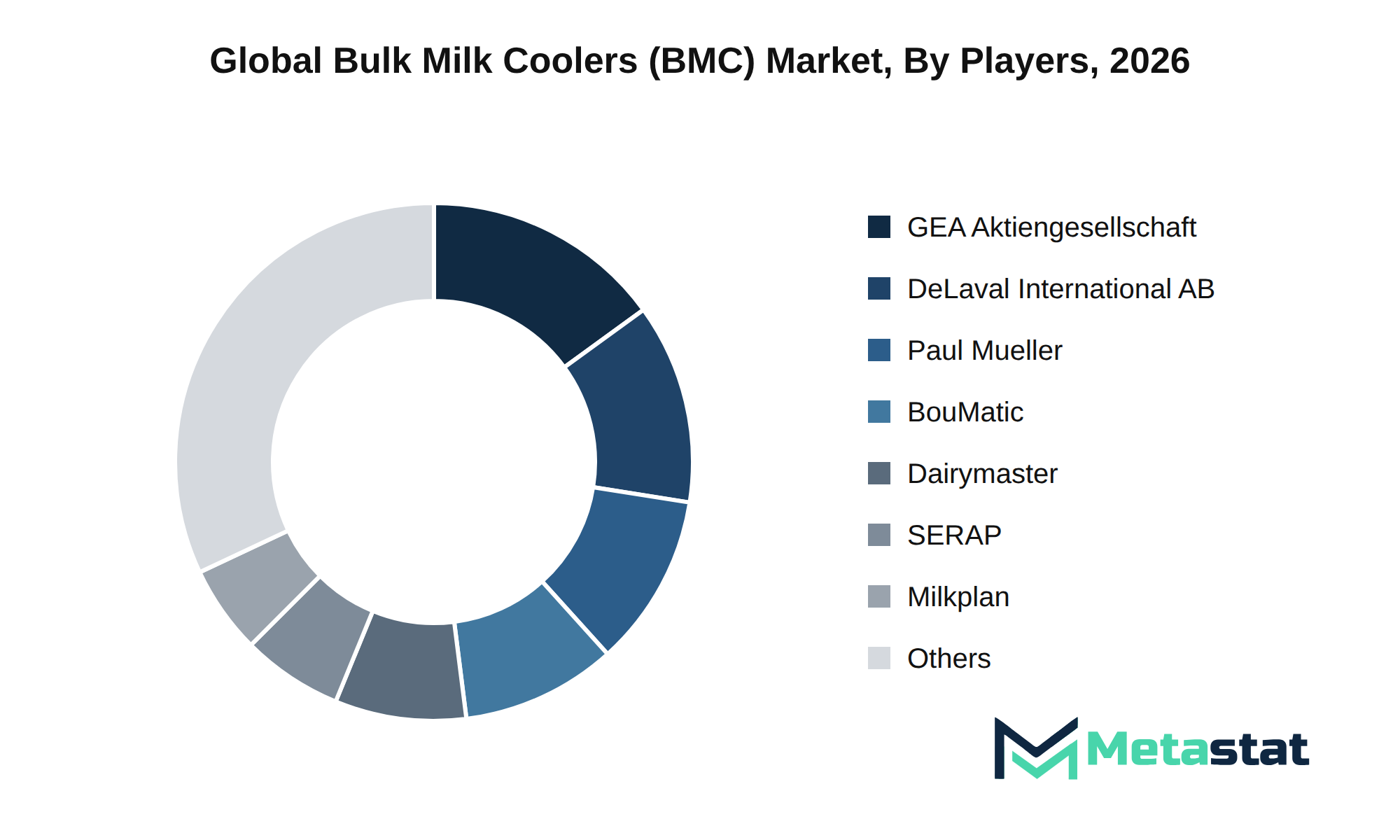
The competitive landscape of the Bulk Milk Coolers (BMC) market involves several key players actively engaged in strategic consolidation and market positioning. Companies including GEA Group Aktiengesellschaft, DeLaval International AB, and Paul Mueller Company have established significant footholds through mergers and acquisitions, enhancing their product offerings and market reach. This consolidation trend leads to increased competition and innovation within the sector.
Strategic partnerships and product differentiation
Strategic alliances and joint ventures contribute to the competitive dynamics among companies like SERAP Group, Dairymaster, and BouMatic LLC. These collaborations enhance technological capabilities and broaden geographical presence. Investment in research and development fuels product differentiation, enabling firms to cater to diverse customer needs.
The threat of new entrants influences market strategies, prompting established players to fortify their positions through value chain integration and strong brand equity dynamics. Companies prioritize customer retention strategies, creating significant switching costs that act because barriers for consumers. The market is anticipated to experience continued growth driven by advancements in proprietary technologies and intellectual property portfolios, positioning the firms favorably against emerging competition.
Overall, the Bulk Milk Coolers (BMC) market remains competitive, with established players employing various strategies to navigate challenges and seize growth opportunities.
Forecast and Future Outlook
The Bulk Milk Coolers (BMC) market size is forecast to rise from USD 1,355.7 million in 2025 to over USD 2,194.3 million by 2033, reflecting a compound annual growth rate (CAGR) of 6.2%. This growth trajectory stems from several factors, including rising demand for efficient milk storage solutions from dairy processors, increasing dairy production, and regulatory pressures for better milk quality management.
In the bull case, accelerated technological advancements and heightened investments in R&D for next-generation cooling technologies could drive market growth beyond the current forecasts. Enhanced energy efficiency and automation in bulk milk coolers would address operational challenges, leading to higher adoption rates among dairy facilities. Strategic capital allocation directed towards infrastructure improvements further supports this expansion.
The bear case, however, highlights potential impediments including economic downturns impacting dairy producers’ purchasing power. Regulatory changes introduce compliance costs that could burden smaller operators, resulting in delayed market growth. Evolving trade corridors and global supply chain shifts could further complicate the procurement of essential components for bulk milk coolers, leading to potential supply shortages.
Overall, the market will experience a shift in demand dynamics driven by consumer preferences for quality and sustainability influencing purchasing decisions. Emerging white-space opportunities exist in developing regions, where infrastructure investments are underway, indicating high-growth pockets in the BMC market. The ability to navigate these shifts through strategic imperatives and defensibility roadmaps will play a significant role in capitalizing on future growth prospects.
Bulk Milk Coolers (BMC) Market Key Segments
By Capacity:
- Up to 500 Litres
- 501-1,000 Litres
- 1,001-3,000 Litres
- 3,001-5,000 Litres
- 5,001-10,000 Litres
- 10,001-20,000 Litres
- Above 20,000 Litres
By Tank Design:
- Open-Type Cooling Tanks
- Closed-Type Horizontal Cooling Tanks
- Closed-Type Vertical Cooling Tanks and Silos
By End-Use Facility:
- On-Farm Bulk Cooling Facilities
- Milk Collection and Aggregation Centres
- Standalone Milk Chilling Centres
- Dairy Processing Plants
By Region:
- North America
- Europe
- Asia-Pacific
- South America
- Middle East and Africa
Key Global Bulk Milk Coolers (BMC) Industry Players
- GEA Group Aktiengesellschaft
- DeLaval International AB
- Paul Mueller Company
- SERAP Group
- Wedholms AB
- Dairymaster
- Milkplan S.A.
- BouMatic LLC
- Fabdec Group
- JAPY Tech SAS
- FIC S.p.A.
- TDM - Total Dairy Management
- Kromel Makina Sanayi A.Ş.
- Agromasters
- ETSCHEID Anlagen GmbH
- Gpi Tanks & Process Equipment
- GIDAMAKSAN Makina Sanayi
- Wenzhou Ace Machinery Co., Ltd.
- Wenzhou Longqiang Machinery Tech Co., Ltd.
- Associated Dairyfab Private Limited
- Gemak Engineering Solutions
- Ice Make Refrigeration Limited
- Chadha Sales Private Limited
- Milkon Heavy Engineering Private Limited
- ISF Industries Private Limited
- Delmer Group
- SM Engineering
- Bhagyalaxmi Industries
- Risto Metallverarbeitung GmbH
- Amit Engineering Works
Report Coverage
The report strategically identifies and profiles the key market players and analyses their core competencies in each sub-segment of the Bulk Milk Coolers (BMC) market.
|
Report Attributes |
Details |
|
Study Period |
2021-2033 |
|
Base Year |
2025 |
|
Estimated Year |
2026 |
|
Forecast Period |
2026-2033 |
|
Historical Period |
2021-2025 |
|
Growth Rate |
CAGR 6.2% from 2026 to 2033 |
|
Revenue Unit |
USD million |
|
Segmentation |
By Capacity, Tank Design, End-Use Facility, and Region |
|
By Region |
North America (By Capacity, Tank Design, End-Use Facility, and Country)
|
|
Europe (By Capacity, Tank Design, End-Use Facility, and Country)
|
|
|
Asia Pacific (By Capacity, Tank Design, End-Use Facility, and Country)
|
|
|
South America (By Capacity, Tank Design, End-Use Facility, and Country)
|
|
|
Middle East and Africa (By Capacity, Tank Design, End-Use Facility, and Country)
|
WHAT REPORT PROVIDES
- Key Company Market Share, Revenue and Ranking for the Bulk Milk Coolers (BMC) Market
- Key Market Leaders in the Bulk Milk Coolers (BMC) Industry
- Full In-Depth Analysis of the Parent Industry
- Industry Statistics and Important Changes in Market Dynamics
- Segmentation Details of the Bulk Milk Coolers (BMC) Market
- Historical, Ongoing and Projected Market Analysis
- Assessment of Niche Industry Developments
- Key Strategies of Major Players in the Market
Frequently Asked Questions
Find answers to common questions about this report
The Bulk Milk Coolers (BMC) market size was valued at USD 1,355.7 million in 2025.
The Bulk Milk Coolers (BMC) market is projected to grow at a CAGR of 6.2% during the forecast period from 2026 to 2033.
The North America Bulk Milk Coolers (BMC) market size is estimated to reach USD 449.4 million by 2033.
The segment "Closed-Type Horizontal Cooling Tanks" leads the Bulk Milk Coolers market with a projected value of USD 1,345.3 million by 2033. This segment surpasses others based on its anticipated revenue growth.
Key drivers for the Bulk Milk Coolers (BMC) market include GDP growth, increased disposable incomes, and technological integration. These factors enhance demand for efficient cooling solutions, improve operational efficiency, and support investments in modern cooling technologies, ultimately driving market growth.
Asia Pacific holds the dominant share of the Bulk Milk Coolers market, accounting for 37.9 percent. This significant position highlights the region's leading role in the market compared to North America, Europe, South America, and the Middle East and Africa.
The Bulk Milk Coolers (BMC) market encounters restraints from regulatory challenges, inflationary pressures, and technological obsolescence. Stricter regulations increase compliance costs, while rising raw material prices affect competitive pricing. market fragmentation complicates pricing strategies, deterring investment and hindering growth opportunities.
Growth in the Bulk Milk Coolers market is driven by macro-economic factors including GDP growth and increased disposable incomes, enhancing demand for efficient cooling solutions. Technological integration, including automation and artificial intelligence, improves operational efficiency, while infrastructure development supports the adoption of advanced cooling technologies across the dairy sector.
The Bulk Milk Coolers (BMC) market is estimated to reach a valuation of USD 2,194.3 million by 2033.
Key players in the Bulk Milk Coolers (BMC) market include GEA Group Aktiengesellschaft, DeLaval International AB, Paul Mueller Company, SERAP Group, Wedholms AB, Dairymaster, and BouMatic LLC.
Choose Your License
Global Bulk Milk Coolers (BMC) Market
Related Reports
Explore related market intelligence reports worth reading alongside this one.
Netherlands Food and Beverages QA, QC, and Compliance Software Solutions Market
Starting from
$2950