
LEAD ANALYST
Utkarsh Khirodkar is a Lead Market Research Analyst at MetaStat Insight, specializing in market intelligence, technology sector assessments, and competitive strategy.

Global Fc Protein and Glycoengineered Antibodies Market Size, Share, By Engineering Approach (Fc Amino Acid and Protein Engineering, Fc Glycoengineering and Afucosylation, FcRn Binding and Half-Life Engineering, Combined Fc and Glycan Engineering), By Antibody Format (Conventional Monoclonal Antibodies, Bispecific and Multispecific Antibodies, Antibody-Drug Conjugates, Fc Fragments and Fc-Fusion Constructs), By Therapeutic Area (Oncology, Autoimmune and Inflammatory Disorders, Rare and Hematologic Disorders, Infectious Diseases), By Development Stage (Commercialized Products, Phase III Candidates, Phase II Candidates, Phase I and Preclinical Candidates), Industry Analysis, Growth, Trends, and Forecast, 2026-2033
Report ID
MSI-4812
Published
July, 2026
Updated
Pages
310 Pages
Format
Report Details
Choose Your License
Global Fc Protein and Glycoengineered Antibodies Market
The global Fc Protein and Glycoengineered Antibodies market was valued at USD 39.3 billion in 2025 and is projected to reach USD 93.9 billion by 2033, growing at a CAGR of 11.5% over the forecast period.
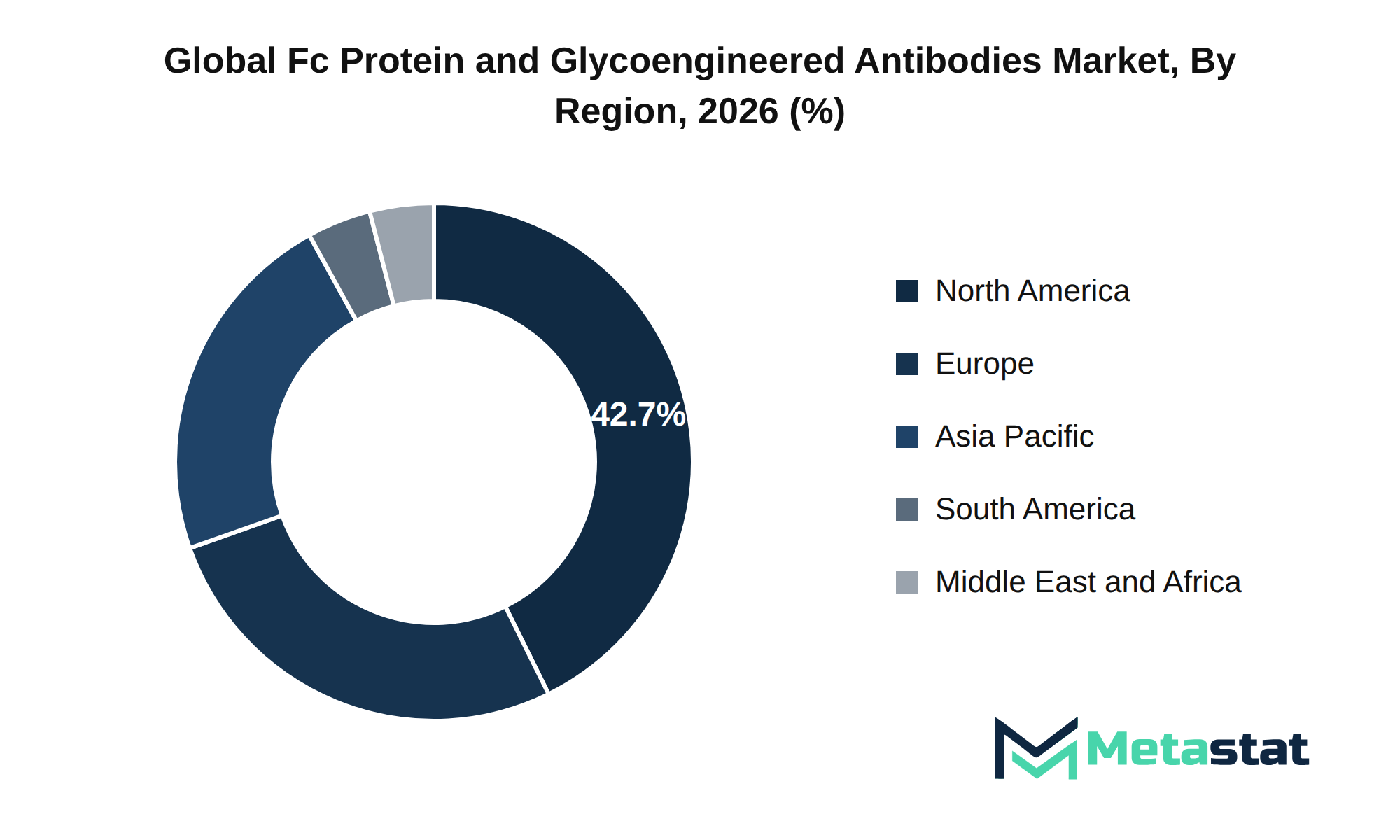
The Fc Protein and Glycoengineered Antibodies market exhibits significant growth potential, with North America accounting for 42.7% of the market share in 2025. The United States is expected to lead this segment, maintaining a strong market presence in 2026. The market's value is projected to evolve from USD 39.3 billion in 2025 to USD 93.9 billion by 2033, reflecting a compound annual growth rate (CAGR) of 11.5% over this period. This growth trajectory is driven by advancements in antibody engineering and increasing applications in therapeutic areas such as oncology and autoimmune disorders.
Regionally, Europe captures 26.9% of the market, while Asia Pacific follows with 22.4%. South America and the Middle East and Africa each hold 4% of the market share. The regional distribution indicates a balanced interest across major economies, with North America leading due to robust research and development activities, coupled with a well-established healthcare infrastructure. This positioning enables the region to capitalize on emerging trends in Fc protein and glycoengineered antibodies, particularly in the pharmaceutical sector.
Regulatory compliance plays a critical role in shaping the Fc Protein and Glycoengineered Antibodies market. Regulatory bodies enforce strict guidelines to ensure product safety and efficacy, influencing development timelines and market entry strategies. Companies must navigate a complex set of regulations while innovating within the boundaries set by these authorities. As the market expands, continued vigilance in adhering to these regulations will be essential for maintaining product integrity and consumer trust.
Geopolitical factors can introduce risks that affect market dynamics. Changes in trade policies or international relations may impact supply chains and market access. Companies in the Fc Protein and Glycoengineered Antibodies market must remain adaptive to these external pressures and consider them in their long-term strategic planning. This approach ensures resilience against potential disruptions, allowing businesses to sustain growth during changing global conditions.
Research and development trajectories indicate a strong focus on next-generation innovations in antibody formats and engineering techniques. The market is witnessing a shift toward personalized medicine, with tailored therapies gaining traction. Companies are investing significantly in R&D to develop bispecific and multispecific antibodies, which offer enhanced therapeutic benefits. The anticipated increase in investment in this area demonstrates the industry's commitment to evolving treatment methodologies and improving patient outcomes.
Sustainability trends are also influencing the Fc Protein and Glycoengineered Antibodies market. The focus on sustainable transformation and decarbonization is reshaping operational practices, prompting companies to adopt environmentally friendly practices in their production processes. The integration of circular economy dynamics is becoming increasingly relevant, as companies explore ways to minimize waste and improve resource efficiency throughout their supply chains.
Supply chain resilience remains a priority, particularly in light of recent disruptions experienced globally. Companies are re-evaluating their logistics architecture and sourcing strategies to mitigate risks associated with supply chain vulnerabilities. By diversifying suppliers and enhancing operational flexibility, businesses can better position themselves to respond to unforeseen challenges while ensuring consistent product delivery to the market.
The competitive landscape of the Fc Protein and Glycoengineered Antibodies market is characterized by fragmentation, with numerous players vying for market share. This environment encourages innovation and collaboration among companies, as well as partnerships with research institutions. The dynamic nature of the market necessitates ongoing adaptations in strategies, including potential mergers and acquisitions, to enhance competitive positioning and drive growth.
The Fc Protein and Glycoengineered Antibodies market is influenced by various factors that shape its value chain, procurement strategies, and customer journey. Key players in this market are focusing on developing strategic partnerships and collaborations to enhance their supply chains and optimize procurement processes. This approach enables companies to secure high-quality raw materials and streamline production workflows, thereby improving the overall efficiency of their operations. The customer journey in this sector is evolving due to increasing demand for personalized medicine and targeted therapies, leading to a greater emphasis on customer engagement and education throughout the treatment process.
Digitalization plays a critical role in the evolution of the Fc Protein and Glycoengineered Antibodies market. Companies are increasingly integrating smart operations and digital tools into their workflows to enhance production efficiency and improve product quality. Advanced data analytics and artificial intelligence are being adopted to facilitate decision-making processes, optimize supply chain management, and accelerate research and development efforts. These technologies allow for real-time monitoring of production processes, ensuring compliance with regulatory standards and improving overall operational agility.
Industry 4.0 and 5.0 concepts are gaining traction, with manufacturers leveraging automation and intelligent systems to create more responsive and flexible production environments. This shift enhances productivity and supports the development of innovative therapeutic solutions tailored to patient needs. As the market continues to evolve, embracing digital transformation will be essential for companies seeking to maintain a competitive edge and drive growth.
Capital allocation strategies within the Fc Protein and Glycoengineered Antibodies market are closely tied to the need for infrastructure investments and operational expenditures. Companies are prioritizing investments in research and development to create next-generation therapeutic options, reflecting a commitment to innovation and long-term growth. This focus on R&D is vital, given the increasing competition in the market and the necessity to advance product pipelines to meet evolving healthcare demands.
At the same time, organizations must balance capital expenditures with operational expenditures to ensure financial sustainability. This balance is crucial as companies navigate the complexities of production costs, supply chain dynamics, and market fluctuations. Strategic financial planning will enable firms to allocate resources effectively, ensuring that they can capitalize on opportunities for expansion while mitigating risks associated with economic uncertainties.
The Fc Protein and Glycoengineered Antibodies market is not immune to macroeconomic headwinds, inflationary pressures, and currency volatility. These factors can significantly impact production costs and pricing strategies, necessitating agile responses from companies to maintain profitability. Inflationary trends can increase the costs of raw materials, labor, and logistics, which, in turn, may affect the pricing of final products. Additionally, currency fluctuations can influence the competitiveness of companies operating in different regions, impacting export and import dynamics.
Understanding these economic challenges is critical for stakeholders within the market. Companies need to develop strategies that incorporate risk management and financial forecasting to navigate the complexities of the economic environment effectively. By doing so, they can better position themselves to respond to changing market conditions and capitalize on growth opportunities as they arise.
As the Fc Protein and Glycoengineered Antibodies market continues to mature, addressing these constraints and dependencies will be essential for sustained growth. Companies must be proactive in adapting to regulatory changes, economic fluctuations, and shifts in consumer preferences. This approach will enable them to thrive in an increasingly competitive environment.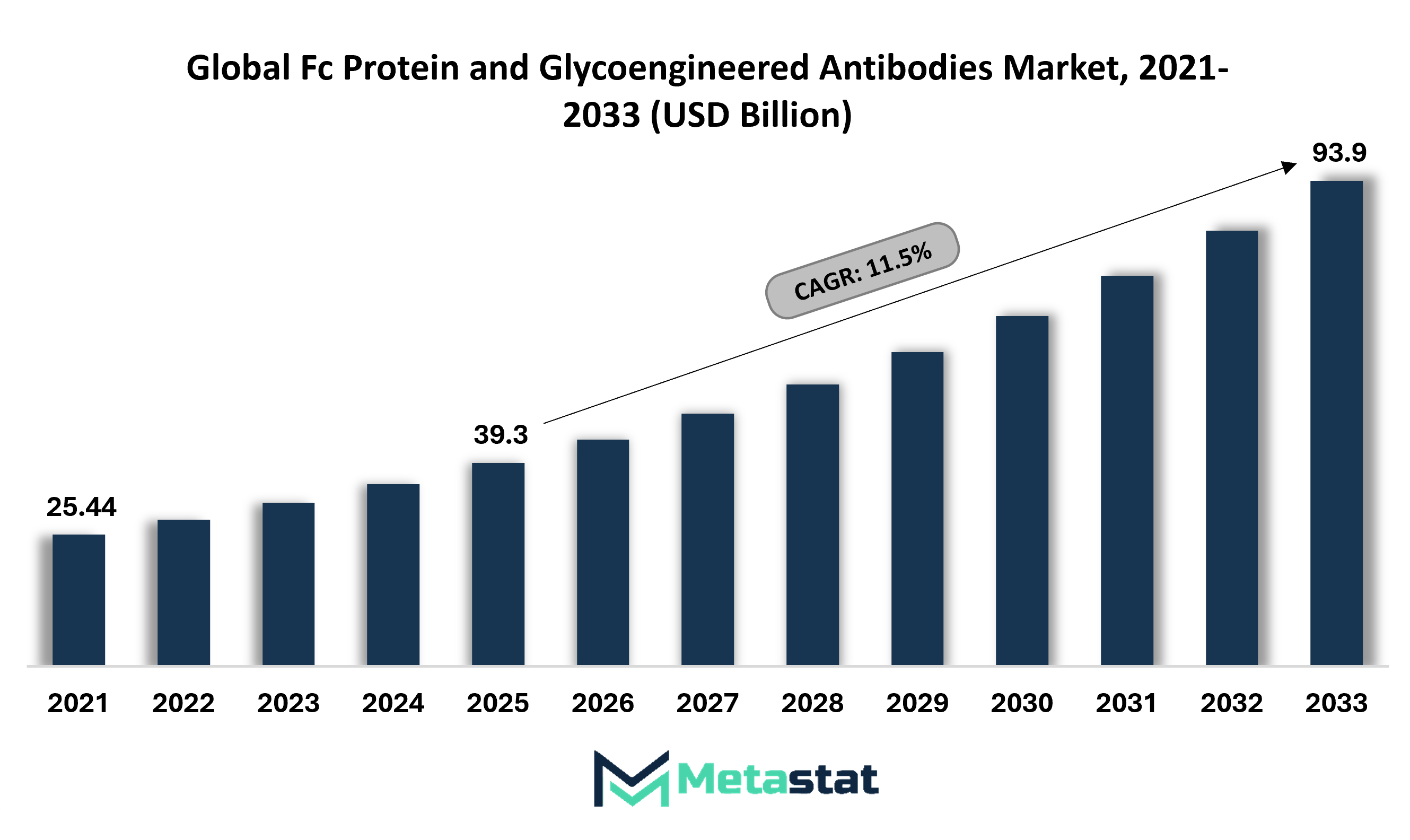
Venture funding has surged in recent years, positively impacting the Fc Protein and Glycoengineered Antibodies market. Increased investment allows companies to accelerate research and development activities, leading to innovative solutions and enhanced product offerings. As a result, this investment climate directly translates into higher demand for advanced therapeutic options, particularly in areas such as oncology and autoimmune disorders. The growing emphasis on personalized medicine is further driving the need for tailored therapies, making glycoengineered antibodies an attractive option for developers and investors alike.
Regions experiencing significant growth include North America and Europe, where venture capital support is particularly strong. North America is projected to account for approximately 42.7% of the total market share by 2033, driven largely by substantial funding directed at biotech firms focusing on Fc protein and glycoengineering technologies. European countries are also witnessing increased investments in innovative therapeutic approaches, contributing to the region's projected 26.9% share of the market. The demand in these regions reflects a broader trend toward prioritizing advanced therapeutic modalities that can address complex healthcare challenges.
For suppliers, the uptick in venture funding represents both opportunities and challenges. Increased funding levels provide suppliers with a favorable environment to collaborate with biotech firms, enhancing their product offerings and expanding their market reach. However, suppliers must remain agile and responsive to the changing environment. Those that can effectively align their manufacturing capabilities and product development with the needs of funded companies are likely to gain a competitive edge in the growing Fc Protein and Glycoengineered Antibodies market.
Globalization is creating a more interconnected marketplace, leading to increased access to the Fc Protein and Glycoengineered Antibodies market. As trade barriers diminish and international collaborations flourish, suppliers and buyers alike benefit from enhanced market access. This shift is reflected in the growing demand for advanced biopharmaceuticals, with companies seeking innovative solutions to meet the diverse healthcare needs of various populations. Consequently, this interconnectedness drives greater investment in research and development, resulting in a wider array of products entering the market.
The impact of globalization is particularly significant in North America and Europe, where advanced healthcare infrastructure and high levels of investment in biotechnology converge. In North America, which holds a 42.7% share of the market, the demand for Fc Protein and Glycoengineered Antibodies is projected to grow at a compound annual growth rate (CAGR) of 11.5% through 2033. Europe, capturing 26.9% of the market, is also experiencing growth driven by increased collaboration among biopharmaceutical companies and research institutions. This regional focus on innovation and technology integration positions these markets as key players globally.
For suppliers, this environment presents both opportunities and challenges. The globalization of the market necessitates an agile approach to product development and distribution, as companies must navigate varying regulatory frameworks across regions. Collaboration with international partners can enhance innovation and speed up the development of new products. As the demand for Fc Protein and Glycoengineered Antibodies continues to rise, suppliers that effectively leverage globalization dynamics will increasingly position themselves as leaders in the market.
The Fc Protein and Glycoengineered Antibodies market faces significant challenges due to high capital investment requirements and escalating operating costs. The development and production processes for these proteins and antibodies often necessitate advanced technologies and specialized equipment, leading to substantial initial capital expenditures. Ongoing operational expenses tied to raw materials, quality control, and regulatory compliance further strain budgets, negatively impacting profitability and hindering market growth.
North America absorbs the most damage from these constraints, accounting for approximately 42.7% of the market share. Within this region, companies face pressures stemming from both high operational costs and the need for continuous investment in innovative technologies. The estimated market value in North America is projected to reach USD 37.5 billion by 2033, reflecting a compound annual growth rate (CAGR) of 11.5%. In Europe, which holds a market share of 26.9%, firms also experience similar financial burdens that can impede growth and development activities.
In response to these challenges, companies are attempting to streamline operations and optimize resource allocation. Some organizations have adopted lean manufacturing principles to mitigate waste and reduce costs. Others are exploring partnerships and collaborations to share expenses and leverage resources more efficiently. However, these workarounds have proven incomplete. Many entities still struggle with the initial capital outlay required to enter the market, limiting the number of new players and innovations capable of driving competitive advantage. Consequently, the high capital investment and operating costs remain critical restraints that slow overall market growth in the Fc Protein and Glycoengineered Antibodies sector.
Firms operating in the Fc Protein and Glycoengineered Antibodies market contend with the challenge of escalating compliance costs driven by tightening global regulatory standards. These standards are becoming more rigorous, requiring companies to ensure that their products meet new safety and efficacy criteria. This operational problem necessitates extensive documentation, testing, and quality assurance processes, which can divert valuable resources away from research and development activities.
North America and Europe present particularly difficult environments for compliance management due to their stringent regulatory frameworks. In these regions, firms face intense scrutiny from regulatory bodies, complicating the approval process for new products and innovations. The high level of oversight can lead to delays in market entry, impacting revenue streams and strategic planning. The Asia Pacific region, while having fewer regulations, is increasingly adopting similar standards, suggesting that companies may not find relief from regulatory pressures even in emerging markets.
To address these compliance challenges, firms are investing in advanced regulatory affairs teams and technologies designed to streamline the approval process. These investments often lead to increased operational costs, as organizations allocate substantial budgets to ensure adherence to evolving standards. In some cases, compliance overhead can account for a significant portion of the overall budget, limiting the financial resources available for other critical areas such as marketing or product development. Consequently, companies must balance the need for rigorous compliance with the imperative to maintain competitiveness in the market.
Significant opportunities exist in the Fc Protein and Glycoengineered Antibodies market driven by emerging regional demands and the need for geographical expansion. As the market expands from a base value of USD 39.3 billion in 2025 to an estimated USD 93.9 billion by 2033, stakeholders are positioned to capitalize on demand from regions such as North America, where the market share stands at 42.7%, and Europe at 26.9%. The Asia Pacific region, with a share of 22.4%, presents untapped potential as local healthcare systems evolve and the biotech industry develops.
Companies seeking to capture this market opportunity require capabilities in advanced engineering approaches, particularly in Fc amino acid and protein engineering and glycoengineering. Investments in research and development will be crucial, as will strategic partnerships that enhance product integration into therapeutic applications. The ability to navigate regulatory environments and adapt to regional compliance standards will also play a vital role in successful market entry and sustainability. As the competitive environment evolves, firms that can innovate and respond to localized needs will likely gain a significant edge.
The timing is critical, as the market is projected to grow at a compound annual growth rate (CAGR) of 11.5% from 2026 to 2033. Companies that delay entering emerging markets may miss this growth window as established players strengthen their positions. Fluctuating supply chain dynamics and shifting regulatory landscapes could create barriers to entry if not addressed promptly. Companies must act swiftly to leverage current trends while positioning themselves for long-term success in the Fc Protein and Glycoengineered Antibodies market.
The Global Fc Protein and Glycoengineered Antibodies market is segmented based on Engineering Approach, Antibody Format, Therapeutic Area, and Development Stage.
Valued at USD 14.7 billion in 2026, the Fc Amino Acid and Protein Engineering segment is projected to reach USD 30.2 billion by 2033, reflecting a compound annual growth rate (CAGR) of 10.8% during this period. This growth is driven by advancements in protein engineering technologies, which enable the design of antibodies with enhanced efficacy and reduced immunogenicity. As the demand for more effective therapeutic solutions increases, the adoption of engineered antibodies in various applications is expected to expand significantly.
Technological maturation is significant in this segment, with continuous innovations leading to next-generation upgrades that enhance product performance. For instance, improvements in amino acid engineering techniques allow for more precise modifications, thereby increasing the effectiveness of therapeutic antibodies. The downstream application matrix is evolving, with increased usage in oncology and autoimmune disease treatments, thereby fueling demand within the Fc Protein and Glycoengineered Antibodies market.
Regulatory compliance remains a vital aspect as companies navigate stringent standards to ensure product safety and efficacy. This aspect can influence development timelines and related costs. The segment faces pricing volatility and margin pressures, impacted by fluctuating raw material costs and the need for ongoing R&D investment. As the market continues to grow, strategic opportunity windows will emerge, presenting avenues for investment and innovation in Fc amino acid and protein engineering.
By 2033, the Fc Glycoengineering and Afucosylation segment is projected to reach USD 24.3 billion, reflecting a compound annual growth rate (CAGR) of 11.5% during the forecast period. This growth is driven by several key factors. Primarily, advancements in glycoengineering techniques enhance the efficacy and safety profiles of therapeutic antibodies, making them more appealing to pharmaceutical companies and healthcare providers. Adoption rates have increased as organizations recognize the benefits of afucosylation, which improves antibody-dependent cellular cytotoxicity (ADCC), thereby increasing the therapeutic potential of monoclonal antibodies.
As technology matures, next-generation glycoengineering methods are being developed, allowing for more precise modifications of glycan structures. This evolution in product development is crucial for meeting the complex demands of diverse therapeutic applications, particularly in oncology and autoimmune disorders. Evolving regulatory compliance standards necessitate rigorous testing and validation processes, compelling companies to invest in innovative glycoengineering solutions that align with these requirements.
Cost structures within this sub-segment may face pricing volatility, influenced by fluctuations in raw material costs and increased competition among manufacturers. However, supply chain resilience is becoming a priority, with firms focusing on establishing stable sourcing channels for critical raw materials necessary for glycoengineering. This landscape ultimately presents strategic opportunity windows for companies in the Fc Protein and Glycoengineered Antibodies market to capitalize on growing demand while navigating potential challenges.
By 2033, the FcRn Binding and Half-Life Engineering segment is projected to reach USD 22.3 billion. This growth is driven by an increasing focus on enhancing therapeutic efficacy and reducing dosing frequency through improved half-life properties. Technologies that optimize FcRn binding are crucial, as they significantly prolong the circulation time of antibodies in the bloodstream, leading to better patient adherence and outcomes.
As the market evolves, technological maturation is important in product development. The emergence of next-generation FcRn binding approaches, coupled with advancements in glycoengineering, supports the evolution of more effective therapeutic antibodies. The demand for personalized medicine continues to rise, providing motivation for innovations in this segment.
Cost structures remain a key consideration, as pricing volatility and margin pressures influence product accessibility. Companies are increasingly investing in strategic research and development to manage these factors effectively and maintain competitiveness in the market. As regulatory compliance standards continue to tighten, adherence to these regulations can serve as both a challenge and a catalyst for innovation in FcRn binding technologies.
In response to market dynamics, companies are exploring strategic opportunity windows for capital investment, focusing on high-potential areas within FcRn Binding and Half-Life Engineering. This strategic focus is essential for sustaining growth and addressing the needs of an expanding patient population.
Projecting a compound annual growth rate (CAGR) of 12.8%, the Combined Fc and Glycan Engineering segment demonstrates a robust upward trajectory during the forecast period. This growth is driven by the increasing demand for advanced therapeutic options in the Fc Protein and Glycoengineered Antibodies market, particularly in applications requiring enhanced efficacy and safety profiles.
Technological advancements play a significant role in this segment's expansion. Innovations in glycan engineering techniques have enabled the development of antibodies with improved pharmacokinetic properties and reduced immunogenicity. These enhancements encourage greater adoption in clinical settings, as healthcare providers increasingly prefer therapies that exhibit higher specificity and lower side effects.
The downstream application matrix indicates a shift in end-use dynamics. As the market for Fc protein and glycoengineered antibodies matures, sectors such as oncology and autoimmune disorders are experiencing rising adoption rates. This shift aligns with the growing focus on personalized medicine, which prioritizes targeted therapies to maximize patient outcomes and improve overall treatment efficacy.
Regulatory compliance standards and niche certifications continue to influence market dynamics. As manufacturers strive to meet stringent quality requirements, ongoing investments in research and development will be essential to maintain competitive advantages. Cost structures and pricing volatility also present challenges, necessitating effective management strategies to sustain profit margins throughout the value chain.
This residual category encompasses various engineering approaches that do not fall under the primary classifications in the Fc Protein and Glycoengineered Antibodies market. Its composition may include emerging techniques or niche methodologies awaiting broader adoption. The lack of a distinct identity often relegates these methods to a secondary status, reflecting their limited market penetration and lower visibility compared to more established segments. Factors such as slower technological maturation and regulatory complexities may hinder the growth of these approaches. As the market evolves, opportunities for innovation in this residual bucket may arise, yet it currently remains minimally significant.
Valued at USD 19.7 billion in 2026, the Conventional Monoclonal Antibodies segment is projected to reach USD 38.3 billion by 2033, achieving a compound annual growth rate (CAGR) of 10% during the forecast period. This growth reflects rising demand driven by advancements in therapeutic applications, particularly in oncology and autoimmune disorders. Adoption rates are increasing as healthcare providers recognize the effectiveness of these antibodies in targeted therapies, enhancing patient outcomes.
Technological maturation plays a critical role in this segment's expansion. Continuous innovations in antibody engineering, including improved specificity and reduced immunogenicity, contribute to the growing preference for conventional monoclonal antibodies. As clinical evidence mounts regarding their efficacy, the market experiences increasing investments in research and development, which further supports segment growth.
Cost structures remain a primary consideration, as pricing volatility and margin pressures can impact accessibility. As more manufacturers enter the market, the competitive landscape may stabilize pricing, benefiting healthcare providers and patients alike. Supply chain resilience and raw material sourcing have become essential factors, as disruptions in the global supply chain can affect production timelines and costs.
The market for Conventional Monoclonal Antibodies is poised for significant growth, driven by technological advancements, increasing adoption, and a focus on cost management. The Fc Protein and Glycoengineered Antibodies market reflects this trend, with robust opportunities for stakeholders across various segments.
By 2033, the Bispecific and Multispecific Antibodies segment is estimated to reach USD 22.3 billion, growing at a compound annual growth rate (CAGR) of 14.3% during the forecast period. This growth is driven by increasing demand for advanced therapies that can target multiple pathways in diseases, particularly in oncology and autoimmune disorders. The ability of bispecific antibodies to engage two different antigens simultaneously enhances their therapeutic potential, making them highly sought after in clinical applications.
Technological advancements have played a significant role in the development of bispecific antibodies, allowing for more efficient production methods and improved efficacy profiles. These innovations include next-generation platforms that streamline the design and manufacturing processes. As a result, companies are better equipped to produce these complex molecules at scale, which further supports market expansion.
In addition, the regulatory landscape for bispecific antibodies is evolving, with agencies providing clearer pathways for approval. This facilitates the entry of new products into the market, thereby promoting competition and innovation. Companies are leveraging these regulatory changes to introduce novel therapies that meet unmet medical needs.
Pricing strategies also influence the segment's growth, as companies navigate the balance between innovative therapies and cost-effectiveness. As the market matures, understanding the cost structures and pricing volatility specific to bispecific antibodies will be crucial for long-term sustainability. Overall, the Bispecific and Multispecific Antibodies segment is positioned for significant growth within the broader Fc Protein and Glycoengineered Antibodies market.
By 2033, the Antibody-Drug Conjugates segment is anticipated to reach USD 17.5 billion. This projection reflects a growing interest in targeted therapies that enhance the effectiveness of cancer treatments. Primary demand drivers include an increasing prevalence of cancer and advancements in biotechnology that facilitate the design of more effective conjugates.
Adoption rates for Antibody-Drug Conjugates are expected to rise as healthcare providers seek innovative treatments with fewer side effects. The segment benefits from technological maturation. Continuous improvements in conjugation chemistry and linker technologies are enhancing drug efficacy and safety. As product evolution continues, manufacturers are likely to focus on developing next-generation Antibody-Drug Conjugates that offer improved therapeutic profiles.
End-use dynamics indicate a shift towards personalized medicine. Healthcare providers are opting for tailored therapies based on individual patient profiles. This trend is supported by regulatory compliance standards that encourage the development of innovative therapeutic solutions that meet safety and efficacy requirements.
Cost structures and pricing volatility in this segment reflect the complexities of research and development, leading to margin pressures. Companies in the market must navigate these challenges while ensuring supply chain resilience, particularly in raw material sourcing and logistics. As the market evolves, strategic opportunities will arise for firms that can effectively address these cost and supply chain considerations while delivering innovative therapeutic solutions.
This segment, which includes Fc Fragments and Fc-Fusion Constructs, is projected to grow at a compound annual growth rate (CAGR) of 11.1% during the forecast period. The demand for these constructs is driven primarily by their application in various therapeutic areas, including oncology and autoimmune disorders. As innovative therapies emerge, the market is experiencing a shift towards more targeted and efficient treatment options, thereby enhancing adoption rates among healthcare providers.
Technological maturation within the Fc Protein and Glycoengineered Antibodies market further supports this growth. Advances in engineering techniques have led to the development of next-generation Fc fragments, improving efficacy and safety profiles. Product evolution vectors such as enhanced pharmacokinetics and reduced immunogenicity are compelling factors for adoption across various clinical applications.
Regulatory compliance standards also play a crucial role in shaping market dynamics. As more Fc-fusion constructs gain regulatory approvals, they are increasingly becoming a staple in therapeutic regimens. This trend builds confidence among stakeholders regarding the safety and effectiveness of these products.
Despite the upward trajectory, cost structures and pricing volatility present challenges. Manufacturers need to balance R&D investments with pricing strategies that remain competitive while ensuring profitability. Nevertheless, strategic opportunity windows are emerging as demand for Fc fragments and fusion constructs rises in both established and developing markets.
This sub-segment aggregates various antibody formats that do not fit into the primary categories, such as conventional monoclonal antibodies or bispecific antibodies. Inclusion in this "Others" category reflects a limited market presence or lack of distinct classification among emerging formats. As innovation continues, some of these formats may evolve or gain traction, potentially shifting their classification in the future. The Fc Protein and Glycoengineered Antibodies market remains dynamic, with the potential for these residual formats to contribute to future growth. However, their current status prevents them from being a focal point in market analyses.
Valued at USD 19.1 billion in 2026, the oncology segment is projected to reach USD 39 billion by 2033, reflecting a compound annual growth rate (CAGR) of 10.8% during the forecast period. This growth is driven by increasing demand for advanced cancer therapies and the rising prevalence of oncology-related diseases. The market is also witnessing significant adoption of innovative treatment modalities, including glycoengineered antibodies, which enhance therapeutic efficacy and specificity.
Technological maturation is important, with ongoing advancements in antibody engineering processes leading to the development of next-generation products. These advancements contribute to improved patient outcomes, which is a primary factor in the segment's expansion. As pharmaceutical companies focus on research and development, the pipeline for innovative therapies continues to grow, driving further investment in oncology solutions.
Regulatory compliance is another critical aspect affecting the market. With stringent regulations surrounding the approval of new therapies, companies must navigate complex standards to bring their products to market. Cost structures and pricing volatility are pertinent considerations. The high costs associated with research, development, and production can exert margin pressures, influencing pricing strategies for oncology therapeutics.
Strategic opportunity windows exist as the demand for effective cancer treatments continues to rise globally. This growing market presents avenues for investment and innovation, particularly as healthcare systems seek to improve cancer care and patient access to advanced therapies.
By 2033, the Autoimmune and Inflammatory Disorders segment is projected to reach USD 24.9 billion, growing at a compound annual growth rate (CAGR) of 12.2% during the forecast period. This segment's growth is driven by increasing prevalence of autoimmune diseases and a rising demand for effective therapeutic options. As healthcare systems prioritize personalized medicine, innovations in Fc protein and glycoengineered antibodies are expected to enhance treatment efficacy, further boosting market expansion.
Technological advancements play a critical role in the evolution of treatment for autoimmune and inflammatory disorders. As manufacturers invest in next-generation upgrades, these antibodies are becoming more specialized and effective. This technological maturation aligns with evolving treatment protocols that increasingly favor biologics over traditional small molecules, thereby facilitating broader adoption of these therapies.
Supply chain resilience is also crucial for maintaining the growth trajectory of this segment. Ensuring a consistent supply of raw materials and managing logistics effectively can mitigate potential disruptions. Regulatory compliance standards must be adhered to, as they shape the development and approval processes for new therapies. Companies navigating these complexities stand to gain competitive advantages in the market.
The Fc Protein and Glycoengineered Antibodies market is witnessing notable consumption shifts, with healthcare providers increasingly favoring advanced therapies that demonstrate improved clinical outcomes. As the segment continues to evolve, capital investment outlooks will likely remain positive, driven by strategic opportunity windows that cater to emerging patient needs.
By 2033, the segment dedicated to Rare and Hematologic Disorders is expected to reach USD 16.9 billion, indicating a significant focus on specialized therapies within the Fc Protein and Glycoengineered Antibodies market. This growth is driven by increasing prevalence and diagnosis of rare diseases, which often lack effective treatment options.
Technological maturation is important in this segment's expansion. Advancements in antibody engineering technologies, such as Fc glycoengineering, enhance the efficacy and safety profiles of therapies targeted at rare and hematologic conditions. As research progresses, next-generation upgrades in antibody formats are becoming increasingly attractive to developers, allowing for improved therapeutic outcomes.
Regulatory compliance standards are critical for innovation in this area. Stringent approval processes necessitate that products meet specific safety and efficacy benchmarks, influencing market dynamics. These standards can also act as barriers for smaller players trying to enter the market, consequently shaping competitive strategies.
Cost structures and pricing volatility are significant factors impacting this segment. The development of novel therapies often incurs high research and production costs, which could lead to pricing pressures. The increasing recognition of the value of these treatments could justify higher price points, particularly as they address unmet medical needs.
The Infectious Diseases segment is projected to grow at a CAGR of 10.8% during the forecast period. This growth is driven by increasing incidences of infectious diseases globally, which create a high demand for effective therapeutic options. Advances in biotechnology have led to the development of more targeted and efficient treatments, enhancing patient outcomes and expanding the market potential.
Technological maturation is significant in this segment, as novel engineering approaches enhance the efficacy and reduce the side effects of therapies. Innovations in Fc protein engineering, specifically, contribute to improved drug delivery systems, making treatments more effective in combating infections. The evolution of antibody formats, such as bispecific antibodies, further diversifies treatment options and meets varying therapeutic needs.
Adoption rates are likely to rise due to a better understanding of immunological responses and how these can be leveraged for enhanced therapeutic benefit. Increased funding for research and development in infectious diseases strengthens the market. Regulatory compliance also influences market dynamics, with stringent guidelines ensuring safety and efficacy in newly developed therapies.
The ongoing technological advancements coupled with rising adoption rates position the infectious diseases sub-segment favorably within the broader Fc Protein and Glycoengineered Antibodies market. This segment reflects a proactive response to public health challenges, aiming to enhance treatment efficacy and patient care.
This sub-segment encompasses various therapeutic applications that do not fall into the established categories within the Fc Protein and Glycoengineered Antibodies market. It remains residual due to its diverse nature, pulling together a range of antibody formats and engineering techniques that are still developing. Adoption rates for these applications tend to be lower compared to more defined segments, reflecting niche demand and limited visibility in the broader market. As technological maturation progresses and new innovations emerge, this category may experience shifts in relevance, yet it continues to represent a smaller share of the overall market.
Valued at USD 30.9 billion in 2026, the Commercialized Products segment of the Fc Protein and Glycoengineered Antibodies market is projected to reach USD 60.1 billion by 2033, with a compound annual growth rate (CAGR) of 10% during the forecast period. This growth is primarily driven by an increasing demand for effective treatments across various therapeutic areas, particularly in oncology and autoimmune disorders. The successful commercialization of these products indicates a robust pipeline that meets clinical needs and market demand.
Technological maturation is important in this sub-segment, enabling the development of next-generation products that enhance efficacy and safety profiles. As companies invest in research and development, product evolution vectors are expected to lead to more advanced formulations and delivery methods. This focus on innovation will likely attract new investments and create strategic opportunities within the market.
Cost structures and pricing volatility will significantly impact the segment. As competition increases, pricing pressures may arise, potentially affecting profit margins. However, established players with strong brand recognition and clinical validation can leverage their market position to maintain competitive pricing.
Supply chain resilience is also critical, as disruptions in raw material sourcing and logistics can hinder product availability. Companies that streamline their supply chains will likely benefit from improved operational efficiency and enhanced product delivery timelines, contributing to overall market growth.
By 2033, the Phase III Candidates segment is estimated to reach USD 13.2 billion, growing at a compound annual growth rate (CAGR) of 13.4% during the forecast period. This segment represents a critical phase in the development of Fc Protein and Glycoengineered Antibodies, focusing on final-stage clinical trials and preparation for commercialization. The substantial growth is driven by the increasing number of candidates advancing through the pipeline, reflecting a robust investment in research and development.
Technological maturation in antibody engineering contributes significantly to the segment's expansion. Innovations in glycoengineering and modifications aimed at enhancing therapeutic efficacy are becoming commonplace. As these technologies advance, the potential for new treatments entering the market increases, which may also lead to improved patient outcomes.
Cost structures and pricing volatility also play a role in shaping market dynamics. As more candidates reach Phase III trials, the competition among developers intensifies, potentially affecting pricing strategies. Additionally, regulatory compliance standards must be adhered to, which can impact the timelines and costs associated with bringing products to market.
Overall, the Phase III Candidates segment is positioned for growth, driven by technological advancements and strategic investments. The Fc Protein and Glycoengineered Antibodies market will continue to evolve as developers aim to meet the increasing demand for effective therapies in various therapeutic areas.
By 2033, the Phase II Candidates segment is expected to reach USD 11.3 billion. This growth reflects heightened investment in therapeutic research and development within the Fc Protein and Glycoengineered Antibodies market. The increasing number of candidates in this phase signals a robust expansion of innovative treatments, aligning with a broader trend of advancing biotechnology applications.
Adoption rates for phase II candidates are particularly influenced by the successful outcomes from earlier trials, which demonstrate the potential efficacy and safety of these products. As clinical trials progress, more therapies transition from discovery to clinical evaluation, indicating a healthy pipeline that could satisfy unmet medical needs, especially in oncology and autoimmune disorders.
The segment benefits from strategic partnerships among pharmaceutical companies and research institutions, which drive innovation and accelerate the development timeline. These collaborations are crucial in navigating regulatory compliance standards, enhancing the likelihood of successful product approvals and market entry.
Overall, the Phase II Candidates segment represents a dynamic and promising aspect of the market, driven by technological advancements and an increasing focus on precision medicine. As more entities invest in this area, the potential for new therapies continues to rise, further supporting the segment's anticipated growth trajectory.
This sub-segment is projected to grow at a compound annual growth rate (CAGR) of 16% during the forecast period. A significant driver of this growth is the increasing investment in research and development, particularly for novel therapeutics aimed at various diseases. With the advent of advanced technologies, researchers are focusing on enhancing the efficacy and safety profiles of Fc proteins and glycoengineered antibodies, thereby expanding their potential applications across numerous therapeutic areas.
The demand for Phase I and preclinical candidates is heavily influenced by adoption rates in oncology and autoimmune disorders. As the understanding of disease mechanisms improves, the market experiences a corresponding increase in product candidates entering these early stages of development. This trend indicates a shift toward more targeted therapies, which is essential for addressing unmet medical needs.
Regulatory compliance remains a critical aspect in this sub-segment, with stringent requirements shaping the development timelines and costs associated with bringing new candidates to market. Companies are navigating these challenges by streamlining their processes, leading to improved efficiency in the development pipeline.
Overall, the Phase I and preclinical candidates sub-segment within the Fc Protein and Glycoengineered Antibodies market is positioned for significant growth, driven by technological advancements, research investments, and a focus on regulatory standards. This aligns with the broader trends observed throughout the market, highlighting the vital role of early-stage candidates in advancing therapeutic options.
Based on geography, the Global Fc Protein and Glycoengineered Antibodies market is divided into North America, Europe, Asia-Pacific, South America, Middle East, and Africa.
North America is forecasted to experience significant growth in the Fc Protein and Glycoengineered Antibodies market, with a projected compound annual growth rate (CAGR) of 11.5%. By the end of 2033, the market size is expected to reach USD 37.5 billion. This growth can be attributed to several factors that shape the regional dynamics.
The United States, Canada, and Mexico dominate the North American market, contributing to a substantial 42.7% share of the global market in 2025. This significant presence reflects the strong demand for innovative therapeutic solutions and advancements in biotechnology across these countries. In the United States, the emphasis on research and development enhances the market potential, particularly in therapeutic areas such as oncology and autoimmune disorders.
Mature market dynamics play a crucial role in driving growth. High-value replacement cycles for existing therapies will lead to incremental growth vectors, as healthcare providers seek more effective and efficient treatment options. The focus on localized manufacturing densities and nearshoring initiatives supports supply chain regionalization, allowing companies to respond swiftly to market demands.
Geographic regulatory frameworks in North America also contribute to the market's development. Stringent local compliance mandates ensure the safety and efficacy of Fc proteins and glycoengineered antibodies. This regulatory environment builds trust among healthcare professionals and patients, thereby enhancing adoption rates of innovative therapies.
Regional competitive landscapes show the presence of several domestic market leaders and a trend toward vendor consolidation. As companies strive to maintain a competitive edge, collaborations and partnerships are becoming more common, enriching the market. These developments highlight the increasing focus on innovation and collaboration within the industry.
Europe holds a significant share of the global Fc Protein and Glycoengineered Antibodies market, accounting for 26.9% in 2025. The region's market dynamics are influenced by various factors, including a robust infrastructure and increasing technological advancements. Germany, France, the UK, Italy, and Spain are key contributors to this growth, driven by their established healthcare systems and high investment in research and development.
High-value replacement cycles in the European market contribute to steady demand for Fc protein therapies, while the presence of domestic market leaders creates an environment of innovation. Companies such as Roche, AbbVie, and Sanofi play an important role in shaping the competitive landscape, driving product development and market penetration. Incremental growth vectors include advancements in antibody formats and therapeutic applications, particularly in oncology and autoimmune disorders.
Localized manufacturing densities enhance the supply chain's resilience, facilitating faster production and distribution. Nearshoring initiatives are increasingly adopted to streamline operations, reducing lead times and transportation costs. The geographic regulatory frameworks in Europe also support the growth of the market, with stringent compliance mandates ensuring high standards for product quality and safety.
The presence of emerging market front-runners, such as Russia, presents opportunities for expansion. Regions with underpenetrated territories are likely to see increased investments and development of localized solutions. The demand for Fc Protein and Glycoengineered Antibodies is expected to grow significantly, with a compounded annual growth rate of 11.5% anticipated through 2033.
The Asia-Pacific region is expected to capture a significant portion of the global Fc Protein and Glycoengineered Antibodies market by 2025, reflecting strong adoption and growth potential. Countries such as China, Japan, and India are emerging as front-runners in this market due to rapid advancements in biotechnology and increased investment in research and development. South Korea and Australia also contribute to this dynamic, benefitting from strong healthcare infrastructures and supportive regulatory frameworks.
Infrastructure modernization enhances local production capacities. This modernization facilitates the growth of localized manufacturing densities, which in turn supports the timely delivery of Fc Protein and Glycoengineered Antibodies. The combination of enhanced production capabilities and skilled labor in these countries fuels an environment ripe for innovation and incremental growth vectors. Underpenetrated territories within Southeast Asia present opportunities for market expansion through tailored solutions to meet regional healthcare needs.
As domestic market leaders establish a foothold, vendor consolidation trends are expected to shape the competitive landscape in Asia-Pacific. The push for high-value replacement cycles drives demand for newer and more effective antibody therapies, particularly in oncology and autoimmune disorders. Companies operating in these markets are responding to this demand by focusing on the development of bispecific and multispecific antibodies, which are projected to see substantial growth in the coming years.
Localized procurement dynamics further influence the purchasing behaviors of businesses in the region. Cultural nuances and specific healthcare requirements necessitate a tailored approach to B2B buying, which may vary significantly between countries. As foreign direct investment (FDI) flows into the region, strategic entry barriers are lowered, allowing for increased participation from global players and enhancing competition within the market.
In 2025, South America is anticipated to account for 4.00% of the global Fc Protein and Glycoengineered Antibodies market. Brazil and Argentina are the key players in the region, with Brazil expected to lead in terms of market share and adoption rates. Growth in South America can be attributed to increasing healthcare investments and a rising demand for innovative biopharmaceuticals.
Market dynamics in South America present significant opportunities for the Fc Protein and Glycoengineered Antibodies market. Infrastructure modernization efforts have enhanced the capacity for local production, while underpenetrated territories are likely to become focal points for expansion. This is particularly relevant in Brazil, where urbanization and improved healthcare access have created a conducive environment for the adoption of advanced therapeutic modalities.
The region's supply chain is evolving with a trend toward regionalization and nearshoring initiatives. Localized manufacturing densities are increasing, which may enhance the efficiency of distribution and reduce costs associated with international logistics. These developments are expected to broaden access to Fc Protein and Glycoengineered Antibodies and ultimately expand market reach.
Cultural nuances and localized procurement dynamics are influencing buying behaviors in South America. The healthcare market in Brazil and Argentina is characterized by unique preferences, necessitating tailored approaches to marketing and distribution of Fc Protein and Glycoengineered Antibodies. A strong understanding of regional B2B transactions will be essential for firms looking to penetrate these markets effectively.
Overall, South America is positioned for growth in the Fc Protein and Glycoengineered Antibodies market. Factors such as strategic entry barriers and foreign direct investment flows will play crucial roles in shaping the competitive environment, as regional players look to capitalize on the increasing demand for innovative biotherapeutics in the coming years.
The Middle East and Africa region holds a 4.00% share of the global Fc Protein and Glycoengineered Antibodies market in 2025. This market is characterized by a diverse set of drivers, including emerging market front-runners and significant infrastructure modernization efforts, particularly in countries like Saudi Arabia and the UAE. As these nations invest heavily in healthcare and biotechnology, they provide fertile ground for the growth of advanced therapeutics, including glycoengineered antibodies.
South Africa also presents an underpenetrated territory with notable potential for expansion. The demand for Fc protein therapies in this country is on the rise, driven by increased awareness and accessibility of advanced treatment options. This growing healthcare focus aligns with both governmental initiatives and private sector investments aimed at enhancing local healthcare systems.
Localized manufacturing densities are becoming increasingly important, as regional players seek to establish production facilities within the Middle East and Africa. These initiatives not only reduce the costs associated with importation but also improve access to innovative therapies. Companies are strategically entering the market to take advantage of the increasing demand for glycoengineered antibodies and other advanced biologics.
Meanwhile, domestic market leaders are strengthening their competitive positions through vendor consolidation trends. This consolidation allows companies to streamline operations, leverage resources, and enhance their portfolios with advanced therapies. The resulting efficiencies contribute to incremental growth vectors, which are essential for capturing the attention of both healthcare providers and patients alike.
The combination of emerging market dynamics, infrastructure modernization, and localized manufacturing efforts positions the Middle East and Africa as a promising region for the Fc Protein and Glycoengineered Antibodies market. As these trends unfold, they will likely attract further foreign direct investment, thereby enhancing regional healthcare capabilities and broadening access to critical therapies.
The Fc Protein and Glycoengineered Antibodies market is experiencing significant consolidation as companies seek to enhance their competitive positions. Major players such as Roche / Genentech, AbbVie Inc., and Amgen Inc. are actively pursuing mergers and acquisitions to expand their portfolios and capabilities in this sector. This activity is driven by the need to accelerate R&D efforts and to gain access to proprietary technologies that can enhance product offerings. Smaller firms are increasingly exploring partnerships with larger organizations to navigate market challenges and leverage established distribution networks.
Companies in the market are employing diverse go-to-market strategies to enhance brand equity and penetrate new markets. Differentiation is achieved through unique product attributes, such as the development of bispecific and multispecific antibodies, which are projected to reach a value of USD 22.3 billion by 2033. Firms like Xencor, Inc., and Genmab A/S are focusing on innovative therapeutic approaches within oncology and autoimmune disorders, generating a competitive edge through their R&D pipelines. Pricing architectures are also varied, allowing companies to cater to different segments, such as commercialized products and phase III candidates, which are expected to reach USD 60.1 billion by 2033.
Strategic alliances and joint ventures are prevalent as firms recognize the importance of collaboration in enhancing their R&D capabilities. Partnerships between firms such as Sanofi S.A. and GSK plc are indicative of a trend toward cross-industry collaboration to pool resources and expertise. Barriers to entry remain significant, with established players benefiting from technological defensibility and robust intellectual property (IP) portfolios. These factors inhibit new entrants, allowing current market leaders to maintain their dominance.
The market's value chain integration is another critical aspect, with established companies like Lonza Group AG and WuXi Biologics leveraging procurement leverage to enhance operational efficiencies. This integration facilitates cost management and streamlines supply chain operations, further strengthening their competitive positions. Customer retention strategies are vital, with switching costs acting as a deterrent for clients considering alternatives, thereby promoting brand loyalty.
As the market evolves, firms must remain vigilant to emerging trends and potential disruptions. The competitive outlook is shaped by the need for continuous innovation and strategic growth vectors, including investments in new technologies and therapeutic areas. Companies that can effectively adapt their strategies in response to industry dynamics will be better positioned to capture market opportunities and drive sustainable growth.
The Fc Protein and Glycoengineered Antibodies market is expected to experience substantial growth, with market size forecast to rise from USD 39.3 billion in 2025 to over USD 93.9 billion by 2033. This progression represents a compound annual growth rate (CAGR) of 11.5%. Several factors will influence the market's trajectory during this period, including macroeconomic conditions, technological advancements, and regulatory developments.
In the bull case scenario, increased investment in research and development (R&D) could accelerate innovation, leading to faster commercialization of advanced therapies. Enhanced regulatory environments that streamline approval processes may further support growth. This scenario also assumes that key players in the Fc Protein and Glycoengineered Antibodies market will capitalize on emerging white-space opportunities, including the unmet needs of specific therapeutic areas. Such advancements would likely stimulate market demand significantly.
Alternatively, the bear case scenario suggests potential headwinds that could impede growth. Economic downturns or geopolitical tensions may disrupt supply chains, leading to delays in product development and distribution. Stringent regulatory requirements or shifts in policy enforcement may create hurdles for market participants. Under these circumstances, the market might experience slower growth than anticipated, potentially leading to a restrained CAGR.
Technological integration will play a crucial role in shaping the future of the market. The adoption of next-generation technologies in both engineering approaches and therapeutic formats is essential. Companies should focus on advancing Fc amino acid and protein engineering, Fc glycoengineering and afucosylation, and FcRn binding and half-life engineering. Strategic investments in these areas can help companies maintain a competitive edge.
R&D commercialization timelines are equally important. By prioritizing candidates at various development stages—including those in Phase I, II, and III—companies can effectively allocate resources and streamline their product pipelines. The demand for commercialized products is projected to increase, with a growth opportunity particularly evident in oncology and autoimmune disorder treatments.
Regulatory evolution will also significantly impact the Fc Protein and Glycoengineered Antibodies market. Staying informed about imminent compliance milestones and policy changes will be vital for companies. Developing a regulatory roadmap can facilitate smoother navigation through the approval process, thereby expediting market entry for new therapies.
Geopolitical realignments and evolving trade corridors could reshape supply chains, necessitating adjustments in strategic capital allocation. Companies should assess their current supply chain structures and consider diversifying suppliers to mitigate risks associated with regional conflicts or trade barriers. This proactive approach can enhance resilience in the face of potential disruptions.
Emerging opportunities should not be overlooked. Identifying high-growth pockets within the market, particularly in underserved therapeutic areas, can provide avenues for future expansion. Companies should conduct thorough market analysis to pinpoint these areas and tailor their offerings accordingly to capitalize on unmet enterprise needs.
To ensure steady growth, executive-level strategic imperatives must be aligned with long-term objectives. This includes developing defensibility roadmaps that emphasize innovation, market responsiveness, and operational efficiency. Leadership commitment to these initiatives can enhance a company's competitive position within the Fc Protein and Glycoengineered Antibodies market.
For the base case growth of the Fc Protein and Glycoengineered Antibodies market to hold, it will be crucial for economic stability to persist, regulatory landscapes to remain conducive to innovation, and for companies to effectively apply technological advancements. Continued investment in R&D and strategic planning will also be necessary to navigate potential challenges ahead.
The report strategically identifies and profiles the key market players and analyses their core competencies in each sub-segment of the Fc Protein and Glycoengineered Antibodies market.
|
Report Attributes |
Details |
|
Study Period |
2021-2033 |
|
Base Year |
2025 |
|
Estimated Year |
2026 |
|
Forecast Period |
2026-2033 |
|
Historical Period |
2021-2025 |
|
Growth Rate |
CAGR 11.5% from 2026 to 2033 |
|
Revenue Unit |
USD billion |
|
Sales Volume Unit |
Thousand Units |
|
Segmentation |
By Engineering Approach, Antibody Format, Therapeutic Area, Development Stage, and Region |
|
By Region |
North America (By Engineering Approach, Antibody Format, Therapeutic Area, Development Stage, and Country)
|
|
Europe (By Engineering Approach, Antibody Format, Therapeutic Area, Development Stage, and Country)
|
|
|
Asia Pacific (By Engineering Approach, Antibody Format, Therapeutic Area, Development Stage, and Country)
|
|
|
South America (By Engineering Approach, Antibody Format, Therapeutic Area, Development Stage, and Country)
|
|
|
Middle East and Africa (By Engineering Approach, Antibody Format, Therapeutic Area, Development Stage, and Country)
|
Find answers to common questions about this report
The Fc Protein and Glycoengineered Antibodies market size was valued at USD 39.3 billion in 2025, according to the Metastat Insights study.
The Fc Protein and Glycoengineered Antibodies market is expected to expand at a CAGR of 11.5% from 2026 to 2033.
According to Metastat Insights analysis, the North America Fc Protein and Glycoengineered Antibodies market size is projected to reach USD 37.5 billion by 2033.
The segment "Commercialized Products" leads the Fc Protein and Glycoengineered Antibodies market, with a projected value of USD 60.1 million by 2033. This figure surpasses other segments in the same category.
Key drivers for the Fc Protein and Glycoengineered Antibodies market include increased venture funding, which enhances research and development activities, and the growing emphasis on personalized medicine. North America and Europe are leading regions, with North America projected to account for approximately 42.7% of the total market share by 2033, driven by significant investments in biotechnology.
North America holds the dominant share of the Fc Protein and Glycoengineered Antibodies market, with a regional share of 42.7% in 2025.
The Fc Protein and Glycoengineered Antibodies market growth is restrained by high capital investment requirements and escalating operating costs. Companies face significant initial expenditures for advanced technologies and ongoing expenses related to raw materials and regulatory compliance, which negatively impact profitability and hinder market expansion.
Venture funding has surged, positively impacting the Fc Protein and Glycoengineered Antibodies market by accelerating research and development. The growing emphasis on personalized medicine and increased investment in North America and Europe further drive product adoption, as companies seek innovative therapeutic solutions to meet complex healthcare needs.
The Fc Protein and Glycoengineered Antibodies market is estimated to reach a valuation of USD 93.9 billion by 2033.
Key players in the Fc Protein and Glycoengineered Antibodies market include Roche / Genentech, AstraZeneca / Alexion Pharmaceuticals, AbbVie Inc., Amgen Inc., Sanofi S.A., and GSK plc. These companies are significant contributors to the industry, leveraging their expertise to advance the development of Fc proteins and glycoengineered antibodies.
The analysts below cover Biotechnology research at Metastat Insights.
LEAD ANALYST
Utkarsh Khirodkar is a Lead Market Research Analyst at MetaStat Insight, specializing in market intelligence, technology sector assessments, and competitive strategy.

SENIOR RESEARCH ANALYST
Biotechnology · Food and Beverages · Medical Devices · Packaging
Snehal Pasalkar is a Research Analyst at MetaStat Insight, operating at the intersection of life sciences research, competitive strategy, and market intelligence.
Last Updated: August, 2026
Floating offshore wind feasibility relies heavily on specialized installation vessel availability and port crane limits, which most broad renewable energy forecasts ignore. The report delivered a thorough analysis of dry dock capacity, mooring chain supply constraints, and raw material pricing trends for deepwater anchor installations. It served as a solid independent sanity check for our offshore project capital expenditure assumptions.
Assessing commercial microgrid software adoption requires looking past top-level installation numbers and examining utility interconnection queues. The research provided verifiable data on average permitting timelines, tariff structures, and battery storage integration costs across regional utility territories. That grounded perspective was valuable for our team when building five-year demand projections for industrial microgrid controllers.
Ambulatory surgical centers have very different purchasing cycles for robotic-assisted surgery platforms than major hospital networks. The MetaStat Insight study focused squarely on capital expenditure depreciation, procedural reimbursement pathways, and surgeon training overhead. That operational clarity made it much simpler to validate multi-year procedure growth forecasts against actual ambulatory center adoption patterns.
Explore related market intelligence reports worth reading alongside this one.