
Global Plasma-Derived Protein Therapeutics Market
Global Plasma-Derived Protein Therapeutics Market Size, Share, By Product Type (Immunoglobulins, Albumin, Coagulation Factors, Alpha-1 Antitrypsin, C1 Esterase Inhibitor and Other Plasma-Derived Proteins), By Primary Immunodeficiency (PID) (Secondary Immune Deficiency, Chronic Inflammatory Demyelinating Polyneuropathy (CIDP), Myasthenia Gravis, Hematology & Coagulation Disorders, Respiratory Disorders and Critical Care & Trauma), By Route of Administration (Intravenous, Subcutaneous, Intramuscular and Topical and Local Administration), By End-User (Hospitals and Clinics, Specialty Plasma Centers, Homecare and Research & Academic Institutes), Industry Analysis, Growth, Trends, and Forecast, 2026-2033
MSI-4867
August 6, 2026
Updated
292 Pages
Historical
Base year
Forecast
Forecast period
Report Details
Comprehensive Market Analysis And Insights
Market Overview
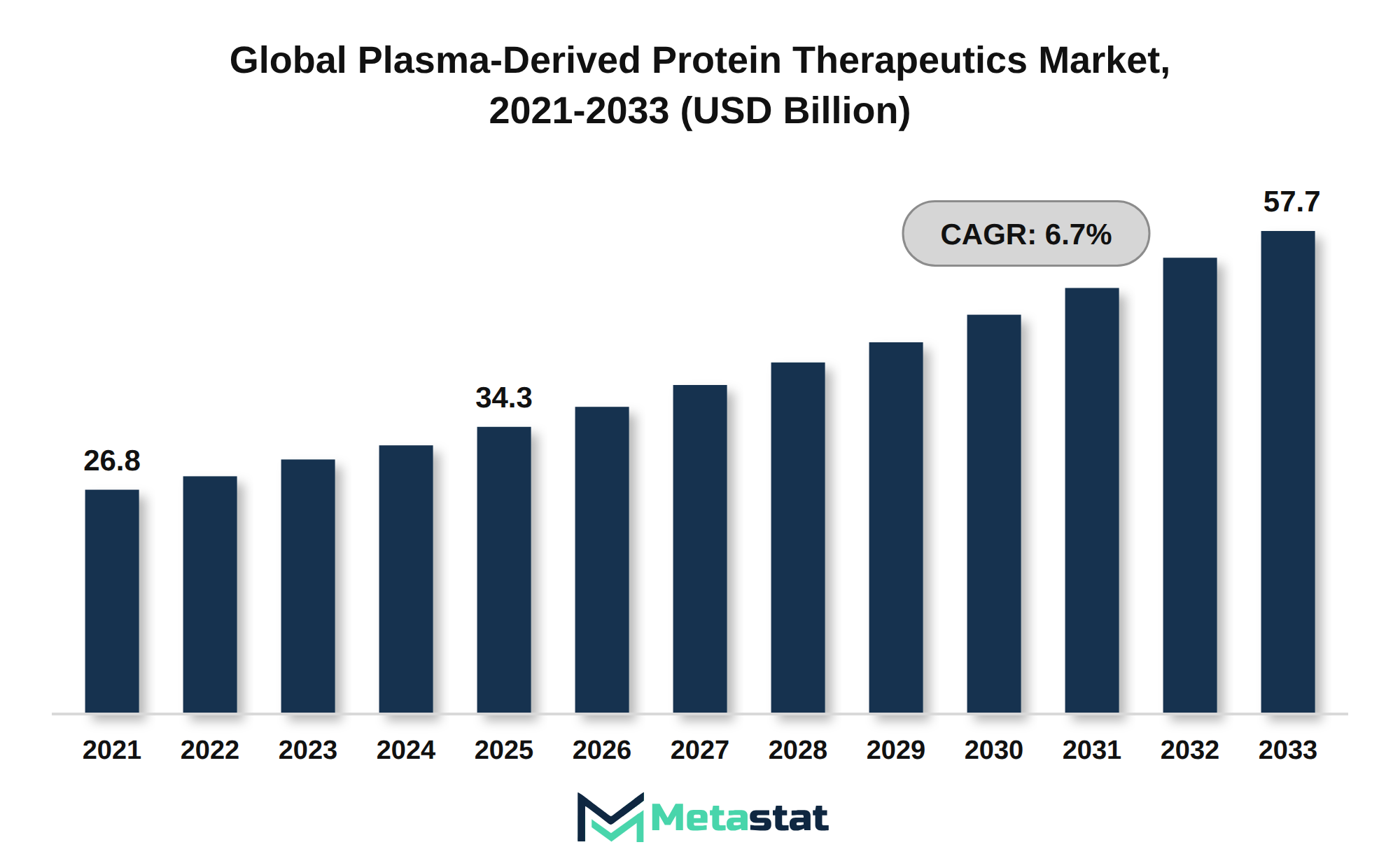
The global Plasma-Derived Protein Therapeutics market was valued at USD 34.3 billion in 2025 and is projected to reach USD 57.7 billion by 2033, growing at a CAGR of 6.7% over the forecast period.
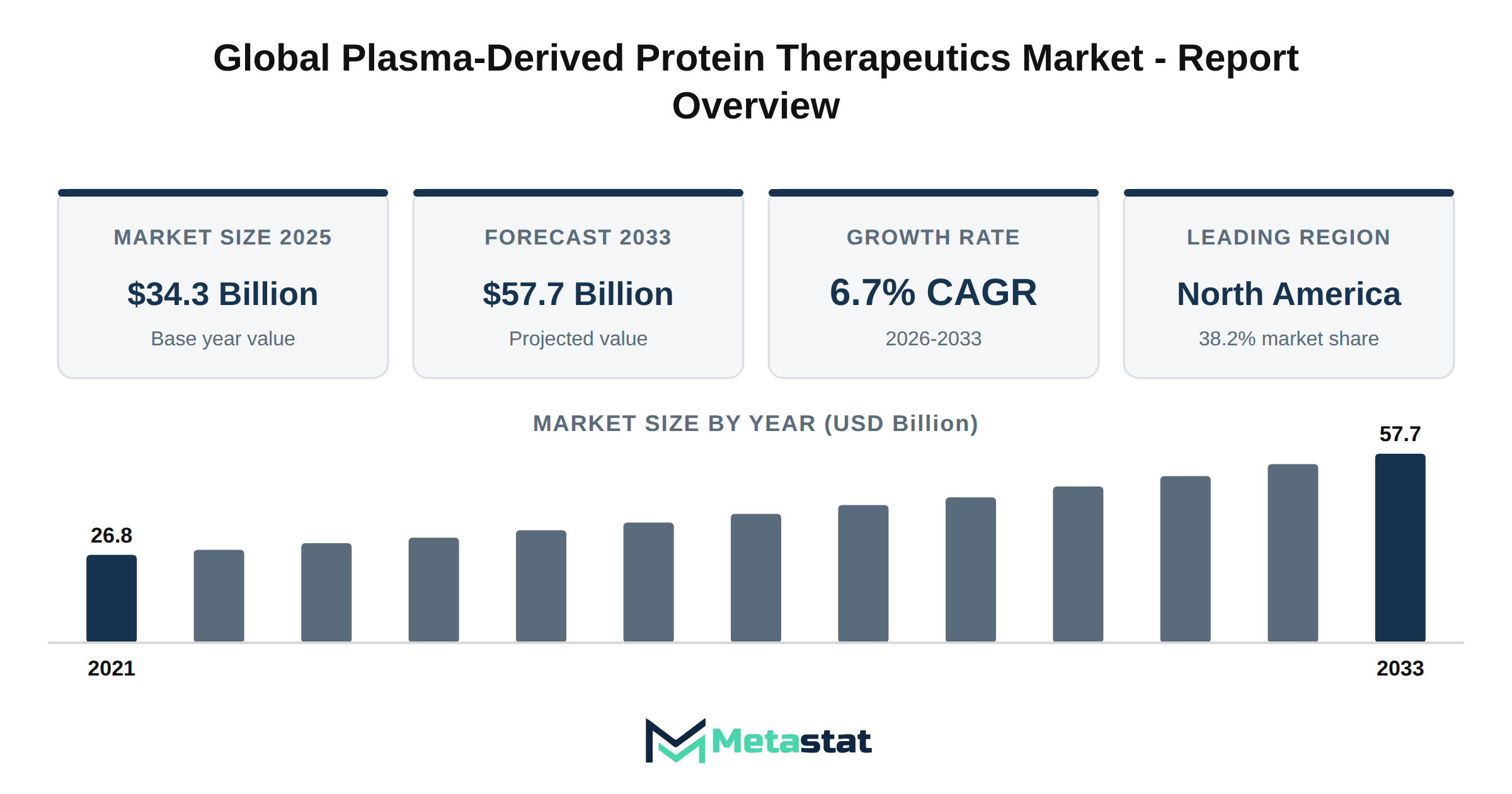
The Plasma-Derived Protein Therapeutics market is poised for significant growth, expanding from a base value of USD 34.3 billion in 2025 to an estimated USD 57.7 billion by 2033, reflecting a compound annual growth rate (CAGR) of 6.7%. This upward trajectory is driven by several factors, including increasing demand for immunoglobulins and albumin. The market benefits from robust supply dynamics, supported by advancements in plasma collection techniques and the growing prevalence of chronic diseases requiring treatment with plasma-derived products.
In the segment of immunoglobulins, expected growth from USD 17.9 billion in 2026 to USD 29.7 billion by 2033, with a CAGR of 7.5%, highlights the critical role of immunotherapy in managing various immunodeficiencies. The demand for albumin and coagulation factors contributes to the market's expansion, with notable increases in their respective revenue contributions over the forecast period. Regulatory developments influence the market landscape, affecting product approval timelines and market entry strategies for key players.
Plasma supply dynamics significantly influence the Plasma-Derived Protein Therapeutics market. An increase in donor awareness and advancements in collection methods have led to improved plasma availability, driving production levels. This increased supply supports competitive pricing and enhances accessibility for end users, particularly hospitals and specialty plasma centers. The growing demand for immunoglobulin and albumin products necessitates a reliable plasma supply, prompting firms to invest in plasma sourcing and logistics to optimize procurement.
Regulatory developments play a crucial role in shaping the market landscape. Compliance with stringent safety and quality standards ensures the integrity of plasma-derived products. Regulatory bodies actively monitor production processes, impacting operational costs and overall market strategies. Firms that adapt to these regulatory changes efficiently position themselves within the market. They capitalize on growth opportunities while maintaining compliance.
Reimbursement trends significantly affect the adoption of plasma-derived therapies. Insurance coverage variations across regions influence treatment accessibility for patients, particularly in markets with differing healthcare policies. Increased awareness among healthcare providers regarding the efficacy of these therapies has led to improved reimbursement scenarios. These developments encourage higher adoption rates in clinical settings.
The evolving landscape of R&D trajectories highlights the focus on next-generation innovations within the market. Research initiatives directed at developing novel therapies and improving existing products drive significant advancements. Investment in R&D enhances therapeutic efficacy and supports the overall growth trajectory of the market, encouraging firms to explore new treatment avenues.
Logistics architecture and supply chain dynamics impact the efficiency of product delivery. Streamlined distribution channels and improved logistics strategies enable timely access to plasma-derived therapies in various healthcare settings. Firms that invest in optimizing their supply chain operations realize cost savings and improved service levels. These improvements reinforce their competitive position in the market.
Macroeconomic headwinds, including inflationary pressures and currency volatility, present challenges to market participants. These economic factors influence production costs and subsequently affect pricing strategies. Companies that proactively address these challenges through strategic pricing and cost management practices maintain their market positions amid fluctuating economic conditions.
The future strategic outlook for the Plasma-Derived Protein Therapeutics market focuses on sustainable transformation and capital allocation. Firms are increasingly prioritizing investments in sustainable practices and technologies that enhance operational efficiency while addressing environmental concerns. This strategic approach meets regulatory expectations and aligns with broader industry trends toward decarbonization and circular economy dynamics.
Market Dynamics
Investment in technological integration
Increasing adoption of automation, artificial intelligence, and data analytics enhances operational efficiency across the production and distribution processes. This integration allows manufacturers to optimize resource allocation and streamline workflows, resulting in reduced costs and improved output quality. The rising emphasis on digital transformation, coupled with advancements in software solutions, supports companies in digitizing legacy processes. This transition enhances data management, facilitating better decision-making and strengthening product traceability. Enhanced traceability is crucial for complying with safety standards, ultimately building trust among healthcare providers and patients. Continued investment in research and development expands product offerings, meeting the diverse and evolving needs of healthcare providers. This commitment to innovation leads to the introduction of new therapies and improved formulations, capturing a broader market segment. Consequently, sustained technological advancements are projected to drive growth, increasing the market value from USD 34.3 billion in 2025 to USD 57.7 billion by 2033, reflecting a compound annual growth rate of 6.7 percent.
Investment in operational productivity drives market growth
Investment in operational productivity significantly influences the Plasma-Derived Protein Therapeutics market. Enhanced focus on labor optimization and process streamlining improves production efficiency and reduces overhead costs. Companies prioritize the implementation of advanced technologies that create a more streamlined workflow, minimizing delays and maximizing throughput.
Shifting demographic patterns, particularly the increase in aging populations, fuel the demand for Plasma-Derived Protein Therapeutics. A higher prevalence of chronic diseases requiring these therapies leads healthcare providers to allocate resources towards efficient production methods that ensure timely availability of products. This trend prompts stakeholders to invest in modernizing facilities and processes, thereby supporting market expansion.
Cost-efficiency initiatives drive competitive advantage within the market. Manufacturers adopt best practices that focus on optimizing supply chains and minimizing waste. By leveraging these strategies, organizations maintain price competitiveness while ensuring high-quality product output, leading to increased market access and customer retention. This focus on efficiency enhances overall market dynamics.
Investment in research and development further contributes to operational productivity. Companies that promote innovation in processes and product offerings differentiate themselves in the Plasma-Derived Protein Therapeutics market. This commitment to continuous improvement strengthens their position within the industry and aligns with evolving consumer behaviors, ultimately supporting sustained growth.
Regulatory compliance and economic challenges
Regulatory tightening and compliance hurdles present substantial obstacles in the Plasma-Derived Protein Therapeutics market. Stringent regulations surrounding product development and manufacturing processes impose significant costs on companies. Ensuring compliance demands extensive investment in quality management systems, increasing the financial burden on producers. These high costs lead to delayed product launches and limit profitability, particularly for smaller enterprises that struggle to meet regulatory requirements.
Macroeconomic headwinds, including inflationary pressures and capital stagnation, directly affect investment in the market. Rising operational costs challenge manufacturers to sustain competitive pricing while maintaining profitability. Economic uncertainty leads to decreased funding for research and development, hindering innovation and slowing the introduction of new therapies. This scenario restricts market growth, resulting from diminished availability of advanced products.
Supply chain disruptions and geopolitical instability further complicate operations within the Plasma-Derived Protein Therapeutics market. Instabilities in regions supplying raw materials result in shortages or increased prices, affecting production capacity. Manufacturers face challenges in sourcing essential inputs, ultimately impacting product availability and market competitiveness. These disruptions lead to longer lead times and inconsistent supply, frustrating healthcare providers and patients alike.
High capital investment requirements for advanced manufacturing technologies diminish market accessibility. Companies investing in sophisticated infrastructure face increased operational costs and financial risks. Such investment demands deter potential entrants, limiting competition and innovative solutions that benefit patients.
Technological obsolescence represents another significant challenge. Rapid advancements in therapeutic techniques necessitate continual updates to existing production processes and technologies. Companies that fail to keep pace with innovations risk losing market share to more agile competitors, further impacting overall market dynamics.
These factors combine to create a complex environment for stakeholders in the Plasma-Derived Protein Therapeutics market, necessitating strategic planning and adaptability to navigate the current landscape effectively.
Geopolitical fragmentation impacts supply chain stability
The Plasma-Derived Protein Therapeutics market faces considerable challenges stemming from geopolitical fragmentation. Increasingly complex global trade dynamics result in heightened tariff friction and trade deficits, which directly disrupt supply chains for critical raw materials and components. These disruptions increase production costs and delay timelines, affecting overall market efficiency.
Technological disruptions complicate the landscape, driven by manufacturers integrating advanced technologies while contending with interoperability friction. This tech adoption demands significant investment in research and development, straining capital resources across the industry.
Volatility in feedstock and component availability adds another layer of complexity. Fluctuations in supply significantly affect pricing structures, creating margin pressures for manufacturers. Rising input costs compound these issues, necessitating effective strategies for cost management and operational efficiency.
Workforce challenges present obstacles. Skill gaps in emerging technologies hinder the ability to fully leverage automation, while talent retention pressures impact workforce stability. Organizations struggle to maintain qualified personnel, influencing productivity and operational output.
Environmental considerations increasingly drive market dynamics. Decarbonization mandates and sustainability demands create additional compliance overhead, resulting from organizations aligning with evolving global standards. These expectations contribute to rising costs and implementation bottlenecks, impacting the speed and efficiency of market entry for new products.
Overall, the Plasma-Derived Protein Therapeutics market contends with a multifaceted array of challenges that influence growth trajectories and operational viability. Addressing these challenges requires strategic adjustments and robust stakeholder collaboration to navigate the complexities of the current geopolitical and economic landscape.
Emerging regional demands drive market growth
The Plasma-Derived Protein Therapeutics market experiences robust opportunity due to emerging regional demands across global markets. Significant growth in North America, Europe, and Asia Pacific stems from increasing healthcare expenditures and a rising prevalence of chronic diseases. In North America, the market anticipates reaching USD 20.5 billion by 2033, reflecting a compound annual growth rate (CAGR) of 6.7 percent. Europe follows closely, with market dynamics influenced by aging populations and advances in medical technology.
Infrastructure modernization enhances distribution and accessibility of plasma-derived therapies. Investments in healthcare infrastructure, particularly in developing regions, facilitate broader access to essential treatments. This trend drives increased patient enrollment in treatment programs and enhances the overall market landscape.
Technological disruptions introduce innovative solutions in manufacturing and administration processes, expanding potential applications for plasma-derived proteins. Digital transformation across healthcare systems accelerates adoption of electronic health records and telemedicine, improving patient outcomes and driving demand for advanced therapeutics. Next-generation innovations in product development open avenues for niche applications, contributing to market expansion.
Strategic consolidation across industries enhances operational efficiencies and promotes cross-industry mergers. Collaborations between biotech firms and pharmaceutical companies facilitate research and development, driving competitive advantages and broadening product portfolios. Evolving buying behaviors, influenced by digital procurement shifts, lead healthcare providers to prioritize data-driven purchasing decisions, optimizing procurement processes within the market.
Value-chain optimization and operational yield maximization enable manufacturers to improve cost structures while maintaining product quality, reinforcing their market positions. The emphasis on sustainability imperatives and eco-friendly practices aligns with regulatory shifts that promote environmentally responsible production methods. Market players are increasingly adopting green transformations, which positively influence brand perception and consumer trust.
Market Segmentation Analysis
The Global Plasma-Derived Protein Therapeutics market is segmented based on Product Type, Primary Immunodeficiency (PID), Route of Administration, and End-User.
By Product Type, the market is further segmented into:
- Immunoglobulins
- Albumin Coagulation Factors
- Coagulation Factors
- Alpha-1 Antitrypsin
- C1 Esterase Inhibitor
- Other Plasma-Derived Proteins
Immunoglobulins
Valued at USD 17.9 billion in 2026, the Immunoglobulins segment is projected to reach USD 29.7 billion by 2033, achieving a CAGR of 7.5% during the forecast period. Key demand drivers include the increased incidence of immunodeficiency disorders, which fuels the necessity for immunoglobulin treatments. Enhanced healthcare infrastructure and growing awareness about plasma-derived therapies significantly support adoption, particularly in North America and Europe, where healthcare spending remains high. Segment expansion is driven by technological advancements in immunoglobulin production, including more efficient purification processes and innovative formulations that improve patient outcomes.
Next-generation upgrades in immunoglobulin therapies emphasize safety and efficacy, contributing to their growing acceptance among healthcare providers and patients. Downstream applications extend beyond traditional uses to encompass autoimmune disorders and chronic inflammatory diseases, reflecting a shift in consumption patterns. Evolving regulatory compliance standards demand rigorous testing and quality assurance measures, which reinforce trust in immunoglobulin products. Price volatility remains a concern due to fluctuating raw material costs and varying production capacities, putting pressure on margins and influencing the competitive dynamics of the market.
Increased capital investment in production facilities and R&D initiatives creates a conducive environment for innovation and market growth. Strategic opportunity windows exist for companies to deploy enhanced marketing strategies and expand distribution channels, particularly in emerging markets where access to immunoglobulin therapies is limited. This segment's resilience against substitution risks arises from the unique therapeutic benefits of immunoglobulins, which lack viable alternatives, reinforcing their critical role in the Plasma-Derived Protein Therapeutics market.
Albumin Coagulation Factors
Demand for Albumin Coagulation Factors continues to rise, driven by increasing applications in the treatment of various coagulation disorders and surgical procedures. The segment's growth stems from advancements in product formulations, enhancing patient outcomes and safety profiles. Hospitals and specialty plasma centers represent the primary end-users, relying on these factors for effective patient management.
Technological maturation in production methods has resulted in more efficient processes, reducing costs associated with manufacturing. This, coupled with ongoing research into next-generation therapies, further increases the adoption of Albumin Coagulation Factors. Regulatory compliance significantly shapes the landscape, resulting from products meeting stringent safety and efficacy standards.
Pricing volatility persists due to fluctuations in raw material sourcing and production costs, impacting overall profit margins. However, the segment is projected to reach USD 11.8 billion by 2033, at a CAGR of 5.3% during the forecast period. Strategic opportunity windows arise from the increasing prevalence of hemophilia and other related disorders, driving demand for effective therapeutic solutions.
Coagulation Factors
Growth in the Coagulation Factors segment reflects increasing awareness of bleeding disorders and the critical role of these therapies in managing such conditions. Factors driving demand include a global rise in hemophilia cases and advancements in treatment options that enhance patient outcomes. This segment benefits from a structured healthcare environment, particularly in North America and Europe, where patients have better access to therapies and supportive care services. Investments in research and development lead to innovative product evolution, further boosting the adoption and market penetration of coagulation factors.
Regulatory compliance standards, including stringent approval processes, influence market dynamics. Manufacturers focus on ensuring high-quality production standards to meet these requirements, which increase operational costs but result in enhanced product safety and efficacy. Pricing strategies reflect these dynamics, driven by companies navigating between maintaining profit margins and ensuring affordability for patients. The Coagulation Factors segment is projected to reach USD 8.1 billion by 2033, highlighting its significant role within the broader Plasma-Derived Protein Therapeutics market.
Alpha-1 Antitrypsin
Growth in the Alpha-1 Antitrypsin segment reflects rising awareness of the benefits associated with its usage in treating diseases including Alpha-1 Antitrypsin deficiency, a hereditary condition leading to lung and liver issues. Increasing prevalence of chronic respiratory diseases drives demand, driven by patients seeking effective therapies to manage their conditions. This segment is projected to grow at a CAGR of 8% during the forecast period, indicating strong market potential.
Technological advancements in manufacturing processes enhance the quality and efficiency of Alpha-1 Antitrypsin products. Continuous innovation in formulations and delivery mechanisms contributes to favorable adoption rates among healthcare providers. Hospitals, clinics, and specialty plasma centers serve because critical end-users, emphasizing the therapeutic efficacy of these products. Growth in these end-user segments aligns with the overall expansion of the Plasma-Derived Protein Therapeutics market.
Regulatory compliance influences market dynamics. Stringent guidelines ensure the safety and efficacy of Alpha-1 Antitrypsin therapies, influencing production practices and market entry strategies for providers. Companies demonstrating compliance with these regulations enhance their competitive positioning. Strategic investments in research and development, alongside effective marketing strategies, are likely to support market penetration and revenue growth.
Overall, the Alpha-1 Antitrypsin segment experiences robust demand driven by increasing patient needs and advancements in therapeutic options. The outlook remains positive, with sustained growth anticipated in conjunction with the broader trends affecting the Plasma-Derived Protein Therapeutics market.
C1 Esterase Inhibitor
Demand for C1 Esterase Inhibitor products arises from their critical role in managing hereditary angioedema, a condition characterized by recurrent episodes of severe swelling. Increased awareness of this disorder among healthcare professionals and patients has driven the need for effective treatments, positioning this segment for expansion within the Plasma-Derived Protein Therapeutics market. Advances in research and development efforts have led to improved formulations and delivery methods, enhancing therapeutic efficacy and patient outcomes.
Technological maturation has played a significant role in the evolution of C1 Esterase Inhibitor products. The introduction of next-generation therapies that offer improved safety profiles and delivery options contributes to higher adoption rates in clinical settings. This trend reflects a continuous effort to innovate within the segment, ensuring that patients receive optimal therapeutic solutions. Regulatory compliance standards regarding the safety and efficacy of these products further encourage the refinement of existing medications.
Downstream applications of C1 Esterase Inhibitor products extend across various end-use sectors, including hospitals, specialty plasma centers, and homecare environments. Increased emphasis on personalized medicine enhances the relevance of these therapies, driving adoption rates among clinicians and patients alike. The regulatory landscape remains supportive, with guidelines focusing on improving patient access to essential therapies.
Pricing volatility poses challenges within the C1 Esterase Inhibitor segment, affecting the cost structures for manufacturers and healthcare providers. Fluctuations in raw material sourcing and production costs impact pricing strategies, influencing market dynamics. Consequently, stakeholders navigate these pressures while maintaining competitive pricing to ensure market viability.
Strategic opportunity windows exist for companies operating within the C1 Esterase Inhibitor market. Investment in research and development leads to product diversification and enhanced market presence. Emerging markets present additional avenues for growth, driven by improving healthcare infrastructure. Overall, the segment remains poised for growth, supported by technological advancements and rising awareness of hereditary angioedema.
Other Plasma-Derived Proteins
Innovation in the Other Plasma-Derived Proteins segment drives advancements in therapies addressing specific medical conditions. Increasing awareness regarding the therapeutic potential of these proteins, particularly in rare diseases and chronic conditions, fuels market demand. Key players invest in research and development to enhance product offerings, aligning with trends towards personalized medicine and targeted therapies.
Demand from healthcare providers for specialized treatment options supports adoption across various clinical settings. Continuous technological maturation within the segment, alongside the introduction of next-generation products, enhances therapeutic efficacy and safety profiles. Downstream applications in fields including immunology, hematology, and critical care significantly impact growth dynamics.
Regulatory compliance standards shape the market environment, influencing product approval timelines and market entry strategies. Cost structures inherently affect pricing strategies, with ongoing pressures around pricing volatility and margins necessitating careful financial management by industry players. Strategic opportunity windows emerge owing to unmet medical needs that present avenues for development and market entry.
Supply chain resilience ensures consistent availability of raw materials, with fluctuations in sourcing impacting production capabilities. Logistics vulnerabilities pose challenges in maintaining efficient distribution channels, particularly in regions with strict regulatory oversight. Disruptive alternatives within the therapeutic landscape compel stakeholders to remain vigilant in adapting strategies to sustain competitive advantages.
The market for Other Plasma-Derived Proteins benefits from a favorable capital investment outlook, aligning with long-term growth trajectories within the broader Plasma-Derived Protein Therapeutics market. Stakeholders are positioned to capitalize on emerging trends, positioning themselves strategically in response to evolving consumer and regulatory demands.
By Primary Immunodeficiency (PID), the market is further segmented into:
- Secondary Immune Deficiency
- Chronic Inflammatory Demyelinating Polyneuropathy (CIDP)
- Myasthenia Gravis
- Hematology & Coagulation Disorders
- Respiratory Disorders
- Critical Care & Trauma
- Others
Secondary Immune Deficiency
Valued at USD 8.4 billion in 2026, the Secondary Immune Deficiency segment is projected to reach USD 13.8 billion by 2033, with a CAGR of 7.4% during the forecast period. An increasing incidence of secondary immune deficiencies drives growth in this segment, influenced by chronic diseases and an aging population. Healthcare providers experience growing demand for effective plasma-derived therapies to address these conditions, leading to expanded adoption of immunoglobulin products.
Technological advancements in manufacturing processes contribute to improved product efficacy and safety, enhancing market potential. Next-generation upgrades in therapeutic formulations enable better patient outcomes and increase acceptance among healthcare professionals. Rising awareness around the availability and effectiveness of specific therapies for secondary immune deficiencies stimulates demand across hospitals and specialty plasma centers.
Regulatory compliance standards enforce stringent quality assurance processes, influencing market dynamics by ensuring product safety and efficacy. Pricing volatility remains a concern, impacting profit margins for suppliers while necessitating strategic pricing strategies. Overall, the Secondary Immune Deficiency segment within the Plasma-Derived Protein Therapeutics market reflects strong growth potential, driven by evolving treatment paradigms and increasing healthcare investment in innovative therapies.
Chronic Inflammatory Demyelinating Polyneuropathy (CIDP)
Chronic Inflammatory Demyelinating Polyneuropathy (CIDP) represents a significant segment within the Plasma-Derived Protein Therapeutics market, reflecting strong growth potential. Demand arises from an increasing prevalence of CIDP, coupled with advancements in treatment protocols that enhance patient outcomes. Healthcare providers are adopting plasma-derived therapies due to their efficacy in managing this condition, leading to a projected market size of USD 11.3 billion by 2033, with a compound annual growth rate (CAGR) of 8% during the forecast period.
Technological maturation in the development of plasma-derived products has introduced next-generation therapies that improve the quality and delivery of treatments. Innovations in formulation and administration routes have made therapies more accessible and effective for CIDP patients. End-users, including hospitals, specialty plasma centers, and homecare providers, are expanding their adoption of these advanced therapies, driven by the need for effective treatment options and improved patient care.
Regulatory compliance remains crucial in this segment, ensuring that products meet safety and efficacy standards. Manufacturers navigate stringent regulations while maintaining competitive pricing structures. The overall cost structures involved in producing plasma-derived therapeutics for CIDP influence market dynamics. Pricing volatility affects profitability and accessibility for healthcare providers.
Strategic investment in research and development continues to be essential for driving innovation within the CIDP segment. Companies are exploring opportunities for product evolution, enhancing treatment capabilities to meet evolving patient needs. This proactive approach creates a resilient supply chain and supports the growth of the Plasma-Derived Protein Therapeutics market.
Myasthenia Gravis
Significant drivers underpin the Myasthenia Gravis segment within the Plasma-Derived Protein Therapeutics market. Increasing prevalence of autoimmune diseases is driving demand for effective treatments, positioning this sub-segment for growth. Expanded research on immunotherapies and advancements in therapeutic formulations contribute to enhanced treatment efficacy, appealing to healthcare providers and patients alike.
Investments in next-generation therapies and product evolution have generated market interest in Myasthenia Gravis treatments. Enhanced understanding of the disease's pathophysiology supports innovative therapeutic approaches, driving the development of targeted interventions. The anticipated growth in this segment reflects a comprehensive response to unmet medical needs, promoting adoption among end-users.
Regulatory compliance and policy changes influence market dynamics, shaping the landscape for therapeutic offerings. The Myasthenia Gravis segment is projected to reach USD 6.3 billion by 2033, reflecting a strong growth trajectory. The ongoing evolution of treatment standards and clinical guidelines supports the segment's expansion, encouraging investment and research initiatives.
Competitive pressures within the Plasma-Derived Protein Therapeutics market drive manufacturers to enhance product offerings and optimize pricing strategies. Innovative treatment modalities and heightened focus on patient-centric care strengthen market positioning. The anticipated growth opens strategic opportunity windows for stakeholders, enhancing market resilience and enabling long-term investment.
Hematology & Coagulation Disorders
Growth in the Hematology & Coagulation Disorders segment highlights the increasing prevalence of blood disorders and the rising demand for effective therapeutic solutions. Heightened awareness of coagulation disorders and advancements in treatment options drive this expansion. Hospitals and clinics, along with specialty plasma centers, represent key end-users that significantly contribute to increased consumption of plasma-derived protein therapeutics. The segment is projected to grow at a CAGR of 5.1% during the forecast period, reflecting strong market dynamics.
Technological maturation influences treatment approaches, enabling the development of next-generation therapies that enhance patient outcomes. Increased investment in research and development facilitates product evolution, leading to more effective therapies that address specific hematological conditions. Regulatory compliance and safety standards enhance trust in these therapeutics, encouraging wider adoption among healthcare providers.
Cost structures within this segment are influenced by pricing volatility, impacting accessibility for patients and healthcare systems. However, consistent demand for effective treatments supports market stability, allowing companies to maintain competitive pricing strategies. Strategic opportunity windows emerge, particularly for firms investing in innovative solutions and expanding product portfolios, reinforcing their positions within the Plasma-Derived Protein Therapeutics market.
Respiratory Disorders
Demand for therapies targeting respiratory disorders within the Plasma-Derived Protein Therapeutics market derives from a growing prevalence of chronic respiratory diseases and increased awareness of their management. This segment experiences expansion fueled by advancements in treatment options and enhanced patient outcomes, driven by a rise in healthcare expenditures and improved healthcare access. Various stakeholders, including healthcare providers and patients, benefit from these advancements, resulting in better quality of life and reduced hospitalization rates.
Technological maturation drives innovation in respiratory disorder treatments, with a focus on developing next-generation therapies that draw insights from genomic research and personalized medicine. This evolution enhances therapeutic efficacy and minimizes adverse effects, appealing to both clinicians and patients. Regulatory compliance, coupled with ongoing certifications, establishes a robust foundation, building trust among end-users and healthcare professionals, which further boosts segment growth.
Consumption patterns indicate a notable shift towards homecare settings, reflecting the growing preference for self-administration of therapies. This preference aligns with the increasing demand for convenient and accessible treatment options, ultimately leading to enhanced patient engagement and adherence. Supply chain resilience becomes critical in ensuring consistent availability of treatment products, while raw material sourcing remains vital for maintaining quality standards in the production of plasma-derived therapeutics for respiratory disorders.
Pricing volatility poses challenges, impacting accessibility and affordability for patients. Manufacturers strategically navigate these dynamics to maintain competitive positioning within the market. Despite these pressures, strategic investment opportunities exist, particularly in developing innovative therapies that address unmet medical needs in respiratory disorders. Overall, the segment presents a significant growth opportunity within the broader Plasma-Derived Protein Therapeutics market.
Critical Care & Trauma
Demand for Plasma-Derived Protein Therapeutics in the Critical Care & Trauma segment arises from a range of clinical applications where timely intervention is crucial. Factors influencing growth include the rising incidence of trauma cases and an increasing number of surgical procedures requiring plasma-derived therapies. Enhanced understanding of the therapeutic benefits of immunoglobulins and coagulation factors contributes to adoption among healthcare providers.
Technological advancements support segment expansion by improving the efficacy and safety profiles of plasma-derived products. Innovations in purification techniques and formulation enhancements allow for the development of next-generation therapies. This progression aligns with consumer expectations for higher quality and more effective treatment options, driving demand across healthcare settings.
End-use dynamics highlight the critical role of hospitals and clinics in administering these therapies, emphasizing their capacity to respond to acute situations. The ongoing emphasis on improving patient outcomes enhances the market's attractiveness, prompting investment from key players. Increased collaboration between healthcare institutions and manufacturers strengthens supply chain resilience, ensuring the availability of essential products during emergencies.
Regulatory compliance remains a significant factor influencing market dynamics. Stringent guidelines necessitate continuous quality improvements and adherence to safety standards, impacting product development timelines and costs. Manufacturers navigate these challenges while maintaining competitive pricing structures. Fluctuations in raw material sourcing affect overall profitability.
Strategic opportunity windows exist for companies to enhance their product portfolios through acquisitions and partnerships. Expansion into emerging markets, driven by growing demand for critical care solutions, presents a pathway for revenue growth. This segment's potential continues to attract capital investment, reflecting confidence in the long-term viability of the Plasma-Derived Protein Therapeutics market.
Others
Advancements in the Others sub-segment within the Plasma-Derived Protein Therapeutics market arise from increased understanding and diagnosis of rare immunodeficiencies. This segment benefits from enhanced research efforts, focusing on previously unmet medical needs, which fuels demand for innovative therapies. Adoption trends illustrate a gradual shift towards the utilization of specialized treatments, reflecting the growing number of patients diagnosed with unique forms of Primary Immunodeficiency (PID).
Segment expansion results from the introduction of next-generation therapies and improvements in product formulation. Such development creates a more extensive application scope across various healthcare settings, including hospitals and specialty clinics. Regulatory compliance standards influence product availability, with stringent guidelines requiring robust clinical evidence to support therapeutic claims. Consequently, manufacturers invest in comprehensive research and development initiatives to meet these standards and capture market share.
Cost structures within this sub-segment remain a critical focus, owing to production expenses that fluctuate due to sourcing challenges and the need for high-quality raw materials. Pricing volatility linked to these factors impacts profit margins, which prompts companies to streamline operations and enhance supply chain resilience. Strategic opportunities arise because firms position themselves to address specific patient populations through targeted therapies.
Technological maturation significantly drives product evolution, supported by emerging biotechnologies that enable more efficient and effective therapeutic options. The connection between these innovations and ongoing market demand reflects a dynamic environment poised for sustained growth in the coming years.
By Route of Administration, the market is further segmented into:
- Intravenous
- Subcutaneous
- Intramuscular
- Topical and Local Administration
Intravenous
Valued at USD 26.2 billion in 2026, the intravenous segment is projected to reach USD 38.5 billion by 2033, with a CAGR of 5.6% during the forecast period. Demand for intravenous administration arises from its rapid onset of action and the ability to deliver large volumes of therapeutics directly into the bloodstream. Healthcare providers increasingly prefer this route for emergency treatments and for patients requiring high doses. The rising prevalence of chronic diseases, including immunodeficiencies and coagulation disorders, is driving growth in this segment of the Plasma-Derived Protein Therapeutics market.
Technological advancements in intravenous product formulations contribute to segment expansion. Innovations in delivery systems improve patient outcomes and enhance the stability of plasma-derived products. The increasing adoption of intravenous therapies by hospitals and clinics significantly impacts the market. Compliance with regulatory standards ensures safety and efficacy, supporting the overall growth of the intravenous segment.
Subcutaneous
Significant growth in the Subcutaneous segment of the Plasma-Derived Protein Therapeutics market reflects increasing adoption of self-administration and more convenient treatment options for patients. This segment is propelled by a rise in chronic disease prevalence, increasing patient preference for home-based therapies, and advancements in formulation technologies that enhance the safety and efficacy of subcutaneous products. Investments in research and development focus on improving delivery systems and formulations, resulting in a broader range of therapeutic options that cater to diverse patient needs. The market benefits from enhanced product offerings that lead to increased patient adherence and satisfaction. Regulatory environments continue to evolve, favoring innovative delivery methods and encouraging the introduction of next-generation subcutaneous therapies. This trend aligns with the growing demand for patient-centric healthcare solutions. The Subcutaneous segment is projected to reach USD 14.4 billion by 2033, with a CAGR of 11% during the forecast period. This growth aligns with the overall expansion of the Plasma-Derived Protein Therapeutics market, which is anticipated to experience significant growth driven by rising healthcare needs and advancements in treatment modalities.
Intramuscular
Growth in the Intramuscular segment reflects increasing interest in effective delivery methods for plasma-derived protein therapeutics. The prevalent use of intramuscular administration enhances bioavailability and patient compliance, leading to stronger adoption of therapies designed for this route. Key drivers include rising cases of chronic and rare diseases that require protein therapies, which further fuel demand within this segment.
Technological advancements contribute to segment expansion, with innovations in formulation and delivery systems enhancing the efficacy of intramuscular therapies. Next-generation upgrades in manufacturing processes and quality control standards ensure consistency and reliability in product performance. Regulatory compliance is essential, since stringent standards ensure patient safety and product integrity, reinforcing trust in intramuscular therapies.
By 2033, the intramuscular segment is projected to reach USD 3.2 billion, reflecting the commitment of various stakeholders to invest in research and development. Increased investments in healthcare infrastructure and the growing prevalence of primary immunodeficiency disorders drive the need for efficient therapeutic options. Consequently, healthcare providers focus on integrating these therapies into treatment protocols, which supports ongoing market growth.
Market dynamics indicate robust competition among key players in the Plasma-Derived Protein Therapeutics market, including CSL Behring and Takeda Pharmaceutical Company Limited. Strategic partnerships and collaborations for research initiatives enhance market presence, enabling companies to improve their product offerings and cater to the specific needs of patients requiring intramuscular administration. This competitive environment drives continuous innovation, ultimately benefiting end-users.
Topical and Local Administration
Anticipated growth in the Topical and Local Administration sub-segment stands at a CAGR of 4.3% during the forecast period. Increasing prevalence of chronic wounds and skin disorders drives demand for topical therapies, enhancing market growth. The effectiveness of localized treatment options in minimizing systemic side effects contributes to adoption among healthcare providers and patients. Technological advancements in drug formulation and delivery systems facilitate the development of innovative topical products. These factors create a competitive environment, prompting investment in research and development initiatives among key players operating in the Plasma-Derived Protein Therapeutics market.
Strategic opportunities arise from unmet needs in patient populations that require safe and effective treatment regimens. The growing focus on personalized medicine enhances the appeal of topical therapies, reflecting shifts in end-user preferences for non-invasive administration methods. Regulatory compliance and certifications play a crucial role in ensuring product safety and efficacy, impacting market dynamics. Pricing volatility and margin pressures associated with raw material sourcing affect profitability for manufacturers. Overall, the Topical and Local Administration segment holds significant potential within the broader Plasma-Derived Protein Therapeutics market, driven by evolving healthcare demands and technological progress.
By End-User, the market is further segmented into:
- Hospitals and Clinics
- Specialty Plasma Centers
- Homecare
- Research & Academic Institutes
Hospitals and Clinics
Valued at USD 23.1 billion in 2026, the Hospitals and Clinics segment is projected to reach USD 33.2 billion by 2033, reflecting a CAGR of 5.3% during the forecast period. This growth is supported by increasing patient admissions and the rising prevalence of chronic diseases, driving demand for plasma-derived protein therapeutics in various therapeutic areas. Hospitals and clinics serve because primary healthcare providers, ensuring immediate access to advanced treatment options for patients. The integration of innovative therapies into clinical practice significantly enhances treatment efficacy, contributing to improved patient outcomes.
Technological maturation significantly influences segment expansion, with advancements in purification processes and product formulation enhancing the quality and safety of therapeutic proteins. Regulatory compliance standards influence market dynamics, because stringent regulations ensure that hospitals and clinics adhere to safety protocols when administering plasma-derived therapies. Ongoing research in plasma-derived products leads to the development of next-gen upgrades, addressing unmet medical needs and expanding the therapeutic applications of these products.
Cost structures associated with plasma-derived therapeutics impact pricing strategies in hospitals and clinics. Pricing volatility, driven by fluctuations in raw material sourcing and production costs, directly affects profit margins and operational sustainability. Continuous investment in supply chain resilience and logistics capabilities further strengthens the ability of healthcare providers to navigate these challenges effectively.
Strategic opportunity windows arise from shifts in consumption patterns, with an increasing focus on personalized medicine and targeted therapies. The entry of new players into the market increases competition, encouraging innovation and driving overall market growth. Within the Plasma-Derived Protein Therapeutics market, the Hospitals and Clinics segment represents a vital channel for delivering life-saving treatments to patients while adapting to evolving healthcare demands.
Specialty Plasma Centers
Growth in the Specialty Plasma Centers segment reflects increasing demand for targeted therapies in the Plasma-Derived Protein Therapeutics market. Factors contributing to this growth include a rise in primary immunodeficiencies and advancements in treatment methodologies that enhance patient quality of life. Key players within this segment actively invest in new technology and infrastructure, enabling efficient plasma collection and processing. Regulatory compliance standards are integral to operations, ensuring safety and efficacy in therapeutic applications. Specialty Plasma Centers are projected to reach USD 9.8 billion by 2033, at a CAGR of 6% during the forecast period. This anticipated growth aligns with an enhanced focus on specialized treatment centers, which play a critical role in delivering advanced therapies to patients.
Homecare
Valued at USD 12.4 billion by 2033, the Homecare segment within the Plasma-Derived Protein Therapeutics market demonstrates robust potential. Several primary demand drivers contribute to this growth, including the increasing prevalence of chronic diseases and a rising elderly population requiring at-home care. Advancements in therapeutic technologies enhance the efficacy and safety profiles of treatments, making them more appealing for home administration.
Adoption of plasma-derived protein therapeutics in homecare settings influences regulatory compliance and the development of more user-friendly administration methods. Enhanced training and support for healthcare professionals and patients facilitate smoother transitions to home-based therapies. This shift in service delivery results in operational efficiencies for healthcare systems, contributing to cost savings and improved patient outcomes.
Cost structures within the homecare segment experience pressures resulting from pricing volatility in raw materials and the need for compliance with evolving regulations. Despite these challenges, the segment benefits from strategic investment opportunities aimed at expanding treatment accessibility and improving supply chain resilience. Investment in homecare options aligns with the growing trend of decentralizing healthcare delivery, which is expected to drive demand for plasma-derived protein therapeutics in this sector.
Research & Academic Institutes
Growth in the Research & Academic Institutes segment for Plasma-Derived Protein Therapeutics highlights increasing investments in scientific research and education. Rising demand for innovative therapeutic solutions drives academic institutions to explore advanced applications of these products. This segment is projected to grow at a CAGR of 4.1% during the forecast period, reflecting a steady increase in collaboration between research entities and therapeutic manufacturers.
Technological maturation is essential in expanding this segment. Enhanced understanding of plasma-derived proteins leads to improved methodologies in research, allowing institutes to conduct more effective studies. The increasing focus on personalized medicine within academic circles results in greater integration of these therapeutics into experimental protocols, influencing future treatment modalities.
End-use dynamics indicate a growing reliance on plasma-derived products within educational institutions. Collaborative projects between academia and the pharmaceutical industry facilitate knowledge transfer and innovation, presenting strategic opportunity windows for emerging research initiatives. Ongoing regulatory compliance standards ensure that research conducted with these products adheres to safety and efficacy guidelines, strengthening institutional credibility.
Increased capital investment in research facilities drives the adoption of advanced plasma-derived protein therapeutics. Academic institutes are progressively enhancing their infrastructure to accommodate advanced research technologies. This evolution creates a robust research ecosystem that supports the continuous development of therapeutic applications, ultimately benefiting the wider Plasma-Derived Protein Therapeutics market.
By Region
Based on geography, the Global Plasma-Derived Protein Therapeutics market is divided into North America, Europe, Asia-Pacific, South America, Middle East, and Africa.
North America
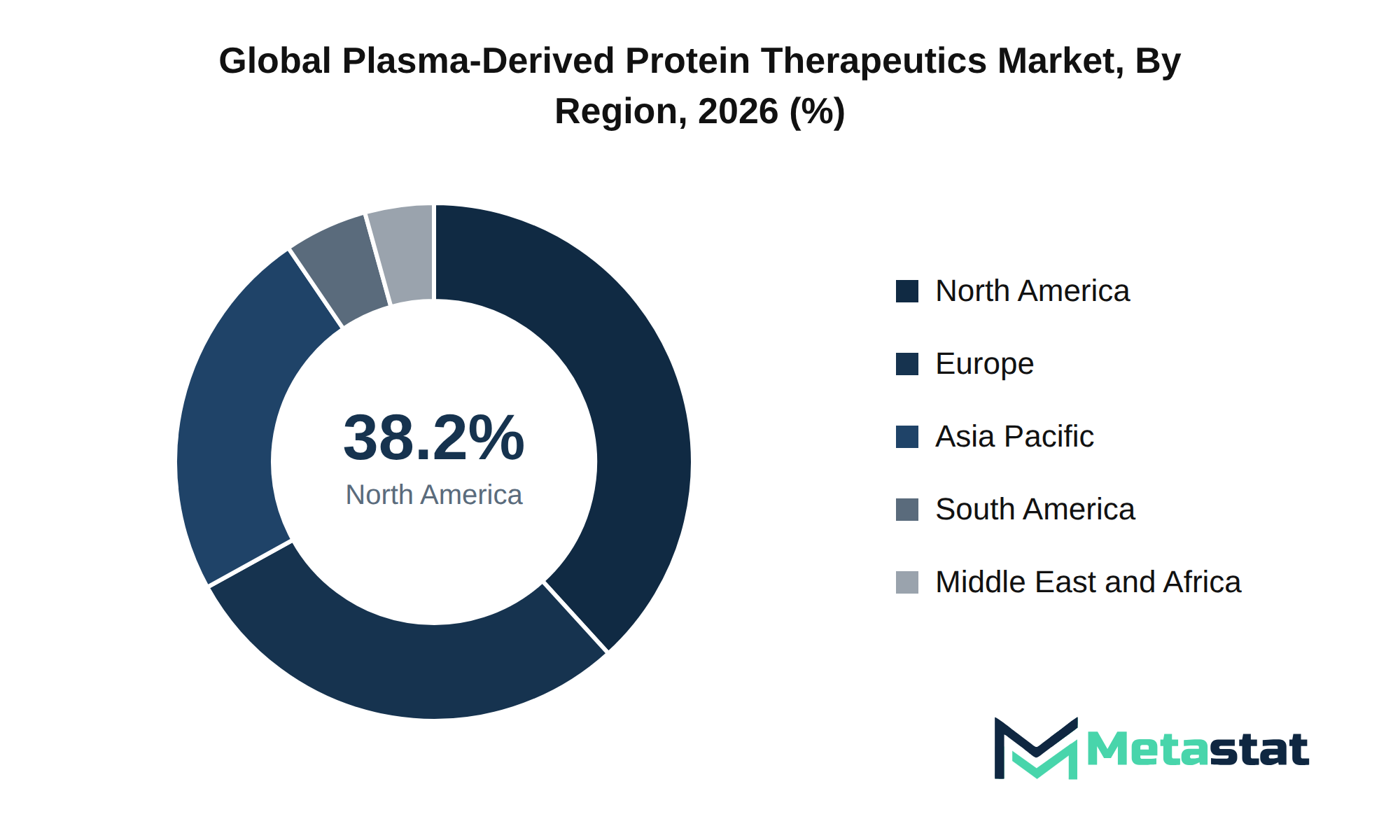
North America represents a significant portion of the Plasma-Derived Protein Therapeutics market, accounting for 38.2% of the global market share in 2025. This region is projected to expand at a CAGR of 6.7% during the forecast period, reaching a market size (TAM) of USD 20.5 billion by the end of 2033.
Demand for plasma-derived therapies in the United States, Canada, and Mexico fuels growth, driven by the increasing prevalence of chronic diseases and advancements in medical technology. The robust healthcare infrastructure in the United States enhances accessibility to these treatments, while Canada and Mexico exhibit rising adoption rates due to local healthcare systems modernizing.
The Immunoglobulins segment leads the market with a projected CAGR of 7.5%. This growth results from its effectiveness in treating various immunodeficiency disorders. Primary Immunodeficiency (PID) treatments, particularly focusing on Secondary Immune Deficiency and Chronic Inflammatory Demyelinating Polyneuropathy (CIDP), are expected to experience substantial growth, reflecting the region's need for innovative therapeutic solutions.
Intravenous administration continues to dominate the market due to its established efficacy and widespread acceptance. The Subcutaneous route is anticipated to gain traction, driven by patient preference for self-administration and improved convenience. Increasing investments in localized manufacturing and supply chain regionalization enhance the capacity to meet escalating demand in North America.
Market dynamics in this region indicate a strong competitive environment, characterized by several players including CSL Behring, Takeda Pharmaceutical Company Limited, and Grifols, S.A. These companies leverage strategic partnerships and acquisitions to strengthen their market positions and expand their product offerings, contributing to overall market growth.
Europe
Europe holds a 28.7% share of the global Plasma-Derived Protein Therapeutics market in 2025. The region's demand is influenced by an increasing prevalence of chronic diseases and a growing aging population, primarily in Germany, France, the UK, Italy, and Spain. These factors contribute to a greater need for effective treatment options, particularly in immunoglobulins and albumin coagulation factors.
Germany and the UK emerge because leaders in adopting advanced therapeutic solutions. Infrastructure modernization supports increased production capacities, enabling local supply chains to respond more efficiently to market demands. The presence of established healthcare facilities and specialty plasma centers in these countries enhances service delivery, creating a conducive environment for market growth.
Regulatory frameworks within Europe enforce specific compliance mandates that shape market dynamics. Stringent regulations ensure product safety and efficacy, affecting the operational strategies of suppliers. Companies including CSL Behring and Takeda Pharmaceutical Company Limited actively engage in navigating these local compliance requirements to maintain their competitive edge.
Emerging market front-runners, particularly in Eastern Europe, display underpenetrated territories that present substantial growth opportunities. Countries like Russia expand their focus on local production and distribution channels, enhancing accessibility to Plasma-Derived Protein Therapeutics. This regional expansion strategy aligns with the broader trends of nearshoring initiatives aimed at reducing reliance on distant manufacturing locations.
Various factors including aging demographics, regulatory considerations, and localized manufacturing densities play critical roles in shaping the Plasma-Derived Protein Therapeutics market in Europe. While the market progresses towards an estimated value of USD 57.7 billion by 2033, continuous investment and strategic initiatives will drive further growth and innovation in the region.
Asia-Pacific
Asia-Pacific represents a growing share of the global Plasma-Derived Protein Therapeutics market, accounting for 23.5% in 2025. The region experiences increasing demand driven by rising prevalence of chronic diseases, high patient population, and expanding healthcare infrastructure. Key markets including China and India experience rapid advancements in biotechnology and healthcare sectors, enhancing the accessibility of these therapeutics across various demographics.
China emerges because a frontrunner in the region, with robust government initiatives supporting the development of biopharmaceuticals and increasing investments in healthcare. Japan follows closely, characterized by a mature market with established healthcare systems and substantial demand for immunoglobulins and coagulation factors. South Korea's growing emphasis on research and development in biopharmaceuticals contributes to the market's expansion, while Australia maintains a stable market supported by advanced healthcare facilities and a well-regulated environment.
Southeast Asia represents an underpenetrated territory with significant growth potential. Countries in this area experience improvements in healthcare access, leading to increased adoption of plasma-derived therapies. The Rest of Asia-Pacific benefits from rising awareness of various medical conditions that these therapeutics address, driving demand across diversified healthcare settings.
Emerging companies and established players strive to enhance their presence in the region, responding to shifting regulatory landscapes and localized procurement dynamics. The competitive environment reflects a trend toward vendor consolidation, improving supply chain efficiencies and driving collaboration among industry stakeholders. Investments in localized manufacturing and supply chain regionalization further strengthen the market's resilience and adaptability to regional health demands.
South America
South America holds a notable market share in the global Plasma-Derived Protein Therapeutics market in 2025. Brazil and Argentina represent the largest contributors to market demand, driven by increasing healthcare expenditures and growing awareness of advanced therapeutic options. Infrastructure modernization, particularly in Brazil, enhances access to necessary healthcare services and products, facilitating market growth. Local manufacturers are expanding their capabilities, establishing production facilities that support regional needs and reduce dependency on imports.
Emerging market front-runners, including CSL Behring and Grifols, operate in product availability and innovation. Local firms, including Empresa Brasileira de Hemoderivados e Biotecnologia (Hemobrás), are positioned to capitalize on increasing demand for immunoglobulins and coagulation factors. Cultural nuances in Brazilian and Argentine health-seeking behaviors influence the purchasing decisions of healthcare facilities and patients, reflecting a shift towards modern treatments.
Regional supply chain dynamics benefit from nearshoring initiatives, which create localized manufacturing densities. Improved cross-border trade corridors between Brazil and Argentina facilitate the movement of goods and services, strengthening market presence. Geopolitical fragmentation in the area creates strategic entry barriers that affect foreign direct investment flows, impacting the competitive environment and dynamics of vendor consolidation.
Middle East and Africa
The Middle East and Africa region accounts for a share of 4.3% of the global Plasma-Derived Protein Therapeutics market in 2025. Major drivers of market growth in this area include improving healthcare infrastructure, increasing prevalence of chronic and rare diseases, and a rising awareness of treatment options among healthcare providers and patients. The strategic initiatives taken by countries including Saudi Arabia and the UAE to enhance healthcare services contribute significantly to this trend.
Saudi Arabia and the UAE emerge because front-runners in the region, benefiting from substantial investments in healthcare innovations and advanced treatment facilities. The commitment to modernizing healthcare systems in these nations is expected to enhance the adoption of plasma-derived therapies. South Africa plays an important role within the market, although its growth trajectory differs due to varying healthcare challenges and resource availability.
The demand for immunoglobulins and albumin coagulation factors is on the rise, reflecting the increasing treatment needs for primary immunodeficiency and chronic inflammatory demyelinating polyneuropathy. This growth is influenced by a greater emphasis on patient-centered care and developing treatment protocols that prioritize timely access to therapies.
Localized procurement dynamics and cultural nuances shape B2B buying behaviors in the region. Understanding these factors allows suppliers to tailor their offerings, thereby improving market penetration. A focus on regional manufacturing and nearshoring initiatives enhances supply chain efficiencies, contributing to a more resilient market structure.
Investment in research and development within the region is anticipated to drive innovation, leading to the introduction of new therapies and treatment modalities. This momentum, combined with the increasing availability of plasma-derived products, creates significant market expansion in the coming years.
Competitive Landscape and Strategic Insights
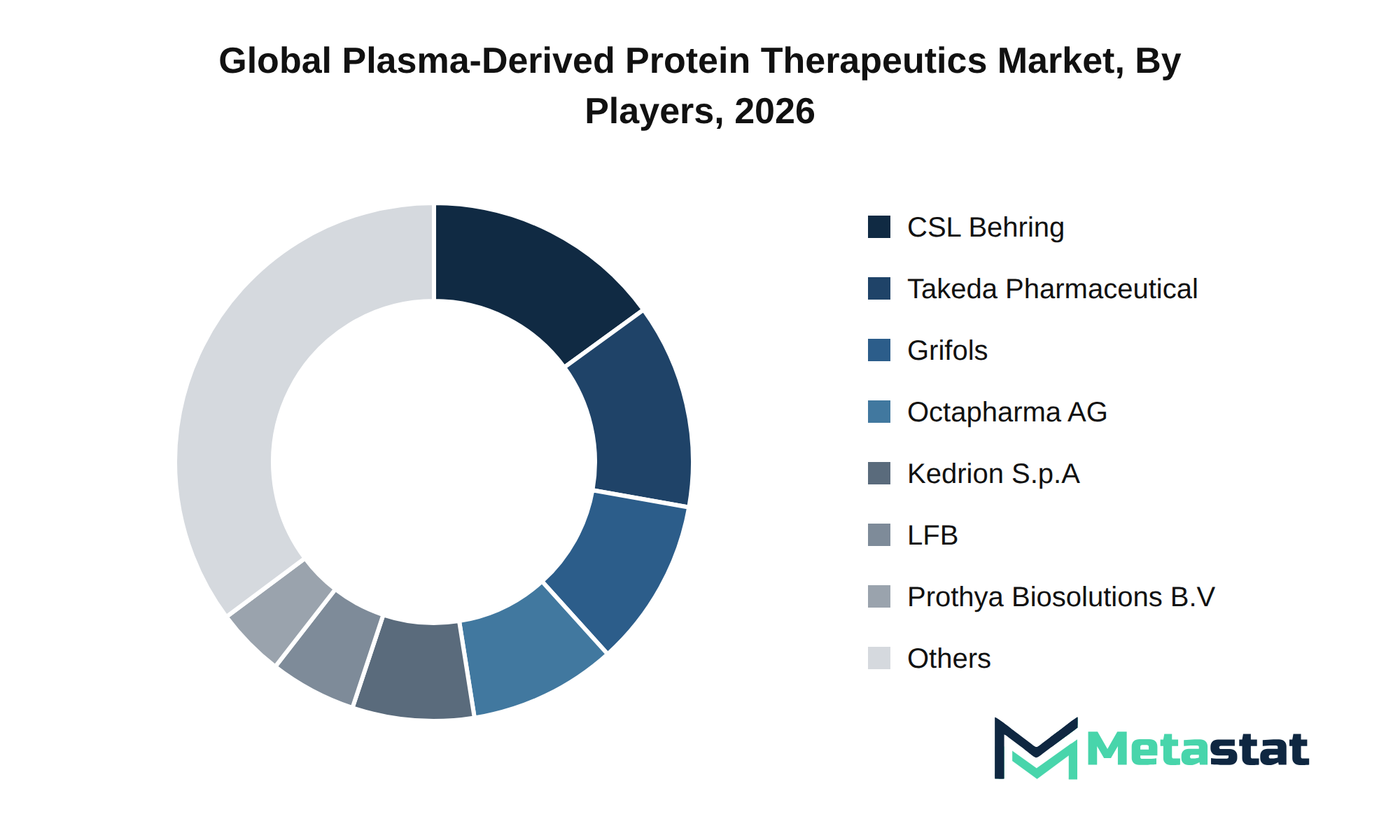
The Plasma-Derived Protein Therapeutics market experiences extensive activity from players pursuing various strategic initiatives. Mergers and acquisitions have become key tools for companies seeking to strengthen their market presence and expand their capabilities. For instance, partnerships among companies like Takeda Pharmaceutical Company Limited and Grifols, S.A. facilitate the enhancement of product portfolios and operational efficiencies.
Research and development pipelines play a crucial role in differentiating products within the market. Companies invest in proprietary technologies and innovative therapies, driving competition and improving patient outcomes. For example, CSL Behring and Octapharma AG are actively exploring new formulations that cater to specific medical conditions, thus enhancing their market position.
Strategic alliances and joint ventures have become common strategies to improve supply chain dominance. Collaboration among companies including Kedrion S.p.A. and LFB Group allows for better resource allocation and procurement leverage. These partnerships streamline operations, contributing to higher efficiency across the value chain.
The market observes barriers to entry that benefit established companies. High research and development costs, stringent regulatory requirements, and the need for extensive distribution networks deter new entrants. The strong brand equity of existing players, including Grifols, S.A. and Hualan Biological Engineering Inc., further enhances their competitive advantage.
Intellectual property portfolios serve because a defensive mechanism against potential market entrants. Companies actively protect their innovations, ensuring technological defensibility. This creates a stable competitive outlook for established firms while posing challenges for startups aiming to disrupt the market.
Overall, the dynamics of the Plasma-Derived Protein Therapeutics market reflect a complex relationship of strategic behaviors, with established players engaging in continuous efforts to enhance their competitive positioning, innovate products, and optimize operational efficiencies.
Forecast and Future Outlook
Market size is forecast to rise from USD 34.3 billion in 2025 to over USD 57.7 billion by 2033, achieving a compound annual growth rate (CAGR) of 6.7%. This growth trajectory results from heightened demand driven by advancements in treatment modalities, an increasing prevalence of chronic diseases, and the expansion of healthcare infrastructure.
The macroeconomic scenario planning highlights several factors influencing the market's growth. Economic cycles and downstream demand shifts reflect ongoing changes in healthcare spending and investment in innovations. Core industry maturation suggests that established players focus on enhancing product offerings and improving regulatory compliance. Next-generation technology integration, including digital health solutions and artificial intelligence, supports the development and commercialization timelines of new therapeutics.
Imminent compliance milestones and evolving regulatory frameworks shape the operational landscape for market participants. Strategic capital allocations toward research and development address unmet enterprise needs and high-growth pockets within the Plasma-Derived Protein Therapeutics market. This focus enhances the competitive positioning of firms and addresses the demands of various end-users, including hospitals, specialty plasma centers, and homecare providers.
Geopolitical realignments and global supply chain shifts significantly influence market dynamics. Trade corridors evolve, impacting the distribution and accessibility of plasma-derived products across regions. The anticipated growth in emerging markets presents opportunities for firms to expand their presence and tap into new revenue streams.
Future growth recommendations emphasize the importance of understanding market trends, maintaining flexibility in strategic imperatives, and investing in defensibility roadmaps. Industry players should prioritize innovation and collaboration to address the evolving landscape and leverage emerging white-space opportunities that arise in the market.
Plasma-Derived Protein Therapeutics Market Key Segments
By Product Type:
- Immunoglobulins
- Albumin Coagulation Factors
- Coagulation Factors
- Alpha-1 Antitrypsin
- C1 Esterase Inhibitor
- Other Plasma-Derived Proteins
By Primary Immunodeficiency (PID):
- Secondary Immune Deficiency
- Chronic Inflammatory Demyelinating Polyneuropathy (CIDP)
- Myasthenia Gravis
- Hematology & Coagulation Disorders
- Respiratory Disorders
- Critical Care & Trauma
- Others
By Route of Administration:
- Intravenous
- Subcutaneous
- Intramuscular
- Topical and Local Administration
By End-User:
- Hospitals and Clinics
- Specialty Plasma Centers
- Homecare
- Research & Academic Institutes
By Region:
- North America
- Europe
- Asia-Pacific
- South America
- Middle East and Africa
Key Global Plasma-Derived Protein Therapeutics Industry Players
- CSL Behring
- Takeda Pharmaceutical Company Limited
- Grifols, S.A.
- Octapharma AG
- Kedrion S.p.A.
- LFB Group
- Prothya Biosolutions B.V.
- Beijing Tiantan Biological Products Co., Ltd.
- Hualan Biological Engineering Inc.
- Shanghai RAAS Blood Products Co., Ltd.
- GC Biopharma Corp.
- SK Plasma Co., Ltd.
- Japan Blood Products Organization
- ADMA Biologics, Inc.
- Kamada Ltd.
- KM Biologics Co., Ltd.
- Sichuan Yuanda Shuyang Pharmaceutical Co., Ltd.
- China Resources Boya Bio-pharmaceutical Group Co., Ltd.
- Shenzhen Weiguang Biological Products Co., Ltd.
- Biopharma Plasma LLC
- Reliance Life Sciences Pvt. Ltd.
- PlasmaGen BioSciences Pvt. Ltd.
- Virchow Biotech Pvt. Ltd.
- Emergent BioSolutions Inc.
- Empresa Brasileira de Hemoderivados e Biotecnologia (Hemobrás)
Report Coverage
The report strategically identifies and profiles the key market players and analyses their core competencies in each sub-segment of the Plasma-Derived Protein Therapeutics market.
|
Report Attributes |
Details |
|
Study Period |
2021-2033 |
|
Base Year |
2025 |
|
Estimated Year |
2026 |
|
Forecast Period |
2026-2033 |
|
Historical Period |
2021-2025 |
|
Growth Rate |
CAGR 6.7% from 2026 to 2033 |
|
Revenue Unit |
USD billion |
|
Segmentation |
By Product Type, Primary Immunodeficiency (PID), Route of Administration, End-User, and Region |
|
By Region |
North America (By Product Type, Primary Immunodeficiency (PID), Route of Administration, End-User, and Country)
|
|
Europe (By Product Type, Primary Immunodeficiency (PID), Route of Administration, End-User, and Country)
|
|
|
Asia Pacific (By Product Type, Primary Immunodeficiency (PID), Route of Administration, End-User, and Country)
|
|
|
South America (By Product Type, Primary Immunodeficiency (PID), Route of Administration, End-User, and Country)
|
|
|
Middle East and Africa (By Product Type, Primary Immunodeficiency (PID), Route of Administration, End-User, and Country)
|
WHAT REPORT PROVIDES
- Company Market Share, Revenue and Ranking for the Plasma-Derived Protein Therapeutics Market
- Key Market Leaders in the Plasma-Derived Protein Therapeutics Industry
- Full In-Depth Analysis of the Parent Industry
- Industry Statistics for Plasma-Derived Protein Therapeutics
- Important Changes in Market Dynamics and Trends
- Segmentation Details of the Plasma-Derived Protein Therapeutics Market
- Historical, Ongoing, and Projected Market Analysis
- Key Strategies of Major Players in the Market
Frequently Asked Questions
Find answers to common questions about this report
The Plasma-Derived Protein Therapeutics market size was valued at USD 34.3 billion in 2025.
The Plasma-Derived Protein Therapeutics market is projected to grow at a CAGR of 6.7% during the forecast period from 2026 to 2033.
The North America Plasma-Derived Protein Therapeutics market size is estimated to reach USD 20.5 billion by 2033.
Immunoglobulins lead the Plasma-Derived Protein Therapeutics market, with a projected value of USD 29.7 billion by 2033. This segment's growth is driven by a compound annual growth rate of 7.5 percent from 2026 to 2033.
Key drivers for the Plasma-Derived Protein Therapeutics market include advancements in technology that enhance production efficiency and product traceability, increased investment in research and development, and shifting demographic patterns, particularly the rise in aging populations. These factors collectively drive market growth, projected to reach USD 57.7 billion by 2033.
North America holds the dominant share of the Plasma-Derived Protein Therapeutics market, with a value of USD 20.5 billion projected for 2033, representing 38.2 percent of the total market.
Regulatory tightening and compliance hurdles present substantial obstacles in the Plasma-Derived Protein Therapeutics market. Stringent regulations increase costs and delay product launches, particularly affecting smaller enterprises. macroeconomic headwinds, supply chain disruptions, and high capital investment requirements further restrict market growth and accessibility.
Factors favoring product adoption in the Plasma-Derived Protein Therapeutics market include advancements in digital transformation and software solutions, enhancing data management and product traceability. increased investment in research and development leads to innovative therapies that address the evolving needs of healthcare providers, supporting market growth.
The Plasma-Derived Protein Therapeutics market is estimated to reach a valuation of USD 57.7 billion by 2033.
Key players in the Plasma-Derived Protein Therapeutics market include CSL Behring, Takeda Pharmaceutical Company Limited, Grifols, S.A., Octapharma AG, Kedrion S.p.A., and LFB Group. These companies significantly influence the industry through their extensive product portfolios and innovative approaches to plasma-derived therapies.
Choose Your License
Global Plasma-Derived Protein Therapeutics Market
Related Reports
Explore related market intelligence reports worth reading alongside this one.