
LEAD ANALYST
Utkarsh Khirodkar is a Lead Market Research Analyst at MetaStat Insight, specializing in market intelligence, technology sector assessments, and competitive strategy.

Global Low and Medium Voltage Switchgear Market Size, Share, By Voltage Rating (Low Voltage (Up to 1 kV), Medium Voltage (Above 1 kV to 17.5 kV), Medium Voltage (Above 17.5 kV to 36 kV), and Medium Voltage (Above 36 kV to 52 kV)), By Insulation Type (Air-Insulated Switchgear (AIS), Gas-Insulated Switchgear (GIS), Solid-Insulated Switchgear, and Hybrid-Insulated Switchgear), By Product Type (Low-Voltage Switchboards and Panelboards, Low-Voltage Motor Control Centers (MCCs), Medium-Voltage Metal-Clad Switchgear, Medium-Voltage Metal-Enclosed Switchgear, Medium-Voltage Ring Main Units (RMUs), Medium-Voltage Recloser and Sectionalizer Switchgear, Medium-Voltage Pad-Mounted and Vault Switchgear, and Compact and Prefabricated Switchgear Assemblies), By End-Use Application (Utilities, Industrial, Commercial and Institutional, Data Centers, Renewable Energy and Energy Storage, Oil and Gas, Petrochemical and Mining, Transportation and Rail, and Water and Wastewater), Industry Analysis, Growth, Trends, and Forecast, 2026-2033
Report ID
MSI-5190
Published
September, 2026
Pages
279 Pages
Format
Historical
Base year
Forecast
Forecast period
Report Details
Choose Your License
Global Low and Medium Voltage Switchgear Market
The global Low and Medium Voltage Switchgear market was valued at USD 10.9 billion in 2025 and is projected to reach USD 20.9 billion by 2033, growing at a CAGR of 8.4% over the forecast period.
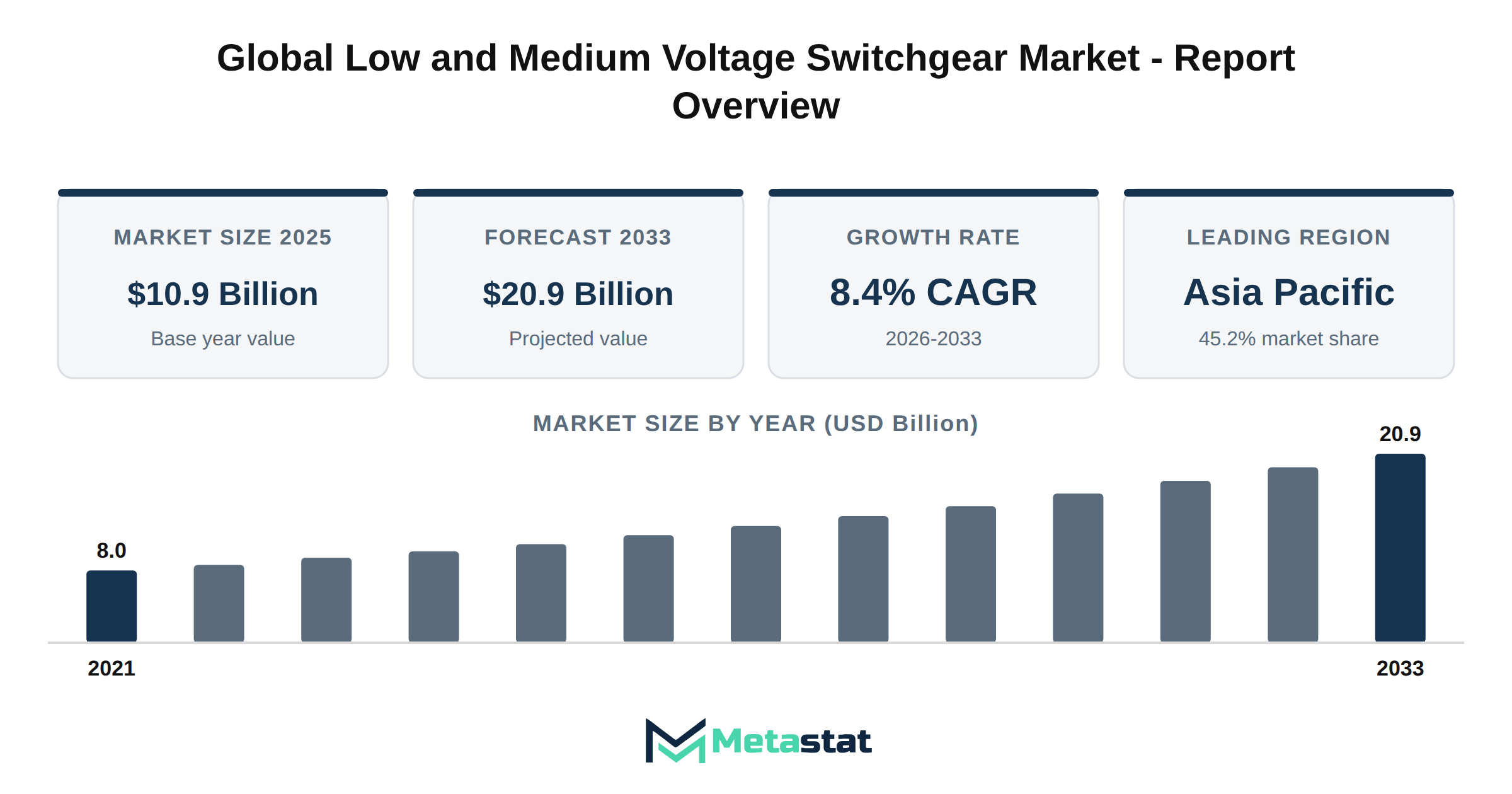
The Low and Medium Voltage Switchgear market reached a valuation of USD 10.9 billion in 2025, reflecting a growth trajectory that is expected to continue through 2033. Forecasts indicate a market value of USD 20.9 billion by the end of the forecast period, representing a compound annual growth rate (CAGR) of 8.4%. This growth stems from increasing demand across various sectors, including utilities and industrial applications, driven by ongoing infrastructure modernization.
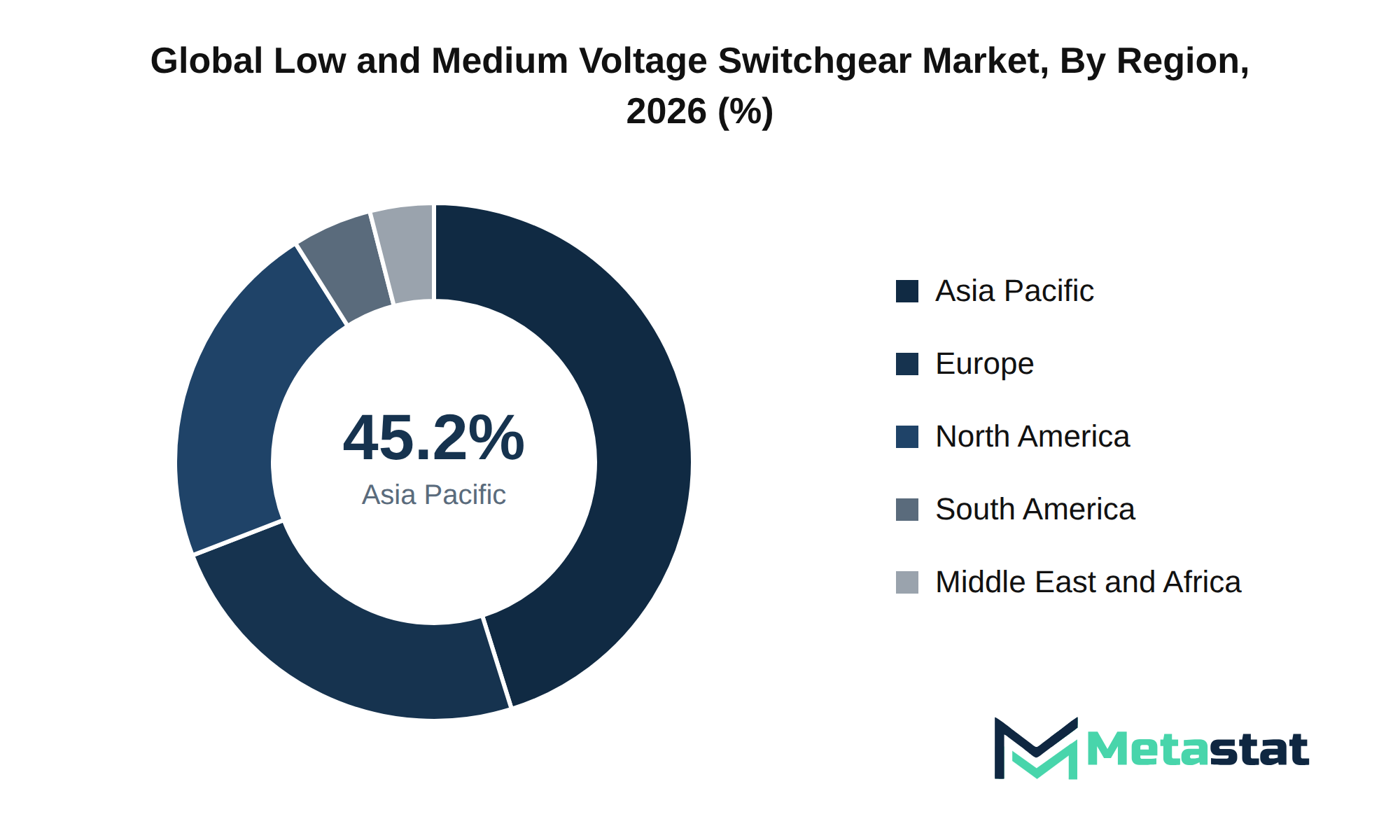
Regional dynamics play a significant role in shaping the market landscape. Asia Pacific holds the largest share at 45.2%, followed by Europe with 24% and North America at 21.9%. The increasing focus on renewable energy sources and energy efficiency standards within these regions drives demand for advanced switchgear solutions. Investment in infrastructure and regulatory compliance enhances the market viability, positioning it for substantial growth during the forecast period.
The Low and Medium Voltage Switchgear market experiences significant advancements driven by regulatory compliance and evolving industry standards. The focus on environmental sustainability and decarbonization initiatives influences market dynamics, prompting companies to adopt greener technologies and practices. This transformation aligns with global trends toward a circular economy, driving investment in innovative solutions and sustainable practices.
Disruption within the industry arises from technological advancements and shifting consumer preferences. Research and development trajectories focus on next-generation innovations that enhance the efficiency and reliability of switchgear products. These innovations improve operational performance and support compliance with stringent regulations, positioning companies favorably in an increasingly competitive environment.
The supply chain landscape reflects the complexity of sourcing materials and components for low and medium voltage switchgear. Strategic partnerships among manufacturers, suppliers, and logistics providers enhance procurement processes and mitigate risks associated with supply disruptions. Companies emphasize agility in their logistics architecture, ensuring timely delivery and responsiveness to market demands.
Market fragmentation presents opportunities for mergers and acquisitions, with firms seeking to consolidate their positions and expand their market reach. The value chain becomes increasingly integrated, enabling firms to streamline operations and enhance customer journey dynamics. Capital allocation strategies focus on infrastructure investments, ensuring robust support for growth initiatives in the low and medium voltage switchgear market.
Future strategic outlook emphasizes the importance of corporate imperatives that prioritize sustainability and innovation. High-value recommendations for market participants include investing in research and development, forming collaborations, and leveraging emerging technologies to maintain competitive advantages in a changing industry.
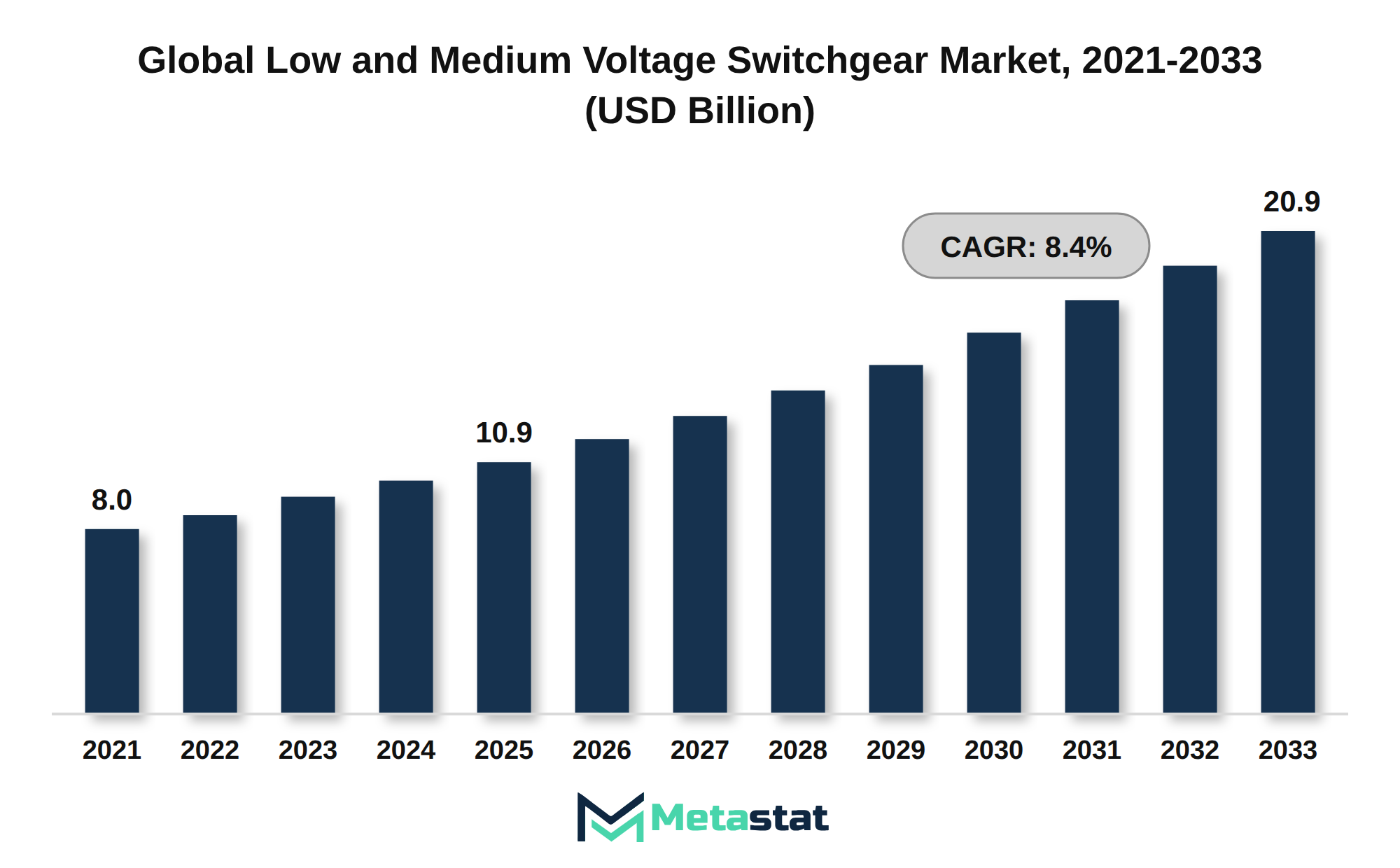
The growing emphasis on infrastructure development significantly boosts the Low and Medium Voltage Switchgear market. Enhanced economic activities, particularly in emerging economies, fuel investments in upgrading existing facilities and constructing new ones. Governments and private sectors increasingly allocate funds for modernizing electrical grid systems to improve energy efficiency and reliability.
This investment trend influences various industries, including utilities, industrial, and commercial sectors, by creating a higher demand for switchgear solutions. These sectors prioritize upgrading electrical assets to accommodate increased loads and enhance safety, resulting in growth across both low and medium voltage segments.
The trend toward digital transformation promotes the adoption of advanced technologies like automation and smart grid solutions, further driving investments. This transformation necessitates modern switchgear that integrates seamlessly with new technologies, enhancing operational productivity and reducing costs within electrical systems.
Consequently, increased capital investments in infrastructure expand the market and encourage innovation and diversification in product offerings, allowing new entrants and established players to capture market share in the evolving environment.
The integration of advanced technologies significantly influences the Low and Medium Voltage Switchgear market. Automation and artificial intelligence streamline operations, enabling manufacturers to enhance production processes and reduce costs. The adoption of software solutions facilitates data management and real-time monitoring, improving decision-making and operational responsiveness. Utilities and industrial sectors increasingly rely on these technologies to meet evolving demands for efficiency and reliability.
Investment in digital transformation initiatives demonstrates a commitment to modernization across various sectors. Companies expand their capabilities by digitizing legacy processes, allowing for improved resource management and productivity. These advancements create a competitive edge, driving further adoption of low and medium voltage switchgear solutions. The market benefits from this trend, with increased demand resulting from a shift toward more efficient and technologically adept infrastructures.
This market continues to evolve, with an emphasis on technological integration aligning with broader trends in operational productivity. This alignment supports growth in the market, positioning it favorably for future developments and increasing investment in state-of-the-art switchgear solutions.
Capital investment requirements present a significant restraint on the Low and Medium Voltage Switchgear market. High initial costs for advanced switchgear systems deter potential buyers, particularly in regions with lower purchasing power. Utilities and industrial sectors face pressure to allocate substantial budgets for high-quality equipment, leading to delays in project implementation or limiting the scope of investment.
Ongoing operational costs associated with maintaining and upgrading switchgear systems contribute to the financial burden faced by end-users. This pressure affects profitability and results in slower adoption rates, particularly among smaller companies that operate within tight margins. Consequently, the capital-intensive nature of the market influences demand patterns, focusing growth on larger enterprises capable of managing extensive investments.
Macroeconomic headwinds, including inflation, exacerbate this situation by increasing material and labor costs, further straining budgets. These factors collectively hinder the ability of market players to expand operations and invest in innovative technologies, leading to stagnation in market growth. Ultimately, high capital investment requirements create a barrier that limits market potential and affects overall competitiveness.
The Low and Medium Voltage Switchgear market faces challenges resulting from geopolitical fragmentation. Trade deficits and tariff friction create uncertainties that directly influence procurement strategies. Disruptions in logistics and supply chain instability hinder the timely delivery of essential components, complicating operations for manufacturers and suppliers. These challenges increase operational costs and hinder the ability to meet growing demand effectively.
Technological disruptions further complicate the market landscape. Rapid advancements necessitate continuous investment in research and development, often stretching resources thin and leading to complex integrations. Talent retention pressures and skill gaps among the workforce impair innovation capabilities, impacting the market's overall responsiveness to evolving customer requirements. This situation requires firms to adapt swiftly to maintain competitiveness.
Compliance overhead associated with tightening global regulatory standards presents additional challenges. Organizations grapple with increasing costs related to regulatory adherence, diverting funds from strategic investments. Environmental lifecycle footprints and decarbonization mandates impose sustainability demands that require firms to reassess production methodologies, further complicating operational efficacy.
The Low and Medium Voltage Switchgear market navigates these multifaceted challenges to sustain growth and remain competitive. Overcoming barriers related to retrofitting and implementation bottlenecks is crucial for enhancing market penetration and meeting the needs of diverse end-use applications. Addressing these issues effectively supports long-term market stability.
The Low and Medium Voltage Switchgear market benefits from emerging regional demands stemming from rapid urbanization and industrial growth, particularly in Asia Pacific. This region accounts for 45.2% of the market share, driven by an expanding manufacturing sector that requires reliable and efficient power distribution systems. Increased infrastructure investments in renewable energy projects, smart grids, and sustainable urban developments enhance the demand for these systems.
Technological disruptions in the form of digital transformation and next-generation innovations create additional opportunities for growth. The market experiences heightened interest in solutions including automation, IoT-enabled devices, and integrated power management systems, which improve operational efficiency and reduce downtime. These advancements appeal to various end-use applications, including utilities, industrial operations, and data centers, all of which prioritize energy efficiency and system reliability.
The push toward sustainability imperatives and ESG-driven alignments influences purchasing behaviors. Organizations prioritize eco-friendly compliance and seek solutions that align with their sustainability goals. This trend influences the development of innovative products and enhancements in existing systems, positioning the market for substantial growth. Investments in retrofitting and maintenance upgrades extend asset life cycles, ensuring that existing infrastructures remain competitive and efficient.
Strategic consolidation, cross-industry mergers, and M&A initiatives demonstrate the evolving landscape of the market. These movements reflect an adaptive approach to meet changing customer demands and leverage synergies across different sectors. Companies that successfully navigate shifts in buying behaviors and procurement strategies position themselves to capture emerging opportunities within the Low and Medium Voltage Switchgear market.
The Global Low and Medium Voltage Switchgear market is segmented based on Voltage Rating, Insulation Type, Product Type, and End-Use Application.
Valued at USD 5.5 billion in 2026, the Low Voltage (Up to 1 kV) segment is projected to reach USD 9.4 billion by 2033, at a CAGR of 7.9% during the forecast period. This segment experiences growth driven by increasing demand for efficient power distribution systems across various end-use applications, including utilities and industrial sectors. The surge in urbanization and the expansion of infrastructure contribute to the rising need for reliable and safe power management solutions, with low voltage switchgear playing a crucial role in ensuring electrical safety and performance.
Technological advancements support the evolution of products within this segment, leading to enhanced performance, safety features, and integration with smart technologies. The transition towards renewable energy sources, coupled with energy efficiency regulations, drives the adoption of low voltage switchgear in renewable installations. Cost-effective solutions and competitive pricing strategies among manufacturers improve overall market accessibility, attracting diverse end-users.
In terms of end-use dynamics, the utilities sector remains a significant consumer, driven by the need for consistent power supply and grid reliability. Industrial applications experience rising investment in low voltage systems to support automation and process efficiency. This demand shift results in increased investments from manufacturers focused on innovation, positioning them to capitalize on emerging opportunities within the Low and Medium Voltage Switchgear market.
Investments in infrastructure and energy generation drive growth within the Medium Voltage (Above 1 kV to 17.5 kV) segment, characterized by an estimated market value of USD 6.3 billion by 2033, at a CAGR of 8.5% during the forecast period. The transition towards renewable energy sources and smart grid technologies enhances demand, driven by utilities and industrial sectors seeking reliable and efficient electrical distribution systems. Technological advancements, including digitalization and automation, contribute to product evolution, with manufacturers focusing on solutions that integrate advanced monitoring and control capabilities.
End-use dynamics reflect a robust adoption of medium voltage switchgear across various applications, particularly in utilities and industrial settings, where the need for enhanced grid reliability and efficiency prevails. Regulatory compliance standards further fuel market expansion, compelling manufacturers to innovate and meet stringent performance requirements. The drive towards sustainability prompts investment in next-generation upgrades, ensuring that products align with environmental and operational benchmarks.
Cost structures present both challenges and opportunities for stakeholders within the market. Pricing volatility, influenced by raw material sourcing and supply chain resilience, necessitates strategic planning for manufacturers. Ongoing technological obsolescence in older systems encourages operators to evaluate replacement options, creating strategic opportunity windows for new product introductions. Continuous monitoring of market trends and consumer preferences enhances the competitive edge for players in the Low and Medium Voltage Switchgear market.
Growth in the Medium Voltage (Above 17.5 kV to 36 kV) segment of the Low and Medium Voltage Switchgear market aligns with increased demand for reliable power distribution systems in various industries. This demand arises from the expansion of renewable energy projects and urban infrastructure developments that require robust electrical solutions. The segment is projected to reach USD 3.9 billion by 2033, highlighting its importance in meeting rising energy needs.
Technological advancements play a significant role in enhancing product offerings within this segment. Innovations in gas-insulated switchgear and hybrid-insulated designs provide greater efficiency and reduce footprint, making them preferable in urban settings. Adoption of these advanced technologies improves energy efficiency and environmental sustainability, reflecting global energy transition goals.
End-use applications, particularly in utilities and industrial sectors, significantly influence consumption patterns within this segment. Utilities focus on upgrading aging infrastructure to improve reliability and support the integration of distributed energy resources. Industrial sectors, facing increased operational demands, adopt medium voltage solutions to enhance productivity and minimize downtime.
Regulatory compliance standards, emphasizing safety and environmental considerations, drive market growth. Manufacturers invest in meeting these standards to ensure their products align with regional regulations, ultimately enhancing market competitiveness. Strategic investments in research and development further support product evolution, creating opportunities for companies to differentiate their offerings.
The Medium Voltage (Above 17.5 kV to 36 kV) segment reflects a vital component of the Low and Medium Voltage Switchgear market, driven by increasing energy demands, technological maturation, and regulatory compliance. The anticipated growth indicates robust market potential, positioning stakeholders to capitalize on emerging opportunities.
Demand for Medium Voltage (Above 36 kV to 52 kV) switchgear is influenced by various factors, including the ongoing transition towards renewable energy sources and the need for reliable electrical distribution systems. This segment is projected to grow at a CAGR of 10.4% during the forecast period. Increased investment in energy infrastructure, particularly in emerging economies, drives the demand for high-capacity switchgear solutions. Utilities and industrial applications significantly contribute to this growth, requiring robust and efficient systems to manage higher voltage levels.
Technological advancements in switchgear design enhance efficiency and reliability, creating opportunities for next-generation upgrades. The integration of smart grid technologies allows for improved monitoring and control, further attracting investment in this segment. Regulatory compliance standards focused on sustainability and safety compel manufacturers to innovate, pushing the adoption of modernized switchgear solutions within the Low and Medium Voltage Switchgear market. The cost structure for high-voltage solutions reflects the complexity of technology and materials; however, the long-term benefits of reduced operational costs and enhanced system performance justify the capital expenditure.
Overall, the Medium Voltage (Above 36 kV to 52 kV) segment demonstrates a strong outlook, driven by an expanding application base and continuous technological evolution. While the market matures, companies investing in innovation and compliance will likely capture significant market share, positioning themselves favorably within the broader Low and Medium Voltage Switchgear market.
Growth in the Air-Insulated Switchgear (AIS) segment reflects increased demand for reliable and efficient electrical systems. This segment is valued at USD 5.9 billion in 2026 and is projected to reach USD 9.9 billion by 2033, at a CAGR of 7.8% during the forecast period. Increasing investments in renewable energy infrastructure and modernization of electrical grids drive significant expansion within the market.
Technological maturation plays a critical role in this segment's evolution. Ongoing advancements enhance efficiency and reduce operational costs, attracting various end-user industries including utilities and industrial applications. The trend toward smart grid technology further drives adoption, driven by organizations seeking to optimize energy management and minimize wastage.
Regulatory compliance standards and certifications contribute to growth dynamics, because stringent safety regulations push industries to upgrade aging infrastructures. This regulatory environment enhances demand for Air-Insulated Switchgear, ensuring systems meet evolving safety and performance criteria.
Margin pressures stemming from raw material sourcing and pricing volatility present challenges for manufacturers. However, strategic investment in supply chain resilience enables companies to mitigate risks associated with fluctuating costs. Air-Insulated Switchgear remains a preferred choice due to its robust performance and lower maintenance requirements, reinforcing its position within the Low and Medium Voltage Switchgear market.
Investment in next-generation upgrades continues to identify strategic opportunity windows, enabling players to develop innovative solutions tailored to specific industry needs. The AIS segment's adaptability positions it favorably against disruptive alternatives, ensuring a competitive edge within the evolving market.
Demand for Gas-Insulated Switchgear (GIS) intensifies due to its compact design and enhanced efficiency, particularly in urban environments where space constraints limit traditional switchgear applications. This shift occurs alongside an increased need for reliable electricity distribution systems, driven by rising urbanization and renewable energy integration. Investors focus on GIS technology to address these requirements, leading to substantial advancements in product offerings and functionality.
The segment is estimated to reach USD 6.9 billion by 2033, at a CAGR of 8.8% during the forecast period. Adoption reflects a broader trend within the Low and Medium Voltage Switchgear market, influenced by regulatory compliance standards emphasizing reduced environmental impact. Increasing investments in smart grid technologies further enhance the appeal of GIS solutions, aligning with the growing demand for efficient energy management systems.
Technological maturation influences the evolution of GIS, with ongoing research and development yielding innovative features that improve performance and reliability. The emergence of next-generation upgrades, including enhanced digital monitoring and control capabilities, positions GIS because a leading choice in various end-use applications, including utilities and data centers. These advancements contribute to a robust competitive landscape, creating opportunities for market players to expand their influence.
Shifts in consumption patterns, influenced by the increasing focus on sustainability, drive the demand for GIS solutions that adhere to stringent environmental regulations. This trend highlights the importance of aligning product offerings with evolving market expectations. Consequently, investments in GIS technology present strategic opportunities for companies looking to enhance their operational capabilities while meeting the rising demand for cleaner energy solutions across the Low and Medium Voltage Switchgear market.
Demand for Solid-Insulated Switchgear is driven by the increasing need for reliable and efficient energy distribution solutions. The trend toward sustainable and eco-friendly technologies drives adoption among utilities and industrial applications, where minimizing environmental impact is critical. Enhanced safety features and compact design contribute to preference for this insulation type, especially in urban settings where space constraints exist. Technological advancements facilitate product evolution, leading to improved performance characteristics that align with modern energy demands.
Solid-Insulated Switchgear segment is expected to reach USD 2.2 billion by 2033. Regulatory compliance standards emphasizing safety and environmental protection support market growth, compelling manufacturers to innovate and meet stringent requirements. Cost structures undergo scrutiny due to pressures from raw material prices and competition, requiring strategic pricing models to maintain profitability. The market anticipates increased capital investment driven by players seeking to enhance product offerings and expand into emerging regions.
Rapid advancements in hybrid-insulated switchgear technology drive increased adoption across various sectors. This segment is projected to grow at a CAGR of 9.4% during the forecast period, reflecting a strong shift towards more energy-efficient and compact solutions. Industries including utilities and renewable energy are primary drivers, requiring innovative switchgear to support grid modernization and integration of distributed energy resources.
The hybrid-insulated switchgear segment facilitates enhanced performance and reliability while minimizing space requirements. Increased demand for uninterrupted power supply in critical applications influences investments in this technology. The commercial and industrial sectors favor hybrid solutions due to their lower environmental impact and operational flexibility, resulting in substantial expansion opportunities within the market.
Regulatory compliance standards and environmental policies further drive the growth of hybrid-insulated switchgear. Manufacturers emphasize innovation to meet stringent requirements, leading to advancements in product features and capabilities. This evolution enhances performance and supports the market's overall revenue, with a forecast value expected to reach USD 6.9 billion by 2033.
Valued at USD 3.3 billion in 2026, the Low-Voltage Switchboards and Panelboards segment is projected to reach USD 5.5 billion by 2033, at a CAGR of 7.5% during the forecast period. Increased urbanization and industrialization drive demand for reliable power distribution systems, prompting investments in low-voltage switchgear. The rising need for energy efficiency and the integration of renewable energy sources further promote adoption within this segment.
Technological maturation in smart grid solutions enhances the functionality of low-voltage switchboards and panelboards, enabling improved monitoring and control capabilities. This advancement influences the segment's expansion, driven by industries prioritizing automation and real-time data analysis. End-use applications, including utilities and commercial sectors, increasingly rely on these systems to ensure efficient energy management and distribution.
Regulatory compliance standards regarding safety and sustainability significantly impact product specifications and design. Manufacturers focus on achieving certifications that validate product quality, further driving the segment's growth. Cost structures remain critical, with fluctuations in raw material prices influencing overall pricing strategies. Despite these pressures, the market continues to exhibit resilience, with opportunities for innovation and development in low-voltage technologies.
The Low and Medium Voltage Switchgear market benefits from strategic opportunity windows, particularly in emerging economies where infrastructure development is a priority. Investments in modernizing existing electrical grids create avenues for enhanced product offerings, aligning with growing energy demands. Continued emphasis on sustainability within the energy sector creates a conducive environment for the evolution of low-voltage switchboards and panelboards.
Growth in the Low-Voltage Motor Control Centers (MCCs) segment is driven by the increasing demand for automation and control in industrial applications. Industries focusing on energy efficiency and enhanced operational reliability prioritize these systems, significantly influencing adoption rates. The segment is projected to reach USD 2.4 billion by 2033, at a CAGR of 8% during the forecast period. Continued advancements in motor control technology enhance functionality and versatility, positioning MCCs because essential components in modern electrical systems.
End-user dynamics play a critical role in shaping the market landscape, with utilities and industrial sectors leading the demand for Low-Voltage Motor Control Centers. Regulatory compliance standards pertaining to energy efficiency and safety regulations increase the need for updated solutions, stimulating investment in next-generation upgrades. Consumption shifts toward smarter and more efficient systems reflect the evolving preferences of end-users, reinforcing the segment's growth potential within the broader Low and Medium Voltage Switchgear market.
Pricing volatility linked to raw material sourcing and manufacturing processes introduces challenges that affect profit margins. Strategic opportunity windows arise because manufacturers focus on product evolution and innovative designs, addressing specific needs within the marketplace. Supply chain resilience becomes critical, ensuring timely delivery and operational efficiency, which directly impacts market performance. The Low and Medium Voltage Switchgear market continues to evolve, with significant prospects for growth and development in the Low-Voltage Motor Control Centers segment.
Growing investments in infrastructure and power generation drive the expansion of the Medium-Voltage Metal-Clad Switchgear segment. This segment is expected to reach USD 4.2 billion by 2033, reflecting a robust demand from utilities and industrial end-users. Increasing emphasis on energy efficiency and regulatory compliance influences adoption rates, pushing market players to innovate and enhance product offerings.
The technological maturation of medium-voltage switchgear, including advancements in automation and digital monitoring, supports the development of next-generation solutions. Enhanced features, including improved safety standards and lower maintenance requirements, streamline operations for users, driving further adoption. The segment experiences significant growth due to the rising demand for reliable and efficient power distribution systems across various applications.
Shifts in consumption patterns, propelled by the transition toward renewable energy sources, create new opportunities for the segment. Market participants focus on developing solutions compatible with renewable integration, enhancing overall system efficiency. Regulatory compliance and standards continue to shape the manufacturing landscape, ensuring that products meet necessary certifications and performance benchmarks.
Pricing volatility in raw materials impacts cost structures, necessitating strategic management from suppliers to maintain margins. This situation compels companies to explore alternative sourcing strategies and develop resilience within their supply chains. Strategic opportunity windows arise due to market participants adapting to changing dynamics, reinforcing their competitive positioning within the Low and Medium Voltage Switchgear market.
Significant growth opportunities exist within Medium-Voltage Metal-Enclosed Switchgear, driven by increasing demand for reliable and efficient power distribution systems. This demand arises from sectors including utilities and industrial applications, where robust infrastructure is essential. Regulatory compliance standards contribute to the adoption of Medium-Voltage Metal-Enclosed Switchgear, prompting investments in safer and more efficient technologies.
Medium-Voltage Metal-Enclosed Switchgear segment is projected to grow at a CAGR of 8% during the forecast period. This growth reflects heightened interest in advanced grid solutions and renewable energy integration, enabling more efficient management of electricity distribution. Downstream applications, including data centers and renewable energy systems, increasingly rely on this segment for enhanced performance and safety.
Technological maturation and product evolution play crucial roles in stimulating market growth. Continuous advancements in design and functionality contribute to the appeal of Medium-Voltage Metal-Enclosed Switchgear. Investments in next-gen upgrades facilitate the transition from conventional systems, addressing the need for improved operational efficiency and reduced downtime.
Cost structures associated with Medium-Voltage Metal-Enclosed Switchgear exhibit variability, influenced by raw material sourcing and production processes. Pricing volatility presents challenges. Strategic opportunity windows arise from the introduction of innovative solutions. Suppliers in the Low and Medium Voltage Switchgear market focus on enhancing supply chain resilience to mitigate disruptions and ensure consistent delivery.
The demand dynamics of this segment align with broader trends in energy consumption and infrastructure development. Overall, the Medium-Voltage Metal-Enclosed Switchgear segment positions itself because a key player in the evolving landscape of the Low and Medium Voltage Switchgear market.
Medium-Voltage Ring Main Units (RMUs) play a critical role in the Low and Medium Voltage Switchgear market, driven by the increasing demand for reliable and efficient power distribution systems. The transition towards smart grid technologies and sustainable energy solutions fuels the adoption of RMUs, because utilities and industrial sectors seek enhanced network flexibility and reduced operational costs. RMUs facilitate effective load management and improve grid reliability, which are essential in meeting the growing energy requirements across various industries.
Technological advancements in RMU design and construction enhance their operational efficiency and performance. Innovations including integrated monitoring systems and remote control capabilities enable better management of electrical distributions, ensuring compliance with evolving regulatory standards. End-users benefit from these upgrades through improved system resilience and reduced maintenance costs, strengthening the overall market position of RMUs.
The demand for RMUs continues to rise within the utilities and industrial applications, reflecting a shift towards more decentralized energy systems and an increasing emphasis on sustainability. Factors including urbanization, the expansion of renewable energy sources, and the need for robust infrastructure contribute to the growth of this segment. The ongoing emphasis on energy efficiency and low environmental impact further supports the adoption of RMUs across various sectors.
Market dynamics indicate that RMUs face competition from alternative technologies, including conventional switchgear solutions. However, their ability to integrate into modern electrical systems and offer space-saving designs creates a strategic opportunity for manufacturers to expand their offerings. The focus on long-term investments and enhancements in product evolution positions RMUs because a significant contributor to the overall growth of the Low and Medium Voltage Switchgear market.
Technological advancements significantly influence the adoption of Medium-Voltage Recloser and Sectionalizer Switchgear. The shift towards smart grid solutions and automated systems enhances the operational efficiency of electrical networks. This segment plays a critical role in ensuring reliable power distribution, reducing downtime, and improving grid resilience.
Market expansion is driven by increased demand for improved electrical reliability in sectors including utilities and industrial applications. End-use dynamics reflect a growing emphasis on minimizing outages and enhancing system performance. Regulatory compliance standards encourage the integration of advanced switchgear solutions, aligning with sustainability goals and energy efficiency initiatives.
Pricing volatility and margin pressures challenge manufacturers in this segment. Fluctuations in raw material costs impact operational budgets, necessitating strategic pricing models. Supply chain resilience is essential to mitigate disruptions and maintain consistent product availability for end-users.
Strategic opportunity windows emerge because businesses seek to modernize their electrical infrastructure and implement next-generation upgrades. Investment in research and development facilitates product evolution, enabling manufacturers to meet evolving customer needs. The Low and Medium Voltage Switchgear market benefits from a robust framework supporting the adoption of innovative technologies and solutions.
Demand for Medium-Voltage Pad-Mounted and Vault Switchgear arises from the need for reliable and efficient power distribution solutions in urban and industrial settings. The increasing focus on energy efficiency and grid resilience contributes to heightened interest in advanced switchgear technology. Adoption of these systems enhances operational safety and system reliability, addressing the complexities of modern electrical infrastructures.
Several industries, including utilities, commercial buildings, and industrial manufacturing, drive the demand for this product type. The ongoing shift towards renewable energy sources and energy storage solutions further increases the requirement for versatile switchgear systems that adapt to dynamic energy flows. End-use dynamics indicate a growing reliance on these systems to ensure uninterrupted power supply while minimizing downtime.
Technological maturation influences the evolution of Medium-Voltage Pad-Mounted and Vault Switchgear, with manufacturers focusing on innovative designs that enhance performance and ease of installation. Next-generation upgrades incorporate smart grid technologies, integrating advanced monitoring and control capabilities. These enhancements facilitate better management of electrical distribution networks, enabling operators to respond swiftly to disruptions and optimize asset utilization.
Regulatory compliance standards and certifications play a critical role in shaping market dynamics, especially in regions with stringent safety and efficiency requirements. Projects emphasizing sustainability and environmental impact lead to increased scrutiny of switchgear performance, creating a competitive environment among manufacturers to meet these standards. Cost structures remain a crucial consideration, with price volatility in raw materials impacting overall profitability.
Market players face margin pressures driven by competition and the need for continual innovation. Strategic opportunity windows appear for manufacturers that focus on developing cost-effective solutions without compromising quality. The integration of robust supply chain management practices enhances resilience, enabling companies to navigate challenges associated with raw material sourcing and logistics vulnerabilities.
Overall, the Medium-Voltage Pad-Mounted and Vault Switchgear segment contributes significantly to the Low and Medium Voltage Switchgear market, driven by a combination of demand drivers, technological advancements, and evolving end-use applications. The segment's growth reflects the broader trends shaping the energy landscape, emphasizing reliability, efficiency, and compliance with regulatory standards.
Compact and Prefabricated Switchgear Assemblies attract attention due to their efficiency and versatility in various applications. The market experiences a shift toward modular designs driven by the need for reduced installation times and space-saving solutions in electrical systems. Utilities and commercial real estate favor these assemblies for their adaptability to changing operational requirements.
Technological maturation promotes the adoption of Compact and Prefabricated Switchgear Assemblies. Enhanced production techniques and the integration of advanced materials result in improved performance and reliability. This shift aligns with the growing focus on sustainability and energy efficiency, encouraging investment in innovative solutions that meet modern regulatory compliance standards.
End-use dynamics demonstrate that demand for these assemblies originates from various sectors, including data centers and renewable energy projects. Their design allows for quick deployment in critical infrastructure, enabling operators to respond to evolving energy demands effectively. This adaptability contributes to a favorable capital investment outlook within the Low and Medium Voltage Switchgear market.
The competitive landscape features several key players focusing on strategic opportunity windows within this sub-segment. Investments in research and development aim to enhance product evolution and address emerging market needs. Supply chain resilience remains essential, ensuring steady access to raw materials while mitigating risks associated with logistics vulnerabilities and disruptions.
Overall, the Compact and Prefabricated Switchgear Assemblies segment reflects a commitment to innovation and adaptability within the broader Low and Medium Voltage Switchgear market. Continued focus on meeting diverse consumer needs and regulatory requirements will shape its expansion trajectory in the coming years.
Valued at USD 5.3 billion in 2026, the Utilities sub-segment demonstrates substantial growth potential, projected to reach USD 9 billion by 2033, at a CAGR of 7.9% during the forecast period. Increasing investments in renewable energy sources and smart grid technologies drive demand for Low and Medium Voltage Switchgear in utility applications. An enhanced focus on grid reliability and efficiency requires utilities to upgrade existing infrastructures, leading to a surge in the adoption of advanced switchgear solutions.
Technological maturation in switchgear development contributes significantly to market expansion. Innovations in digital and automated technologies enhance operational efficiency and monitoring capabilities, allowing utilities to optimize energy distribution. Regulatory compliance standards regarding safety and environmental performance necessitate investments in modern switchgear systems, facilitating further growth in the market.
Downstream applications in renewable energy integration, including wind and solar power, increasingly influence demand dynamics within the Utilities sector. Utilities are adopting Low and Medium Voltage Switchgear solutions that support energy storage systems and improve grid integration. This transition reflects broader consumption shifts toward sustainable energy solutions, reinforcing the segment's growth trajectory.
Strategic opportunity windows emerge with the escalating demand for reliable power infrastructure, particularly in emerging markets. Growing urbanization and industrialization necessitate enhanced electricity distribution efficiency, driving investments in switchgear technologies. The Low and Medium Voltage Switchgear market continues to evolve with these trends, presenting significant prospects for stakeholders involved in this dynamic sector.
Projected growth for the Industrial segment within the Low and Medium Voltage Switchgear market estimates USD 5.1 billion by 2033, at a CAGR of 8% during the forecast period. The industrial sector experiences increased demand driven by the expansion of manufacturing facilities and infrastructure projects globally. Energy efficiency requirements push industries to upgrade their electrical systems, favoring the adoption of advanced switchgear technologies.
Technological maturation in switchgear solutions facilitates enhanced performance, reliability, and safety in industrial applications. The evolution of products to incorporate smart technologies supports the efficient management of energy resources. Increased utilization of renewable energy sources within industrial settings generates further demand for flexible and robust low and medium voltage switchgear solutions.
End-use dynamics emphasize the need for compliance with regulatory standards and certifications, influencing purchasing decisions. The market experiences heightened interest in sustainable practices, prompting industries to prioritize eco-friendly switchgear options. Pricing volatility and margin pressures affect procurement strategies, compelling industries to seek cost-effective solutions without compromising quality.
Investment in infrastructure development and modernization across various industrial sectors contributes to market expansion. Supply chain resilience focuses on addressing vulnerabilities and ensuring timely access to materials and technology. Strategic opportunity windows emerge because industries adapt to evolving operational requirements and explore innovative products within the Low and Medium Voltage Switchgear market.
Increasing investments in infrastructure and a heightened focus on energy efficiency drive demand within the Commercial and Institutional segment of the Low and Medium Voltage Switchgear market. The segment is expected to reach USD 2 billion by 2033, reflecting significant growth opportunities linked to the ongoing expansion of commercial facilities and institutional buildings. Regulatory compliance standards regarding energy consumption and safety further stimulate adoption, leading to greater investments in advanced switchgear technologies.
Emerging trends in smart building technologies and automation enhance the need for reliable and efficient switchgear solutions. The integration of next-gen upgrades, including digital monitoring and control systems, facilitates improved operational efficiency within these applications. Energy management systems are increasingly being implemented in commercial structures, promoting the adoption of low and medium voltage switchgear for optimized energy distribution.
End-use dynamics in this segment reflect a shift toward sustainable and resilient infrastructure, with institutions seeking solutions that minimize operational costs and environmental impact. This dynamic influences manufacturers to innovate and evolve their product offerings, focusing on enhanced efficiency and reduced footprint. The market expands owing to stakeholders recognizing the long-term benefits of investing in modern switchgear solutions.
Strong growth in the Data Centers segment reflects the increasing demand for efficient power distribution systems within digital infrastructure. This demand arises from the rapid expansion of data centers driven by the surge in cloud computing, big data analytics, and Internet of Things (IoT) applications. The segment is projected to grow at a CAGR of 12% during the forecast period, indicating robust interest in Low and Medium Voltage Switchgear market solutions that enhance operational efficiency and reliability.
Technological advancements in switchgear design and functionality support the evolving needs of data centers. These facilities require high-performance, scalable solutions with advanced monitoring capabilities to optimize energy usage and ensure system reliability. The shift towards green energy solutions further increases the adoption of modern switchgear technologies, facilitating compliance with stringent energy efficiency regulations and sustainability initiatives.
Investment in data center infrastructure signifies significant opportunities within the Low and Medium Voltage Switchgear market. Companies prioritize the construction of new facilities and the upgrading of existing ones, leading to demand for innovative switchgear products that support increased power loads and enhance safety protocols. This expansion aligns with the global trend towards digitization and the necessity for reliable, sustainable energy solutions.
Increasing focus on sustainable energy sources drives demand for renewable energy solutions, significantly impacting the Low and Medium Voltage Switchgear market. The transition towards renewable energy systems, including solar and wind, necessitates robust switchgear solutions to ensure efficient power distribution and reliability. The growing integration of energy storage systems highlights the importance of advanced switchgear technologies, which enhance grid stability and facilitate the incorporation of distributed energy resources.
Technological maturation in renewable energy applications fuels innovation in switchgear products. Next-generation upgrades focus on improving efficiency and safety, aligning with industry standards and regulatory compliance. The evolution of smart grid technologies emphasizes the necessity for adaptive switchgear solutions that enhance operational flexibility and detect faults in real time, optimizing overall system performance and reliability.
End-use dynamics reflect a shift towards decarbonization across various sectors, further accelerating the adoption of renewable energy solutions. Increased investments in energy efficiency and sustainability initiatives create significant opportunities within the segment. Strategic opportunity windows arise due to regulatory frameworks and incentives promoting the transition to cleaner energy sources, enhancing the commercial viability of renewable energy and energy storage projects.
While consumption shifts towards sustainable practices, the demand for reliable switchgear solutions in renewable energy applications intensifies. Stakeholders face unique challenges, including cost structures and pricing volatility, which affect profitability and operational margins. In this evolving landscape, supply chain resilience remains critical, necessitating effective raw material sourcing and adaptive logistics strategies to mitigate risks associated with external disruptions and ensure operational continuity.
The competitive environment within the Low and Medium Voltage Switchgear market drives innovation and strategic partnerships among key players. Investment in research and development ensures alignment with emerging technologies, including energy storage advancements and smart grid capabilities. This collaborative approach positions market participants to capture growth opportunities and address evolving consumer needs effectively.
Investment in the Oil and Gas, Petrochemical and Mining sector significantly influences demand for Low and Medium Voltage Switchgear. The push for automation and enhanced operational efficiency drives the adoption of advanced switchgear solutions. These industries prioritize reliable and efficient power distribution systems, essential for minimizing downtime and maximizing productivity.
Technological maturation drives segment expansion, with next-generation upgrades to existing systems offering enhanced capabilities and improved safety standards. Regulatory compliance standards, including safety and environmental regulations, shape product development and procurement strategies, compelling companies to invest in modern switchgear solutions that meet stringent requirements.
Consumption shifts towards energy-efficient technologies align with global sustainability initiatives, prompting entities in this segment to seek innovative switchgear options. Strategic opportunity windows emerge for manufacturers focused on developing solutions tailored to the unique challenges of the oil and gas, petrochemical, and mining sectors. Capital investments in infrastructure support growth within the Low and Medium Voltage Switchgear market, positioning suppliers to meet evolving demands effectively.
Investment in transportation infrastructure enhances demand for low and medium voltage switchgear. Transitioning to electrified transportation systems, including electric trains and trams, promotes the adoption of advanced switchgear solutions, ensuring efficient power distribution and safety in rail operations. Regulatory initiatives aimed at reducing carbon emissions encourage investments in electrification and modernization of rail systems, further driving the market. The trend towards sustainable transport solutions shapes infrastructure projects, necessitating the integration of robust electrical systems.
Technological maturation in switchgear design and functionality is critical in meeting the unique requirements of the transportation sector. Innovations in digital switchgear and smart grid technologies enable operators to manage resources efficiently, enhancing operational reliability and performance. Strategic opportunities arise from ongoing upgrades and retrofitting of existing rail systems with next-generation switchgear, facilitating improved energy management and reduced operational costs.
Interdependencies exist between rail networks and energy utilities, creating dynamics that influence the market. Collaboration between energy providers and transportation agencies ensures adequate power supply and reliability, addressing consumption shifts driven by increased passenger and freight volumes. Compliance with evolving regulatory standards influences procurement decisions, emphasizing the importance of adopting certified solutions that align with sustainability goals.
Emerging trends, including the integration of renewable energy sources into transport systems, present new avenues for growth. The adoption of energy storage systems alongside low and medium voltage switchgear allows for effective management of variable renewables, enhancing resilience in supply chains. Investment in rail infrastructure reflects a commitment to enhancing operational capacity while meeting environmental targets, reinforcing the importance of the market in the broader energy ecosystem.
Investment in water and wastewater infrastructure drives demand for Low and Medium Voltage Switchgear. This sector focuses on ensuring reliable power supply for treatment plants and distribution systems, aligning with global sustainability goals. Increased urbanization and population growth necessitate enhanced water management systems, creating opportunities for the market.
Technological advancements facilitate the integration of smart grid solutions in the water and wastewater industry. These innovations enhance efficiency, reduce energy consumption, and support real-time monitoring and management of water resources. Regulatory compliance, particularly regarding environmental standards, encourages utilities to modernize their switchgear systems, further pushing market expansion.
Consumer preferences shift toward sustainable practices, prompting investments in renewable energy sources for water treatment. This trend increases demand for advanced switchgear solutions that align with eco-friendly initiatives. The imperative to improve operational resilience drives strategic investments in modern switchgear, positioning the market for continued growth.
Capital investment outlook remains robust, driven by public and private sector initiatives to upgrade aging infrastructure. Emerging opportunities in advanced materials and designs support product evolution, catering to increasing performance and safety requirements. The market stands poised for significant development, driven by industries adapting to changing consumer needs and regulatory landscapes.
Demand for low and medium voltage switchgear in specialized sectors including telecommunications, healthcare, defense, and infrastructure continues to gain traction. Increased reliance on reliable power systems in telecommunications enhances the necessity for high-quality switchgear. In healthcare, the critical need for uninterrupted power supply, particularly in hospitals and medical facilities, drives investment in robust switchgear solutions. Defense applications require reliable and secure electrical systems, increasing demand for sophisticated switchgear technologies. Specialized infrastructure projects emphasize the importance of energy efficiency and reliability, placing pressure on suppliers to deliver innovative solutions.
Technological maturation influences product evolution within this sub-segment. Next-generation upgrades in switchgear technologies, including enhanced automation and remote monitoring capabilities, align with the increasing need for operational efficiency across these sectors. Regulatory compliance standards further influence market dynamics, with stringent requirements directing investments toward advanced switchgear solutions that meet safety and performance benchmarks.
Cost structures in this sub-segment reflect the heightened demand for specialized materials and advanced manufacturing processes. Pricing volatility arises from fluctuating raw material costs, impacting margins and necessitating strategic pricing approaches by manufacturers. Supply chain resilience remains a critical factor, with suppliers focusing on building robust networks to mitigate disruptions and ensure timely delivery of products. The evolution of the low and medium voltage switchgear market will continue, driven by these factors, creating strategic opportunity windows for innovative players to capitalize on emerging trends.
Based on geography, the Global Low and Medium Voltage Switchgear market is divided into North America, Europe, Asia-Pacific, South America, Middle East, and Africa.
North America Low and Medium Voltage Switchgear market is projected to expand at a CAGR of 8.4% during the forecast period, reaching a market size (TAM) of USD 4.3 billion by the end of 2033. The region's market share accounts for 21.9% of the global total in 2025, reflecting strong demand across key applications and technologies.
Investment in infrastructure modernization drives adoption in the utilities sector, where demand for Low and Medium Voltage Switchgear supports enhanced grid resilience and reliability. The increasing focus on energy efficiency and regulatory compliance in the United States, Canada, and Mexico supports further growth, compelling utilities to replace aging equipment with advanced switchgear solutions.
Factors including regional resource availability and localized manufacturing densities shape the market dynamics. Domestic participants in the Low and Medium Voltage Switchgear market focus on meeting the specific needs of regional customers while capitalizing on procurement trends and vendor consolidation initiatives to strengthen their competitive positions.
Cross-border trade corridors and geopolitical fragmentation influence supply chain strategies, ensuring that manufacturers align with local compliance mandates. The regional competitive landscape features companies that specialize in technological innovations and tailored solutions, enhancing their ability to serve diverse customer segments effectively.
The Low and Medium Voltage Switchgear market in Europe accounts for 24.0% in 2025. Growth in the region stems from robust investments in infrastructure modernization, especially in Germany, France, the UK, Italy, Spain, and Russia. These countries prioritize upgrading energy systems to enhance grid reliability, thus driving demand for switchgear solutions.
Regulatory frameworks in Europe focus on energy efficiency and sustainability, which influences purchasing decisions across industries. The market benefits from high-value replacement cycles, where aging equipment undergoes modernization or replacement. This trend is evident in utilities and industrial applications, where outdated systems require updates to comply with new standards.
Localized manufacturing densities contribute to the market's growth, enabling faster response times to customer demands. European manufacturers invest in facilities that streamline production and reduce logistical challenges. These initiatives enhance the adoption of advanced switchgear technologies.
Emerging market front-runners within Europe include companies that emphasize innovative solutions tailored to local needs. Domestic market participants leverage their understanding of regional dynamics and cultural nuances, building strong B2B relationships and simplifying procurement processes.
Energy grid resiliency remains a focal point for investments in low and medium voltage solutions. Regions with enhanced infrastructure readiness exhibit higher adoption rates, illustrating the importance of a supportive environment for switchgear technologies. Overall, the Low and Medium Voltage Switchgear market in Europe remains poised for continued growth through strategic investments and adaptive initiatives.
Asia-Pacific holds a share of 45.2% in the global Low and Medium Voltage Switchgear market for the year 2025. The region is characterized by rapid industrialization and urbanization, leading to increased demand for reliable electrical infrastructure. Nations including China, India, and Japan drive the high consumption of switchgear solutions, driven by heavy investments in energy generation and distribution enhancements.
Modernization of aging infrastructure serves because a critical catalyst for market growth in Asia-Pacific. Energy efficiency initiatives and the shift towards renewable energy contribute to the expansion of the switchgear market, particularly in South Korea and Australia. These countries prioritize advanced technologies, including Gas-Insulated Switchgear (GIS), to enhance grid reliability and operational efficiency.
Infrastructure development occurs in tandem with significant investments in renewable energy projects across the region. The growing focus on sustainability aligns with governmental mandates that encourage cleaner energy sources. These trends create opportunities for switchgear manufacturers to introduce innovative products tailored to evolving market needs.
Competitive dynamics in Asia-Pacific present a diverse landscape of domestic and international players. Multinational corporations and local manufacturers collaborate to meet the increasing demand for low and medium voltage switchgear. Strategic partnerships and regional supply chains enhance product availability and reduce lead times, thereby supporting market growth.
Overall, the Low and Medium Voltage Switchgear market in Asia-Pacific is poised for significant expansion due to favorable economic conditions, strategic investments in infrastructure, and a strong push towards modernization. The projected growth in this region reflects the ongoing commitment to enhancing energy resilience and efficiency across various sectors.
The Low and Medium Voltage Switchgear market in South America is projected to experience notable developments driven by increasing infrastructure investments and a growing focus on energy efficiency. Brazil and Argentina represent the primary markets within the region, with Brazil holding the largest share. Demand for switchgear technology benefits from modernization initiatives in energy distribution and the expansion of renewable energy sources, which are critical components of national energy policies.
With a market share of 5% in 2025, South America presents significant potential for growth. The region's infrastructure modernization efforts play an important role in driving the adoption of low and medium voltage switchgear. Companies invest in localized manufacturing to cater to the growing demand, enhancing supply chain efficiencies and reducing lead times.
Market players focus on developing technology that aligns with regional regulatory frameworks and compliance mandates. This strategic approach aids in navigating the competitive landscape, where domestic market participants establish strong footholds. The evolving landscape of the Low and Medium Voltage Switchgear market in South America reflects a broader trend towards localized procurement dynamics, which are essential for capturing growth opportunities in underpenetrated territories.
The Low and Medium Voltage Switchgear market in the Middle East and Africa operates within a complex landscape characterized by diverse regional dynamics. Saudi Arabia and the UAE represent key markets, driven by significant investments in infrastructure development and energy resilience initiatives. South Africa contributes to the market through its ongoing efforts to modernize energy grids and enhance reliability, addressing the growing demand for efficient energy distribution systems.
Regional supply chain dynamics reflect a trend towards localized manufacturing densities. Companies are increasingly focusing on nearshoring initiatives to minimize risks associated with international logistics. This shift supports the strategic entry of domestic market leaders while creating competitive landscapes that promote innovation in product offerings.
The region's energy grid resiliency and local infrastructure readiness play crucial roles in enabling growth within the market. Increasing Foreign Direct Investment (FDI) flows highlight the attractiveness of the Middle East and Africa, positioning these areas because emerging front-runners in the global Low and Medium Voltage Switchgear market. This interest drives further advancements in technology and integration of modern switchgear solutions.
Cultural nuances and regional B2B buying behaviors significantly influence procurement dynamics. Understanding these factors provides insights into the decision-making processes of local businesses, ensuring alignment with market expectations. The relationship between regional resource availability and strategic market entry barriers presents opportunities for growth and enhanced adoption of low and medium voltage switchgear solutions.
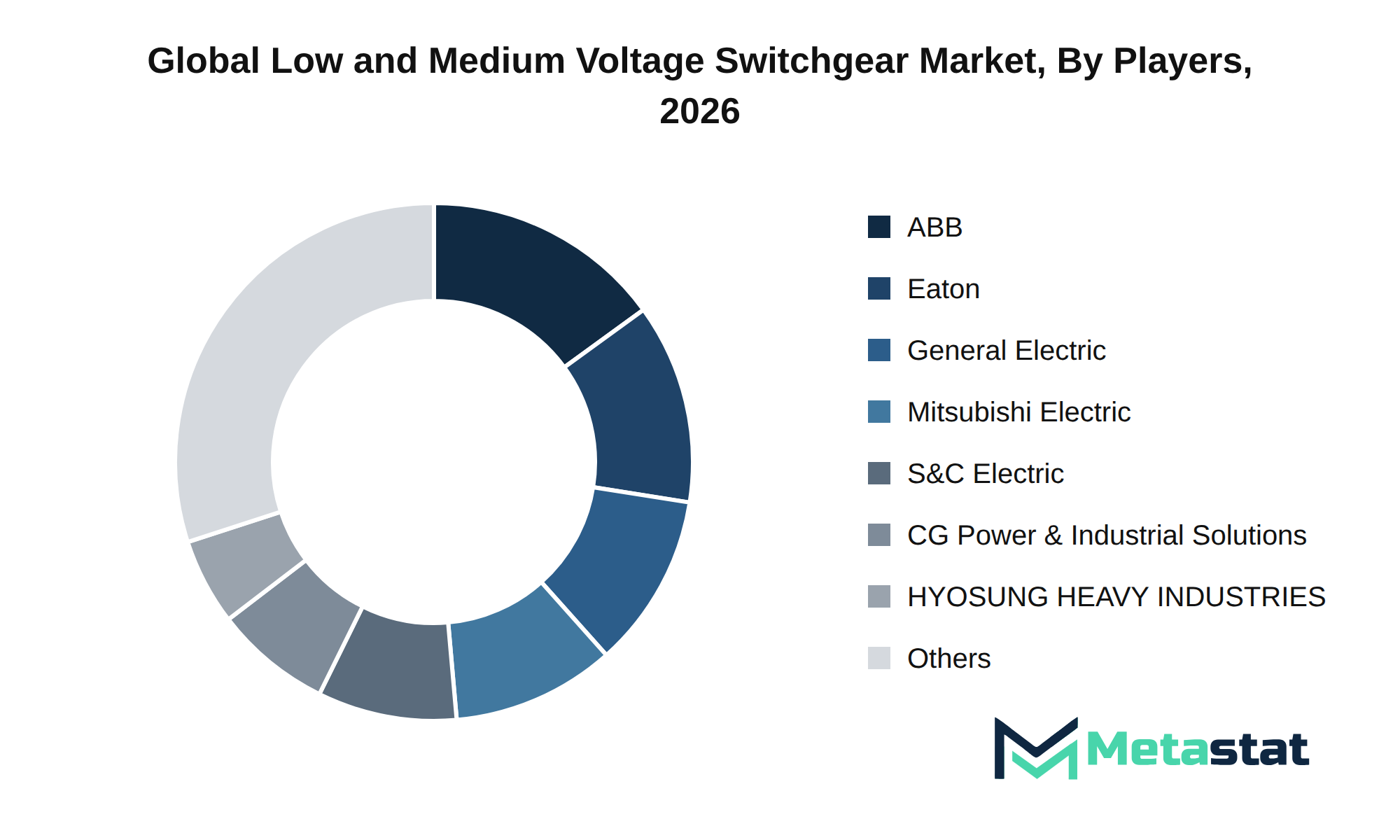
The competitive dynamics within the Low and Medium Voltage Switchgear market illustrate a landscape marked by strategic consolidation and innovation. Major players including ABB, Eaton, and Siemens actively pursue mergers and acquisitions to enhance their market positioning and expand product portfolios. This trend is driven by efficiency improvements and the integration of advanced technologies, strengthening their competitive advantage.
Product differentiation stands out because a crucial strategy in the market. Companies like Fuji Electric Co., Ltd. and Mitsubishi Electric Corporation invest heavily in research and development to introduce innovative solutions tailored to specific customer needs. This focus on innovation not only enhances performance but creates significant barriers to entry for potential new entrants.
Strategic alliances and partnerships emerge because critical elements in driving growth. Organizations including Schneider Electric (Larsen & Toubro Limited) and General Electric Company engage in cross-industry collaborations, enabling them to leverage complementary strengths and expand market reach. Such cooperative strategies improve access to new technologies and broaden customer bases.
Intellectual property portfolios play a significant role in establishing technological defensibility. Companies in the market actively patent innovations, securing their competitive edge and safeguarding against potential disruptions from startups. This focus on intellectual property reinforces brand equity and customer retention, further enhancing market positions.
Overall, the competitive outlook of the Low and Medium Voltage Switchgear market reflects a commitment to innovation, strategic alliances, and robust intellectual property management. The evolving landscape highlights the importance of proactive strategies in navigating challenges and capitalizing on growth opportunities.
Market size is forecast to rise from USD 10.9 billion in 2025 to over USD 20.9 billion by 2033, reflecting a compound annual growth rate (CAGR) of 8.4%. This growth trajectory aligns with the increasing demand for efficient electrical systems across various industries, including utilities, industrial, and commercial applications. The Low and Medium Voltage Switchgear market benefits from expanding infrastructure projects and modernization efforts, driving investments in advanced switchgear technologies.
Fluctuations in demand directly impact the market's performance within the macroeconomic scenario. Strong economic growth drives infrastructure development, while economic downturns lead to delayed projects and reduced spending. The ongoing maturation of core industries, coupled with structural consumption shifts towards sustainability and energy efficiency, enhances the adoption of next-generation technologies in switchgear solutions.
Research and development timelines play a critical role in shaping product life cycles. Innovations in insulation technologies and smart grid integration enhance product offerings, aligning with regulatory evolution and compliance mandates. Upcoming compliance milestones drive urgency in adopting advanced switchgear solutions, significantly affecting market dynamics.
Geopolitical realignments and global supply chain shifts influence procurement strategies, impacting cost structures and availability. Strategic capital allocation directives focused on infrastructure commitments and capital expenditure investments emphasize the importance of resilient supply chains in the Low and Medium Voltage Switchgear market.
Emerging white-space opportunities arise in underserved regions and applications, prompting enterprises to identify unmet needs and high-growth pockets. Executive-level strategic imperatives prioritize investments in innovation, ensuring competitiveness in a changing market environment. Defensibility roadmaps developed by key players address these challenges, supporting sustainable growth in the future.
The report strategically identifies and profiles the key market players and analyses their core competencies in each sub-segment of the Low and Medium Voltage Switchgear market.
Report Attributes | Details |
Study Period | 2021-2033 |
Base Year | 2025 |
Estimated Year | 2026 |
Forecast Period | 2026-2033 |
Historical Period | 2021-2025 |
Growth Rate | CAGR 8.4% from 2026 to 2033 |
Revenue Unit | USD billion |
Segmentation | By Voltage Rating, Insulation Type, Product Type, End-Use Application, and Region |
By Region | North America (By Voltage Rating, Insulation Type, Product Type, End-Use Application, and Country)
|
Europe (By Voltage Rating, Insulation Type, Product Type, End-Use Application, and Country)
| |
Asia Pacific (By Voltage Rating, Insulation Type, Product Type, End-Use Application, and Country)
| |
South America (By Voltage Rating, Insulation Type, Product Type, End-Use Application, and Country)
| |
Middle East and Africa (By Voltage Rating, Insulation Type, Product Type, End-Use Application, and Country)
|
Find answers to common questions about this report
The Low and Medium Voltage Switchgear market size was valued at USD 10.9 billion in 2025.
The Low and Medium Voltage Switchgear market is projected to grow at a CAGR of 8.4% during the forecast period from 2026 to 2033.
The North America Low and Medium Voltage Switchgear market size is estimated to reach USD 4.3 billion by 2033.
The segment leading the Low and Medium Voltage Switchgear market is the "Low Voltage (Up to 1 kV)" category, with a projected value of USD 9.4 billion by 2033. This segment surpasses others based on its growth trajectory and market demand.
The key drivers for the Low and Medium Voltage Switchgear market include increased investments in infrastructure development, particularly in emerging economies, and the growing emphasis on digital transformation. Enhanced economic activities and the need for modernized electrical grid systems drive demand across utilities, industrial, and commercial sectors, promoting the adoption of advanced switchgear solutions.
Asia Pacific holds the dominant share of the Low and Medium Voltage Switchgear market, representing 45.2% of the total market. This region's significant presence results from its extensive industrial base and growing demand for electrical infrastructure.
High capital investment requirements significantly restrain the Low and Medium Voltage Switchgear market growth. The initial costs for advanced systems deter potential buyers, particularly in regions with lower purchasing power, leading to delays in project implementation and limiting investment scope. Ongoing operational costs further burden end-users, affecting profitability and adoption rates.
Increased capital investments in infrastructure development and the trend towards digital transformation significantly favor product adoption in the Low and Medium Voltage Switchgear market. Enhanced economic activities, particularly in emerging economies, drive demand for modern switchgear solutions that integrate with advanced technologies, improving operational productivity and reducing costs.
The Low and Medium Voltage Switchgear market is estimated to reach a valuation of USD 20.9 billion by 2033.
Key players in the Low and Medium Voltage Switchgear market include S&C Electric Company, ABB, Eaton, General Electric Company, Mitsubishi Electric Corporation, Schneider Electric, Siemens, and Toshiba Corporation.
The analysts below cover Energy and Power research at Metastat Insights.
LEAD ANALYST
Utkarsh Khirodkar is a Lead Market Research Analyst at MetaStat Insight, specializing in market intelligence, technology sector assessments, and competitive strategy.

PRINCIPAL CONSULTANT - ENTERPRISE AI & EMERGING TECHNOLOGIES
Banking & Finance · Electronics and Semiconductor · Energy and Power · Healthcare IT · Information & Technology · Professional Services
Vijay Gunti is a Principal Consultant at MetaStat Insight, bringing over two decades of experience across enterprise digital transformation, technology strategy, and intelligent systems.

ENERGY & INFRASTRUCTURE INDUSTRY CONSULTANT
Automotive and Transportation · Electronics and Semiconductor · Energy and Power · Machinery & Equipment
Saurabh Vasant Ganvir consults for Energy & Infrastructure Industry at MetaStat Insight, specializing in renewable energy, solar EPC, and electric vehicle (EV) infrastructure markets.
Transitioning ultra-class mining haul trucks to alternative power requires concrete data on remote hydrogen refueling infrastructure economics. The report evaluated megawatt-scale electrolyzer installation expenses, onsite storage safety mandates, and heavy-duty fuel cell stack degradation under continuous duty cycles. That technical rigor helped our engineers benchmark realistic total operating cost horizons for off-highway fleet decarbonization.
Enterprise zero-trust network rollouts are often slowed down by multi-cloud transit latency and proprietary hardware retirement schedules. This study provided realistic total cost of ownership models comparing cloud-delivered security edge solutions against traditional hardware refreshes. The analysis of contract renewal lengths and software maintenance fees gave us clear visibility into enterprise replacement cycles over the next three to five years.
Scaling antibody-drug conjugate manufacturing hinges on contract manufacturing availability for high-potency active ingredients. The MetaStat Insight analysis looked closely at global cleanroom slot constraints, bioconjugation batch failure rates, and supply chain redundancies between the US, Europe, and India. The supplier capability matrix proved genuinely useful for our team when mapping secondary source options across our clinical pipeline.
Explore related market intelligence reports worth reading alongside this one.