
LEAD ANALYST
Utkarsh Khirodkar is a Lead Market Research Analyst at MetaStat Insight, specializing in market intelligence, technology sector assessments, and competitive strategy.

Global Smart Infusion Pump Software Market Size, Share, By Software Type (Dose Error Reduction and Drug Library Software, Infusion Management Software, Infusion Pump Interoperability Software, Infusion Analytics and Reporting Software, Infusion Pump Device Management Software, Remote Infusion Monitoring Software, Automated Insulin Delivery Software), By Pump Type (Large-Volume and Volumetric Infusion Pumps, Syringe Infusion Pumps, Ambulatory Infusion Pumps, Patient-Controlled Analgesia Pumps, Insulin Pumps), By Deployment Model (Embedded and On-Device Software, On-Premises Server Software, Cloud-Based and SaaS Software), By End User (Hospitals and Health Systems, Home Infusion Providers and Specialty Pharmacies, Ambulatory Infusion Centers and Specialty Clinics, Long-Term Care and Skilled Nursing Facilities, Emergency Medical Services and Transport Providers, Individual and Self-Managed Home-Care Users), Industry Analysis, Growth, Trends, and Forecast, 2026-2033
Report ID
MSI-5265
Published
September, 2026
Pages
263 Pages
Format
Historical
Base year
Forecast
Forecast period
Report Details
Market Valuation: Valued at $1,162.2 Million in 2025, projected to reach $2,087.3 Million by 2033 at a 7.6% CAGR.
Dominant Segment: The Dose Error Reduction & Drug Library Software segment leads the market, driven by a surge in patient safety initiatives and the increasing prevalence of medication errors.
Geographic Lead: North America is currently the leading region in the Smart Infusion Pump Software market, attributed to advanced healthcare infrastructure and a strong focus on patient safety.
What's Inside: The report provides a detailed analysis of market segmentation by software type, pump type, deployment model, and end user, along with competitive coverage and growth forecasts through 2033.
Emerging Trends: Technological innovations such as automated insulin delivery systems and remote infusion monitoring are reshaping the market, enhancing patient care and operational efficiency.
Market Dynamics: Shifting demographic patterns, particularly the aging population, are increasing demand for smart infusion technologies, while regulatory pressures pose challenges to market growth.
Choose Your License
Global Smart Infusion Pump Software Market
The global Smart Infusion Pump Software market was valued at USD 1,162.2 million in 2025 and is projected to reach USD 2,087.3 million by 2033, growing at a CAGR of 7.6% over the forecast period.
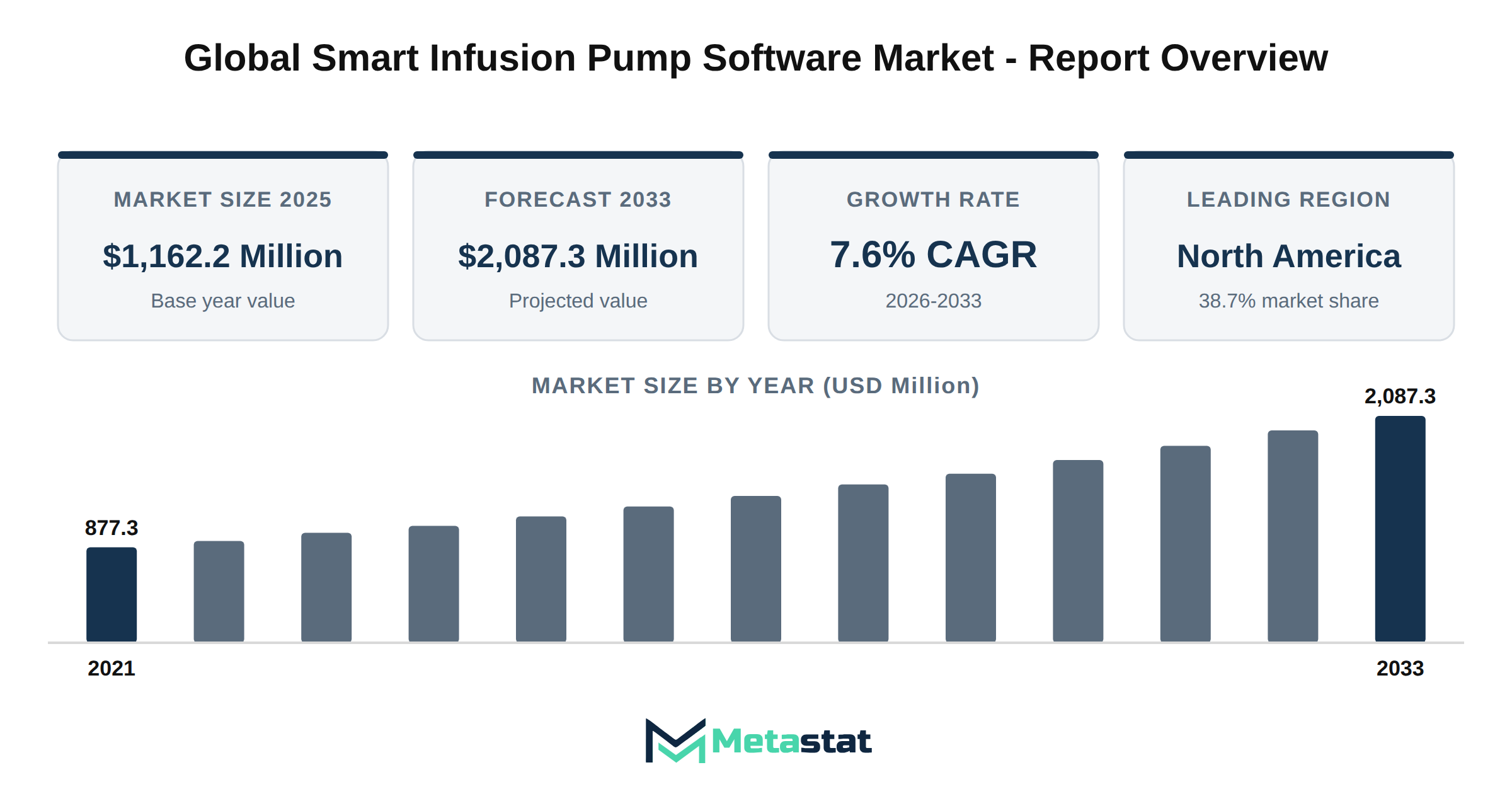
The Smart Infusion Pump Software market reached a value of USD 1,162.2 million in 2025, showing a steady increase from USD 877.3 million in 2021. Projections indicate growth to USD 2,087.3 million by 2033, reflecting a compound annual growth rate (CAGR) of 7.6%. This upward trend in the market stems from rising demand for efficient and safe medication administration systems across various healthcare settings.
Adoption trends highlight the integration of smart infusion pump software within connected care environments, which enhances patient safety and operational efficiency. Innovations in Dose Error Reduction Software (DERS) and drug libraries significantly contribute to minimizing medication errors, promoting safer clinical practices. Enhanced electronic health record (EHR) interoperability drives demand for smart infusion pump software, facilitating effective communication between devices and healthcare information systems.
The shift towards cloud-based infusion management platforms reshapes hospital workflows, offering scalable solutions that improve accessibility and data management. Increasing implementation of automated insulin delivery software expands digital infusion care, particularly for diabetes management. Remote infusion monitoring continues to grow in home healthcare, allowing for effective patient management outside conventional clinical settings.
Infusion analytics and reporting tools enhance medication safety by providing critical insights into patient data and treatment outcomes. Adoption of smart pump auto-programming and auto-documentation features streamlines processes, reducing the workload on healthcare professionals. Cybersecurity requirements for connected infusion pump software highlight the importance of safeguarding patient information, driving investments in secure technology.
Regulatory developments shape the landscape of infusion safety management software, ensuring compliance with industry standards and enhancing patient care. Integration of artificial intelligence (AI) and predictive analytics within smart infusion management platforms offers opportunities for improved clinical decision-making and operational efficiency. Trends in infusion pump device management and fleet optimization highlight the necessity for healthcare facilities to maintain efficient equipment usage and reduce operational costs.
The Smart Infusion Pump Software market experiences notable trends in adoption across connected care settings. The integration of Dose Error Reduction Software and innovative drug libraries enhances patient safety and therapeutic accuracy, generating increased interest from healthcare providers. Electronic Health Record (EHR) interoperability drives demand for smart infusion pump software, improving data flow and coordination among healthcare professionals.
Cloud-based infusion management platforms reshape hospital workflows, facilitating remote access to patient data and promoting efficiency in infusion therapy administration. Automated insulin delivery software expands digital infusion care, providing precise dosing and improved glycemic control for patients with diabetes. Remote infusion monitoring emerges because a critical growth area within home healthcare, enabling healthcare professionals to oversee patient treatment in real-time.
Infusion analytics and reporting tools improve medication safety, enabling clinicians to analyze infusion data and enhance decision-making processes. The adoption of smart pump auto-programming and auto-documentation features streamlines infusion practices, reducing the potential for human error. Cybersecurity requirements for connected infusion pump software heighten the focus on safeguarding patient information and ensuring system integrity.
Regulatory developments shape infusion safety management software, prompting manufacturers to enhance compliance measures and improve patient outcomes. The application of artificial intelligence and predictive analytics in smart infusion management offers significant opportunities for optimizing therapy and individualizing patient care. Trends in infusion pump device management and fleet optimization reflect the industry's commitment to maximizing resource efficiency and reducing operational costs.
Hospital digitalization drives investments in smart infusion software, creating a demand for advanced solutions that support integrated care models. Home infusion and ambulatory care settings present new software opportunities, driving innovation in treatment delivery. Integration with clinical information systems enhances workflow efficiency and data accuracy, crucial for improving patient care.
Medication safety initiatives accelerate the adoption of Dose Error Reduction Software, reinforcing the industry's emphasis on mitigating medication errors. The rise of Software because a Service (SaaS) and hybrid deployment models in infusion pump software offers flexibility and scalability for healthcare organizations. Competitive innovation across smart infusion software platforms drives advancements that meet evolving clinical needs and enhance patient experiences.
Connected infusion ecosystems and medical device interoperability facilitate communication between devices, improving overall treatment effectiveness. The Smart Infusion Pump Software market demonstrates substantial growth opportunities in the Asia Pacific region, driven by increasing healthcare investments and a growing emphasis on patient-centered care. The future of closed-loop and automated infusion therapy software promises to enhance treatment precision and safety, positioning the market for continued expansion.
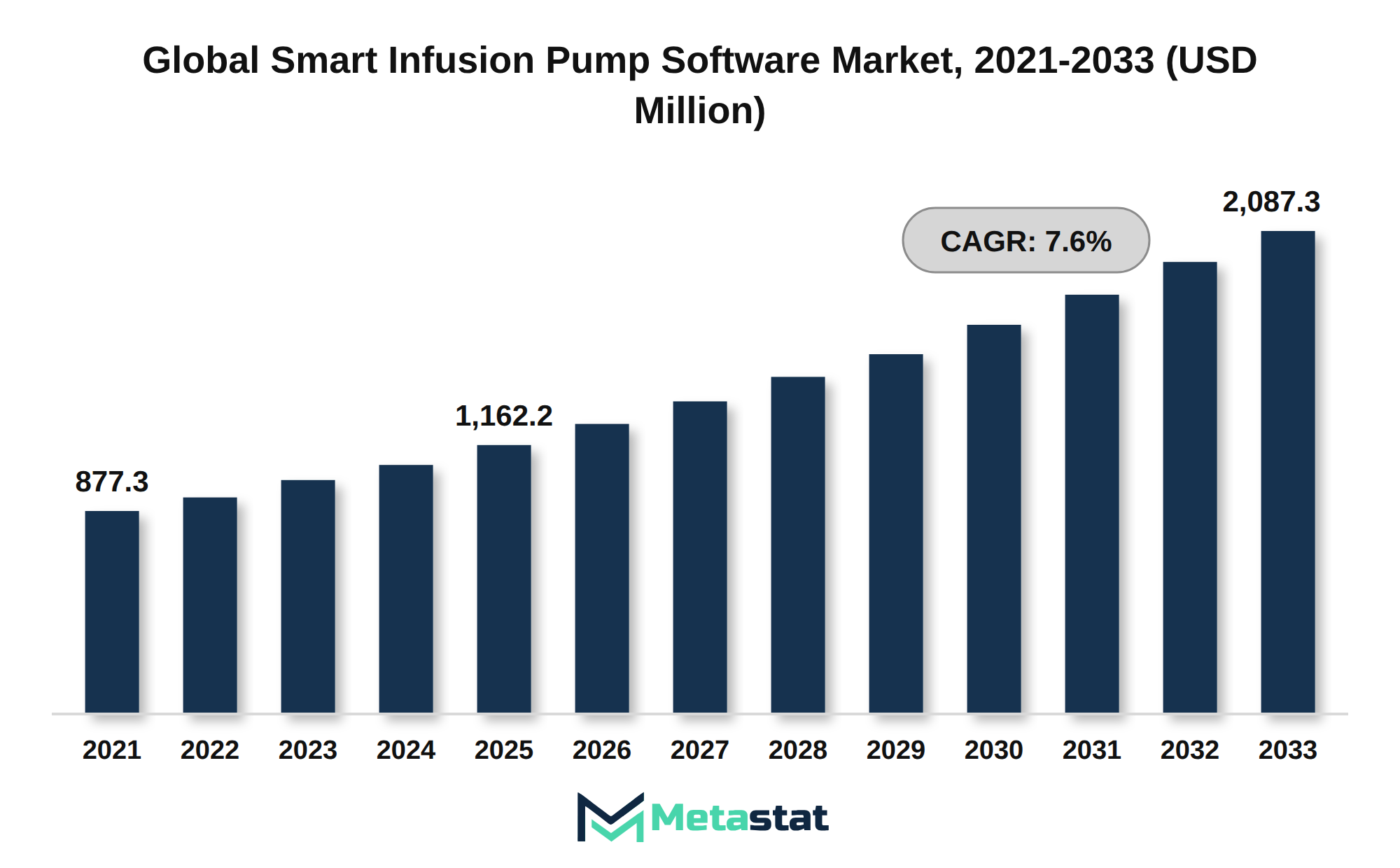
The ongoing digital transformation significantly influences the Smart Infusion Pump Software market. Healthcare providers increasingly adopt advanced technologies to enhance patient care and streamline operations. The integration of automation and artificial intelligence in infusion pump software optimizes medication delivery, reduces human error, and improves patient outcomes.
Healthcare institutions focus on digitizing legacy processes to achieve operational efficiency. This transition results in improved decision-making, enhanced data management, and better resource allocation. The shift toward a digital framework aligns with the broader healthcare industry's movement toward interconnected systems, which facilitates effective communication between devices and software.
Investment in digital technologies is rising due to healthcare organizations recognizing the importance of maintaining competitive advantages. This trend creates significant growth opportunities for software developers in the Smart Infusion Pump Software market. The anticipated increase in adoption rates reflects the commitment of healthcare systems to leverage technology for improved patient care and operational productivity.
The Smart Infusion Pump Software market experiences growth driven by shifting demographic patterns, particularly the aging population. Older adults typically require more frequent medical interventions, leading to a higher demand for advanced infusion systems that ensure precise medication delivery. This demographic trend impacts healthcare providers, who invest in innovative solutions to improve patient care and operational efficiency.
Urbanization contributes to the demand for smart infusion technologies, with metropolitan areas increasingly adopting digital health solutions to manage population health. Healthcare systems in urban settings prioritize infrastructure that supports efficient medical practices, thus enhancing the appeal of smart infusion pump software. The focus on streamlining operations and improving patient outcomes remains critical for healthcare organizations responding to these demographic changes.
Consumer behavior shifts towards personalized healthcare solutions, with patients expecting improved medical experiences and outcomes. The Smart Infusion Pump Software market aligns with these expectations by offering integrated systems that enhance patient engagement and safety through automation and real-time monitoring capabilities. The emphasis on tailored healthcare approaches drives investment from healthcare systems and encourages innovation in infusion therapies.
The Smart Infusion Pump Software market faces challenges stemming from regulatory pressures that influence compliance and operational frameworks. Increasing scrutiny over patient safety and medication accuracy necessitates adherence to stringent standards, which complicates product development timelines and raises costs. Compliance hurdles often lead to delays in market entry for new software solutions, impacting the ability of companies to capitalize on emerging opportunities.
Capital stagnation further constrains the market, with companies experiencing difficulty in securing funding for innovative projects. This limitation restricts investment in advancements that enhance software capabilities, hindering overall market progression. Inflationary pressures contribute to escalating operating costs, prompting organizations to re-evaluate their strategies, which slows the adoption of new technologies.
Technological obsolescence presents another barrier, driven by rapid advancements in alternative software solutions that create uncertainty around long-term investments in existing products. Companies navigate a competitive environment where competition from emerging technologies intensifies, prompting frequent updates to maintain relevance. The market grapples with infrastructure gaps and connectivity deficits, particularly in regions where healthcare systems lack robust digital frameworks, leading to deployment bottlenecks that stifle widespread adoption.
The Smart Infusion Pump Software market contends with skilled labor deficiencies and talent gaps, impacting the effective implementation and management of advanced systems. The rising overhead associated with workforce training and retention exacerbates operational challenges. Data security vulnerabilities and privacy concerns add another layer of complexity, arising from organizations working to ensure compliance with evolving regulations while safeguarding patient information.
Market fragmentation and cultural barriers in various geographical regions hinder the harmonization of regulatory standards, creating obstacles for international companies seeking to expand. Slowing downstream demand, attributed to a maturing industry cycle, necessitates a focus on enhancing product offerings to stimulate growth. Overall, these dynamics compel companies in the Smart Infusion Pump Software market to adopt strategic approaches that address these multifaceted challenges while positioning themselves for future opportunities.
The Smart Infusion Pump Software market faces significant challenges due to geopolitical fragmentation and trade deficits, which affect supply chain stability and increase operational costs. Tariff friction complicates international trade, impacting the cost structures of components and raw materials essential for software development and infusion pump manufacturing.
Technological disruptions contribute to complexities in research and development integrations, creating hurdles for companies aiming to innovate swiftly. Interoperability issues arise from varying standards across regions, hindering the integration of software with existing medical devices and systems. These factors ultimately restrict market adoption rates.
Supply chain instability, exacerbated by logistics disruptions, leads to inconsistent product availability and delayed projects. Rising input costs stemming from these factors intensify pricing compression and margin pressures, challenging profitability for market participants. Workforce skill gaps and talent retention pressures complicate growth efforts, with a need for specialized skills in software development and medical technology advancement.
In addition, evolving legal liabilities and tightening global regulatory standards create compliance overhead, impacting investment decisions and operational efficiency. The Smart Infusion Pump Software market addresses these multifaceted challenges to ensure sustainable growth and competitiveness in an increasingly complex environment.
The Smart Infusion Pump Software market benefits from a wave of technological innovations that reshape healthcare delivery. Advanced software applications enhance infusion management, improving safety and efficacy in clinical settings. These innovations include enhanced interoperability, streamlined data integration, and advanced analytics, which enable better patient monitoring and therapeutic outcomes. Adoption of such technologies supports hospitals and health systems in optimizing operational workflows, significantly reducing medication errors and enhancing patient safety protocols.
Geographical expansion presents a substantial opportunity for the market. Developing regions increasingly invest in healthcare infrastructure, opening avenues for the deployment of smart infusion pump software. This trend reflects a growing recognition of the importance of modern healthcare technologies in improving patient care standards. Emerging markets prioritize upgrading medical facilities, propelling demand for advanced infusion technologies. Consequently, this drives market revenue and creates competitive dynamics among key participants.
Digital procurement shifts alongside evolving buying behaviors further influence market trajectories. Healthcare providers increasingly embrace online platforms for procurement, seeking cost-effective solutions that enhance operational efficiencies. This transition toward digital channels aligns with broader trends in supply chain localization and strategic buffering strategies. Such developments enable providers to navigate market fluctuations and maintain consistent supply levels despite potential disruptions.
Next-generation innovations, including cloud-based and hybrid software models, facilitate scalable solutions tailored to diverse healthcare environments. These models enhance access to essential software applications, enabling healthcare facilities of various sizes to benefit from advanced infusion management systems. The ongoing focus on eco-friendly compliance and sustainability initiatives provides an avenue for product differentiation, allowing companies to align offerings with the growing demand for green technologies.
Ultimately, the Smart Infusion Pump Software market stands poised for growth driven by technological advancements and evolving healthcare demands. The intersection of innovation and market expansion facilitates enhanced patient outcomes while positioning stakeholders for long-term success in an increasingly competitive environment.
The Global Smart Infusion Pump Software market is segmented based on Software Type, Pump Type, Deployment Model, and End User.
Dose Error Reduction & Drug Library Software (DERS) segment is valued at USD 307.4 million in 2026 and is projected to reach USD 471.7 million by 2033, at a CAGR of 6.3% during the forecast period. A surge in patient safety initiatives and the increasing prevalence of medication errors drive demand for this segment. Healthcare providers emphasize the integration of software solutions that enhance accuracy in drug administration, leading to a shift towards advanced technologies that reduce dosing errors and improve clinical outcomes.
Technological maturation significantly influences the adoption of DERS. Ongoing advancements in software capabilities create a competitive environment among providers to enhance product offerings. Integration with electronic health records (EHR) and interoperability with various infusion devices facilitate efficient information flow, which enhances operational efficiency in healthcare settings.
Regulatory compliance standards play a crucial role in shaping the landscape for DERS. Stricter regulations regarding medication safety and efficacy drive healthcare organizations to adopt software solutions that ensure adherence to guidelines. This trend contributes to a higher market penetration of DERS solutions across hospitals and health systems, driving growth within the Smart Infusion Pump Software market.
Cost structures associated with implementing DERS solutions reflect an investment in patient safety and operational efficiency. While initial costs are substantial, long-term benefits, including reduced medication errors and improved patient outcomes, provide a compelling justification for adoption. This strategic investment is anticipated to reinforce the growth trajectory of the segment and enhance its competitive positioning within the market.
The Dose Error Reduction & Drug Library Software (DERS) segment stands poised for significant growth, driven by innovation, regulatory requirements, and a focus on patient safety within the Smart Infusion Pump Software market.
Infusion Management Software holds a significant role in the Smart Infusion Pump Software market, demonstrating a strong growth trajectory. This segment is estimated to reach USD 374.7 million by 2033, at a CAGR of 6.9% during the forecast period. Increasing demand for efficient medication administration and patient safety drives its adoption across healthcare facilities. Hospitals and health systems prioritize solutions that improve medication management and reduce errors, leading to heightened investment in this segment.
Technological maturation supports the development of advanced features in infusion management software, improving interoperability and integration with existing hospital systems. Innovations including remote monitoring and analytics enhance the segment's appeal. Evolving regulations and compliance with safety standards increase market confidence, ensuring ongoing growth. The focus on improving patient outcomes strengthens the segment's position within the broader Smart Infusion Pump Software market.
The ongoing integration of Infusion Pump Interoperability Software within healthcare systems significantly influences the Smart Infusion Pump Software market. This segment addresses critical demands for effective communication between various medical devices, enhancing patient safety and operational efficiency. Increased adoption results from the rising need for real-time data exchange among infusion pumps and electronic health records. Healthcare providers benefit from improved workflow efficiency and reduced medication errors, contributing to better patient outcomes.
Technological advancements in interoperability standards drive the evolution of this software segment. Continuous upgrades enable integration with emerging health technologies, thus expanding its applicability across various healthcare settings. Regulatory compliance requirements further necessitate the adoption of interoperability solutions, ensuring that healthcare organizations meet the latest guidelines for patient care. While interoperability solutions evolve, demand for these systems is expected to grow, with the segment projected to reach USD 316.2 million by 2033.
The Smart Infusion Pump Software market experiences shifts in consumption patterns, driven by healthcare providers' increasing focus on patient-centered care. End users prioritize solutions that promote better communication between devices, leading to a growing interest in interoperability software. This shift accompanies significant capital investment in technology infrastructure, further propelling market expansion.
Infusion Analytics & Reporting Software experienced significant traction within the Smart Infusion Pump Software market, driven by the increasing demand for data-driven decision-making in healthcare settings. Healthcare providers seek advanced analytical tools to enhance patient outcomes and operational efficiency. Adoption of this software segment derives momentum from the growing emphasis on real-time monitoring and relevant insights, enabling clinicians to make informed decisions regarding patient care.
This segment is projected to grow at a CAGR of 8.3% during the forecast period. The rising complexity of patient conditions demands sophisticated analytics capabilities, which assist healthcare professionals in analyzing infusion data effectively. Competitive pressures compel organizations to invest in technology that supports better therapeutic results and operational performance.
Regulatory compliance standards further enhance the adoption of Infusion Analytics & Reporting Software, because healthcare institutions prioritize software solutions that facilitate adherence to safety requirements. Compliance with these standards enhances the credibility of healthcare providers while reducing operational risks. Enhanced data analytics capabilities contribute to improving overall treatment protocols and minimizing medication errors, which aligns with the market's focus on patient safety.
The integration of advanced analytics into infusion management systems signifies a crucial evolution within the Smart Infusion Pump Software market. This capability supports healthcare providers in addressing the challenges associated with managing multiple infusion devices and interpreting complex datasets. Investment in next-generation upgrades becomes essential to maintain competitiveness and meet the evolving demands of the healthcare ecosystem.
Technological advancements play a crucial role in the evolution of Infusion Pump Device Management Software. Increasing reliance on data-driven decision-making in healthcare drives the demand for effective device management solutions. Enhanced functionalities, including real-time monitoring and analytics, contribute significantly to overall patient safety and operational efficiency within healthcare facilities. Integration with electronic health records (EHR) systems facilitates data exchange, supporting clinicians in delivering optimal patient care.
Regulatory compliance standards influence the landscape of the Smart Infusion Pump Software market, compelling manufacturers to adhere to stringent guidelines. Certifications, including CE marking and FDA approval, enhance the credibility of these software solutions, building trust among end users. Competition among key players drives innovation, resulting in rapid upgrades and improvements in device management software capabilities.
End-user dynamics reflect the increasing adoption of Infusion Pump Device Management Software across hospitals and health systems. The push towards value-based care accelerates the need for software that enhances patient outcomes while managing costs. Consequently, healthcare providers prioritize investments in advanced technologies that streamline workflows and reduce errors in medication administration.
Strategic opportunity windows emerge owing to healthcare organizations seeking solutions that optimize infusion processes and mitigate risks associated with medication errors. The emergence of disruptive technologies, including artificial intelligence and machine learning, further enhances the functionality of device management software. By capitalizing on these trends, manufacturers position themselves for growth in the evolving Smart Infusion Pump Software market.
Remote Infusion Monitoring Software serves because a crucial component within the Smart Infusion Pump Software market, facilitating real-time tracking and oversight of infusion processes. The digital connectivity offered by this software enhances patient safety through improved monitoring of medication delivery, thereby reducing the risk of errors associated with manual tracking methods. Healthcare facilities increasingly adopt this technology to streamline operations and enhance patient care outcomes.
Technological maturation drives the segment's growth, with advancements in software capabilities allowing for better integration with existing healthcare systems. This integration supports the flow of data between devices, enabling healthcare professionals to make informed decisions based on real-time information. Consequently, hospitals and health systems recognize the value of investing in such solutions to optimize workflow efficiency and enhance patient safety.
Regulatory compliance standards and certifications specific to infusion monitoring software drive adoption among healthcare providers. Meeting these standards ensures that the software aligns with safety protocols and industry best practices, reinforcing trust among end users. Compliance with regulations contributes to the segment's expansion because healthcare institutions prioritize technologies that support their commitment to quality care.
Investment in remote infusion monitoring technologies continues to rise, reflecting a broader trend towards digitization in healthcare. This shift enables hospitals and health systems to enhance service delivery, creating strategic opportunities for growth within the market. By adopting remote monitoring capabilities, healthcare providers improve patient experience and reduce operational costs associated with adverse events and manual processes.
Technological advancements in the automated insulin delivery (AID) software segment drive significant demand within the Smart Infusion Pump Software market. The rising prevalence of diabetes globally has increased the need for effective management solutions, enhancing the adoption of AID systems that provide precision in insulin delivery. This segment benefits from innovations in algorithm development and integration with continuous glucose monitoring systems, allowing real-time adjustments of insulin dosages based on patient needs.
Regulatory compliance standards play a crucial role in shaping the landscape for AID software, driven by stringent requirements that ensure safety and efficacy in delivery systems. Certifications from recognized health authorities enhance the credibility of AID products, fueling trust among healthcare providers and patients. The ongoing evolution of AID technology emphasizes user-friendly interfaces and improved patient engagement, leading to higher satisfaction rates and better health outcomes.
Increased investment in research and development supports the segment's growth, creating an environment ripe for next-generation upgrades and product evolution. The shift towards personalized healthcare solutions aligns with the demand for AID software, because providers seek tailored approaches for individual patient management. Downstream applications of AID technology extend to home care settings, facilitating self-management for patients and reducing the burden on healthcare systems.
The continuing consumer preference for remote monitoring capabilities influences consumption shifts within the market. Patients increasingly seek solutions that allow for effective integration into their daily routines, driving demand for AID software that offers both convenience and effectiveness. The Smart Infusion Pump Software market stands poised for further expansion, supported by the evolving healthcare landscape and ongoing technological maturation.
Large-Volume / Volumetric Infusion Pumps segment is valued at USD 333.9 million in 2026 and is projected to reach USD 524.5 million by 2033, at a CAGR of 6.7% during the forecast period. Demand for large-volume infusion pumps typically rises owing to their ability to deliver precise medication dosages, which is critical in complex medical cases. Increased prevalence of chronic diseases and surgical procedures drives this demand, prompting healthcare facilities to adopt advanced infusion technologies for enhanced patient care.
Technological maturation within the Smart Infusion Pump Software market supports the development of more sophisticated infusion pump systems, contributing to segment expansion. Next-generation upgrades focus on integrating features including remote monitoring and automated insulin delivery, improving patient safety and operational efficiency. The evolution of these products aligns with stringent regulatory compliance standards, ensuring safer medication administration processes.
End-users, including hospitals and healthcare systems, prioritize large-volume infusion pumps for their reliability and performance, influencing purchasing decisions. Price stability within the segment contributes to operational predictability, while emerging cost structures promote competitive pricing strategies. Strategic opportunities exist for manufacturers to enhance product offerings through innovative software solutions that address specific user needs.
Anticipated shifts in consumption patterns emphasize a focus on patient-centered care, aligning with healthcare providers' goals to improve clinical outcomes. The market landscape will evolve with changing healthcare policies and increased emphasis on patient safety, placing large-volume infusion pumps at the center of technology adoption in healthcare settings.
Growing interest in Syringe Infusion Pumps drives advancements in the Smart Infusion Pump Software market. This segment is estimated to reach USD 380.3 million by 2033, at a CAGR of 7.1% during the forecast period. Enhanced patient safety protocols fuel the demand for precise medication delivery systems. Hospitals and healthcare systems increasingly adopt Syringe Infusion Pumps due to their reliability in administering critical medications and the rising emphasis on patient-centered care.
The evolution of Syringe Infusion Pumps emphasizes technological maturation and next-generation upgrades that improve usability and integration with hospital information systems. These upgrades enhance operational efficiency, enabling healthcare providers to monitor patient data in real-time and improve treatment outcomes. Regulatory compliance and certifications further support the adoption of these devices, ensuring they meet stringent safety and operational standards.
Downstream applications within ambulatory care and home infusion settings expand the market's reach, with increasing numbers of patients receiving treatments outside traditional hospital environments. The trend towards outpatient care models promotes the use of Syringe Infusion Pumps in home healthcare, providing flexibility and convenience for patients and clinicians. Consumption shifts towards more sophisticated and user-friendly devices reflect the ongoing push for improved healthcare delivery models.
Strategic opportunity windows have emerged for manufacturers focusing on developing cost-effective solutions that address pricing volatility and margin pressures in the healthcare sector. The Smart Infusion Pump Software market demonstrates resilience against supply chain disruptions, with many companies investing in raw material sourcing and logistics improvements. These efforts enhance production capabilities and improve overall supply chain efficiency for Syringe Infusion Pumps.
Ambulatory Infusion Pumps exhibit significant growth potential, supported by increasing patient preference for home care and outpatient treatment options. The ongoing shift towards decentralized healthcare drives demand for portable and user-friendly solutions, enhancing patient comfort and flexibility. Regulatory compliance and advancements in technology contribute to segment expansion, driven by manufacturers innovating to meet safety standards and enhance device functionality.
This segment is expected to reach USD 318.7 million by 2033, reflecting a growing market presence. Enhanced interoperability and integration with health information systems further strengthen the role of ambulatory infusion pumps in clinical practices. The focus on improving patient outcomes through effective pain management and medication delivery underlines the market's relevance in contemporary healthcare.
The emergence of next-generation upgrades, including wireless connectivity and telehealth compatibility, positions this segment favorably among healthcare providers. While digital health solutions gain traction, ambulatory infusion pumps align with broader trends in patient monitoring and telemedicine, supporting the evolution of the Smart Infusion Pump Software market.
Improvements in patient care drive the growth of Patient-Controlled Analgesia (PCA) Pumps within the Smart Infusion Pump Software market. Enhanced pain management protocols and patients' preference for self-administration of analgesics contribute to increased adoption. This segment is projected to grow at a CAGR of 6.4% during the forecast period. Rising demand for personalized medicine influences the development of sophisticated PCA systems, which offer flexibility and control for patients managing their pain effectively.
Technological advancements in PCA pumps facilitate integration with electronic health records and other healthcare technologies, optimizing pain management practices. Increased regulatory focus on medication safety enhances the need for advanced PCA solutions that minimize errors and improve patient outcomes. Consequently, hospitals and healthcare systems invest in PCA software, recognizing its role in enhancing operational efficiency and patient satisfaction.
While healthcare continues to evolve, the Smart Infusion Pump Software market anticipates ongoing innovations in PCA technologies. Manufacturers focus on upgrading software for effective data exchange and improved user interfaces, thus enriching patient experiences. This dedication to product evolution positions the PCA Pumps segment because a critical area for investment and development, reflecting broader trends in patient-centric healthcare solutions.
Increasing prevalence of diabetes globally drives demand for insulin pumps within the Smart Infusion Pump Software market. The segment experiences expansion due to the growing adoption of advanced diabetes management solutions, which enhance patient outcomes through precise insulin delivery.
Technological maturation facilitates the introduction of next-generation insulin delivery devices, integrating features including continuous glucose monitoring and automated insulin dosage adjustments. These advancements attract healthcare providers and patients, contributing to the segment's growth.
End-use dynamics reflect a shift toward outpatient care and home infusion models, where patients require convenient and effective insulin management solutions. This trend increases the demand for user-friendly insulin pumps, aligning with the broader movement toward the decentralization of healthcare services.
Regulatory compliance standards significantly shape the development of insulin pumps, ensuring safety and efficacy. Manufacturers focus on acquiring certifications to meet these standards, reinforcing trust among healthcare professionals and patients.
Cost structures within the segment emphasize the importance of affordability and accessibility. Competitive pricing strategies among suppliers aim to reduce financial barriers for healthcare systems and patients, promoting broader adoption of insulin pumps.
Strategic opportunity windows arise from collaborations between technology firms and healthcare providers, driving innovation in insulin delivery systems. Such partnerships enhance product offerings, aligning with market demands for integrated and effective diabetes management solutions.
Innovation in the infusion pump software sector emphasizes the role of implantable and specialty infusion pumps, which support unique medical needs and offer advanced therapeutic options. These devices cater to specific patient populations requiring precise medication delivery and monitoring, driving demand for tailored software solutions that enhance their functionality and integration in clinical settings.
The ongoing trend toward personalized medicine drives interest in this segment, owing to healthcare professionals seeking to optimize treatment outcomes through specialized drug delivery methods. Technological maturation leads to next-generation upgrades in implantable and specialty infusion pumps, improving their reliability, efficiency, and patient compliance.
Healthcare providers increasingly adopt these devices due to their ability to manage complex medication regimens, particularly in chronic disease management. Regulatory compliance standards and certifications further enhance the segment's credibility, assuring stakeholders of safety and efficacy in patient care.
Investment in research and development for advanced materials and software capabilities enhances the competitive landscape within the Smart Infusion Pump Software market. Strategic opportunity windows present themselves owing to evolving healthcare demands, positioning implantable and specialty infusion pumps because critical components in modern therapeutic strategies.
Embedded / On-Device Software segment is valued at USD 468.8 million in 2026 and is projected to reach USD 716.8 million by 2033, at a CAGR of 6.3% during the forecast period. Demand for this segment experiences growth driven by technological advancements in patient care and increased adoption of smart infusion systems. Adoption within hospitals and health systems results from a heightened focus on patient safety, specifically in medication administration. The ongoing evolution of medical devices and software enhances interoperability, allowing for integration with existing healthcare systems.
Organizations seek to improve operational efficiency, and investments in embedded software applications strengthen data accuracy and improve treatment personalization. Regulatory compliance standards, particularly around patient safety and medication administration, further increase the demand for advanced software solutions. The market experiences a shift toward cloud-based functionalities, while embedded software ensures local data processing, enhancing security and reliability in critical environments.
The ongoing evolution of the Smart Infusion Pump Software market reflects the increasing reliance on digital solutions to streamline healthcare workflows. Enhanced data analytics capabilities significantly contribute to optimizing infusion therapies, while the integration of real-time monitoring tools drives improved patient outcomes. Strategic investments by key players in this segment enhance product offerings, strengthen their market position, and expand their reach.
Growth within the On-Premises Server Software segment stems from increasing demand for secure and integrated solutions in healthcare environments. Hospitals and health systems prioritize data security and compliance with regulatory standards, driving interest in on-premises solutions that facilitate control over sensitive patient data. The segment is estimated to reach USD 413.5 million by 2033, at a CAGR of 5.3% during the forecast period.
Technological maturation influences segment expansion. Innovations in software capabilities enhance interoperability with existing systems, promoting greater adoption among healthcare providers. Continuous upgrades and product evolution contribute to improved functionalities, addressing the complex needs of end-users and aligning with the overall growth of the Smart Infusion Pump Software market.
Increasing focus on patient outcomes and efficient resource utilization influences consumption patterns in healthcare. On-premises server solutions cater to hospitals that require robust systems capable of integrating with multiple medical devices while maintaining high standards of operational efficiency. The commitment of healthcare organizations to optimize workflow and enhance patient management drives the demand for such software.
Market dynamics reflect a shift towards more sophisticated deployment models, with regulatory compliance serving because a key factor in driving investment into on-premises solutions. Compliance with healthcare regulations and certifications influences purchasing decisions, prompting organizations to seek reliable software that meets stringent guidelines. Strategic opportunity windows emerge for developers focused on enhancing their offerings within this segment.
Overall, the On-Premises Server Software segment contributes to the broader objectives of the Smart Infusion Pump Software market, ensuring that healthcare providers leverage technology to deliver effective and secure patient care.
Growing adoption of Cloud-Based / SaaS Software within the Smart Infusion Pump Software market highlights its importance in enhancing healthcare delivery. This segment addresses critical demands for flexibility, scalability, and real-time access to patient data, aligning with the needs of hospitals and health systems. The integration of cloud technology facilitates updates and remote monitoring, optimizing patient care and reducing operational costs. Advances in technology drive the expansion of this segment, with increased investment in digital health solutions supporting the shift toward more connected healthcare environments.
The Cloud-Based / SaaS Software segment is projected to reach USD 651.2 million by 2033. Regulatory compliance in healthcare dictates stringent standards for data security and patient privacy, motivating end-users to transition to cloud solutions that fulfill these requirements. The market experiences sustained growth due to these factors, creating opportunities for software developers to innovate and deliver next-generation solutions that enhance infusion management. Enhanced data analytics capabilities within cloud platforms enable providers to make informed decisions, ultimately leading to improved patient outcomes.
Growth of the Hybrid Cloud-On-Premises Software segment reflects a significant shift towards integrated solutions within healthcare systems. This segment is projected to grow at a CAGR of 9% during the forecast period. Demand arises from the need for enhanced data security, streamlined workflows, and improved interoperability across various healthcare platforms. Integration of cloud capabilities with on-premises software facilitates easy access to patient data while adhering to regulatory compliance standards, enhancing operational efficiency for end users including hospitals and health systems.
Adoption of this model is supported by advancements in technology, which enable the development of next-generation upgrades and improve product evolution. Healthcare providers increasingly focus on optimizing patient outcomes while managing costs effectively. Leveraging both cloud resources and on-premises infrastructure allows institutions to tailor solutions to their specific needs, driving consumption shifts towards more flexible deployment models. This segment's growth trajectory aligns with broader trends observed in the Smart Infusion Pump Software market, where innovation and adaptability are essential for meeting evolving healthcare demands.
While healthcare environments become more complex, the necessity for resilient supply chains and effective resource management becomes critical. Strategic opportunity windows arise from continued investment in hybrid solutions, positioning companies to capitalize on emerging market trends. The relationship between technology and end-user dynamics illustrates the segment's potential to transform patient care, making hybrid cloud-on-premises solutions an attractive option for providers aiming to enhance operational capabilities.
Growing attention toward enhancing patient safety and treatment efficacy drives demand for software solutions within the Hospitals & Health Systems segment. This segment is valued at USD 531.4 million in 2026 and is projected to reach USD 835.5 million by 2033, reflecting a CAGR of 6.7% during the forecast period. Investment in innovative technologies aimed at reducing medication errors significantly influences growth. Compliance with regulatory standards regarding patient safety compels hospitals to adopt advanced infusion pump software, further strengthening the segment's position in the Smart Infusion Pump Software market.
Increasing healthcare costs prompt hospitals and health systems to seek solutions that optimize resource utilization and improve operational efficiency. The shift toward value-based care enhances the focus on patient outcomes, compelling providers to adopt software that enables better monitoring and reporting. Integration of real-time data analytics capabilities into infusion management systems enhances decision-making processes, driving higher adoption rates across healthcare facilities. Evolving regulatory requirements necessitate investment in reliable software systems to maintain compliance, ensuring a steady growth trajectory in the market.
Increasing focus on home-based healthcare drives growth within the Home Infusion Providers & Specialty Pharmacies segment of the Smart Infusion Pump Software market. This segment benefits from a shift toward patient-centered care and the growing demand for remote monitoring solutions. Healthcare providers prioritize technology that enhances patient safety and improves treatment outcomes, fueling demand for advanced software solutions. The segment is projected to reach USD 385.7 million by 2033, at a CAGR of 8.6% during the forecast period. The increased complexity of medication management in home settings highlights the need for robust software solutions that streamline workflows and integrate seamlessly with infusion devices. Regulatory compliance and adherence to safety standards further influence the adoption of smart infusion pump software, positioning this segment for sustained growth in the coming years.
Ambulatory Infusion Centers & Specialty Clinics represent a critical segment within the Smart Infusion Pump Software market, expected to reach USD 258.6 million by 2033. The increasing demand for efficient and effective patient care drives significant investment in advanced infusion technologies. These centers focus on managing complex medication regimens, which necessitate sophisticated software systems capable of ensuring accurate drug delivery and monitoring. The integration of next-generation technologies, including cloud-based solutions and interoperability features, enhances operational efficiency and patient safety.
Adoption of state-of-the-art infusion software reflects a response to growing patient populations requiring chronic disease management. Regulatory compliance, particularly concerning patient safety standards, significantly influences software selection in this segment. The shift towards home-based care models creates opportunities for ambulatory infusion centers to expand their services, leveraging software solutions to provide remote monitoring and management options.
Investment in training and support for healthcare professionals is essential for maximizing the benefits of these software systems. While the market evolves, continuous upgrades and product evolution shape the competitive landscape, driving innovation. The focus on data analytics and reporting functionalities within infusion software enhances decision-making capabilities in ambulatory settings, leading to improved patient outcomes.
Growing demand within Long-Term Care & Skilled Nursing Facilities stems from an increasing focus on patient-centered care, which requires precise medication administration. Healthcare providers prioritize technologies that enhance safety and efficiency, leading to greater adoption of smart infusion pump software solutions. This segment is projected to grow at a CAGR of 7% during the forecast period. The integration of advanced software solutions addresses challenges in medication errors, thereby improving patient outcomes and operational workflows.
Regulatory compliance standards further influence the growth trajectory of this segment. Facilities face pressure to adhere to stringent guidelines, which necessitates the implementation of reliable infusion systems. Vendors offering innovative software solutions position themselves favorably by providing compliance assurance and reducing operational risks. Investments in training staff on these technologies contribute to the overall effectiveness of medication delivery in long-term care settings.
Advancements in data analytics enhance the utility of smart infusion pump software within this segment. By facilitating real-time monitoring and reporting, these solutions enable healthcare providers to optimize treatment protocols. Consequently, the market for smart infusion pump software continues to expand, reflecting facilities' recognition of the importance of integrating technology into patient care. The emphasis on improved patient safety and medication management reinforces the relevance of this segment within the broader Smart Infusion Pump Software market.
Emergency medical services and transport providers represent a vital segment within the Smart Infusion Pump Software market, driven by the increasing need for efficient, reliable infusion management in critical care settings. Enhanced response times and patient safety expectations fuel demand for advanced software solutions that streamline operations and improve treatment outcomes. Technological maturation supports segment expansion, with the integration of advanced features including real-time monitoring and data analytics, ensuring optimal infusion delivery during patient transport.
Next-generation upgrades in software capabilities have led to product evolution, enabling effective interoperability between infusion devices and other medical technologies. Regulatory compliance standards shape the landscape, prompting providers to adopt solutions that meet stringent safety and operational requirements. Cost structures within this segment reflect the necessity for high-quality, dependable systems that justify the investment through improved patient outcomes and operational efficiencies.
Pricing volatility emerges from the dynamic nature of the healthcare market, influenced by factors including supply chain resilience and raw material sourcing challenges. The potential for disruptive alternatives exists, highlighting the importance of continuous innovation to maintain competitiveness. Strategic opportunity windows open for companies that effectively leverage technological advancements and respond to evolving end-use dynamics within emergency medical services. This proactive approach supports sustained growth and enhances the overall effectiveness of infusion systems in critical situations.
Demand for Smart Infusion Pump Software in the Individual / Self-Managed Home-Care Users segment arises from the increasing preference for home-based healthcare solutions. This preference drives the need for advanced infusion technologies enabling patients to manage their care independently. Adoption of these technologies by home-care users relies on effective training and support systems to ensure proper usage and safety.
Segment expansion reflects shifts in patient demographics, with more individuals requiring chronic disease management outside traditional healthcare facilities. Technological advancements enhance the usability of infusion systems, enabling integration into patient lifestyles. Regulatory compliance standards play a critical role, ensuring that software solutions meet safety and efficacy requirements vital for patient trust.
Cost structures influence the overall pricing strategies for smart infusion software tailored to home-care users. Competitive pricing models attract patients to innovative solutions, enhancing market penetration. Developments in this segment align with broader trends within the Smart Infusion Pump Software market, focusing on improved patient outcomes and satisfaction.
Specialty institutional care providers focus on delivering tailored healthcare solutions for specific patient populations, which drives demand for Smart Infusion Pump Software. The increasing complexity of patient care requires advanced software solutions that enhance medication delivery accuracy and safety. Regulatory compliance standards shape the software requirements for these providers, necessitating adherence to specific certifications that ensure high-quality care standards.
Healthcare providers operating in this segment face unique challenges, including the need for interoperability between various medical devices and software platforms. The evolution of infusion technologies and the push toward automated and integrated systems facilitate enhanced patient outcomes. This segment benefits from technological maturation, promoting continuous enhancements in software capabilities that align with clinical needs.
Strategic opportunities within the market arise from the demand for customized software solutions that address the specific operational challenges faced by specialty institutional care providers. Investment in next-generation upgrades drives the competitive landscape, positioning firms to capitalize on emerging trends that prioritize patient-centric care. Overall, dynamics within this segment reflect broader shifts toward value-based care, highlighting the importance of Smart Infusion Pump Software in improving healthcare delivery.
Based on geography, the Global Smart Infusion Pump Software market is divided into North America, Europe, Asia-Pacific, South America, Middle East, and Africa.
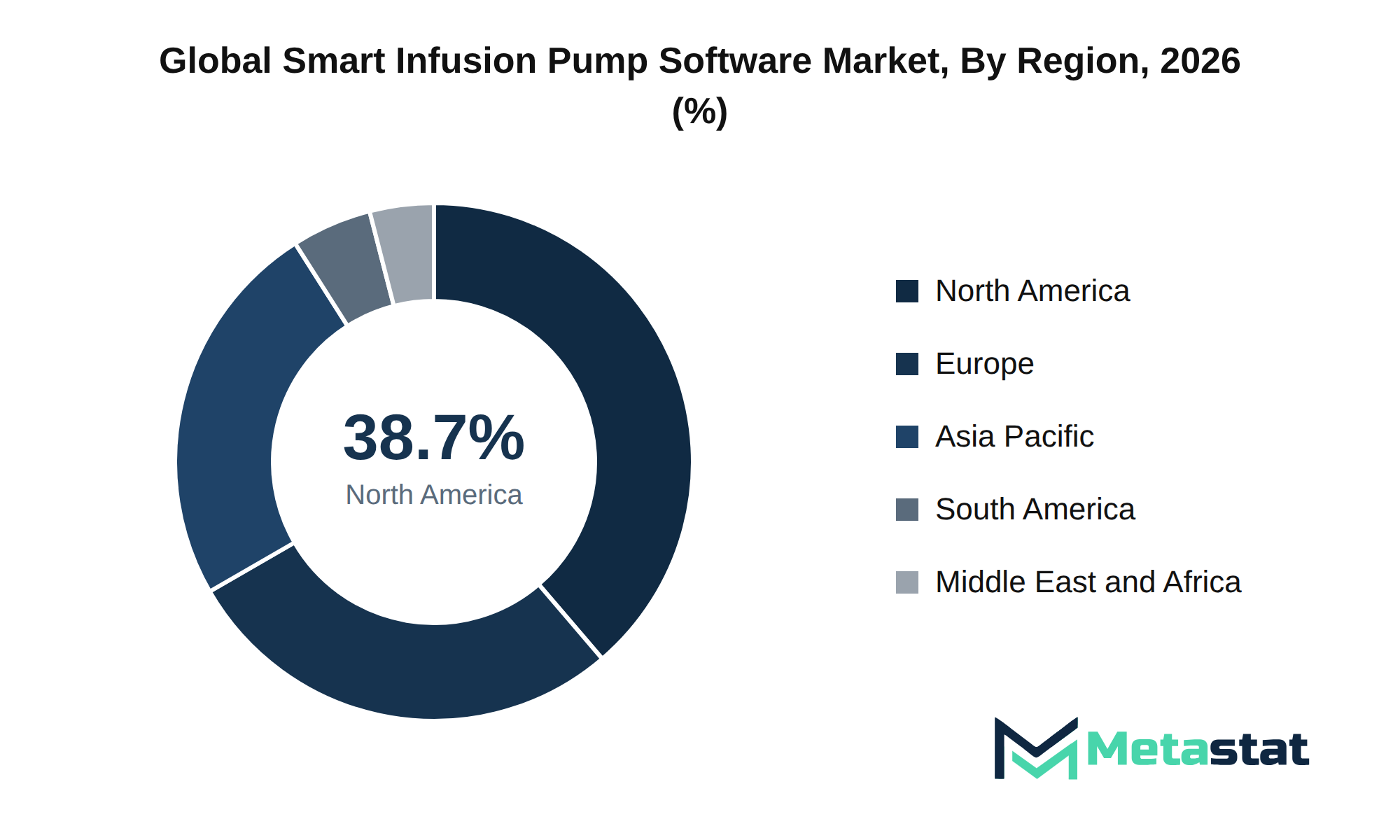
North America demonstrates significant potential within the Smart Infusion Pump Software market, with a projected market size of USD 757.9 million by the end of 2033. The region accounts for 38.7% of the global market share in 2025. This substantial presence results from advanced healthcare infrastructure and heightened demand for innovative patient management solutions.
Key drivers for market expansion include strong adoption rates among hospitals and health systems, which seek to enhance patient outcomes through effective medication delivery systems. The increasing prevalence of chronic diseases necessitates efficient and accurate infusion therapies, further stimulating demand for smart infusion pump software.
Infrastructure modernization enhances market growth. Upgrading healthcare facilities to accommodate the latest technology improves operational efficiency and meets compliance standards. The trend toward integrating advanced software solutions aligns with the push for improved patient safety and care quality.
Emerging market front-runners including the United States, Canada, and Mexico contribute to a competitive landscape characterized by numerous domestic and international players. Established companies in the region leverage localized manufacturing and procurement strategies, ensuring efficient delivery and service capabilities. This competitive environment fosters innovation and responsiveness to market needs.
Incremental growth vectors, including replacement cycles for aging systems, present lucrative opportunities for vendors. The shift toward cloud-based solutions and interoperability among devices further enhances the functionality and capabilities of infusion pump software. This trend reflects healthcare providers' commitment to adopting innovative solutions that optimize patient care.
The Smart Infusion Pump Software market in Europe demonstrates substantial growth potential, driven by increasing healthcare expenditures and a focus on enhancing patient outcomes. Countries including Germany, France, the UK, Italy, and Spain experience robust demand due to their advanced healthcare infrastructure and high adoption rates of innovative technologies. Regulatory compliance and quality standards further fuel the adoption of sophisticated software solutions across healthcare facilities in these regions.
Emerging market front-runners within Europe demonstrate a commitment to modernizing healthcare systems, with significant investments in digital health and medical technologies. This trend reflects a broader shift toward integrated healthcare solutions, where the Smart Infusion Pump Software market optimizes infusion therapy. Localized manufacturing and procurement dynamics create an environment conducive to market expansion, benefiting from regional supply chain efficiencies.
The competitive landscape in Europe features a mix of established players and innovative startups, creating a dynamic marketplace. Domestic market participants leverage their expertise to enhance product offerings, driving competition and encouraging continuous improvements in software capabilities. While the market evolves, incremental growth vectors emerge, allowing stakeholders to explore new opportunities in underpenetrated territories.
Geographic regulatory frameworks and local compliance mandates influence purchasing decisions, with healthcare providers emphasizing the importance of adopting solutions that align with regional standards. The Smart Infusion Pump Software market is projected for continued advancement, supported by strategic investment flows and a growing emphasis on technology-driven healthcare solutions across Europe.
Asia-Pacific holds a share of the Smart Infusion Pump Software market, accounting for 24.3% in 2025. This region experiences growth driven by increasing healthcare expenditure and advancements in medical technologies. Countries including China, Japan, India, and South Korea demonstrate strong demand for innovative healthcare solutions, contributing to a competitive environment for smart infusion pump software.
Infrastructure modernization remains a critical factor influencing market expansion. Increasing investments in healthcare facilities and technology upgrades enhance the adoption of smart infusion systems across hospitals and healthcare systems. The growing number of ambulatory infusion centers and specialty clinics in Southeast Asia further supports market penetration and demand.
Regional competition intensifies because local players and established manufacturers strive to capture market share. Domestic market participants, coupled with foreign investment, stimulate advancements in software development. Localized procurement dynamics shape purchasing behaviors, focusing on tailored solutions for specific end-user requirements.
High-value replacement cycles for existing infusion systems present additional growth vectors. Ongoing efforts to improve patient safety and treatment efficacy drive demand for advanced software solutions. The Smart Infusion Pump Software market is expected to experience incremental growth, supported by strategic entry barriers and increasing foreign direct investment flows.
The Smart Infusion Pump Software market in South America is projected to expand steadily over the forecast period. Factors contributing to this growth include an increasing emphasis on improving healthcare services and a rise in the prevalence of chronic diseases, which drives demand for advanced treatment solutions. Brazil and Argentina represent the primary markets within the region, with ongoing investments supporting healthcare infrastructure modernization and an expanding healthcare delivery framework.
Market penetration in South America remains relatively low compared to other regions, indicating potential for significant future growth. The focus on enhancing local production capabilities aligns with regional supply chain regionalization and nearshoring initiatives. Domestic players consolidate their positions, enhancing competitiveness within the market.
Investment in healthcare technology, particularly regarding Smart Infusion Pump Software, is expected to increase, driven by foreign direct investment flows and local compliance mandates. The market evolves with emerging vendors introducing innovative solutions tailored to meet regional needs.
The Smart Infusion Pump Software market in the Middle East and Africa shows significant growth potential, primarily driven by increasing investments in healthcare infrastructure. Countries like Saudi Arabia and the UAE lead this investment, focusing on modernizing healthcare systems and improving patient care delivery. Strong governmental support for healthcare initiatives enables the adoption of advanced technologies, creating an environment conducive to market expansion.
South Africa exhibits a rising demand for smart infusion solutions, particularly in hospitals and health systems. The region's healthcare providers increasingly prioritize safety and efficiency, prompting investments in smart infusion pump software. Growth in the market lies in expanding access to advanced medical technologies and improving healthcare outcomes across various demographics.
Localized manufacturing initiatives and foreign direct investment contribute to market development. Regional players engage in partnerships with global companies to enhance product offerings and improve service delivery. The Smart Infusion Pump Software market is expected to experience growth driven by healthcare providers pursuing state-of-the-art technologies that support patient-centric care.
Competitive dynamics within the region feature both established players and emerging companies aiming to capture market share. The market is characterized by strategic entry barriers that necessitate compliance with local regulations, influencing procurement decisions. Cultural nuances and regional buying behaviors shape the market, requiring tailored strategies to meet diverse needs.
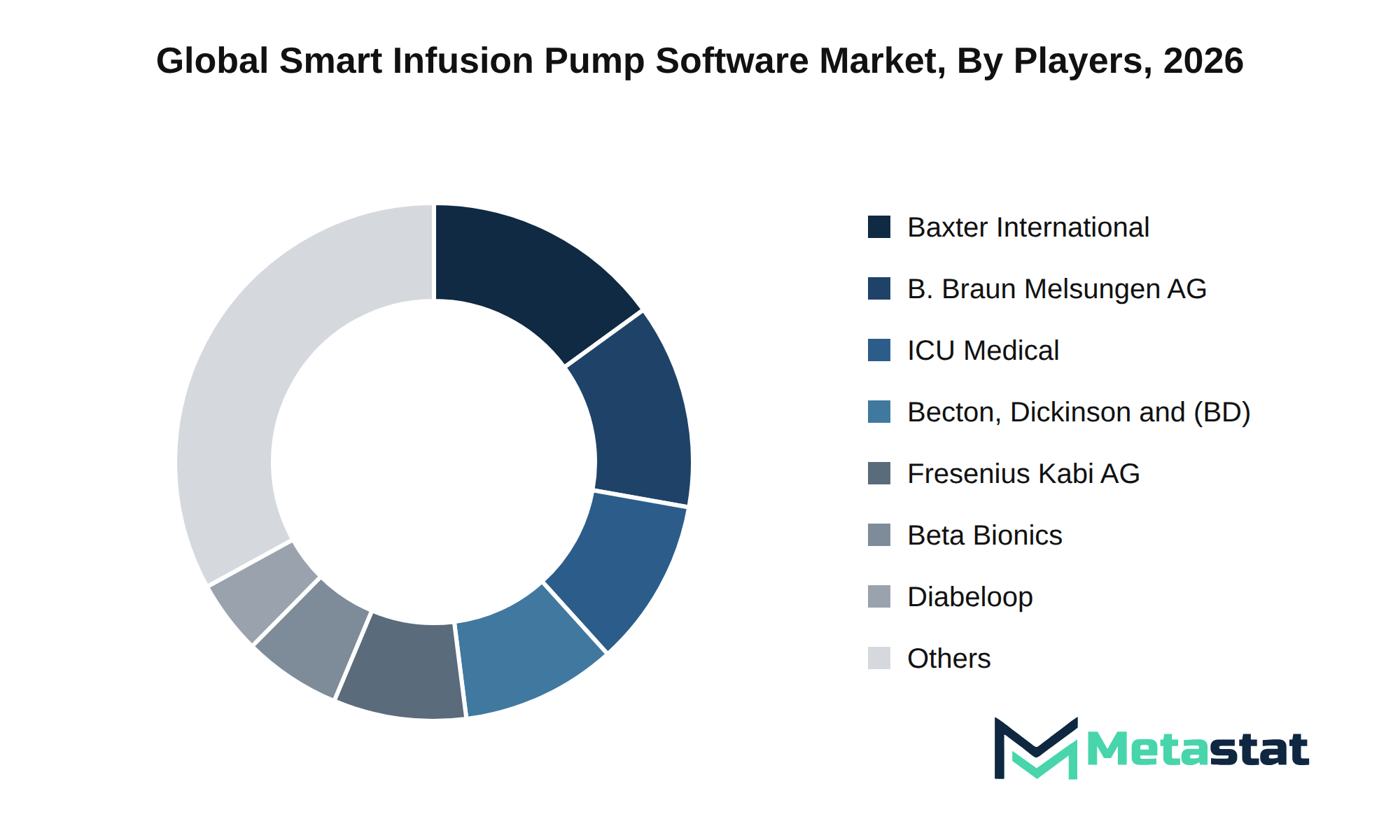
The Smart Infusion Pump Software market experiences significant competitive dynamics driven by strategic initiatives among key players. Companies including B. Braun Melsungen AG, Baxter International Inc., and Medtronic plc focus on research and development to enhance product differentiation and establish proprietary technology moats. Their efforts in innovation reflect an ongoing commitment to improving infusion management systems, impacting customer retention and brand equity.
Strategic alliances and joint ventures among firms, including Insulet Corporation and Diabeloop SA, facilitate cross-industry partnerships that strengthen market presence and expand technological capabilities. These collaborations enhance supply chain dominance and leverage procurement strategies, ensuring robust pricing architectures that benefit end users.
The intensity of competition highlights barriers to entry, particularly for new entrants looking to penetrate the market. Established players maintain significant control through extensive intellectual property portfolios and a strong foothold in the market. Future growth vectors for the Smart Infusion Pump Software market include continued investment in R&D and adaptive commercial models that respond to evolving healthcare demands.
Market size is forecast to rise from USD 1,162.2 million in 2025 to over USD 2,087.3 million by 2033. This growth reflects a compound annual growth rate (CAGR) of 7.6%. The base case scenario anticipates steady expansion driven by increasing adoption of advanced technologies in healthcare settings, particularly hospitals and health systems. Ongoing integration of next-generation technologies enhances infusion pump capabilities and improves patient outcomes.
The bull case envisions accelerated growth, supported by rapid advancements in regulatory frameworks and increased investments in research and development. While the market matures, a heightened focus on compliance and safety standards drives innovation and attracts additional stakeholders. The bear case highlights potential challenges, including geopolitical tensions and supply chain disruptions, which could hinder growth. Nevertheless, the overall outlook for the Smart Infusion Pump Software market remains optimistic, fueled by unmet enterprise needs and high-growth pockets identified across various segments.
The report strategically identifies and profiles the key market players and analyses their core competencies in each sub-segment of the Smart Infusion Pump Software market.
Report Attributes | Details |
Study Period | 2021-2033 |
Base Year | 2025 |
Estimated Year | 2026 |
Forecast Period | 2026-2033 |
Historical Period | 2021-2025 |
Growth Rate | CAGR 7.6% from 2026 to 2033 |
Revenue Unit | USD million |
Segmentation | By Software Type, Pump Type, Deployment Model, End User, and Region |
By Region | North America (By Software Type, Pump Type, Deployment Model, End User, and Country)
|
Europe (By Software Type, Pump Type, Deployment Model, End User, and Country)
| |
Asia Pacific (By Software Type, Pump Type, Deployment Model, End User, and Country)
| |
South America (By Software Type, Pump Type, Deployment Model, End User, and Country)
| |
Middle East and Africa (By Software Type, Pump Type, Deployment Model, End User, and Country)
|
Find answers to common questions about this report
The Smart Infusion Pump Software market size was valued at USD 1,162.2 million in 2025, according to the Metastat Insights study.
The Smart Infusion Pump Software market is projected to grow at a CAGR of 7.6% during the forecast period from 2026 to 2033.
The North America Smart Infusion Pump Software market size is estimated to reach USD 757.9 million by 2033.
The largest segment in the Smart Infusion Pump Software market is Dose Error Reduction & Drug Library Software (DERS), with a projected value of USD 471.7 million by 2033. This segment leads based on its growth potential compared to other software types.
Key drivers for the Smart Infusion Pump Software market include the ongoing digital transformation within healthcare, which enhances patient care and operational efficiency. demographic trends including an aging population and urbanization contribute to increased demand for advanced infusion systems that facilitate precise medication delivery.
North America holds the dominant share of the Smart Infusion Pump Software market, with a projected value of USD 757.9 million in 2033, representing 38.7 percent of the total market.
Regulatory pressures, compliance hurdles, and increasing scrutiny over patient safety restrict the Smart Infusion Pump Software market growth. Capital stagnation and inflationary pressures contribute to higher operational costs, which slow the adoption of new technologies. These factors collectively hinder market expansion and innovation.
The Smart Infusion Pump Software market experiences favorable conditions for product adoption due to the ongoing digital transformation in healthcare, which enhances patient care and operational efficiency. the aging population drives demand for advanced infusion systems, while urbanization promotes the adoption of digital health solutions in metropolitan areas.
The Smart Infusion Pump Software market is estimated to reach a valuation of USD 2,087.3 million by 2033.
Key players in the Smart Infusion Pump Software market include B. Braun Melsungen AG, Baxter International Inc., Becton, Dickinson and Company (BD), Fresenius Kabi AG, ICU Medical, Inc., Medtronic plc, and Tandem Diabetes Care, Inc.
The analysts below cover Medical Devices research at Metastat Insights.
LEAD ANALYST
Utkarsh Khirodkar is a Lead Market Research Analyst at MetaStat Insight, specializing in market intelligence, technology sector assessments, and competitive strategy.

LEAD PRINCIPAL ANALYST, PHARMA AND HEALTHCARE
Food and Beverages · Healthcare · Healthcare IT · Medical Devices
Ajay Devgire is the Lead Healthcare Analyst at MetaStat Insight, leading strategic research and market intelligence initiatives across the global healthcare domain.

SENIOR RESEARCH ANALYST
Biotechnology · Food and Beverages · Medical Devices · Packaging
Snehal Pasalkar is a Research Analyst at MetaStat Insight, operating at the intersection of life sciences research, competitive strategy, and market intelligence.
Tracking capacity expansion in single-use bioprocessing requires dependable data on raw material availability and cleanroom-grade polymer supply chains. The competitive landscape chapter gave a grounded evaluation of secondary component suppliers across North America and Asia-Pacific rather than simply reprinting press releases. Having that level of supplier benchmarking helped clarify dual-sourcing considerations for our clinical pipeline planning.
When evaluating distributed energy resource management systems, standard research summaries tend to gloss over the operational differences between front-of-the-meter utility deployments and behind-the-meter industrial sites. The MetaStat Insight report addressed those distinctions directly, especially regarding software interoperability standards and grid interconnection backlogs. The five-year market sizing across regional transmission organizations provided actionable context for our grid modernization strategy.
Most industry reports on warehouse automation bundle autonomous mobile robots and fixed conveyor installations into the same top-level numbers, which complicates advisory work. This study split the market cleanly by payload tiers, navigation technology, and fleet management software layers. The regional forecast for Western Europe gave our team defensible adoption benchmarks when evaluating capital allocation for logistics clients, saving us days of secondary data scrubbing.
Explore related market intelligence reports worth reading alongside this one.