
Explore the evolving Modular Construction landscape and what stakeholders should monitor between now and 2033, including sustainability, buyer preferences, and technological advancements.
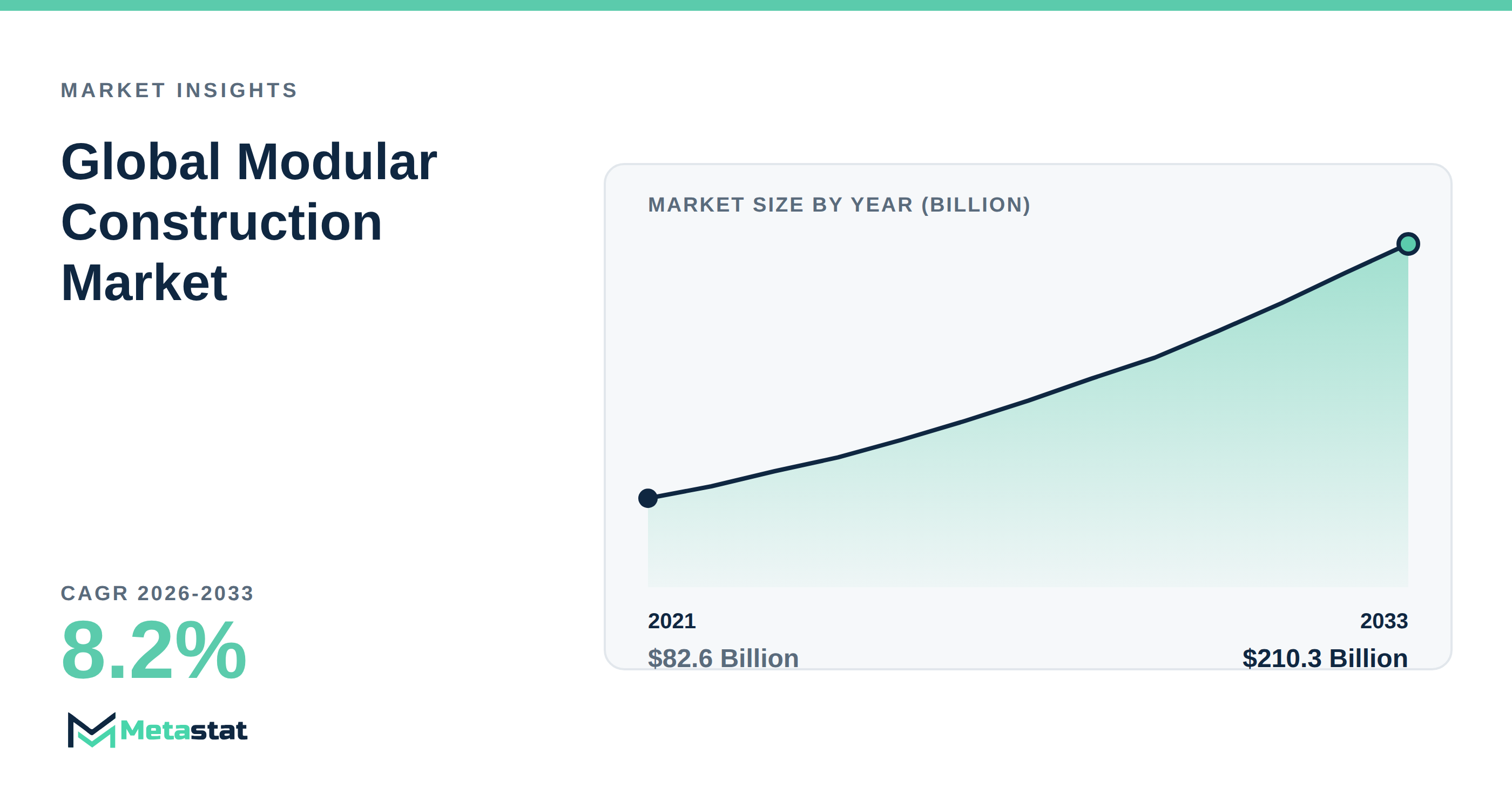
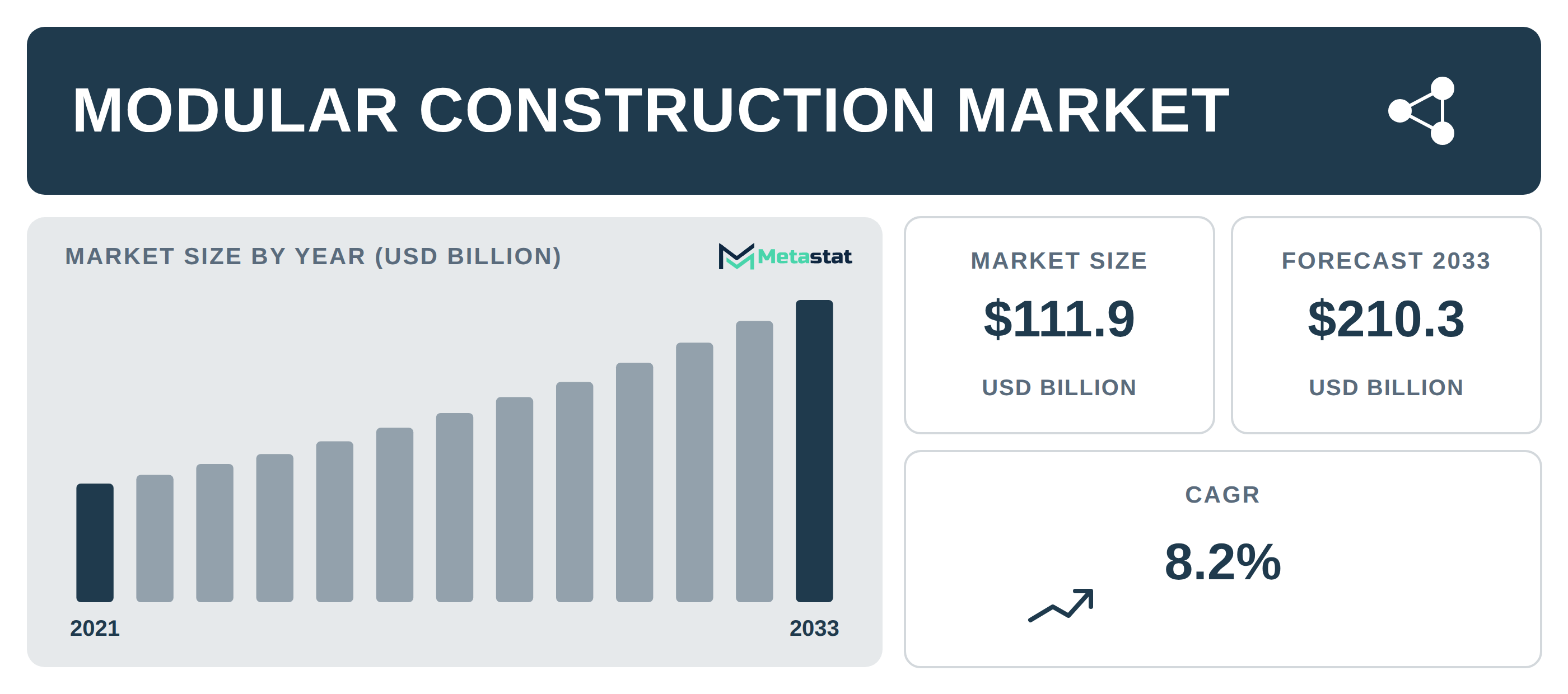
Future developments within the market for Modular Construction signal significant changes by 2033, presenting opportunities and challenges for stakeholders. Understanding these trends is crucial for making informed decisions about investments and project strategies. The full figures are in our Modular Construction market size and forecast report.
What factors will drive growth in Modular Construction?
The transition to Permanent Modular Construction is a primary growth driver within the sector. This methodology enhances efficiency, allowing for quicker project delivery while maintaining high quality. While adoption increases, stakeholders in residential, commercial, and industrial sectors will adapt to this trend. The healthcare segment, for instance, will experience notable expansion, fueled by its need for innovative, rapid construction solutions. Buyers will align their procurement strategies to accommodate the evolving construction methodologies.
How is sustainability shaping the future of construction?
Sustainability has become a crucial focus in the industry, and the integration of eco-friendly materials, particularly mass timber, is reshaping Modular Construction practices. The lightweight and renewable properties of timber appeal to environmentally conscious buyers seeking to reduce their carbon footprint. Projections indicate that the value of timber in this sector could reach USD 74.5 billion by 2033. Developers emphasizing sustainable practices will gain a competitive edge, attracting consumers increasingly concerned about environmental impacts. Companies prioritize sustainable practices to boost innovation and embrace green-building solutions.
What should stakeholders watch regarding technology advancements?
Technological innovations will significantly influence the landscape of Modular Construction. Factory automation and improvements in production processes are key to enhancing efficiency, allowing companies to customize modular units based on diverse consumer needs. This trend is especially vital for rapidly expanding sectors, including residential and healthcare. Companies investing in automation will achieve operational advantages, responding effectively to market demands. The ability to customize and streamline production processes will be essential for staying competitive in the evolving construction environment.
How will changing buyer demographics impact the sector?
Shifts in buyer demographics are poised to affect the Modular Construction sector significantly. Younger generations prioritize quick, cost-effective solutions, valuing flexibility and sustainability. This demographic shift aligns with the rising demand for residential buildings, anticipated to reach USD 99.7 billion by 2033. Developers and builders tailor their offerings to appeal to this younger audience while addressing their specific needs for housing and commercial spaces. Building strong relationships with this emerging customer base will be essential for future success.
What challenges could impede the sector's progress?
Despite the promising outlook, price sensitivity among project developers presents a challenge for the Modular Construction sector. Fluctuating material costs and higher initial investments deter adoption, particularly in regions where awareness of long-term benefits remains limited. To counteract this, companies should emphasize the cost-effectiveness of modular solutions, showcasing the potential for significant time and resource savings. Clear communication of these advantages will be critical in overcoming barriers to entry and driving broader acceptance.
In summary, stakeholders within the Modular Construction sector should remain vigilant about emerging trends, technological advancements, and shifting buyer preferences. Adjusting to these changes will be essential to capitalize on the opportunities presented by the industry's growth trajectory.
Tags
About the Authors

LEAD ANALYST
Utkarsh Khirodkar is a Lead Market Research Analyst at MetaStat Insight, specializing in market intelligence, technology sector assessments, and competitive strategy.

INDUSTRY CONSULTANT - CHEMICALS & ADVANCED MATERIALS
Chemicals and Materials · Machinery & Equipment · Packaging
Amit Gadhekar Consultant for Chemicals and Materials at MetaStat Insight, directing sector-specific intelligence, research, and strategic consulting across global chemical and processing markets.

PRINCIPAL CONSULTANT - QUALITY SYSTEMS & COMPLIANCE
Electronics and Semiconductor · Machinery & Equipment · Professional Services
Omkar Phadtare is an Industry Consultant at MetaStat Insight, specializing in quality systems, regulatory compliance, and standards benchmarking to drive data-driven market intelligence and strategic industry research.

ENERGY & INFRASTRUCTURE INDUSTRY CONSULTANT
Automotive and Transportation · Electronics and Semiconductor · Energy and Power · Machinery & Equipment
Saurabh Vasant Ganvir consults for Energy & Infrastructure Industry at MetaStat Insight, specializing in renewable energy, solar EPC, and electric vehicle (EV) infrastructure markets.

LEAD CONSULTANT - COMMUNICATION, TELECOM, AND IT
Electronics and Semiconductor · Information & Technology · Machinery & Equipment · Professional Services
Ravindra Sathe Consultants for Communication, Telecom, and IT at MetaStat Insight. He leads the firm's industry research initiatives across telecommunications infrastructure, digital connectivity, enterprise networking, and emerging information technology domains.