
Explore the emerging trends and dynamics shaping the South Africa Iron and Steel sector from 2025 to 2033, including sustainability and demand drivers.
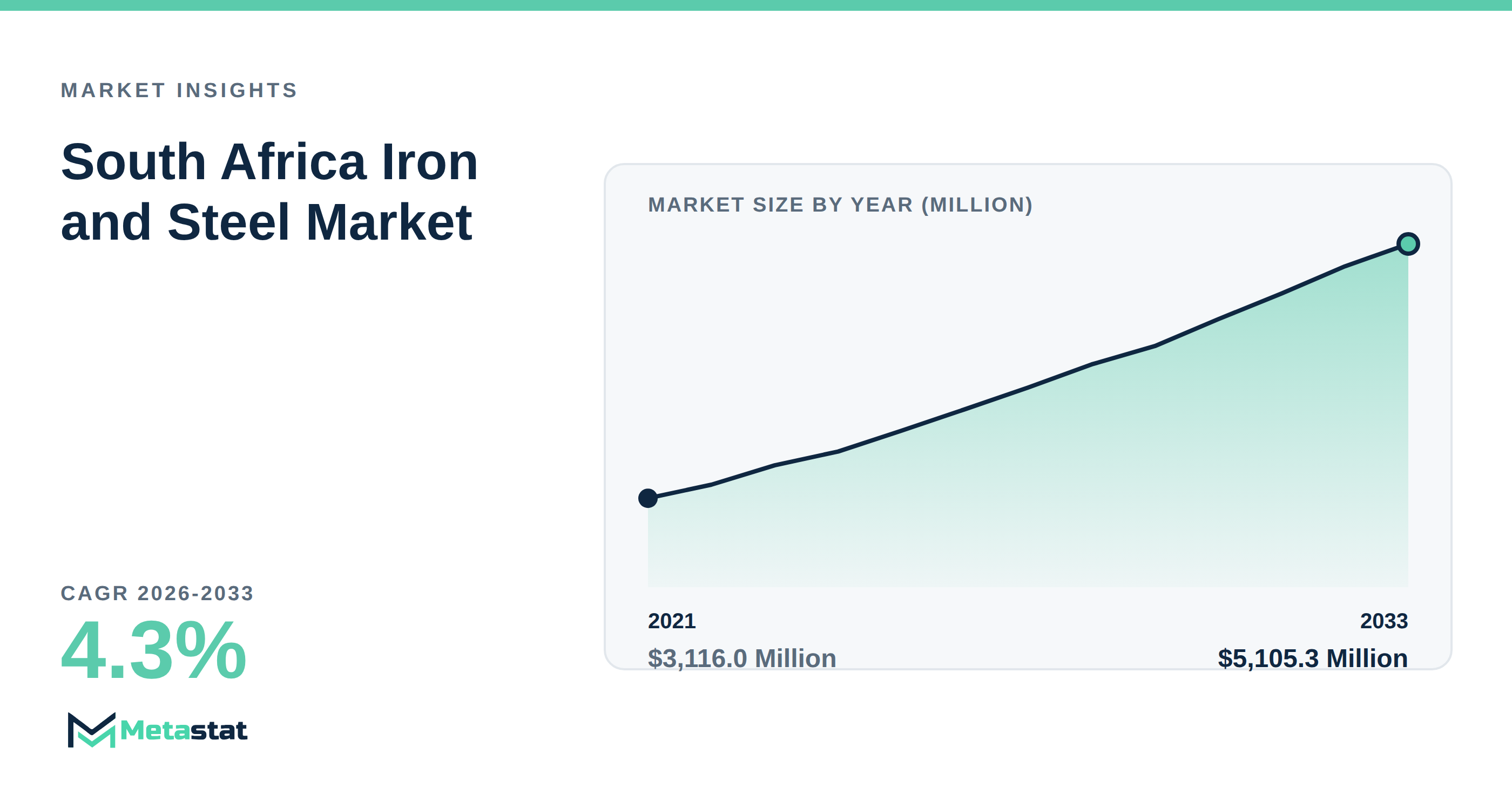
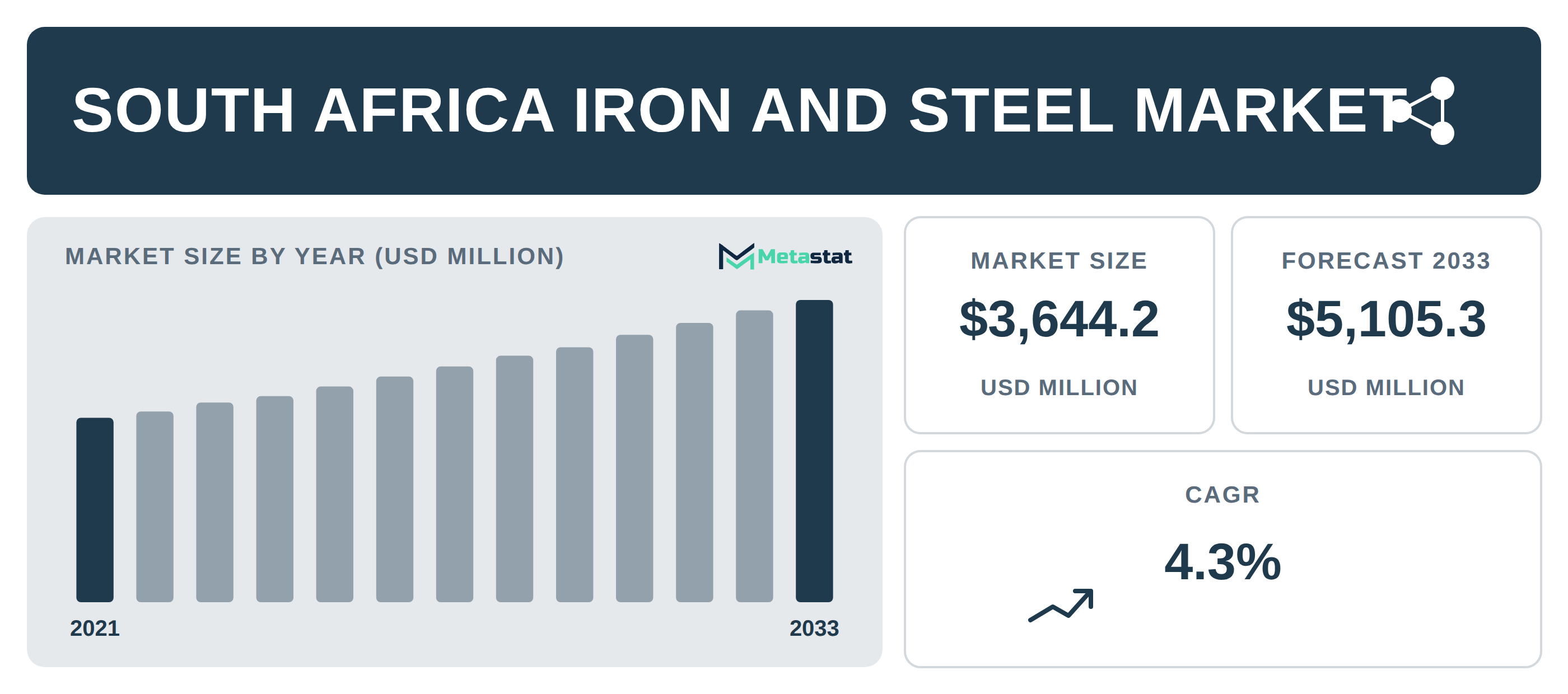
The South Africa Iron and Steel sector is poised for notable changes, with key developments expected to shape its outlook from now until 2033. Stakeholders and investors should observe specific trends that will drive decision-making and investment strategies in this vital industry. The full figures are in our South Africa Iron and Steel market size and forecast report.
What is driving demand in the construction sector?
Infrastructure investments serve as a fundamental driver of demand in the South Africa Iron and Steel sector. Government initiatives and private sector projects are significantly increasing spending on iron and steel products, particularly in construction. The anticipated expansion of flat steel products indicates construction firms are increasingly opting for high-quality materials known for their durability and structural integrity, emphasizing the importance of reliable sources when undertaking major construction projects.
How is sustainable production affecting the outlook?
The rise of Electric Arc Furnace (EAF) technology signifies a significant transformation in production methodologies within the South Africa Iron and Steel sector. With a projected market value of USD 2,130.4 million by 2033, EAF technology focuses on recycling scrap steel, which substantially reduces carbon emissions compared to traditional production methods. This shift corresponds with tighter environmental regulations and an increasing demand from consumers for sustainable goods. Companies embracing these technologies will improve their competitive positioning in a market that prioritizes environmentally friendly products.
What challenges do domestic manufacturers face from imports?
Challenges from steel imports, particularly lower-priced options from international suppliers, are mounting for domestic manufacturers. This competition compels local producers to adapt their pricing strategies to retain their market foothold. The demand for flat steel products remains strong; however, manufacturers contending with rising import volumes experience pressure on profit margins. In this competitive landscape, flexibility in pricing contracts becomes crucial for suppliers aiming to capture cost-sensitive buyers while maintaining profitability.
How will the mining sector impact steel production?
The mining sector emerges as a significant consumer of both long and flat steel products. Anticipated growth in this industry indicates rising demand for high-quality steel materials essential for machinery and infrastructure in mining operations. Government investments and private sector initiatives in infrastructure development signal increased opportunities for suppliers within this segment, enhancing revenue streams and market presence.
What role do energy costs play in production efficiency?
Increasing energy costs present considerable challenges for steel producers in South Africa, affecting operational efficiency in energy-intensive production processes. Rising manufacturing costs prompt buyers to explore alternative materials or suppliers, resulting in smaller order volumes and potential project delays. Companies that adopt energy-efficient technologies will maintain their competitiveness and mitigate the adverse effects of escalating energy costs on their operations.
What innovations are shaping future production methods?
The Direct Reduced Iron (DRI) process is emerging as a key opportunity for the South Africa Iron and Steel sector, with an expected growth rate of 7.4% over the coming years. This technology offers a more sustainable approach to iron production, aligning with global decarbonization efforts and responding to the rising demand for cleaner manufacturing processes. Producers implementing DRI enhances their competitive position while addressing regulatory compliance, positioning themselves favorably for future growth.
Overall, the South Africa Iron and Steel outlook from 2025 to 2033 will be shaped by ongoing investments in sustainable production technologies, responses to shifting consumer preferences, and the ability to navigate competitive pressures from imports. Stakeholders are encouraged to leverage these trends to optimize their strategies and enhance their positions in this essential sector.
Tags
About the Authors

LEAD ANALYST
Utkarsh Khirodkar is a Lead Market Research Analyst at MetaStat Insight, specializing in market intelligence, technology sector assessments, and competitive strategy.

INDUSTRY CONSULTANT - CHEMICALS & ADVANCED MATERIALS
Chemicals and Materials · Machinery & Equipment · Packaging
Amit Gadhekar Consultant for Chemicals and Materials at MetaStat Insight, directing sector-specific intelligence, research, and strategic consulting across global chemical and processing markets.