
The current trends in transformer demand, driven by urbanization and renewable energy integration, are reshaping procurement strategies across industries.
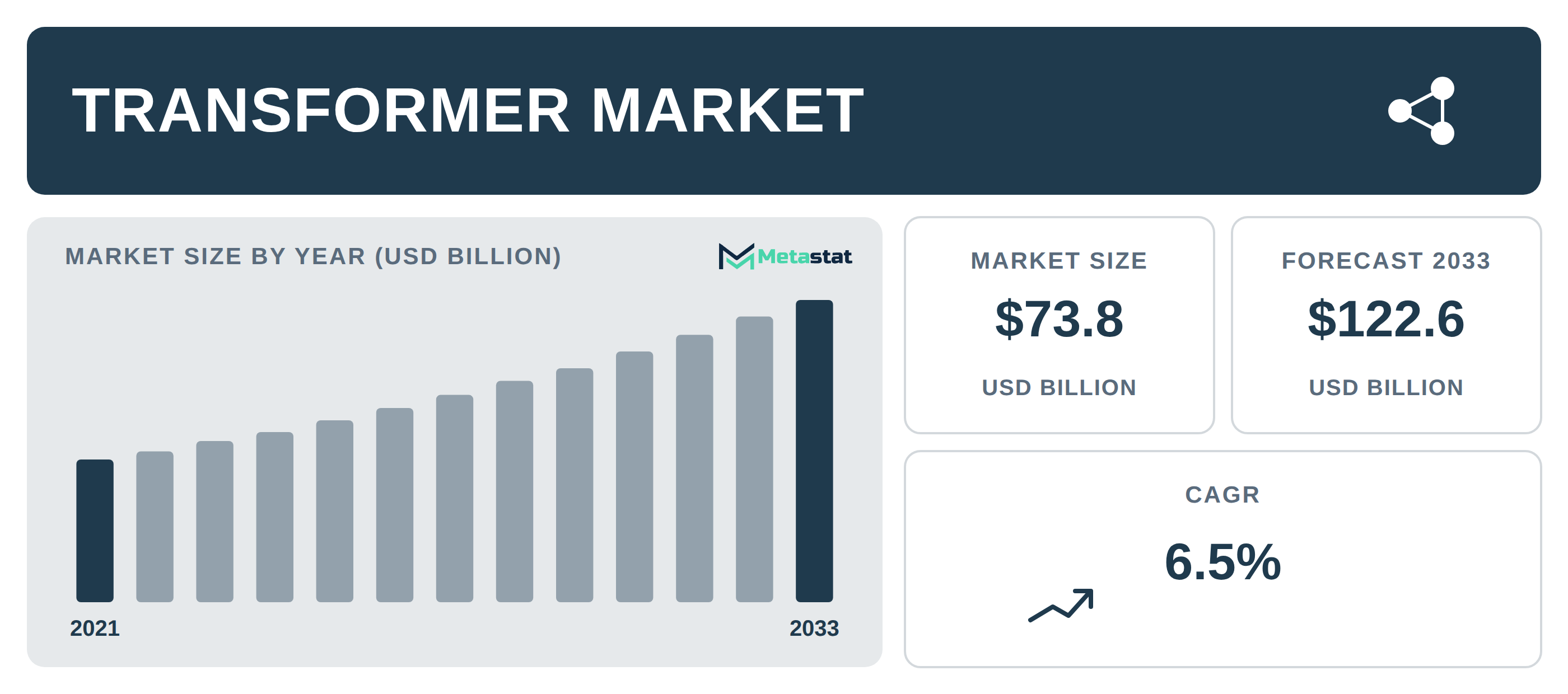
The landscape for transformer solutions is changing as energy demands evolve and new technologies come into play. Utilities, industrial facilities, and data centers are driving investments in transformers, responding to pressures of modernization and renewable energy integration. For those observing this sector, recognizing these trends provide a strategic advantage. A deeper understanding of the Transformer market size and forecast report reveals critical insights about future opportunities and challenges.
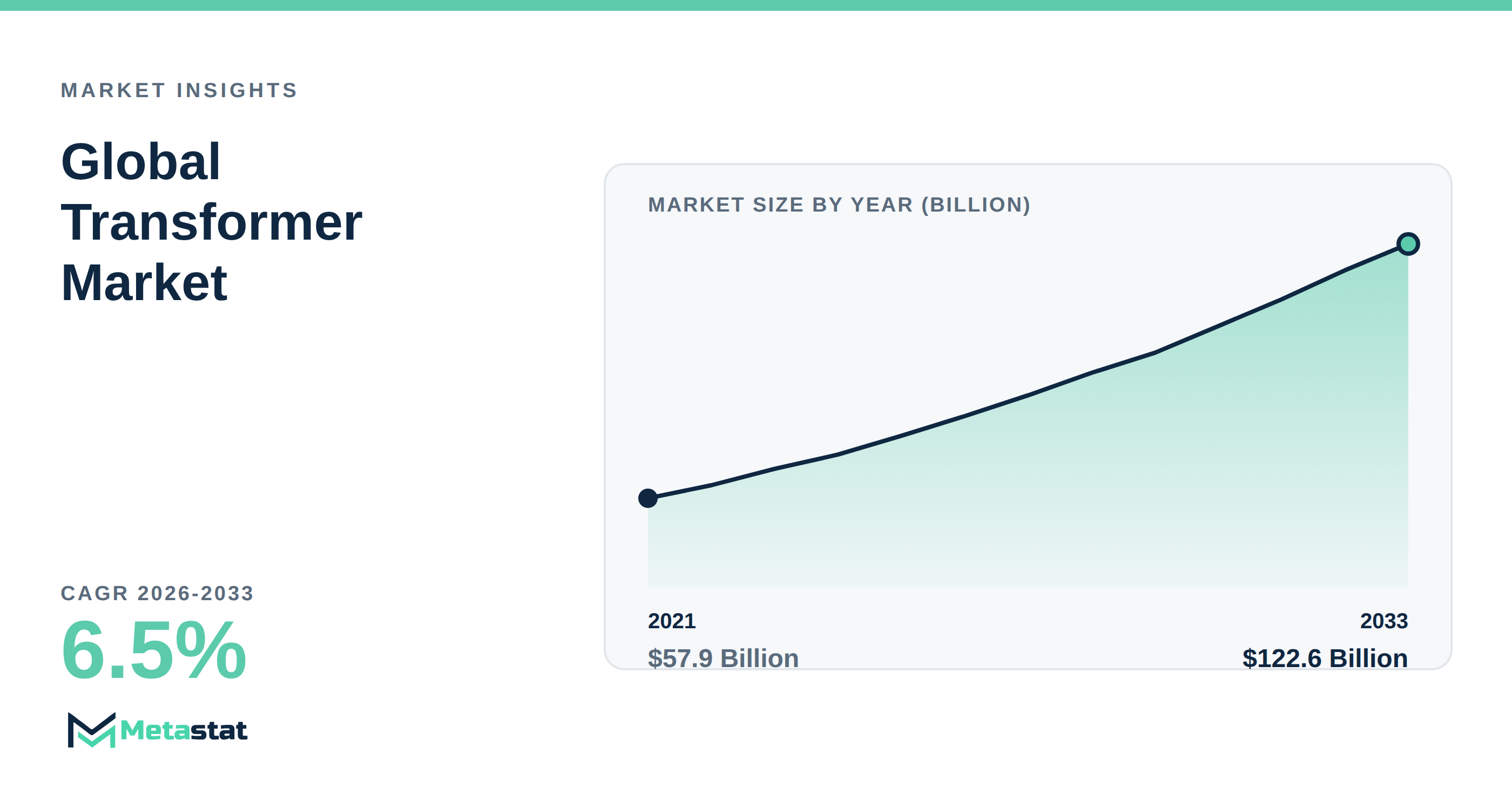
How will grid modernization shape transformer demand?
Grid modernization efforts significantly affect transformer procurement trends. Utilities are prioritizing the replacement of aging infrastructure and enhancing transmission capabilities to facilitate renewable energy integration. This modernization translates into heightened demand for high-voltage transformers, especially those rated above 220 kV, which are expected to see robust growth in the coming years.
Utilities and grid operators focus on solutions that reduce transmission losses and increase reliability over longer distances. Investment in digital technologies, including condition monitoring and automated systems, drives a trend towards newer transformer designs that meet these needs. Buyers will increasingly consider not only capacity but the digital capabilities of transformers, marking a notable shift in procurement priorities.
What role do data centers play in transformer procurement?
The rise of data centers represents a significant transformation in purchasing patterns for transformers. While these facilities grow, demand for specialized transformers designed for efficiency and minimal losses is surging. The segment related to data centers is projected to grow rapidly, exceeding the growth rates seen in other areas.
This demand is fueled by the urgent requirement for reliable power distribution to support critical IT operations. Buyers in this sector are increasingly favoring contract models that allow for phased deliveries and customization, aligning transformer acquisitions with project timelines. The emphasis on efficient energy solutions highlights the critical nature of reliability and performance in procurement decisions.
How are material costs impacting transformer pricing?
Fluctuations in the prices of essential materials including electrical steel and copper present challenges for transformer manufacturers. These materials are vital for the assembly of cores and windings, and shortages lead to increased production costs. The effects of these material costs reverberate through procurement processes, leading buyers to rethink their sourcing strategies.
Manufacturers are responding by pursuing long-term supply agreements or alternative designs to alleviate these cost pressures. Buyers face budget fluctuations as they navigate contracts amid rising material prices. This climate necessitates flexibility in procurement strategies and a strong focus on maintaining stable supply chains to ensure that projects remain on schedule.
What trends in electrification are influencing transformer demand?
Global electrification rates are climbing, particularly in developing regions where grid expansion is vital to accommodate increasing energy needs. The demand for transformers that enable this expansion is steadily increasing, with utilities investing in new substations and upgrading existing networks to bolster grid reliability.
Regional growth in rapidly industrializing areas, especially in Asia Pacific, intensifies the need for transformers capable of managing distributed generation and fluctuating loads. Suppliers offering solutions tailored to these specific regional demands will uncover substantial growth opportunities as electrification efforts gain momentum.
What future shifts should stakeholders monitor?
The transformer landscape is becoming increasingly competitive, prompting companies to adapt their strategies in response to evolving market dynamics. Stakeholders should monitor trends including rising urbanization, regulatory changes favoring renewable energy, and advancements in transformer technology.
Keeping an eye on developments in digitalization is crucial, as grid operators and utilities incorporate smart solutions to improve operational efficiency. The focus on reliability and advanced monitoring capabilities will influence product offerings, requiring manufacturers to engage in continuous innovation. Proactively addressing evolving procurement trends and regulatory frameworks is essential for stakeholders aiming to succeed in this changing environment.
Tags
About the Authors

LEAD ANALYST
Utkarsh Khirodkar is a Lead Market Research Analyst at MetaStat Insight, specializing in market intelligence, technology sector assessments, and competitive strategy.

PRINCIPAL CONSULTANT - ENTERPRISE AI & EMERGING TECHNOLOGIES
Banking & Finance · Electronics and Semiconductor · Energy and Power · Healthcare IT · Information & Technology · Professional Services
Vijay Gunti is a Principal Consultant at MetaStat Insight, bringing over two decades of experience across enterprise digital transformation, technology strategy, and intelligent systems.

ENERGY & INFRASTRUCTURE INDUSTRY CONSULTANT
Automotive and Transportation · Electronics and Semiconductor · Energy and Power · Machinery & Equipment
Saurabh Vasant Ganvir consults for Energy & Infrastructure Industry at MetaStat Insight, specializing in renewable energy, solar EPC, and electric vehicle (EV) infrastructure markets.