
Explore the evolving landscape of HR analytics in Europe, focusing on key trends, regulatory impacts, and opportunities for strategic growth in the coming years.
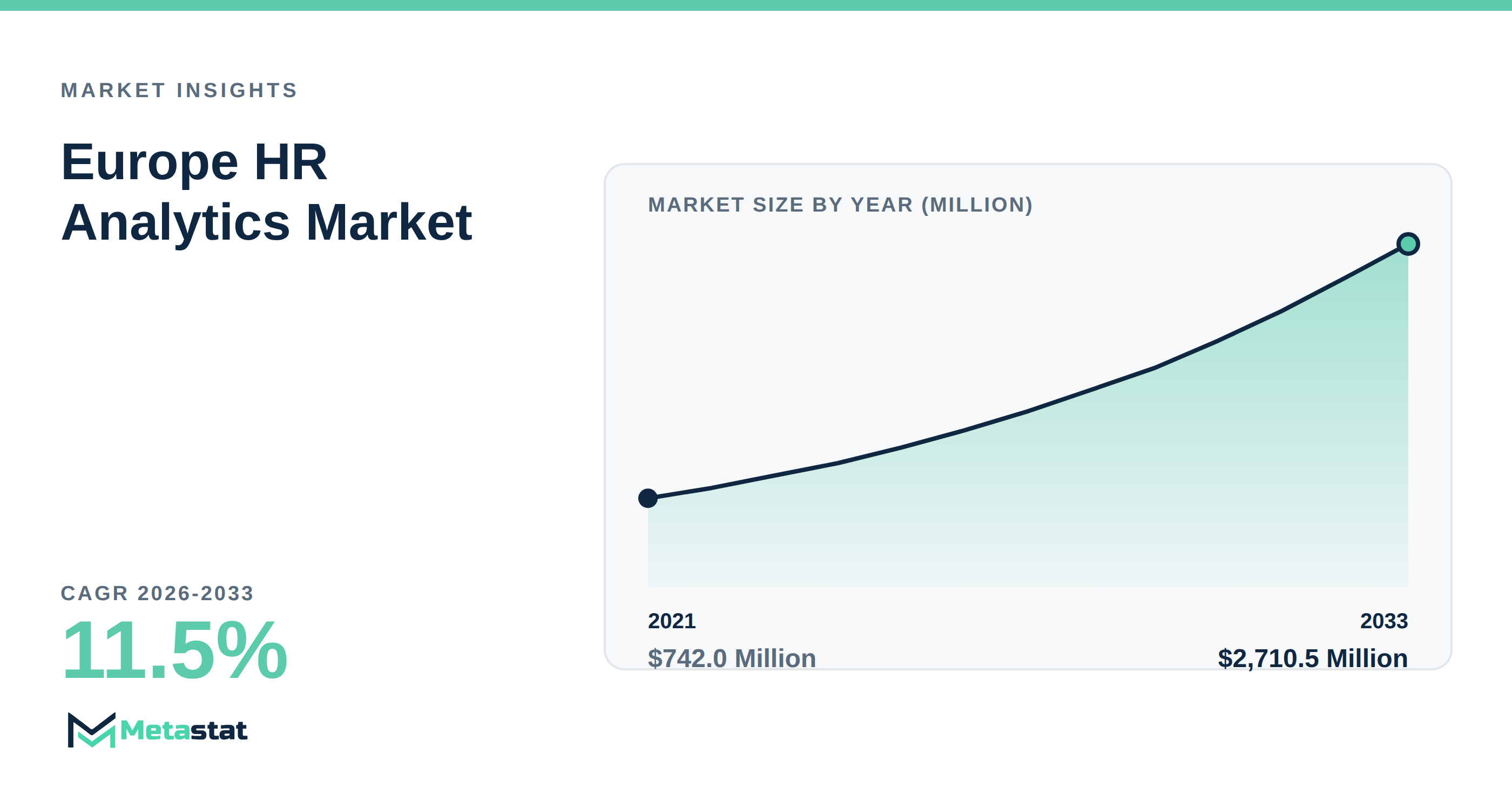
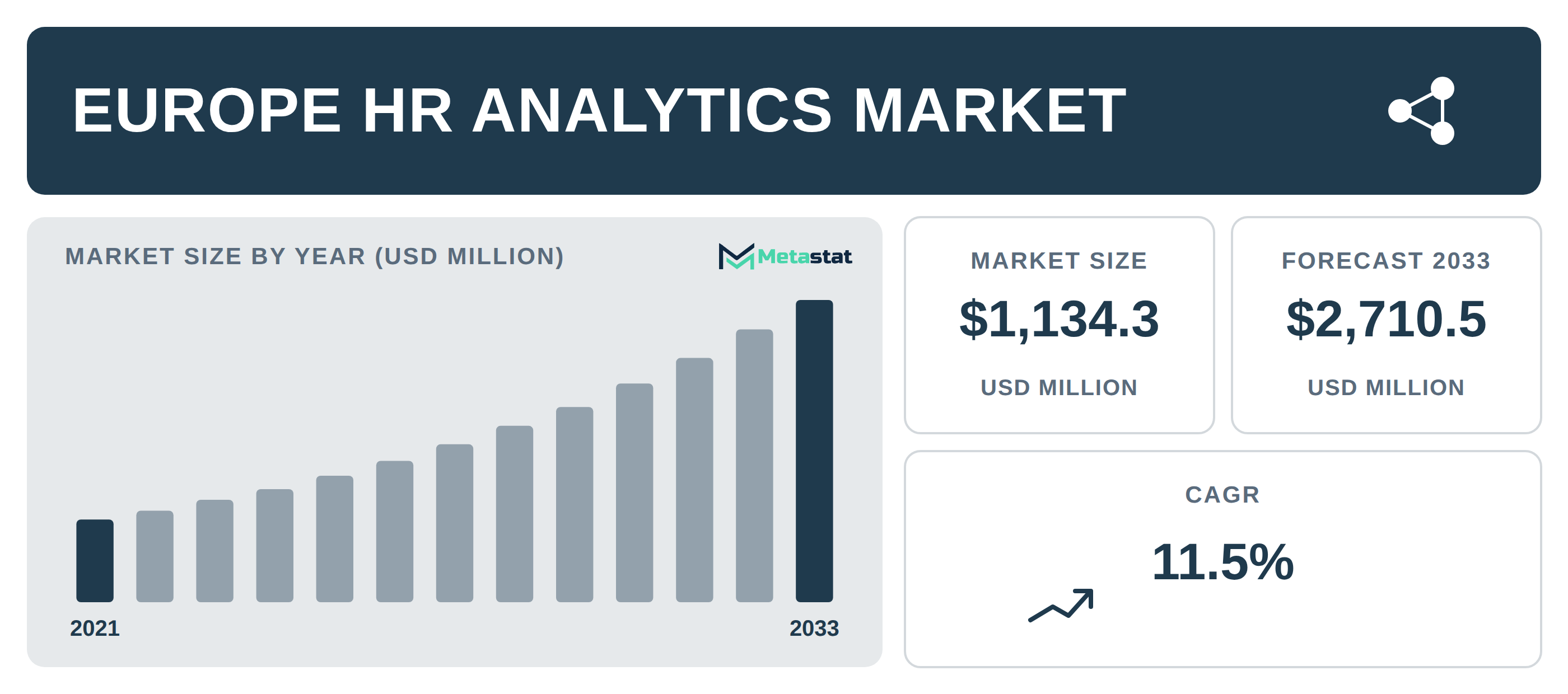
The future of HR analytics in Europe presents an exciting evolution, as organizations increasingly leverage data to drive decision-making in their human resource practices. The trends evident today signal a shift toward advanced, data-driven approaches that prioritize efficiency, engagement, and strategic workforce planning. For an in-depth understanding of the market's potential, refer to the Europe HR Analytics market size and forecast report.
What trends are driving the adoption of HR analytics?
Significant movements toward cloud-based solutions and a focus on predictive analytics stand out in the current landscape. Organizations are recognizing the value of cloud HR analytics as they provide scalable and flexible solutions that enhance accessibility and real-time decision-making capabilities. The anticipated growth in the cloud-based segment, projected to reach USD 2,322 million by 2033, highlights a growing preference for these technologies, particularly among mid-sized enterprises.
Predictive analytics further strengthens this approach, enabling organizations to anticipate workforce needs and address potential skills gaps proactively. This method improves retention rates and optimizes recruitment strategies, illustrating the transition towards more strategic HR management. Understanding these trends will help organizations to align their human resource strategies effectively.
How will regulations impact HR analytics strategies?
Regulatory frameworks, including the General Data Protection Regulation (GDPR) and the forthcoming EU AI Act, are reshaping how organizations handle employee data. Compliance with these regulations requires HR analytics solutions to prioritize data privacy, influencing how businesses collect, store, and analyze information. Increased investment in analytics solutions that comply with GDPR reflects organizations' commitment to transparency and ethical data management.
The multifaceted impact of these regulations extends beyond mere compliance; they enhance a company's reputation in the eyes of consumers and stakeholders. Companies that proactively tackle these regulatory challenges will likely find competitive advantages, positioning themselves as trustworthy entities in the market.
What should organizations emphasize when evaluating HR analytics solutions?
When assessing HR analytics software, organizations should concentrate on functionalities that align with their strategic workforce objectives. Key areas include workforce planning, employee engagement, and predictive analytics capabilities. The increasing demand for solutions that provide comprehensive insights into employee performance and engagement is evident, with workforce planning analytics expected to grow from USD 332 million in 2026 to USD 729.4 million by 2033.
Software that integrates seamlessly with existing systems reduces implementation challenges while improving data accuracy and enhancing overall operational efficiency. This alignment between HR analytics and organizational goals allows companies to anticipate workforce trends and make informed decisions, positioning them competitively for the future.
What opportunities lie ahead for the HR analytics market?
Rising demand for workforce planning analytics presents a compelling opportunity for growth within the HR analytics space. Organizations that prioritize data-driven insights for workforce allocation and optimization are likely to experience enhanced decision-making capabilities that ultimately drive productivity and minimize turnover costs. The ability to adapt to rapidly changing market conditions through data analysis will be crucial for maintaining a competitive edge.
While companies continue to invest in advanced technologies that support these analytics, the focus will shift toward making these solutions affordable and accessible, particularly for small to medium-sized enterprises. Crafting pricing structures tailored to these businesses will be instrumental in encouraging widespread adoption and maximizing the potential of HR analytics.
Conclusion: Preparing for the future of HR analytics
While the landscape for HR analytics evolves, organizations stand to benefit significantly from embracing data-driven strategies and compliance-focused solutions. The transition to cloud-based technologies, emphasis on predictive analytics, and the navigation of new regulations will shape the future of HR analytics in Europe. By staying informed and adaptable, companies effectively leverage these insights to enhance their human resource practices and prepare for the opportunities and challenges that lie ahead.
Tags
About the Authors

LEAD ANALYST
Utkarsh Khirodkar is a Lead Market Research Analyst at MetaStat Insight, specializing in market intelligence, technology sector assessments, and competitive strategy.

PRINCIPAL CONSULTANT - ENTERPRISE AI & EMERGING TECHNOLOGIES
Banking & Finance · Electronics and Semiconductor · Energy and Power · Healthcare IT · Information & Technology · Professional Services
Vijay Gunti is a Principal Consultant at MetaStat Insight, bringing over two decades of experience across enterprise digital transformation, technology strategy, and intelligent systems.

PRINCIPAL CONSULTANT - QUALITY SYSTEMS & COMPLIANCE
Electronics and Semiconductor · Machinery & Equipment · Professional Services
Omkar Phadtare is an Industry Consultant at MetaStat Insight, specializing in quality systems, regulatory compliance, and standards benchmarking to drive data-driven market intelligence and strategic industry research.

LEAD CONSULTANT - COMMUNICATION, TELECOM, AND IT
Electronics and Semiconductor · Information & Technology · Machinery & Equipment · Professional Services
Ravindra Sathe Consultants for Communication, Telecom, and IT at MetaStat Insight. He leads the firm's industry research initiatives across telecommunications infrastructure, digital connectivity, enterprise networking, and emerging information technology domains.