
Explore the key trends impacting the Aircraft Hangar Infrastructure sector as it evolves towards 2033. Understand technological advances, shifts in private aviation, and regional dynamics.
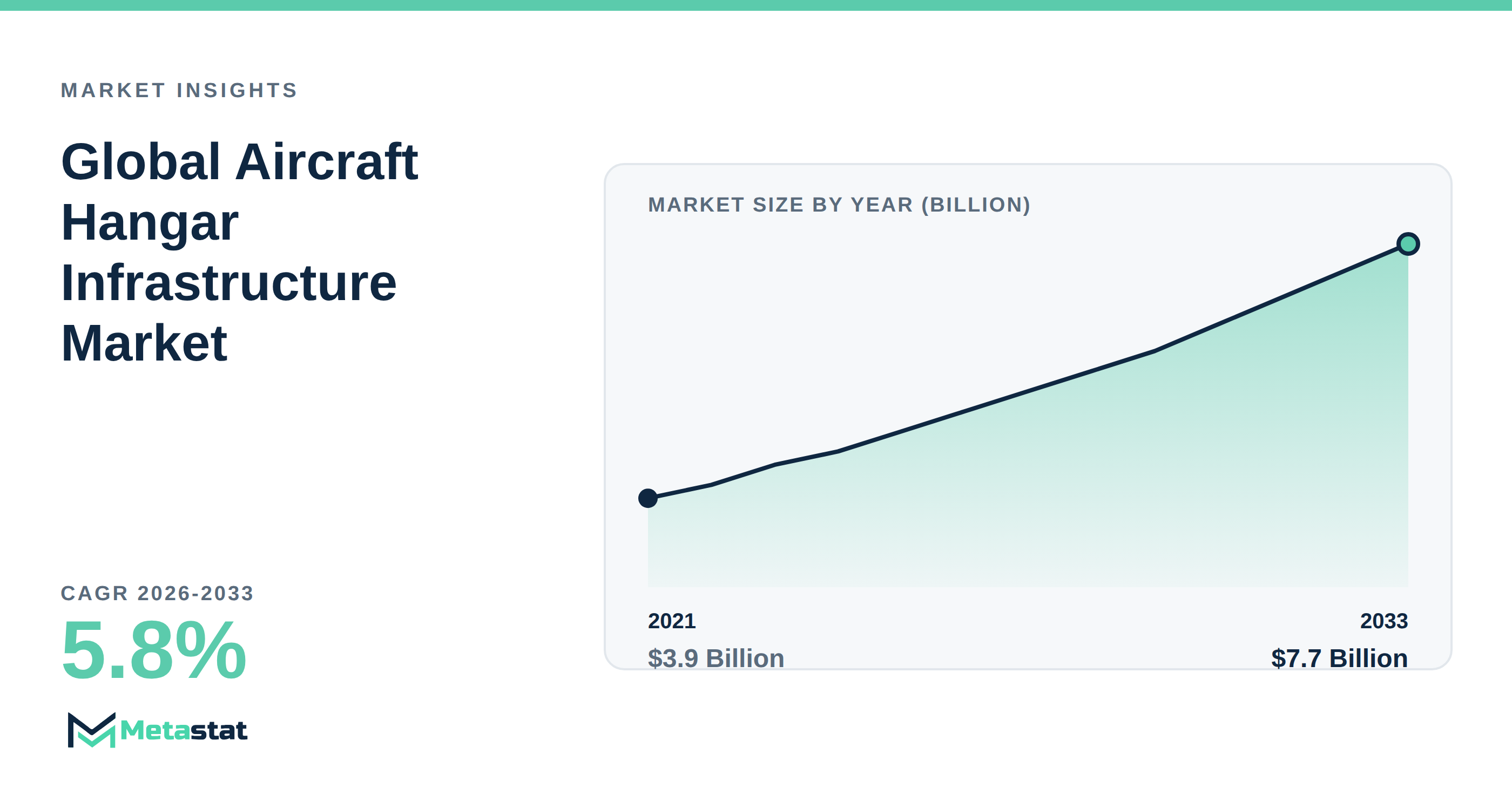
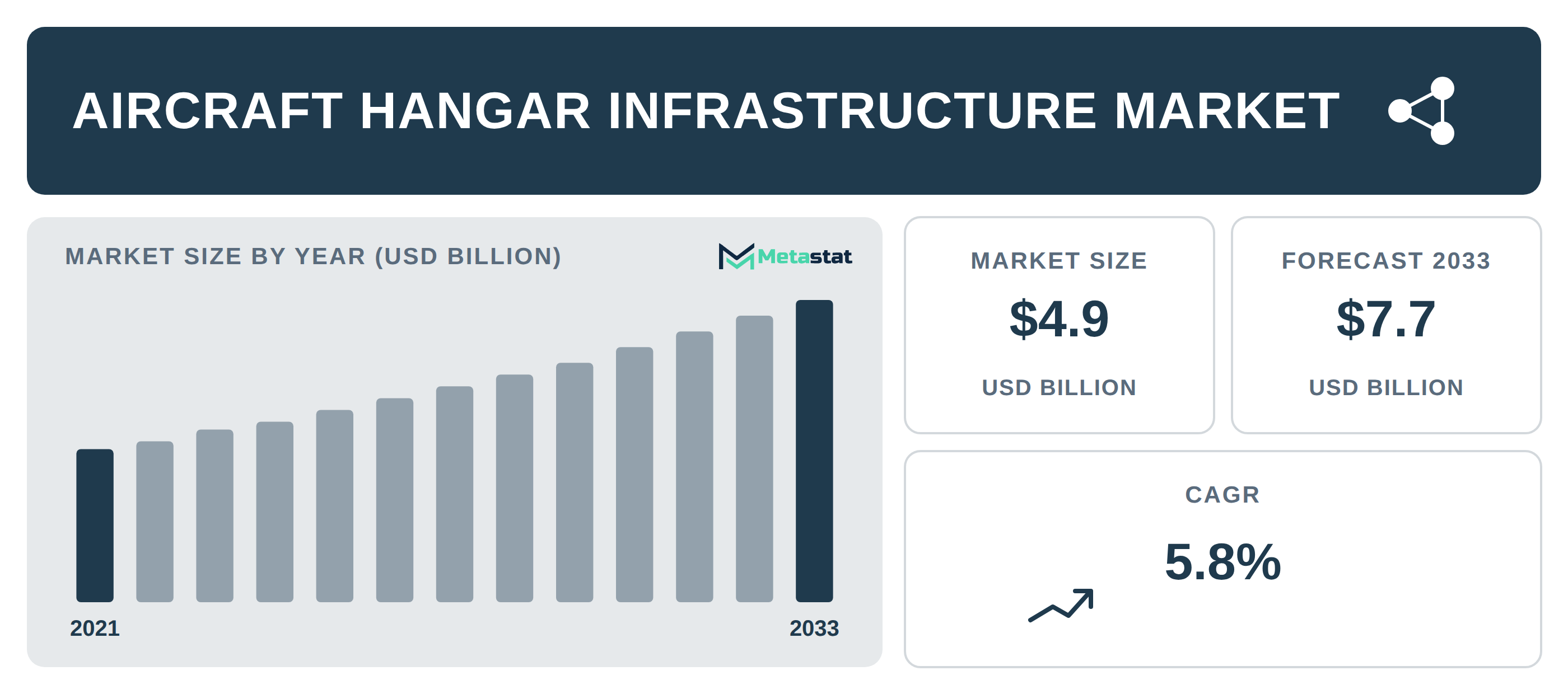
The market for Aircraft Hangar Infrastructure is evolving significantly as we approach 2033. Several changes are on the horizon, making it crucial for stakeholders to keep a close watch on emerging trends, particularly in technological advancements, regional developments, and shifts in customer preferences. The full figures are in our Aircraft Hangar Infrastructure market size and forecast report.
What technological advancements should be monitored?
Technological improvements play a vital role in shaping the Aircraft Hangar Infrastructure outlook. Innovations including modular construction systems and the use of pre-engineered steel hangars are gaining traction. These methods allow for quicker assembly and cost efficiency, appealing to a broad range of buyers including business aviation operators and maintenance, repair, and overhaul (MRO) providers. The growing preference for these efficient construction methods is likely to influence procurement strategies significantly. As operational efficiency becomes essential, investments in advanced technologies that enhance workflow and reduce labor costs will rise. Stakeholders should prepare for a shift towards more automated systems within hangar operations as these technologies integrate into existing frameworks.
How will the changing landscape of private aviation impact demand?
With an increase in disposable incomes and changing consumer preferences favoring personalized travel, the demand for private aircraft hangars is set to rise. Projections indicate that dedicated long-term hangar leasing is expected to reach USD 4.4 billion by 2033, showing an impressive annual growth rate of 6.1%. This growth will challenge operators to offer customized and secure hangar solutions, catering to the specific needs of private aviation customers. Monitoring this segment provides insights into how the broader aviation landscape adapts to affluent consumers seeking tailored services. The rising interest in private aviation for leisure and business emphasizes the necessity for further investment in specialized hangar facilities.
What regional dynamics will shape the market?
Regional dynamics significantly influence the Aircraft Hangar Infrastructure outlook, particularly in North America, Europe, and the Asia-Pacific region. North America is expected to maintain a strong position, accounting for 39.4% of the market by 2025. This dominance is driven by ongoing investments in aviation infrastructure and modernization efforts across the region. Stakeholders should observe how the U.S. continues to lead in hangar development, shaping broader trends in neighboring markets.
In contrast, the Asia-Pacific region is emerging as a notable player, propelled by rapid expansion in commercial and private aviation. Countries like China and India are investing heavily in airport infrastructure, presenting opportunities for suppliers of hangar systems. Understanding these regional developments will assist businesses in strategizing their market entries and partnerships.
What challenges are developers facing?
While the Aircraft Hangar Infrastructure landscape offers significant growth opportunities, developers face substantial challenges. High construction costs, influenced by escalating material expenses, a shortage of labor, and disruptions within supply chains, limit the ability to expand rapidly. The financial burden associated with constructing new hangars or modernizing existing facilities forces operators to prioritize smaller-scale projects, potentially impacting overall operational capabilities. Keeping a pulse on these economic factors will be essential for stakeholders as they navigate the complexities of hangar development and investment.
Why is MRO infrastructure expansion a focal point?
The demand for expanded MRO infrastructure is another critical factor driving investments in large-span hangars. The need for enhanced maintenance capabilities, influenced by the increasing number of aircraft in operation, pushes stakeholders to invest in MRO facilities that support diverse aircraft types. As MRO activities become more complex, the demand for innovative hangar designs tailored to these facilities will grow, marking a significant opportunity for developers who meet these evolving needs.
Overall, the Aircraft Hangar Infrastructure outlook highlights a shifting environment characterized by technological advancements, evolving customer preferences in private aviation, and significant regional variations. By staying informed on these trends, stakeholders position themselves strategically in a sector set for substantial transformation.
Tags
About the Author

LEAD ANALYST
Utkarsh Khirodkar is a Lead Market Research Analyst at MetaStat Insight, specializing in market intelligence, technology sector assessments, and competitive strategy.