
Explore the evolving Foodservice landscape and trends shaping consumer behavior through 2033, including technology integration and delivery models.
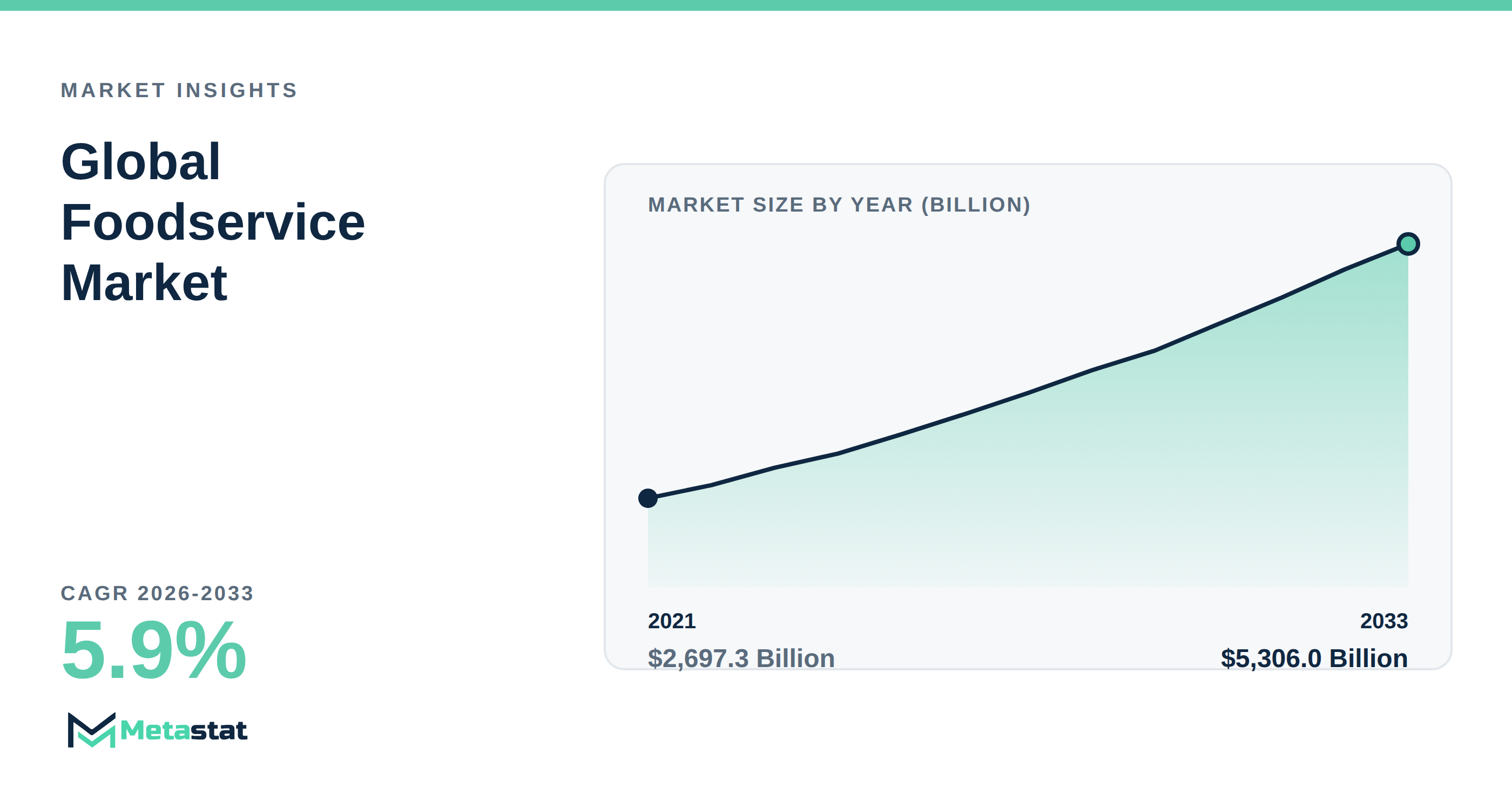
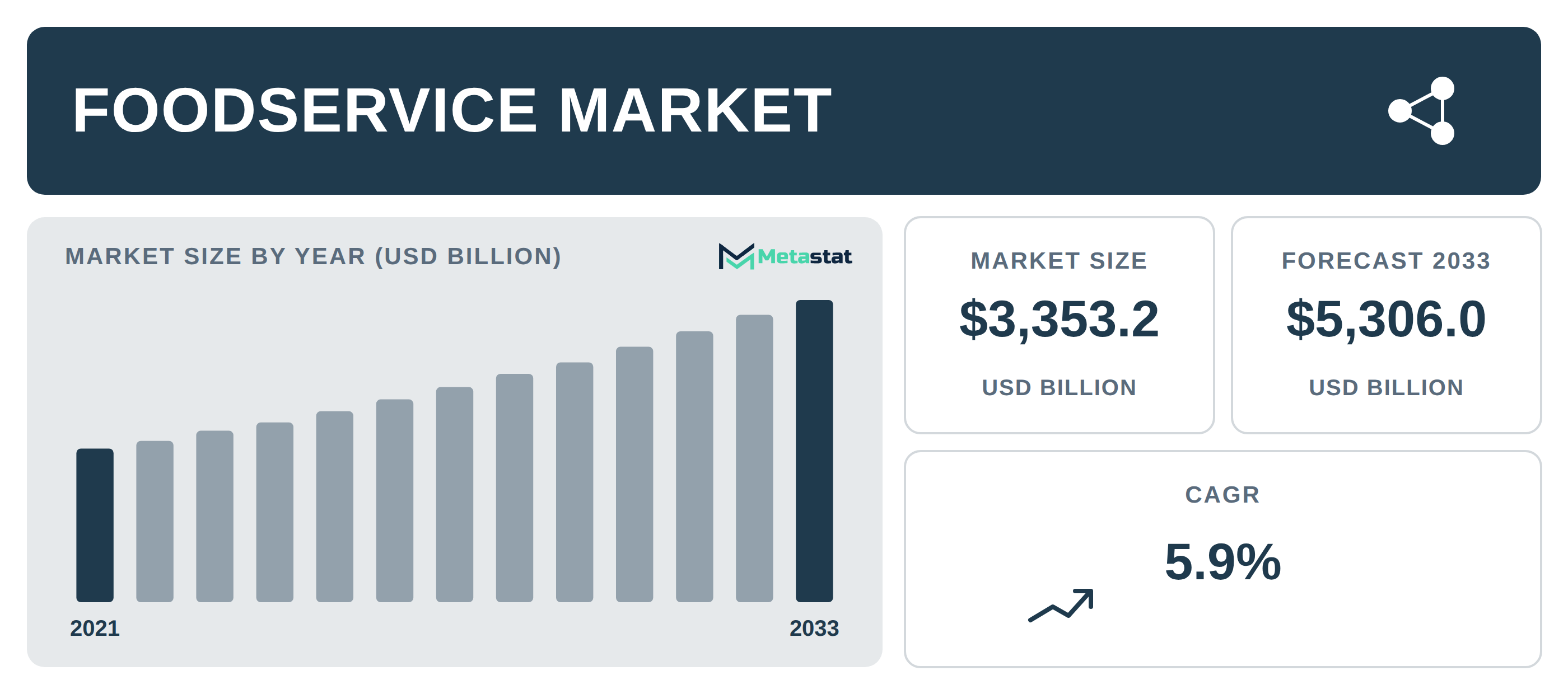
While the demand for convenient dining options continues to rise, the market for Foodservice is poised for exciting changes by 2033. This post examines the evolving landscape of Foodservice, highlighting key trends, consumer behaviors, and innovative strategies operators are adopting to thrive. The full figures are in our Foodservice market size and forecast report.
How convenience is shaping the future of dining
Consumers increasingly seek quick and accessible dining options, driving a notable shift towards delivery services and quick-service establishments. This preference stems from busy lifestyles that prioritize speed and convenience. By 2033, quick-service restaurants (QSRs) will likely dominate the Foodservice landscape, reflecting changing consumer habits. Operators focusing on delivering fast, tasty meals will see significant advantages.
To capitalize on this trend, many QSRs implement dynamic pricing models that adjust according to demand and time of day. This approach increases sales during peak hours while enhancing customer loyalty through perceived value. Maintaining affordability alongside convenience emerges as a critical strategy in meeting evolving consumer expectations.
The technological revolution transforming Foodservice
Technological advancements rapidly reshape how Foodservice operators engage with customers. Digital menus, loyalty apps, and kitchen automation become commonplace, enabling restaurants to enhance operational efficiency and customer satisfaction. Restaurants leveraging these technologies position themselves better in the competitive landscape, leading to improved profit margins.
For instance, digital menus facilitate real-time updates and inventory management, reducing food waste and boosting profitability. Loyalty programs encourage repeat business, creating a more dedicated customer base. As technology integration evolves, expect a more streamlined dining experience aligning with consumer desires for convenience and personalization.
Delivery-only kitchens and their impact on the Foodservice sector
The rise of delivery-only kitchens, often referred to as ghost kitchens, is reshaping traditional dining models. These facilities focus solely on fulfilling online orders, allowing for reduced overhead costs and enabling brands to enter the market with lower financial risk. By 2033, delivery-only kitchens will significantly contribute to overall growth within the Foodservice sector.
This operational model benefits consumers by providing diverse cuisine options available through single delivery platforms. The efficiency of delivery-only kitchens aligns well with the increasing demand for food delivery services, suggesting a future where convenience continues to dominate. Operators adapt to flexible contract arrangements with delivery apps to accommodate the changing landscape.
Institutional and event catering trends
As organizations increasingly recognize the advantages of outsourcing dining services, demand for contract catering surges. This trend is particularly evident in workplaces and healthcare settings, where the focus is on improving employee satisfaction and wellness through nutritious meal options. Growth in this area indicates a shift in how institutions approach Foodservice.
Contract catering streamlines operations and ensures that meal offerings meet specific dietary needs. This reflects a broader movement towards health-conscious dining solutions and represents an opportunity for operators to enhance service diversity and quality.
Independent outlets and their potential growth trajectory
Independent outlets are gaining traction as consumers seek unique dining experiences that reflect local tastes. This segment is expected to see significant growth, driven by a desire for authenticity and personalized service. Independent operators attract customers through specialized menus and community engagement initiatives, allowing them to carve a niche in a competitive market.
Investing in marketing strategies emphasizing local sourcing and experiential dining helps these outlets thrive. While consumers continue to prioritize unique food experiences, independent outlets that adapt to these preferences will find significant opportunities for growth.
The Foodservice sector is undergoing substantial transformation as it adapts to changing consumer needs and preferences. By focusing on convenience, leveraging technology, exploring new service models, and catering to local tastes, operators position themselves for success amid evolving market dynamics. The coming years will be critical for businesses to monitor these trends and make strategic decisions that align with the future outlook of Foodservice.
Tags
About the Authors

LEAD ANALYST
Utkarsh Khirodkar is a Lead Market Research Analyst at MetaStat Insight, specializing in market intelligence, technology sector assessments, and competitive strategy.

LEAD PRINCIPAL ANALYST, PHARMA AND HEALTHCARE
Food and Beverages · Healthcare · Healthcare IT · Medical Devices
Ajay Devgire is the Lead Healthcare Analyst at MetaStat Insight, leading strategic research and market intelligence initiatives across the global healthcare domain.

SENIOR RESEARCH ANALYST
Biotechnology · Food and Beverages · Medical Devices · Packaging
Snehal Pasalkar is a Research Analyst at MetaStat Insight, operating at the intersection of life sciences research, competitive strategy, and market intelligence.