
Explore the key factors impacting SUV pricing in India, from drivetrain choices to evolving consumer trends.
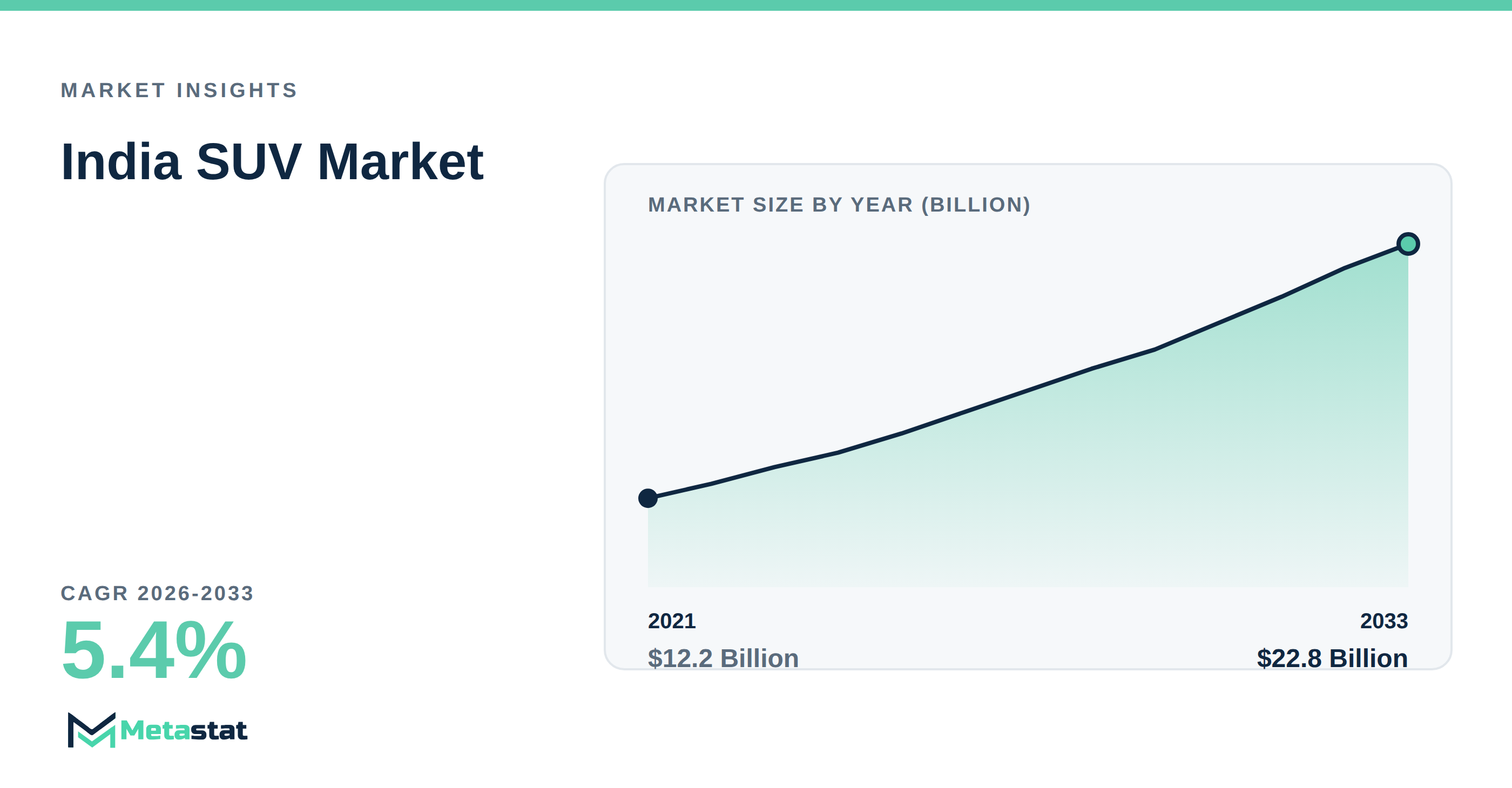
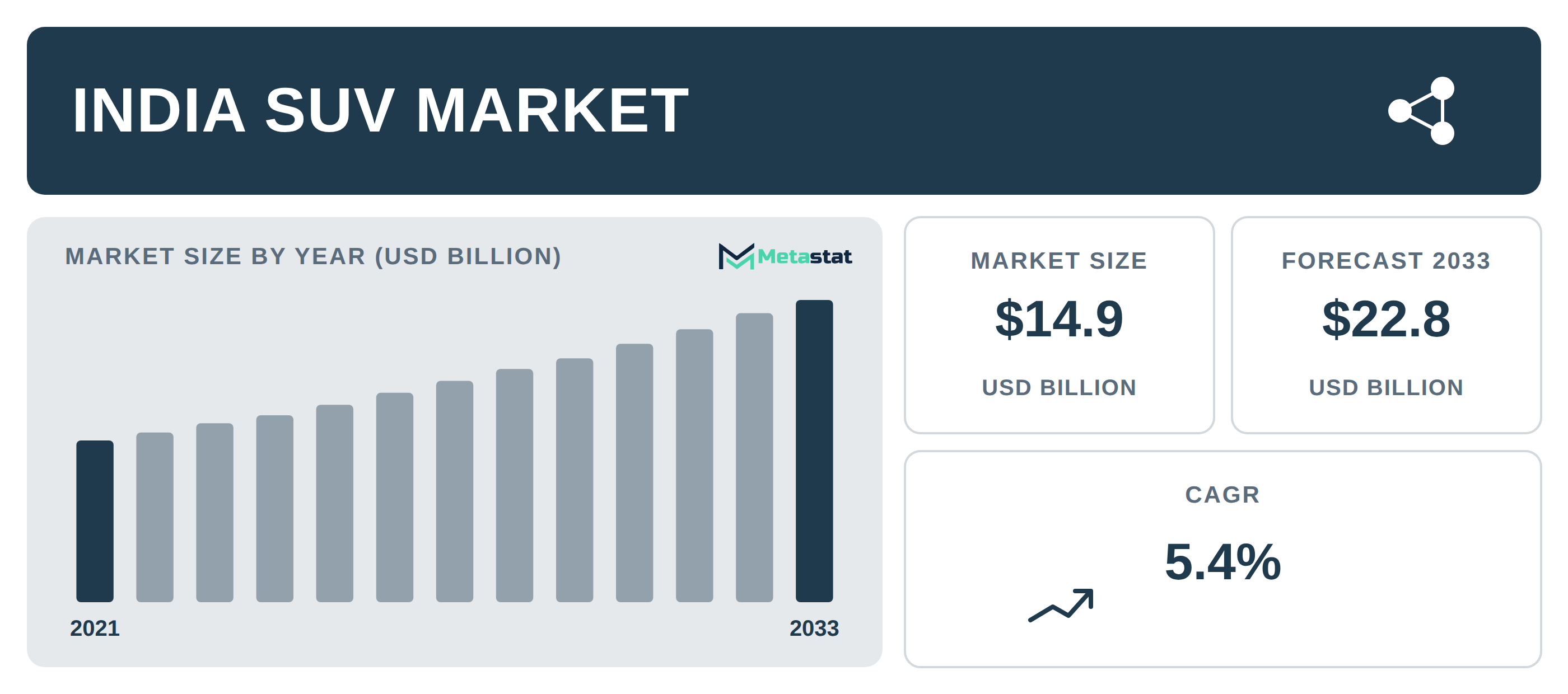
The pricing of SUVs in India is influenced by several critical factors that buyers should understand to navigate their choices effectively. Insights from recent research provide a clear picture of these factors, India SUV market size and forecast report highlights the dynamics affecting pricing, creating opportunities for consumers to optimize their purchases.
1. The Shift from Hatchbacks to Compact SUVs
The rise in popularity of compact SUVs over traditional hatchbacks significantly impacts pricing. Compact SUVs appeal to urban buyers due to their combination of space and utility without hefty price tags. These vehicles attract buyers by balancing size and affordability, which allows families to meet their needs without incurring the costs associated with larger models. While this trend continues, buyers will find more competitive pricing and options within this segment, which supports greater market penetration.
2. Drivetrain Choices Influence Costs
Choosing the right drivetrain is crucial in determining SUV pricing in India. Front-Wheel Drive (FWD) vehicles generally offer a lower price point due to their economical maintenance, making them appealing for urban buyers seeking budget-friendly options. In contrast, Four-Wheel Drive (4WD) configurations, favored by off-road enthusiasts, carry a premium price due to enhanced capabilities. Understanding these distinctions allows buyers to align preferences with budget constraints, ensuring they make informed decisions based on their driving needs.
3. Growing Demand for Hybrid and Electric Models
With increasing environmental awareness and government initiatives promoting sustainability, demand for hybrid and electric SUVs is on the rise. These vehicles often command higher prices due to advanced technology and sustainability features. However, as production costs decline and battery localization gains traction, prices are expected to become more competitive. Buyers focused on eco-friendly options find better financial incentives as the market adapts to these changes, leading to a more sustainable future in the SUV sector.
4. Features and Specifications Drive Value Perception
Consumer preferences are shifting towards SUVs that incorporate advanced safety features, technology, and comfort. As automakers respond by enhancing their offerings, prices reflect the value of these upgraded specifications. Buyers should evaluate how features align with their needs, as more luxurious options often entail higher price points. Nevertheless, investing in a well-equipped SUV leads to long-term satisfaction, justifying the premium costs associated with enhanced features and technologies.
5. Economic Conditions Impacting Pricing Sensitivity
Economic conditions significantly influence pricing sensitivity among consumers. Rising living costs and fluctuating interest rates challenge potential buyers, often prompting a preference for more affordable SUV options. For manufacturers, this environment necessitates developing budget-friendly models that cater to price-conscious consumers. While the market adapts, buyers are likely to discover a range of SUVs that balance quality and affordability, ensuring they continue to meet their financial expectations and preferences.
Understanding these aspects of India SUV pricing equips buyers to make informed decisions that align with their needs and budget. By being aware of the driving factors behind costs, consumers leverage their knowledge in making smarter purchasing choices that optimize their investment.
Tags
About the Authors

LEAD ANALYST
Utkarsh Khirodkar is a Lead Market Research Analyst at MetaStat Insight, specializing in market intelligence, technology sector assessments, and competitive strategy.

ENERGY & INFRASTRUCTURE INDUSTRY CONSULTANT
Automotive and Transportation · Electronics and Semiconductor · Energy and Power · Machinery & Equipment
Saurabh Vasant Ganvir consults for Energy & Infrastructure Industry at MetaStat Insight, specializing in renewable energy, solar EPC, and electric vehicle (EV) infrastructure markets.