
Explore the driving forces behind pricing in the Automotive Frequency Dependent Dampers market and how buyers leverage these insights.
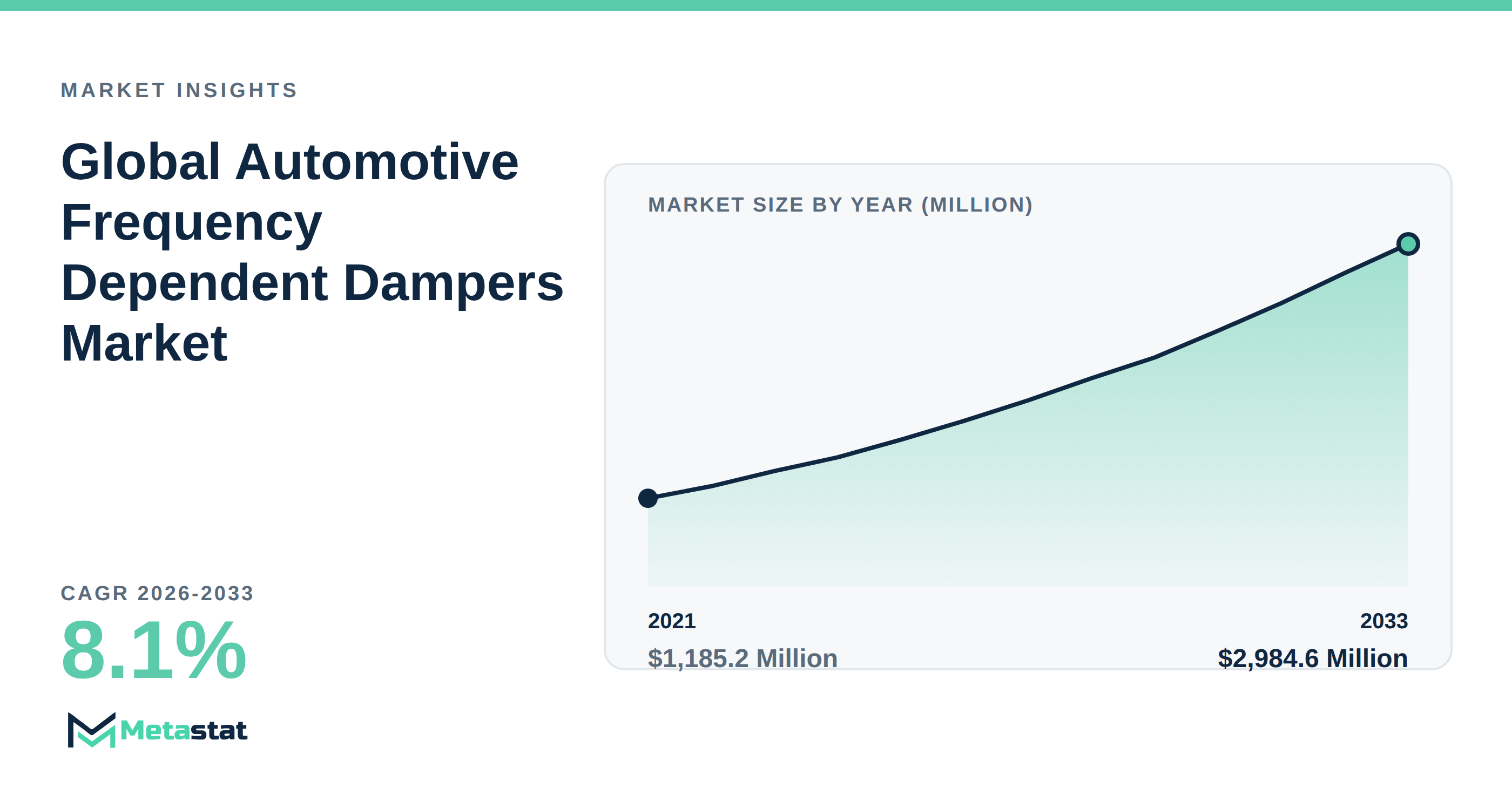
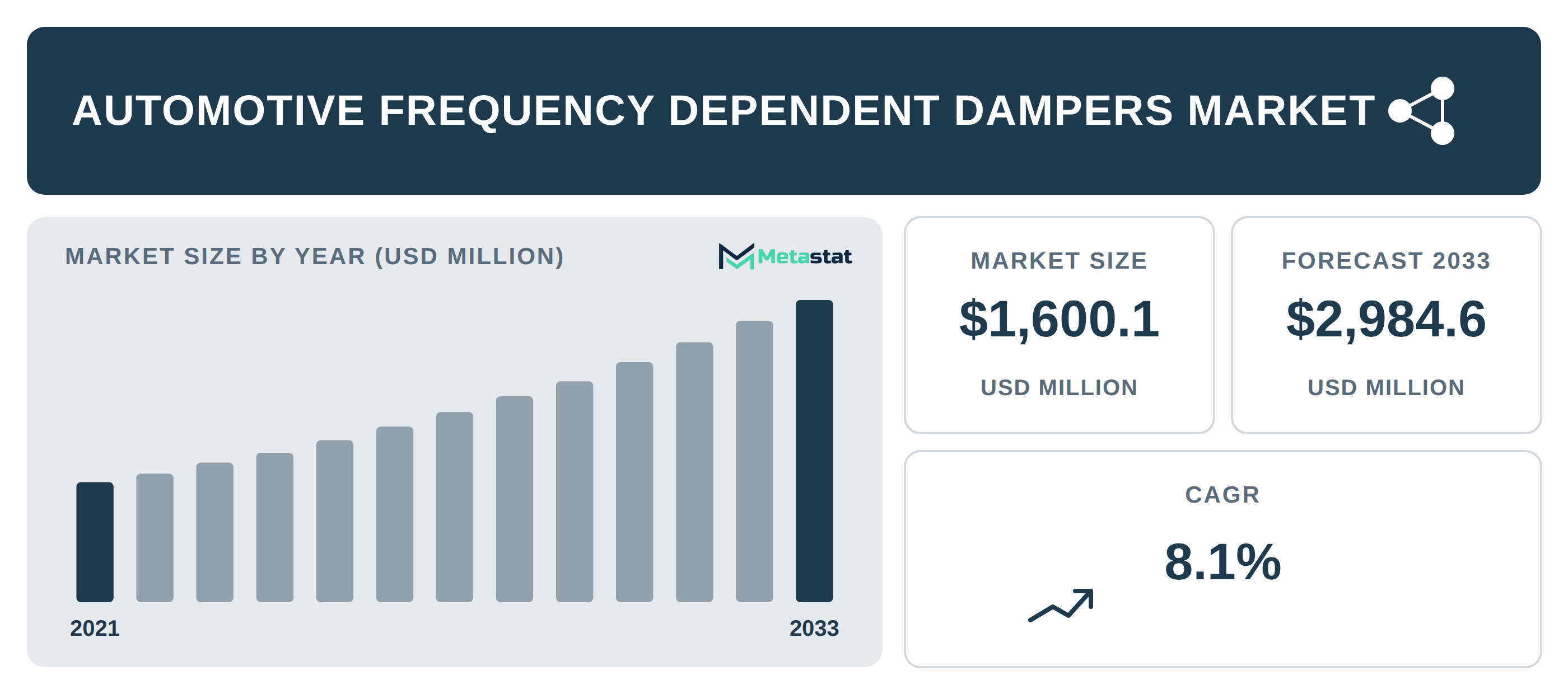
The pricing landscape for Automotive Frequency Dependent Dampers is shaped by various interrelated factors that impact both manufacturers and buyers. Understanding these factors allows stakeholders to navigate the complexities of this segment effectively. Buyers in this market are increasingly concerned with how these elements affect the total cost of ownership and investment over time. For those interested in a detailed overview, refer to our Automotive Frequency Dependent Dampers market size and forecast report.
1. Technological Complexity Drives Costs
The increasing complexity of damper technologies, especially those incorporating solenoid-controlled semi-active systems, significantly affects pricing. These advanced systems offer real-time adaptations to changing road conditions, enhancing vehicle performance. This complexity necessitates higher initial investments in research and development, which manufacturers often pass on to buyers. Consequently, those seeking the latest technology in vehicle performance face elevated costs. Buyers should evaluate the long-term benefits of such investments against the immediate expenses.
2. Material Sourcing Pressures
Rising prices for essential materials, including metals and polymers, exert significant pressure on production costs for Automotive Frequency Dependent Dampers. Manufacturers encounter difficulties sourcing high-quality materials at reasonable prices. This scenario leads to tighter margins, which translate into increased prices for end users. Buyers should consider the long-term implications of material costs when negotiating contracts, as fluctuations could affect their overall expenditure on damping solutions.
3. Market Competition Influences Pricing Strategies
Intense rivalry among key players like KYB Corporation and Tenneco Inc. shapes pricing strategies in the Automotive Frequency Dependent Dampers segment. With multiple firms focusing on advanced damping technologies, competitive pricing becomes essential to attract buyers. Manufacturers often adopt flexible pricing structures, including performance-based contracts, to differentiate themselves in the marketplace. Buyers should leverage this competition to negotiate favorable terms and explore diverse pricing models that suit their operational needs.
4. Consumer Demand for Enhanced Features
The rising consumer demand for vehicles equipped with advanced safety and comfort features significantly impacts pricing. Manufacturers strive to meet these expectations, making the development and integration of frequency-dependent dampers increasingly critical. This growing emphasis on ride comfort and performance leads to higher spending on innovative technologies. Buyers should assess how these features add value to their vehicles, thereby justifying the associated costs in the purchase process.
5. Aftermarket Growth Drives Competitive Pricing
The aftermarket segment for Automotive Frequency Dependent Dampers is expanding, creating additional competitive dynamics that influence pricing. With expectations for high-quality replacements and upgrades, manufacturers are incentivized to offer solutions appealing to consumers looking to enhance their vehicles post-purchase. This growth in demand fosters competition, potentially resulting in more favorable pricing for buyers seeking aftermarket damping solutions. Buyers should stay informed about emerging products and innovations that improve their vehicle's performance.
6. OEM Relationships Shape Pricing Models
Relationships with Original Equipment Manufacturers (OEMs) significantly influence pricing structures within the market for Automotive Frequency Dependent Dampers. Many buyers negotiate fixed-price contracts and performance-based agreements, which offer budget certainty while aligning supplier incentives with vehicle performance outcomes. These collaborative arrangements enhance the buyer's ability to adapt to evolving technological standards and customer demands. Buyers should cultivate strong partnerships with suppliers to ensure they receive competitive pricing and innovative solutions.
7. Regulatory Pressures and Compliance Costs
Regulations surrounding safety and environmental standards affect production costs for Automotive Frequency Dependent Dampers. Compliance with these regulations often necessitates investments in advanced technologies that drive up prices. Buyers should be aware of how regulatory changes impact their procurement strategies and budgeting. By staying informed about forthcoming regulations, buyers better anticipate costs and adjust their purchasing approaches accordingly.
Understanding these key factors will help stakeholders in the Automotive Frequency Dependent Dampers sector navigate pricing complexities. By leveraging insights into technological advancements, material sourcing, market competition, consumer preferences, and aftermarket growth, buyers make informed decisions that align with their operational strategies.
Tags
About the Authors

LEAD ANALYST
Utkarsh Khirodkar is a Lead Market Research Analyst at MetaStat Insight, specializing in market intelligence, technology sector assessments, and competitive strategy.

ENERGY & INFRASTRUCTURE INDUSTRY CONSULTANT
Automotive and Transportation · Electronics and Semiconductor · Energy and Power · Machinery & Equipment
Saurabh Vasant Ganvir consults for Energy & Infrastructure Industry at MetaStat Insight, specializing in renewable energy, solar EPC, and electric vehicle (EV) infrastructure markets.