
Explore the key factors affecting Managed Services pricing, from demand for security to cloud transitions and evolving models.
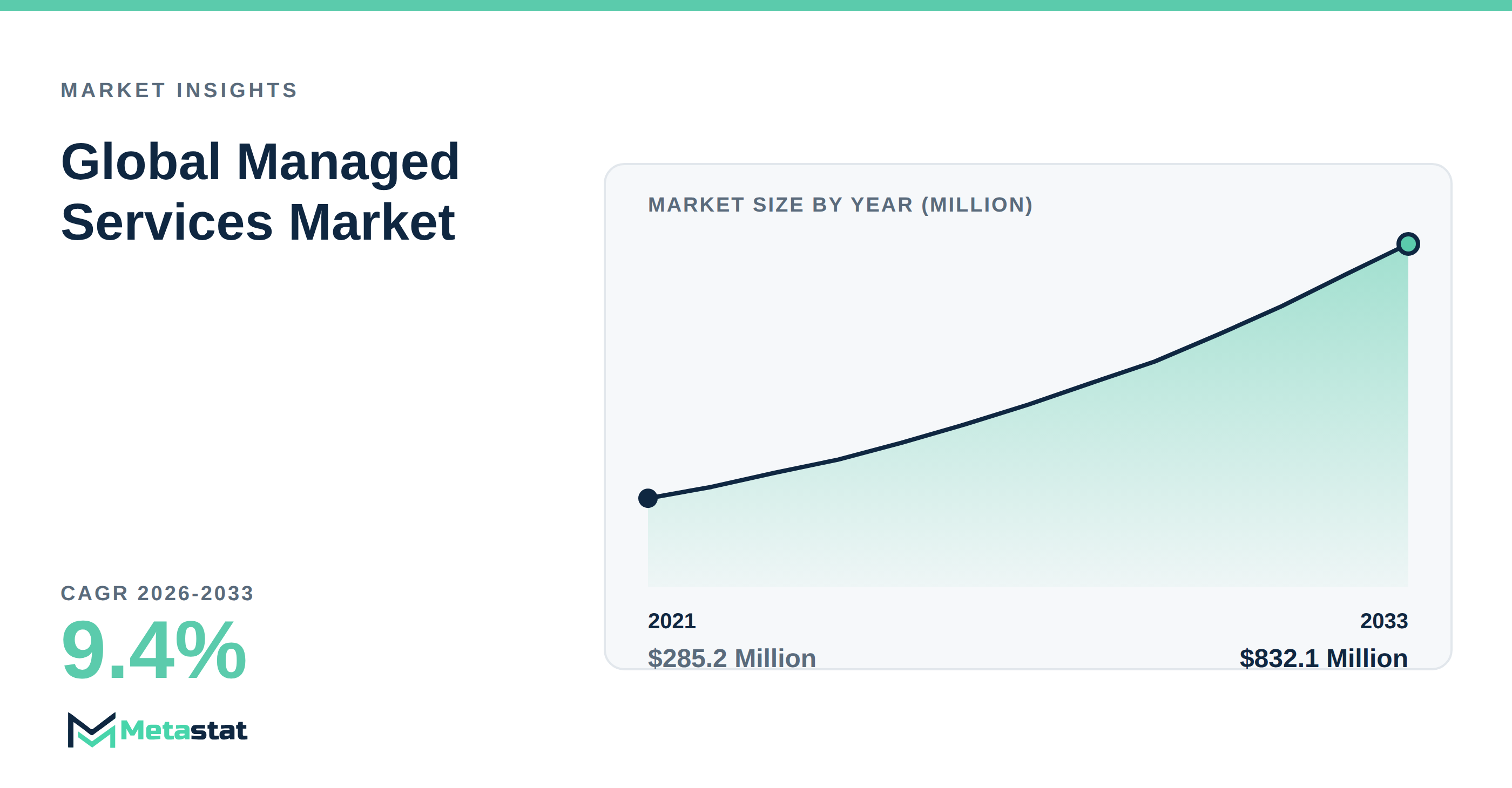
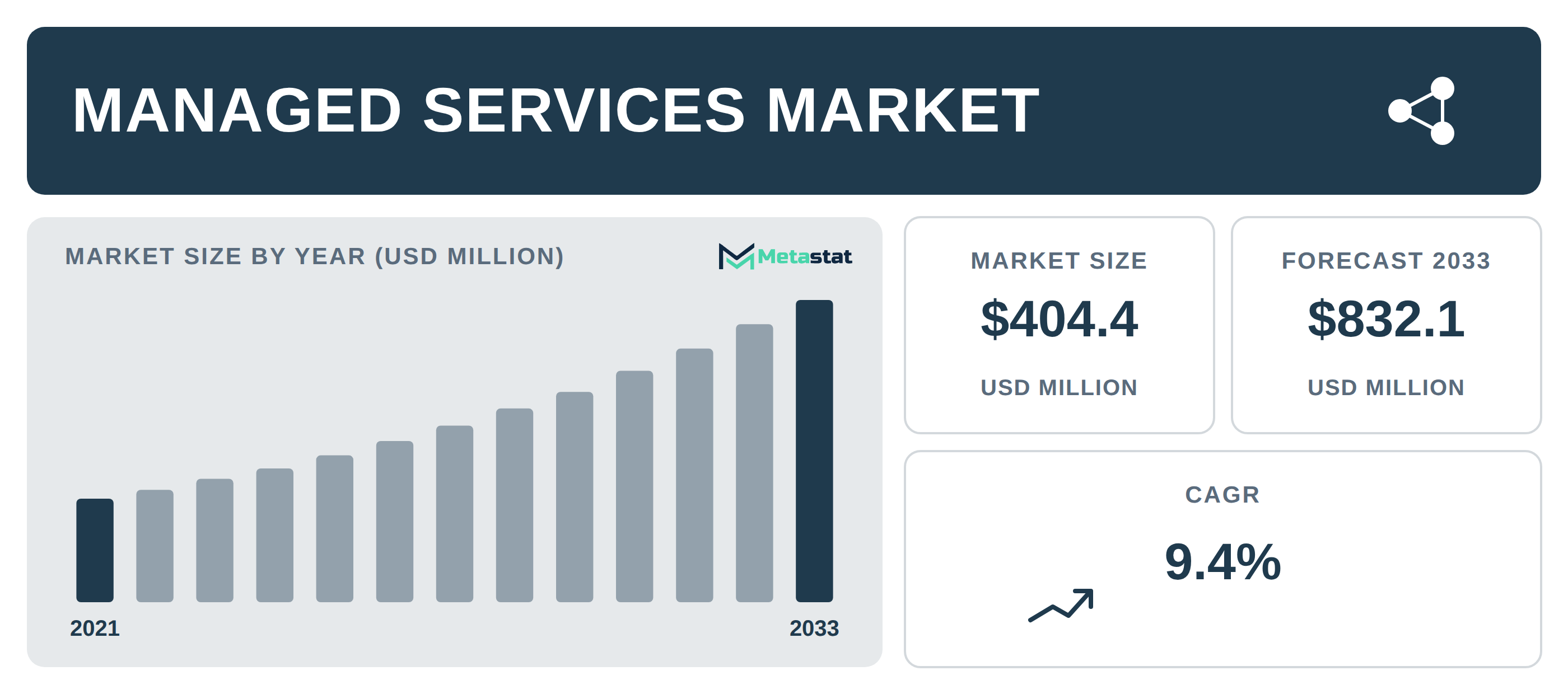
The cost structure of Managed Services is complex, influenced by a range of factors that both buyers and providers navigate. Understanding these elements is essential for organizations aiming to optimize their IT operations and secure advantageous pricing arrangements. This article outlines five key factors driving Managed Services pricing, providing insights into how buyers leverage these influences. For a deeper understanding, refer to the Managed Services market size and forecast report.
1. Demand for Managed Security Services
The rise in cyber incidents significantly influences the need for Managed Security Services. Organizations prioritize robust security solutions to safeguard sensitive data, particularly in sectors including healthcare and finance. This increased focus results in service providers commanding higher prices for security offerings. Businesses recognize the necessity of investing in comprehensive cybersecurity frameworks, and by committing to long-term contracts, they negotiate better terms that balance costs with the level of service provided.
2. Transition to Cloud-Based Solutions
As organizations transition to cloud environments, pricing for Managed Services sees notable shifts. The demand for flexibility and scalability in IT operations drives buyers toward cloud-based alternatives. This trend leads to competitive pricing due to the reduced entry costs associated with cloud services, coupled with providers offering tiered service options. Buyers gain leverage in this scenario, as multiple service providers compete for their business, allowing them to negotiate pricing based on specific needs and desired service levels.
3. Complexity of Hybrid and Multi-Cloud Deployments
The intricacies involved in hybrid and multi-cloud infrastructures complicate the pricing structures for Managed Services. Organizations encountering challenges managing diverse cloud services often turn to outsourcing for IT operations. Providers specializing in managing these complex environments typically reflect their expertise in their pricing. Buyers who clearly articulate their IT challenges leverage this understanding to negotiate favorable deals, emphasizing their specific needs when discussing service agreements.
4. Evolution of Pricing Models
The pricing structures in Managed Services are evolving, with many providers adopting flexible, outcome-based pricing arrangements. Such models align costs with actual service usage and performance, enhancing budget predictability for buyers. The variety in pricing approaches, including subscriptions and tiered service levels, allows buyers the opportunity to select options that cater to their operational requirements and financial constraints. Engaging in discussions surrounding these flexible models lead buyers to lower costs while ensuring they receive adequate services.
5. Talent Costs in Managed Services
Rising talent costs present a considerable challenge within the Managed Services landscape, as providers struggle to attract and retain skilled IT professionals. This situation naturally influences pricing, since increased wage demands lead to higher service fees. Buyers should remain aware of this dynamic and consider investing in long-term partnerships with providers that demonstrate a commitment to training and retention. Such relationships not only improve service delivery but may yield more favorable pricing agreements over time.
Understanding these key factors influencing Managed Services pricing allows buyers to navigate the complexities of procurement more effectively. By leveraging their insights into market dynamics, organizations negotiate better terms and enhance their operational efficiencies.
Tags
About the Authors

LEAD ANALYST
Utkarsh Khirodkar is a Lead Market Research Analyst at MetaStat Insight, specializing in market intelligence, technology sector assessments, and competitive strategy.

PRINCIPAL CONSULTANT - ENTERPRISE AI & EMERGING TECHNOLOGIES
Banking & Finance · Electronics and Semiconductor · Energy and Power · Healthcare IT · Information & Technology · Professional Services
Vijay Gunti is a Principal Consultant at MetaStat Insight, bringing over two decades of experience across enterprise digital transformation, technology strategy, and intelligent systems.

LEAD CONSULTANT - COMMUNICATION, TELECOM, AND IT
Electronics and Semiconductor · Information & Technology · Machinery & Equipment · Professional Services
Ravindra Sathe Consultants for Communication, Telecom, and IT at MetaStat Insight. He leads the firm's industry research initiatives across telecommunications infrastructure, digital connectivity, enterprise networking, and emerging information technology domains.