
Explore five critical factors that influence Order Management Software pricing for businesses aiming to optimize their operations.
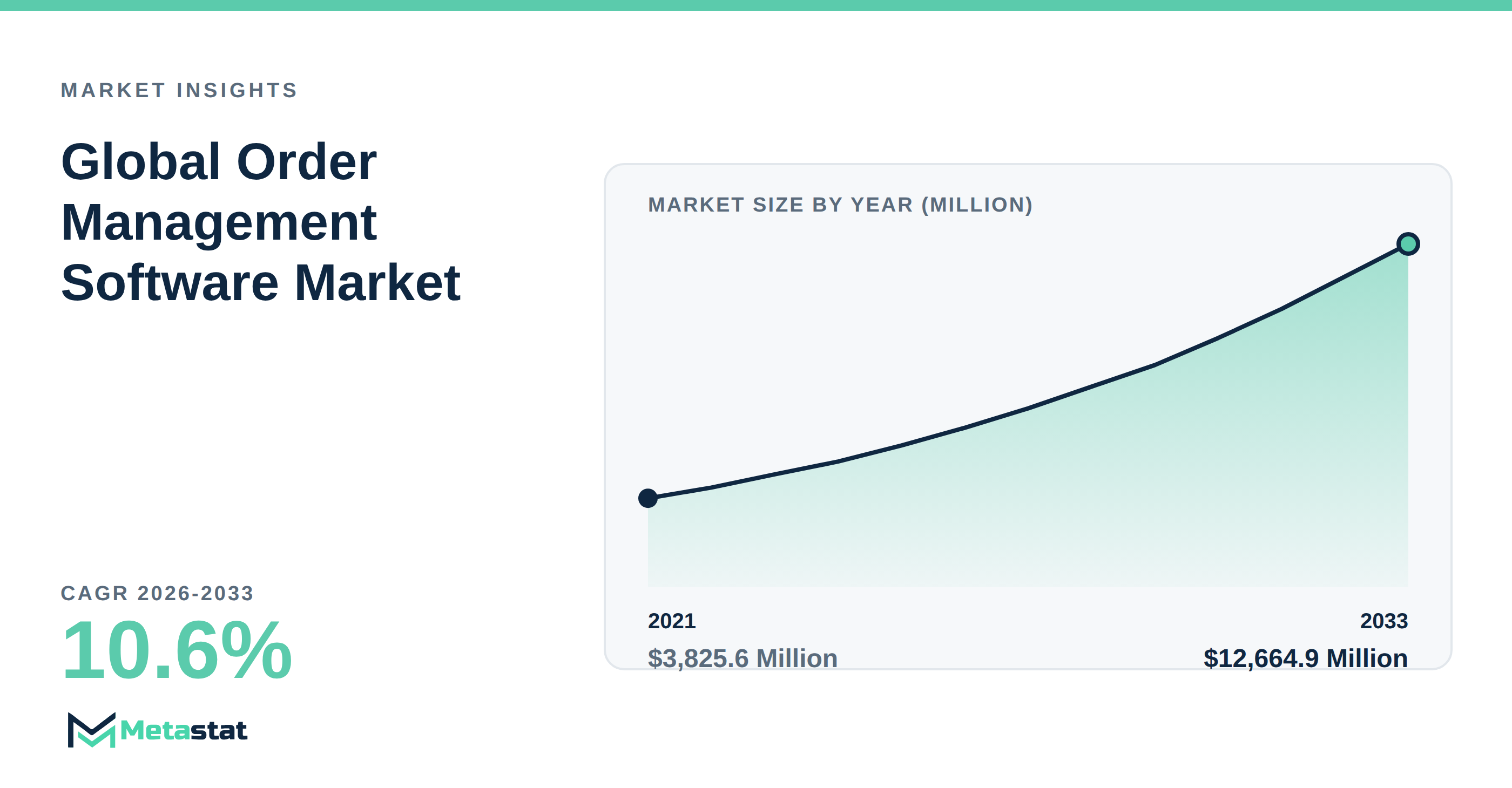
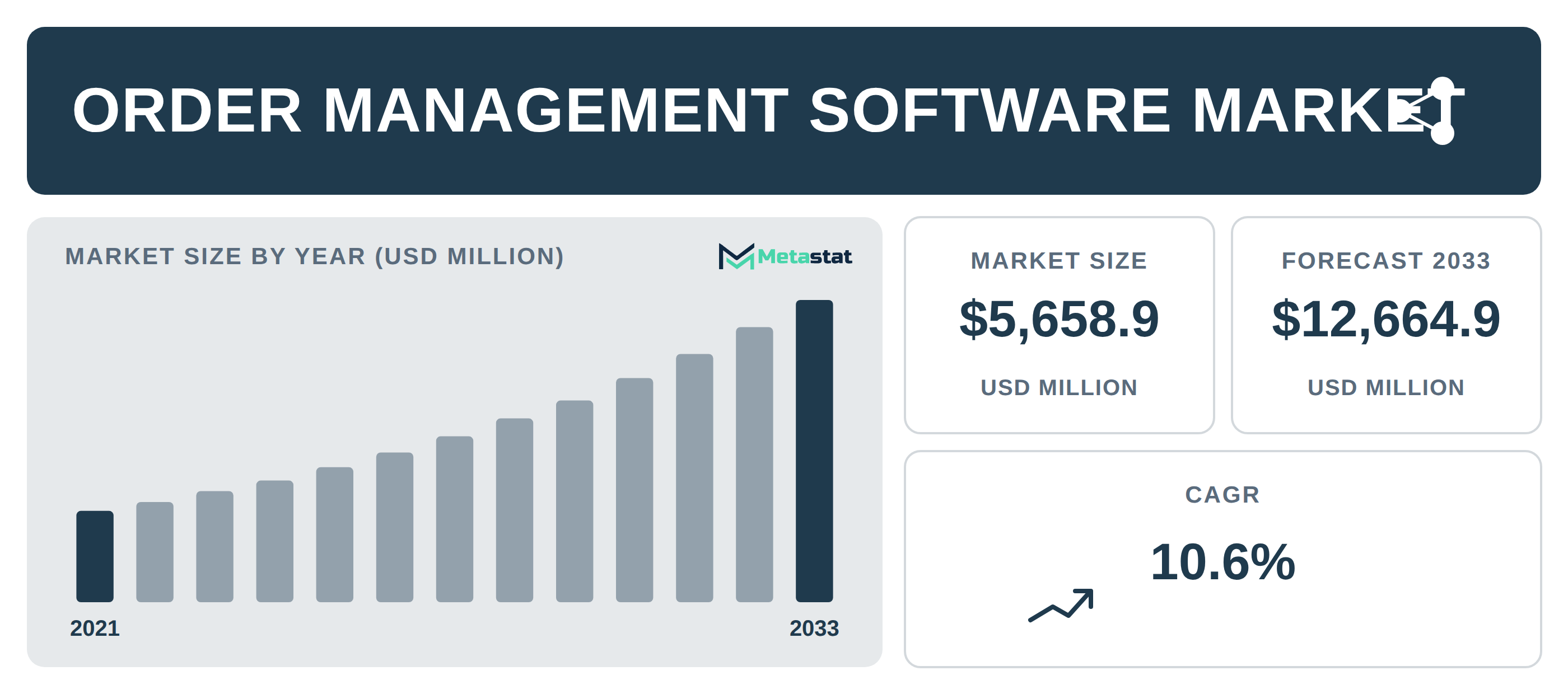
The pricing of Order Management Software is a critical consideration for businesses looking to optimize their order processing capabilities. Understanding the various factors that influence these costs allows organizations to make informed decisions and develop effective strategies for implementing these solutions. For a deeper dive into the dynamics of the market, refer to the Order Management Software market size and forecast report.
1. The complexity of supply chains influences costs
Complex supply chains lead to higher Order Management Software costs. Organizations with intricate supply chains often require advanced software solutions to navigate their unique challenges. This complexity results in higher implementation and maintenance expenses. By opting for tailored solutions, firms address specific operational demands while managing costs effectively. Understanding these intricacies helps buyers negotiate better pricing structures, ensuring they invest wisely in the software that meets their needs.
2. The shift to cloud-based solutions affects pricing
Cloud-based Order Management Software solutions generally present lower upfront costs compared to traditional on-premises systems. As businesses increasingly adopt cloud options for their flexibility and scalability, pricing models shift towards subscription-based structures. This transition allows organizations to align their expenses with operational growth, making cloud solutions appealing. The choice between cloud and on-premises solutions significantly impacts overall software pricing and should be a central consideration for decision-makers evaluating their options.
3. Customization requirements drive up costs
Customization needs play a crucial role in determining the cost of Order Management Software. Organizations that require specific functionalities to meet their operational demands often face higher pricing. Custom solutions entail additional development time and resources, leading to increased expenses. Buyers seeking tailored features should assess their requirements and understand the trade-offs between customization and off-the-shelf solutions, as this directly influences their overall costs and potential savings.
4. Professional services add to total software costs
Investing in professional services, including consulting and implementation support, constitutes a significant part of the total cost of Order Management Software. Organizations that opt for these services enhance their software implementation and efficiency, yet this increases overall expenses. Engaging in professional services proactively leads to more effective integration and utilization of the software. Therefore, businesses should evaluate the potential return on investment of these services against the associated costs, balancing efficiency with budget constraints.
5. Vendor reputation influences pricing models
The reputation of the software vendor often influences pricing dynamics. Established companies like IBM and Oracle tend to command higher prices due to their comprehensive solutions and ongoing support. In contrast, emerging vendors often offer competitive pricing to attract clients. Organizations evaluate their priorities - whether they value reliability from established firms or cost-effectiveness from newer players - to determine how vendor reputation affects their purchasing decisions and overall cost considerations.
Understanding these critical factors provides valuable insights into Order Management Software pricing. Companies that recognize how supply chain complexity, deployment models, customization needs, professional services, and vendor reputation shape pricing dynamics approach their software purchases strategically. This awareness ultimately leads to enhanced operational efficiency and improved customer satisfaction.
Tags
About the Authors

LEAD ANALYST
Utkarsh Khirodkar is a Lead Market Research Analyst at MetaStat Insight, specializing in market intelligence, technology sector assessments, and competitive strategy.

PRINCIPAL CONSULTANT - ENTERPRISE AI & EMERGING TECHNOLOGIES
Banking & Finance · Electronics and Semiconductor · Energy and Power · Healthcare IT · Information & Technology · Professional Services
Vijay Gunti is a Principal Consultant at MetaStat Insight, bringing over two decades of experience across enterprise digital transformation, technology strategy, and intelligent systems.

LEAD CONSULTANT - COMMUNICATION, TELECOM, AND IT
Electronics and Semiconductor · Information & Technology · Machinery & Equipment · Professional Services
Ravindra Sathe Consultants for Communication, Telecom, and IT at MetaStat Insight. He leads the firm's industry research initiatives across telecommunications infrastructure, digital connectivity, enterprise networking, and emerging information technology domains.