
Explore the key trends reshaping High-Precision 3D Mapping, influencing decision-making and operational efficiencies across industries.
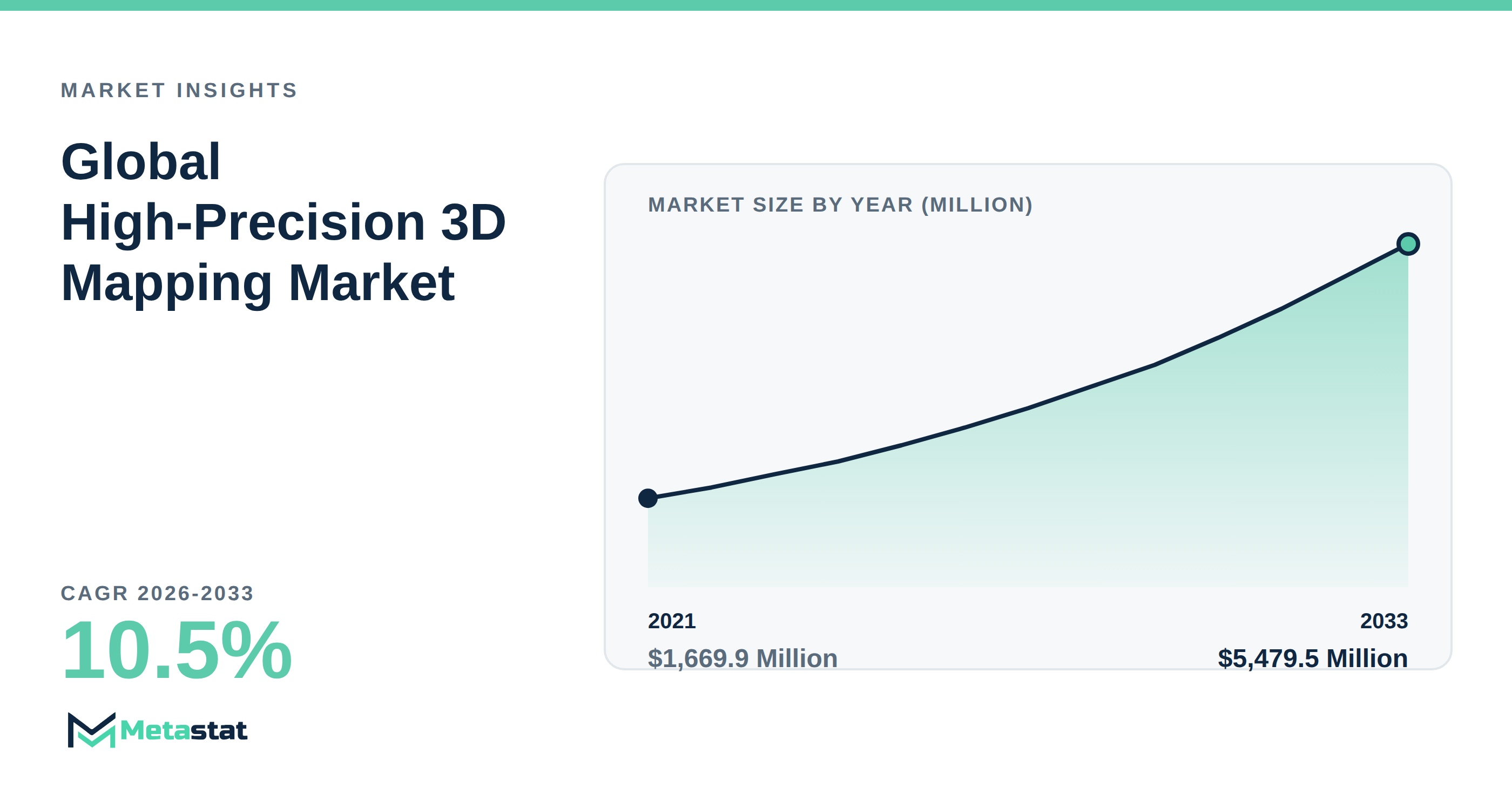
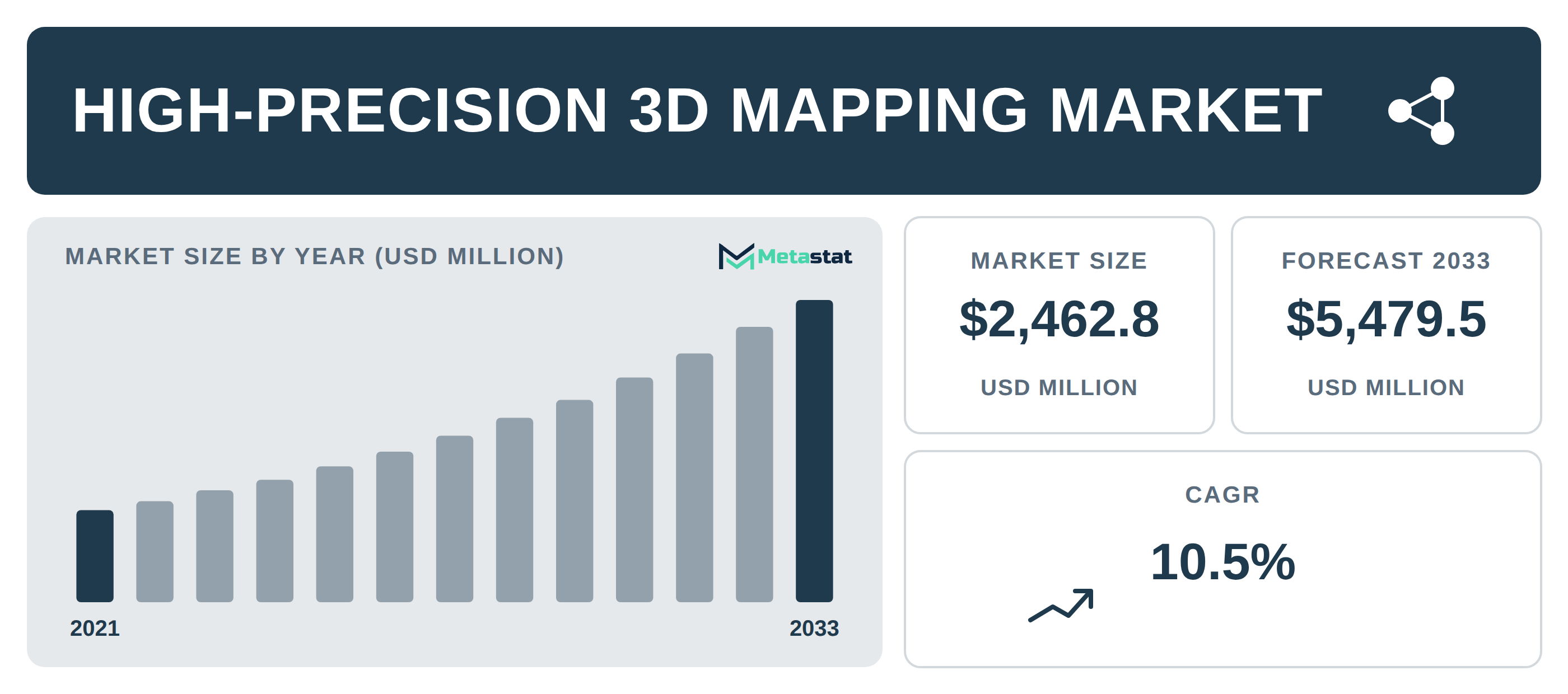
The demand for high-precision 3D mapping is shifting, influenced by technological advancements and evolving industry requirements. This blog highlights key trends reshaping High-Precision 3D Mapping and explains their impact on buyers in various sectors. For a deeper understanding of the current state of the market for High-Precision 3D Mapping, refer to our High-Precision 3D Mapping market size and forecast report.
1. Increased Adoption in the Automotive Sector
The automotive and mobility industries significantly invest in high-precision mapping technologies to enhance navigation systems and support autonomous vehicle applications. The heightened demand for accurate real-time data drives investment in mapping solutions, which directly impacts operational efficiency. While manufacturers strive to create safer and more reliable vehicles, the push for advanced mapping solutions intensifies. Buyers in this sector prioritize technology integration to remain competitive and capitalize on the growing demand for precision in transportation.
2. Integration of Multi-Sensor Technologies
Integrating multi-sensor technologies into 3D mapping significantly enhances data accuracy and reliability. By combining information from various sources, including LiDAR and photogrammetry, organizations achieve superior mapping outputs that are crucial for urban planning and construction. This trend encourages buyers to seek comprehensive mapping solutions for optimized workflows and decision-making. Investing in multi-sensor systems enables companies to respond to evolving project requirements and improve operational efficiencies, thereby gaining a competitive advantage.
3. Recurring Map Updates and Data Licensing
Recurring map updates and data licensing have become vital in high-precision 3D mapping, especially for sectors like automotive navigation and infrastructure. Subscription models provide an efficient way for companies to access updated mapping data, ensuring they remain competitive. This approach reduces upfront costs while facilitating access to crucial information for decision-making. Buyers should consider flexibility in contract terms and pricing when selecting data providers, ensuring alignment with their operational needs.
4. LiDAR-Based Mapping Technologies on the Rise
LiDAR-based mapping is experiencing significant growth, driven by its applications in autonomous vehicles and infrastructure projects. The demand for detailed environmental data increases the value of accurate LiDAR mapping solutions. Companies looking to leverage this trend invest in LiDAR technology to maintain a competitive edge in their respective industries, particularly those focused on smart city initiatives and advanced navigation systems.
5. Survey Control and Positional Accuracy Drive Value
High-precision 3D mapping technologies are essential for developing precise and interoperable digital twins. Enhanced positional accuracy influences applications across sectors, including automotive and construction. Buyers focusing on survey control practices benefit from improved mapping quality, leading to better integration across platforms. Prioritizing positional accuracy allows organizations to enhance operational efficiency and decision-making, which is increasingly important in technology-driven environments.
6. Rising Costs Affect Accessibility for Smaller Buyers
Increasing costs related to software licensing and hardware procurement create challenges for smaller enterprises in sectors like architecture and construction. Budget constraints slow adoption rates, leading to fewer orders and delayed project timelines. Buyers often develop strategies to overcome these financial barriers, including exploring partnerships or transitioning to flexible pricing models that better accommodate their mapping needs.
7. Demand for Accuracy in Indoor Mapping
Indoor mapping is gaining traction, fueled by the rise in smart building technologies and the demand for precise navigation across various industries. Accurate indoor positioning systems are essential for enhancing user experience and operational efficiency. Organizations focusing on indoor mapping should invest in high-precision solutions that address specific user needs, positioning themselves to leverage the growing expectations for detailed indoor navigation.
As technology evolves and industries embrace high-precision mapping, the trends discussed highlight crucial aspects that buyers should consider. Understanding these shifts allows stakeholders to make informed decisions and capitalize on the opportunities presented in this changing landscape.
Tags
About the Authors

LEAD ANALYST
Utkarsh Khirodkar is a Lead Market Research Analyst at MetaStat Insight, specializing in market intelligence, technology sector assessments, and competitive strategy.

INDUSTRY CONSULTANT - CHEMICALS & ADVANCED MATERIALS
Chemicals and Materials · Machinery & Equipment · Packaging
Amit Gadhekar Consultant for Chemicals and Materials at MetaStat Insight, directing sector-specific intelligence, research, and strategic consulting across global chemical and processing markets.

PRINCIPAL CONSULTANT - QUALITY SYSTEMS & COMPLIANCE
Electronics and Semiconductor · Machinery & Equipment · Professional Services
Omkar Phadtare is an Industry Consultant at MetaStat Insight, specializing in quality systems, regulatory compliance, and standards benchmarking to drive data-driven market intelligence and strategic industry research.

ENERGY & INFRASTRUCTURE INDUSTRY CONSULTANT
Automotive and Transportation · Electronics and Semiconductor · Energy and Power · Machinery & Equipment
Saurabh Vasant Ganvir consults for Energy & Infrastructure Industry at MetaStat Insight, specializing in renewable energy, solar EPC, and electric vehicle (EV) infrastructure markets.

LEAD CONSULTANT - COMMUNICATION, TELECOM, AND IT
Electronics and Semiconductor · Information & Technology · Machinery & Equipment · Professional Services
Ravindra Sathe Consultants for Communication, Telecom, and IT at MetaStat Insight. He leads the firm's industry research initiatives across telecommunications infrastructure, digital connectivity, enterprise networking, and emerging information technology domains.