
Explore five key trends reshaping the market for India Air Purifier, including health awareness, advanced filtration technologies, and more.
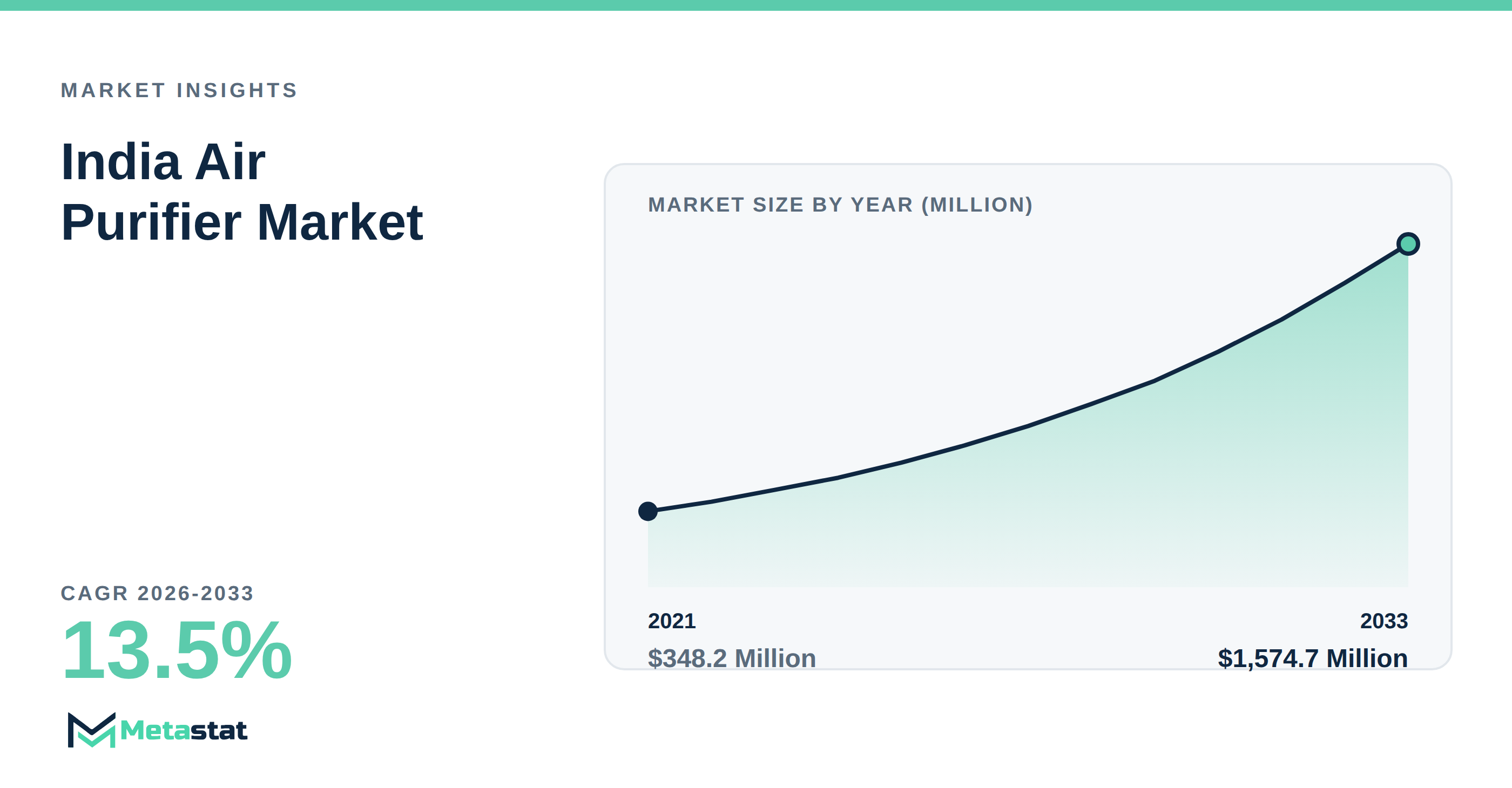
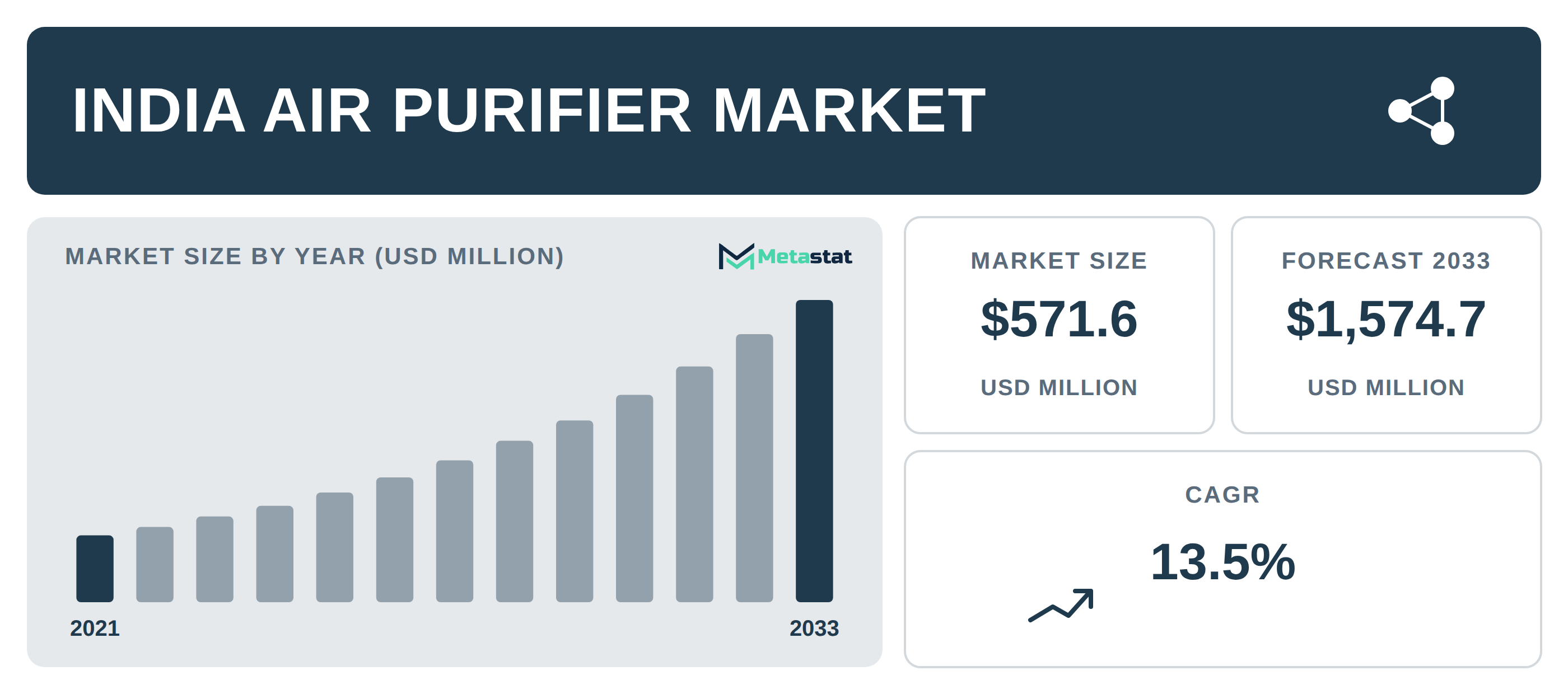
The market for India Air Purifier is evolving rapidly, driven by various factors that significantly influence consumer behavior and demand. Understanding these trends is crucial for buyers and operators looking to navigate this landscape effectively. Some key India Air Purifier trends include advancements in filtration technology and the growing shift towards year-round air quality management. The full figures are in our India Air Purifier market size and forecast report.
1. Increased Health Awareness Driving Demand for Clean Air
Health consciousness is leading more consumers to invest in air purification solutions. Heightened pollution levels and the rising incidence of respiratory diseases have increased awareness of air quality issues. This trend is observable in households, offices, and healthcare environments, where the priority is to maintain a healthy indoor atmosphere. Consumers recognize that clean air solutions contribute significantly to their overall well-being, influencing purchasing decisions across various segments.
2. Transition to Continuous Indoor Air Quality Management
In Tier-1 metro areas, there is a noticeable shift from seasonal strategies aimed at combating smog to a broader focus on maintaining indoor air quality year-round. This change reflects a more profound understanding of how air quality affects health and daily life. Consequently, consumers are increasingly opting for advanced solutions, including mechanical filtration technologies that provide continuous air cleaning. Manufacturers are responding to this trend by innovating and expanding their product lines to meet the demands of proactive consumers.
3. Growing Demand for Advanced Filtration Technologies
The market has seen a notable rise in the preference for HEPA and carbon hybrid filtration systems, primarily driven by concerns about particulate matter (PM2.5) and volatile organic compounds (VOCs). These filtration technologies effectively capture fine particles and various pollutants, making them highly desirable among consumers. Buyers are gravitating toward solutions with proven effectiveness in improving indoor air quality, influencing their choices in both residential and commercial settings.
4. Smart Technology Integration Enhancing User Experience
The incorporation of smart technologies into air purifiers is significantly improving user experience. Devices equipped with Wi-Fi, Bluetooth, and voice assistant features are becoming increasingly popular among tech-savvy consumers. The demand for these connectivity options allows users to easily monitor and manage their indoor air quality. In response, manufacturers are concentrating on developing air purification solutions that seamlessly integrate into smart home environments, enhancing their appeal and overall marketability.
5. Economic Factors Affecting Purchasing Decisions
Initial costs associated with air purifiers often pose a challenge, particularly for residential consumers in lower-income segments. Price sensitivity affects buying behavior, leading to a preference for more cost-effective options. Manufacturers are under pressure to deliver affordable yet quality solutions without compromising innovation. This competitive environment results in pricing challenges, which influence market dynamics and the potential for growth.
Understanding these India Air Purifier trends is essential for stakeholders within the space. Consumers are actively seeking innovative, effective, and affordable solutions to address their air quality concerns. This creates opportunities for manufacturers and suppliers to cater to these evolving demands and enhance their market positioning.
Tags
About the Author

LEAD ANALYST
Utkarsh Khirodkar is a Lead Market Research Analyst at MetaStat Insight, specializing in market intelligence, technology sector assessments, and competitive strategy.