
The Smart Mining sector is undergoing a transformation powered by advanced technologies and changing demands. Here are five key trends driving this evolution.
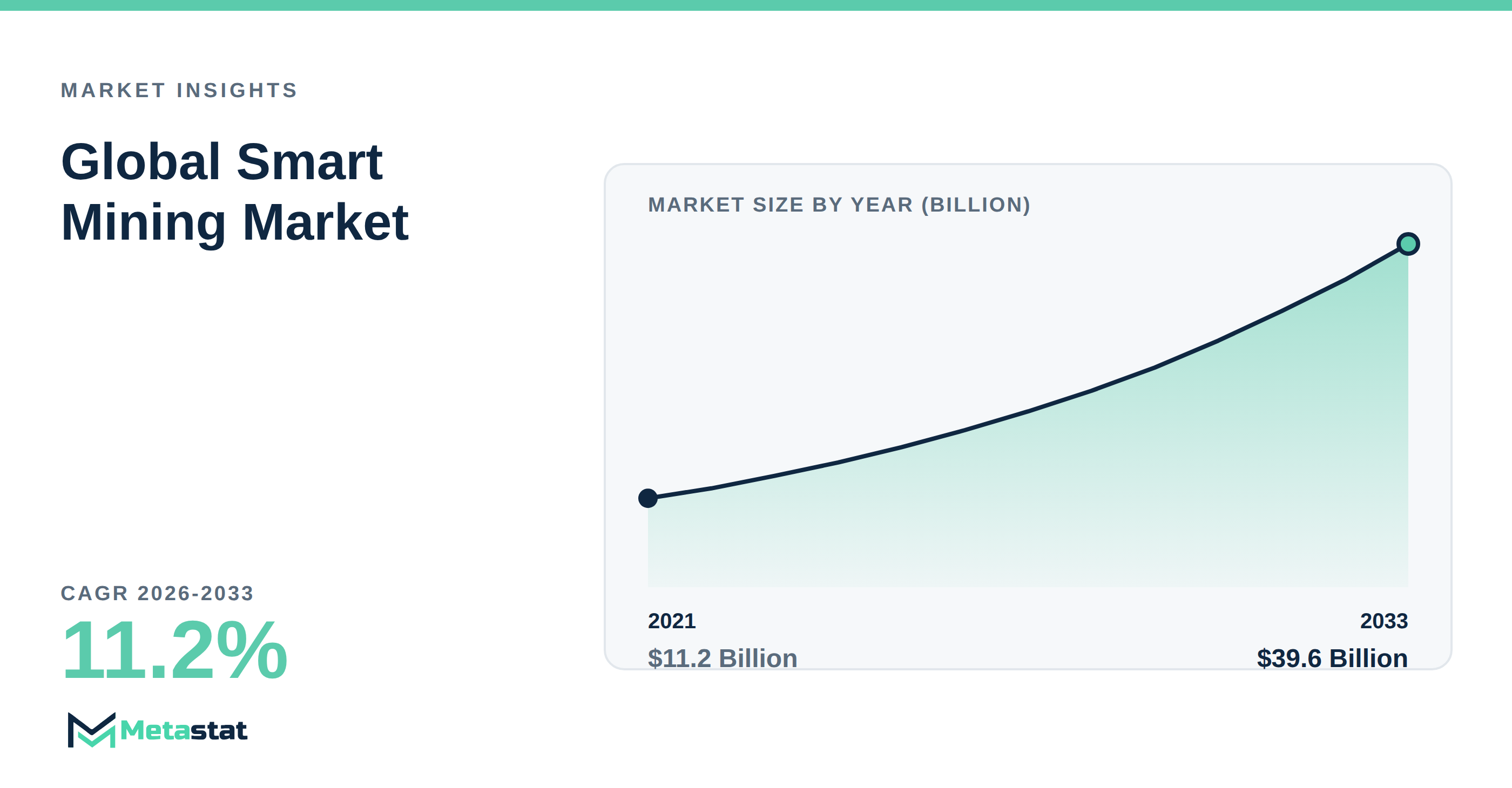
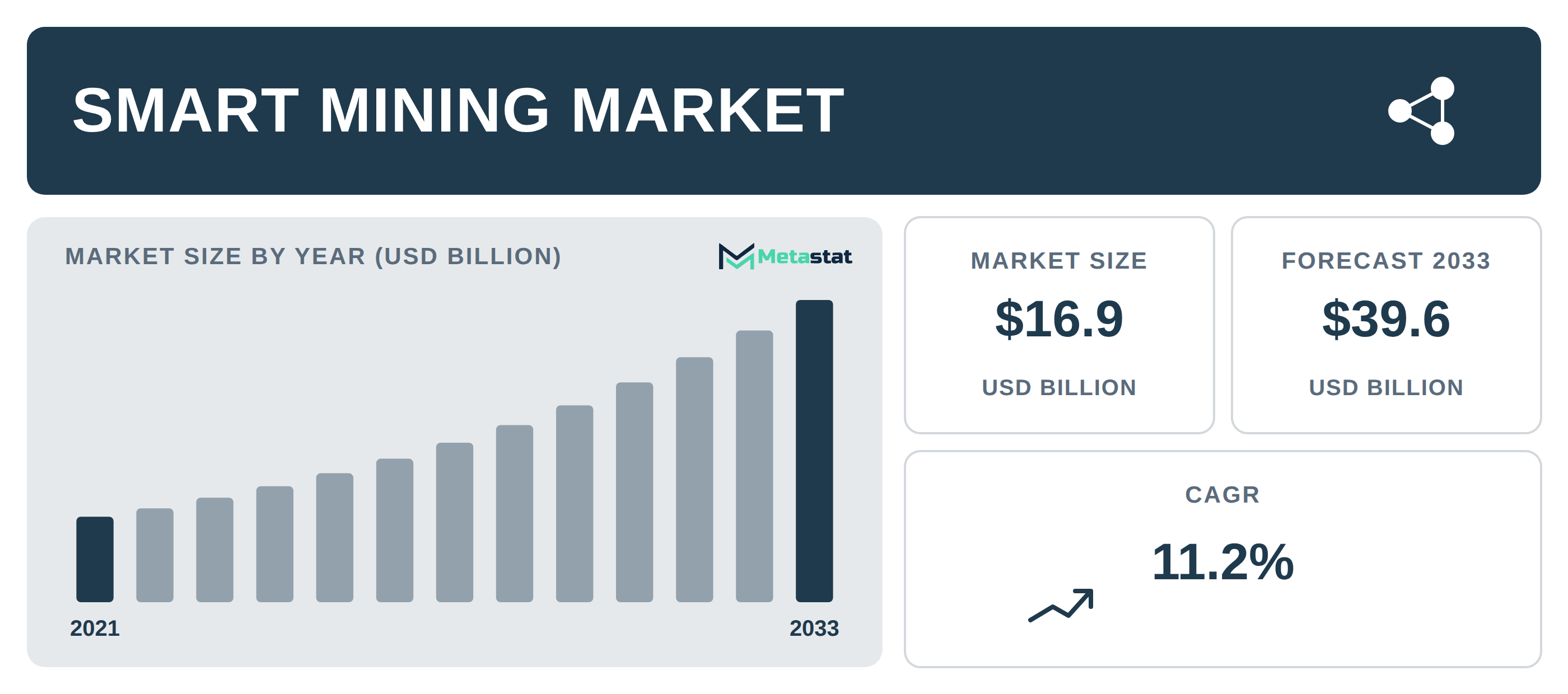
The landscape of mining operations is shifting as technologies advance and the demand for efficiency grows. This evolution is driven by various factors that are reshaping the industry and influencing purchasing decisions. Understanding these Smart Mining trends is essential for industry stakeholders looking to maximize their investments in Smart Mining solutions. Below are five key trends that are making a significant impact in the Smart Mining sector. The full figures are in our Smart Mining market size and forecast report.
1. The rise of automation in mining operations
Automation has emerged as a significant trend in the mining sector, enhancing operational effectiveness and reducing labor costs. Companies increasingly invest in advanced systems that integrate automated processes for tasks including drilling, hauling, and material transport. This transition allows for real-time monitoring and decision-making, leading to higher productivity and improved safety standards. The focus on minimizing human error and operational risks drives the push for fully automated solutions, particularly in underground mining, where conditions often pose challenges.
2. Integration of IoT technologies for enhanced connectivity
The adoption of Internet of Things (IoT) technologies is reshaping data collection and analysis within mining operations. By facilitating real-time data exchange among equipment, IoT solutions enable operators to optimize workflows and resource allocation. This connectivity supports proactive maintenance strategies, significantly decreasing unexpected failures and associated costs. Mining companies that leverage IoT capabilities gain increased operational visibility and improved overall efficiency, making this trend vital within the sector.
3. Growing emphasis on sustainability and compliance
With environmental regulations tightening, the emphasis on sustainable mining practices has become more pronounced. Companies are increasingly required to adopt technologies that enhance productivity while minimizing their environmental impact. Investments in smart technologies that improve resource management and waste reduction are essential for compliance with stringent regulations. This shift toward sustainable practices reshapes procurement strategies, compelling mining companies to prioritize technologies that align with their environmental goals.
4. Development of advanced predictive maintenance strategies
Predictive maintenance is gaining traction as mining companies strive to enhance equipment reliability and reduce downtime. By applying data analytics and machine learning to anticipate equipment failures, operators schedule maintenance proactively, extending the lifespan of critical machinery. This transition from reactive to preventive maintenance contributes to smoother operations and substantial cost savings. Companies embracing predictive maintenance position themselves better to optimize performance and increase profitability in a competitive landscape.
5. Adoption of AI-driven analytics for decision-making
Artificial intelligence (AI) significantly impacts decision-making processes within the mining sector. By employing AI-driven analytics, companies obtain valuable insights into operational performance, resource allocation, and market trends. These insights support strategic planning and help mining operations enhance efficiency while controlling costs. The increasing reliance on AI technologies reveals a significant trend toward data-driven decision-making, positioning companies to respond swiftly to evolving market dynamics and operational challenges.
These trends collectively underscore the ongoing transformation within mining operations. While the industry embraces technology, companies that adapt to these changes will gain a competitive advantage. Understanding and leveraging these Smart Mining trends fosters improved efficiency, sustainability, and profitability.
Tags
About the Authors

LEAD ANALYST
Utkarsh Khirodkar is a Lead Market Research Analyst at MetaStat Insight, specializing in market intelligence, technology sector assessments, and competitive strategy.

INDUSTRY CONSULTANT - CHEMICALS & ADVANCED MATERIALS
Chemicals and Materials · Machinery & Equipment · Packaging
Amit Gadhekar Consultant for Chemicals and Materials at MetaStat Insight, directing sector-specific intelligence, research, and strategic consulting across global chemical and processing markets.

PRINCIPAL CONSULTANT - QUALITY SYSTEMS & COMPLIANCE
Electronics and Semiconductor · Machinery & Equipment · Professional Services
Omkar Phadtare is an Industry Consultant at MetaStat Insight, specializing in quality systems, regulatory compliance, and standards benchmarking to drive data-driven market intelligence and strategic industry research.

ENERGY & INFRASTRUCTURE INDUSTRY CONSULTANT
Automotive and Transportation · Electronics and Semiconductor · Energy and Power · Machinery & Equipment
Saurabh Vasant Ganvir consults for Energy & Infrastructure Industry at MetaStat Insight, specializing in renewable energy, solar EPC, and electric vehicle (EV) infrastructure markets.

LEAD CONSULTANT - COMMUNICATION, TELECOM, AND IT
Electronics and Semiconductor · Information & Technology · Machinery & Equipment · Professional Services
Ravindra Sathe Consultants for Communication, Telecom, and IT at MetaStat Insight. He leads the firm's industry research initiatives across telecommunications infrastructure, digital connectivity, enterprise networking, and emerging information technology domains.