
Explore the key trends reshaping the Automotive Digital Cockpit landscape, including advancements in infotainment, the rise of electric vehicles, and more.
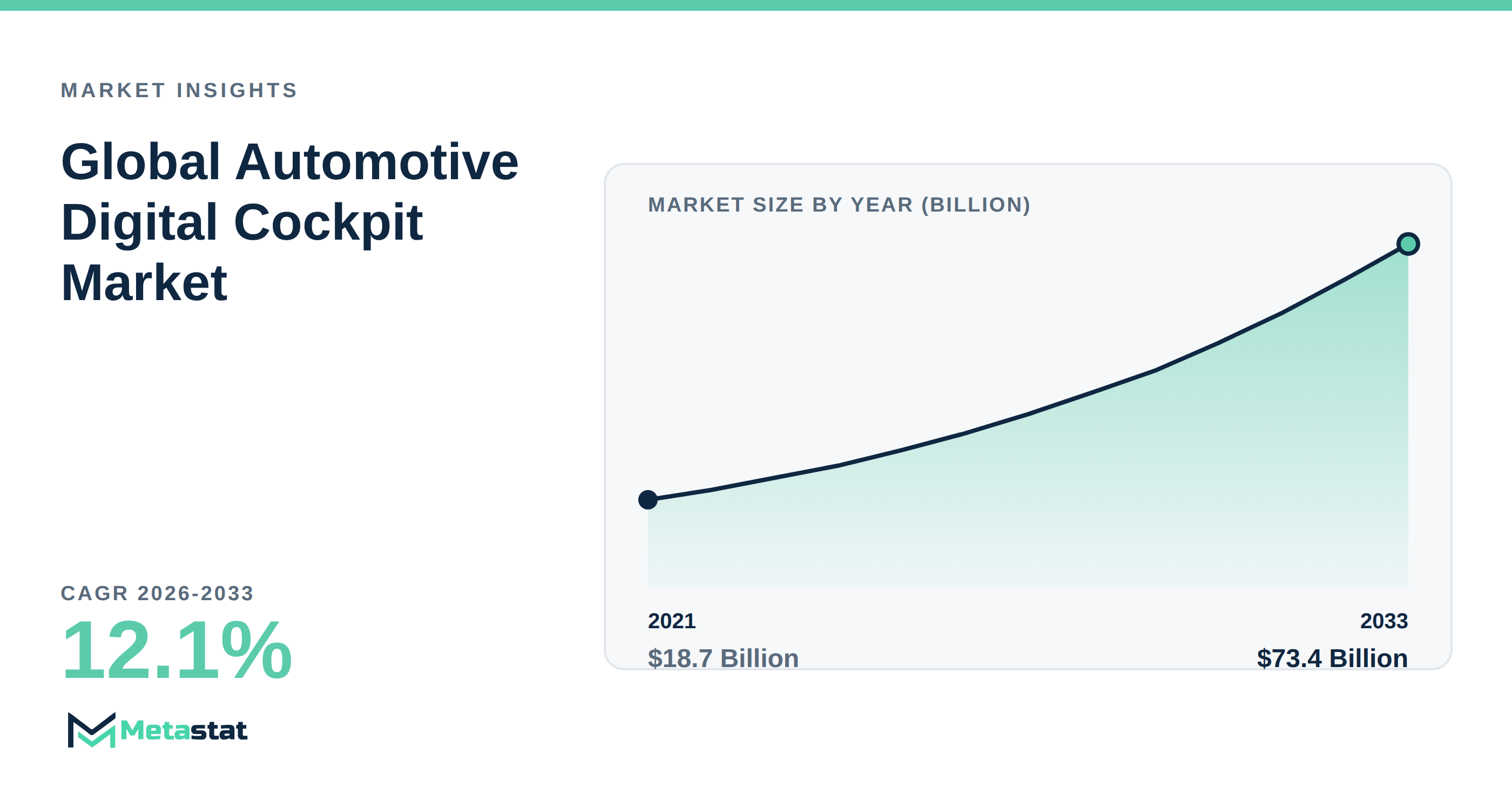
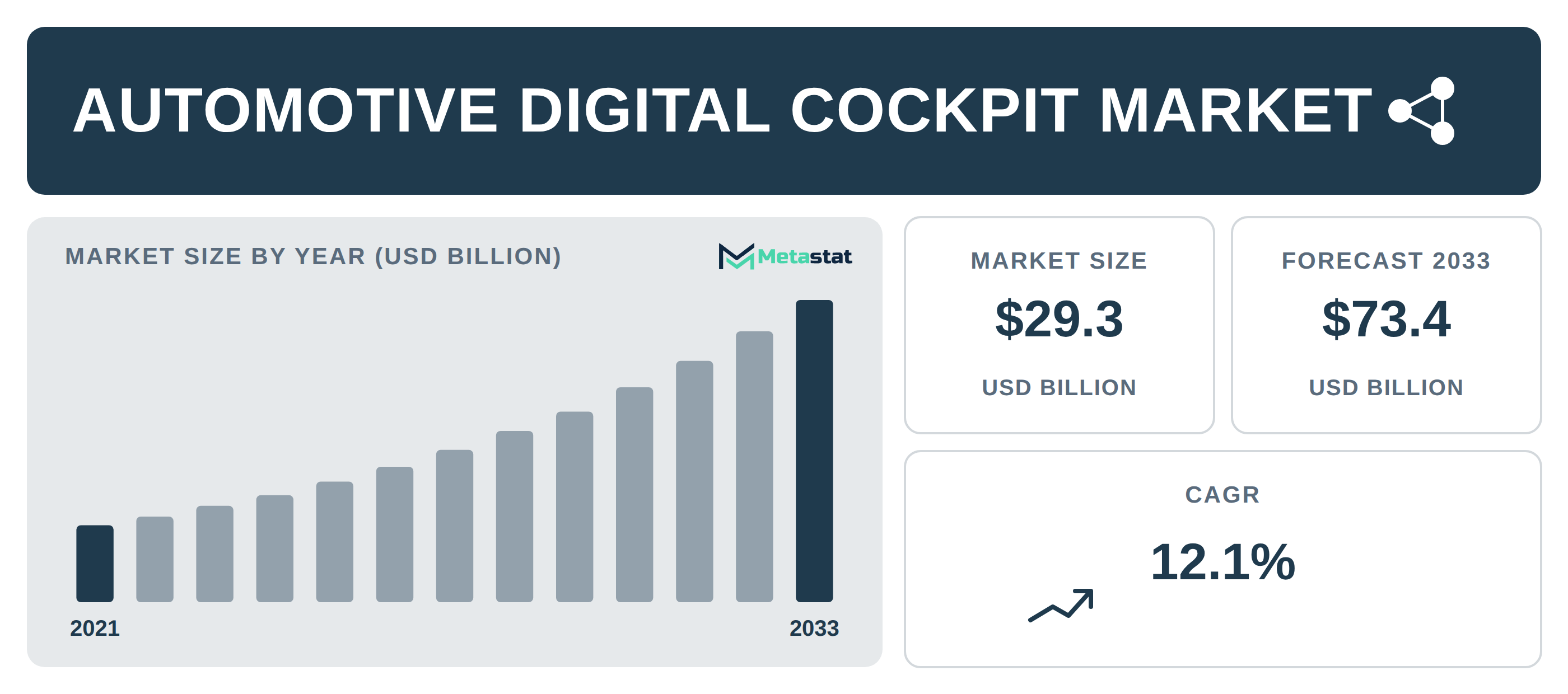
The Automotive Digital Cockpit industry is undergoing significant transformation, driven by various trends that reshape buyer demand and influence purchasing decisions. Understanding these trends is crucial for stakeholders looking to navigate this evolving landscape effectively. The latest research highlights several key trends, each with distinct implications for manufacturers and consumers alike. The full figures are in our Automotive Digital Cockpit market size and forecast report.
1. Growing adoption of battery electric vehicles
Battery electric vehicles (BEVs) are expected to significantly impact the demand for advanced cockpit technologies. With a projected valuation of USD 26.1 billion by 2033, the rise of BEVs reflects shifting consumer preferences towards sustainable transportation. This trend compels manufacturers to integrate innovative digital cockpit solutions that provide enhanced features like real-time battery management and connectivity. The transition towards electrification meets regulatory sustainability goals while aligning with consumer desires for advanced technological integration in vehicles, ultimately transforming the in-car experience.
2. Emphasis on infotainment and user engagement
The demand for sophisticated infotainment systems continues to shape the Automotive Digital Cockpit landscape. Infotainment and center display systems are expected to reach a valuation of USD 23.1 billion by 2033, driven by consumer preferences for high-quality multimedia interfaces. This trend encourages manufacturers to invest in advanced technologies that enhance driver and passenger engagement through improved connectivity and entertainment options. By prioritizing user engagement, automotive companies gain a competitive advantage, resulting in increased customer satisfaction and loyalty.
3. Increased focus on driver monitoring systems
Driver monitoring and occupant safety have gained prominence in the design of modern cockpits. With a projected value of USD 14.1 billion by 2033, these systems enhance safety by monitoring driver alertness and engagement. Manufacturers recognize the importance of integrating such functionalities to meet both regulatory requirements and consumer expectations. Improving safety features builds buyer confidence while creating a more personalized driving experience, appealing to technology-focused consumers seeking enhanced vehicle safety.
4. Domain controller consolidation for efficiency
Integrating multiple electronic functions into a single domain controller is becoming standard practice within Automotive Digital Cockpit architectures. This strategy simplifies system design and improves vehicle performance, with the value attributed to cockpit domain controllers anticipated to reach USD 14.1 billion by 2033. By optimizing resources and reducing hardware complexity, manufacturers decrease production costs while enhancing overall functionality. This consolidation trend ultimately supports the industry's push towards innovative digital cockpit solutions that address changing consumer preferences.
5. Rise of panoramic displays and AR head-up displays
The integration of panoramic displays and augmented reality (AR) head-up displays is reshaping driver interaction with vehicle information. This innovative technology drives demand for bundled offerings, allowing consumers to select integrated cockpit solutions that enhance the overall driving experience. By implementing tiered pricing strategies that align with vehicle features, manufacturers cater to diverse consumer needs while simplifying the purchasing process. Enhanced visual experiences boost customer satisfaction, leading to increased brand loyalty and retention.
6. Influence of regional dynamics on technology adoption
The Automotive Digital Cockpit trends are influenced by regional dynamics, particularly in the Asia-Pacific region, which is projected to hold 49.6% of the market share by 2025. Rapid urbanization and economic growth in countries like China and India drive demand for advanced technologies in vehicles. Manufacturers' significant investments in electric vehicle infrastructure and connectivity features position them to attract tech-savvy consumers. This regional focus on technological advancement significantly influences product development strategies across the industry.
These trends collectively reshape the Automotive Digital Cockpit landscape, highlighting the importance of innovation in addressing consumer expectations. Manufacturers remain agile and responsive to these forces, ensuring they develop solutions that enhance connectivity, safety, and overall user experiences in modern vehicles.
Tags
About the Authors

LEAD ANALYST
Utkarsh Khirodkar is a Lead Market Research Analyst at MetaStat Insight, specializing in market intelligence, technology sector assessments, and competitive strategy.

ENERGY & INFRASTRUCTURE INDUSTRY CONSULTANT
Automotive and Transportation · Electronics and Semiconductor · Energy and Power · Machinery & Equipment
Saurabh Vasant Ganvir consults for Energy & Infrastructure Industry at MetaStat Insight, specializing in renewable energy, solar EPC, and electric vehicle (EV) infrastructure markets.