
Explore six crucial factors affecting E-commerce Personalization Software pricing and learn how buyers leverage them for better deals.
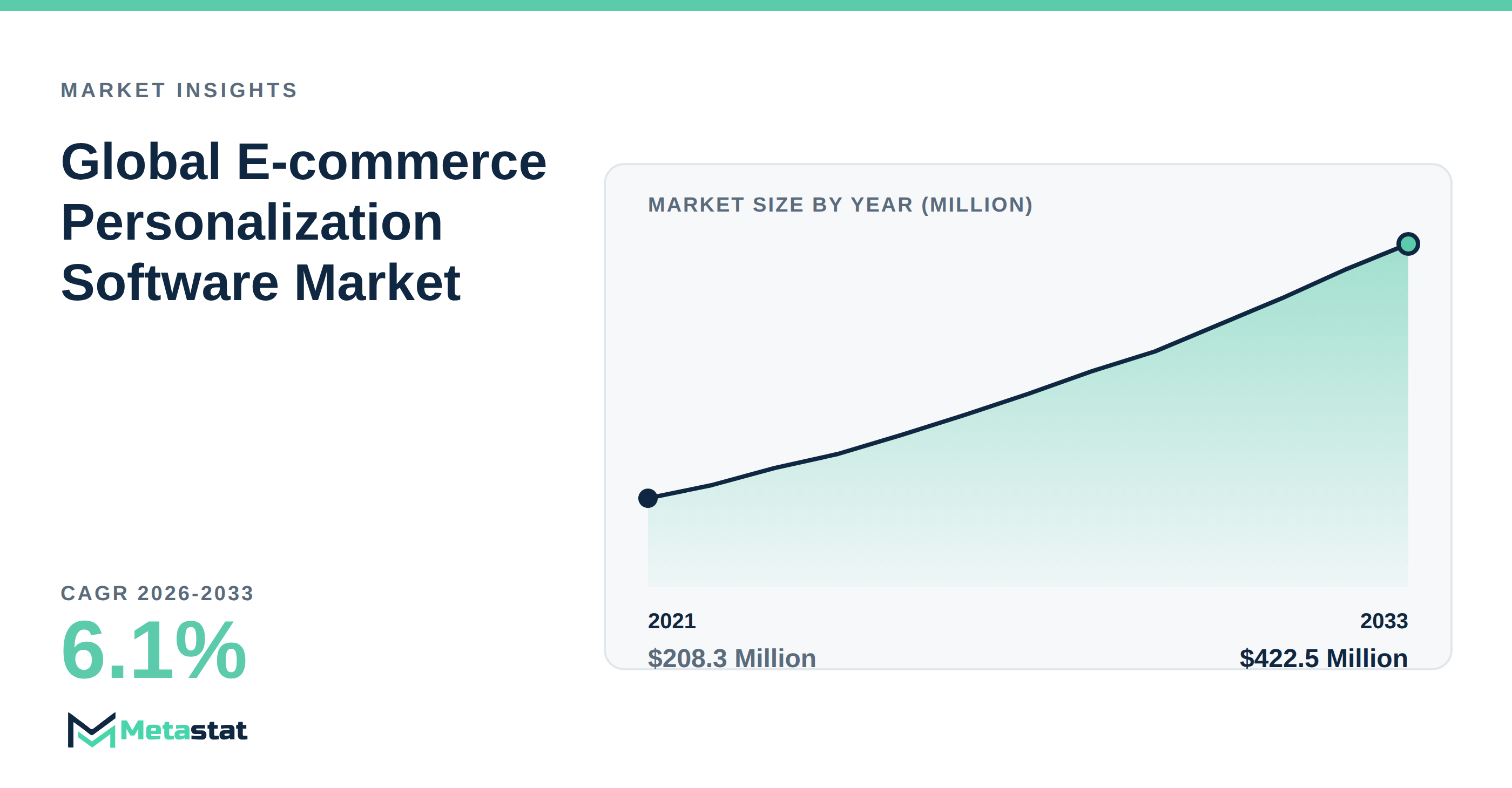
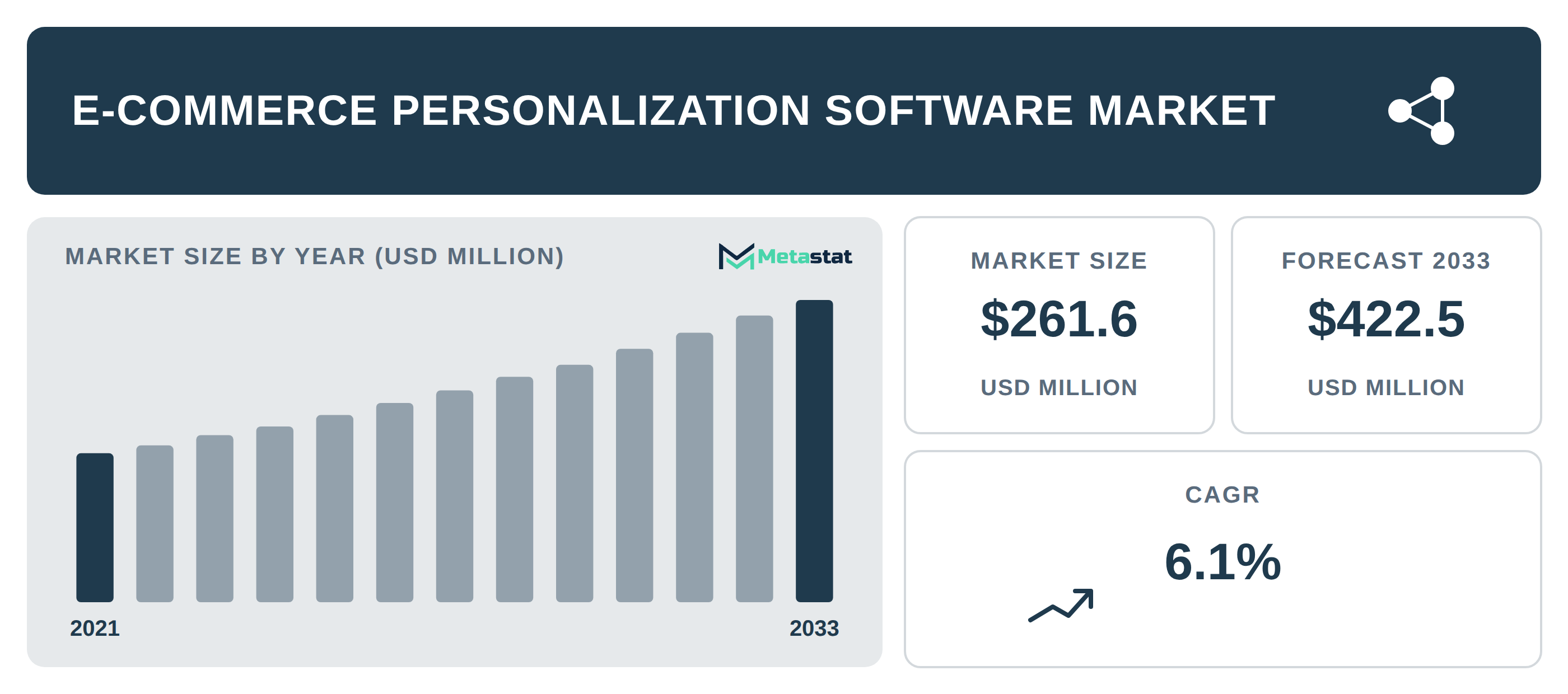
The pricing of E-commerce Personalization Software varies significantly based on a variety of factors. Buyers looking to invest in these solutions should understand what influences costs and where they have leverage. This exploration identifies critical aspects affecting pricing in this space, allowing businesses to make informed decisions and optimize their investments. For a comprehensive analysis, refer to the E-commerce Personalization Software market size and forecast report.
1. Subscription models increase affordability
Subscription-based pricing models are becoming widespread in the E-commerce Personalization Software sector. These models provide businesses with predictable costs, enabling better budget management. Many companies are adopting tiered pricing options, allowing organizations to select packages that suit their size and personalization requirements. This flexibility enables smaller retailers to access advanced tools without making substantial upfront investments, increasing overall accessibility to necessary technology.
2. Deployment models impact overall costs
Deployment models for personalization software play a significant role in pricing. Cloud-based solutions are increasingly favored due to their cost-effectiveness and scalability. The ability to implement these systems without significant hardware investments appeals to businesses of all sizes, particularly small and medium enterprises. In contrast, on-premises solutions typically require larger initial investments, which deter adoption among budget-conscious buyers. Shifting towards cloud solutions demonstrates how flexibility in deployment translates to reduced costs.
3. Flexibility in pricing structures
Buyers have begun to favor flexible pricing structures that align closely with their operational needs. Many suppliers are responding by offering adaptable contracts that include shorter commitment periods. This approach allows businesses to evaluate software performance before committing to long-term agreements. Consequently, such flexibility enhances customer satisfaction and encourages higher adoption rates of personalization software. Striking a balance between flexible commitments and effective service delivery significantlies impact overall customer loyalty and retention.
4. Competitive pressures shape pricing strategies
The competitive environment in E-commerce Personalization Software influences pricing. Suppliers are adjusting their pricing strategies to attract clients, especially in a sector characterized by a diverse range of buyers with varying budgets. The need for cost-effective solutions drives vendors to offer attractive pricing models while maintaining service quality. This competition potentially benefits buyers, equipping them with leverage to negotiate better pricing terms. Understanding the dynamics of these competitive pressures provide businesses with advantageous negotiation points.
5. Talent acquisition costs affect pricing
Rising talent acquisition costs significantly impact the pricing of E-commerce Personalization Software. Companies compete for skilled professionals, which drives operational costs higher. As suppliers seek to maintain profitability, these increased expenses are reflected in software pricing. Buyers consider the expertise and support offered by vendors as a factor in their purchasing decisions, potentially influencing overall costs. Organizations that identify and leverage the value of employee expertise finds avenues to negotiate better deals or enhanced service offerings.
6. Emphasis on product recommendations enhances value
Among the various segments of E-commerce Personalization Software, product recommendations hold significant value, positively impacting pricing dynamics. As businesses prioritize enhancing customer engagement through tailored recommendations, the demand for effective personalization solutions rises. This growing emphasis encourages suppliers to innovate and improve their offerings, potentially increasing costs. Buyers looking to invest in these systems should recognize the inherent value in effective product recommendation technologies, allowing them to justify their spending while seeking returns on their investments.
Understanding the nuances of E-commerce Personalization Software pricing helps buyers make informed decisions. Factors including subscription models, deployment strategies, and competitive pressures shape the costs of these solutions. By recognizing these elements, businesses better navigate the landscape and leverage their purchasing power for optimal results.
Tags
About the Authors

LEAD ANALYST
Utkarsh Khirodkar is a Lead Market Research Analyst at MetaStat Insight, specializing in market intelligence, technology sector assessments, and competitive strategy.

PRINCIPAL CONSULTANT - ENTERPRISE AI & EMERGING TECHNOLOGIES
Banking & Finance · Electronics and Semiconductor · Energy and Power · Healthcare IT · Information & Technology · Professional Services
Vijay Gunti is a Principal Consultant at MetaStat Insight, bringing over two decades of experience across enterprise digital transformation, technology strategy, and intelligent systems.

LEAD CONSULTANT - COMMUNICATION, TELECOM, AND IT
Electronics and Semiconductor · Information & Technology · Machinery & Equipment · Professional Services
Ravindra Sathe Consultants for Communication, Telecom, and IT at MetaStat Insight. He leads the firm's industry research initiatives across telecommunications infrastructure, digital connectivity, enterprise networking, and emerging information technology domains.