
Explore essential questions every buyer in the Plasma Surgery field should ask suppliers to ensure informed decision-making and improved patient outcomes.
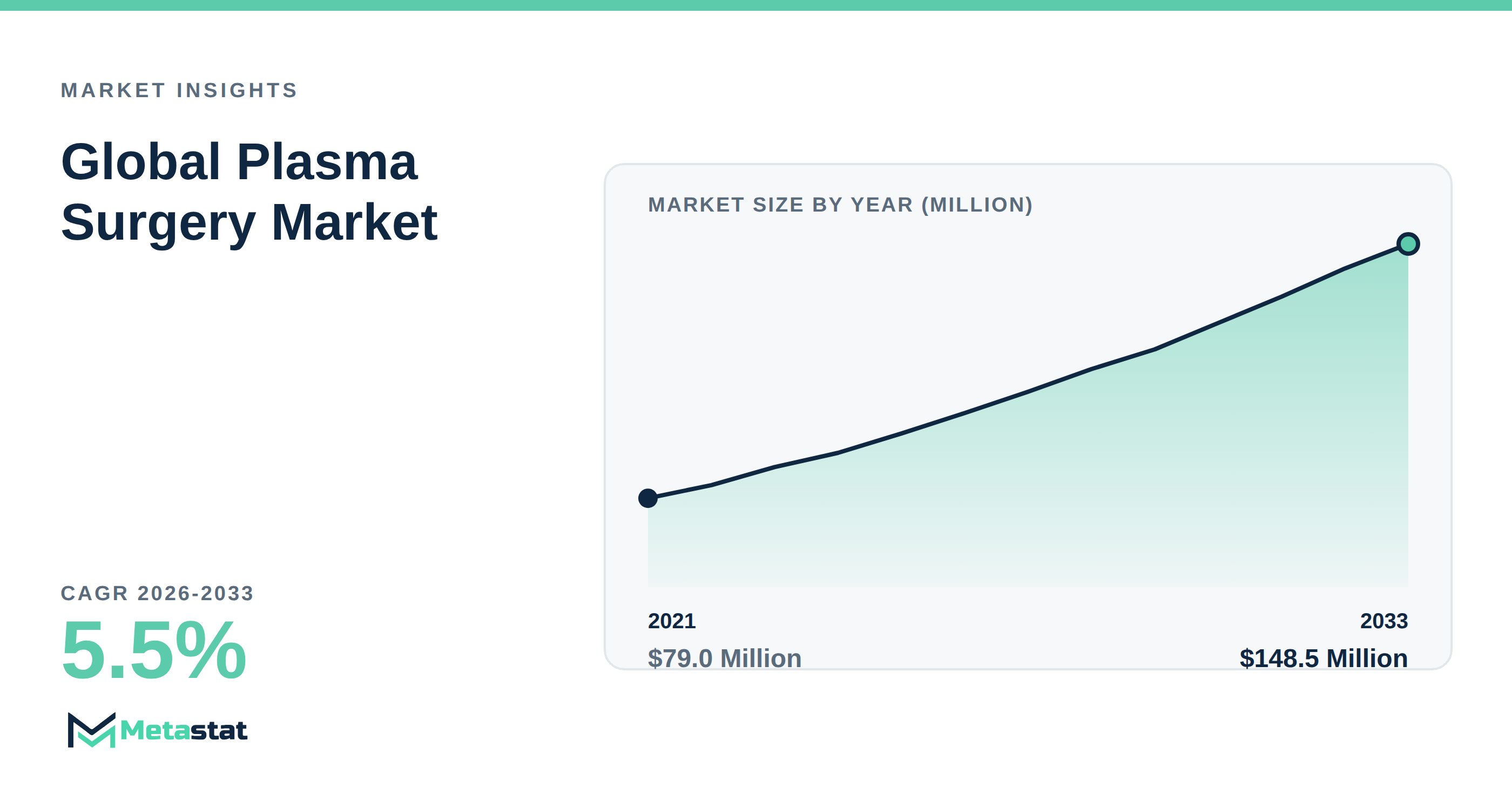
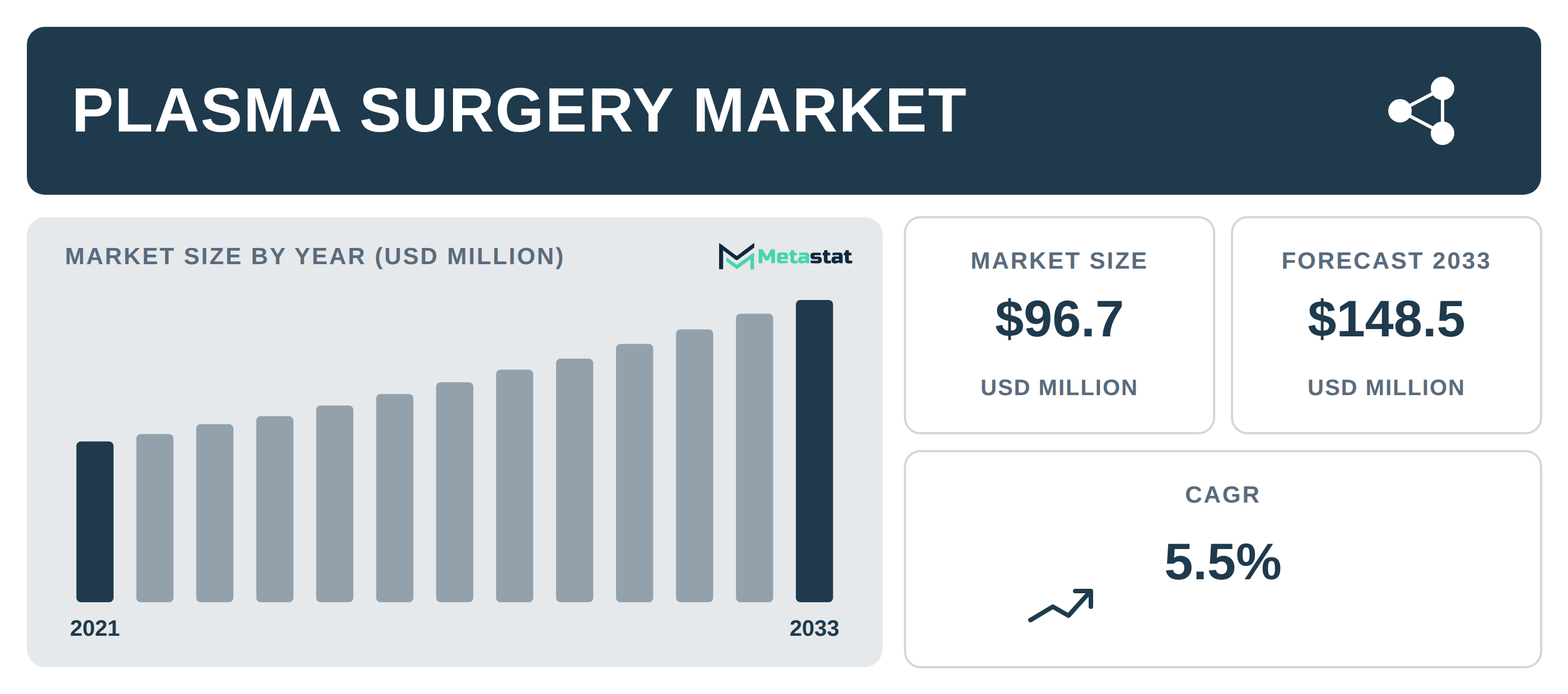
The market for Plasma Surgery is continuously advancing, shaped by technological innovations and a growing need for precision in surgical procedures. Understanding what to inquire of suppliers empowers buyers to navigate this dynamic landscape effectively. Are six crucial questions that every buyer in the Plasma Surgery field should consider when evaluating suppliers. The full figures are in our Plasma Surgery market size and forecast report.
1. What technologies do you offer for precision surgical procedures?
Grasping the specific technologies offered is vital for buyers. Plasma Surgical Systems and Generators lead the sector, valued at approximately USD 30.7 million in 2026 and projected to grow to around USD 42.6 million by 2033. Suppliers should clearly delineate how their technologies enhance surgical precision and improve patient outcomes by providing detailed product specifications, user feedback, and operational data.
2. How do your products minimize recovery times for patients?
Reducing recovery times is a chief concern for both healthcare providers and patients. Suppliers should emphasize how their products, including Coblation Plasma Technology and Argon Plasma Coagulation Systems, contribute to accelerated healing and fewer postoperative complications. By presenting clinical studies or real-world case studies, suppliers demonstrate the efficacy of their products in facilitating quicker patient recovery.
3. What are the cost implications of your products?
Cost considerations significantly influence purchasing decisions. Suppliers should offer transparent pricing models, encompassing initial costs, maintenance fees, and potential savings on patient care through improved outcomes. For instance, Argon Plasma Coagulation Systems are projected to reach around USD 45.8 million by 2033, highlighting their growing importance in surgical procedures. Understanding the total cost of ownership enables buyers to make informed financial decisions.
4. How does your company support ongoing training and education?
Supplier support and education greatly affect the successful implementation of new technologies. Buyers should inquire about the training programs and resources available, including hands-on workshops or online sessions. Companies like Medtronic and Olympus Corporation are recognized for their dedication to customer education, which enhances the operational efficiency of healthcare providers.
5. What is your company’s track record in product innovation?
Innovation is crucial in the evolving field of medical technology. Suppliers should provide insights into their research and development efforts, including new product launches and enhancements. Apyx Medical Corporation and other key players focus on integrating advanced technologies into their offerings, reflecting a commitment to addressing the changing needs of the medical community.
6. Can you provide testimonials or case studies from existing clients?
Testimonials and case studies represent valuable tools for buyers. They offer real-world examples of how products have performed in clinical settings, showcasing success stories and improvements in surgical outcomes. Suppliers should be ready to share metrics or experiences from hospitals and clinics that have implemented their technologies.
Ultimately, engaging with suppliers in the Plasma Surgery field entails asking the right questions. Understanding their technologies, support systems, cost implications, and track records enables informed decision-making, ultimately enhancing the capabilities of healthcare providers and improving patient outcomes.
Tags
About the Authors

LEAD ANALYST
Utkarsh Khirodkar is a Lead Market Research Analyst at MetaStat Insight, specializing in market intelligence, technology sector assessments, and competitive strategy.

LEAD PRINCIPAL ANALYST, PHARMA AND HEALTHCARE
Food and Beverages · Healthcare · Healthcare IT · Medical Devices
Ajay Devgire is the Lead Healthcare Analyst at MetaStat Insight, leading strategic research and market intelligence initiatives across the global healthcare domain.

SENIOR RESEARCH ANALYST
Biotechnology · Food and Beverages · Medical Devices · Packaging
Snehal Pasalkar is a Research Analyst at MetaStat Insight, operating at the intersection of life sciences research, competitive strategy, and market intelligence.