
LEAD ANALYST
Utkarsh Khirodkar is a Lead Market Research Analyst at MetaStat Insight, specializing in market intelligence, technology sector assessments, and competitive strategy.

Global Plasma Surgery Market Size, Share, By Product Type (Plasma Surgery Systems and Generators, Plasma Surgical Wands and Electrodes, Argon Plasma Coagulation Systems, Saline Plasma Resection Systems, Plasma Surgical Probes and Accessories), By Technology (Argon Plasma Coagulation, Coblation Plasma Technology, Saline-Mediated Bipolar Plasma Technology, Low-Temperature Radiofrequency Plasma Technology), By Clinical Specialty (Otolaryngology, Orthopedics and Sports Medicine, Urology, Gastroenterology, General Surgery, Gynecology, Plastic and Reconstructive Surgery, Neurosurgery, Others (Thoracic Surgery, Ophthalmic Surgery)), By End User (Hospitals, Ambulatory Surgery Centers, Specialty Clinics), Industry Analysis, Growth, Trends, and Forecast, 2026-2033
Report ID
MSI-5490
Published
October, 2026
Pages
279 Pages
Format
Historical
Base year
Forecast
Forecast period
Report Details
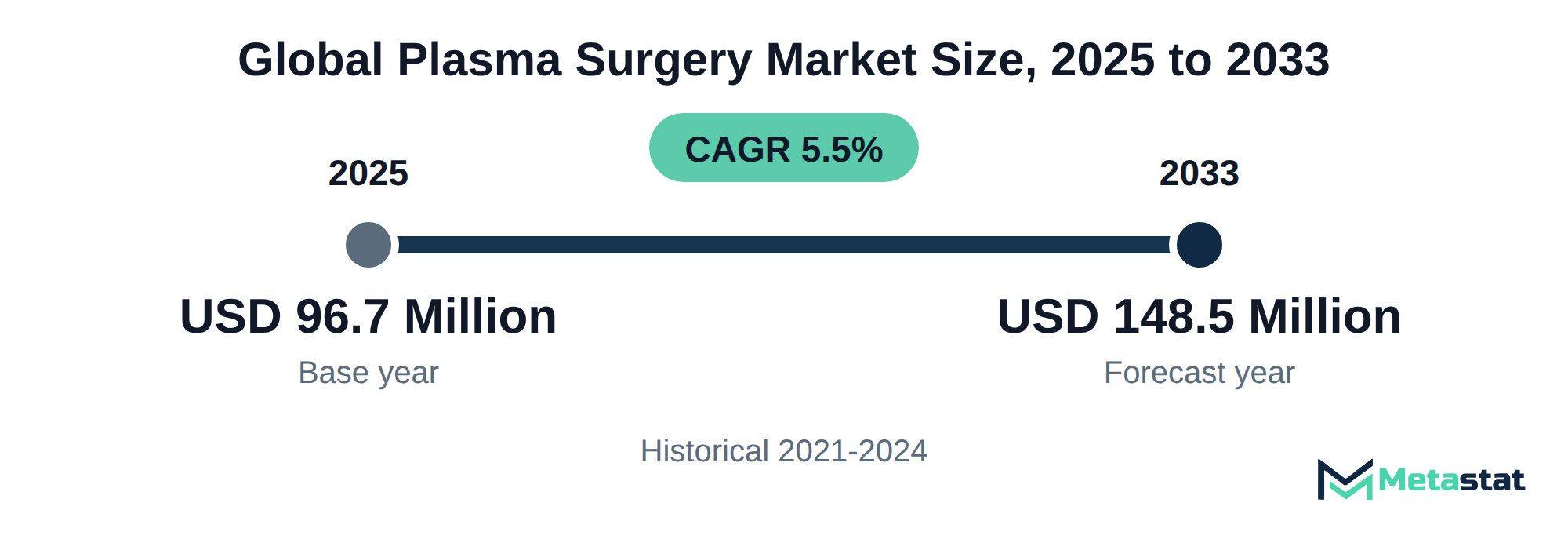
Market Valuation: Valued at $96.7 Million in 2025, projected to reach $148.5 Million by 2033 at a 5.5% CAGR.
Dominant Segment: Plasma Surgery Systems and Generators lead the market, driven by technological advancements and a growing preference for efficient surgical tools.
Geographic Lead: North America holds the largest market share, with the US expected to maintain its leadership due to robust healthcare infrastructure and significant investments in medical technology.
What's Inside: The report provides comprehensive coverage of market dynamics, competitive landscape, and detailed forecasts from 2026 to 2033 across various segments and technologies.
Emerging Opportunities: Plasma Surgical Wands and Electrodes are projected to grow significantly, fueled by rising demand for minimally invasive procedures and their operational advantages.
Technological Advancements: Innovations in plasma surgical systems enhance precision and efficiency, driving adoption among healthcare providers focused on improving patient outcomes.
Choose Your License
Global Plasma Surgery Market
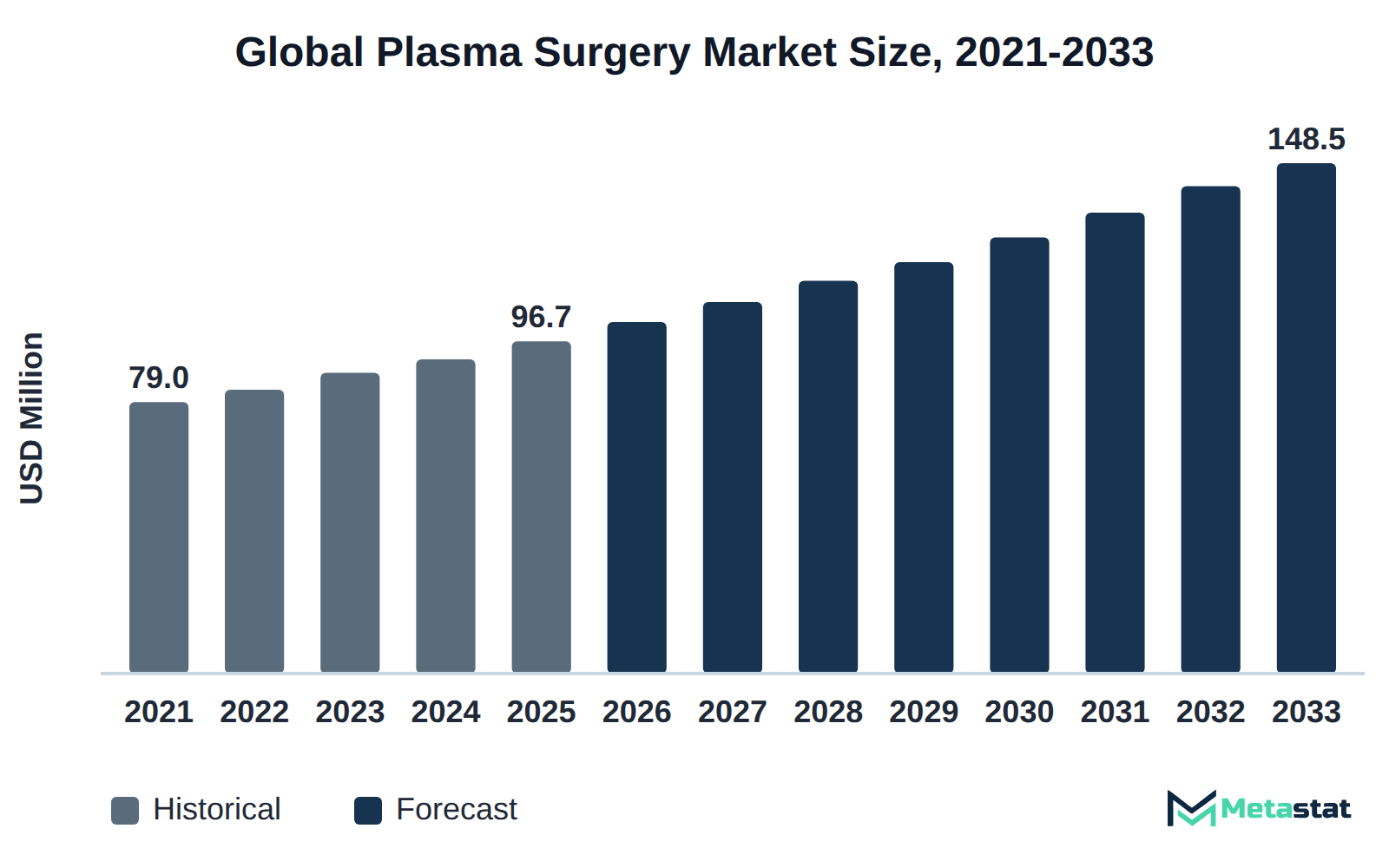
The global Plasma Surgery market was valued at USD 96.7 million in 2025 and is projected to reach USD 148.5 million by 2033, growing at a CAGR of 5.5% over the forecast period.
The Plasma Surgery market encompasses advanced technologies and systems designed for surgical procedures that employ plasma for cutting, coagulation, and tissue removal. Buyers invest in this market primarily to enhance surgical precision, reduce recovery times, and improve patient outcomes. Rising demand for minimally invasive surgeries fuels investments, driving innovation and development in plasma-based surgical solutions.
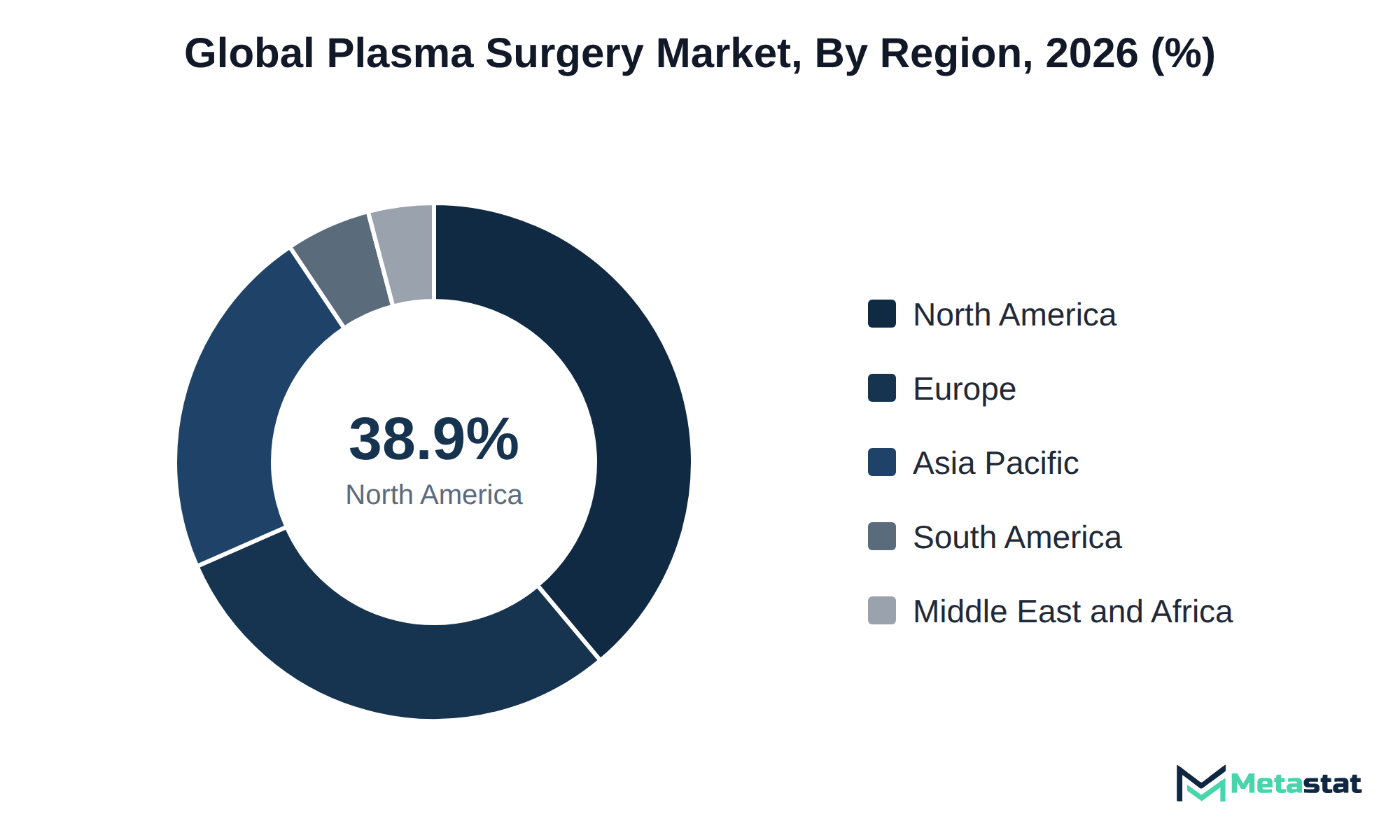
Growth in the market is driven by the increasing adoption of plasma technologies across various clinical specialties, particularly in otolaryngology, orthopedics, and urology. North America holds 38.9% of the market in 2025, with the US leading in 2026. This region benefits from robust healthcare infrastructure, high purchasing power, and significant investments in medical technology, contributing to its dominant position.
Among the segments, Plasma Surgery Systems and Generators represent the highest value, reflecting technological advancements and the increasing preference for efficient surgical tools. The projected growth in this segment aligns with the overall trend toward enhanced surgical practices and the expanding application of plasma technologies in diverse medical fields.
Investments in the Plasma Surgery market reflect increasing demand for minimally invasive surgical procedures. Hospitals and surgical centers prioritize advanced plasma technologies due to their ability to enhance surgical precision and reduce recovery times for patients. The need for efficient and effective surgical solutions drives expenditure in this sector, particularly among healthcare providers focused on improving patient outcomes.
Growth in the market is propelled by technological advancements in plasma surgical systems, particularly in North America, which holds 38.9% of the market in 2025, with the US leading in 2026. Among various segments, Plasma Surgical Wands and Electrodes represent the highest value, driven by their versatility and application across multiple clinical specialties. This segment's growth aligns with rising adoption of plasma-based techniques in surgical procedures.
Increased demand for innovative surgical solutions continues to shape the market landscape. The integration of advanced technologies in surgical practices enhances operational efficiency, prompting more healthcare facilities to invest in plasma surgery equipment. This ongoing transformation highlights the importance of the Plasma Surgery market in meeting evolving needs of healthcare providers and their patients.
Coblation plasma surgery has gained significant traction in the fields of otolaryngology and sports medicine, driven by its ability to minimize tissue damage while enhancing surgical precision. This technology, which employs controlled thermal energy, effectively dissects soft tissues and provides hemostatic capabilities, making it an ideal choice in delicate procedures. In the Plasma Surgery market, the segment for Coblation Plasma Technology is projected to reach USD 46.7 million by 2033, demonstrating a compound annual growth rate of 6.2% during the forecast period.
The adoption of coblation technology facilitates faster recovery times and reduces postoperative complications, increasing its appeal among healthcare providers. Hospitals and ambulatory surgery centers recognize the operational advantages of integrating this technology into their offerings. Surgical procedures evolve toward less invasive techniques, and the demand for coblation plasma surgery in ENT and sports medicine is expected to grow, reflecting a broader trend in medical technology driven by improved patient outcomes and efficiency.
Argon plasma coagulation technology in therapeutic endoscopy has gained significant traction, driven by its efficacy in minimizing bleeding during surgical procedures. The technology's integration into clinical practices prompts a shift in purchasing behaviors among healthcare providers. Hospitals, accounting for USD 65.1 million in the Plasma Surgery market by 2026, increasingly prioritize durable and effective technologies that enhance patient outcomes while maintaining cost-effectiveness.
Pricing models for argon plasma coagulation systems vary, typically reflecting the technological sophistication and ancillary benefits offered. Providers engage in multiple procurement strategies, including capital equipment leasing and performance-based contracts, which align financial commitments with expected patient outcomes. This approach mitigates upfront costs while ensuring access to advanced technologies. For instance, the projected market value for argon plasma coagulation systems is USD 45.8 million by 2033, highlighting the growing reliance on this technology among surgical professionals.
The implications of these purchasing strategies are profound. By adopting flexible payment models, hospitals and ambulatory surgery centers gain the ability to invest in advanced surgical technology without compromising their operational budgets. This trend in the Plasma Surgery market indicates an evolving landscape where financial considerations increasingly influence technology adoption, ultimately enhancing both procedural efficacy and patient care.
The demand for disposable plasma surgical wands continues to rise within the Plasma Surgery market, driven by hospitals seeking efficient and cost-effective surgical solutions. The focus on minimizing operational costs while maximizing patient outcomes has led many healthcare providers to prioritize the procurement of these wands. In 2023, the market value for hospitals reached USD 96.7 million, reflecting the growing importance of efficient surgical instruments in modern healthcare.
Disposable plasma surgical wands provide hospitals with significant advantages, including reduced risk of cross-contamination and the elimination of sterilization costs. The adoption of these wands is particularly prevalent in surgical specialties including otolaryngology and orthopedics, where precision and safety are critical. Streamlining the procurement process and ensuring a consistent supply of high-quality surgical wands enhances operational efficiency and improves surgical outcomes.
With the expected growth of the market value reaching USD 90.3 million for hospitals by 2033, the emphasis on disposable surgical wands reflects broader trends in procurement strategies. Hospitals increasingly recognize the commercial benefits of investing in advanced surgical tools, resulting in improved patient care and increased operational efficiencies. The focus on disposable plasma surgical wands illustrates a significant shift in procurement practices within the Plasma Surgery market, aligning with the goal of enhancing surgical performance and patient safety.
Plasma surgery offers distinct advantages over conventional electrosurgery, particularly regarding precision and tissue preservation. Plasma surgical technologies, including Argon Plasma Coagulation, provide enhanced thermal control compared to traditional electrosurgical methods. This precision minimizes collateral damage to surrounding tissues, resulting in quicker patient recovery times.
The Plasma Surgery market anticipates growth driven by rising demand for minimally invasive procedures. By 2033, the Argon Plasma Coagulation segment alone is projected to reach USD 45.8 million, reflecting a compound annual growth rate (CAGR) of 4.2% from 2026. This demonstrates the increasing adoption of plasma technologies in various surgical specialties, including otolaryngology and orthopedics.
Enhanced outcomes from plasma surgery translate to greater patient satisfaction and reduced hospital stays. Consequently, healthcare providers experience improved operational efficiency while meeting growing patient expectations for advanced surgical options. The shift toward plasma technologies signals a significant transition in surgical practices, positioning the market for continued expansion in the coming years.
Hospitals drive substantial investments in advanced surgical technologies, reflecting a shift towards more efficient and effective treatment options. This transition stems from heightened patient expectations for minimally invasive procedures, which reduce recovery times and overall healthcare costs. The growing adoption of plasma surgery systems exemplifies this trend, particularly among surgical departments aiming to enhance patient outcomes while managing operational expenses. In 2023, the market's value reached USD 87.5 million, illustrating a significant increase in demand. Ongoing enhancements in surgical techniques and equipment utilization create opportunities for the market to expand further. Hospitals continually seek innovative ways to improve surgical efficiency and safety, resulting in increased procurement of plasma surgical systems. This trend remains crucial for suppliers aiming to capture the evolving needs of healthcare providers.
Rising adoption in outpatient surgery
The emergence of ambulatory surgery centers as key stakeholders in the healthcare landscape contributes to growth in the Plasma Surgery market. These facilities prioritize patient convenience and quick recovery, necessitating advanced surgical technologies. This shift results in increased utilization of plasma surgical systems, particularly for outpatient procedures that require high precision and efficiency. With expectations for reduced surgery times and lower hospitalization rates, the demand for innovative solutions including plasma surgical wands and electrodes increases. The market is anticipated to experience a compound annual growth rate of 6.7% for ambulatory surgery centers through 2033, indicating growth potential driven by their expanding role in surgical care.
Technological advancements in plasma surgery enhance surgical outcomes and drive market growth. Innovations including advanced plasma surgical systems and generators improve precision and efficiency during procedures. Healthcare providers prioritize these technologies due to their ability to reduce recovery times and minimize complications, significantly impacting patient satisfaction and operational efficiency.
The adoption of coblation plasma technology has gained attention within the market, particularly for its application in various clinical specialties. Such technologies offer superior tissue preservation compared to traditional methods, particularly benefiting specialties like orthopedics and gastroenterology. Providers increasingly favor these innovations, contributing to the rising demand for plasma surgical systems.
Investments in research and development drive the emergence of new products and applications within the plasma surgery market. Companies strive to implement advanced technologies that align with evolving surgical demands, strengthening their competitive positions. This focus on innovation supports sustained growth, facilitating the expansion of the market through the introduction of effective and efficient surgical solutions.
High costs associated with advanced technologies in the Plasma Surgery market significantly impact buyer adoption, particularly among hospitals and ambulatory surgery centers. The financial burden of purchasing sophisticated plasma surgical systems and associated consumables contributes to slower uptake in these healthcare settings. Budget constraints often result in smaller orders or delayed replacement of older equipment, hindering the advancement of surgical practices. Facilities prioritize cost-effective solutions, leading to a cautious approach when investing in new technologies.
Increasing operational costs have made hospitals more selective regarding their capital expenditures, which directly influences their willingness to transition to more advanced plasma surgery systems. Consequently, many buyers continue to rely on traditional surgical methods rather than adopting newer, more expensive plasma-based technologies. This dynamic limits the growth potential of the market, restricting the successful implementation of innovative surgical solutions.
Supplier challenges in the Plasma Surgery market arise from increasing input costs associated with advanced technologies and materials. Inflationary pressures on raw materials, coupled with rising production expenses, significantly impact profit margins. Manufacturers face heightened costs for components and equipment, which reflect on overall pricing strategies. This situation creates pressure on suppliers to balance cost recovery while maintaining competitive pricing.
In response, suppliers implement strategies including optimizing supply chains and exploring alternative sourcing options for materials. Investments in production efficiency and automation facilitate cost reduction, enabling suppliers to manage expenses effectively. Collaboration with technology providers results in innovation that reduces reliance on costly components. Such measures enhance supply chain resilience and contribute to maintaining market position during fluctuating costs.
In the Plasma Surgery market, plasma surgical wands and electrodes are poised for significant growth, driven by a compound annual growth rate (CAGR) of 6.5% through 2033. This growth reflects the increasing demand from hospitals and ambulatory surgery centers seeking effective and precise surgical solutions. Rising adoption of minimally invasive procedures highlights the operational advantages of these devices, which minimize tissue damage and promote quicker recovery times for patients. The shift toward outpatient care models enhances the prospects for this segment, as providers prioritize cost-effective and efficient surgical options. The anticipated increase in surgical procedures across various clinical specialties, including otolaryngology and orthopedics, further supports the upward trajectory of plasma surgical wands in the market. By aligning product development with these evolving needs, manufacturers capture a larger share of this expanding segment, enhancing their competitive position within the Plasma Surgery market.
The Global Plasma Surgery market is segmented based on Product Type, Technology, Clinical Specialty, and End User.
Plasma Surgery Systems and Generators segment is valued at USD 30.7 million in 2026 and is projected to reach USD 42.6 million by 2033, at a CAGR of 4.8% during the forecast period. These systems play a critical role in various surgical procedures, providing precision cutting and effective coagulation. Predominantly used by hospitals and ambulatory surgery centers, their adoption is substantially influenced by increasing demand for minimally invasive surgeries. Growth in this segment stands out in comparison to others, particularly the Plasma Surgical Wands and Electrodes, which exhibit a higher CAGR of 6.5%. Investment in systems and generators reflects a strategic shift towards advanced technologies that enhance surgical outcomes and patient safety, making this segment essential for overall market growth.
Plasma Surgical Wands and Electrodes segment is estimated to reach USD 41.8 million by 2033, at a CAGR of 6.5% during the forecast period. This segment focuses on devices used for precise surgical procedures, gaining traction among hospitals and specialty clinics that prioritize minimally invasive techniques. The rising demand for advanced surgical tools drives growth in this segment, reflecting a notable shift toward improved patient outcomes and reduced recovery times. Compared to other product types, Plasma Surgical Wands and Electrodes exhibit a faster growth trajectory, supported by their enhanced effectiveness in various clinical applications. The superior capability of these devices in minimizing thermal damage sets them apart from conventional surgical instruments, further validating their increasing adoption across surgical specialties. Sustained investment in these technologies supports the overall Plasma Surgery market, contributing to its robust expansion.
Argon Plasma Coagulation Systems segment is expected to reach USD 27.4 million by 2033. This technology provides essential support in surgical procedures requiring precise coagulation with minimal thermal damage to surrounding tissues. Primarily used in therapeutic endoscopy, it caters to hospitals and specialized medical facilities that focus on minimally invasive techniques. The growing emphasis on reducing patient recovery times drives demand for this technology. Argon Plasma Coagulation exhibits a compound annual growth rate (CAGR) of 4.2%, differentiating it from other segments including Plasma Surgical Wands and Electrodes, which experience a higher CAGR of 6.5%. Factors driving adoption include cost efficiency in procedures and technological advancements in energy delivery, positioning this segment for steady growth in the evolving market.
Saline Plasma Resection Systems segment is projected to grow at a CAGR of 6% during the forecast period. This segment plays a critical role in surgical procedures, providing precise tissue removal while minimizing damage to surrounding structures. Primarily used by hospitals and ambulatory surgery centers, these systems serve various clinical specialties, including gastroenterology and orthopedics. The increasing preference for minimally invasive techniques drives demand for saline plasma resection systems, enhancing patient recovery times and surgical outcomes. Compared to other product types, this segment offers a balance between efficacy and affordability, differentiating it from higher-priced alternatives including plasma surgical systems and generators. With a growing focus on patient-centric healthcare, the Saline Plasma Resection Systems segment contributes to the overall expansion of the market, supporting advancements in surgical technology.
Plasma Surgical Probes and Accessories serve critical roles in various surgical procedures, providing precision and efficiency. These tools are used predominantly by hospitals and specialized clinics, focusing on improving surgical outcomes and patient safety. Demand for these probes is driven by the growing adoption of minimally invasive techniques, which enhance recovery times and reduce complications. Compared to other product types within the market, including Plasma Surgery Systems and Generators, this segment experiences different growth trajectories due to its specialized applications. Technological advancements lead to the introduction of more refined probes, catering to the specific needs of diverse surgical specialties, thereby distinguishing this segment from others based on user requirements and pricing dynamics.
This technology finds application primarily in therapeutic endoscopy and surgical procedures, serving hospitals and outpatient surgical centers that prioritize effective bleeding control. The growing emphasis on minimally invasive surgery drives demand for this segment, since procedures using argon plasma coagulation lead to reduced patient recovery times and fewer complications. Compared to other technologies in the segment, including Coblation Plasma Technology, Argon Plasma Coagulation experiences slower growth, reflecting a more established market presence. The cost structure associated with argon plasma systems remains competitive, supporting its adoption amid rising healthcare costs. Demand for this technology continues to increase, highlighting its importance in the evolving environment of the Plasma Surgery market.
This technology serves an important role in surgical procedures by facilitating precise tissue ablation, particularly in fields like otolaryngology and orthopedics. Surgeons value this segment for its ability to minimize thermal damage to surrounding tissues, enhancing patient recovery times. The increasing demand for minimally invasive surgical techniques drives growth in this segment, attracting investments from hospitals and surgical centers focused on improving patient outcomes. Compared to other technologies, Coblation Plasma Technology exhibits faster growth, driven by a CAGR of 6.2%, surpassing the growth rates of certain alternatives including Argon Plasma Coagulation, which has a CAGR of 4.2%. The ability to offer effective solutions at competitive price points positions this segment favorably within the market, appealing to several healthcare providers seeking innovative surgical solutions.
Saline-Mediated Bipolar Plasma Technology segment is expected to reach USD 35 million by 2033. This technology serves various surgical applications, primarily benefiting hospitals and specialty clinics. Surgeons apply this technology for its ability to provide precision in cutting and coagulation, resulting in reduced bleeding and improved healing times. The segment experiences growth driven by increasing demand for advanced surgical solutions, focusing on minimizing patient recovery times. In comparison to other technologies, this segment exhibits a competitive growth rate, influenced by a growing preference for minimally invasive procedures. While the segment aligns with broader trends in the market, it stands out for its focus on effective tissue preservation and reduced thermal damage, enhancing surgical outcomes. The market's overall trajectory reflects expanding interest in innovative surgical methods, with this technology playing a significant role in shaping future surgical practices.
Low-Temperature Radiofrequency Plasma Technology segment is projected to grow at a CAGR of 5.7% during the forecast period. This technology finds applications in various surgical procedures, particularly those requiring precision and minimal thermal damage to surrounding tissues. Surgeons in specialties including gynecology, general surgery, and plastic surgery use this technology to enhance patient outcomes and reduce recovery times. The increasing focus on minimally invasive procedures drives demand for this segment, distinguishing it from others with higher growth rates. Compared to other technologies, the lower operational costs associated with low-temperature radiofrequency plasma systems offer a competitive advantage, appealing to hospitals and ambulatory surgery centers seeking cost-effective solutions. The segment's growth reflects a broader trend toward innovative surgical methods that emphasize safety and efficacy.
Otolaryngology segment is valued at USD 24.7 million in 2026 and is projected to reach USD 34.4 million by 2033, at a CAGR of 4.9% during the forecast period. This segment is applied in various surgical procedures involving the ear, nose, and throat, benefiting healthcare providers including hospitals and specialty clinics. The increasing prevalence of ENT disorders contributes to demand, particularly in North America, which holds a significant share of the market. Competitive pricing and technological enhancements within this segment drive adoption rates among healthcare facilities, differentiating it from other clinical specialties. Compared to orthopedics and sports medicine, which is projected to grow at a CAGR of 6.2%, the otolaryngology segment experiences slightly slower growth, reflecting its specialized nature and varying investment priorities among healthcare providers.
The Orthopedics and Sports Medicine segment is estimated to reach USD 31.9 million by 2033, at a CAGR of 6.2% during the forecast period. This segment focuses on surgical procedures related to musculoskeletal issues, serving hospitals and specialized clinics that require effective treatment options for sports injuries and orthopedic conditions. The increasing prevalence of sports-related injuries drives demand, alongside an emphasis on minimally invasive surgical techniques. Compared to other clinical specialties, this segment exhibits faster growth, reflecting advancements in technology and a shift in treatment paradigms. The market's focus on improved patient outcomes and shorter recovery times aligns with the ongoing evolution of surgical practices, positioning Orthopedics and Sports Medicine as a prominent area for investment and innovation in the Plasma Surgery market.
The Urology segment is expected to reach USD 26.2 million by 2033. This sector primarily encompasses the use of advanced plasma technologies for various urological procedures, including the treatment of kidney stones, prostate disorders, and other urinary tract conditions. Physicians and hospitals increasingly adopt these technologies due to their precision and minimally invasive nature, enhancing patient outcomes. The segment experiences notable growth driven by the rising prevalence of urological diseases and advancements in plasma technology. With a compound annual growth rate (CAGR) of 6.2%, the Urology segment exhibits faster growth compared to other segments in the Clinical Specialty category, indicating strong demand for innovative treatment options. The market faces challenges from high costs associated with advanced technologies, impacting wider adoption among smaller healthcare facilities.
The Gastroenterology segment is projected to grow at a CAGR of 4.2% during the forecast period. This segment focuses on the diagnosis and treatment of gastrointestinal disorders, employing plasma technology for various procedures. Hospitals and specialty clinics frequently employ these innovative solutions to enhance surgical outcomes. Demand for advanced therapeutic options drives growth in this segment, with increasing awareness of minimally invasive techniques among healthcare professionals. A rising patient population seeking relief from gastrointestinal conditions further fuels this demand. Compared to other clinical specialties, including Orthopedics and Sports Medicine, which have a higher CAGR of 6.2%, the Gastroenterology segment experiences a more moderate growth rate. This slower pace reflects a more established market presence and the availability of alternative treatment options that compete for patient attention.
General Surgery encompasses various surgical procedures aimed at treating a wide range of conditions affecting different body systems. The segment serves hospitals and specialty clinics, where surgeons apply plasma technology for precise tissue cutting and coagulation. Driving forces include the increasing demand for minimally invasive surgeries, which enhance patient recovery times and reduce postoperative complications. Compared to other clinical specialties, General Surgery experiences slower growth, attributed to the established presence of traditional surgical techniques. The need for advanced technologies that improve surgical outcomes positions this segment uniquely, appealing to healthcare providers focused on enhancing surgical efficiency. Overall, the Plasma Surgery market continues to evolve, with General Surgery adapting to the growing trend toward innovative surgical practices.
Gynecology incorporates various plasma surgical techniques aimed at enhancing surgical precision and outcomes in women's health procedures. This sub-segment serves hospitals and specialty clinics, primarily focusing on minimally invasive surgeries. Key drivers include the increasing demand for advanced surgical procedures and the growing adoption of innovative technologies. This segment's growth trajectory reflects a higher rate compared to other clinical specialties due to rising awareness and advancements in surgical applications. Compared to orthopedics and sports medicine, which experience significant growth, gynecology benefits from unique buyer preferences linked to patient-centric care and specialized treatment options. Innovations in plasma technologies further differentiate this segment, enabling healthcare providers to achieve better surgical results while minimizing recovery times for patients.
Plastic and Reconstructive Surgery involves procedures aimed at restoring and enhancing appearance or function through surgical techniques. Surgeons in this field apply plasma surgery for its precision and minimal invasiveness, enhancing recovery times and patient satisfaction. Increased focus on cosmetic procedures drives demand for these solutions, reflecting a strong trend among patients seeking aesthetic improvements. This segment differentiates itself from others by engaging a diverse clientele, including individuals opting for elective surgeries, which influences pricing dynamics and market strategies compared to more conventional surgical specialties. With evolving technologies, innovations in plasma surgical techniques offer potential for improved outcomes, attracting investment and research aimed at advancing applications in plastic and reconstructive procedures. The Plasma Surgery market experiences ongoing transformation as practitioners adopt advanced methods to enhance surgical effectiveness.
Neurosurgery incorporates advanced techniques and technologies aimed at treating various neurological conditions through surgical intervention. Neurosurgeons apply plasma surgery solutions to achieve precision in procedures including tumor resections, spinal surgeries, and other delicate operations on the nervous system. Growth in this segment is driven by the increasing prevalence of neurological disorders and advancements in surgical technologies that enhance patient outcomes. Compared to other specialties, this segment exhibits a distinct trajectory due to the specialized training required for practitioners and the complex nature of the surgeries performed. The Plasma Surgery market is expected to see continued interest from hospitals and specialized surgical centers as they invest in technologies that improve the safety and efficacy of neurosurgical interventions.
Others (Thoracic Surgery, Ophthalmic Surgery) encompass specialized surgical procedures that employ plasma technology for precise cutting and coagulation. This segment serves a niche market, primarily engaged by hospitals and specialty clinics that focus on complex surgeries involving delicate tissues and organs. Demand for advanced surgical techniques and improved patient outcomes drives growth in this area. The requirement for high-precision instruments differentiates this segment from broader categories, with a focus on specialist providers equipped to handle unique surgical needs. The market recognizes the importance of tailored solutions and technological advancements that enhance surgical performance, setting this segment apart from others in the clinical specialty group.
The hospitals segment is valued at USD 65.1 million in 2026 and is projected to reach USD 90.3 million by 2033, at a CAGR of 4.8% during the forecast period. This segment primarily serves surgical facilities offering various medical procedures, applying plasma technology for precise cutting and coagulation. The increasing preference for minimally invasive procedures drives demand for plasma surgery technologies in hospitals, enhancing patient outcomes and reducing recovery times. Compared to other segments, this segment shows moderate growth, differentiating itself through volume and the scale of investments in advanced surgical equipment. Hospitals face rising pressure to adopt innovative technologies, leading to an increased focus on cost-effectiveness and patient safety. This dynamic contributes to the robust development of the plasma surgery market, positioning hospitals as a critical end-user segment in the overall market.
Ambulatory Surgery Centers segment is estimated to reach USD 38.8 million by 2033, at a CAGR of 6.7% during the forecast period. This segment serves various outpatient surgical procedures, allowing patients to receive treatment without requiring an overnight hospital stay. The shift toward minimally invasive procedures drives demand; these centers provide timely and efficient care while reducing overall healthcare costs. Distinct from hospitals due to lower operational costs, Ambulatory Surgery Centers encourage the adoption of advanced plasma surgical technologies among practitioners seeking cost-effective solutions. With a projected growth rate of 6.7%, this segment experiences faster expansion compared to others in its group, highlighting its increasing significance within the Plasma Surgery market. Investment in innovative technologies and a growing emphasis on outpatient care contribute to its robust development, enhancing access to essential surgical services.
The Specialty Clinics segment is expected to reach USD 19.4 million by 2033. These facilities provide specific medical services, often focusing on specialized treatments that address unique health conditions. Demand for plasma surgical technologies in this segment is driven by the increasing preference for outpatient procedures, which offer convenience and reduced recovery times for patients. The anticipated growth rate for this segment stands at a CAGR of 6.7%, higher than several other segments in the market. Specialty Clinics differ from hospitals, providing more focused and efficient care, which leads to increased advancements in plasma surgery techniques. The integration of innovative technologies and personalized treatment plans enhances the appeal of these clinics, influencing patient choice and driving the market evolution.
Based on geography, the Global Plasma Surgery market is divided into North America, Europe, Asia-Pacific, South America, Middle East, and Africa.
Demand for the Plasma Surgery market in North America benefits from advanced healthcare infrastructure and a strong focus on innovative surgical technologies. The United States, Canada, and Mexico represent primary markets, driven by a high prevalence of chronic diseases requiring surgical interventions. Regulatory support for modern medical technologies enhances market dynamics, encouraging investment in research and development. By 2033, North America is projected to reach USD 54.7 million, accounting for 38.9% of the global market after holding a share of 38.9% in 2025. Hospitals serve as the largest end users, significantly contributing to revenue growth in the market. Increasing adoption of plasma surgical devices in various clinical specialties, including otolaryngology and orthopedics, reflects a growing trend towards minimally invasive procedures.
The European market contributes 29.5% to the global Plasma Surgery market, driven by advanced healthcare systems and high demand for innovative surgical technologies. Countries including Germany, France, and the UK exhibit strong investments in healthcare infrastructure, supporting the adoption of plasma surgical systems. Rising interest in minimally invasive procedures fuels demand, particularly in specialties like orthopedics and otolaryngology. Regulatory frameworks across Europe encourage research and development, enhancing operational capabilities for hospitals and specialty clinics. The market is projected to experience steady growth, with hospitals expected to play a significant role in driving demand due to increasing patient volumes and preferences for advanced treatment options.
Asia-Pacific represents a significant portion of the global Plasma Surgery market. The healthcare sector in this region drives demand, particularly through increasing investments in medical technology and advanced surgical procedures. Countries including China, Japan, and India exhibit a growing preference for minimally invasive surgeries, enhancing the adoption of plasma surgical technologies. The expansion of hospitals and ambulatory surgery centers in these nations supports the need for innovative surgical solutions. Improving healthcare infrastructure and rising patient awareness contribute to market growth. The emphasis on advanced treatment options boosts the demand for specialized equipment and systems across various clinical specialties, positioning Asia-Pacific as a vital region for the market development.
South America presents unique characteristics within the Plasma Surgery market, driven primarily by the healthcare demands of Brazil and Argentina. A growing emphasis on advanced surgical techniques and technologies aligns with rising investments in healthcare infrastructure. Hospitals in Brazil are increasingly adopting innovative plasma surgical solutions, enhancing surgical precision and patient outcomes. In Argentina, demands from various medical specialties contribute to market growth, particularly in otolaryngology and orthopedics. The market share for South America in 2025 reflects the region's growing relevance in the global landscape. Efforts by local manufacturers to innovate and meet surgical demands will further strengthen the market position in the coming years.
The region experiences unique dynamics in the Plasma Surgery market, characterized by growing healthcare investments and increasing demand for advanced surgical solutions. Countries including Saudi Arabia and the UAE focus on enhancing their medical infrastructure, reflecting a commitment to improving healthcare delivery. South Africa stands out with its diverse range of clinical specialties adopting plasma technology, driven by an expanding network of hospitals and surgical centers. The market share for the Middle East and Africa reached 4.1% in 2025, indicating its developing role on the global stage. Emerging healthcare policies within these nations aim to support the adoption of innovative surgical methods, directly influencing market growth and expansion.
Companies in the plasma surgery market compete through innovation and technology differentiation. Product offerings vary significantly, focusing on systems, wands, and electrodes across various clinical specialties. Buyers prioritize factors including price, certification, customization, and service level, which influence purchasing decisions.
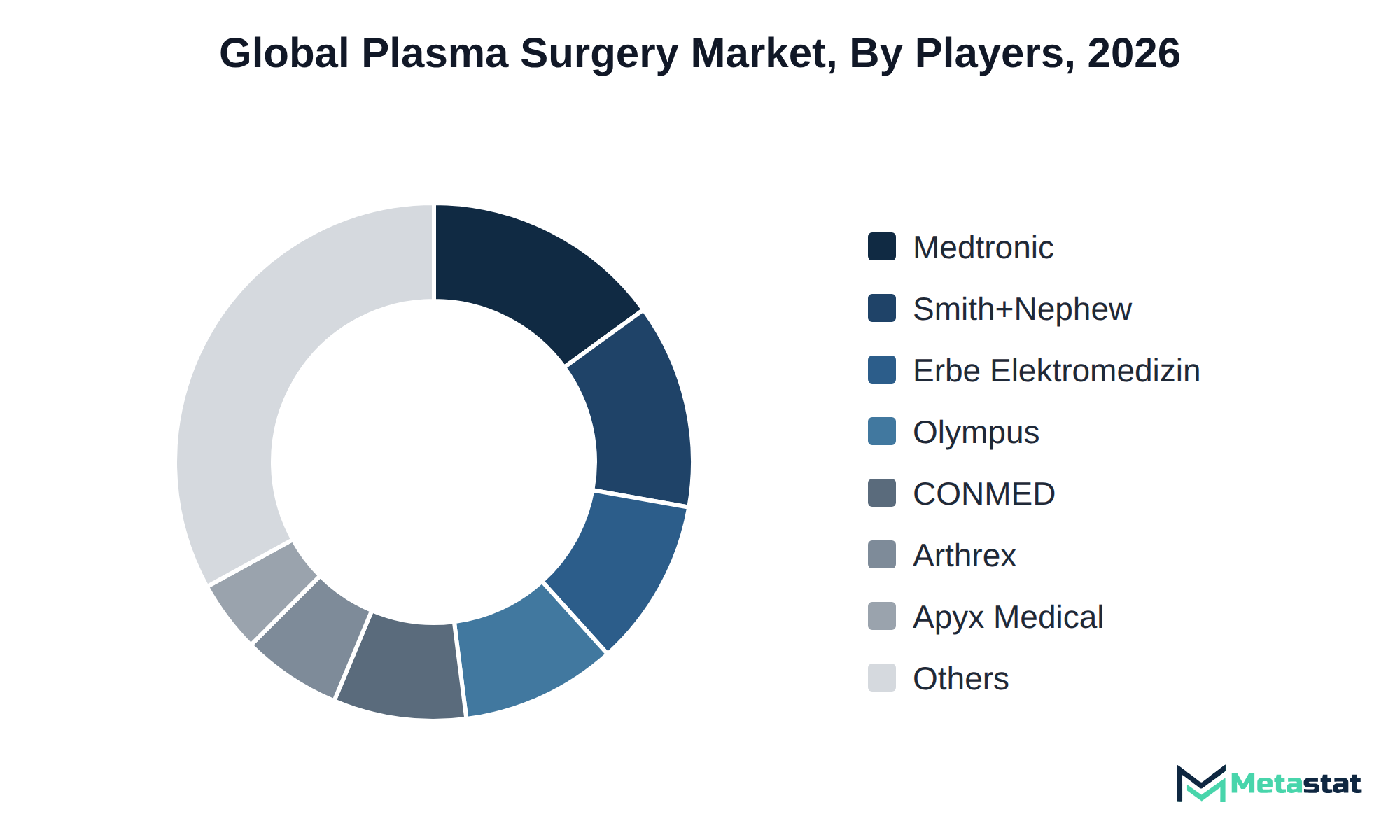
Erbe Elektromedizin GmbH operates in the market with a focus on advanced plasma surgery systems and generators, emphasizing high-quality standards and robust performance. In contrast, Smith+Nephew plc and Olympus Corporation concentrate on developing specialized instruments, presenting unique technologies that support distinct surgical applications.
Market players adopt diverse approaches. Companies like Medtronic plc and CONMED Corporation focus on integrating comprehensive service offerings alongside competitive pricing. Emerging companies, including Apyx Medical Corporation and Arthrex, Inc., enhance their market presence through innovative products tailored for specific end-user needs, driving demand across various settings.
This market exhibits a strong emphasis on technological advancement, encouraging companies to invest in research and development. Continuous improvements in product efficacy and safety standards remain critical for sustaining competitive advantage among companies.
This growth relies on key developments across various segments. The advancement of technology, particularly the Coblation Plasma Technology, with a forecast value of USD 46.7 million by 2033, further supports this growth. The expansion of hospitals as end users, increasing from USD 65.1 million in 2026 to USD 90.3 million by 2033, will drive market adoption. Challenges exist that could hinder market expansion. Regulatory hurdles in different regions, particularly in North America and Europe, could slow down the implementation of new technologies. Ensuring compliance with stringent standards remains a critical factor. Overall, while the Plasma Surgery market shows promising growth potential, it requires sustained innovation and regulatory alignment to achieve the projected market value by 2033.
By Product Type: Plasma Surgery Systems and Generators, Plasma Surgical Wands and Electrodes, Argon Plasma Coagulation Systems, Saline Plasma Resection Systems, Plasma Surgical Probes and Accessories
By Technology: Argon Plasma Coagulation, Coblation Plasma Technology, Saline-Mediated Bipolar Plasma Technology, Low-Temperature Radiofrequency Plasma Technology
By Clinical Specialty: Otolaryngology, Orthopedics and Sports Medicine, Urology, Gastroenterology, General Surgery, Gynecology, Plastic and Reconstructive Surgery, Neurosurgery, Others (Thoracic Surgery, Ophthalmic Surgery)
By End User: Hospitals, Ambulatory Surgery Centers, Specialty Clinics
The report strategically identifies and profiles the key market players and analyses their core competencies in each sub-segment of the Plasma Surgery market.
Report Attributes | Details |
Study Period | 2021-2033 |
Base Year | 2025 |
Estimated Year | 2026 |
Forecast Period | 2026-2033 |
Historical Period | 2021-2025 |
Growth Rate | CAGR 5.5% from 2026 to 2033 |
Revenue Unit | USD million |
Segmentation | By Product Type, Technology, Clinical Specialty, End User, and Region |
By Region | North America (By Product Type, Technology, Clinical Specialty, End User, and Country)
|
Europe (By Product Type, Technology, Clinical Specialty, End User, and Country)
| |
Asia Pacific (By Product Type, Technology, Clinical Specialty, End User, and Country)
| |
South America (By Product Type, Technology, Clinical Specialty, End User, and Country)
| |
Middle East and Africa (By Product Type, Technology, Clinical Specialty, End User, and Country)
|
Find answers to common questions about this report
The Plasma Surgery market size was valued at USD 96.7 million in 2025.
The market is projected to grow at a CAGR of 5.5% during the forecast period from 2026 to 2033.
The North America Plasma Surgery market size is estimated to reach USD 54.7 million by 2033.
Plasma Surgical Wands and Electrodes lead the market with a projected value of USD 41.8 million by 2033, surpassing other product types in revenue generation.
Hospitals drive substantial investments in advanced surgical technologies due to heightened patient expectations for minimally invasive procedures. The emergence of ambulatory surgery centers as key stakeholders contributes to growth, prioritizing patient convenience and quick recovery with advanced surgical technologies.
North America holds the dominant share of the Plasma Surgery market, with a projected value of USD 54.7 million in 2033, representing 38.9 percent of the total market. This figure surpasses the shares of other regions, indicating a significant lead in market presence.
High costs associated with advanced technologies significantly impact buyer adoption, particularly among hospitals and ambulatory surgery centers. Budget constraints often result in smaller orders or delayed replacement of older equipment, hindering the advancement of surgical practices.
The Plasma Surgery market is estimated to reach a valuation of USD 148.5 million by 2033.
Key players operating in the Plasma Surgery market include Erbe Elektromedizin GmbH, Smith+Nephew plc, Olympus Corporation, Medtronic plc, CONMED Corporation, Apyx Medical Corporation, and Arthrex, Inc.
Plasma surgical wands and electrodes are expected to grow at a compound annual growth rate of 6.5% through 2033, reflecting increasing demand from healthcare providers.
The analysts below cover Medical Devices research at Metastat Insights.
LEAD ANALYST
Utkarsh Khirodkar is a Lead Market Research Analyst at MetaStat Insight, specializing in market intelligence, technology sector assessments, and competitive strategy.

LEAD PRINCIPAL ANALYST, PHARMA AND HEALTHCARE
Food and Beverages · Healthcare · Healthcare IT · Medical Devices
Ajay Devgire is the Lead Healthcare Analyst at MetaStat Insight, leading strategic research and market intelligence initiatives across the global healthcare domain.

SENIOR RESEARCH ANALYST
Biotechnology · Food and Beverages · Medical Devices · Packaging
Snehal Pasalkar is a Research Analyst at MetaStat Insight, operating at the intersection of life sciences research, competitive strategy, and market intelligence.
Integrating zero-trust access controls across legacy electronic health record systems involves complex compliance overhead. Team produced an analysis that clearly separated identity governance and administration tools from privileged access management platforms. Their evaluation of HIPAA and GDPR compliance features across cloud native solutions gave our architecture group clear baseline criteria. The custom data request regarding biometric authentication adoption in hospital networks was returned promptly with clear documentation.
Evaluating calorific value requirements and air permit compliance across municipal waste facilities requires localized data. Metastat Insight structured their analysis around operational throughput capacity and feedstock composition variations in Latin America and Eastern Europe. Their competitive mapping of sorting equipment vendors helped clarify technology differences between optical separators and heavy media systems. The study provided an objective baseline during our capital expenditure reviews.
Decarbonizing industrial thermal processes hinges on refrigerant regulations and compressor efficiency limits. Metastat Insights delivered a thorough market analysis that evaluated natural refrigerants like CO2 and hydrocarbons against synthetic low-GWP alternatives. The breakdown of utility incentives and grid capacity constraints across key European manufacturing hubs offered valuable perspective. The follow-up conversation with their sector analysts addressed our specific questions on mechanical vapor recompression systems efficiently.
Explore related market intelligence reports worth reading alongside this one.
Starting from
$2950