
LEAD ANALYST
Utkarsh Khirodkar is a Lead Market Research Analyst at MetaStat Insight, specializing in market intelligence, technology sector assessments, and competitive strategy.

Global Surgical Lasers Market Size, Share, By Laser Type (CO₂ Lasers, Holmium:YAG Lasers, Thulium Fiber Lasers, Thulium:YAG Lasers, Erbium:YAG Lasers, Nd:YAG Lasers, Diode Lasers, Excimer Lasers, Femtosecond Lasers and Others (Argon, KTP and Pulsed-Dye Lasers)), By Procedure Type (Soft-Tissue Surgery, Stone Fragmentation and Lithotripsy, Benign Prostatic Hyperplasia Treatment, Retinal Photocoagulation, Corneal Refractive Surgery, Cataract Laser Procedures, Laser-Assisted Lipolysis and Others (Scar Revision and Lesion Removal)), By Application (Oncology, Ophthalmology, Urology, Neurology, Cardiology, Dentistry and Others (Gynecology and Dermatology)), By End User (Hospitals, Ambulatory Surgical Centers, Specialty Clinics, Ophthalmic Centers, Dental Clinics and Academic and Research Institutes), Industry Analysis, Growth, Trends, and Forecast, 2026-2033
Report ID
MSI-5784
Published
November, 2026
Pages
295 Pages
Format
Historical
Base year
Forecast
Forecast period
Report Details
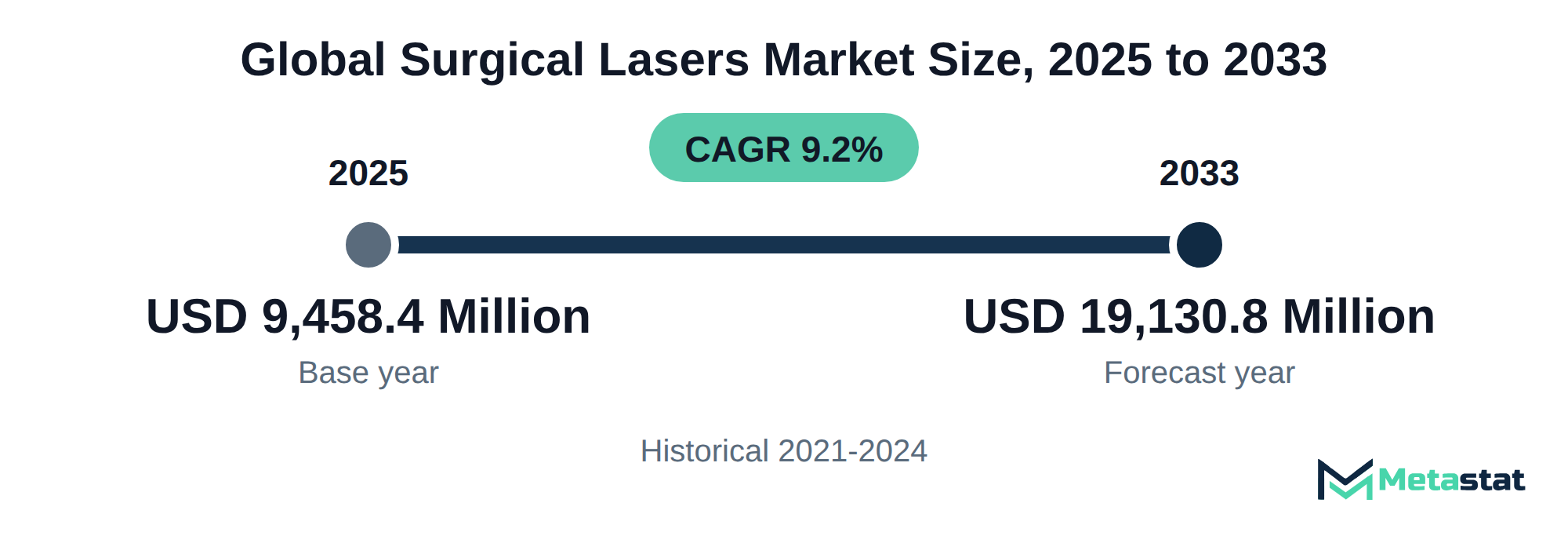
Market Valuation: Valued at $9,458.4 Million in 2025, projected to reach $19,130.8 Million by 2033 at a 9.2% CAGR.
Dominant Segment: CO₂ lasers lead the Surgical Lasers market, primarily driven by their extensive use in soft-tissue surgeries, which reflects a growing preference for minimally invasive procedures.
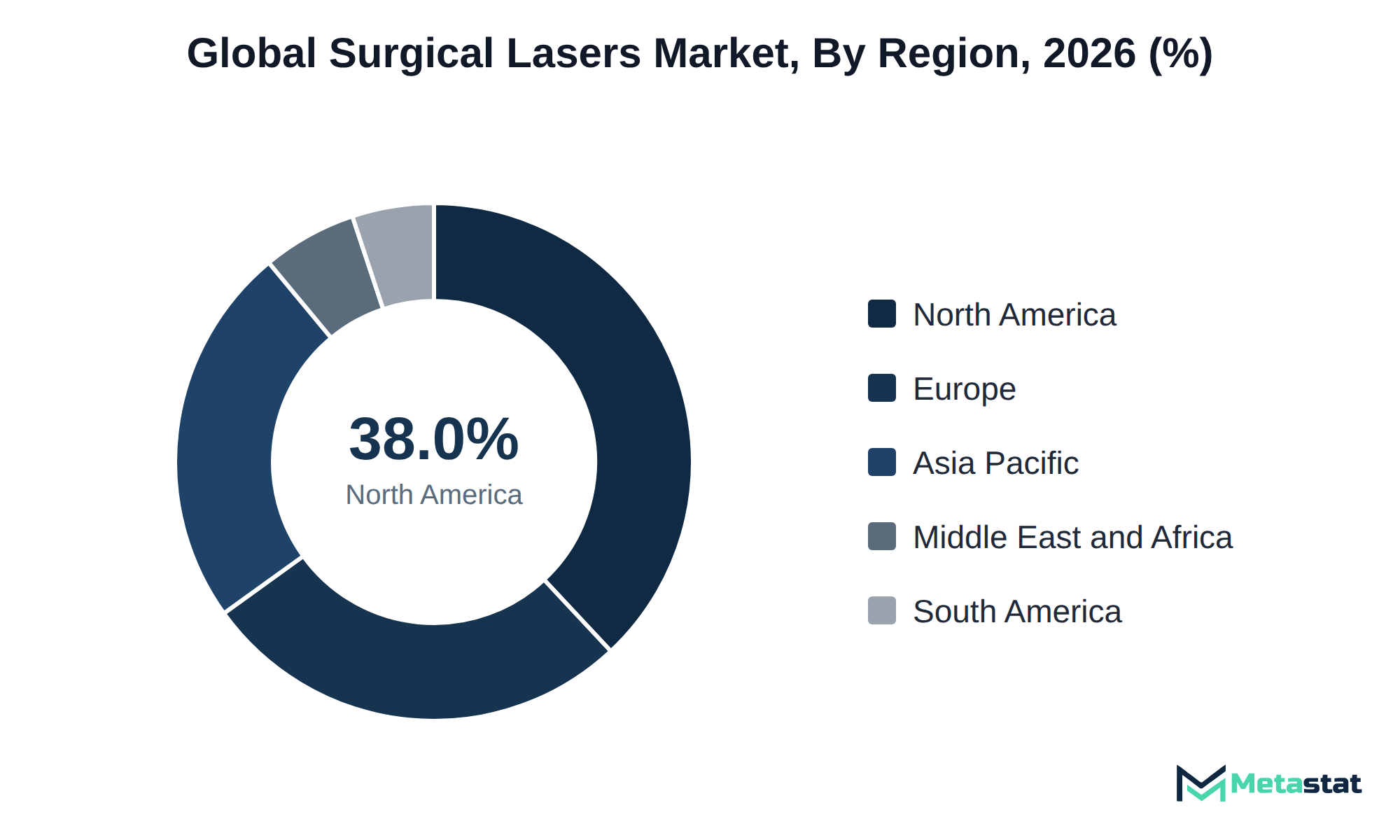
Geographic Lead: North America is the leading region, holding 38.0% of the market in 2025, supported by advanced healthcare infrastructure and significant investments in medical technology.
What's Inside: The report provides a comprehensive analysis of the competitive landscape, market dynamics, and detailed forecasts for various laser types and applications, covering the period from 2026 to 2033.
Rising Adoption: The adoption of Femtosecond and Excimer lasers in ophthalmic procedures is increasing, with the Ophthalmology application segment projected to reach USD 3,965.8 million by 2033, highlighting their precision and safety.
High Growth in Oncology: The oncology application segment is expected to grow significantly, with a projected value increase from USD 2,042.2 million in 2026 to USD 3,986.9 million by 2033, driven by the rising incidence of cancer diagnoses.
Choose Your License
Global Surgical Lasers Market
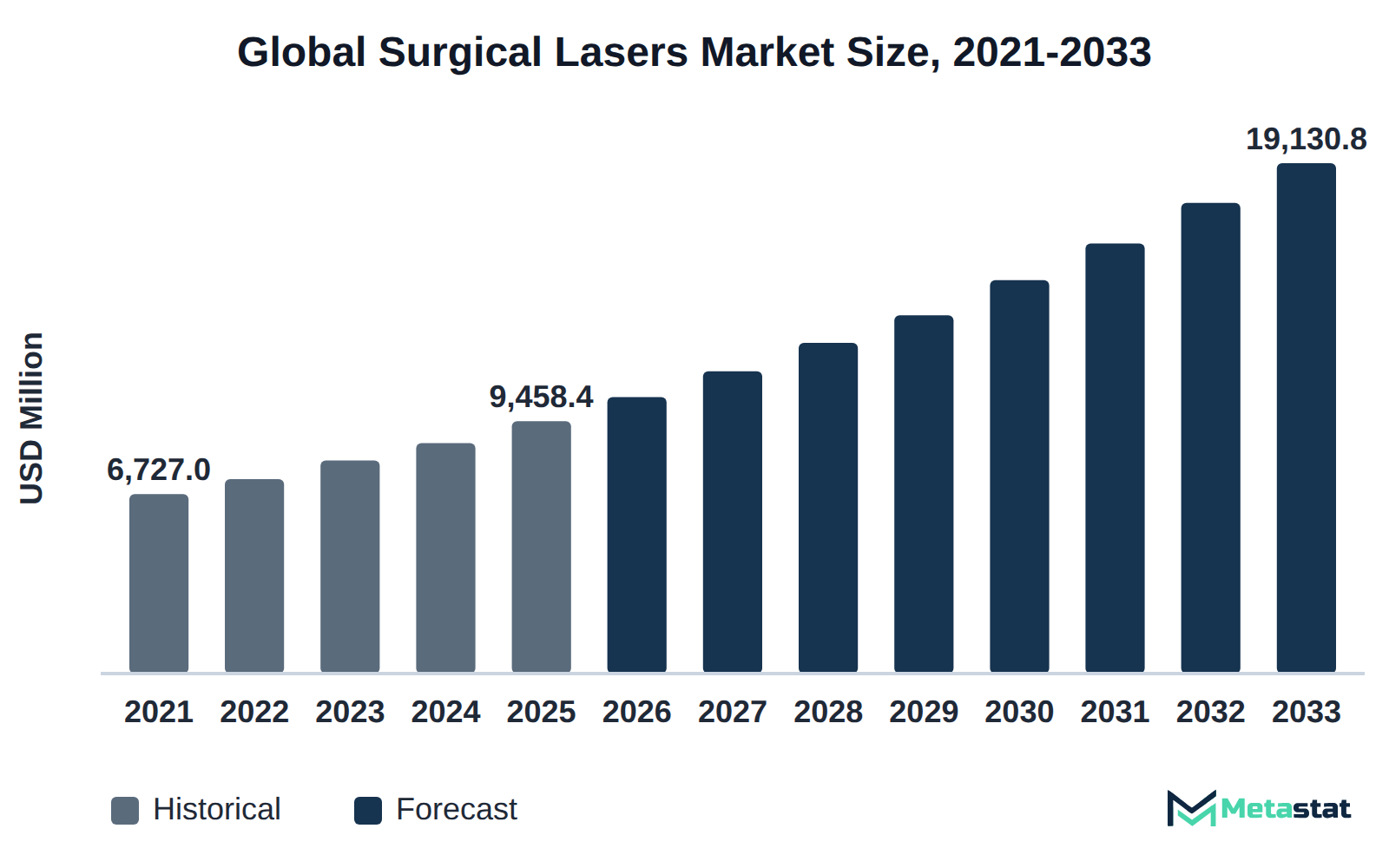
The global Surgical Lasers market was valued at USD 9,458.4 million in 2025 and is projected to reach USD 19,130.8 million by 2033, growing at a CAGR of 9.2% over the forecast period.
The Surgical Lasers market encompasses advanced laser technologies used in various medical procedures, serving applications in oncology, ophthalmology, urology, and more. Buyers invest in this market to enhance surgical precision, reduce recovery times, and improve patient outcomes. The combination of technological advancements and the rising prevalence of chronic diseases drives demand for surgical lasers among healthcare providers.
Growth in the market is primarily fueled by an increasing preference for minimally invasive surgeries. Among the various segments, CO₂ lasers represent the highest value, reflecting their extensive use in soft-tissue surgeries and other applications. North America holds 38.0% of the market in 2025, with the US leading in 2026. This regional dominance is attributed to advanced healthcare infrastructure and significant investments in medical technology.
Healthcare systems continue to evolve, and the need for effective and efficient surgical solutions intensifies. The Asia Pacific region follows closely, accounting for 23.9% of the market share. Rapidly growing economies and expanding healthcare access within this region present substantial growth opportunities for surgical laser manufacturers. Increasing awareness of advanced treatment options contributes to the overall expansion of the market.
The Surgical Lasers market addresses the growing demand for minimally invasive surgical procedures, leading to increased investments by healthcare providers. Hospitals and ambulatory surgical centers prioritize these technologies to enhance patient outcomes and streamline operational efficiency. The emphasis on precision in surgical interventions drives buyers to adopt advanced laser systems, affecting their purchasing decisions.
Rapid advancements in laser technology contribute to the market's growth, with CO₂ lasers representing the highest value segment within the laser type category. The region's robust healthcare infrastructure and increasing adoption of laser-based procedures fuel demand, establishing a competitive environment that encourages ongoing innovation and development.
The continuous rise in chronic diseases and the aging population create a sustained demand for effective treatment options, further propelling the market. Opportunities within emerging markets, particularly in Asia Pacific and South America, present avenues for expansion, catering to an increasing number of healthcare facilities seeking modern surgical solutions. This growth potential indicates a promising outlook for stakeholders involved in the Surgical Lasers market.
Recent advancements in Thulium Fiber and Holmium:YAG laser technologies significantly enhance precision surgery within the Surgical Lasers market. These technologies enable surgeons to perform intricate procedures with greater accuracy and reduced thermal damage to surrounding tissues. The growing adoption of these lasers reflects their effectiveness in applications including soft-tissue surgery and oncology.
Specific to Thulium Fiber Lasers, their capability to deliver high efficiency and versatility positions them favorably for various surgical procedures. By 2033, the market for Thulium Fiber Lasers is anticipated to reach USD 2,152.2 million, driven by increasing demand for minimally invasive surgical techniques. This trend in the market indicates a shift towards laser technologies that minimize patient recovery time while maximizing surgical outcomes.
Holmium:YAG Lasers further strengthen their position in the market due to their ability to fragment stones and perform precise tissue ablations. By 2033, Holmium:YAG Lasers are projected to achieve a market size of USD 3,145.1 million. This advancement illustrates the lasers' capabilities in treating conditions like benign prostatic hyperplasia. It also highlights a broader trend toward laser usage in urology and lithotripsy, which supports higher efficiency and patient satisfaction.
The adoption of Femtosecond and Excimer lasers in ophthalmic procedures has increased significantly, driven primarily by their precision and safety profiles. In the Surgical Lasers market, Femtosecond lasers, known for their ability to create precise corneal flaps for laser-assisted in-situ keratomileusis (LASIK), are gaining traction among eye care professionals. Their usage reflects a growing trend towards technologies that enhance patient outcomes. By 2033, the value of the Ophthalmology application segment is projected to reach USD 3,965.8 million, underlining the financial potential tied to these technologies.
Financial arrangements between suppliers and healthcare providers shape how these lasers are procured. Pricing structures often involve capital leasing options and service contracts that align with the operational budget of healthcare facilities. Suppliers typically provide flexible payment terms to accommodate the varied financial capabilities across hospitals, ambulatory surgical centers, and specialty clinics. This adaptability allows providers to integrate Femtosecond and Excimer lasers into their offerings without straining financial resources.
The current landscape encourages investments in these advanced lasers, leading to improved adoption rates. Enhanced payment models drive further accessibility, enabling more facilities to offer innovative procedures. This shift enhances competition within the market and supports broader acceptance of advanced surgical techniques among patients, which expands overall market reach.
The demand for surgical lasers in urology and oncology experiences significant growth, driven by an increasing preference for minimally invasive procedures. The Surgical Lasers market shows a projected value of USD 19,130.8 million by 2033, indicating heightened interest in advanced medical technologies among healthcare providers. The need for effective treatment options in urology, particularly for conditions including benign prostatic hyperplasia, supports the adoption of laser technologies. This procedure type specifically anticipates reaching a value of USD 2,990.1 million by 2033, reflecting its importance within the market.
Oncology remains another critical area for surgical laser use, particularly for tumor removal and photocoagulation therapies. The application of lasers in this field is expected to grow significantly, with oncology procedures projected to increase from USD 2,042.2 million in 2026 to USD 3,986.9 million by 2033. This sharp rise aligns with the global push for improved cancer treatment methodologies, prompting hospitals and specialty clinics to invest in advanced laser systems. The use of surgical lasers in oncology enhances precision and minimizes recovery times.
The rise of minimally invasive treatments further enhances the role of surgical lasers in modern medical practice. These technologies reduce patient recovery time and postoperative complications, making them highly attractive to healthcare providers. With growing awareness among patients regarding the benefits of minimally invasive procedures, the market for surgical lasers is expected to expand. Investments in research and development of new laser technologies are likely to enhance treatment efficacy and open new avenues for application. Consequently, stakeholders in the market focus on innovative solutions to address the evolving needs of healthcare professionals and their patients.
Innovative laser technologies significantly influence the adoption of surgical lasers across healthcare facilities. CO₂ lasers, for example, show a growth trajectory, with a projected increase from USD 1,885.6 million in 2026 to USD 3,223.5 million by 2033, reflecting a compound annual growth rate of 8%. This technology excels in procedures requiring precise tissue incisions, making it a preferred choice for soft-tissue surgeries.
The increasing focus on minimally invasive procedures contributes to the rising demand for these advanced laser systems. Hospitals, the primary end users, benefit operationally from reduced patient recovery times and enhanced surgical outcomes. The capacity of CO₂ lasers to deliver high precision and control positions them as a critical asset in operating rooms, influencing the overall evolution of the surgical lasers market.
The importance of Holmium:YAG lasers stands out, with projections indicating a growth to USD 3,145.1 million by 2033, reflecting a CAGR of 8.6%. This versatility allows them to be employed in various applications, including urology and lithotripsy. Availability of these laser systems enhances procedural efficacy, further driving adoption in healthcare settings.
The shift toward outpatient procedures has significantly influenced spending in the Surgical Lasers market. Hospitals and ambulatory surgical centers prioritize efficiency and patient convenience, leading to an increased adoption of surgical lasers. The preference for outpatient surgeries reflects broader healthcare trends, driven by rising healthcare costs and improved patient outcomes. Specific applications including soft-tissue surgery and urology benefit from this change, resulting in an increase in demand for surgical lasers. The market value for soft-tissue surgery is projected to rise from USD 2,600.4 million in 2026 to USD 4,560.8 million by 2033, indicating strong growth in this sector.
Investment in advanced laser technologies enhances procedural efficiency and reduces recovery times, further supporting growth. The increasing focus on outpatient solutions reflects a broader demographic trend, with patients seeking less invasive options, which drives overall market advancement.
Innovations in laser systems significantly influence growth within the Surgical Lasers market. The emergence of high-precision laser technologies enhances surgical outcomes, particularly in sensitive applications including oncology and ophthalmology. Advanced systems, including Thulium Fiber and Holmium:YAG lasers, provide improved efficacy and safety over traditional methods, attracting healthcare providers to invest in these technologies.
The increasing demand for minimally invasive procedures drives the adoption of these advanced laser systems, providing faster recovery times and reduced complications for patients. This shift towards precision surgical techniques aligns with the broader trend of enhancing patient care and operational efficiency in healthcare facilities. Advancements in laser delivery systems, including fiber optics, streamline procedures, enabling surgeons to perform complex tasks with greater accuracy.
These technological enhancements support patient outcomes and contribute to the competitive positioning of healthcare facilities within the market. Hospitals and outpatient centers seek to differentiate their offerings, and investments in advanced surgical lasers become a strategic priority, further propelling market growth.
The price sensitivity of healthcare providers significantly impacts the adoption of surgical lasers. Hospitals and ambulatory surgical centers frequently face budget constraints, leading to slower uptake of advanced laser systems. High initial costs associated with these technologies deter smaller facilities from making purchases, resulting in smaller orders and delayed replacements of older equipment. This hesitation limits the potential for growth within the market, particularly in regions where healthcare budgets are more constrained. A lack of awareness regarding the long-term cost benefits of surgical lasers contributes to hesitance among buyers. Broader adoption of surgical lasers across medical applications depends on addressing these economic concerns.
Suppliers face significant margin pressure due to rising input costs associated with raw materials and production processes for surgical lasers. Increased prices for components including optical fibers and laser diodes directly impact profitability. This situation forces suppliers to adopt various strategies to maintain margins while remaining competitive in the market. Several manufacturers are investing in advanced production technologies to enhance efficiency and reduce waste. Others are exploring long-term supplier contracts to stabilize prices for critical materials. Collaborative efforts among industry players help to share knowledge and resources, further driving innovation in laser technologies. Such responses support operational stability and help maintain product quality during cost challenges. The need for effective cost management strategies remains crucial for suppliers seeking to thrive in the competitive environment of the surgical lasers market.
The oncology application segment presents significant growth potential within the Surgical Lasers market. Laser technologies in oncology, particularly CO₂ and Thulium Fiber lasers, exhibit a compound annual growth rate (CAGR) of 10% from 2026 to 2033. The rising incidence of cancer diagnoses drives demand for effective and precise treatment alternatives. Hospitals and specialty clinics increasingly adopt these technologies due to their efficiency and reduced recovery times compared to traditional surgical methods. This growing preference reinforces investments in advanced laser systems, enhancing treatment options for patients. The projected market value for the oncology application segment expands from USD 2,042.2 million in 2026 to USD 3,986.9 million by 2033, highlighting its role in shaping the future of surgical interventions.
The Global Surgical Lasers market is segmented based on Laser Type, Procedure Type, Application, and End User.
CO₂ lasers find extensive use in various surgical procedures, including soft-tissue surgeries and dermatological applications, making them popular among hospitals and specialty clinics. The increasing preference for minimally invasive procedures drives demand for CO₂ lasers, contributing to its strong growth trajectory. Compared to other laser types, including Holmium:YAG and Thulium Fiber lasers, the CO₂ segment experiences moderate growth, with a CAGR of 8% versus Holmium:YAG's 8.6%. The balance between cost-effectiveness and clinical capability positions CO₂ lasers favorably in the market, ensuring wide adoption among healthcare providers focused on enhancing patient outcomes through advanced surgical techniques.
Holmium:YAG lasers find extensive application in various medical procedures, particularly in urology and lithotripsy, where precision and efficiency are critical. The increasing prevalence of urological conditions fuels demand, driving healthcare providers to adopt advanced laser technologies. Compared to other segments, Holmium:YAG Lasers exhibit significant growth due to their effectiveness in treating patients with urinary stones and benign prostatic hyperplasia. The combination of rising healthcare expenditures and the focus on minimally invasive techniques enhances this segment's appeal. With a competitive edge in affordability and effectiveness, Holmium:YAG Lasers are positioned favorably against other laser types in the market, attracting a diverse range of healthcare facilities.
Thulium Fiber Lasers segment is expected to reach USD 2,152.2 million by 2033. These lasers are widely used in medical applications including urology and oncology, providing precise tissue removal and ablation with minimal collateral damage. The growth of the Thulium Fiber Lasers segment is driven by increasing demand for minimally invasive procedures, where patients benefit from lower recovery times and reduced risks. Compared to other laser types, Thulium Fiber Lasers differentiate themselves through their specific use in delicate surgeries, appealing to hospitals and specialty clinics focused on advanced treatments. The segment's CAGR of 10.5% signals significant growth, outpacing several other laser segments, reflecting a substantial shift toward safer surgical techniques. This trend is supported by rising investments in healthcare technology, enhancing the capabilities of medical professionals in various fields.
Thulium:YAG Lasers segment is projected to grow at a CAGR of 10.5% during the forecast period. These lasers are primarily used in various surgical procedures, particularly in areas including urology and oncology, where precision and safety are critical. This segment appeals to hospitals and specialty clinics that prioritize advanced treatment options for complex conditions. Demand is driven by the increasing incidence of diseases requiring surgical intervention, coupled with ongoing technological advancements. Compared to other laser types, Thulium:YAG Lasers feature a unique wavelength that enhances tissue absorption and minimizes damage to surrounding areas, distinguishing it with a faster growth trajectory than Holmium:YAG Lasers, which are projected to grow at a CAGR of 8.6%. The market expansion reflects a broader shift toward minimally invasive approaches, enhancing patient recovery times and surgical outcomes.
Erbium:YAG Lasers are used in various medical applications, particularly in soft-tissue surgeries and dermatological procedures. Hospitals and specialty clinics frequently employ these lasers due to their precision and minimal collateral damage to surrounding tissues. The increasing demand for effective and minimally invasive surgical solutions drives growth in this segment. The prevailing trend towards outpatient procedures further supports adoption, as these lasers enhance recovery times for patients. Compared to other laser types, Erbium:YAG Lasers offer unique advantages, including lower thermal injury and improved healing, which differentiate them within the market. Their pricing structure positions them competitively, influencing purchasing decisions among healthcare providers focused on delivering optimal patient outcomes.
Nd:YAG Lasers are used in surgical procedures, particularly in applications including urology and ophthalmology. These lasers prove effective in tissue cutting and coagulation, providing precision and minimally invasive options for patients. The segment attracts interest from hospitals and specialty clinics seeking advanced solutions for surgical interventions. Rising demand for efficient treatment methods drives adoption in this segment. Compared to other laser types, Nd:YAG Lasers differentiate themselves through their versatility and effectiveness in various procedures, with potentially higher costs associated with advanced technology. This positioning enhances their appeal in high-value treatments, aligning with ongoing trends toward improving patient outcomes and operational efficiency in the surgical environment. The market continues to develop, with healthcare providers increasingly recognizing the benefits of incorporating Nd:YAG Lasers into surgical offerings.
Diode Lasers serve critical functions in various medical procedures, particularly in dermatology and ophthalmology. These lasers employ a semiconductor to emit light and are particularly valued for their compact design and efficiency. Primarily used in aesthetic treatments, these systems appeal to hospitals and specialty clinics seeking effective solutions for conditions ranging from hair removal to vascular lesions. Demand for Diode Lasers is propelled by the growing trend toward minimally invasive procedures and rising patient expectations for quick recovery times. Compared to other laser types, including CO₂ Lasers or Holmium:YAG Lasers, Diode Lasers typically offer a more affordable entry point for treatment facilities. Their price advantages and operational efficiencies contribute to distinct positioning in the market, aimed at both cost-conscious providers and patients.
Excimer Lasers serve a unique role in specific surgical applications, particularly in ophthalmology and dermatology. Their precision and effectiveness in tissue ablation make them suitable for procedures including LASIK and other corneal surgeries. Factors influencing the growth of this segment include advancements in laser technology and increasing demand for minimally invasive treatments. This segment differentiates itself from others in the laser types by its specialized applications and higher cost due to the sophisticated technology involved. Compared to other laser types, Excimer Lasers experience a different adoption rate and pricing structure, aligning with the premium end of the market spectrum. Ongoing development of newer laser technologies drives interest and investment in this segment, positioning it strategically within the broader Surgical Lasers market.
Femtosecond Lasers represent advanced laser systems primarily in ophthalmic surgeries, particularly for refractive procedures, cataract surgery, and corneal transplants. These lasers offer high precision through a unique timing mechanism that allows for exact tissue cutting without thermal damage. Surgeons in ophthalmic centers and hospitals frequently adopt this technology due to its ability to enhance procedural outcomes and patient safety. Demand for these lasers is driven by the increasing prevalence of refractive errors and the rising number of cataract surgeries globally. Compared to other laser types, Femtosecond Lasers exhibit a higher price point, reflecting their advanced technology and capabilities. This segment thrives on ongoing technological innovations aimed at improving surgical precision and patient comfort, distinguishing itself from alternatives that do not provide the same level of efficacy in delicate procedures. Investment in Femtosecond Lasers significantly impacts the overall growth trajectory of the Surgical Lasers market.
Others (Argon, KTP and Pulsed-Dye Lasers) encompass a range of laser technologies for various surgical applications. These lasers serve critical roles in applications including dermatology, ophthalmology, and aesthetics, contributing to procedures like tattoo removal and skin rejuvenation. Both procedures also belong to the wider aesthetic laser industry. The segment experiences demand driven by growing patient preferences for minimally invasive treatments and advancements in laser technology. However, competition from other advanced laser types influences pricing dynamics and market penetration. Compared to segments featuring CO₂ and Holmium:YAG Lasers, this segment typically attracts a distinct buyer demographic, including specialized clinics focusing on cosmetic and aesthetic procedures. The Surgical Lasers market continues to evolve, with a clear push toward the integration of innovative laser solutions across healthcare providers.
This segment involves various surgical procedures focusing on tissues including skin, muscles, and organs, widely used by hospitals and specialty clinics. The increasing prevalence of chronic conditions requiring surgical intervention, combined with a growing preference for minimally invasive techniques, drives demand for this segment. Compared to other procedure types, Soft-Tissue Surgery demonstrates significant growth, supported by technological advancements in laser systems. The rising number of outpatient surgical procedures highlights the evolution of surgical practices, further enhancing the uptake of surgical lasers in this area. These dynamics position the Soft-Tissue Surgery segment as a critical contributor to the overall expansion of the market for surgical lasers.
Stone Fragmentation and Lithotripsy segment is estimated to reach USD 3,198.7 million by 2033, at a CAGR of 8.1% during the forecast period. This segment is significant in the treatment of urinary stones through non-invasive procedures, primarily used by urologists in hospitals and ambulatory surgical centers. The increasing prevalence of kidney stones and growing awareness of minimally invasive surgical techniques drive demand within this segment. Compared to other procedure types, Stone Fragmentation and Lithotripsy exhibits a strong growth rate, supported by advancements in laser technology that enhance efficacy and patient outcomes. The segment's pricing strategies and cost-effectiveness appeal to healthcare providers seeking to improve operational efficiencies. Investments in innovative laser systems further contribute to the segment's competitive edge, positioning it favorably within the broader Surgical Lasers market.
Benign Prostatic Hyperplasia Treatment segment is expected to reach USD 2,990.1 million by 2033. This procedure type primarily addresses benign prostatic hyperplasia, a common condition among older men characterized by an enlarged prostate that leads to urinary difficulties. Hospitals and ambulatory surgical centers frequently use surgical lasers for this treatment, leading to heightened efficiency and reduced recovery times for patients. Demand for this segment is driven by an increasing aging population requiring effective treatment options. Unlike other procedure types, including soft-tissue surgery or stone fragmentation, the growth rate for benign prostatic hyperplasia treatment exhibits a stable increase, focusing on enhancing patient outcomes rather than rapid technological advancements. The market reflects a consistent expansion trajectory, influenced by the rising prevalence of prostate-related health issues and the growing adoption of minimally invasive surgical techniques.
Retinal Photocoagulation segment is projected to grow at a CAGR of 7.9% during the forecast period. This procedure involves using laser technology to treat various retinal disorders, primarily by sealing leaking blood vessels or creating scars to stabilize the retina. Ophthalmologists and specialized clinics apply this technique extensively to manage conditions including diabetic retinopathy and age-related macular degeneration. A demand driver for this segment includes the rising prevalence of retinal diseases due to aging populations, particularly in developed regions. Compared to other procedure types, Retinal Photocoagulation experiences moderate growth but offers higher price points, contributing to its revenue generation. The Surgical Lasers market reflects a shift toward advanced laser technologies that enhance the precision and outcomes of ophthalmic surgeries, further supporting the segment's expansion.
Corneal Refractive Surgery encompasses advanced procedures aimed at correcting refractive errors in the eye, thereby enhancing visual acuity. This segment is primarily used by ophthalmic centers and hospitals for laser-assisted surgeries including LASIK and PRK. Demand accelerates due to the increasing prevalence of vision-related disorders among the aging population and rising awareness of the benefits of laser surgery. Technological advancements in laser systems contribute to improved safety and effectiveness, attracting more patients seeking corrective eye surgery. Differentiating from other procedure types, Corneal Refractive Surgery experiences a distinct focus on specific patient demographics, resulting in a unique market dynamic. Compared to broader surgical procedures, this segment often commands higher prices per procedure, reinforcing its value within the market. Interest in minimally invasive options further drives growth, aligning with evolving patient preferences for quick recovery times and reduced discomfort.
Cataract Laser Procedures represent advanced techniques designed for the treatment of cataracts, a common eye condition that affects vision clarity. These procedures are primarily performed by ophthalmic centers and hospitals, focusing on enhancing visual outcomes and patient recovery times. One significant driver influencing this segment involves the increasing prevalence of cataracts associated with an aging population, leading to higher demand for effective surgical solutions. Advancements in laser technology contribute to improved precision and safety during surgeries, further supporting market growth. Compared to other procedures, Cataract Laser Procedures experience rapid adoption due to their ability to reduce recovery times and improve surgical outcomes, setting them apart from segments including Soft-Tissue Surgery, which has a slightly slower growth trajectory. The Surgical Lasers market benefits from the continuous development and integration of innovative technologies tailored for cataract treatment. Cataract surgery typically concludes with the implantation of intraocular lenses, which form a closely related product category.
Laser-Assisted Lipolysis involves a minimally invasive technique employing laser energy to aid in fat reduction, targeting specific areas of the body. This approach finds significant application in cosmetic and aesthetic procedures, primarily used by plastic surgeons and dermatologists. A growing trend toward non-invasive body contouring solutions drives demand for this segment, appealing to patients seeking effective fat reduction with minimal recovery time. Compared to other procedure types, Laser-Assisted Lipolysis stands out for its focus on aesthetic enhancement rather than medical necessity, influencing the buyer demographic significantly. While other segments like Soft-Tissue Surgery experience substantial growth, Laser-Assisted Lipolysis caters to a niche market, attracting clients interested in cosmetic enhancements. Factors including the increasing prevalence of obesity and a societal shift toward body image consciousness contribute to the expansion of this segment, positioning it for future development in the competitive environment of the Surgical Lasers market.
Scar revision and lesion removal involve specialized surgical procedures intended to improve the appearance of scars and remove undesirable lesions from the skin. These procedures find applications in dermatology and cosmetic surgery, where practitioners apply surgical lasers to achieve precise results with minimal damage to surrounding tissues. The growing demand for aesthetic procedures drives this segment, particularly among patients seeking effective solutions for skin imperfections. Unlike other segments, this one experiences slower growth due to varying patient perceptions regarding cosmetic procedures and potential adoption barriers related to cost and recovery time. The Surgical Lasers market reflects a strong interest in enhancing skin quality, leading to increased investment in technologies that meet these specific patient needs.
This segment focuses on the use of surgical lasers for cancer treatment, primarily by hospitals and specialized oncology clinics to perform precise tissue ablation and tumor removal procedures. These procedures overlap with the wider tumor ablation industry. The increasing incidence of cancer globally drives demand for advanced treatment options, contributing to the oncology segment's higher growth rate compared to other applications. Ongoing advancements in laser technology enhance treatment efficacy and safety, encouraging adoption among healthcare providers. With a CAGR of 10%, this segment exhibits significant growth, reflecting strong market interest in innovative cancer therapies.
The ophthalmology segment is estimated to reach USD 3,965.8 million by 2033, at a CAGR of 8.2% during the forecast period. This segment primarily focuses on treating eye-related conditions through laser technology, including procedures for cataracts, glaucoma, and refractive errors. The demand for advanced ophthalmic procedures is driven by increasing incidences of eye disorders and a growing aging population seeking improved vision. Compared to other segments, including oncology, the ophthalmology sector exhibits a moderately strong growth rate, presenting distinct opportunities for technology advancements, particularly in laser precision and safety. Investments in research and development are expected to enhance the effectiveness of laser treatments, further fueling adoption among hospitals and specialized clinics. Dynamic growth influences the market, driven by ongoing innovations and heightened patient awareness regarding eye care.
The urology segment is expected to reach USD 4,239.4 million by 2033. This segment focuses on laser applications for treating various urological conditions, employed primarily by hospitals and specialty clinics. Recent advancements in technology contribute to the increasing adoption of surgical lasers in urology, with these systems enhancing precision in procedures including lithotripsy and prostate treatments. The segment experiences growth, reflecting a CAGR of 8.6%, driven by rising demand for minimally invasive techniques that reduce recovery times and improve patient outcomes. In comparison to other applications, urology exhibits a stronger growth trajectory due to the increasing prevalence of urological disorders and heightened awareness of treatment options. The market continues to evolve, offering opportunities for innovative solutions tailored to specific urological needs.
Neurology segment is projected to grow at a CAGR of 8.6% during the forecast period. This segment focuses on laser applications for neurological conditions, including procedures for treating tumors, vascular malformations, and other disorders affecting the nervous system. These procedures also belong to the wider neurosurgery industry. Hospitals and specialized clinics represent the primary users of these advanced laser technologies. Demand for innovative treatment options significantly drives this segment, particularly techniques that enhance precision and minimize recovery time. Neurology differs from other applications in the Surgical Lasers market due to its specialized nature and the high level of expertise required for procedures, leading to different pricing structures and buyer profiles. For instance, the oncology segment emphasizes cancer treatment, which involves broader applications and higher volumes. Neurology’s emphasis on advanced, targeted therapies leads to unique market dynamics: the medical community increasingly seeks effective tools to address complex neurological issues.
Cardiology involves the application of laser technology for various cardiac procedures, focusing on minimally invasive techniques aimed at improving patient outcomes. This segment finds use in hospitals and specialized clinics, where practitioners employ surgical lasers for procedures like cardiac ablation and vascular interventions. Factors driving demand include the increasing prevalence of cardiovascular diseases and advancements in laser technology that enhance procedural effectiveness. Compared to other applications, this segment distinguishes itself through its unique buyer base, often comprised of highly specialized medical professionals, and higher operational costs associated with advanced equipment. The Surgical Lasers market is expected to expand, reflecting a growing recognition of the benefits of laser applications in cardiology.
Dentistry involves various procedures employing specialized laser technologies for treatments in oral care. Dentists employ surgical lasers for procedures including soft tissue surgeries, cavity treatment, and gum reshaping. The growing preference for minimally invasive techniques drives demand in this segment, with patients increasingly favoring options that reduce pain and recovery time. Compared to other applications like oncology or urology, dentistry exhibits slower growth due to the established nature of traditional dental practices. However, advancements in laser technologies continue to enhance treatment outcomes, thereby encouraging adoption among dental professionals. The segment's focus on patient comfort and treatment efficiency differentiates it from other areas, where laser applications are more extensive and diverse.
This segment encompasses applications in gynecology and dermatology, employing advanced surgical lasers for various procedures, including tissue removal and aesthetic treatments. Healthcare providers, including hospitals and specialty clinics, use these technologies for their precision and reduced recovery times. The rising demand for minimally invasive procedures drives growth in this segment, with patients increasingly preferring treatments with fewer complications and shorter healing periods. Compared to oncology and ophthalmology, this segment experiences slower growth due to higher costs associated with specialized equipment and training requirements. However, the advent of innovative laser technologies and increasing patient awareness about aesthetic procedures presents opportunities for expansion. The market increasingly focuses on enhancing safety and effectiveness through improved laser techniques tailored for specific applications, influencing overall adoption rates across the surgical lasers market.
Hospitals segment is valued at USD 4,431 million in 2026 and is projected to reach USD 7,816.8 million by 2033, at a CAGR of 8.4% during the forecast period. This segment primarily involves the use of surgical lasers for various medical procedures, including soft-tissue surgeries, urology, and oncological treatments. The segment benefits from increasing investment in hospital infrastructure and technological advancements, which enhance patient care and procedural efficiency. Hospitals represent a significant buyer group due to their capacity for high-volume procedures. Compared to ambulatory surgical centers, this segment exhibits slower growth, reflecting higher operational costs and regulatory scrutiny in hospital settings, while a focus on advanced surgical techniques drives demand. The surgical lasers market sees hospitals as key players with rising healthcare expenditures and a growing emphasis on minimally invasive procedures.
Ambulatory Surgical Centers segment is estimated to reach USD 3,858.7 million by 2033, at a CAGR of 10.3% during the forecast period. Ambulatory Surgical Centers focus on providing outpatient surgical procedures, allowing patients to receive treatment without requiring an overnight hospital stay. These centers cater to a variety of surgical needs, including minor procedures across specialties including urology and ophthalmology. The increasing preference for minimally invasive surgeries, coupled with the rising demand for outpatient care, drives growth in this segment. Compared to hospitals, Ambulatory Surgical Centers benefit from lower operational costs, which translate into more competitive pricing for patients. This segment differentiates itself with a higher growth rate than traditional hospital settings, reflecting the ongoing shift towards outpatient care and the greater efficiency associated with these facilities. Surgical lasers in these centers enhance procedural effectiveness, supporting the expansion of services offered.
The Specialty Clinics segment is expected to reach USD 3,143.2 million by 2033. This segment encompasses facilities that focus on specific medical areas, providing specialized care and treatment to patients. Specialty clinics employ surgical lasers for various procedures, including dermatological treatments, aesthetic enhancements, and minor surgical interventions. Increasing demand for minimally invasive procedures drives growth within this segment, reflecting broader trends in patient preferences for reduced recovery times and improved outcomes. Compared to hospitals, specialty clinics typically exhibit a more focused service offering, resulting in different purchasing decisions among buyers. Specialty clinics experience a compound annual growth rate of 10.3%, distinguishing this segment as one of the faster-growing areas in the market. The focus on patient-centric care and technological advancements in laser applications supports continued investment and expansion in specialty clinics.
The Ophthalmic Centers segment is projected to grow at a CAGR of 9.7% during the forecast period. These centers focus on providing specialized eye care services, performing procedures including cataract surgery and laser treatments for various ocular conditions. The increasing prevalence of eye-related disorders among the aging population drives demand for advanced surgical solutions. This segment differs from other end-user categories through its emphasis on specialized ophthalmic procedures, resulting in a relatively higher growth rate compared to broader applications including hospitals. Technological advancements in laser treatments specifically designed for vision correction contribute significantly to the segment's performance. Growing awareness regarding the benefits of laser procedures enhances patient adoption, establishing a robust pathway for market expansion in the Surgical Lasers market.
Dental Clinics employ advanced laser technologies for various oral procedures, enhancing treatment precision and patient comfort. These clinics use lasers for applications including teeth whitening, cavity preparation, and gum contouring. The demand for minimally invasive dental treatments drives growth in this segment, with patients increasingly preferring procedures that reduce recovery times and discomfort. Adoption of laser technology among dental practitioners reflects a broader trend toward integrating innovative medical devices in clinical practices. Compared to other end users, including hospitals or ambulatory surgical centers, dental clinics experience a unique market dynamic, focusing on aesthetic and functional enhancements tailored specifically for dental care. This segment contributes to the overall growth of the Surgical Lasers market by demonstrating a commitment to advanced treatment options and improved patient experiences.
Academic and Research Institutes employ surgical lasers for various advanced procedures, primarily focusing on research and development in medical applications. These institutions contribute significantly to the advancement of laser technologies, conducting studies to improve surgical outcomes and exploring innovative applications. The increasing demand for precise and less invasive surgical techniques drives interest in this segment, allowing researchers to explore novel uses of lasers in medicine. Compared to other end user segments, including Hospitals and Specialty Clinics, this segment experiences slower growth due to reliance on funding and research grants, which fluctuate. Academic and Research Institutes shape the future of the surgical lasers market by validating new technologies and procedures through rigorous testing and analysis.
Based on geography, the Global Surgical Lasers market is divided into North America, Europe, Asia-Pacific, South America, Middle East, and Africa.
North America stands out in the Surgical Lasers market, projected to reach USD 6,856.5 million by the end of 2033, driven by advanced healthcare infrastructure and high demand for minimally invasive procedures. The region shows a 38.00% share of the global market in 2025, reflecting significant investment in medical technology. Countries including the United States, Canada, and Mexico emphasize innovation in surgical practices, with hospitals and ambulatory surgical centers being key buyers. Regulatory support for the adoption of advanced laser technologies enhances market dynamics, facilitating the integration of surgical lasers into various medical applications. The emphasis on precision medicine and enhanced patient outcomes contributes to sustained growth in the market in this region.
Europe constitutes a significant portion of the Surgical Lasers market, with a share of 27% in 2025. Countries including Germany, France, and the UK drive demand through advanced healthcare infrastructure and increasing investments in medical technology. Regulations supporting the adoption of minimally invasive procedures enhance the utilization of surgical lasers across various medical fields, including oncology and ophthalmology. The growing prevalence of chronic diseases contributes to rising patient volumes, further propelling market growth. Technological advancements in laser systems, particularly in soft-tissue surgery and benign prostatic hyperplasia treatment, are expected to strengthen market presence in this region. By 2033, the market is projected to experience substantial growth, reflecting the continued emphasis on innovative healthcare solutions.
In the Asia-Pacific region, demand for the Surgical Lasers market is driven by advancements in medical technology and increasing healthcare expenditures. Countries including China and India exhibit significant growth due to a rising population and a growing focus on improving healthcare infrastructure. The prevalence of chronic diseases and a high incidence of conditions requiring surgical intervention further escalate the need for surgical lasers. Various government initiatives promoting healthcare accessibility contribute to market expansion. Increasing adoption of minimally invasive surgical techniques in facilities across South Korea and Australia enhances overall market growth. This region holds a significant position in the global surgical lasers market, underscoring its importance in shaping future trends.
The Surgical Lasers market in South America is influenced by increasing healthcare investments and a rising prevalence of chronic diseases. Brazil and Argentina emerge as prominent contributors, driven by growing demands for advanced medical technologies in surgical procedures. The expansion of healthcare infrastructure, particularly in urban centers, facilitates access to innovative laser treatments. Regulatory support for minimally invasive techniques enhances adoption rates among healthcare providers. The market share in South America reflects steady growth driven by the need for effective and precise surgical solutions. By 2033, the region is expected to experience significant advancements, further integrating surgical lasers into standard medical practices.
The demand for surgical lasers in the Middle East and Africa is driven by increasing healthcare investments and the rising prevalence of chronic diseases. Key countries including Saudi Arabia and the UAE focus on enhancing their healthcare infrastructure through various initiatives. A growing number of hospitals and specialty clinics are adopting advanced surgical lasers for a range of procedures, significantly influencing market dynamics. South Africa demonstrates substantial growth potential due to rising demand for minimally invasive surgical techniques. The market share for this region is projected at 5.9% in 2025, with expectations of continued expansion through 2033.
The Surgical Lasers market features a competitive field where companies differentiate themselves through various strategic approaches. Factors influencing buyer choices include price, certification, customization, service quality, and ecosystem integration. Price competitiveness remains vital, particularly in cost-sensitive segments including ambulatory surgical centers and specialty clinics. Certification and compliance with regulatory standards enhance market appeal, particularly in regions with strict medical device regulations.
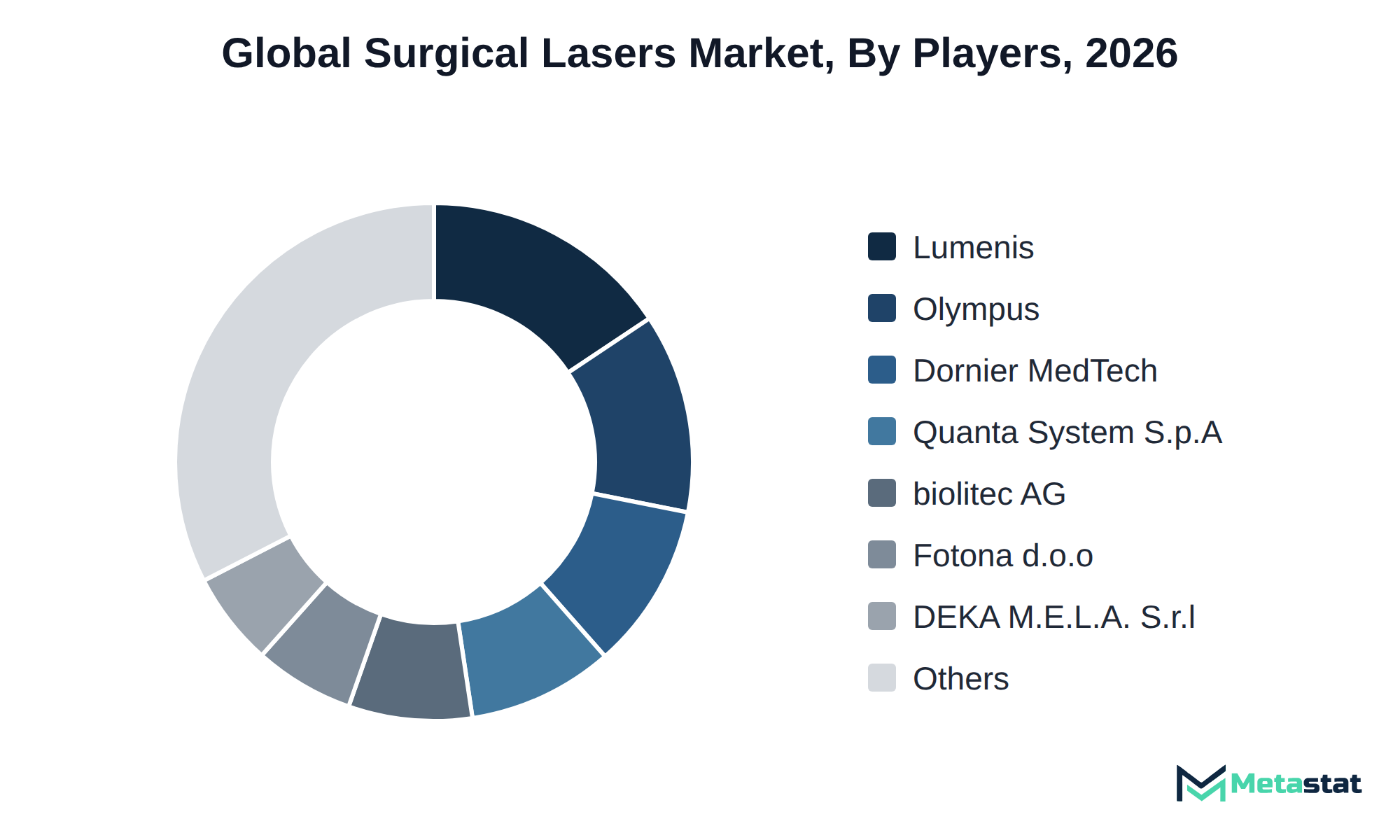
Lumenis Ltd. focuses on advanced laser technologies, particularly in oncology and soft-tissue surgery. Olympus Corporation emphasizes a diverse product portfolio, catering to multiple application areas, including urology and ophthalmology. Fotona d.o.o. highlights its expertise in offering high-quality laser systems, targeting both surgical and aesthetic applications.
In the Surgical Lasers market, companies use their distinct capabilities to meet specific buyer demands. Customization options and robust customer support enhance satisfaction and build loyalty among healthcare providers.
Two primary developments will drive growth in the Surgical Lasers market. First, the increasing adoption of CO₂ lasers in soft-tissue surgeries will enhance their application in various medical procedures, contributing to the expansion of the Surgical Lasers market. This segment is projected to exhibit a CAGR of 8.4% from 2026 to 2033, reflecting growing demand for minimally invasive surgeries.
Second, advancements in oncology applications will significantly impact market growth. The oncology segment is anticipated to experience a CAGR of 10% during the same forecast period, driven by the rising incidence of cancer and the increasing need for effective treatment modalities. North America, accounting for 38% of the market share, will play a crucial role in this growth due to robust healthcare infrastructure and investment in innovative technologies.
Conversely, economic fluctuations and regulatory challenges pose risks that could hinder market progress. A slowdown in healthcare spending or stringent regulations affecting the approval of new devices impedes the market's ability to reach its full potential. Addressing these challenges will be essential for sustained growth in the Surgical Lasers market.
By Laser Type: CO₂ Lasers, Holmium:YAG Lasers, Thulium Fiber Lasers, Thulium:YAG Lasers, Erbium:YAG Lasers, Nd:YAG Lasers, Diode Lasers, Excimer Lasers, Femtosecond Lasers, Others (Argon, KTP and Pulsed-Dye Lasers)
By Procedure Type: Soft-Tissue Surgery, Stone Fragmentation and Lithotripsy, Benign Prostatic Hyperplasia Treatment, Retinal Photocoagulation, Corneal Refractive Surgery, Cataract Laser Procedures, Laser-Assisted Lipolysis, Others (Scar Revision and Lesion Removal)
By Application: Oncology, Ophthalmology, Urology, Neurology, Cardiology, Dentistry, Others (Gynecology, Dermatology)
By End User: Hospitals, Ambulatory Surgical Centers, Specialty Clinics, Ophthalmic Centers, Dental Clinics, Academic and Research Institutes
The report strategically identifies and profiles the key market players and analyses their core competencies in each sub-segment of the Surgical Lasers market.
Report Attributes | Details |
Study Period | 2021-2033 |
Base Year | 2025 |
Estimated Year | 2026 |
Forecast Period | 2026-2033 |
Historical Period | 2021-2025 |
Growth Rate | CAGR 9.2% from 2026 to 2033 |
Revenue Unit | USD million |
Segmentation | By Laser Type, Procedure Type, Application, End User, and Region |
By Region | North America (By Laser Type, Procedure Type, Application, End User, and Country)
|
Europe (By Laser Type, Procedure Type, Application, End User, and Country)
| |
Asia Pacific (By Laser Type, Procedure Type, Application, End User, and Country)
| |
South America (By Laser Type, Procedure Type, Application, End User, and Country)
| |
Middle East and Africa (By Laser Type, Procedure Type, Application, End User, and Country)
|
Find answers to common questions about this report
The Surgical Lasers market size was valued at USD 9,458.4 million in 2025.
The market is projected to grow at a CAGR of 9.2% during the forecast period from 2026 to 2033.
The North America Surgical Lasers market size is estimated to reach USD 6,856.5 million by 2033.
CO₂ Lasers lead the Surgical Lasers market with a projected value of USD 3,223.5 million by 2033, based on its growth trajectory compared to other laser types.
The shift toward outpatient procedures significantly increases the adoption of surgical lasers, driven by rising healthcare costs and improved patient outcomes. Innovations in high-precision laser technologies enhance surgical outcomes, particularly in sensitive applications, attracting healthcare providers to invest in these advanced systems.
North America holds the dominant share of the Surgical Lasers market, with a projected value of USD 6,856.5 million in 2033, representing 38 percent of the total market. This figure surpasses the shares of other regions significantly.
The price sensitivity of healthcare providers significantly impacts the adoption of surgical lasers, as budget constraints lead to slower uptake of advanced systems. rising input costs for raw materials and production processes exert margin pressure on suppliers, affecting profitability and operational stability.
The increasing preference for outpatient procedures and the demand for minimally invasive options significantly favor the adoption of surgical lasers. advancements in laser technologies enhance procedural efficiency and patient outcomes, driving healthcare providers to invest in these systems.
The Surgical Lasers market is estimated to reach a valuation of USD 19,130.8 million by 2033.
Key players operating in the Surgical Lasers industry include Lumenis Ltd., Olympus Corporation, Dornier MedTech GmbH, Quanta System S.p.A., biolitec AG, Fotona d.o.o., DEKA M.E.L.A. S.r.l., and A.R.C. Laser GmbH.
The analysts below cover Medical Devices research at Metastat Insights.
LEAD ANALYST
Utkarsh Khirodkar is a Lead Market Research Analyst at MetaStat Insight, specializing in market intelligence, technology sector assessments, and competitive strategy.

LEAD PRINCIPAL ANALYST, PHARMA AND HEALTHCARE
Food and Beverages · Healthcare · Healthcare IT · Medical Devices
Ajay Devgire is the Lead Healthcare Analyst at MetaStat Insight, leading strategic research and market intelligence initiatives across the global healthcare domain.

SENIOR RESEARCH ANALYST
Biotechnology · Food and Beverages · Medical Devices · Packaging
Snehal Pasalkar is a Research Analyst at MetaStat Insight, operating at the intersection of life sciences research, competitive strategy, and market intelligence.
Evaluating sovereign cloud deployments for core banking platforms demands a clear view of data residency regulations and migration exit strategies. MetaStat Insight delivered an exhaustive review of regional latency tolerances, mainframe decommission milestones, and third-party vendor concentration risk. The regulatory compliance mapping across European and Asian financial jurisdictions gave our team a dependable baseline for multi-cloud infrastructure discussions.
Replacing petrochemical surfactants with bio-based alternatives requires realistic timelines on industrial precision fermentation scaling. The market research broke down commercialization timelines, feedstock sugar price sensitivities, and regional cosmetic ingredient regulatory approvals in Europe and East Asia. That supplier readiness mapping gave our formulations team reliable context when comparing renewable chemical sourcing roadmaps.
Tracking ceramic matrix composite adoption in high-bypass aero engines requires strict attention to material qualification cycles and FAA airworthiness testing milestones. The MetaStat Insight team provided a detailed timeline of silicon carbide fiber manufacturing capacity and commercial foundry lead times. Having clear visibility into upstream thermal barrier coating supply helped us stress-test our long-term component procurement strategy.
Explore related market intelligence reports worth reading alongside this one.